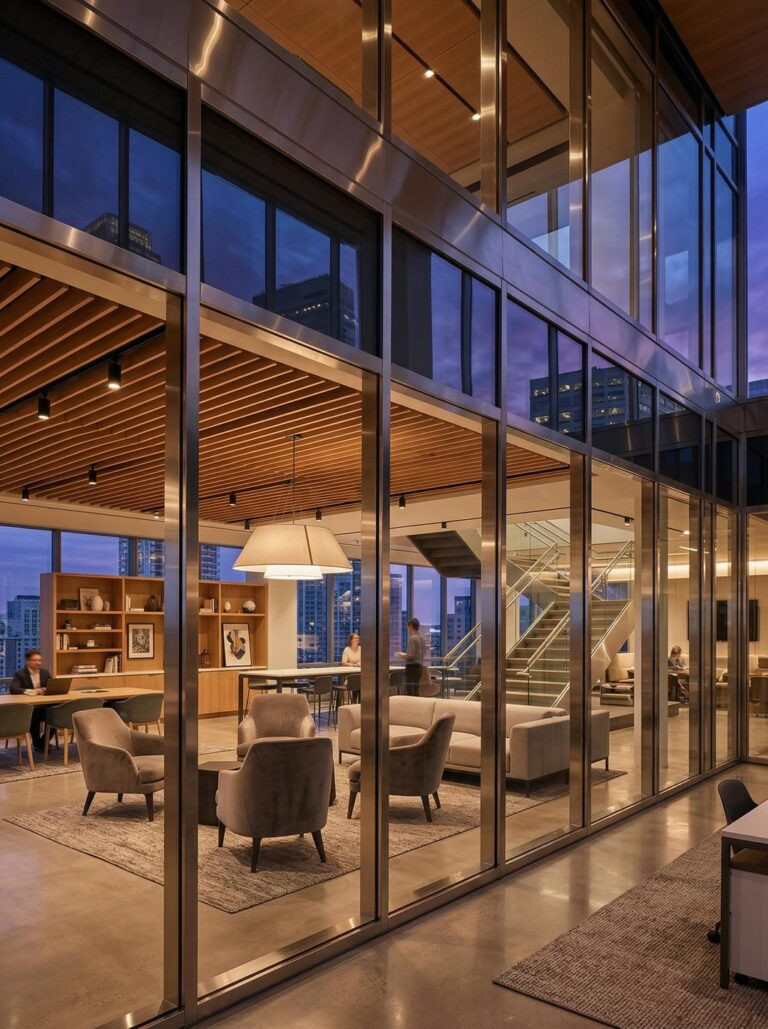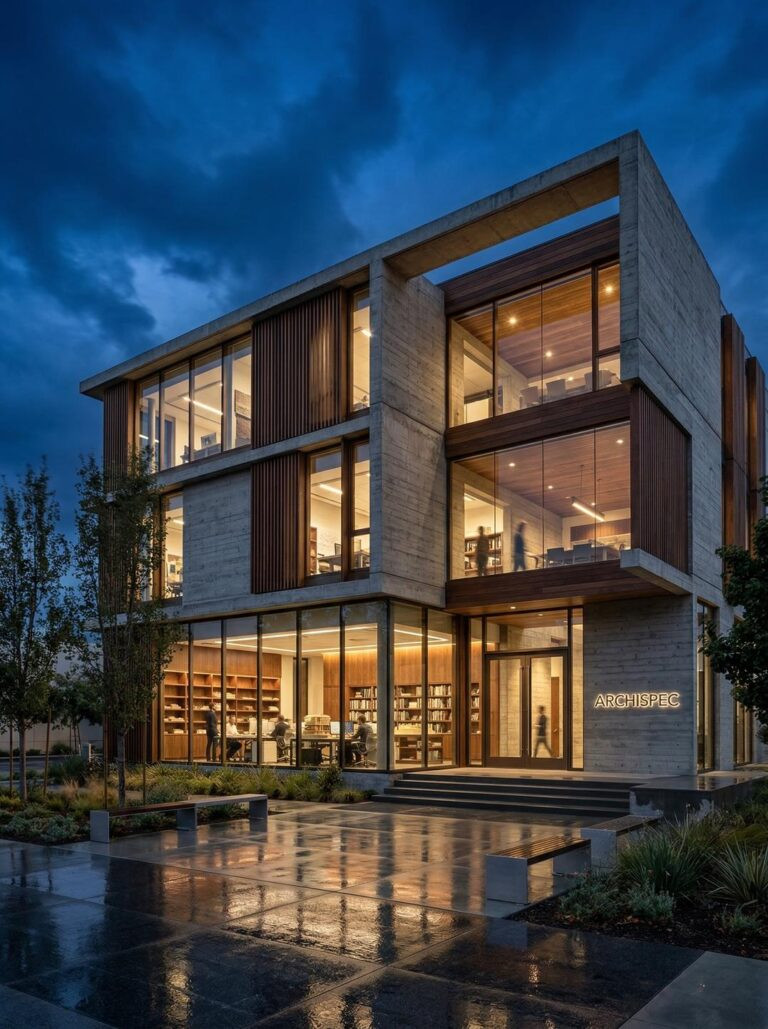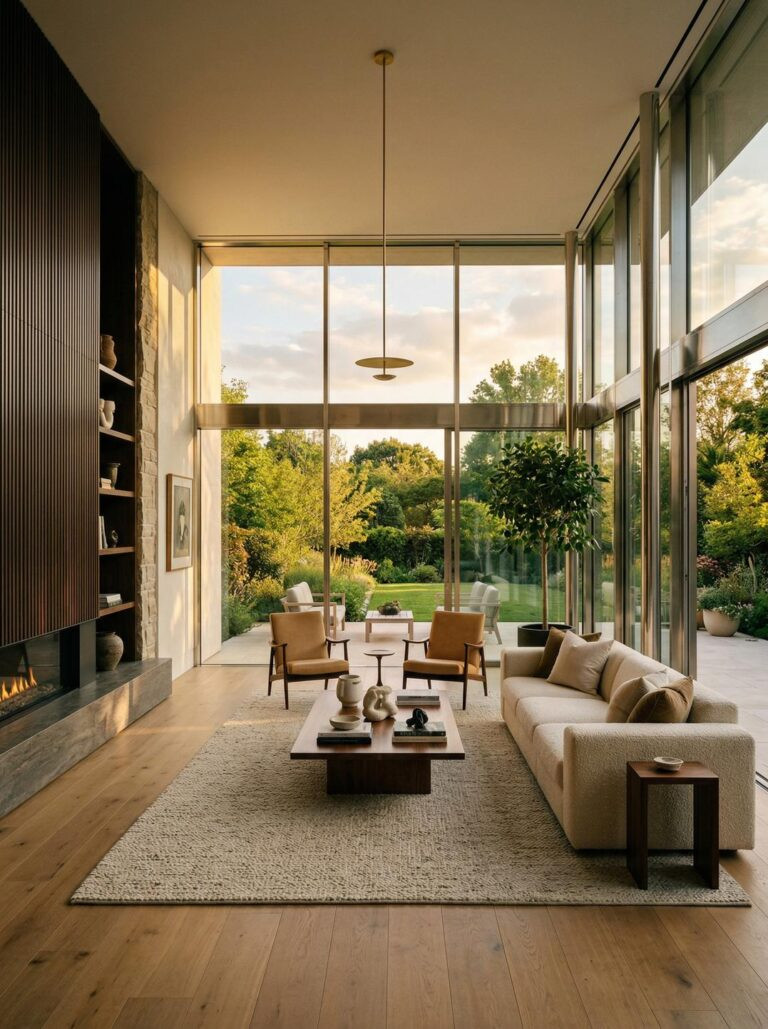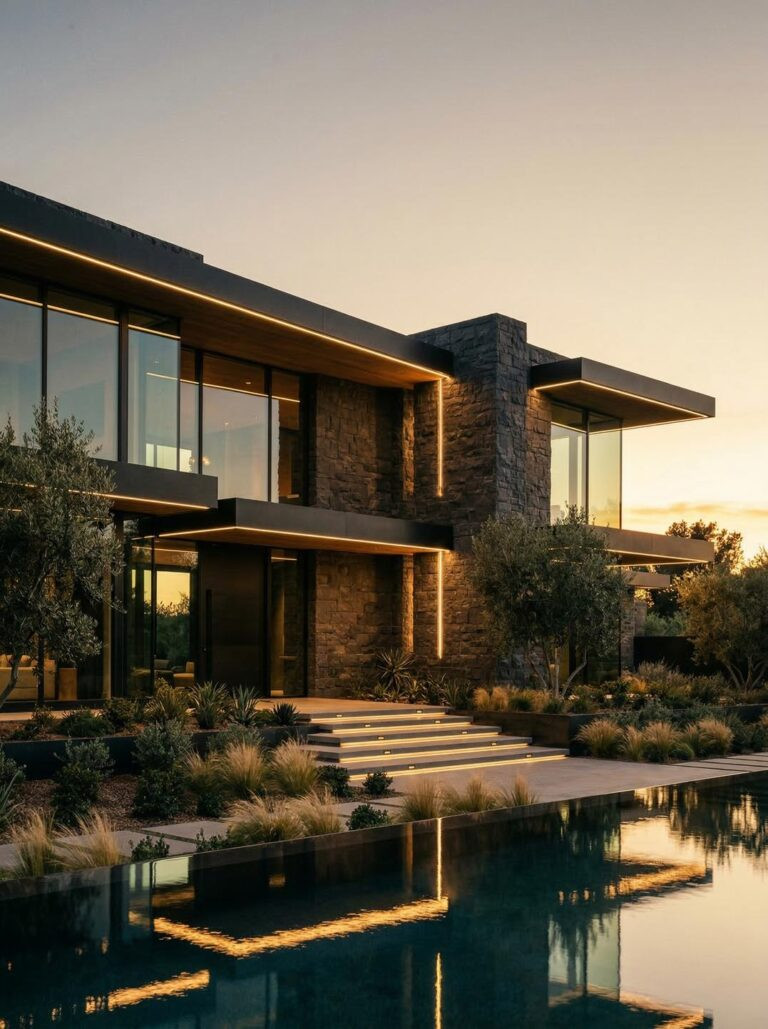

Every marketing brief for a new project eventually hits the same fork: renders vs animation. Still images are fast, cheap per unit and endlessly reusable; animation is slower and costs more, but it moves people in a way a single frame cannot. The right answer is rarely one or the other. It is a split, and the split depends on where the project sits in its sales cycle.
Key takeaways
- Still renders carry most of a property campaign, because listings, brochures, hoardings and portals all run on images.
- According to the National Association of Realtors, 73% of buyers’ agents rate listing photos as highly important, against 48% for videos.
- Animation earns its cost when a project needs to explain sequence, scale or arrival, which a single frame cannot show.
- A practical split is a core set of stills first, then a short animation built from the same 3D scene.
Architectural visualization is the production of photorealistic images and films of a building before it exists. Arkilex is a 3D visualization studio that produces both formats from one 3D model, so the choice between them is about audience and timing, not about starting two separate productions.
1. What do still renders do best?
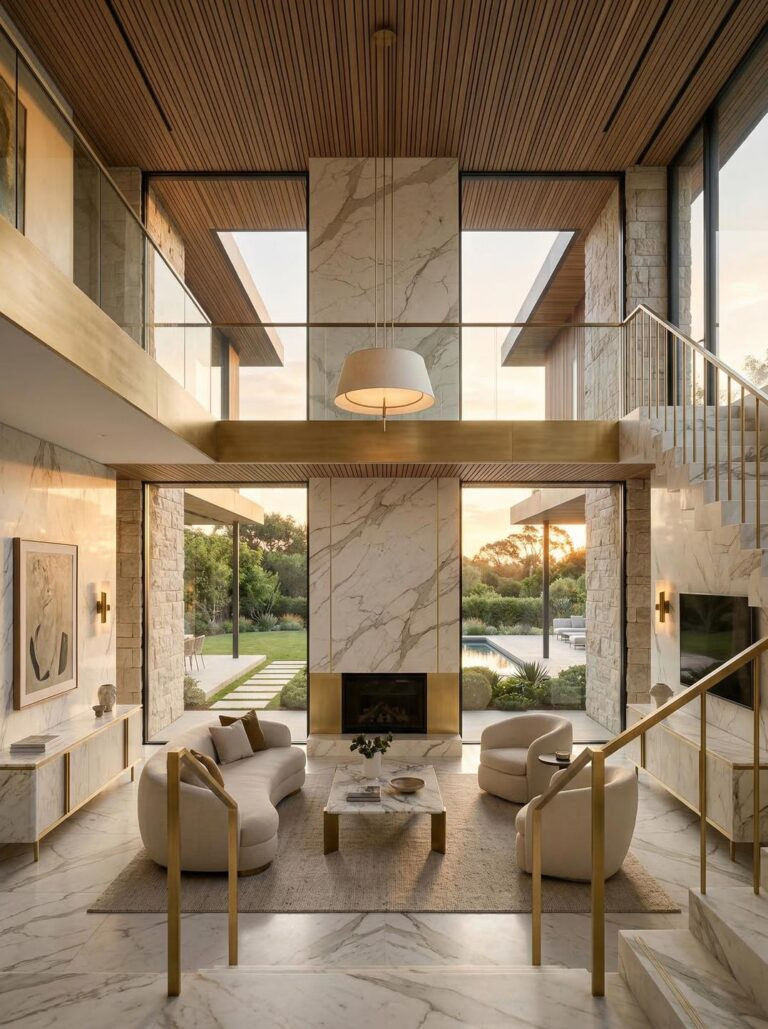
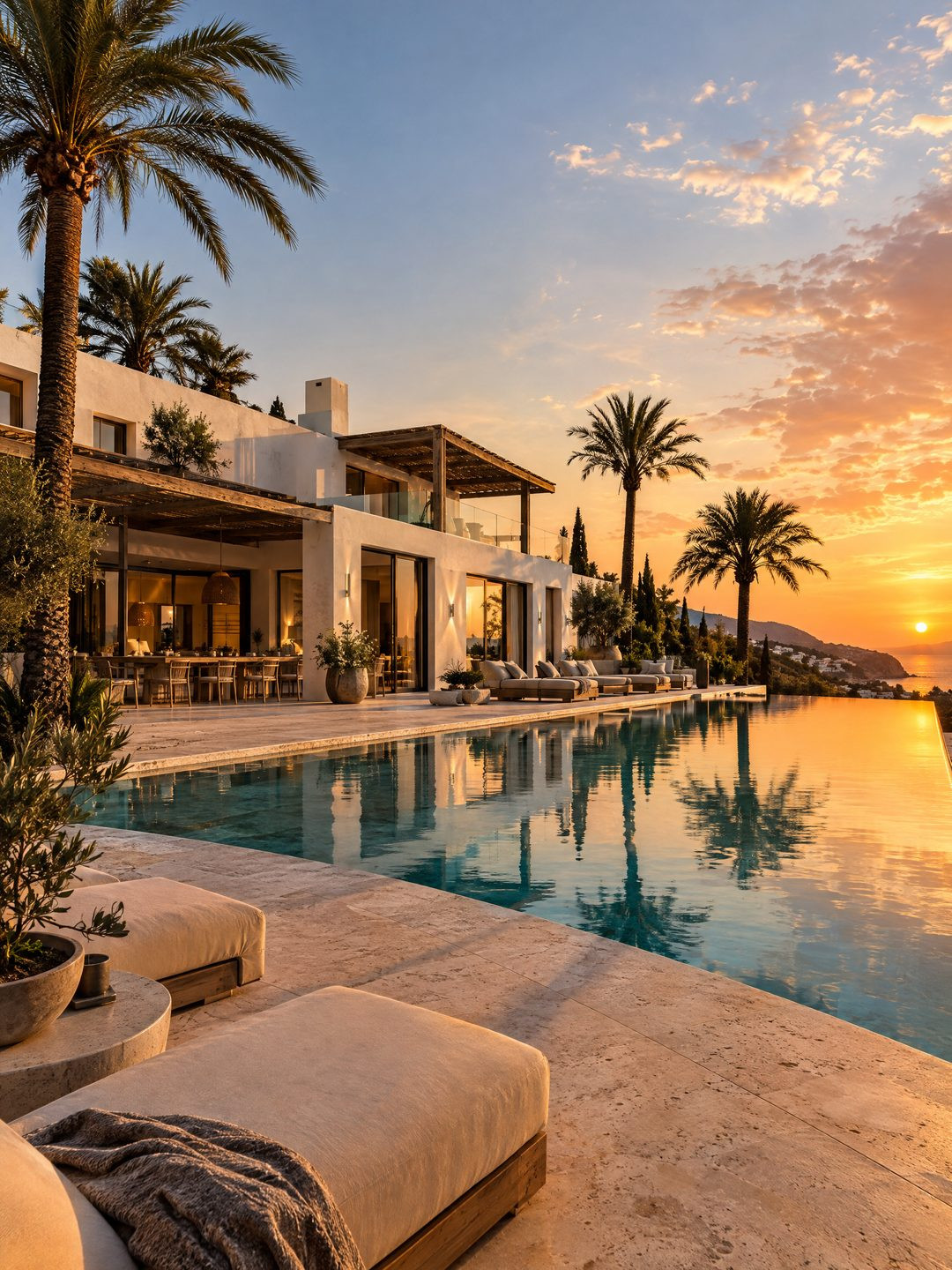
Still renders do the heavy lifting of a campaign: they are the format every channel accepts. Portals, brochures, site hoardings, pitch decks and social feeds all run on single images, and a strong set of eight to twelve frames can cover a full launch.
A still also rewards attention. A buyer can study a kitchen render for a minute, zoom into the stone, and compare it with the next frame. That slow reading is exactly what a price-sensitive buyer does before booking a visit.
The data backs this up. In the 2025 Profile of Home Staging by the National Association of Realtors, buyers’ agents said photos were highly important to their clients 73% of the time, well ahead of videos at 48% and virtual tours at 43%.
2. When is 3D animation worth the extra cost?
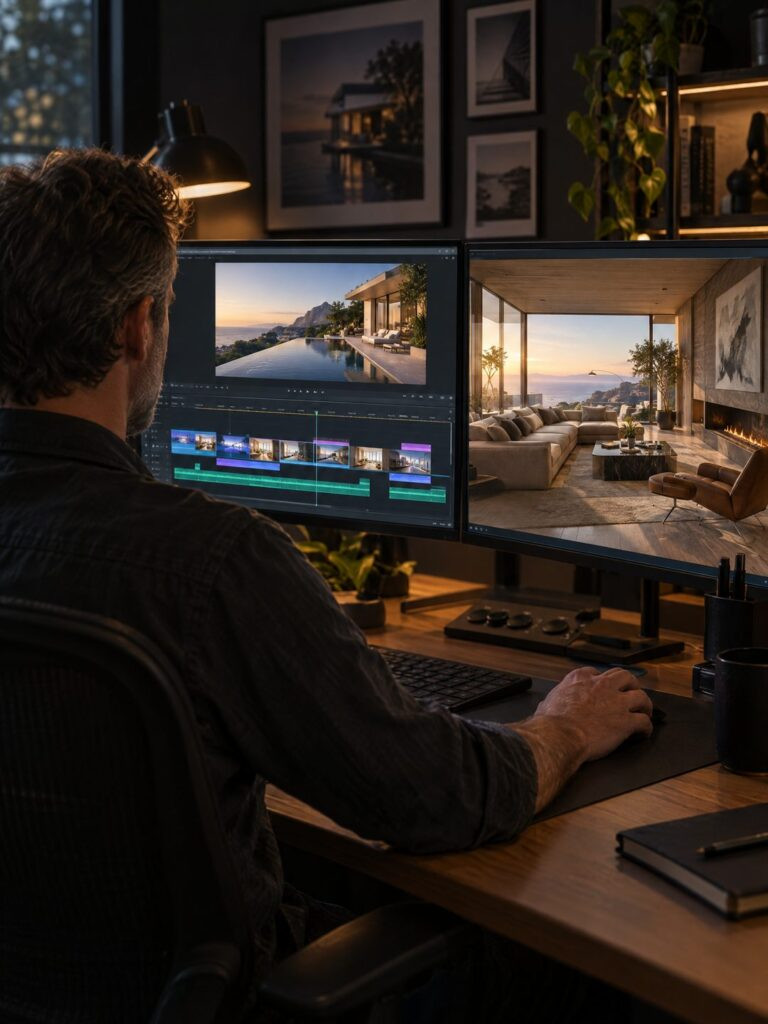
Animation is worth it when the project has a story that only works in time. Arrival sequences, the walk from the lobby to the pool, the view opening up as you climb a staircase: these are experiences, and experiences need duration.
It is also the format that performs on the platforms buyers scroll every day. Wyzowl’s 2025 survey of marketers found that 89% of businesses use video as a marketing tool, and 93% of video marketers said it gives them a good return on investment.
Our own rule is simple. If the selling point is a single space, a still will sell it. If the selling point is the relationship between spaces, or the approach to the building, it deserves a film.
3. Renders vs animation: A side-by-side comparison
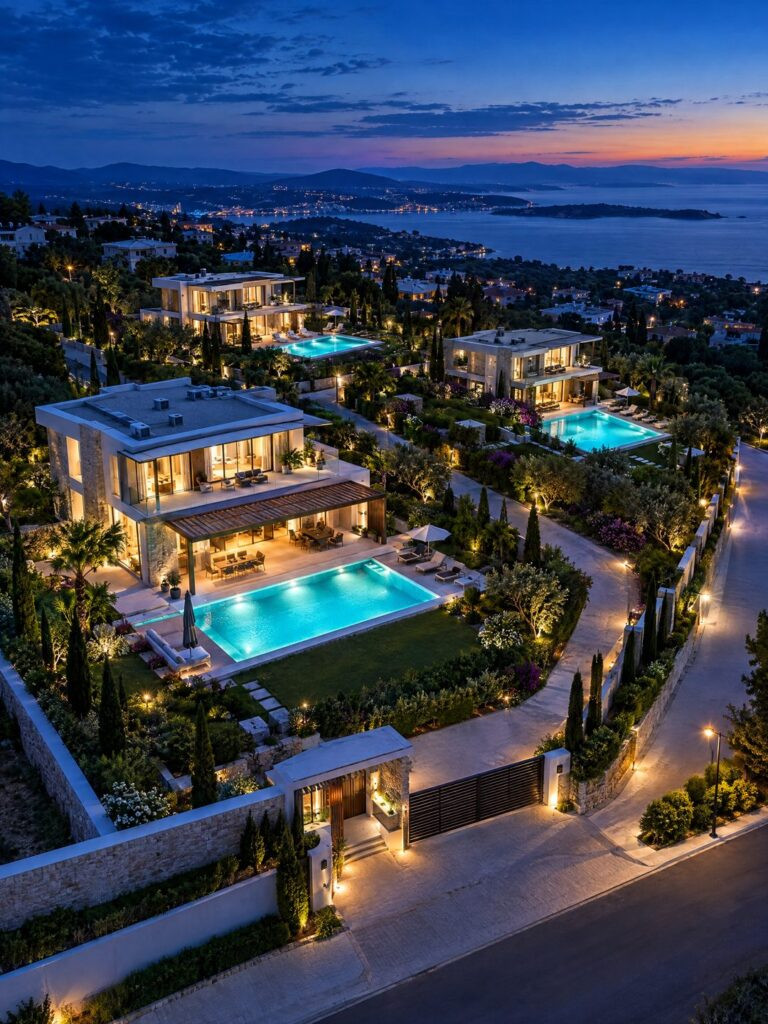
The two formats differ most in cost per asset, production time and where they get used. The table below summarizes how we explain the trade-off to clients.
| Factor | Still renders | 3D animation |
|---|---|---|
| Main use | Listings, print, portals, decks | Launch films, social ads, sales suite screens |
| Production effort | Per frame, quick to revise | Per second, revisions cost more |
| Reuse | Very high across channels | Cut-downs for reels and ads |
| Best at showing | Materials, light, a single space | Sequence, scale, arrival, flow |
| Buyer behavior | Studied slowly, compared | Watched once, felt emotionally |
Neither column wins on its own. Stills cover every channel, while a film is what buyers remember after the visit, so most launches use both in a planned order.
4. How should you split the visualization budget?
Start with the stills, then fund the animation from what the stills have already built. Because both come from the same 3D scene, the modeling, materials and lighting paid for in the stills phase carry straight into the film.
- Commission the hero exterior and the three most important interiors first.
- Add supporting stills for amenities, views and details.
- Brief a 30 to 60 second film that reuses the approved scenes.
- Cut the film into 10 to 15 second vertical clips for social placements.
This order protects the budget. If the launch date moves or the design changes, the stills are already working, and the animation is scheduled against a model that has been approved.
5. Which format should you commission first?
Commission stills first in almost every case. The only exception is a project whose entire pitch is movement, such as a resort arrival or a waterfront promenade, where a short film can open the campaign.
When clients ask us about renders vs animation, we ask three questions back: where will the visuals appear, how long does a buyer spend with them, and what single feeling should they leave with. The answers usually make the split obvious within a few minutes.
If you are planning a launch and want a clear production plan, talk to the Arkilex team. We will map your channels, recommend a stills set and tell you honestly whether a film will pay for itself.
6. Frequently asked questions
Are still renders cheaper than 3D animation?
Yes. A still render is priced per image, while an animation is priced per second of film, and every second contains 24 or more rendered frames. Because both come from the same 3D scene, commissioning stills first lowers the later cost of an animation, since modeling, materials and lighting are already approved.
How long should a property animation be?
Most property films work best between 30 and 90 seconds. That is long enough to show arrival, the key interiors and the views, and short enough to hold attention on a sales suite screen. Social placements then use 10 to 15 second vertical cut-downs taken from the same master film.
Can one 3D model produce both renders and animation?
Yes. A single, well-built 3D scene can output still images and animated camera paths. This is the most efficient way to produce both formats, because the geometry, materials and lighting are built once and then reused, which keeps the look consistent across every channel of the campaign.
Which format works better for social media ads?
Short vertical video usually performs better in social feeds, because platforms favor motion and hold attention longer. Strong still renders still work well in carousel ads and static placements. Many campaigns run both formats and let the platform’s delivery data show which one produces cheaper inquiries.
“Few teams can turn an abstract vision into such a harmonious reality. They merged bold architecture, precise interior design, and the poetry of landscaping. Rigor, boundless creativity, and a contagious passion.”
— Khalif Khalif ★★★★★ · Google review