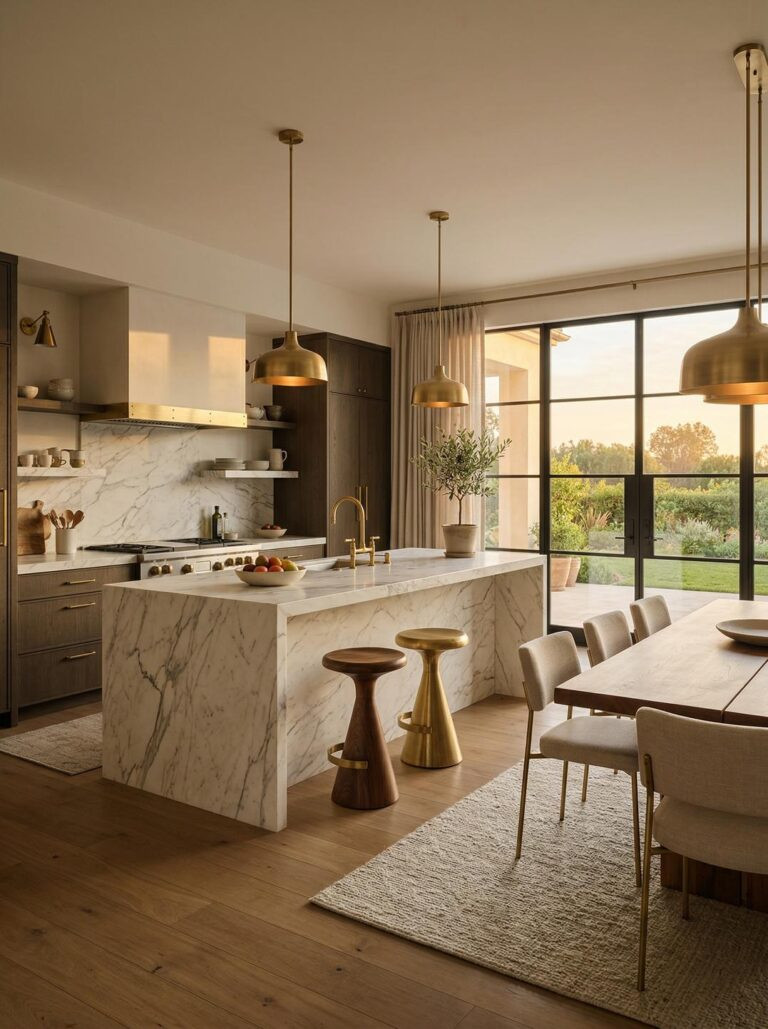

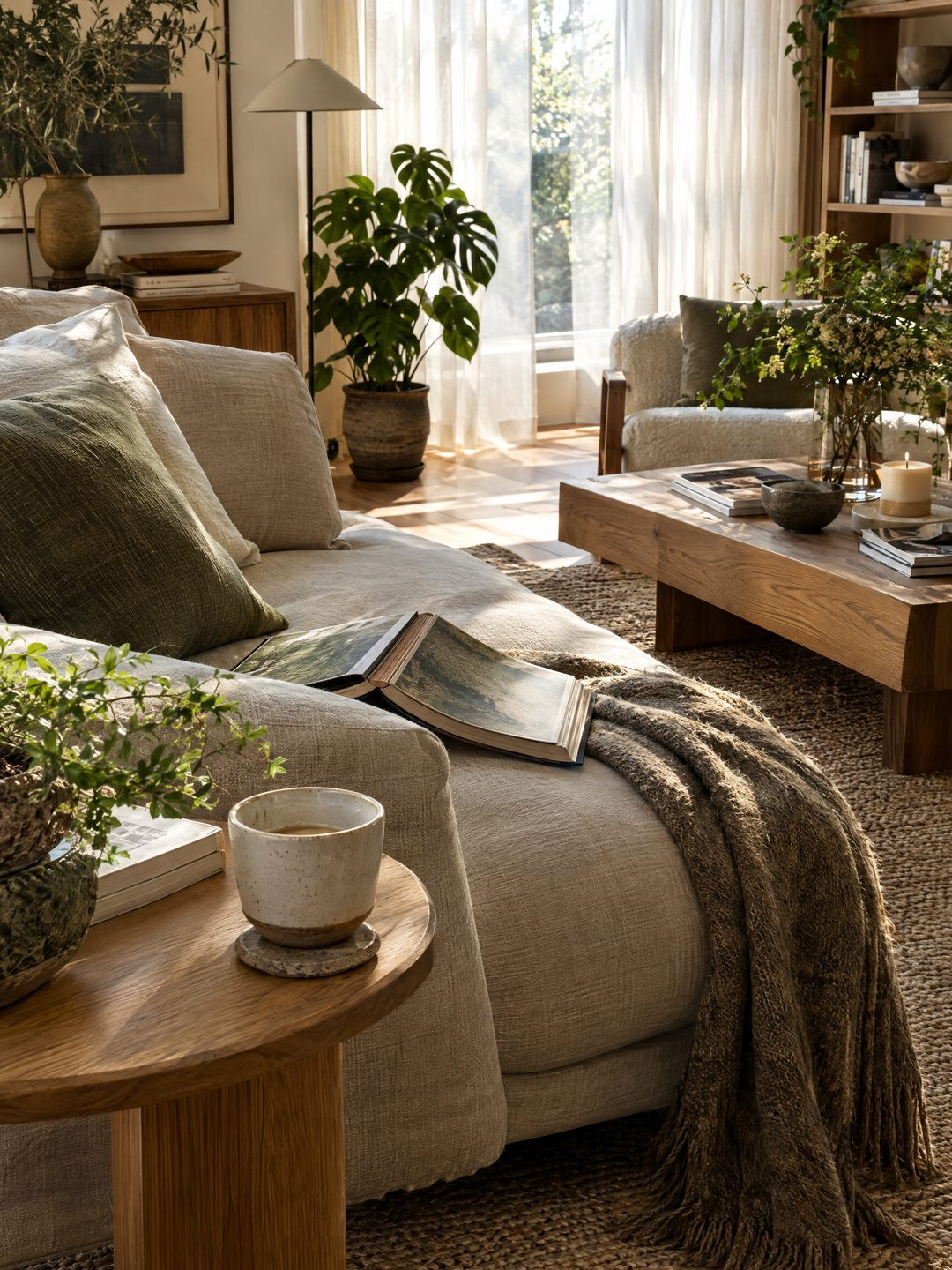
A perfect room can look fake. Spotless surfaces, symmetrical cushions and empty counters tell the eye that nobody has ever lived there, and buyers feel that before they can explain it. Lived-in interior renders fix this with deliberate imperfection: an open book, a folded throw, a cup left on a side table.
Key takeaways
- Interior renders look more believable when they include small signs of daily life rather than showroom perfection.
- The National Association of Realtors reports that 83% of buyers’ agents say staging makes it easier for buyers to picture a home as their own.
- The living room, primary bedroom and kitchen are the rooms buyers care about most, so they deserve the most styling effort.
- Styling must stay restrained: clutter reads as untidy, and personal items can distract from the architecture.
A lived-in render is a photorealistic interior image styled to suggest that real people use the space, without showing the people themselves. Arkilex builds this styling into every interior scene, because believability is what turns a nice picture into a room a buyer can imagine owning.
1. Why do perfect rooms look fake?
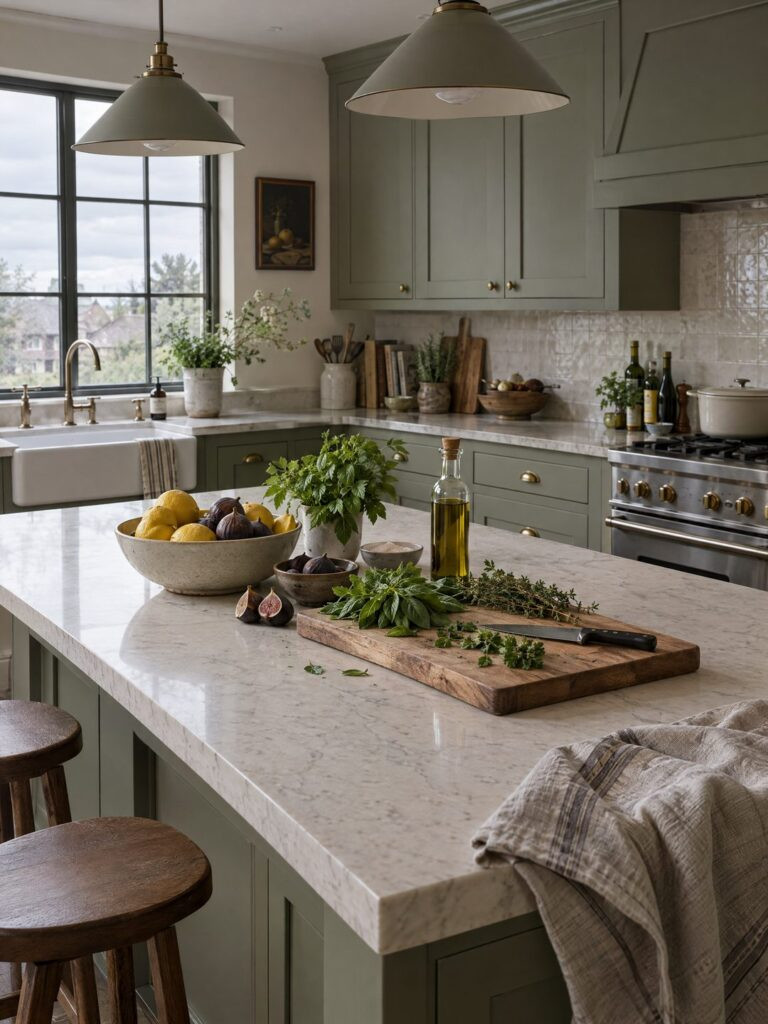
Perfect rooms look fake because real rooms are never perfect. Our eyes are trained by years of looking at real homes, and they notice missing wear, missing clutter and missing asymmetry long before they notice a lighting error.
Computer graphics make perfection the default. Every cushion is plumped, every towel is square, every surface is clean. The work of a good interior artist is to add back the small disorder that the software removed.
That disorder has a job to do. It tells the viewer that the space is usable, that the kitchen is for cooking and the sofa is for sitting, which is the emotional step buyers take before they book a visit.
2. Seven details that make lived-in interior renders work
Seven details do most of the work, and none of them are expensive to add to a 3D scene. The skill is choosing few enough of them that the room still looks calm.
- An open book or magazine resting face down on a sofa or bed.
- A throw blanket draped unevenly, not folded into a square.
- A half-finished drink on a side table or kitchen island.
- Fresh produce or herbs in the kitchen, placed as if mid-preparation.
- Slightly rumpled bedding instead of a hotel-tight duvet.
- Plants with natural, irregular growth and a few imperfect leaves.
- Soft daylight through sheer curtains, which adds movement and warmth.
Each item answers a silent question in the buyer’s mind: could I read here, cook here, sleep here? A well-styled render lets the buyer answer yes without a salesperson saying it.
3. Does styling really change how buyers react?

Yes, and the evidence comes from physical staging, which is exactly what interior styling does in 3D. In the 2025 Profile of Home Staging from the National Association of Realtors, 83% of buyers’ agents said staging made it easier for buyers to picture the property as their future home.
The same report found that 29% of agents saw offers between 1% and 10% higher on staged homes. It also ranked the rooms that matter most to buyers: the living room at 37%, the primary bedroom at 34% and the kitchen at 23%.
For a developer, that ranking is a production plan. Put the richest styling into those three rooms, and keep bathrooms, corridors and secondary bedrooms simpler.
4. Where does lived-in styling go wrong?
Styling goes wrong when it tips into clutter or into someone else’s life. Family photos, branded products and strong personal taste pull attention away from the architecture and make buyers feel like guests in a stranger’s home.
- Too many objects: the room reads as untidy, not lived-in.
- Visible brands: logos date the image and raise licensing questions.
- Food and drink that look staged, such as untouched full plates.
- Props that fight the design, like rustic clutter in a minimal space.
A good test is to remove each prop in turn. If the room still feels inhabited without it, it was not needed.
5. How to brief your studio for believable interiors
Brief the lifestyle, not the objects. Tell your studio who the buyer is, a young family, a retired couple, a professional who travels, and let the styling follow from that profile.
Share two or three reference photos of real homes you like, and say which rooms matter most. That gives the artist enough direction to choose props that suit the market without turning every scene into the same catalogue look.
At Arkilex, lived-in styling is part of every interior brief, not an extra. If you want your next set of interiors to feel like homes rather than showrooms, send us your plans and a short description of your buyer.
6. Frequently asked questions
What makes an interior render look lived-in?
Small signs of daily life make a render look lived-in: an open book, a draped throw, a half-finished drink, fresh produce in the kitchen and slightly rumpled bedding. These details suggest people use the space without showing them, which helps buyers imagine living there themselves instead of admiring a showroom.
Should interior renders include people?
Usually not in the main images. People draw the eye away from the architecture and can date the image quickly. Signs of life, such as a book or a coffee cup, give the same warmth without the distraction. People work better in lifestyle and amenity shots, such as a pool or a lounge.
Which rooms should get the most styling?
Focus on the living room, primary bedroom and kitchen. The National Association of Realtors found these are the rooms buyers care about most, at 37%, 34% and 23% respectively. Bathrooms, corridors and secondary bedrooms can stay simpler without weakening the overall impression of the property.
Can too much styling hurt a render?
Yes. Too many props make a room look cluttered, and personal items such as family photos or visible brands distract from the architecture. The best styling is restrained: remove any object the room still feels inhabited without, and keep the props consistent with the buyer profile of the project.
“An absolutely excellent 3D team that I genuinely enjoy working with - always attentive, responsive, and open to adjustments. Communication is seamless and the results consistently meet our expectations. A trusted partner I recommend without hesitation.”
— Sofia Bouziane ★★★★★ · Google review