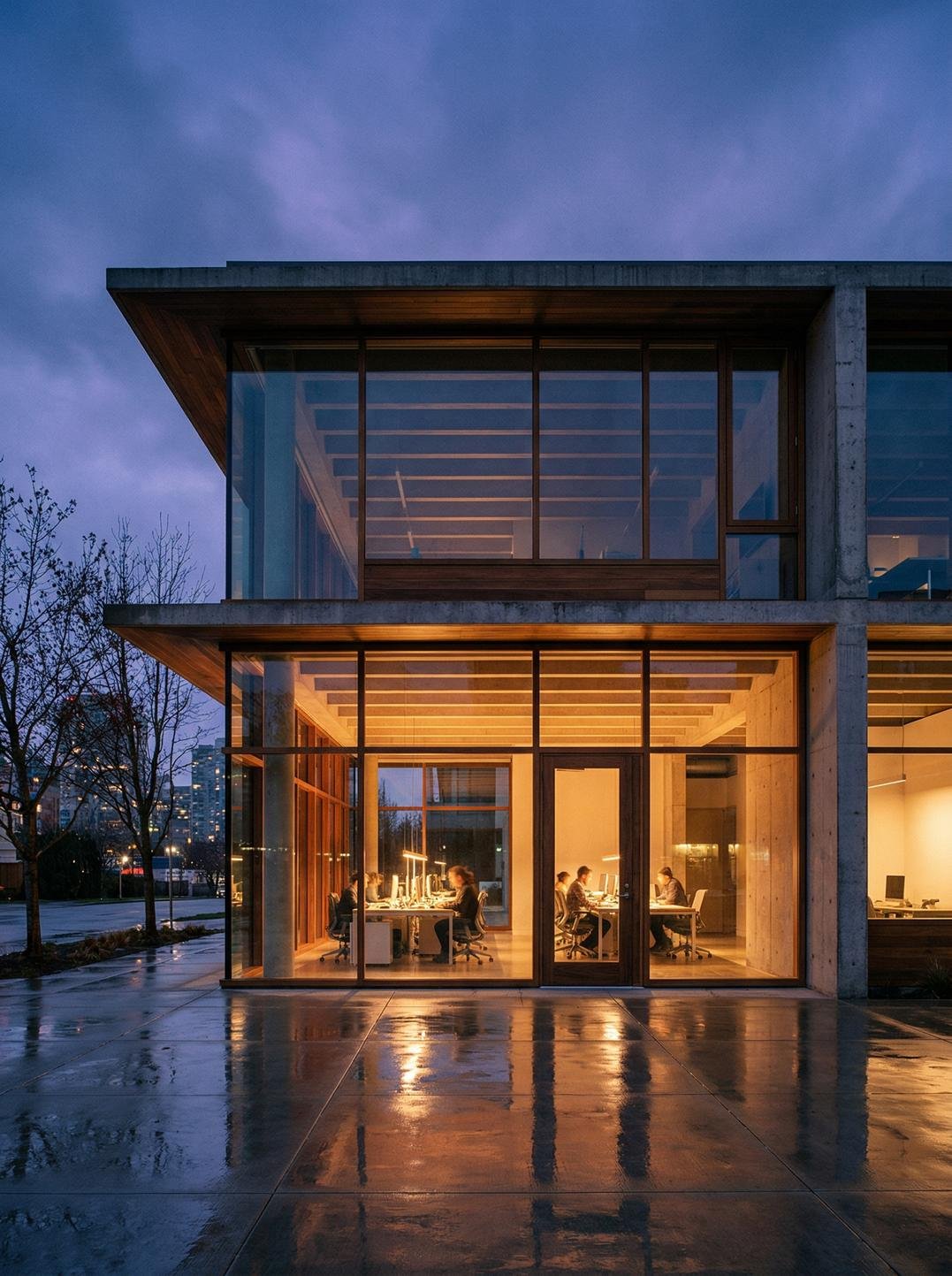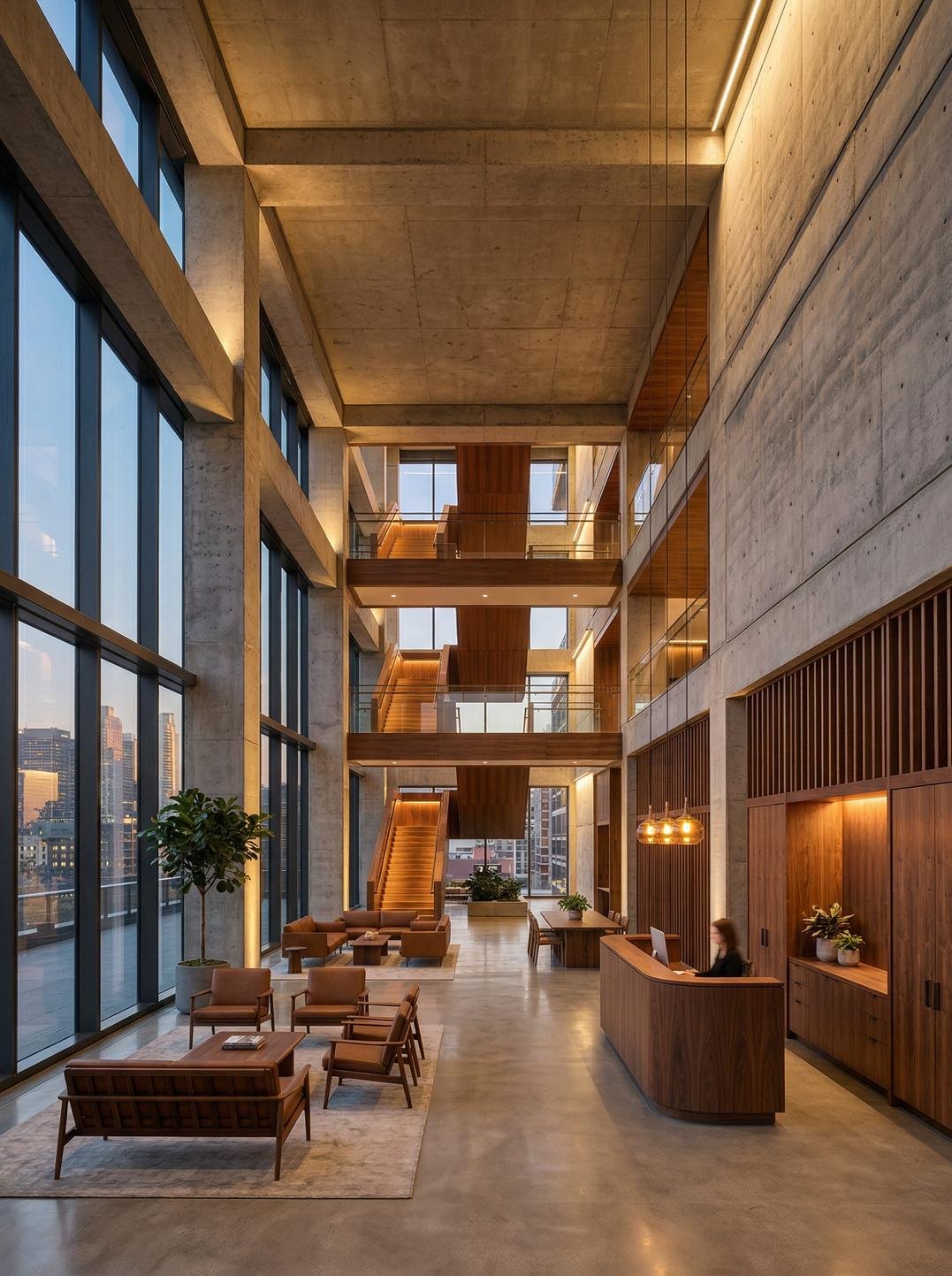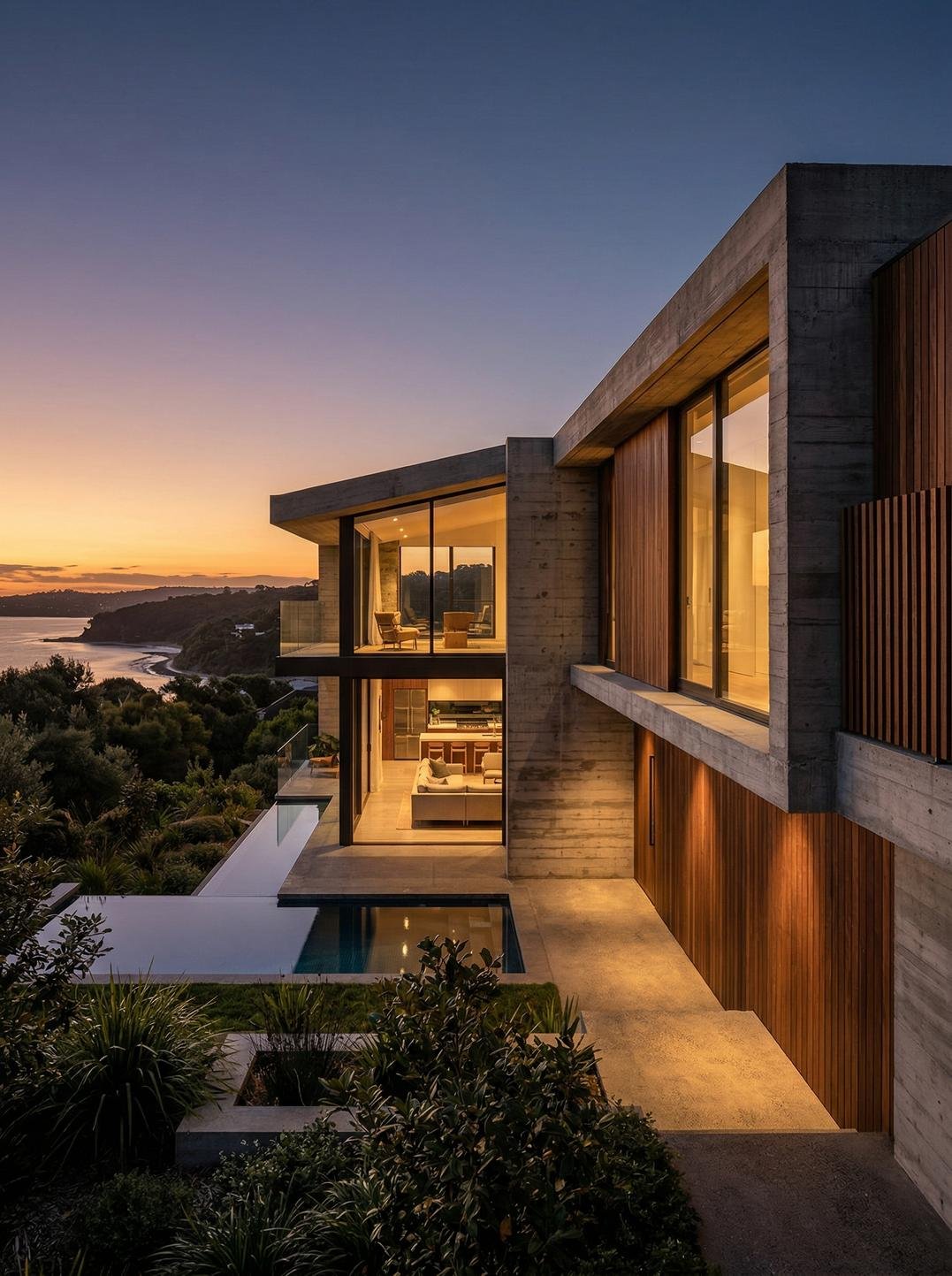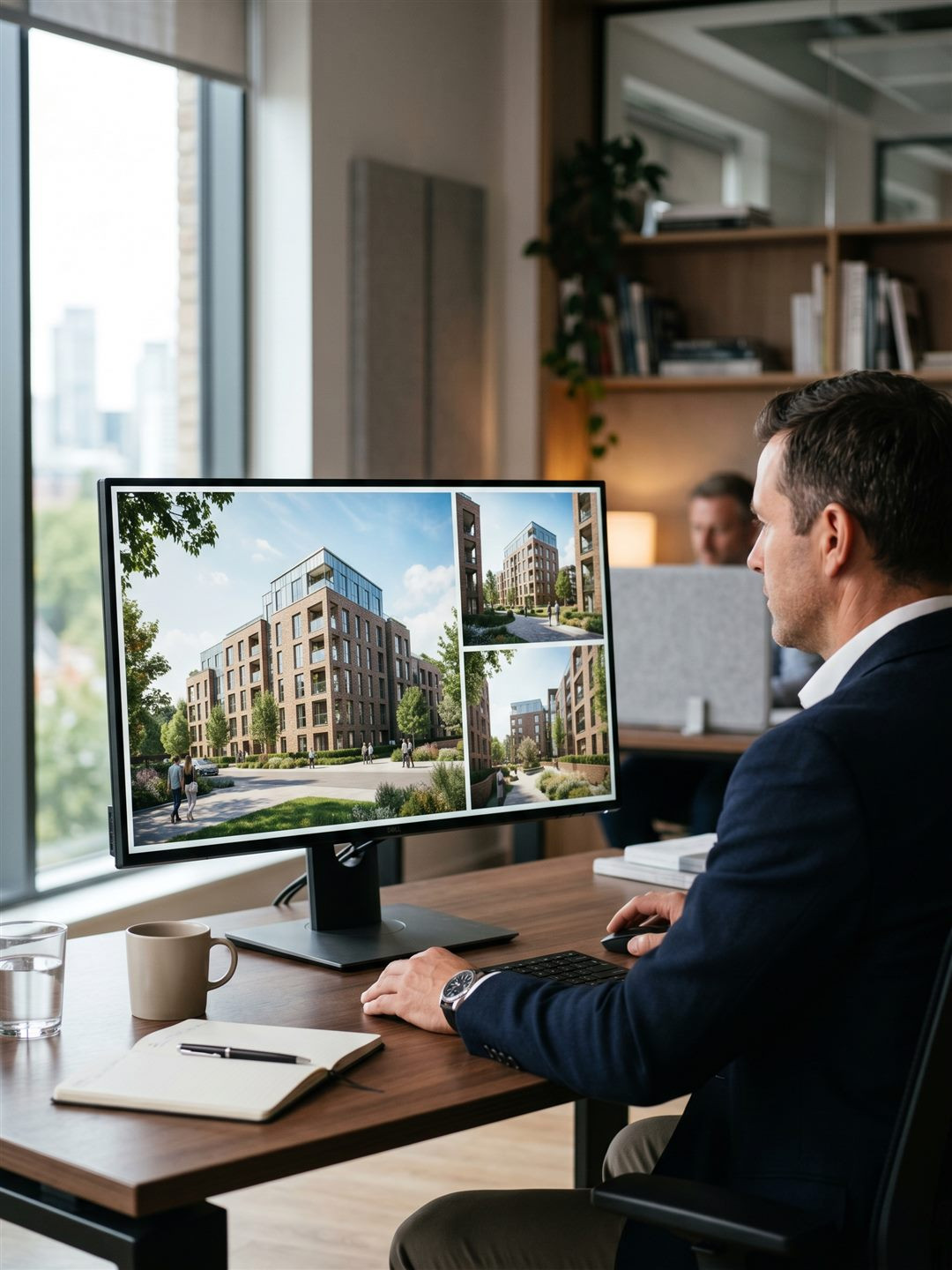

Architects working on complex projects use 3D renders for two different purposes, and they require different things from each. Pre-design renders communicate intent and character. Construction-stage renders communicate spatial accuracy — dimensions, clearances, material junctions, structural relationships.
Buyers do not buy brick and mortar; they buy the psychological certainty that a space will deliver on its promises. A cold, lifeless visual creates an immediate, unconscious friction that no amount of persuasive copywriting can ever undo. Developers who fail to understand this psychological dynamic will consistently struggle to secure early off-plan commitments.
Table of Contents
1. Why Most Pitch Decks Fail When They Render 3D Architecture Without Human Context
Developers often fall in love with the building itself, demanding sweeping aerials that showcase the entire plot and structural footprint. However, end buyers rarely experience a property from a helicopter perspective, making these expensive shots largely irrelevant to their decision. They experience it from the ground up, standing at the kitchen island or walking through the main lobby doors.
When studios focus entirely on structural accuracy rather than human scale, the resulting photorealistic architectural visualization feels distinctly sterile. Buyers need to see how morning light hits the dining area to imagine themselves living or working in that specific environment. Shifting the camera angle to a natural, eye-level human perspective instantly bridges the emotional gap for the prospective viewer.
This subtle shift in perspective forces the viewer to step inside the frame rather than observing it as an outsider. To effectively render 3d architecture, you must construct a visual narrative that mirrors the buyer’s future daily life. Anything less leaves the client struggling to connect the dots between their investment and their desired lifestyle.
2. The Four-Stage Workflow Behind a Visual Narrative That Buyers Actually Trust
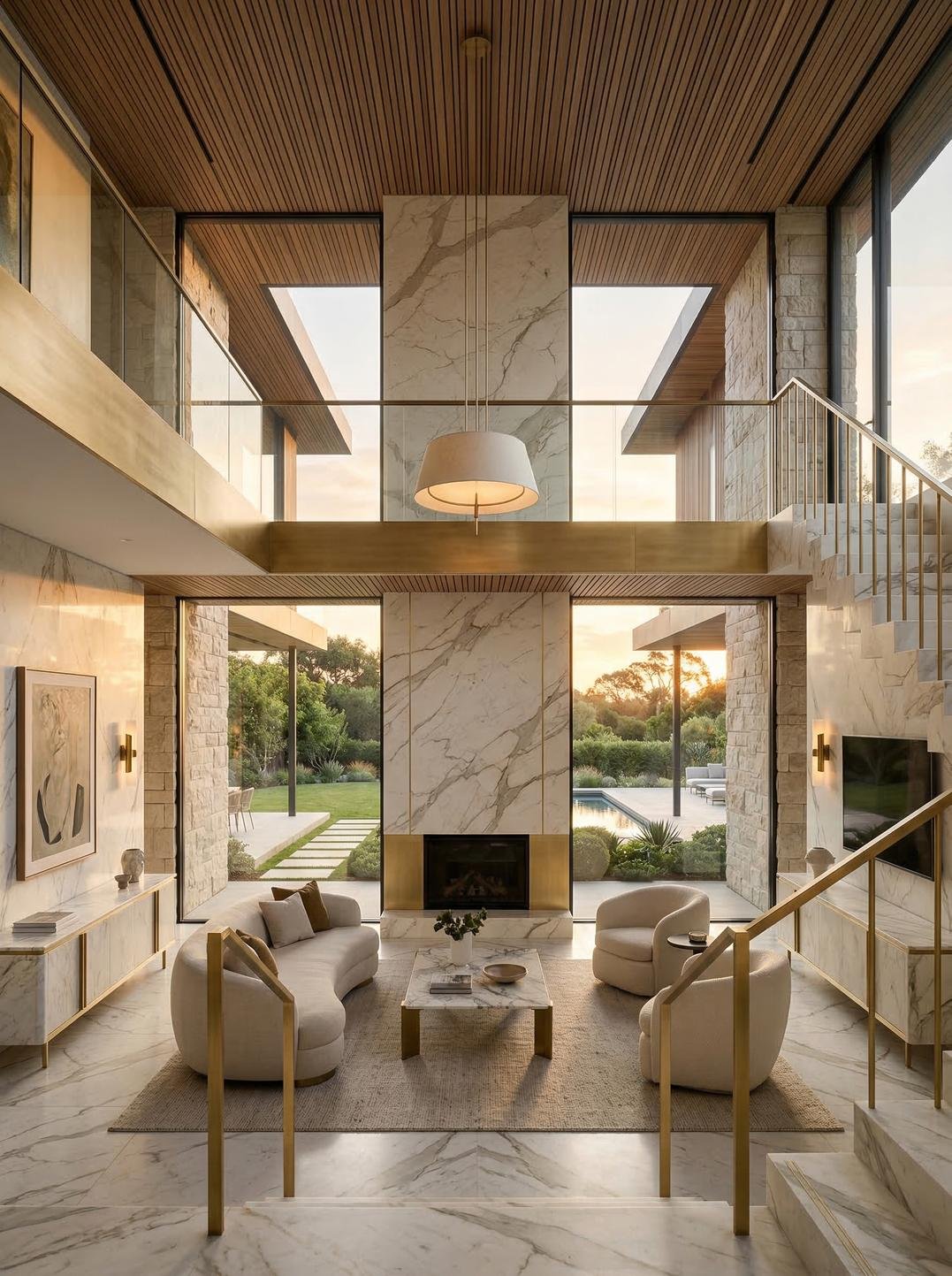
The journey from CAD files to a compelling buyer experience requires a methodical shift from technical geometry to deep emotional resonance. First, the clay model stage allows clients to approve spatial relationships without getting distracted by premature material finishes. This ensures the foundational proportions feel comfortable and expansive to the end user before any complex rendering begins.
Second, lighting designers step in to simulate precise geographical sun paths, ensuring the warmth of the scene feels authentically local. The third stage of this photorealistic architectural visualization process involves meticulous and highly critical material curation. Buyers can subconsciously detect fake textures, so applying physically accurate reflections to marble, wood, and glass is absolutely non-negotiable.
Finally, the environmental staging phase introduces subtle, lived-in details that anchor the scene in a believable reality. This specific staging makes the render 3d architecture feel like an inhabited space rather than a sterile museum exhibit. It is this final layer of polish that ultimately dismantles a buyer’s natural skepticism during a high-stakes presentation.
3. How Accurate Atmospheric Lighting Reduces Buyer Hesitation by Half

Investors are highly sensitive to risk, and poorly lit visuals trigger an innate sense of caution and financial skepticism. Professional studios understand that lighting is not merely a technical requirement, but the primary driver of emotional and psychological security. High-end photorealistic architectural visualization leverages dynamic range techniques to create soft, inviting shadows that subconsciously reassure the viewer.
When you render 3d architecture with a sterile, uniform brightness, it strips the scene of depth and atmosphere entirely. Flat lighting flattens the emotional response, leaving the client staring at a mere digital construction rather than a future home. Conversely, simulating the golden hour or a moody twilight creates an aspirational backdrop that lowers psychological barriers to purchase.
Buyers naturally project their own desires onto these carefully crafted atmospheres, accelerating the overall pre-sales decision-making process. The goal is to make the lighting feel so natural that the client completely forgets they are looking at a digital image. Achieving this level of immersion is what separates average property marketing from highly successful, rapid sell-out campaigns.
4. The Lived-In Details Investors Notice First and Studios Often Miss

Developers frequently request pristine, untouched interiors that end up looking like sterile furniture showrooms rather than warm, future homes. The end user, however, relates to subtle imperfections that signify authentic, comfortable human habitation. A slightly wrinkled throw pillow, a half-read magazine, or a casually placed coffee cup can transform a cold image into a relatable reality.
Missing these critical details is a profound failure in modern photorealistic architectural visualization, as it alienates the person writing the check. To render 3d architecture that actually converts, studios must strategically place these psychological anchors throughout every single scene. These anchors serve as visual cues that invite the buyer to mentally move their own belongings into the space.
It is these tiny, relatable elements that convince a skeptical buyer that the envisioned lifestyle is genuinely attainable and real. When a scene feels too perfect, it triggers an uncanny valley effect that pushes the buyer away emotionally. By embracing calculated imperfection, you create a render 3d architecture experience that feels inherently trustworthy and highly desirable.
Ultimately, buyers rely on these subtle environmental cues to validate their substantial financial investments. If the photorealistic architectural visualization lacks this human touch, the developer faces an uphill battle during negotiations. Choosing to render 3d architecture with an empathetic lens is the ultimate strategy for securing rapid client commitments.
5. Conclusion
Buyers do not invest in architectural blueprints; they invest in the emotional and financial security of a beautifully realized vision. Shifting your focus from developer-centric geometry to client-centric experiences ensures your visuals actually drive meaningful pre-sales. Partner with Arkilex architectural visualization studio to render 3d architecture that captures the exact emotional resonance your elite buyers demand.
6. FAQs
Why do buyers react negatively to overly perfect property renders?
Buyers inherently distrust images that lack natural human imperfections, as they fail to represent a believable lived reality. When you render 3d architecture without subtle, lived-in details, the space feels like an unapproachable museum rather than a home. Introducing calculated imperfections bridges this psychological gap and fosters immediate emotional connection.
How does camera placement impact an investor’s perception of a project?
Camera placement dictates the viewer’s psychological position within the proposed space. High-angle aerials detach the buyer from the environment, while natural, eye-level shots invite them to mentally walk through the property. Proper photorealistic architectural visualization always prioritizes the human-scale perspective to maximize emotional engagement.
What role does lighting play in the pre-sales decision process?
Lighting is the primary mechanism for establishing atmosphere and conveying a sense of security to prospective buyers. Flat, clinical lighting creates hesitation, whereas warm, dynamic shadows evoke feelings of comfort and luxury. A strategic approach to lighting dramatically reduces client skepticism and accelerates final purchasing decisions.
Why should developers stop focusing solely on structural geometry in their marketing?
While accurate geometry is essential for construction, it does not drive the emotional impulses required to close a sale. Clients purchase the lifestyle and status associated with a space, not the exact dimensions of the floorplan. To render 3d architecture successfully, developers must prioritize the end user’s emotional experience over technical structural highlights.
“An absolutely excellent 3D team that I genuinely enjoy working with – always attentive, responsive, and open to adjustments. Communication is seamless and the results consistently meet our expectations. A trusted partner I recommend without hesitation.”
— Sofia Bouziane ★★★★★ · Google review