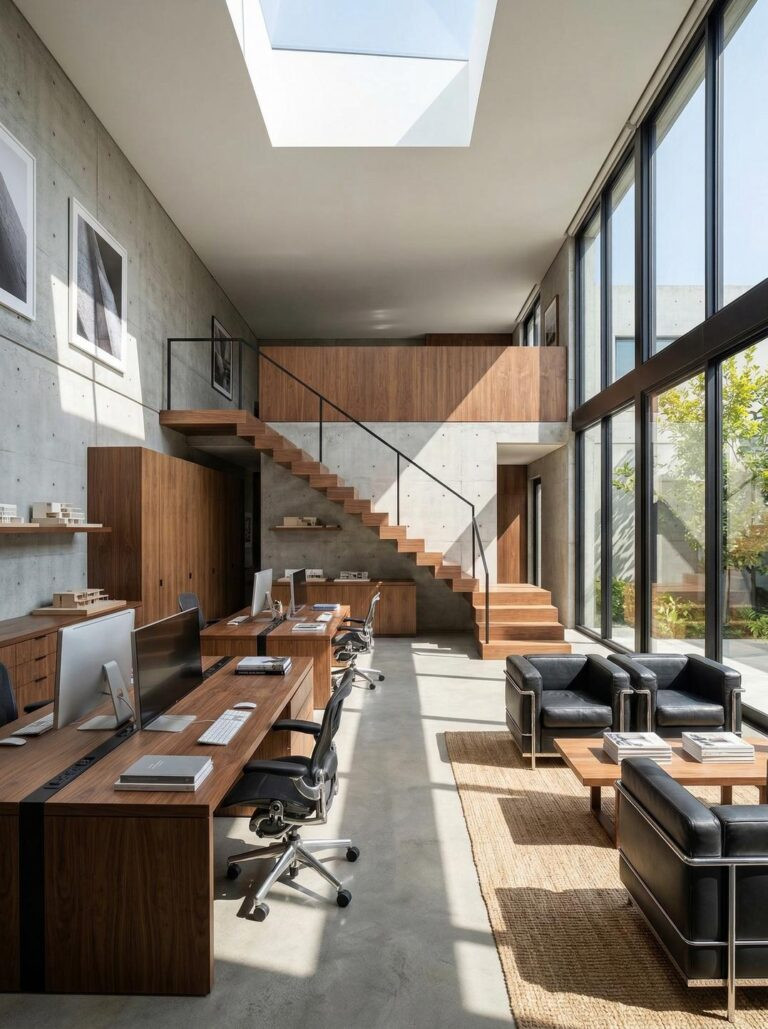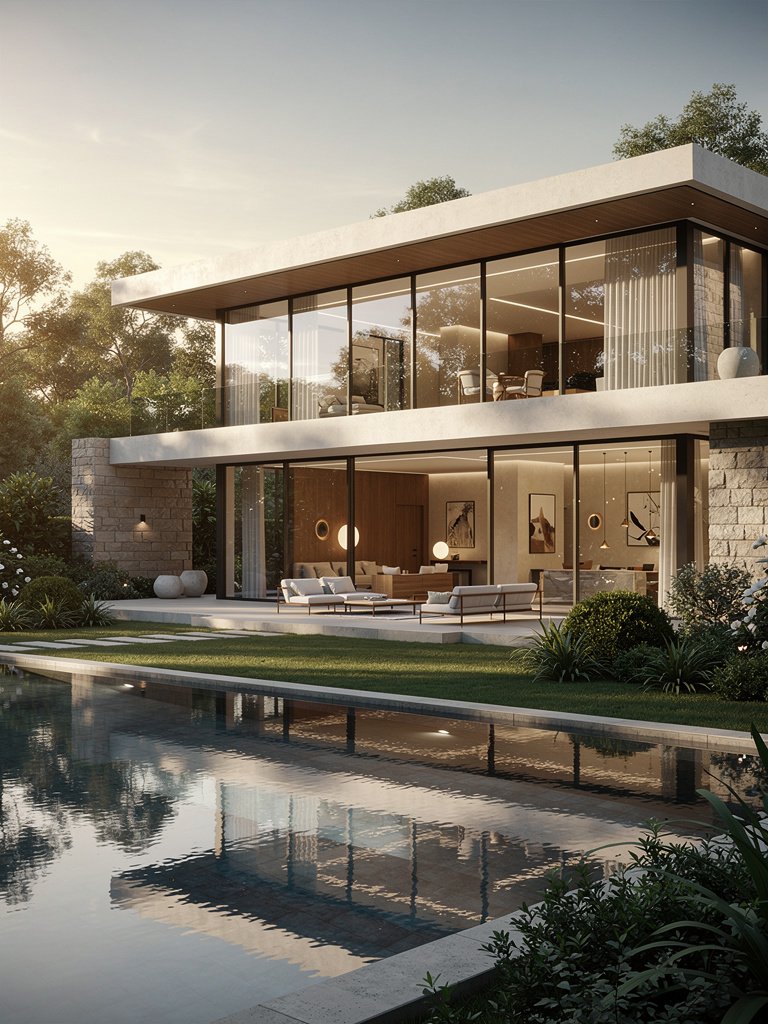

Most buyers of luxury residential properties have never bought something they cannot first walk through. A floor plan communicates dimensions. A render communicates whether this is the home they want to live in, and that distinction determines how quickly a development sells.
Table of Contents
1. Why Average residential interior design Fails Before the Meeting Starts
The modern investor can spot a rushed visualization project within seconds of opening a digital brochure. When developers settle for mediocre visual representations, they unknowingly anchor their luxury pricing to a distinctly budget aesthetic. This discrepancy creates immediate friction during investor presentations, forcing sales teams to over-explain details that the imagery should have already communicated.
Strategic real estate professionals understand that the quality of their visual assets acts as a proxy for the quality of their actual build. By integrating superior photorealistic interior rendering into early marketing phases, top-tier developers bypass this skepticism entirely. The competitive moat is built when a potential buyer feels the physical warmth of the space through a screen.
Firms leading the market no longer present basic spatial layouts to their stakeholders. They use sophisticated residential interior design presentations to establish an emotional baseline that competitors simply cannot match. This approach shifts the conversation from price per square foot to lifestyle acquisition, effectively shortening the sales cycle.
2. The Four-Stage Workflow Behind a Market-Leading Pre-Sale Campaign
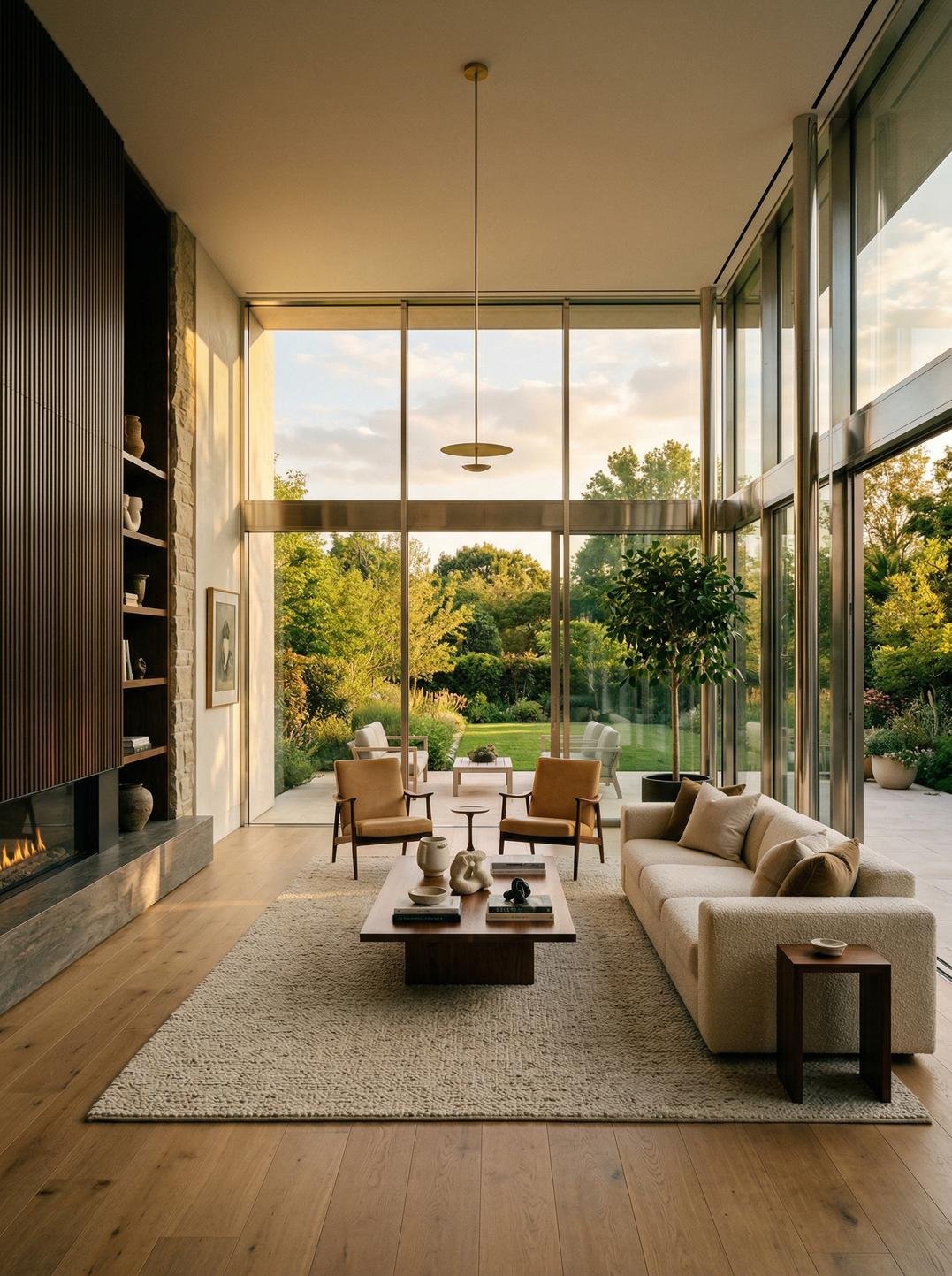
Establishing dominance in early off-plan sales requires a rigorous, systematic approach to visualization that average studios typically bypass. The process begins with a comprehensive brand alignment phase, where every visual asset is mapped against the developer’s target demographic. This ensures the resulting imagery resonates directly with the specific buyer profile rather than relying on generic luxury tropes.
The second stage involves meticulous lighting and atmospheric testing to capture the exact mood required by the marketing narrative. Unlike standard workflows, competitive studios invest heavily here to ensure the interior design feels lived-in rather than rigidly staged. It is this atmospheric depth that consistently separates premium developments from their mid-market counterparts.
Final stages focus on hyper-detailing and post-production refinement, elevating the visual from a mere structural representation to compelling marketing collateral. The most successful developers insist on photorealistic interior rendering that highlights specific premium finishes and bespoke architectural moments. This level of execution transforms a standard visual asset into an active, high-converting sales tool.
3. How Accurate Material Representations Reduce Revision Cycles by Half

A critical benchmark of top-performing visualization campaigns is the total elimination of material ambiguity during the design review process. When developers rely on subpar rendering, architects and interior designers waste countless billable hours debating whether a texture looks like marble or concrete. This friction delays marketing rollouts and dramatically increases the total cost of asset production.
Market leaders circumvent this entire problem by demanding exact material physics from their visualization partners. High-fidelity design rendering ensures that brushed brass reflects light differently than polished gold, leaving no room for interpretation. This precision allows stakeholders to sign off on visual assets confidently in the first review round.
The competitive advantage here extends well beyond internal efficiency and cost savings. When investors see flawless execution of complex materials in an interior design, their confidence in the developer’s ability to execute the physical build skyrockets. Mastering this aspect of visual presentation is a proven strategy for securing premium valuations in crowded urban markets.
4. What Top-Tier Developers Expect From a Visualization Studio Before Briefing Begins
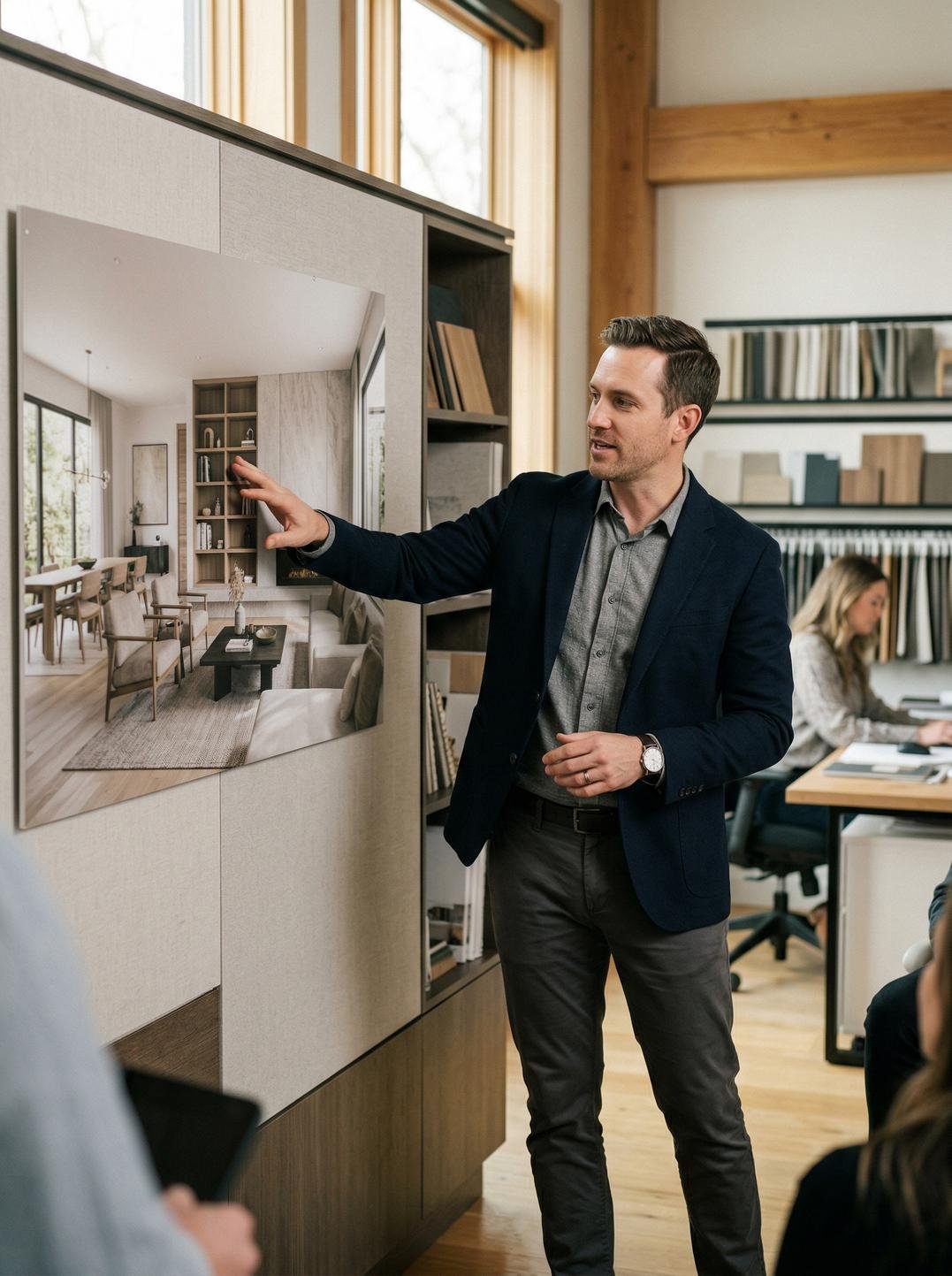
The widening gap between successful project launches and stagnant ones often originates in the vendor selection process. Average developers seek out visualization teams based primarily on cost, treating the renders as a necessary expense rather than an investment. In contrast, industry leaders look for strategic partners who understand architectural intent and buyer psychology equally well.
Before the first mood board is ever shared, elite developers expect their chosen studio to possess a deep understanding of current market trends. They demand proactive suggestions on styling and camera angles that will maximize the impact of the design across digital campaigns. This collaborative dynamic is the secret weapon behind project launches that consistently outperform regional sales averages.
Furthermore, leading firms require their studios to have a proven track record of handling complex photorealistic interior rendering at scale. They know that missing a critical launch deadline due to rendering delays can cost millions in lost early-bird momentum. The most competitive developers only partner with studios capable of delivering uncompromised quality under strict commercial timelines.
5. Conclusion
The standard for marketing luxury property has evolved, and those clinging to outdated visualization methods are rapidly losing their competitive edge. Superior interior design rendering is no longer an optional upgrade; it is the definitive factor in securing early capital and dominating your market sector. Partner with Arkilex today to transform your architectural concepts into market-leading visual assets that command premium prices and accelerate your pre-sales.
6. FAQs
How does superior residential interior design visualization create a competitive advantage?
High-quality visualization sets an immediate premium baseline for your property, differentiating it from competing developments. It allows potential buyers to emotionally connect with the space before construction begins, shortening the sales cycle. Developers who utilize top-tier imagery consistently secure higher off-plan prices than those using average renders.
What is the ROI of using photorealistic interior rendering for off-plan sales?
The return on investment is measured through accelerated sales velocity and reduced marketing friction. By presenting a flawless representation of the final product, developers minimize buyer hesitation and secure early capital faster. Furthermore, accurate renders reduce costly back-and-forth revision cycles between architectural teams and stakeholders.
Why do top developers benchmark their residential interior design presentations so rigorously?
Industry leaders know that investors use visual quality as a direct indicator of construction quality. If the early marketing materials look cheap or rushed, buyers will assume the final build will suffer from similar corner-cutting. Rigorous benchmarking ensures the brand’s luxury positioning remains uncompromised across all stakeholder touchpoints.
What separates an average 3D studio from a market-leading visualization partner?
A market-leading partner acts as a strategic extension of your marketing and architectural teams rather than just a production house. They offer proactive insights on market trends, styling, and material physics to elevate the project’s perceived value. Average studios simply trace CAD files, whereas premium partners actively engineer visual assets designed to convert sales.
“An absolutely excellent 3D team that I genuinely enjoy working with – always attentive, responsive, and open to adjustments. Communication is seamless and the results consistently meet our expectations. A trusted partner I recommend without hesitation.”
— Sofia Bouziane ★★★★★ · Google review