
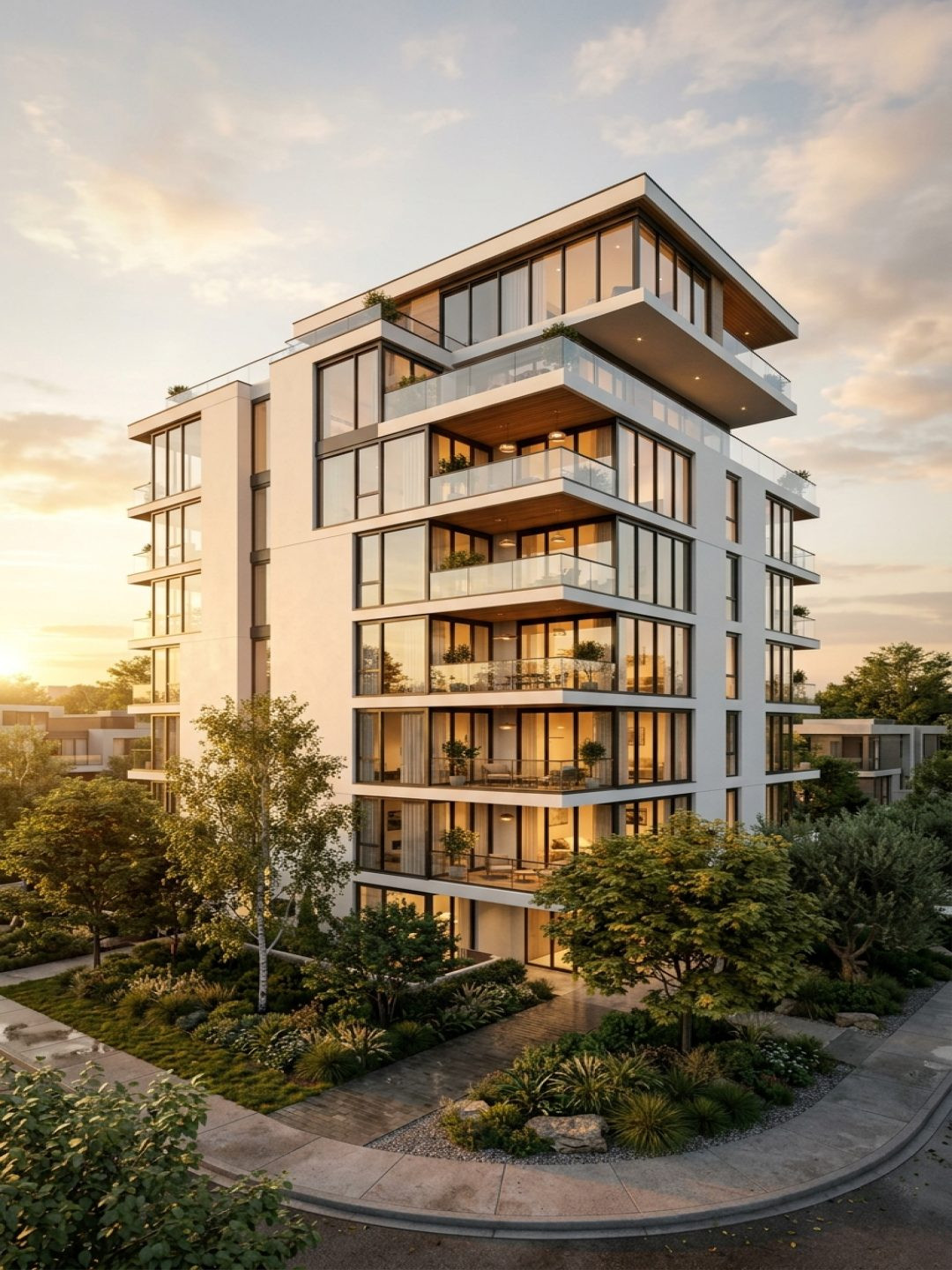
When a property developer finalises the launch date for an off-plan project or an architect faces a planning submission window, one question becomes urgent: how long will the CGI actually take? Understanding architectural rendering turnaround time is the difference between a campaign that launches on schedule and a team waiting on assets while the window closes. This guide breaks down every factor that determines delivery speed so you can plan backwards from your deadline with confidence.
Table of Contents
Why Rendering Turnaround Time Is Never Fixed
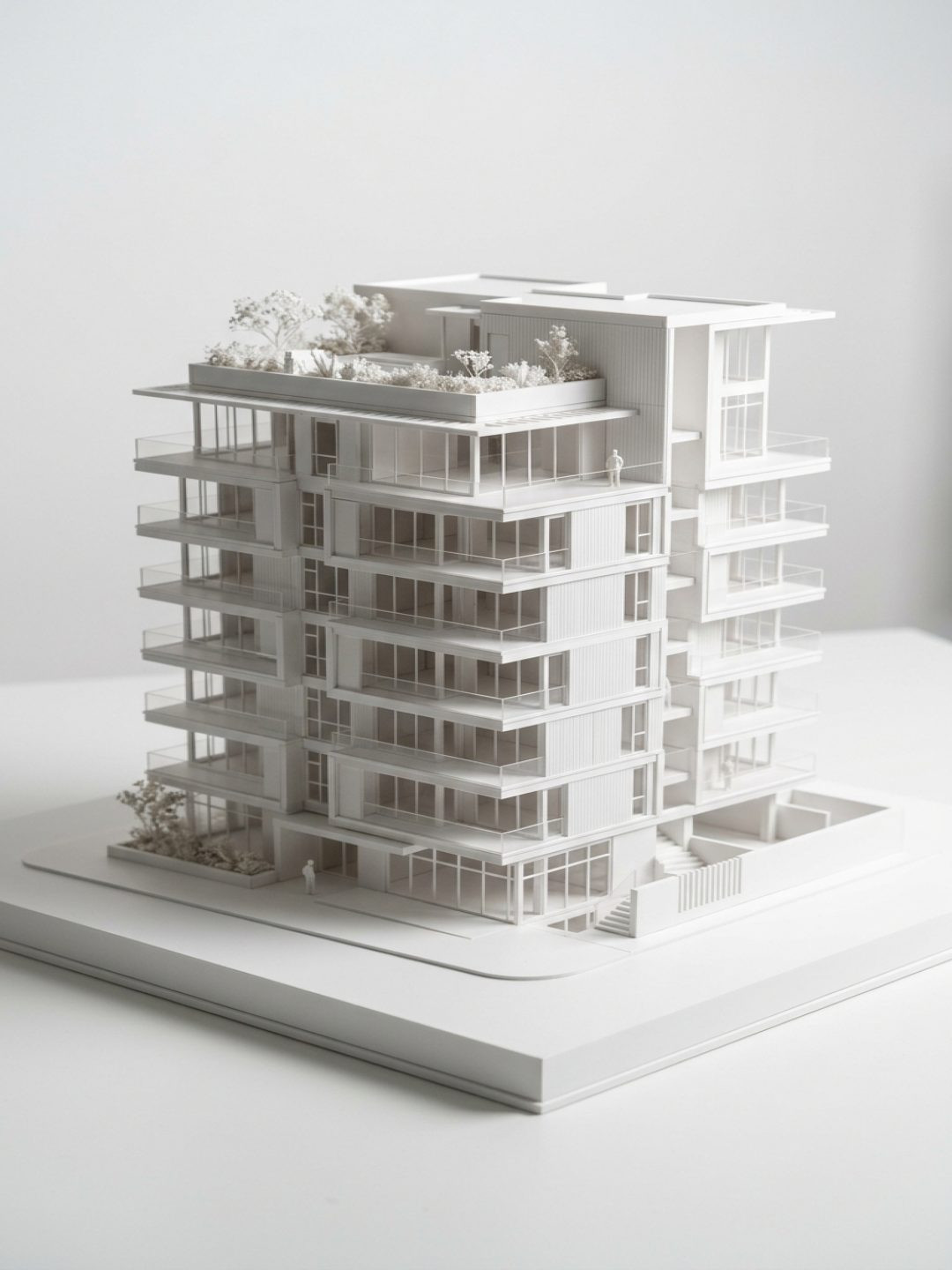
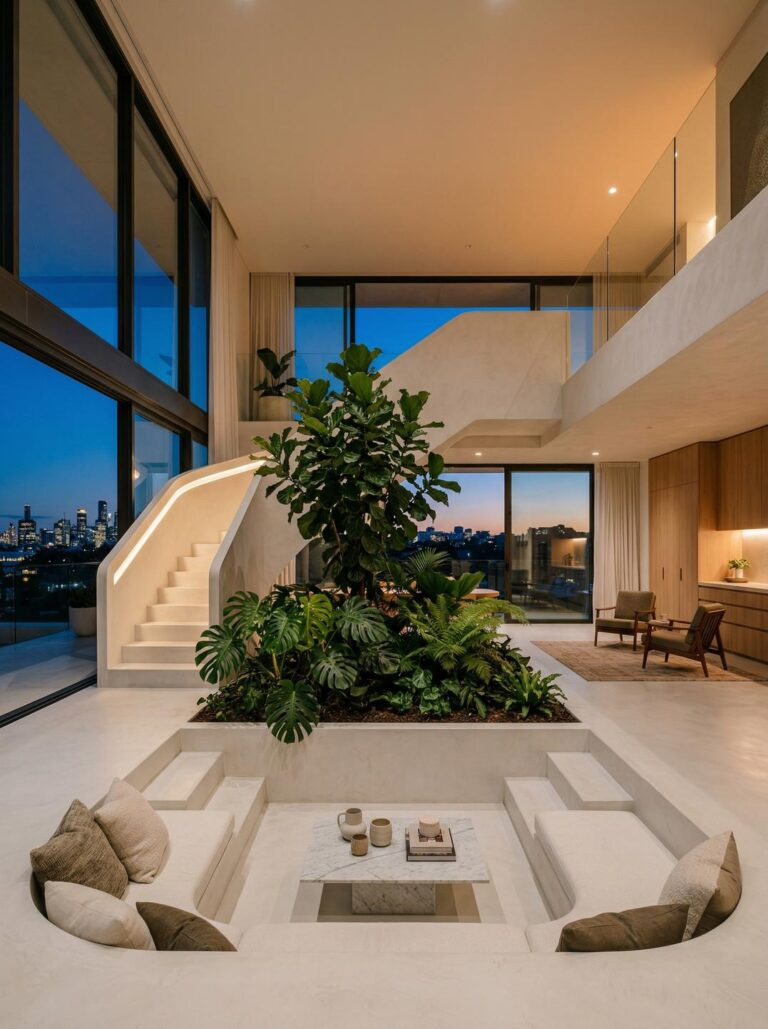
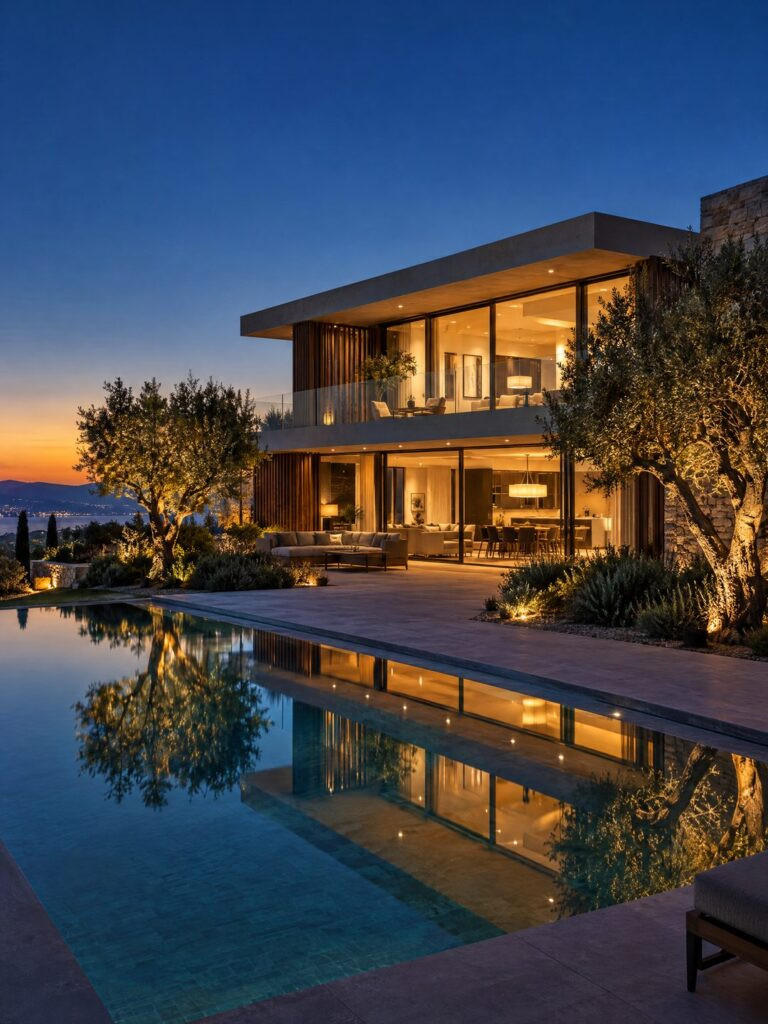
No two projects carry the same architectural rendering turnaround time because no two briefs are identical. A single photorealistic exterior view of a residential plot differs enormously from a full pre-sale pack covering multiple façade angles, interior living zones, and a bird’s-eye aerial for a mixed-use development.
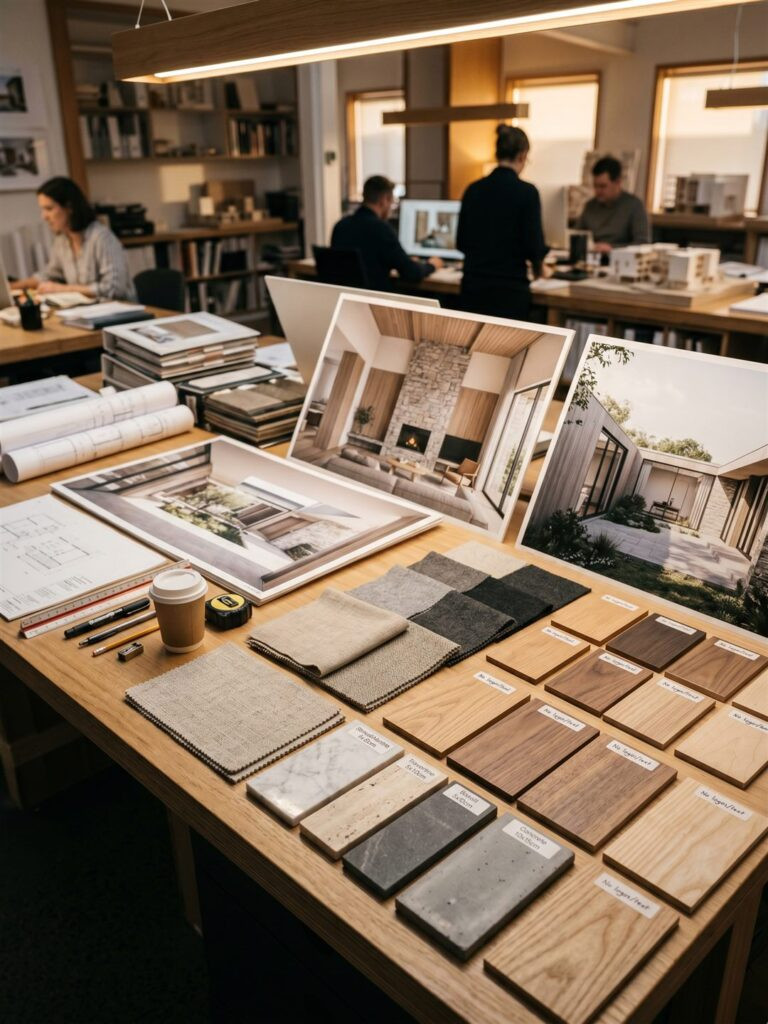
Studios build their production schedules around the real chain of work: interpreting the brief, 3D modelling from drawings, texture and material assignment, lighting setup, rendering computation, and post-production colour grading. Every stage compounds when the project grows in size or complexity. Understanding which variables add the most time gives you the leverage to manage your timeline proactively instead of reacting to slippage.
Project Scope: The Biggest Variable in the Pipeline
Scope drives more of the final turnaround time than any other single factor. A clean exterior still from a complete drawing set can move through production in five to seven working days. Add eight interior views, a rooftop terrace shot, and a contextual street-level perspective and the same studio may need three to four weeks to deliver a quality result.
The specific elements that add the most production time are:
- Number of distinct views: each camera position is its own production unit with independent modelling checks, a lighting rig, and a final-output quality review.
- Geometry built from early-stage drawings: schematic packages force modellers to interpret and build geometry that later-stage sets define precisely, adding hours per view.
- Landscape and context richness: a building in isolation renders faster than one embedded in a detailed urban streetscape or a fully landscaped masterplan site.
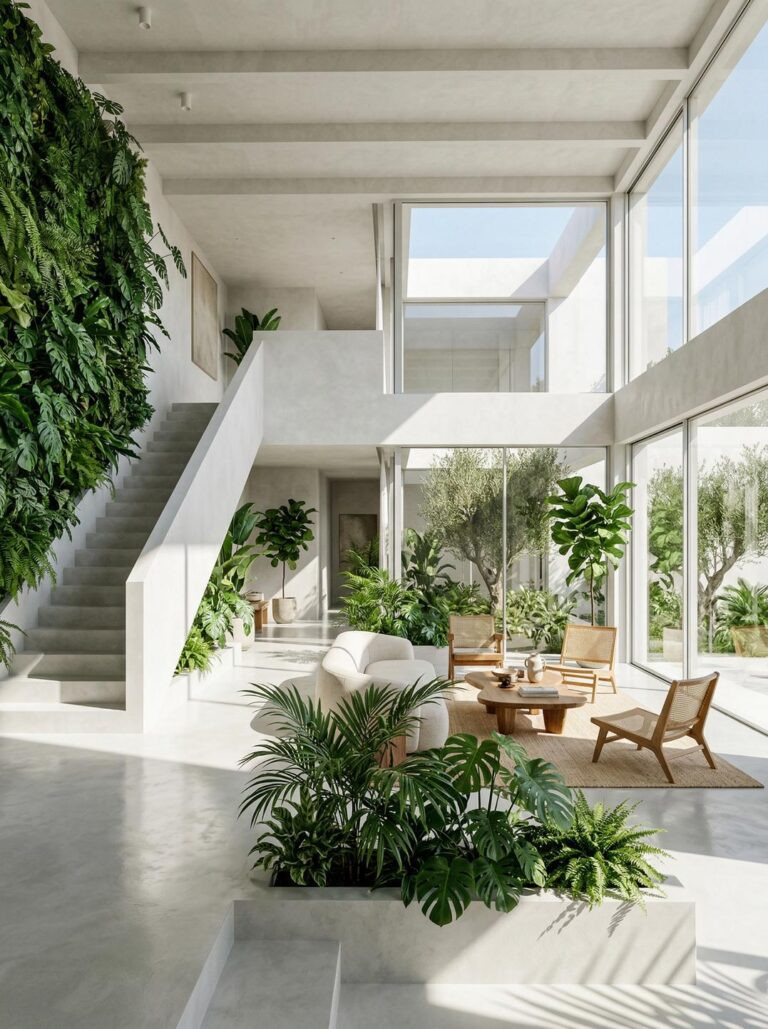
- Interior specification depth: custom joinery, bespoke FF&E, and premium material libraries for luxury interiors add significant sourcing and modelling time before a single render fires.
How Brief Quality Cuts or Adds Days
A complete, well-organised brief submitted on day one is the most reliable way to shorten time without touching output quality. Studios that receive a full drawing package, plans, elevations, sections, alongside confirmed materials, reference imagery for mood and finish, and clear camera-position notes can move into modelling immediately.
Incomplete briefs introduce holds at the very start of the production chain. Every clarification email round adds one to two working days as interpretation delays cascade through the queue. A consolidated brief, even a concise one-page document confirming key materials, preferred view angles, and output resolution, reduces production time by a measurable margin at zero extra cost.
Studio Queue Depth and Pipeline Timing
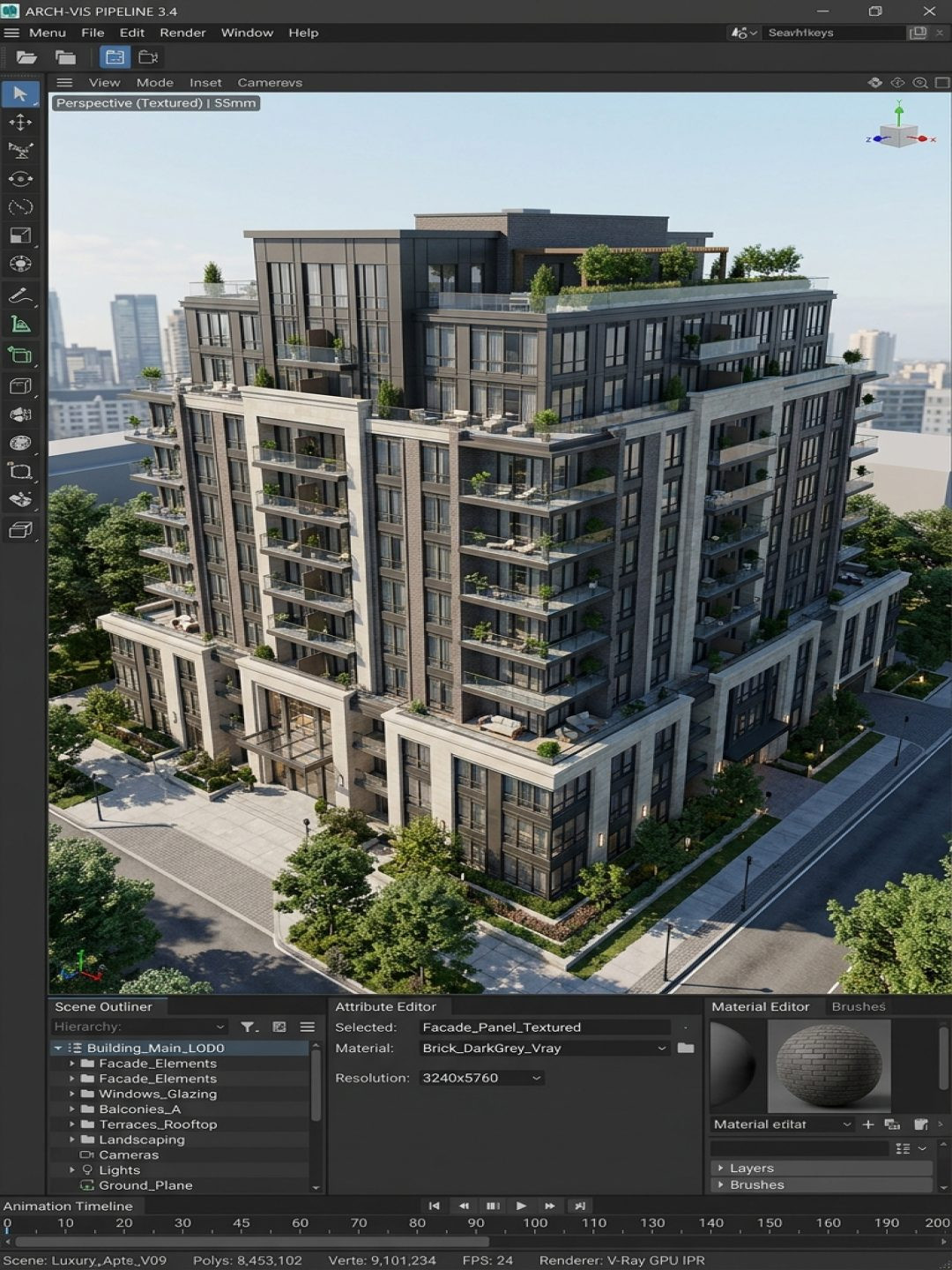
Even a well-scoped and fully briefed project can wait if the studio queue is full. Demand peaks around major property launches, exhibition seasons, and local authority submission windows can push an available start date back by a week or more. This is among the most common reasons developers find themselves under pressure despite booking what felt like generous lead time.
Working with a studio that communicates honestly about its current queue depth is essential for reliable planning. At Arkilex, clients receive a confirmed production window at brief stage so launch planning is built around real delivery dates rather than provisional estimates. An established relationship with a preferred studio also creates priority access during demand peaks that one-off project clients rarely receive.
Revision Rounds and Their Hidden Time Cost
Revision management is where many projects lose days that were never in the schedule. One well-consolidated feedback round is straightforward to process and typically adds only two to three working days to delivery. Fragmented feedback delivered in waves, evolving material selections, or design changes made after modelling has begun are a different matter entirely.
A camera angle change after modelling is complete requires rebuilding the lighting and re-rendering: it is not a minor repositioning. A material swap after lighting is established means relighting the scene, not just swapping a texture file. The revision protocol in the studio agreement defines what is included, but the time cost is real regardless of who absorbs it on the invoice.
The single best practice is to align all internal stakeholders before sending feedback to the studio. One coordinated, comprehensive revision round moves faster than three sequential rounds that each introduce new changes.
Typical Architectural Rendering Turnaround Time by Deliverable
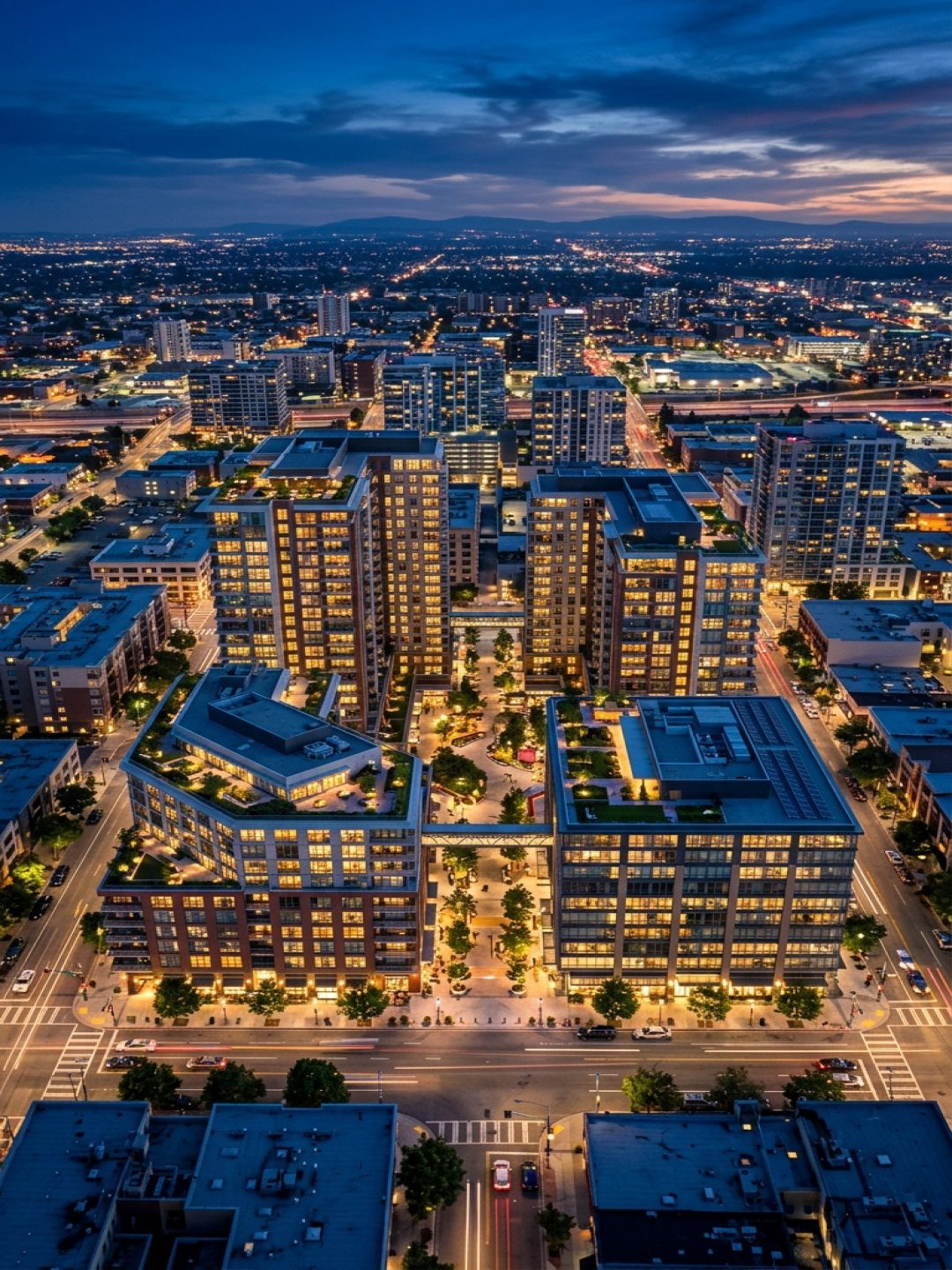
Here are realistic reference ranges for turnaround time by deliverable type, assuming a complete brief and a studio with available capacity at project start:
- Single exterior still, residential: 5–7 working days
- Exterior still with detailed landscape context: 7–10 working days
- Interior still, standard specification: 5–8 working days
- Interior still, luxury or custom FF&E: 8–14 working days
- Multi-view exterior package (4–8 views): 2–3 weeks
- Full campaign package (exterior + interior + aerial): 3–5 weeks
- Short flythrough animation (30–60 seconds): 4–8 weeks
- Interactive VR walkthrough: 6–10 weeks
These ranges assume one revision round and a cooperative briefing process. Rush timelines, where achievable, carry a surcharge that reflects the resource reallocation required to front-queue the project.
Practical Steps to Reduce Turnaround Without Sacrificing Quality
Speed and quality are not always in conflict. These five steps consistently reduce time on real projects without compromising the output:
1. Submit a complete drawing package before briefing. Modelling starts the moment usable geometry arrives. Partial drawings halt the pipeline at the first stage and introduce delays that compound through every subsequent step.
2. Lock materials before production begins. A confirmed material specification sheet signed off by the design team before briefing removes the single most common cause of mid-production delay and unplanned revision rounds.
3. Designate one internal feedback lead. Assigning a single contact to consolidate and filter all stakeholder comments before they reach the studio cuts revision cycles by nearly half in practice.
4. Plan from the deadline backwards, not from today forwards. Subtract the production window, the internal review period, and the studio queue buffer from your launch date to find the latest safe brief date, then brief a full week before that date.
5. Request phased delivery on large packages. Most studios can deliver the hero exterior and primary interior view first while the rest of the package continues in production, giving your team early material to work with during the wait.
Planning Your Campaign Around Rendering Deadlines
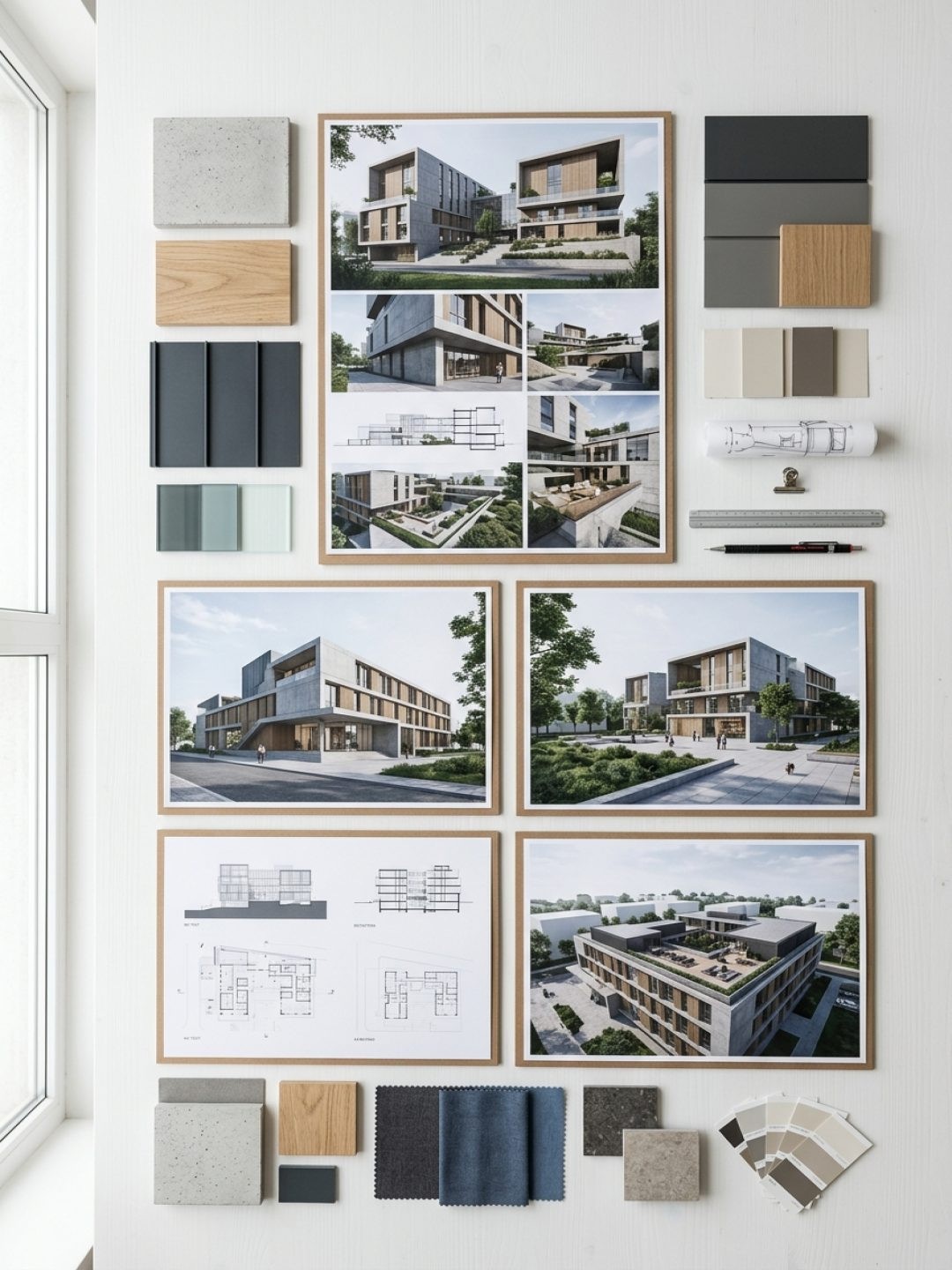
Pre-sale campaigns and planning submissions live and die on asset availability. The practical approach is to back-calculate from the hard deadline rather than forward-plan from the project start date. Subtracting the full rendering package timeline, the internal review window, and the studio queue buffer from your launch date lands you on the latest viable brief date.
Teams that work regularly with CGI studios adopt a standing brief process: passing updated drawings and confirmed design decisions to the studio as the project develops, rather than presenting the full package in a single end-of-design rush. This approach keeps the studio informed and eliminates most of the final-sprint pressure that otherwise dominates architectural rendering turnaround conversations.
A well-maintained studio relationship means deadline conversations happen when there is still time to adjust, not after the queue has closed. For broader context on structuring deliverable stages from the design side, the RIBA Plan of Work provides a widely recognised framework that architects and developers use to align milestones across the full project lifecycle.
Frequently Asked Questions
How long does a single architectural exterior render take?
For a standard residential exterior with a complete drawing package, most studios deliver within five to seven working days. Commercial or mixed-use exteriors with complex surrounding context typically require eight to twelve working days.
What is the main cause of delays in architectural rendering?
Incomplete briefs at project start and fragmented revision feedback are the two leading causes. Mid-production design changes and studio queue depth during peak periods also add significant time. Addressing brief completeness and the feedback process eliminates the majority of delays.
Can you get architectural renders delivered in under 48 hours?
Rush turnarounds are occasionally possible for very simple single views where complete drawings and reference material are already available. For most B2B projects, five working days is the realistic minimum for a result that meets professional presentation standards.
Does architectural complexity affect turnaround time?
Yes. Detailed facades, complex curved geometry, bespoke interior specifications, and rich landscape context all extend the modelling and rendering stage. Providing simplified geometry or reference models for complex elements can reduce turnaround time on technically demanding projects.
How far in advance should I brief a rendering studio?
For a single-view deliverable, three weeks before the deadline is typically sufficient. For a full campaign package covering multiple views, interiors, and an aerial, six to eight weeks of lead time protects against queue depth and revision rounds. Brief earlier during peak demand periods.
“Few teams can turn an abstract vision into such a harmonious reality. They merged bold architecture, precise interior design, and the poetry of landscaping. Rigor, boundless creativity, and a contagious passion.”
— Khalif Khalif ★★★★★ · Google review