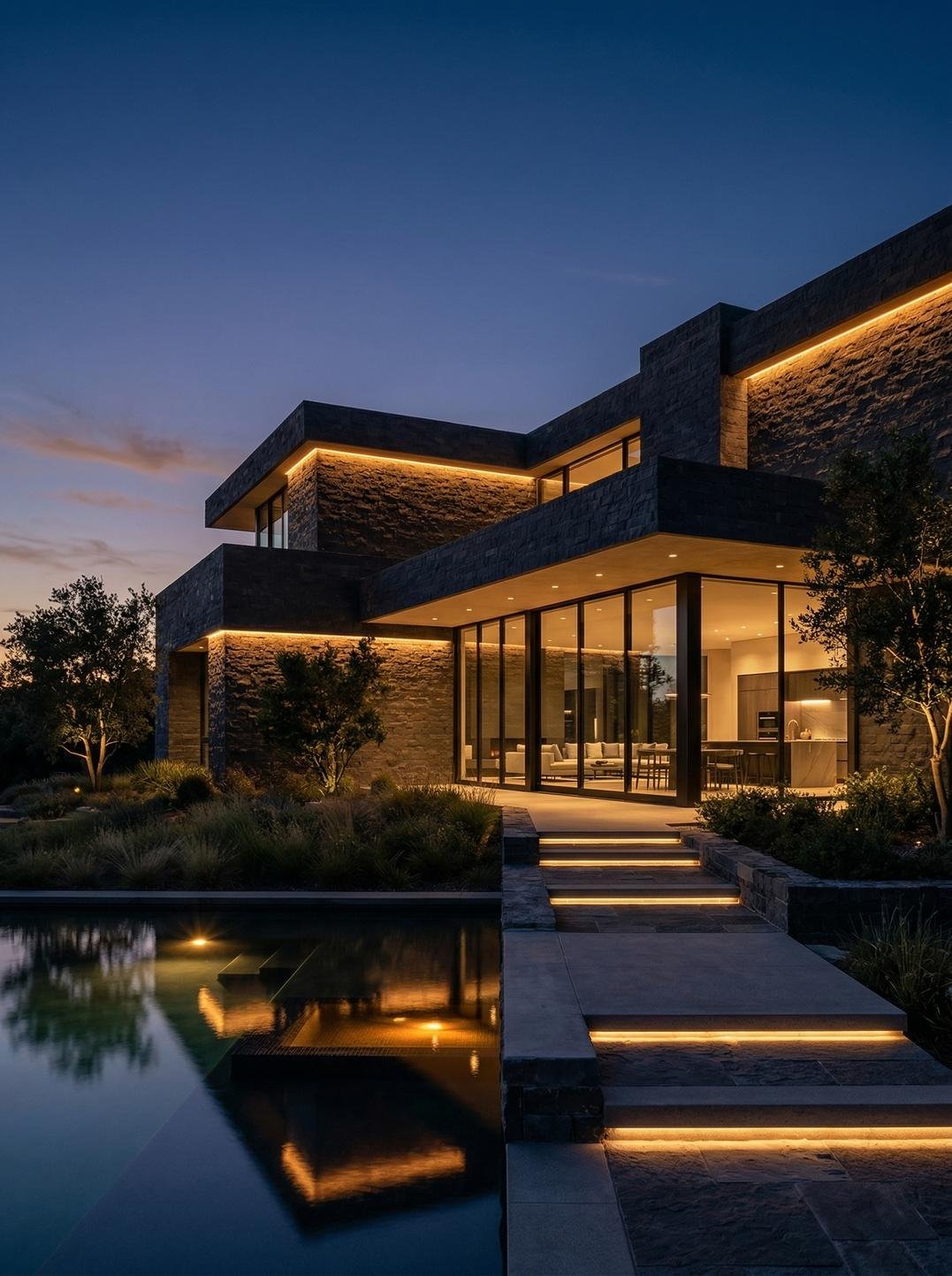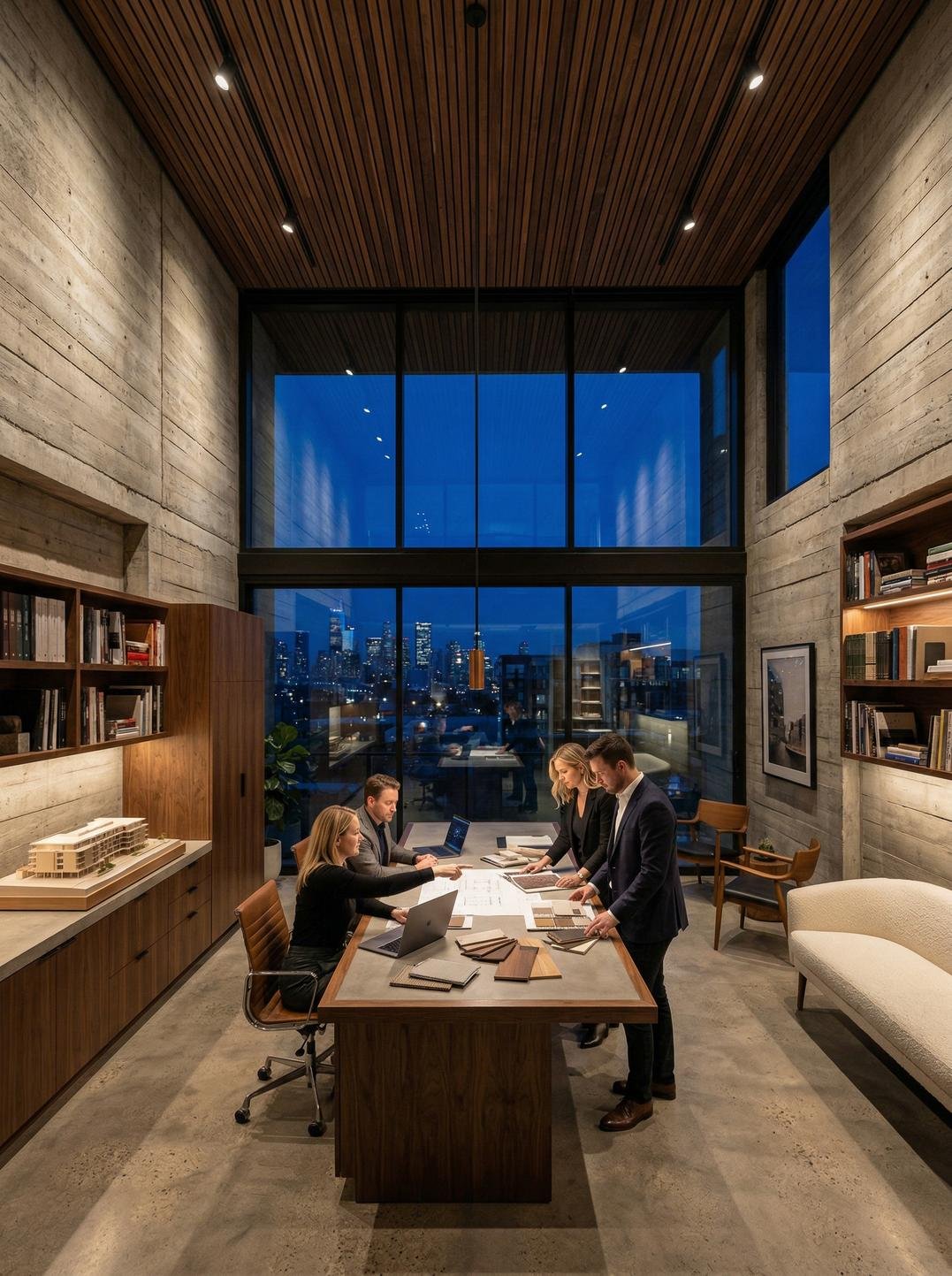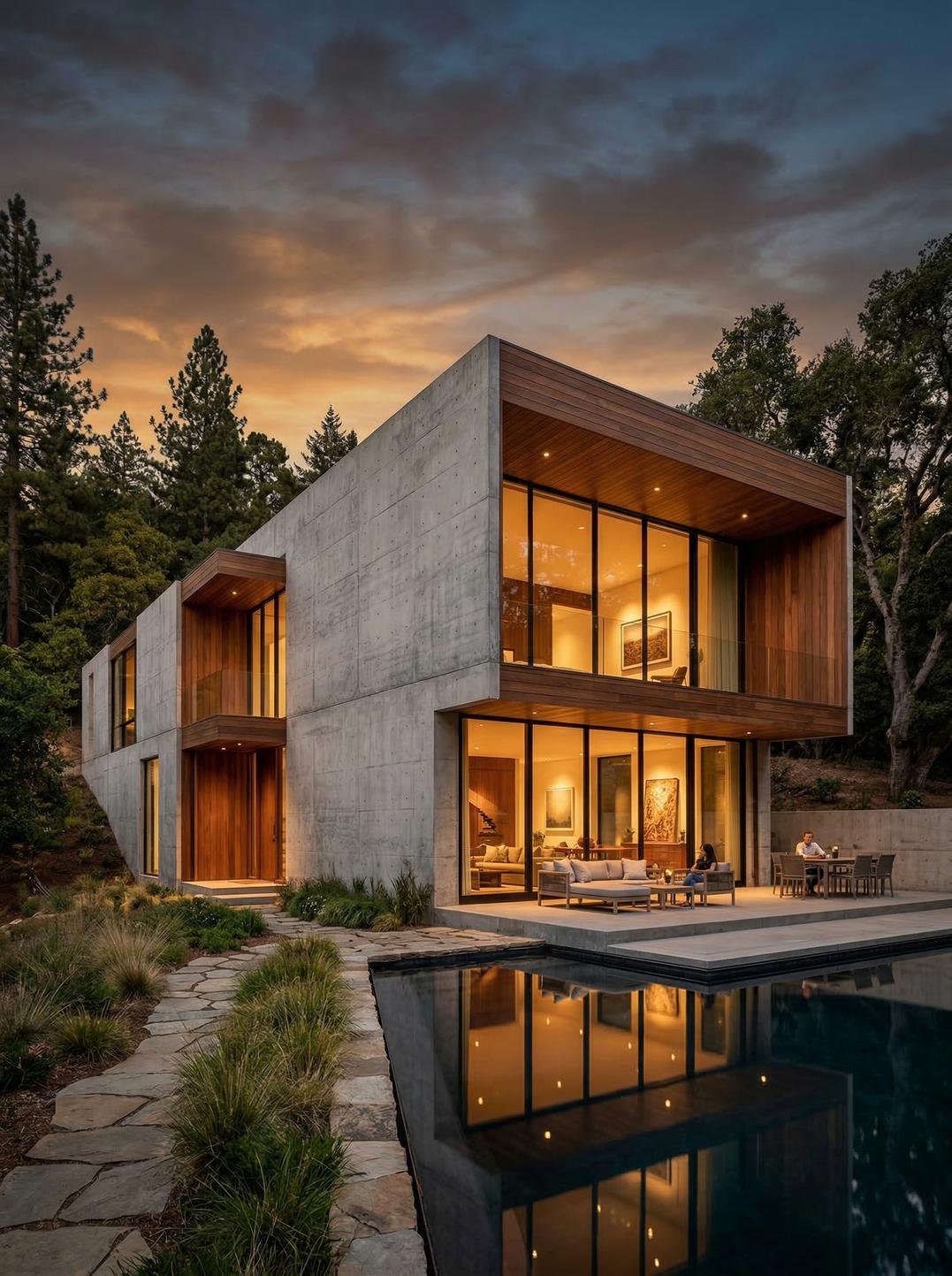

In architectural competitions and client pitches, the quality of visualization is increasingly the deciding factor. Two firms presenting equally strong design concepts will not be judged equally if one’s renders are noticeably better. Decision-makers respond to what they can see and feel — and the firm with the stronger visual presentation wins that room more often than not.
Table of Contents
1. Why Standard 3d architectural visualization Fails to Secure Premium Investment
Mid-tier developers often make the critical error of equating technical architectural accuracy with true marketing effectiveness. A structurally flawless image that lacks atmospheric narrative context simply cannot compete with a visual that evokes a specific, desirable lifestyle. This is precisely why top-performing real estate firms approach 3d architectural visualization as a sophisticated branding exercise rather than a simple engineering output.
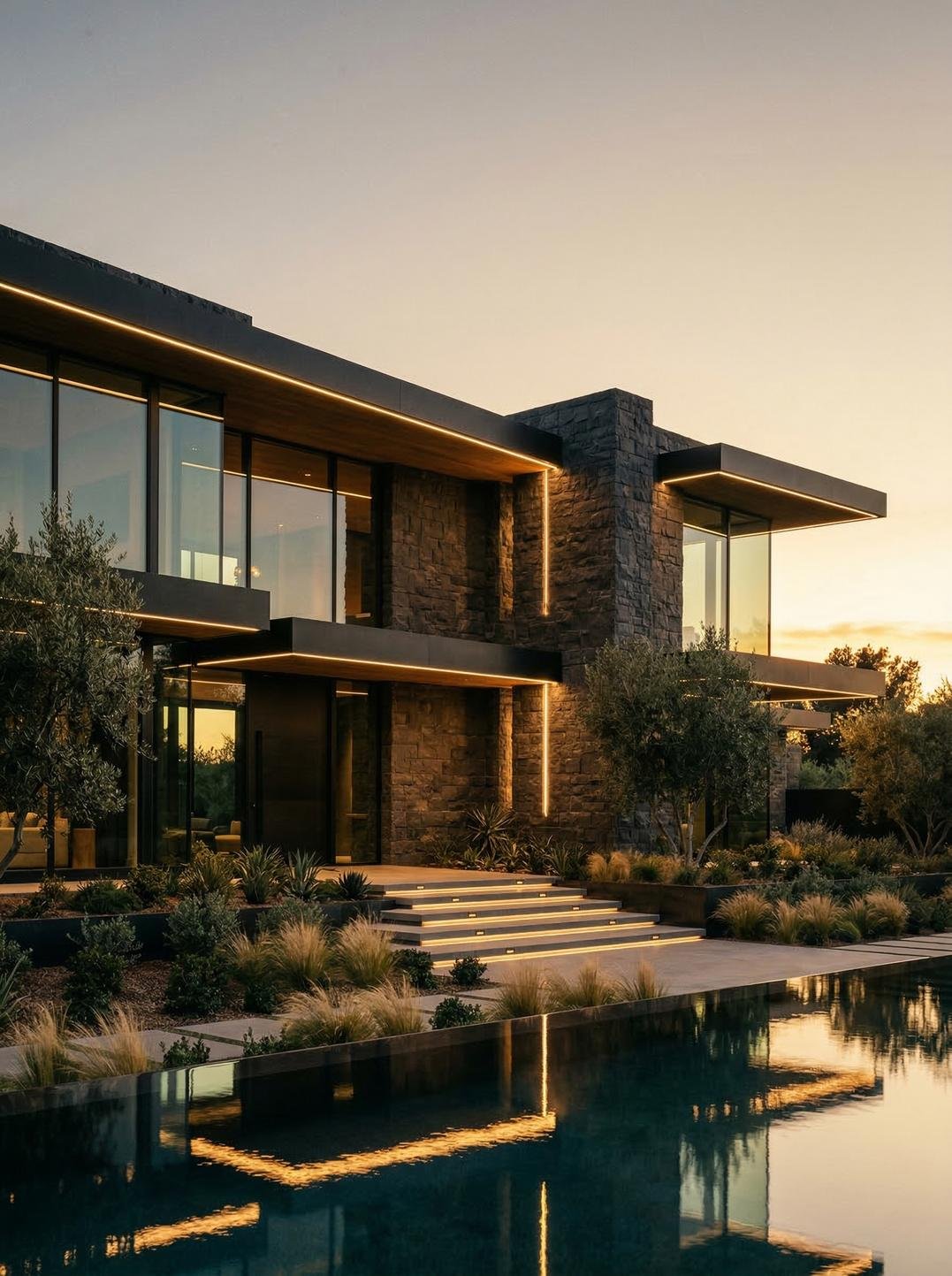
When competing for luxury market share, standard daylight shots with generic landscaping are a severe handicap. Industry leaders are instead commissioning photorealistic exterior renderings that capture specific temporal moods, such as golden hour transitions or heavy rain. These nuanced environmental choices force the viewer to stop scrolling and spend valuable seconds absorbing the property’s potential.
Market dominance belongs to those who understand that visual assets must solve an emotional equation for the buyer. An average render answers the question of what a building looks like physically. A highly competitive 3d architectural visualization answers the much more lucrative question of how it feels to live there.
2. The Four-Stage Review Protocol Behind Market-Leading Assets
Elite visualization studios operate on meticulous workflows that entirely eliminate subjective guesswork from the high-stakes production pipeline. Their immense competitive advantage stems from a rigid staging protocol that treats composition, lighting, and materiality as separate, highly scrutinized deliverables. This logical separation ensures that fundamental spatial flaws are caught long before expensive rendering time is wasted on photorealism.
The process begins with clay models that establish camera angles capable of maximizing perceived spatial value. Only when developers approve these raw geometries does the studio introduce lighting to test depth and architectural hierarchy. This systematic layering guarantees that the final 3d architectural visualization highlights the exact features driving valuation.
By the time texture and context are applied, the visual hierarchy is already optimized for competitive marketing channels. This rigorous workflow is the secret behind photorealistic exterior renderings that consistently outperform standard industry outputs. Average studios attempt to do everything at once, whereas market leaders build visual superiority step by careful step.
3. How Strategic Material Selection Drives Higher Presales Velocity

The defining characteristic of a top-tier visual asset is its ability to convey tactile reality through a flat screen. Competitive developers understand that investors subconsciously evaluate build quality based entirely on how materials behave under digital light. If a marble surface looks subtly plastic, the buyer instantly questions the integrity of the entire project.
Leading visualization firms spend disproportionate amounts of time calibrating micro-textures, such as concrete imperfections or oxidized metal. These microscopic details provide the psychological friction necessary to make the image register as a photograph rather than a rendering. This obsessive approach to materiality directly correlates with shortened decision cycles and higher initial deposits.
In the luxury sector, the visual representation of a bespoke finish is just as valuable as the finish itself. Utilizing photorealistic exterior renderings that nail these material properties gives developers an unassailable edge during early funding rounds. The market continually rewards 3d architectural visualization that translates expensive physical specifications into undeniable digital proof.
4. The Contextual Detail Top Developers Demand and Amateurs Ignore

Amateur marketing campaigns consistently isolate architecture from its surrounding ecosystem, presenting buildings as sterile objects in a void. Conversely, the most successful developers demand absolute contextual integration, ensuring their projects feel deeply rooted in their specific neighborhoods. This seamless blending of proposed structures with existing environments is a hallmark of elite 3d architectural visualization.
The difference is often found in the background plates and the reflection mapping on glass facades. A competitive visual will show the actual streetscape reflecting off the windows, creating a powerful illusion of presence. It is this level of localized grounding that elevates photorealistic exterior renderings from simple illustrations to authoritative visual documents.
When buyers see a building interacting realistically with its neighborhood, their perceived risk drops significantly. They are no longer looking at a concept; they are looking at an inevitable reality that they want to own. This psychological shift is the ultimate return on investment for high-end 3d architectural visualization services.
5. Conclusion
The modern real estate market aggressively punishes developers who bring average visual assets to a discerning premium buyer. Securing a genuine, lasting competitive advantage requires treating 3d architectural visualization as a core driver of overall project valuation. To dominate your next off-plan launch with stunning visuals that effortlessly outclass the competition, partner with the proven experts at Arkilex architectural visualization studio today.
6. FAQs
How does 3d architectural visualization directly impact competitive bidding?
Premium visualization removes the friction of imagination for investors, allowing them to instantly see the asset’s lifestyle value. By presenting a finalized, high-end reality rather than an abstract concept, developers can justify higher price metrics compared to competitors using basic renders.
What makes photorealistic exterior renderings stand out from standard CGI?
Standard CGI focuses purely on geometrical accuracy, often resulting in flat, lifeless marketing materials. Market-leading renders incorporate advanced global illumination, localized weather conditions, and micro-texturing to trigger a positive emotional response from potential buyers.
Should marketing teams handle 3d architectural visualization internally?
While basic schematic renders can be handled internally, producing marketing-grade assets requires specialized expertise in lighting, composition, and digital materiality. Outsourcing to dedicated visualization studios ensures the project achieves the atmospheric dominance required to outpace competitor developments.
At what project stage should a developer secure a visualization partner?
Top developers integrate visualization partners during the late schematic design phase to begin establishing the marketing narrative early. This preemptive approach allows studios to craft custom visual strategies that align perfectly with early funding rounds and competitive presale launches.
“An exemplary collaboration with Arkilex. We brought them in to visualize several projects and the result is simply impressive. Beyond the visual quality, their time management is flawless – deadlines met with rare precision. A trustworthy, responsive, professional partner I highly recommend.”
— Aquaya Maroc ★★★★★ · Google review