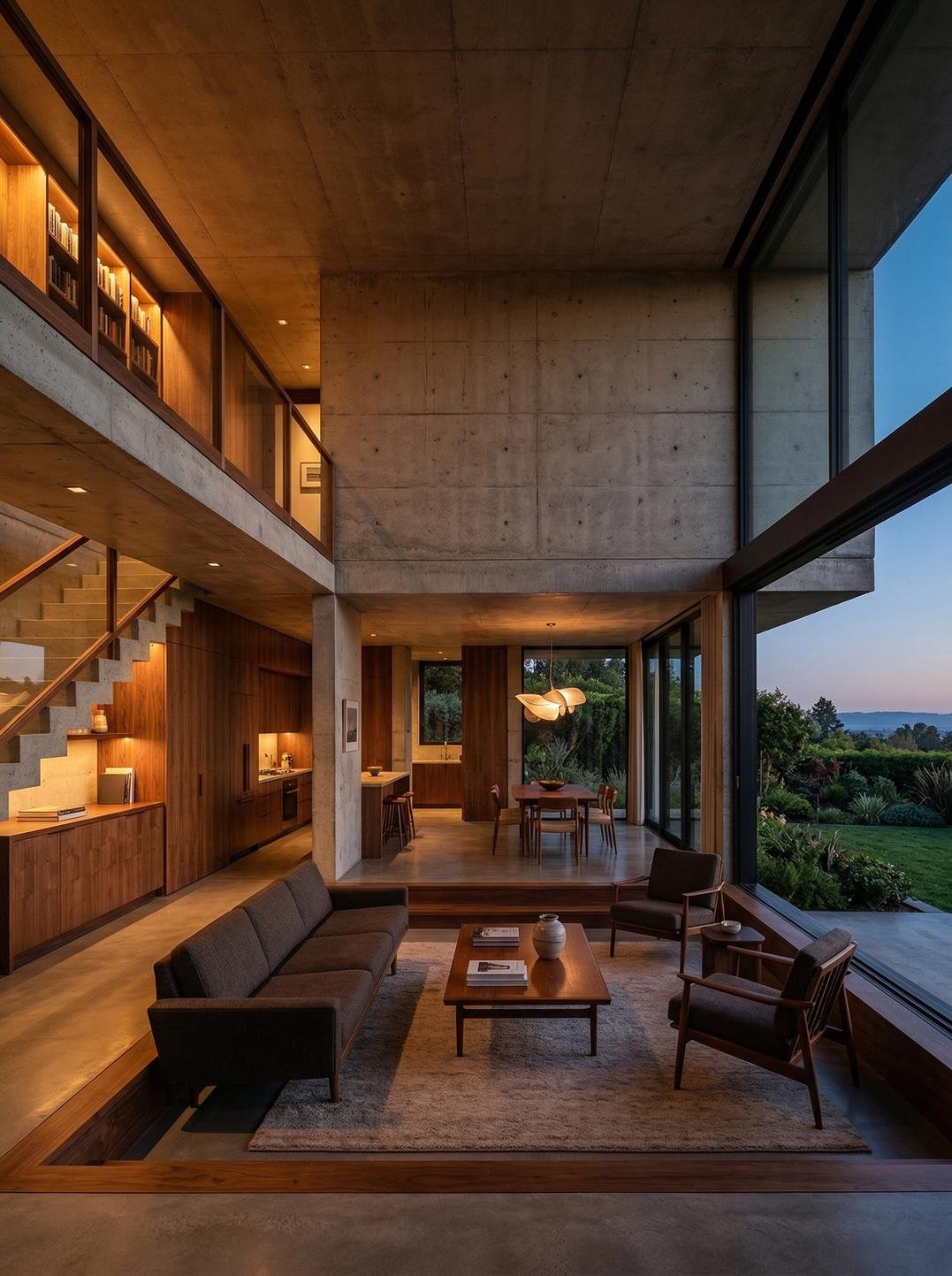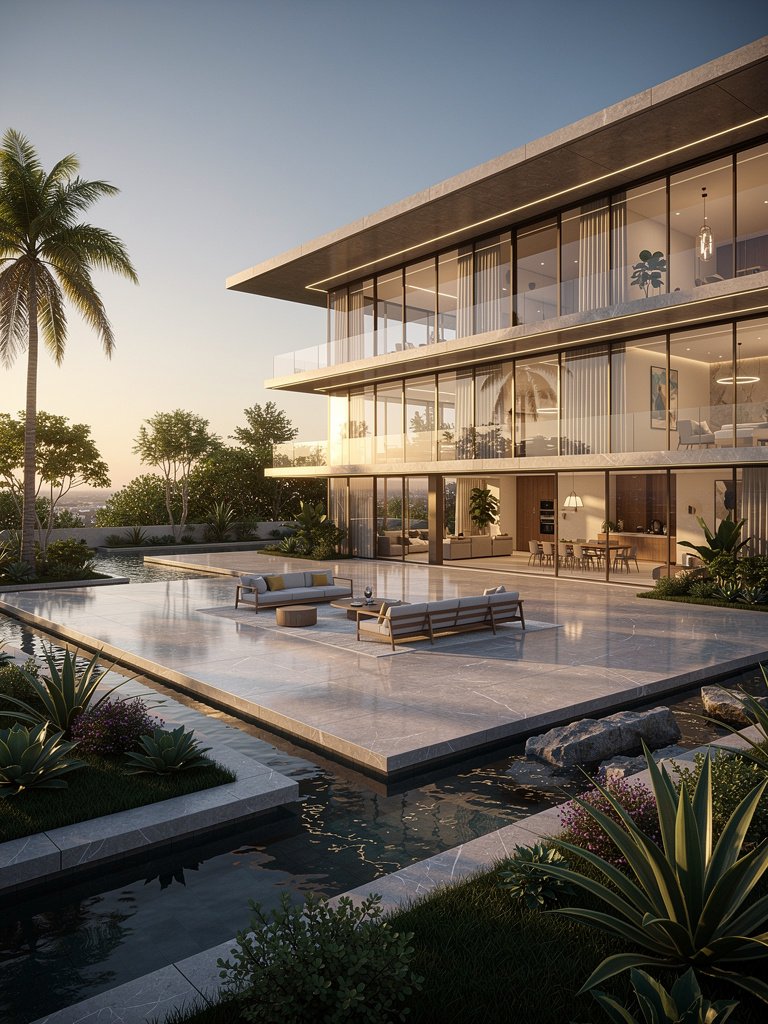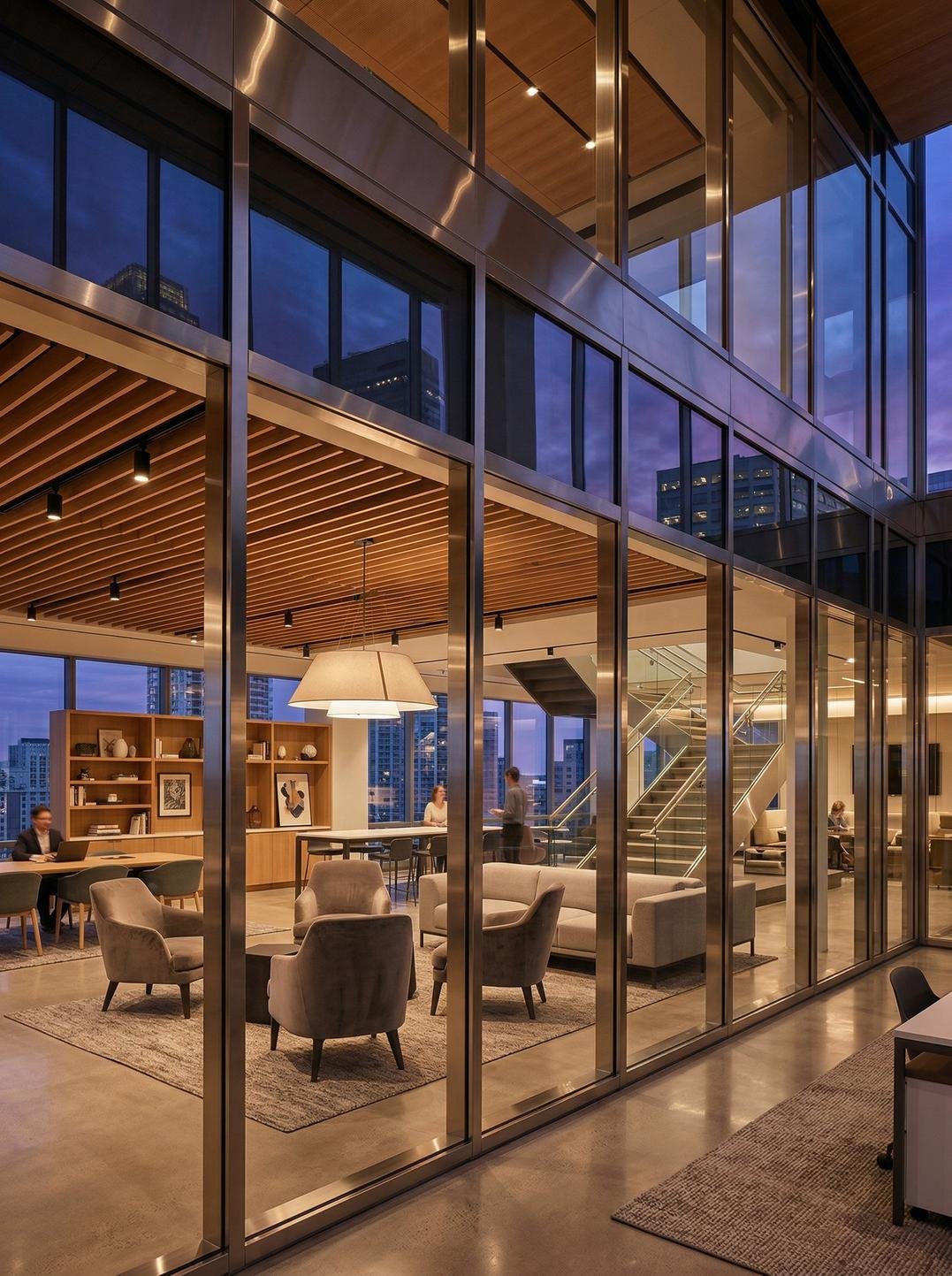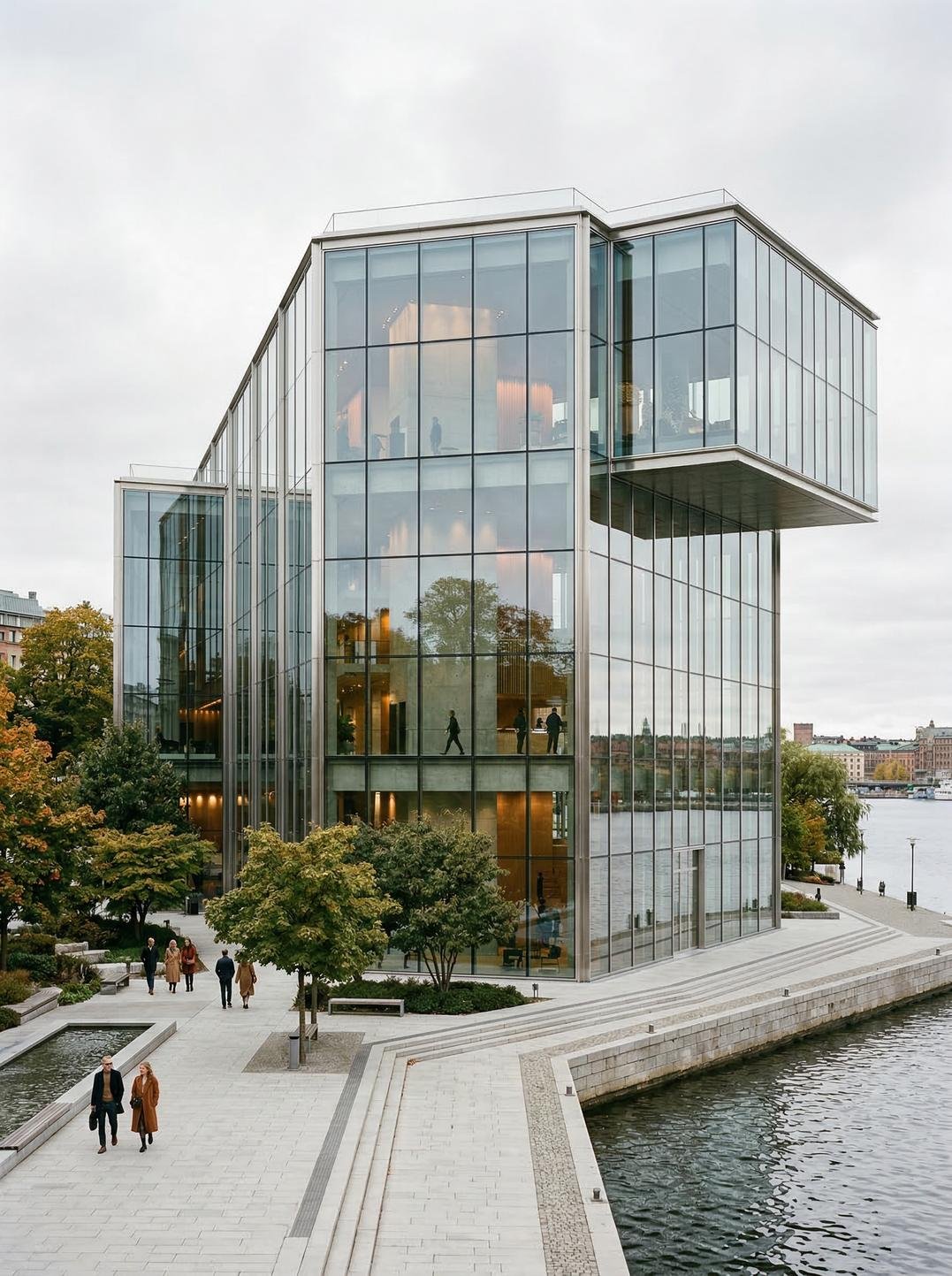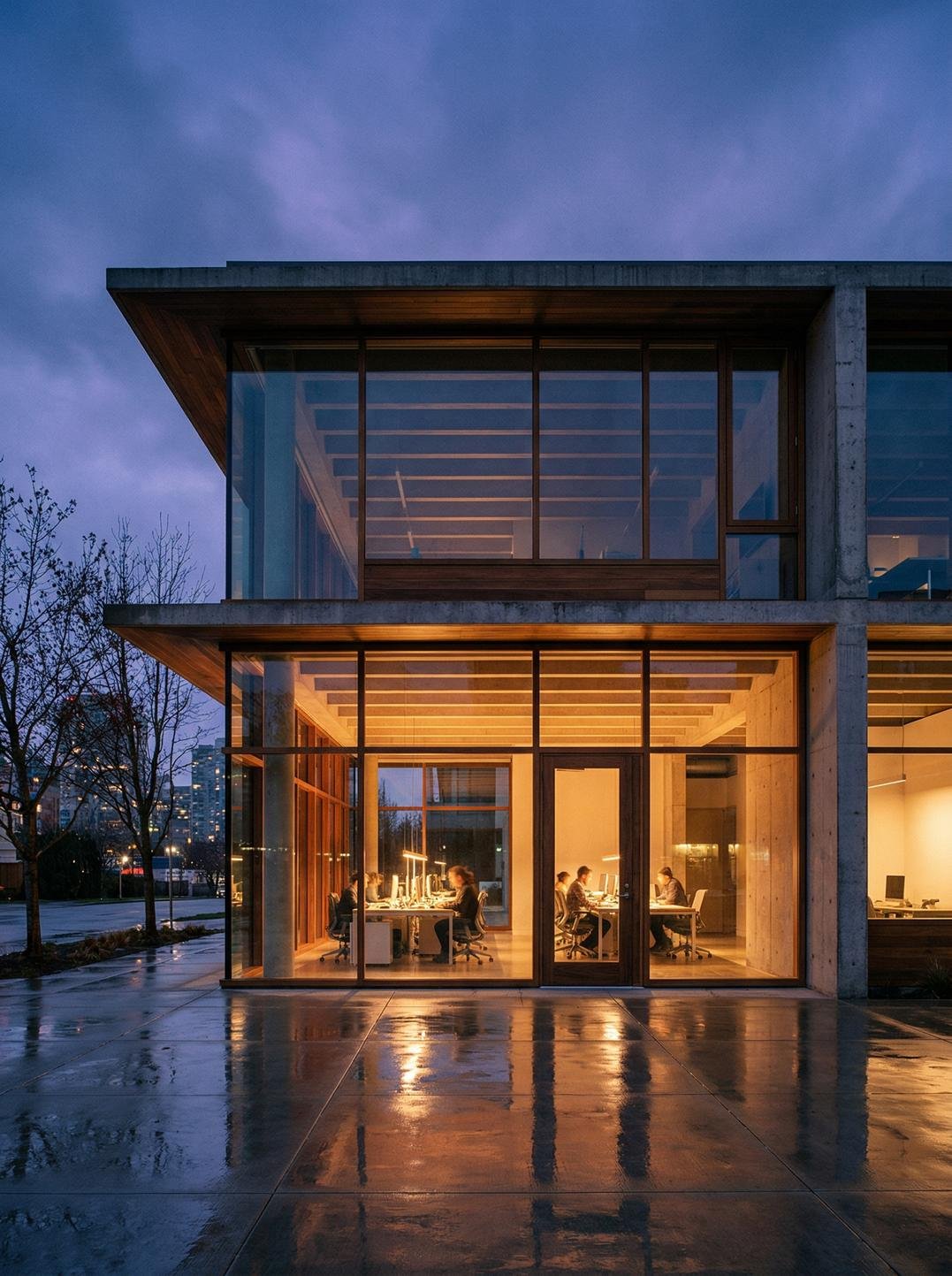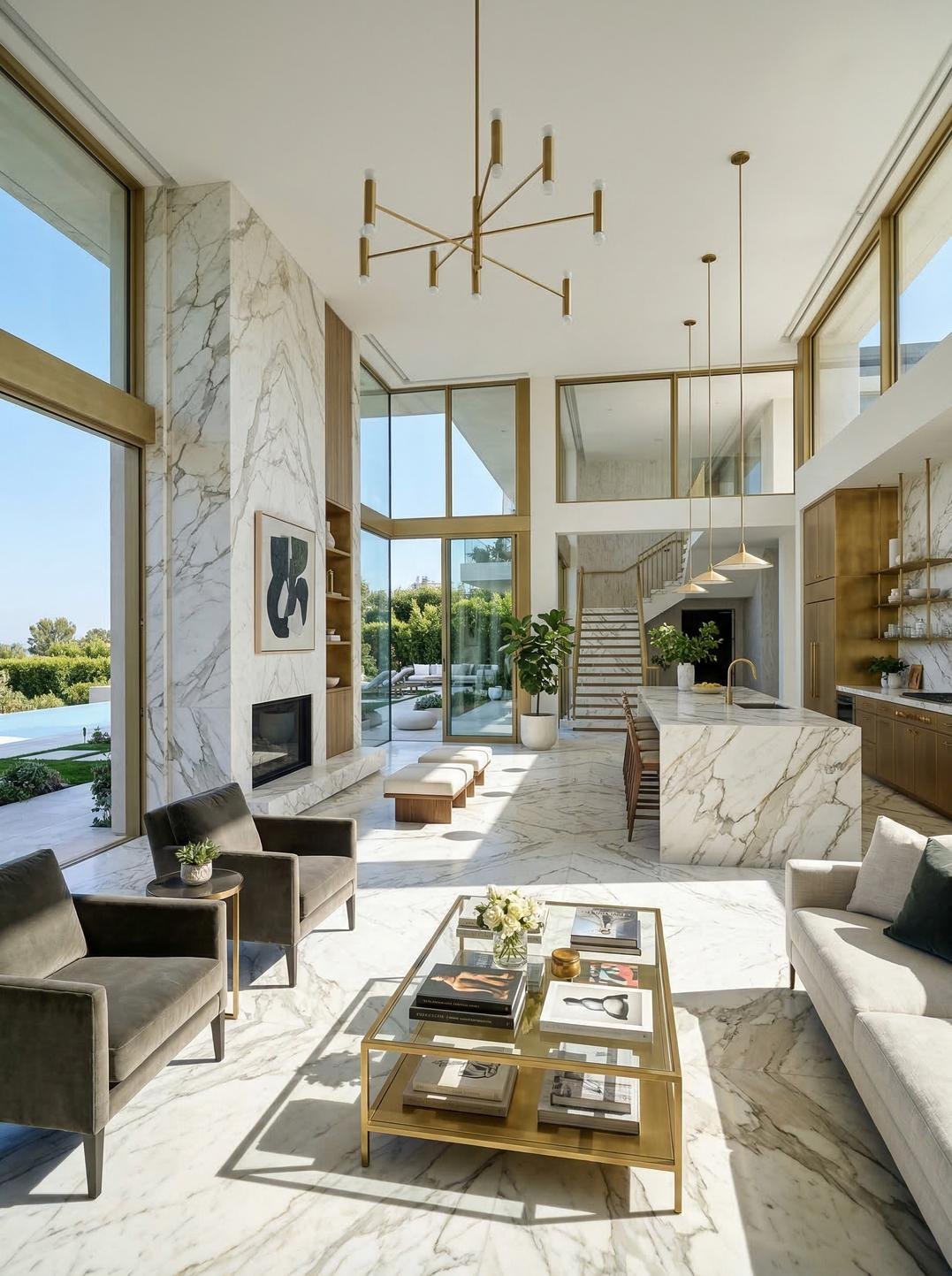

Interior design approval stalls most often at the moment when a client is asked to commit to something they cannot yet see clearly. The material combinations look different on screen than they will in situ. The proportions are hard to read from a plan. The lighting effect is impossible to communicate verbally. Detailed rendering closes each of those gaps before they become the reason a decision gets deferred.
The buyer’s perspective is fundamentally different from the developer’s highly analytical, numbers-driven mindset. They judge the overall quality of the future physical build entirely by the quality of the digital images placed in front of them. If the visual presentation feels sterile or rushed, the client will naturally assume the final constructed space will share that exact same lifelessness.
Table of Contents
1. Why Substandard interior design rendering Sabotages Pre-Sales Before Presentations Begin
Developers frequently view commercial space visualization as a simple checklist item required to flesh out a standard marketing brochure. However, prospective buyers process these images deeply, seeing them as direct reflections of the developer’s overall construction standards. If a high-end lobby looks flat, cartoonish, and plastic on a screen, the investor immediately questions the quality of the actual physical materials being sourced.
The end user fundamentally lacks the highly developed spatial awareness that seasoned architects and builders naturally possess. They cannot mentally fill in the blank spaces when a layout is poorly communicated, heavily stylized, or lacking proper scale context. An effective interior design rendering must seamlessly translate complex technical blueprints into an unmistakable, highly accessible lived-in reality for the untrained eye.
When an investor feels confused by a visual, their natural psychological defense mechanism is to delay their financial commitment. They will request more floor plans, ask for endless clarifications, or demand physical material samples to compensate for the poor digital presentation. By failing to invest in high-fidelity imagery upfront, developers unintentionally create friction that elongates the sales cycle and jeopardizes valuable lease agreements.
2. The Multi-Stage Workflow Behind Spaces Buyers Actually Want to Inhabit
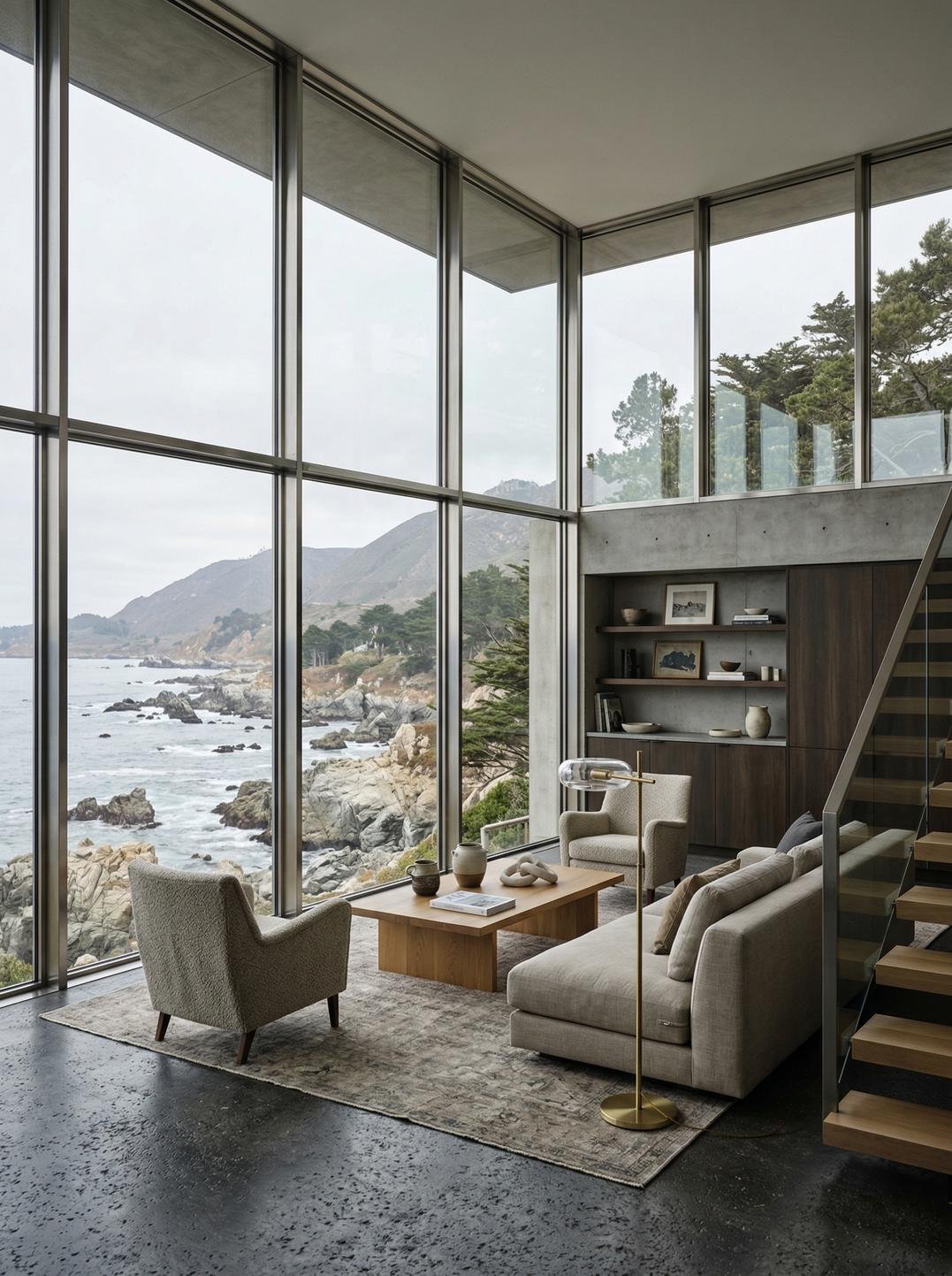
Translating a vacant floor plan into a compelling buyer experience requires a highly intentional, psychology-driven approach to digital artistry. Every commercial space visualization must start with understanding exactly who will walk through those virtual doors and what they value most. A fast-growing tech startup evaluating a potential headquarters looks for entirely different visual cues than a conservative wealth management firm seeking stability.
The camera placement within the digital scene dictates whether a client feels like an active participant or a mere distant spectator. High, sweeping, unnatural angles might effectively show off the total square footage, but they entirely detach the viewer from the emotional reality of the environment. A successful interior design rendering positions the virtual lens at a natural human eye level to accurately simulate genuine physical presence.
Lighting then steps in to dictate the subconscious emotional tone of the entire real estate presentation. Buyers respond viscerally to soft morning sunlight pooling across a reception desk or the warm evening glows illuminating a luxury hospitality lounge. Mastering this atmospheric lighting separates an easily forgotten, average image from a truly magnetic commercial space visualization that captivates stakeholders.
Finally, careful staging provides the necessary context clues that allow a buyer to mentally move their operations into the property. The strategic placement of a coffee cup, an open laptop, or a tossed coat makes the architecture feel inherently welcoming and ready for immediate use. This meticulous workflow ensures the client stops evaluating the building’s geometry and starts envisioning their daily life within its walls.
3. How Accurate Material Depiction Reduces Buyer Anxiety During Negotiations

High-net-worth investors and premium commercial tenants are naturally risk-averse when committing significant capital to entirely unbuilt properties. They use the visual fidelity of your interior design rendering to subconsciously calculate project risk and validate your promised construction standards. When they can practically feel the rough texture of brushed brass or the deep grain of natural oak on the screen, their purchasing anxiety drops significantly.
Vague, blurry, or highly repetitive digital textures send a silent but powerful signal that the development team is actively cutting corners. If the fabric upholstery on a virtual sofa looks rigid and uncomfortable, the buyer will seamlessly project that discomfort onto the entire building. Precision in commercial space visualization proves to the skeptical client that the developer obsesses over every minute, critical detail of the execution.
This demanding level of photorealism shifts the boardroom conversation away from hypothetical promises and firmly grounds it in tangible, expected results. Buyers stop asking if the completed space will look premium and instead start asking when they can safely move their teams in. Ultimately, an exceptional interior design rendering accelerates the complex decision-making timeline by completely removing visual ambiguity from the negotiation table.
4. The Glaring Detail End-Users Notice That Developers Continually Overlook

Developers spend weeks agonizing over structural floor plans but frequently ignore the subtle, lived-in details that make a space feel authentic to the end user. Corporate tenants and luxury buyers immediately notice when an environment lacks the slight, natural imperfections of genuine human occupation. A perfectly pristine interior design rendering often feels uncomfortably cold, distinctly uncanny, and nearly impossible to connect with on an emotional level.
Buyers desperately want to see how the proposed architecture actually responds to their specific daily operational and lifestyle needs. Missing power outlets, absent wayfinding signage, or generic corporate art distract the critical viewer from the property’s core underlying value. High-end commercial space visualization solves this disconnect by carefully layering in contextual props that tell a highly specific, believable story about the future occupants.
Spatial scale is another critical area where a visual disconnect frequently derails a potential high-value real estate transaction. If digital furniture is sized incorrectly just to make a room look artificially larger, the buyer will eventually sense the spatial deception during their review. Honest, highly accurate interior design rendering builds long-term investor trust, ensuring the client feels totally secure in finalizing their multi-million-dollar investment.
5. Conclusion
Shifting your focus from strict architectural documentation to the buyer’s underlying emotional experience is the ultimate competitive advantage in modern pre-leasing. A flawless interior design rendering speaks directly to the client’s desires, decisively eliminating doubt and significantly accelerating high-value real estate deals. Partner with Arkilex architectural visualization studio today to seamlessly transform your unbuilt floor plans into magnetic spaces your clients simply cannot wait to inhabit.
6. FAQs
How does high-quality interior design rendering improve client approval rates?
Buyers inherently struggle to interpret flat 2D CAD drawings and technical architectural elevations. By providing a photorealistic preview, you completely remove the guesswork and allow them to emotionally connect with the proposed space. This visual clarity drastically reduces their hesitation and significantly speeds up the final approval process.
What elements matter most to tenants reviewing a new office space?
Corporate clients highly prioritize spatial flow, natural light integration, and obvious acoustic privacy markers. They want to instantly visualize their employees navigating the layout comfortably and efficiently on a daily basis. Accurate representations of these specific elements build immense confidence in the property’s long-term functionality.
Why do some architectural images feel cold and uninviting to investors?
Sterile environments usually result from flat lighting, perfectly repetitive digital textures, and a severe lack of contextual storytelling. Buyers need to see soft shadows, realistic material imperfections, and subtle staging to comfortably imagine themselves inside. Adding these essential human touches bridges the gap between cold digital models and inviting reality.
At what stage of development should we commission visualization services?
You should initiate the digital visualization process as soon as the core layout and primary material palettes are confirmed. Engaging a studio early ensures your marketing materials are fully ready long before you begin pitching to premium tenants. This proactive approach safely secures earlier financial commitments and vastly improves project cash flow.
“Few teams can turn an abstract vision into such a harmonious reality. They merged bold architecture, precise interior design, and the poetry of landscaping. Rigor, boundless creativity, and a contagious passion.”
— Khalif Khalif ★★★★★ · Google review