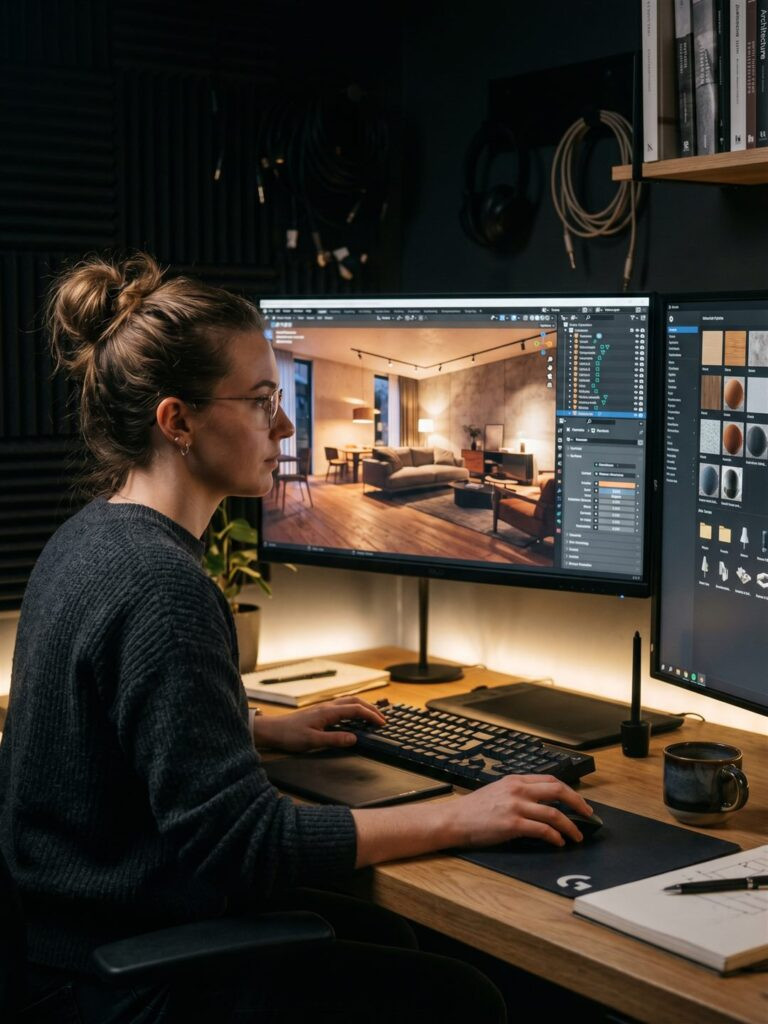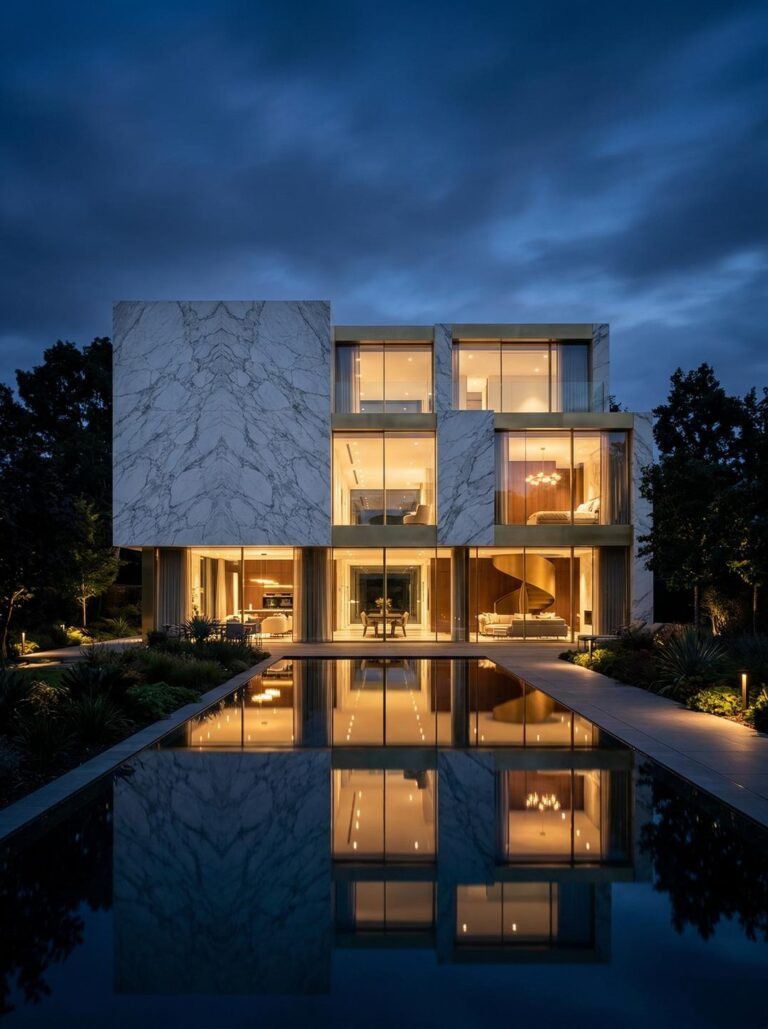

Blender changed the production calculus for architectural visualization when it became genuinely production-ready for professional interior work: offering a level of material control, lighting accuracy, and rendering flexibility that rivals any commercial package, at a fraction of the licensing cost.
Table of Contents
1. Why Most Buyers Disconnect From Standard blender interior design Renderings
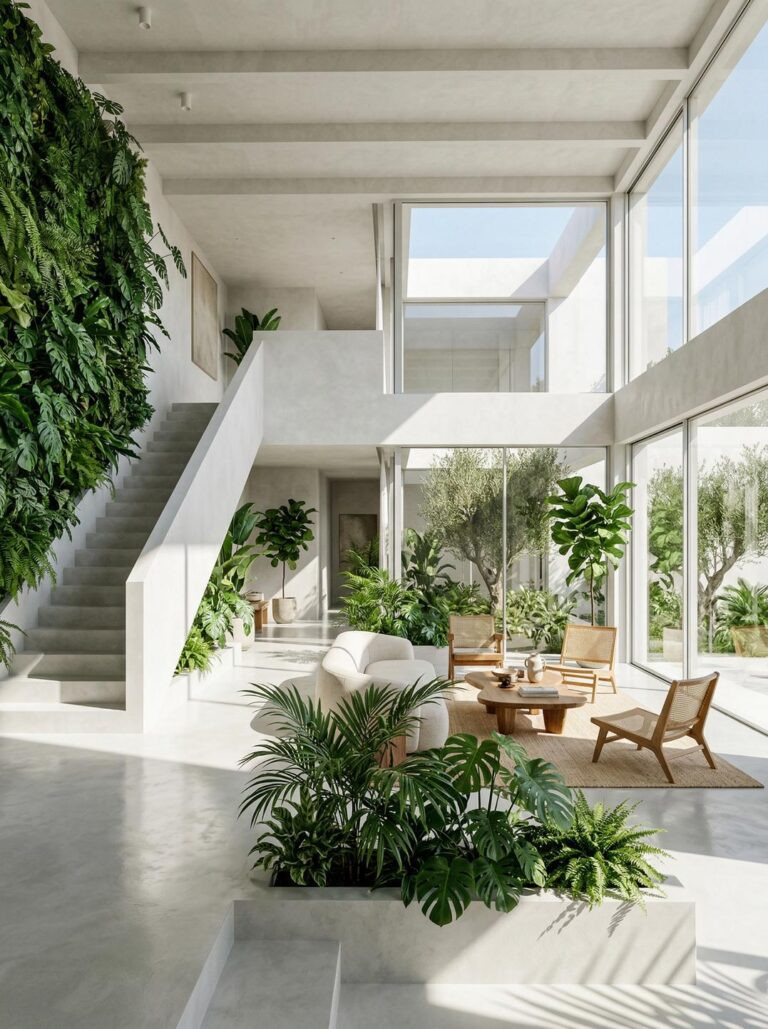
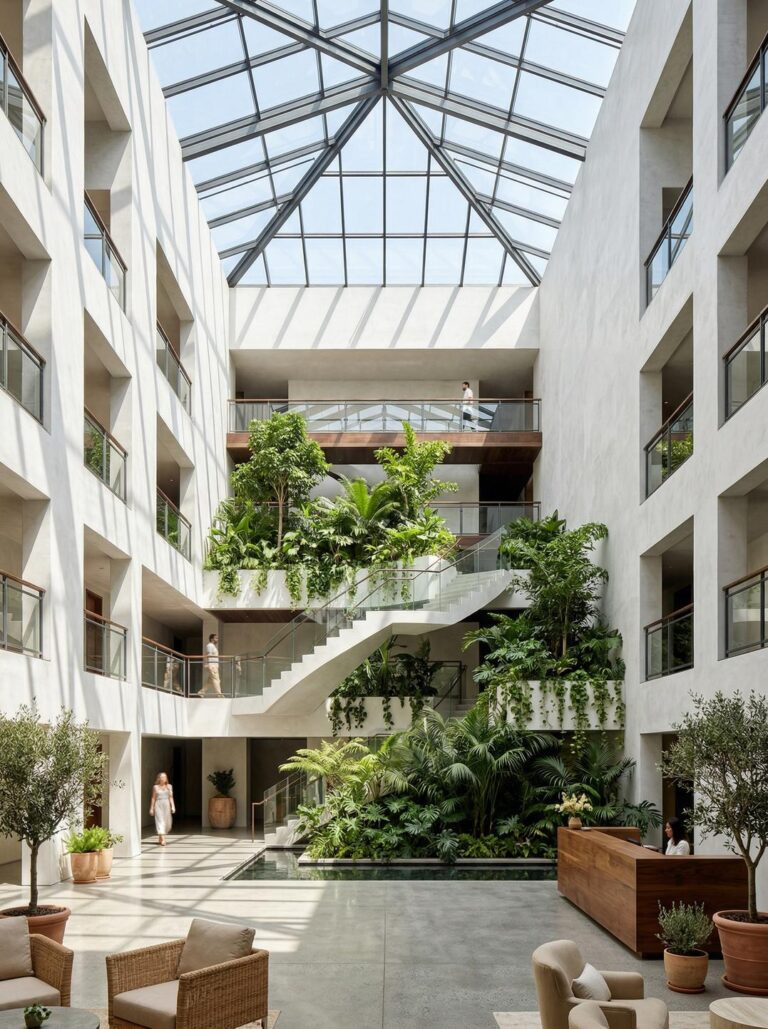
Developers often review renders looking for spatial accuracy, checking if the floorplan matches the final blueprints. Buyers, however, evaluate these same images based on livability and the perceived quality of their future lifestyle. If a blender interior design rendering feels sterile, the buyer instantly associates the physical property with a cold, unwelcoming environment.
Instead of simply handing over CAD files, development teams must communicate the precise demographic and emotional target of the space. A successful interior design project weaves subtle narratives into the scene, like a half-read book on a side table or carefully positioned shadows. These micro-details bypass the buyer’s logical objections and speak directly to their aspirations. When the architectural visualization pipeline integrates these psychological triggers, the resulting images stop being mere illustrations and become persuasive sales tools.
2. The Three-Stage Workflow Required to Build Investor Trust
Investors funding large-scale developments scrutinize marketing collateral to gauge how easily the final units will sell to the public. They look for a visualization standard that proves the developer understands the current market’s aesthetic demands. To satisfy this critical audience, studios must adopt an architectural visualization pipeline that treats digital staging with the same rigor as physical interior decoration.
The first stage involves spatial psychology, arranging digital furniture to maximize the perceived flow and scale of the room. A proficient design workflow allows artists to rapidly iterate on these layouts until the space feels both expansive and intimate. Buyers subconsciously measure distances between seating areas and windows, so these digital proportions must feel instantly natural to the untrained eye.
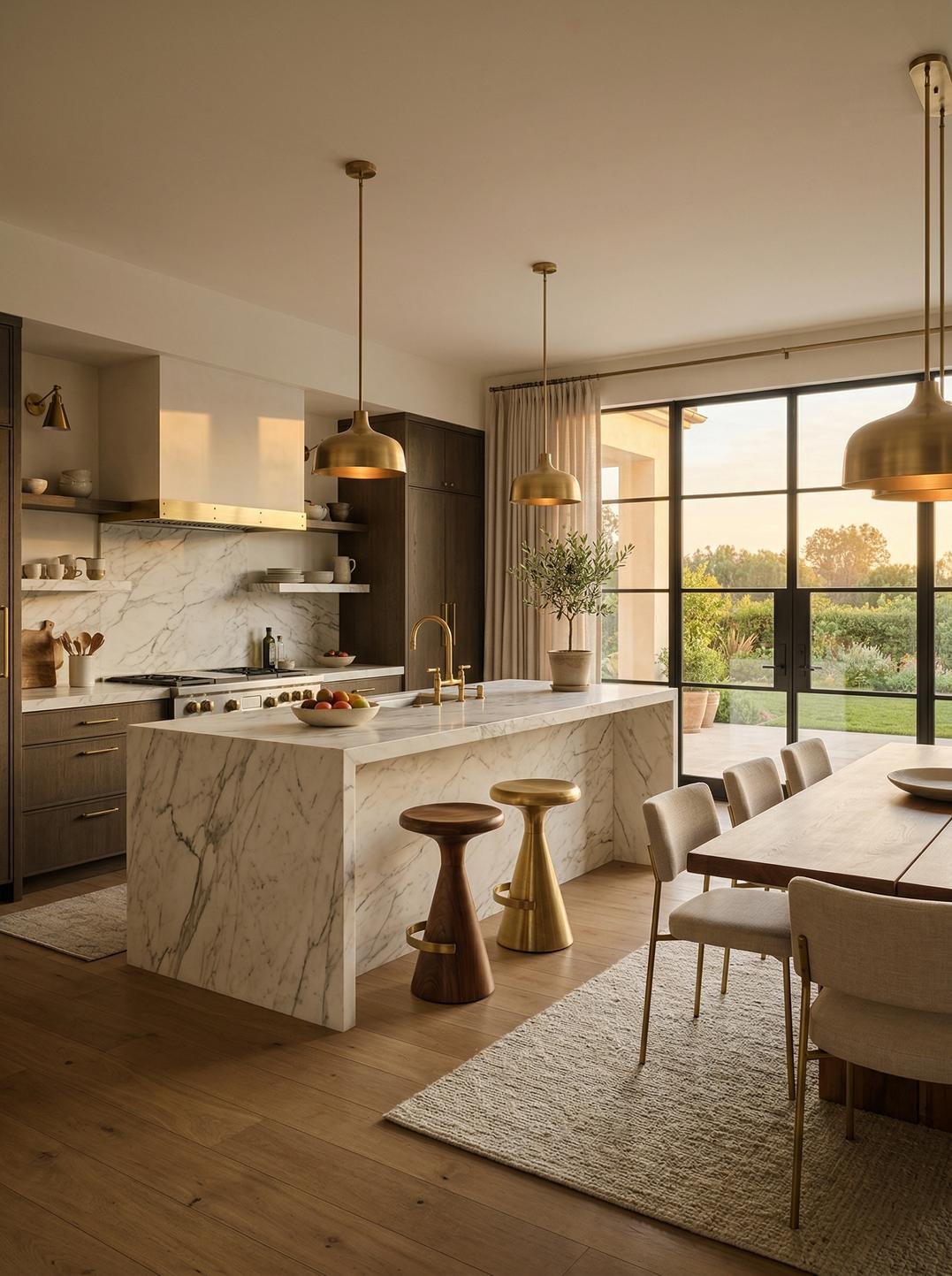
Stage two focuses exclusively on the tactile translation of physical finishes into the digital realm. High-net-worth buyers know exactly what authentic Italian leather and brushed brass look like under different natural lighting conditions. The final stage of the interior design process locks in these atmospheric elements, ensuring the visual narrative aligns perfectly with the buyer’s highest expectations.
3. How Material Accuracy Reduces Buyer Hesitation During Pre-Sales

When a potential buyer zooms in on a digital brochure, any lack of texture instantly breaks the illusion of reality. A flat, plastic-looking hardwood floor triggers immediate doubt about the actual construction quality of the proposed building. Clients naturally project the visual quality of the render onto the physical materials the developer intends to use.
By insisting on photorealistic material creation within a design framework, developers protect their brand’s perceived value. True realism requires capturing the subtle imperfections of natural materials, such as the varied grain in a walnut cabinet or the slight unevenness of a hand-tiled backsplash. These micro-imperfections signal authenticity to the buyer’s brain, immediately replacing hesitation with genuine desire.
Integrating physically based rendering techniques into the architectural visualization pipeline guarantees that light interacts with these materials accurately. When buyers see how the sunset naturally reflects off a polished stone island, their emotional connection to the property deepens significantly. This supreme level of interior design execution directly shortens the sales cycle by eliminating visual friction.
4. The Lighting Details High-Net-Worth Individuals Notice Subconsciously
Developers frequently request evenly lit renders to ensure every single corner of the room is visible to the client. However, buyers experience evenly lit spaces as completely artificial, reminiscent of a sterile showroom rather than a luxurious private residence. The most sophisticated clients respond to contrast, depth, and the natural interplay of light and shadow throughout the day.
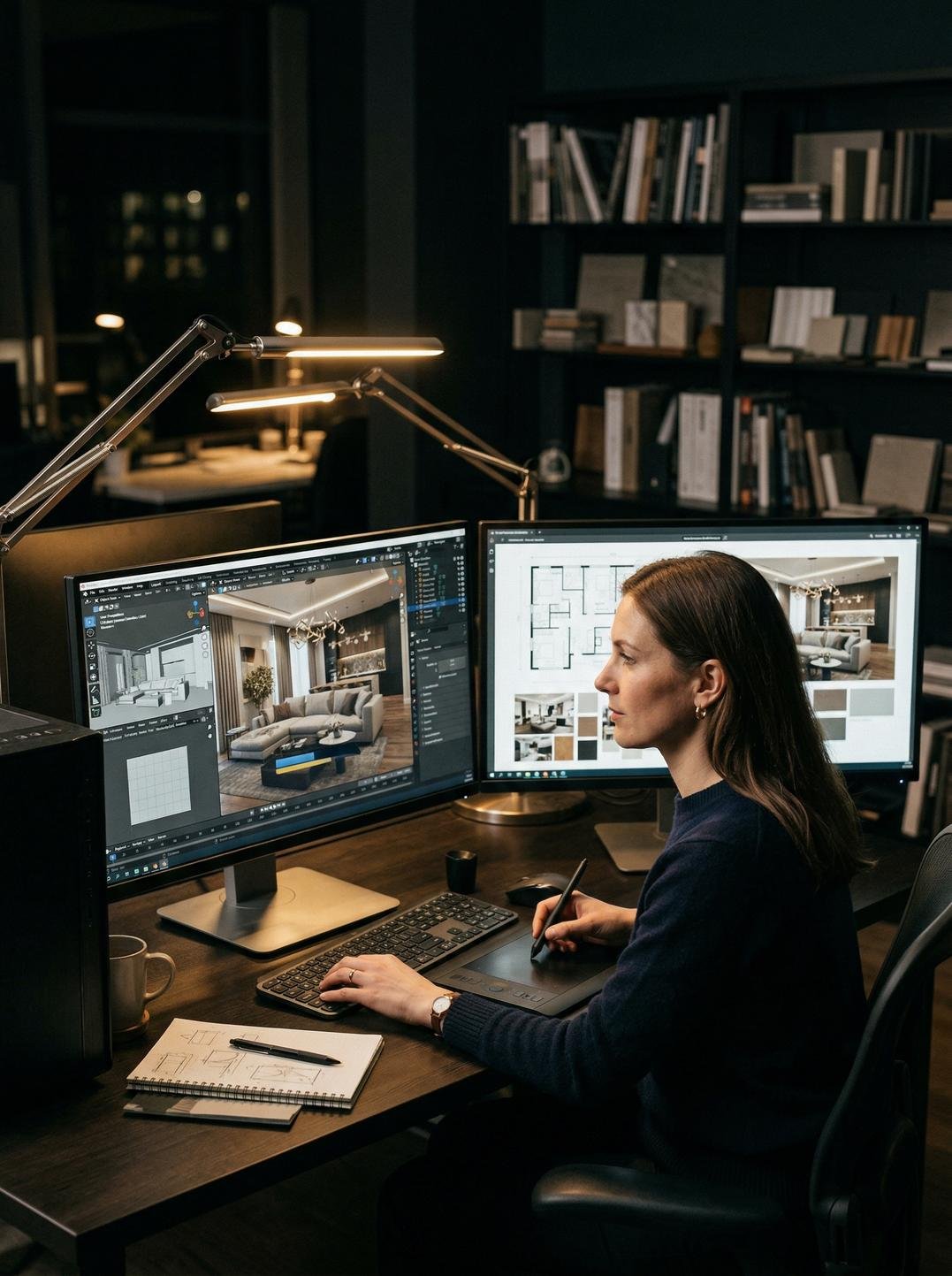
A mature architectural visualization pipeline treats lighting as the primary vehicle for deep emotional resonance. Skilled artists utilizing design capabilities will layer multiple lighting scenarios, perhaps showing a cozy evening ambiance alongside a bright morning view. This strategic approach allows the buyer to mentally rehearse living in the space across completely different times and moods.
Failing to capture these nuanced lighting conditions leaves significant money on the table during competitive pre-sales campaigns. The buyer’s perception of financial value is intrinsically linked to how the space makes them feel upon first glance. Mastering these specific interior design lighting techniques ensures that every image published actively builds a premium perception in the client’s mind.
5. Conclusion
Ultimately, buyers invest in the lifestyle a property promises rather than the raw square footage it practically provides. By approaching design directly from the end client’s psychological perspective, developers can transform basic renders into compelling emotional assets. To elevate your next project’s visual narrative and secure faster pre-sales, partner with the experts at Arkilex architectural visualization studio today.
6. FAQs
How do buyers perceive low-quality renders during pre-sales?
Buyers subconsciously equate the quality of the marketing visuals with the expected quality of the physical construction. A sterile or flat rendering often creates immediate hesitation, making them question the developer’s attention to detail and material choices.
Why is lighting so critical for high-net-worth client presentations?
Luxury buyers are accustomed to sophisticated, highly designed environments where dynamic lighting creates distinct mood and depth. Flat, uniform lighting feels cheap and commercial to them, whereas realistic shadows and natural sunlight patterns evoke the feeling of a premium residence.
What makes material realism important for investor confidence?
Investors need absolute proof that the target demographic will find the property highly desirable upon the official launch. Photorealistic materials that show accurate grain, reflection, and texture prove that the developer understands luxury aesthetics, thereby lowering the perceived investment risk.
How can developers better align their visual briefs with buyer expectations?
Instead of just supplying CAD files and layout requirements, developers should brief visualization studios on the specific lifestyle of the target buyer. Focusing on atmospheric details, time of day, and emotional touchpoints ensures the final imagery resonates powerfully with the end user.
“An exemplary collaboration with Arkilex. We brought them in to visualize several projects and the result is simply impressive. Beyond the visual quality, their time management is flawless – deadlines met with rare precision. A trustworthy, responsive, professional partner I highly recommend.”
— Aquaya Maroc ★★★★★ · Google review