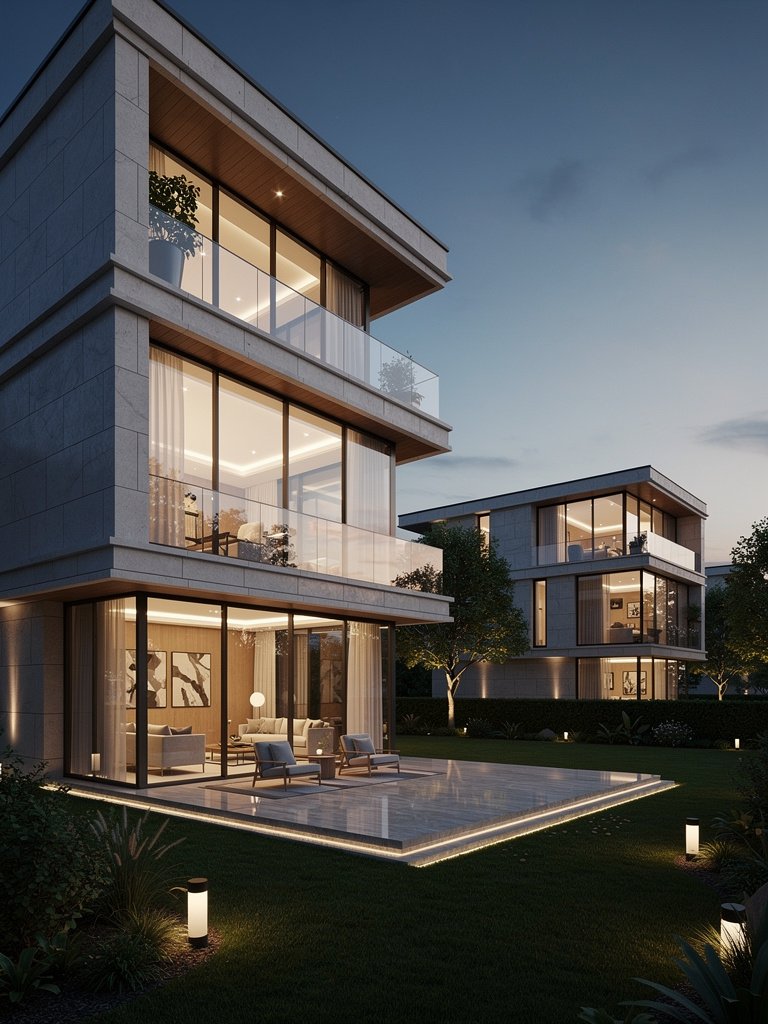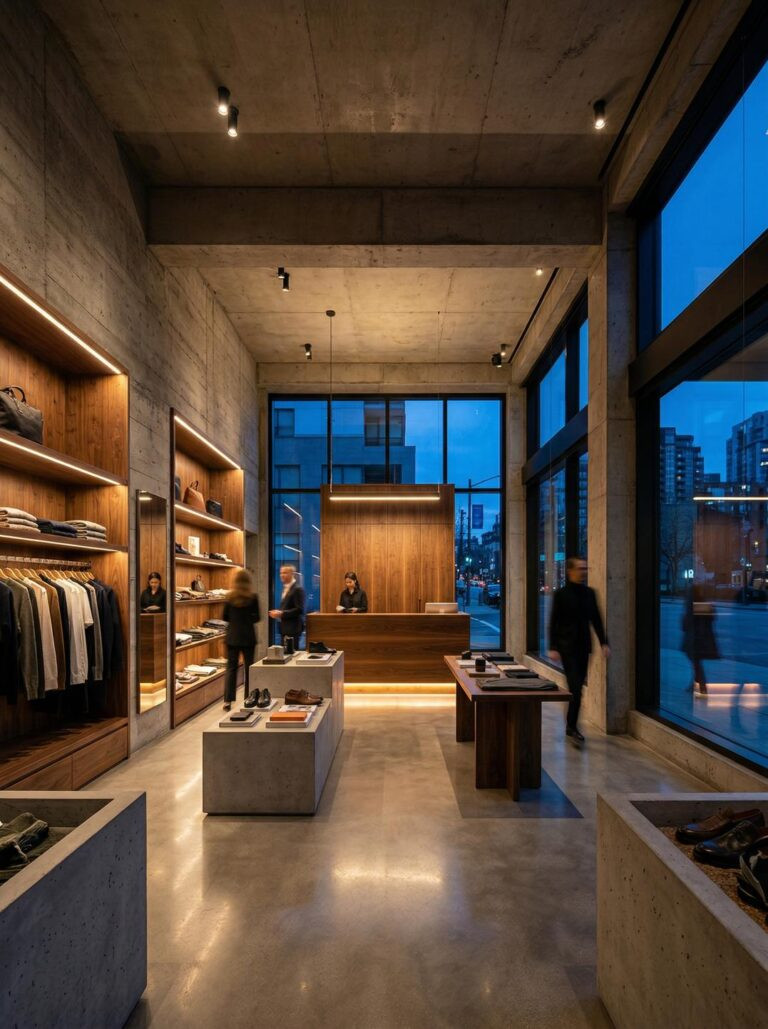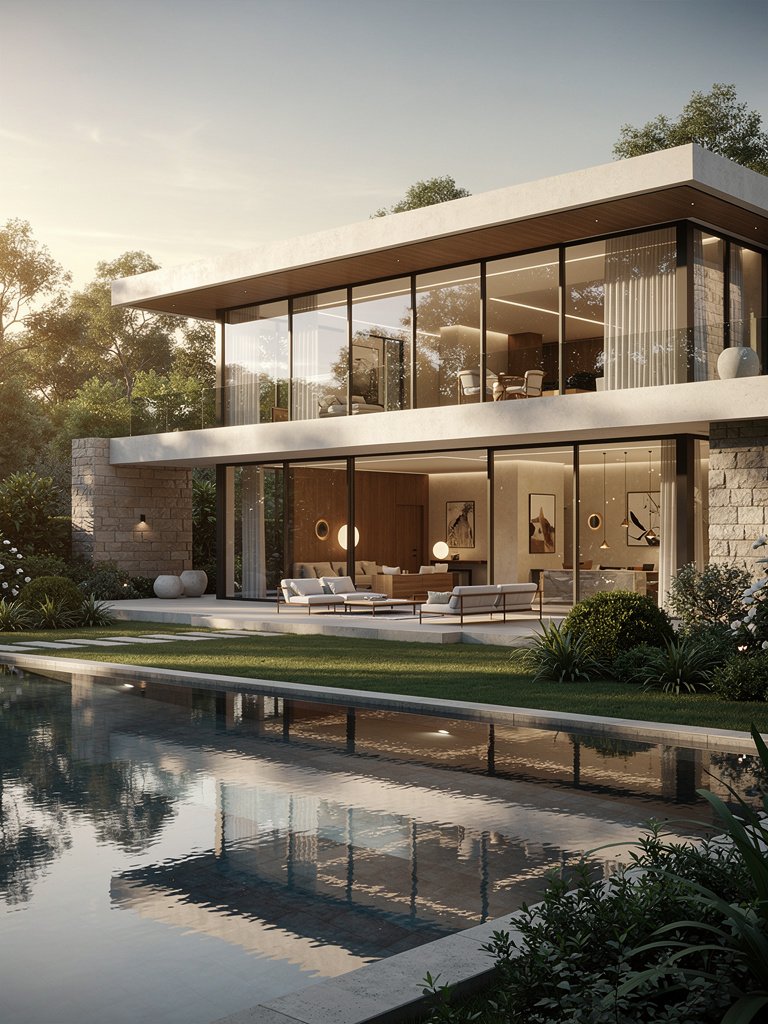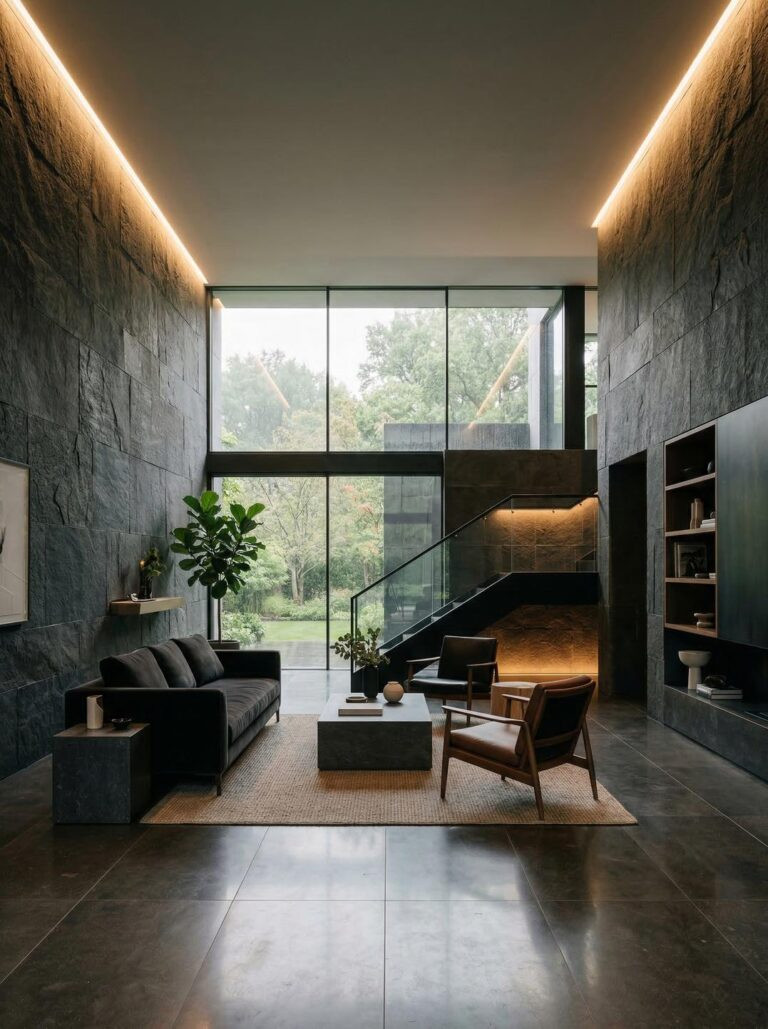

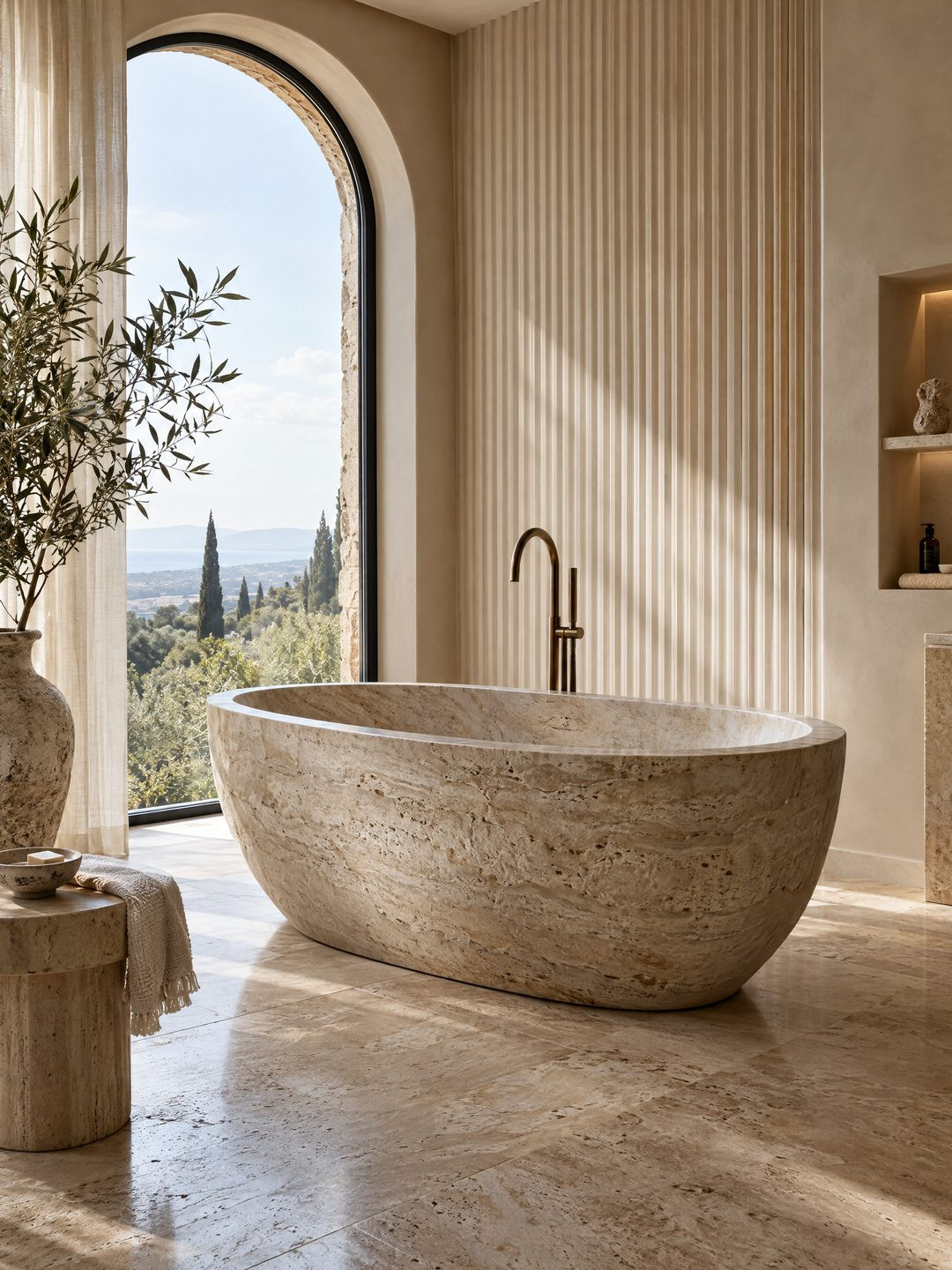
Wide renders show buyers how a home feels. Close-up renders show them what they are paying for. A buyer comparing two apartments with similar layouts will pay more for the one that looks better built, and quality lives in the details: the veining of the stone, the brushed finish on a tap, the way a cabinet door meets its frame. Those details are invisible in a room-wide shot.
Key takeaways
- Close-up renders show material and craftsmanship that wide interior shots cannot resolve.
- Kitchens deserve special attention: the 2025 Cost vs. Value Report found that a minor kitchen remodel recouped 112.9% of its cost at resale in the United States.
- The most persuasive details are stone, metal hardware, joinery, textiles, tiles and lighting fixtures.
- Close-ups must match the specification exactly, because buyers and contractors will treat them as a promise.
A close-up or detail render is a tightly framed photorealistic image of a material, fixture or junction, usually taken with a shallow depth of field like product photography. Arkilex produces these shots from the same interior scene as the wide views, so every detail matches the approved design.
1. Why do wide shots hide quality?
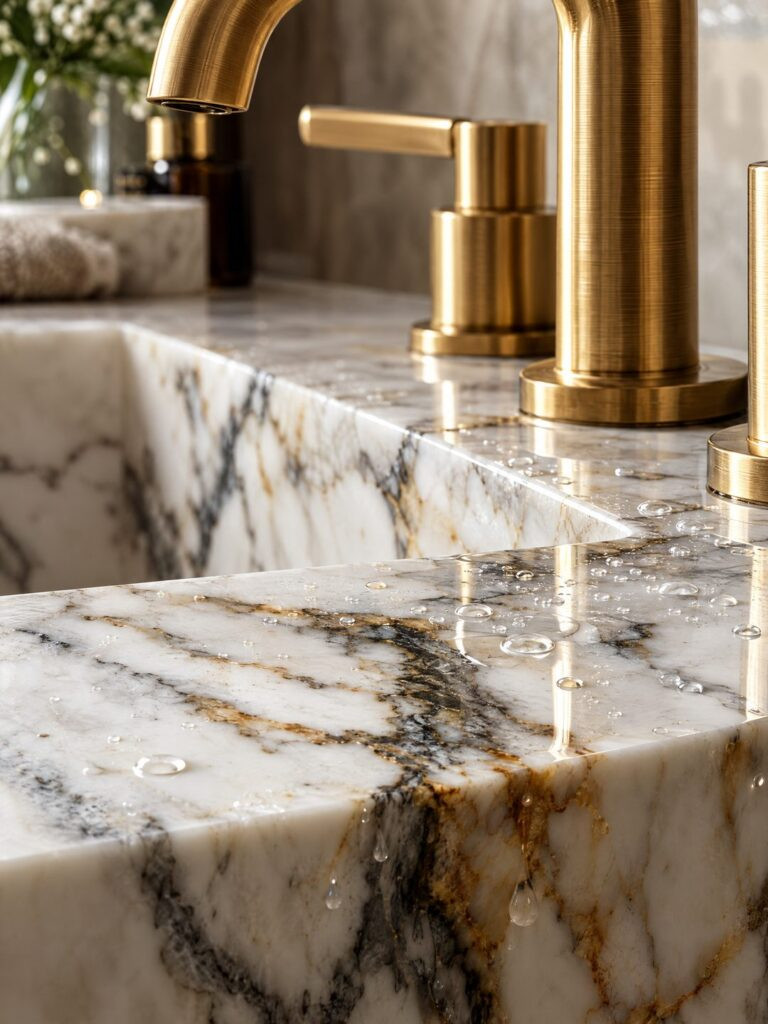
Wide shots hide quality because they are about space, not surface. At the scale of a whole room, marble and porcelain look alike, solid oak and laminate look alike, and a premium tap is a few pixels of gold.
That is fine for the first impression, but it leaves the buyer’s real question unanswered: what am I paying for? Specification sheets list the brands; close-ups make them visible.
There is also a trust effect. When a developer shows the materials up close, it signals that the specification is fixed and that the company is proud of it. Vague wide shots, by contrast, can leave buyers wondering what has not been decided yet.
Detail images also work harder on phones. A tightly framed picture of stone and brass reads clearly on a small screen, where a wide interior can turn into a blur of furniture.
2. Six details worth rendering up close
Six kinds of detail carry most of the quality message. Pick the ones your project actually invests in, and skip the rest.
- Natural stone: countertop edges, veining and the junction with the sink.
- Metal hardware: taps, handles and switches, showing their brushed or polished finish.
- Joinery: cabinet doors, shadow gaps, fluted panels and integrated handles.
- Textiles: linen, boucle and wool, with light grazing across the weave.
- Tiles: handmade zellige, terrazzo or large-format porcelain with visible joints.
- Lighting fixtures: pendants and wall lights, ideally switched on.
Each close-up should answer one question a buyer might ask a salesperson. If nobody would ask about it, it does not need its own image.
3. Where does finish quality pay off most?

Finish quality pays off most in kitchens and primary suites. The 2025 Cost vs. Value Report by Zonda put the national average cost of a minor kitchen remodel at $28,458, with an estimated resale value of $32,141, a return of 112.9%.
Buyers notice kitchens for a reason. The National Association of Realtors found that the kitchen is among the three rooms buyers care most about, alongside the living room and the primary bedroom.
For a developer, that points to a simple rule: if the budget allows only a few detail shots, put them in the kitchen and the primary bathroom first.
4. How do you make a close-up look real?
A close-up looks real when the material is scanned or matched from a physical sample, and when the light is allowed to reveal texture. Flat, even lighting kills detail; low, raking light brings it back.
- Use a shallow depth of field so the eye lands on one point.
- Add a trace of use, a drop of water or a folded towel.
- Keep reflections believable; mirror-perfect metal looks fake.
- Photograph the physical samples and compare them with the render.
The last step matters most. Close-ups are held to a higher standard than wide views, because buyers study them and contractors may later be asked to match them.
5. How to brief close-up renders
Brief close-ups with the real specification. Send product codes, supplier photos and, if possible, physical samples of the stone, wood and metal finishes, so nothing is left to interpretation.
Tell your studio which details carry the price of the project and where the images will appear. A brochure spread, a sales suite panel and an Instagram carousel each need a different crop.
Arkilex treats detail shots as part of the interior set, not as an afterthought. To show buyers exactly what they are paying for, send us your finish schedule and we will propose the close-ups that will do the most work.
6. Frequently asked questions
What are close-up renders?
Close-up renders are tightly framed photorealistic images of materials, fixtures or construction details, such as a stone countertop edge, a brushed brass tap or a cabinet joint. They are used to show finish quality that disappears in wide interior shots, and they are usually produced from the same 3D scene as the main views.
How many detail shots does a project need?
Most residential projects need between three and six. Focus on the materials the project genuinely invests in, usually the kitchen stone, bathroom fittings, joinery and one or two textiles. More detail shots only help if each one answers a question a buyer would actually ask.
Do detail renders need real material samples?
Real samples are strongly recommended. Scanning or photographing the actual stone, wood and metal finishes lets the artist match color, texture and reflection accurately. This matters because buyers study close-ups carefully, and the delivered finishes should match what the images promised.
Where should detail shots be used?
Use them in brochures, sales suite panels, specification pages on the website and social media carousels. They work especially well on phones, where a tightly framed detail reads more clearly than a wide interior. Pairing each close-up with the wide room it belongs to gives buyers useful context.
“An exemplary collaboration with Arkilex. We brought them in to visualize several projects and the result is simply impressive. Beyond the visual quality, their time management is flawless - deadlines met with rare precision. A trustworthy, responsive, professional partner I highly recommend.”
— Aquaya Maroc ★★★★★ · Google review