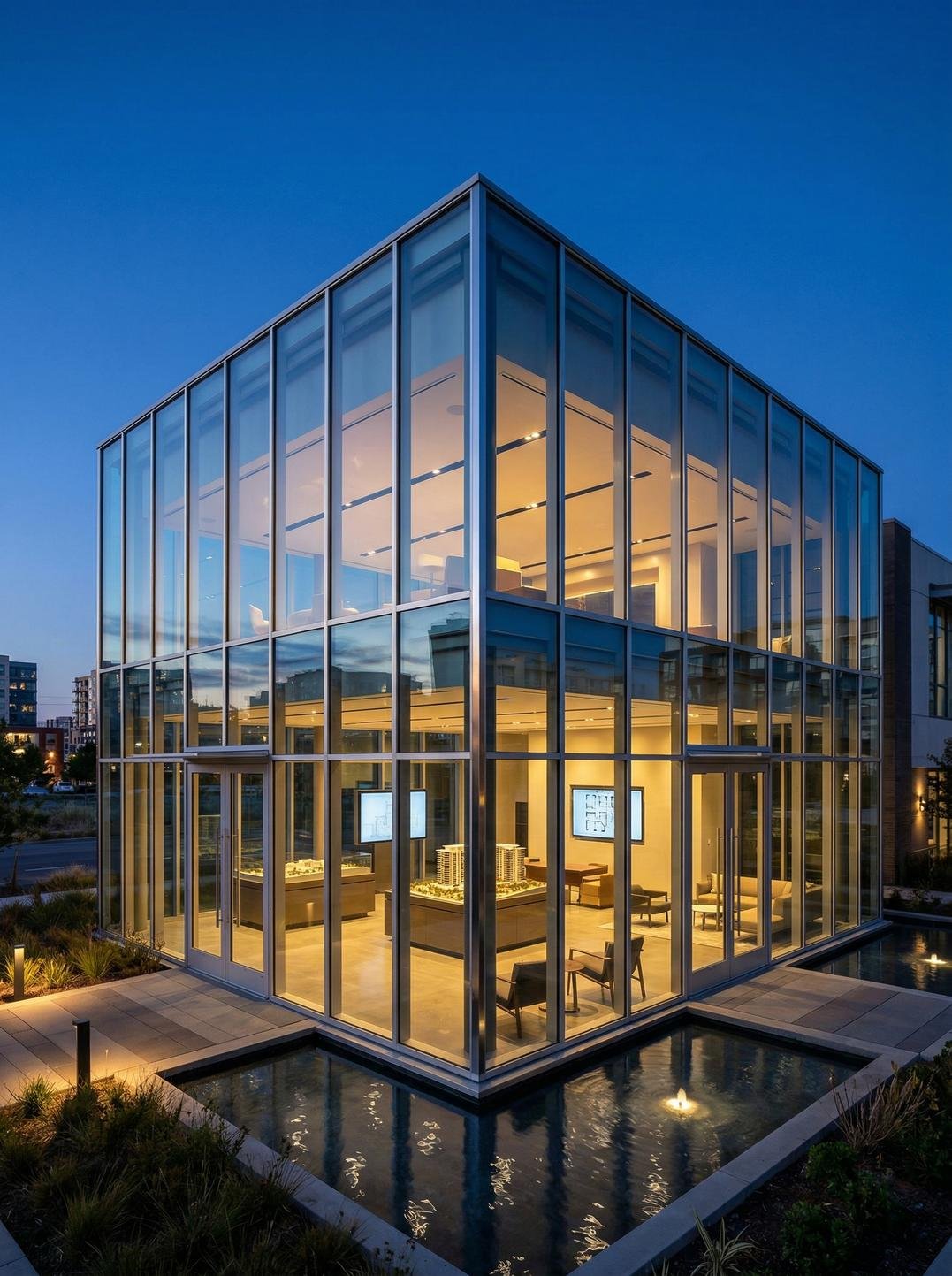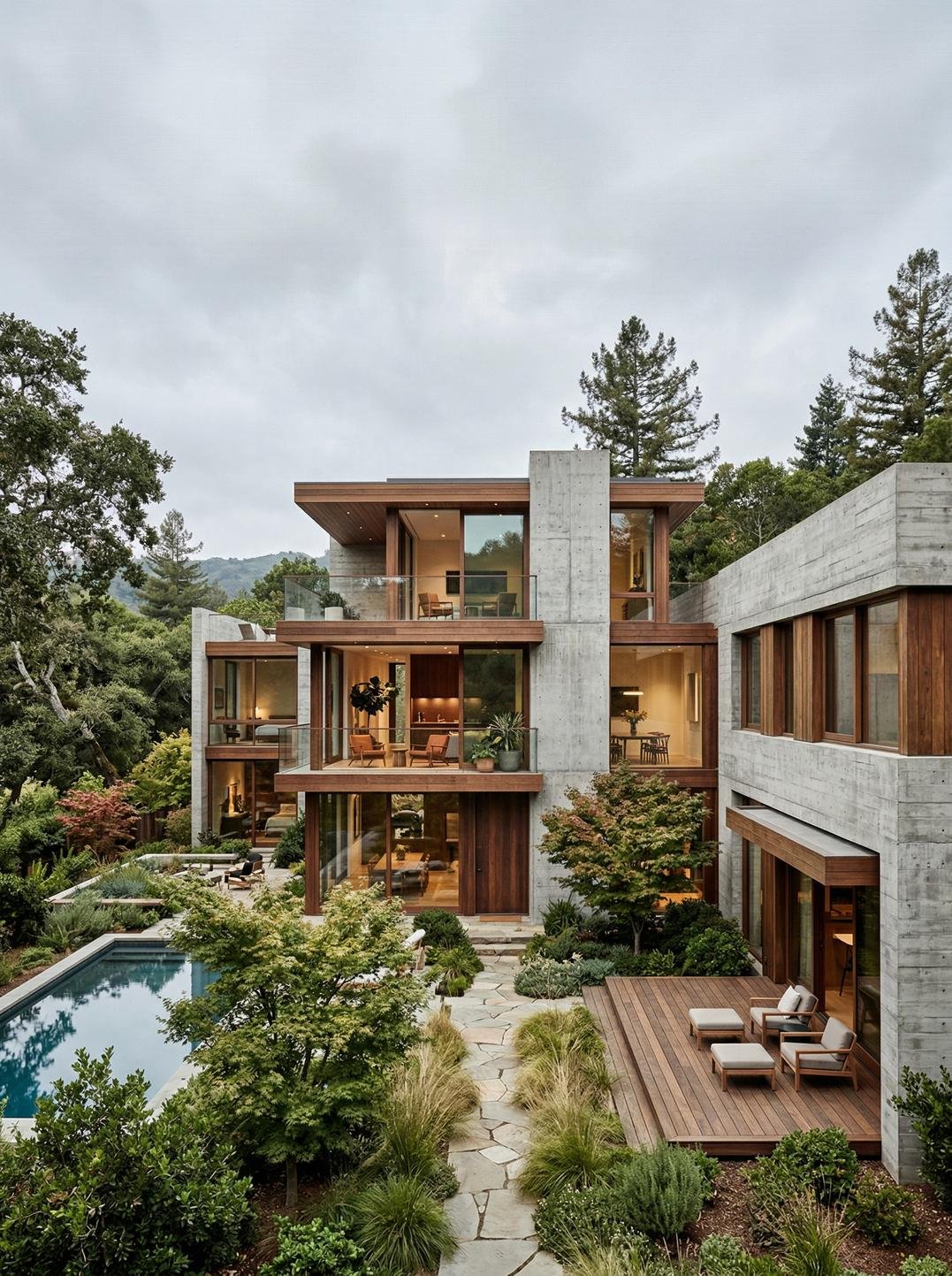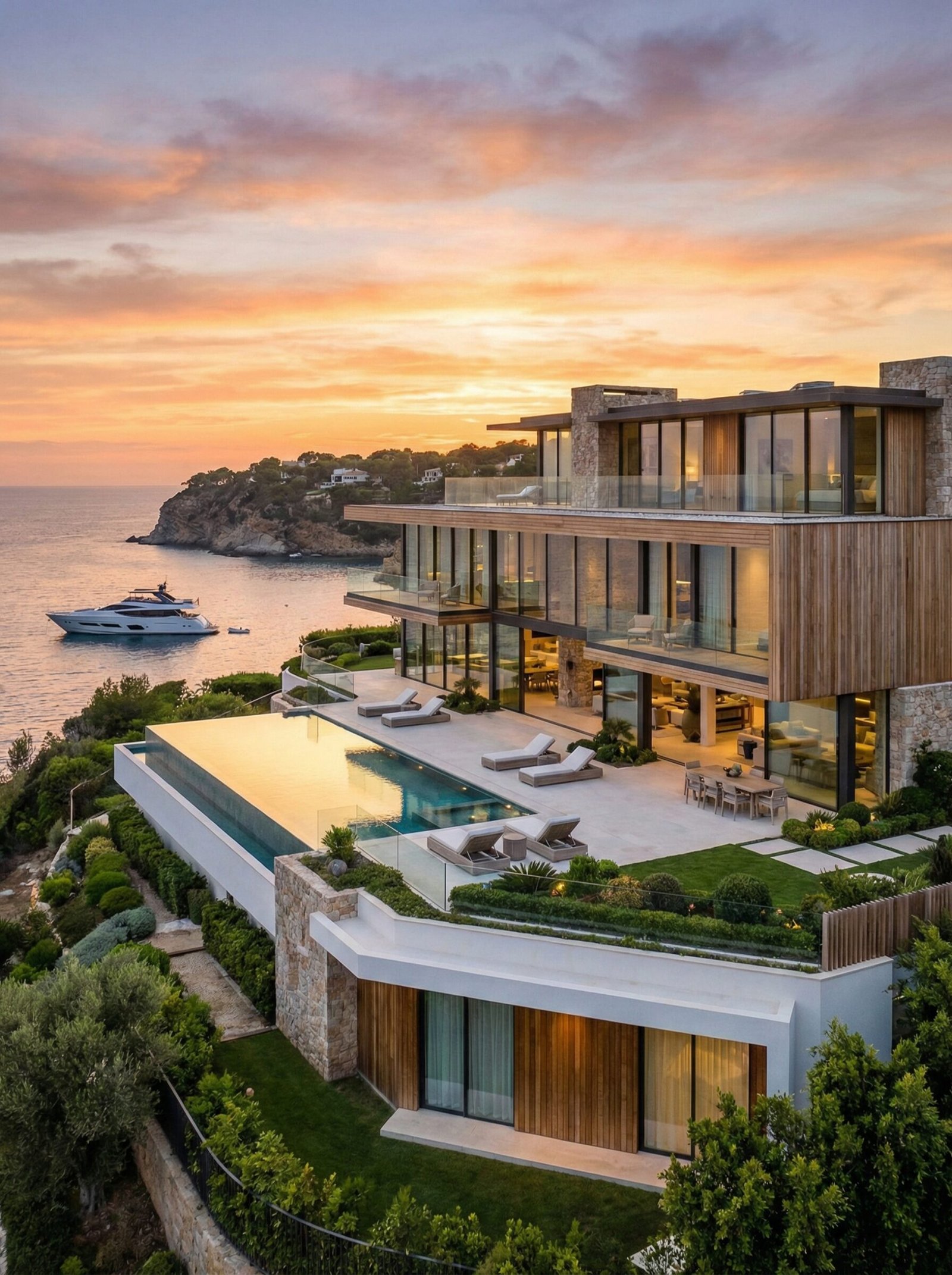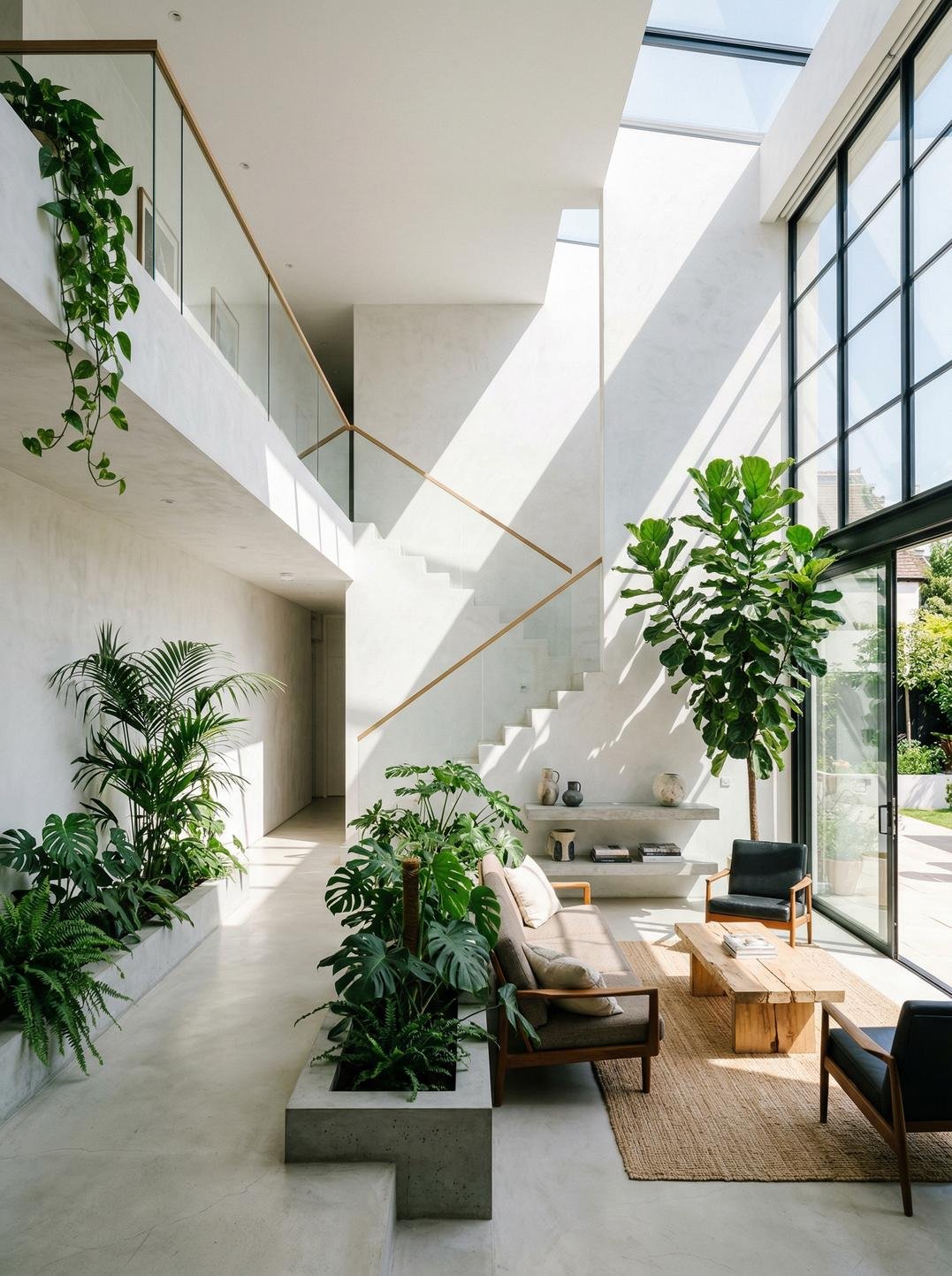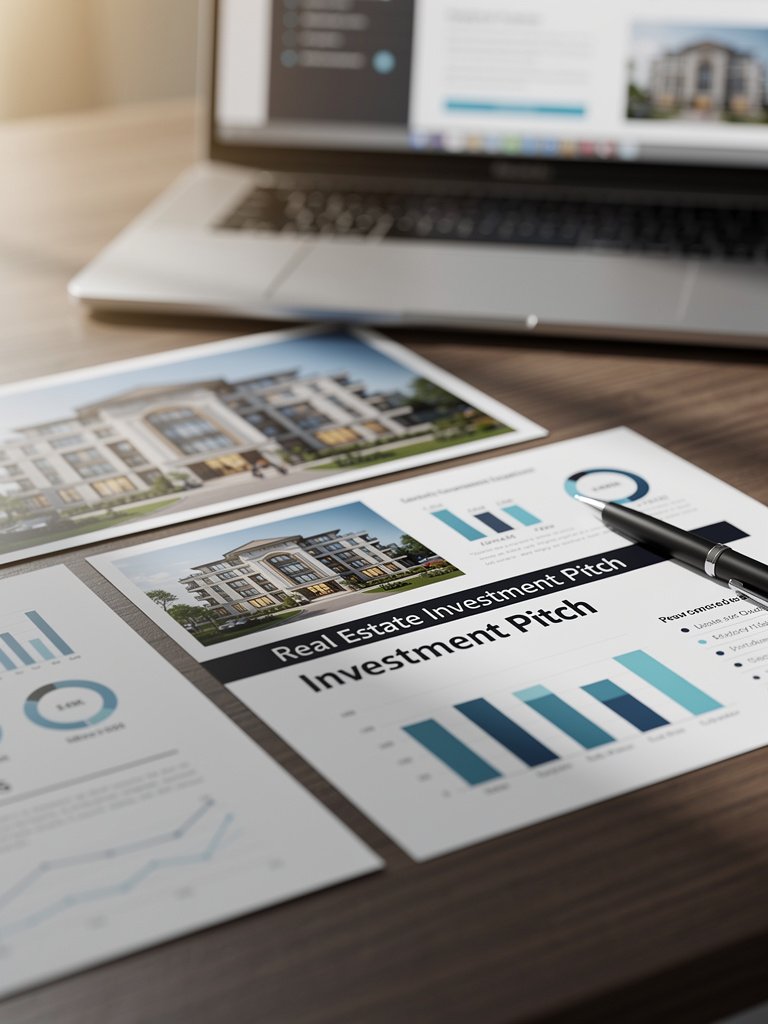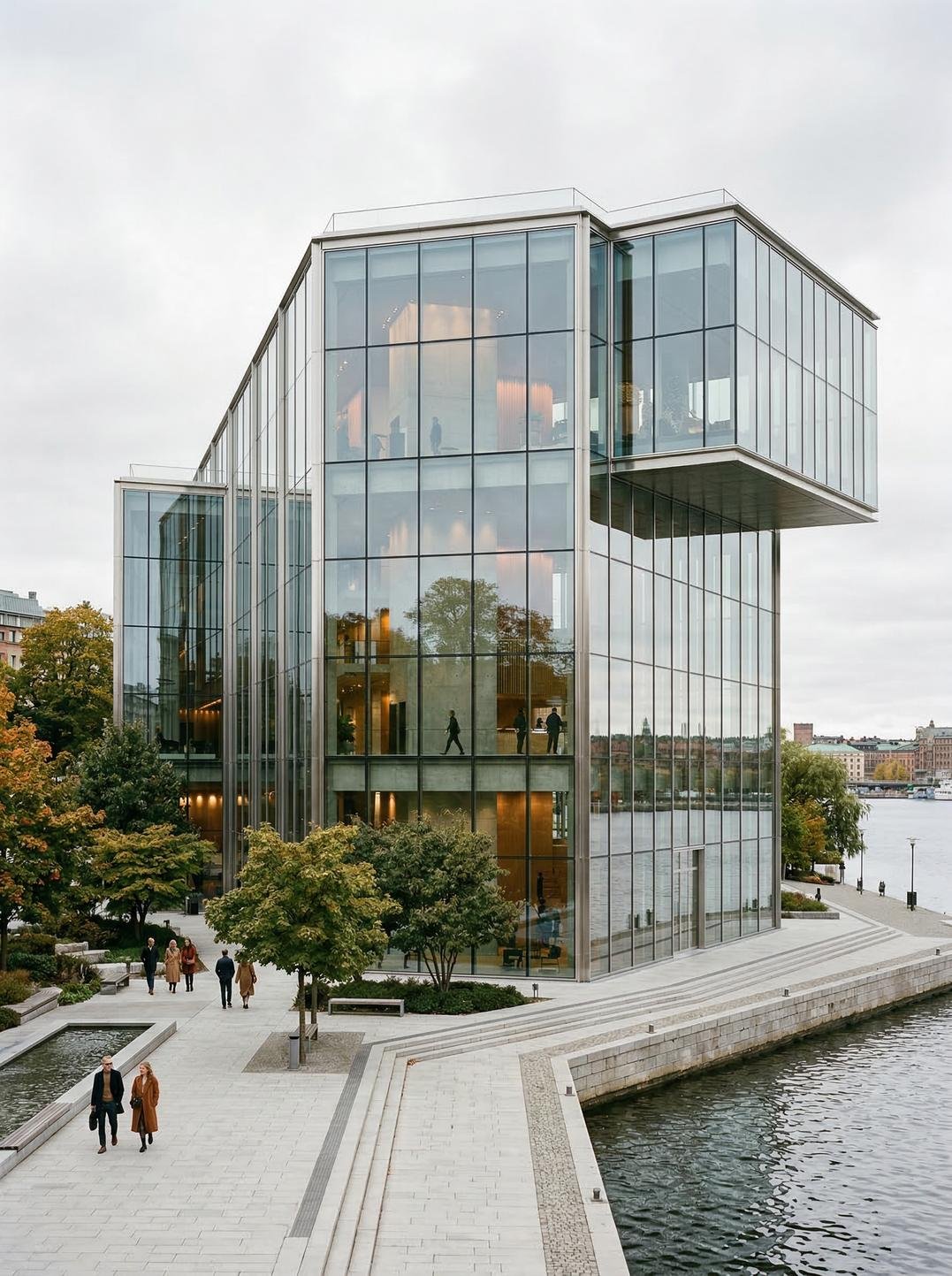

Hospitality interior design has to deliver a specific guest experience before it can be approved, funded, or built. The operator needs to see the bar feel the way their brand promise describes. The investor needs to understand how the room quality justifies the rate. The planning authority needs to read the building’s impact on its context. These are separate visual arguments, and they all need to be won.
Developers who treat visualization as an afterthought routinely find their pitch decks outclassed by competitors using photorealistic rendering to dictate market positioning. Winning firms weaponize these visual assets to dominate negotiations with premium management brands. Those who recognize this shift utilize advanced CGI not just to show a building, but to dominate their specific market sector.
They understand that visual supremacy translates directly into financial leverage during high-stakes boardroom meetings. The difference between a fully funded project and a stalled concept often comes down to the quality of the visual asset. Flawless execution separates market leaders from developers who consistently struggle to secure operator agreements.
Table of Contents
1. Why Most Developers Misunderstand the Strategic Value of Hospitality Interior Design
Top-tier development teams understand that early visual assets dictate project momentum. Average developers wait until schematic phases conclude before considering their visualization strategy. This delay surrenders the competitive advantage to faster firms who visualize conceptual stages to pre-lease commercial spaces.
Advanced boutique hotel spatial planning requires stakeholders to experience the flow of the lobby and amenities long before construction. When developers present basic wireframes or untextured models, they force investors to guess the final asset value. Superior hospitality interior design visualizations remove this cognitive load, replacing doubt with tangible proof of market readiness.
Competitors winning the largest institutional checks utilize renders to validate revenue models aggressively. They prove that their bar layouts, spa entries, and room configurations will actually generate the projected yields. By the time average developers catch up, the premier operators have already signed letters of intent with the competition.
2. The Phased Visualization Workflow Behind Market-Leading Hotel Developments
Leading architectural visualization studios deploy a highly structured, staged delivery model that outpaces traditional rendering timelines. They abandon the outdated method of waiting for final CAD files to begin their foundational scene setup. Instead, they integrate directly with the developer’s design team during initial massing and zoning phases.
This concurrent workflow allows for aggressive iteration of boutique hotel spatial planning concepts in real-time. By visualizing multiple lobby configurations simultaneously, developers can test traffic flow and operational efficiency against competitor benchmarks. Adjustments are made in days rather than weeks, keeping the project timeline aggressively lean and highly responsive.
As the project matures, the studio’s focus shifts rapidly to hyper-specific material translation and atmospheric tuning. Every iteration of the hospitality interior design is rigorously tested against the target demographic’s specific visual expectations. This proactive visualization sequence ensures the final pitch deck is flawless, leaving rival developers scrambling to present static blueprints.
3. How Precise Material Mapping Secures Premium Brand Operators Earlier
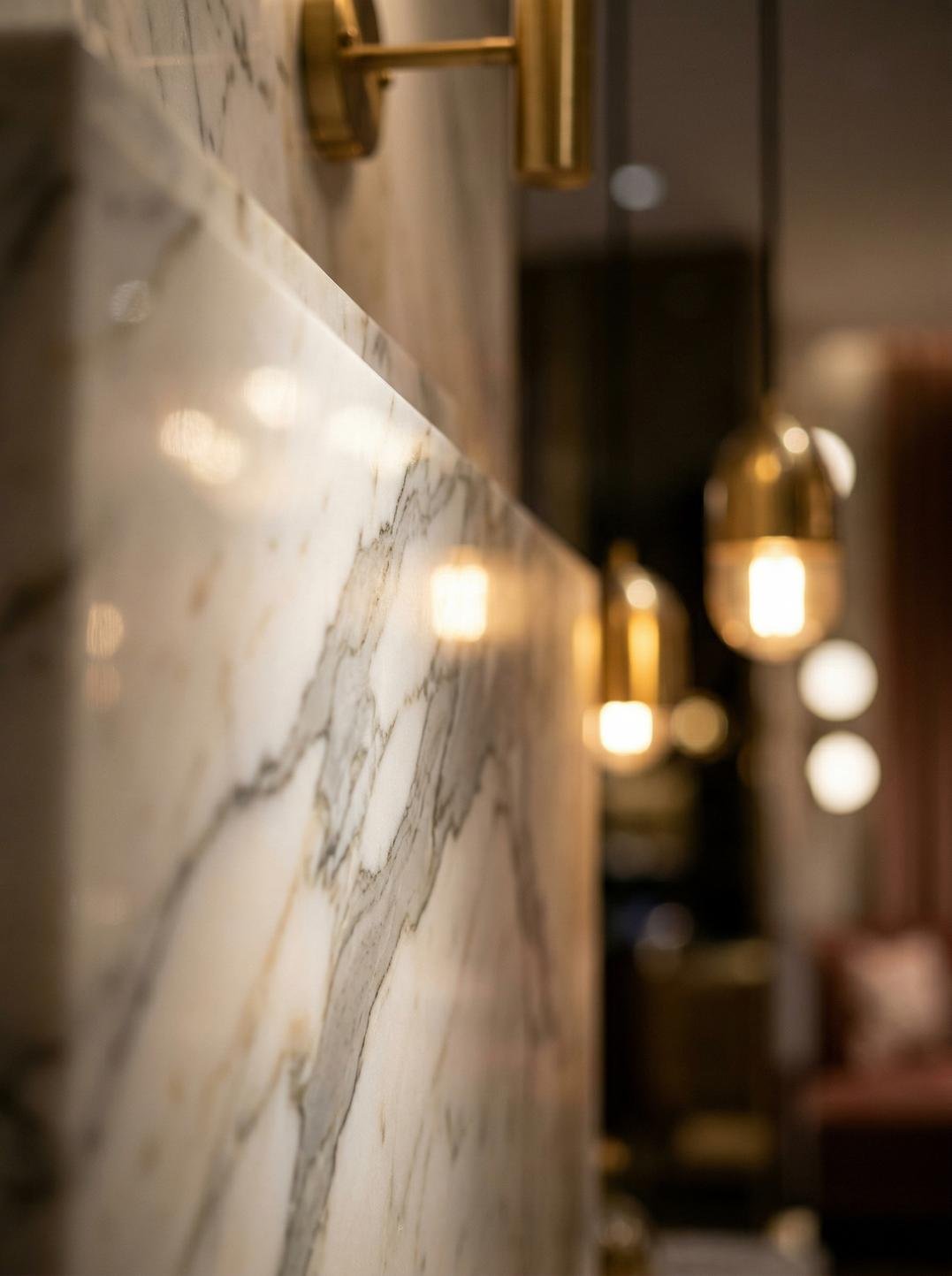
The most fiercely contested battleground in commercial real estate is securing a flagship operator for a new build. Brands like Aman or Six Senses demand absolute certainty that a developer can execute their exacting aesthetic standards. They routinely reject pitches that rely on generic material libraries or poorly lit placeholder textures.
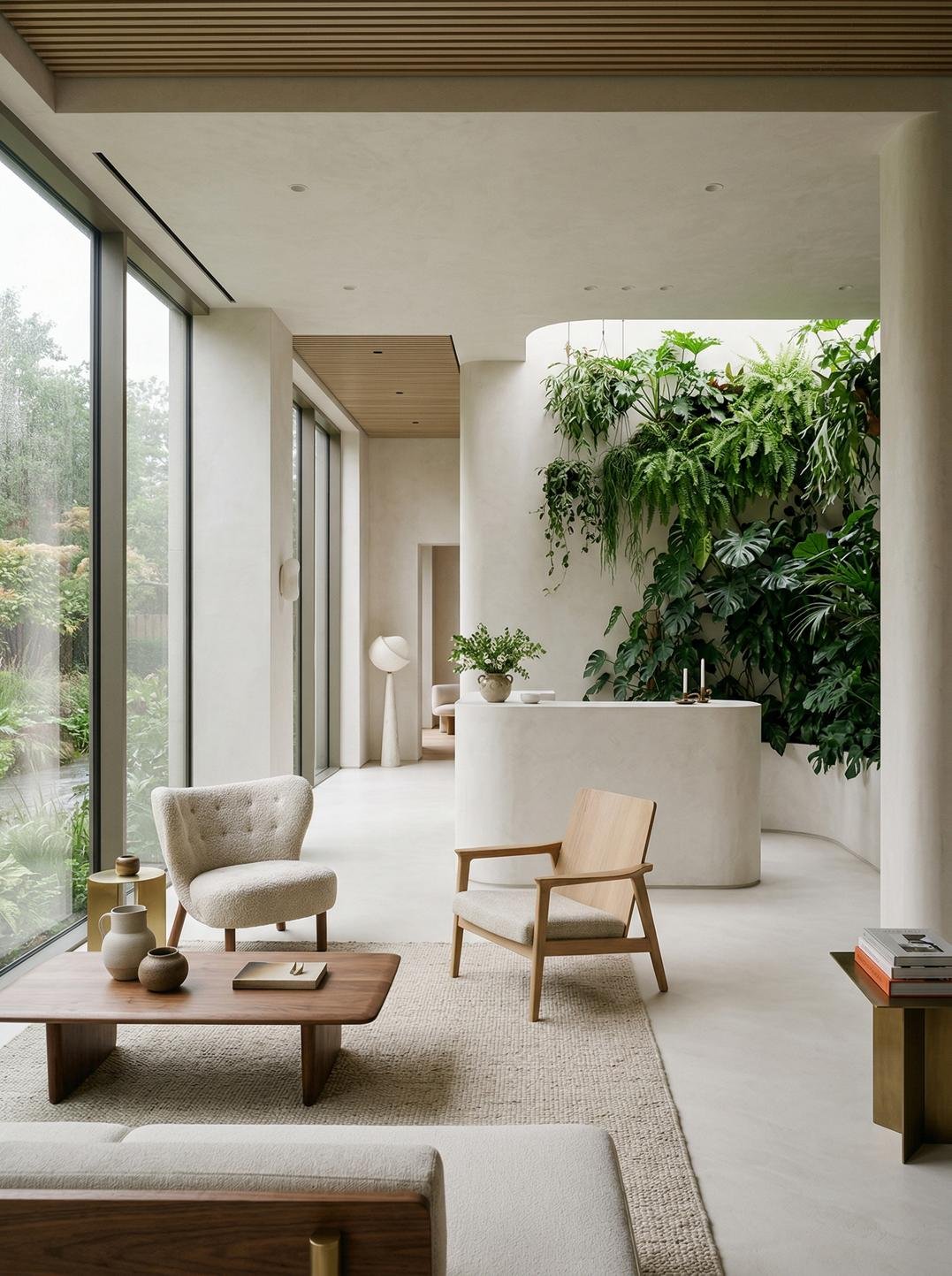
Top visualization studios leverage proprietary material scanning to replicate bespoke fabrics, local stone, and custom millwork with mathematical precision. This level of detail elevates boutique hotel spatial planning from a mere architectural layout into a compelling sensory narrative. When an operator sees how morning sunlight specifically interacts with a custom bronze fixture, their perception of execution risk plummets.
This strategy routinely enables forward-thinking developers to close critical operator agreements months ahead of their projected schedules. A mathematically accurate representation of the hospitality interior design forces premium operators to take the bid seriously. Consequently, developers utilizing premium visualization outmaneuver competitors who present flat, uninspiring physical material boards.
4. The Lighting Detail Institutional Investors Notice First and Mid-Tier Studios Miss

Institutional capital allocators have become incredibly sophisticated consumers of architectural media over the last five years. They possess a highly trained eye for visual inconsistencies that signal amateur project management or potential cost overruns. The most common failure point in competitive pitches is the inaccurate calculation of artificial and natural lighting.
Mid-tier studios often fake illumination by placing invisible light sources to artificially brighten dark corners within a scene. This creates a flat, sterile hospitality interior design that feels distinctly synthetic and untrustworthy to experienced investors. Elite studios, conversely, utilize physically accurate light path tracing that precisely mimics real-world photometric data.
Accurate lighting exposes the true depth of materials and validates the environmental psychology of the proposed space. It demonstrates a complete mastery of mood, proving the developer understands the subtle mechanics of premium guest experience. Investors naturally gravitate toward these hyper-realistic presentations, routinely leaving poorly illuminated competing projects completely unfunded.
5. Conclusion
The commercial real estate market no longer tolerates visual ambiguity during the crucial capital allocation or operator acquisition phases. Mastering the visual representation of your hospitality interior design is now a mandatory competitive requirement for securing premium partnerships. Partner with Arkilex architectural visualization studio to transform your next conceptual layout into an undeniable, market-leading asset.
6. FAQs
What makes hospitality interior design rendering different from residential visualization?
Commercial hospitality projects require a heavy focus on brand standard compliance and high-traffic operational flow. The renders must communicate scale, durability, and atmosphere to highly analytical B2B stakeholders rather than emotional homebuyers. Elite studios engineer these visuals specifically to answer boardroom questions about revenue generation and spatial efficiency.
How early should visualization begin for a hotel development?
Market-leading developers initiate their visualization strategy during the earliest conceptual massing and schematic design phases. This allows them to use 3D renders as active design tools rather than just end-of-project marketing assets. Early integration guarantees that the final hospitality interior design is optimized for both investor appeal and operator approval.
Can boutique hotel spatial planning be tested through VR before construction?
Yes, advanced visualization studios routinely deploy virtual reality environments to simulate real-world spatial dynamics. This allows developers and operators to physically walk through lobbies, identifying operational friction points before pouring concrete. It is a massive competitive advantage that eliminates costly change orders during the construction phase.
How do top developers use renders to secure institutional funding?
Top developers utilize photorealistic renders to bridge the imagination gap that often kills early-stage investment deals. They present mathematically accurate lighting and materials to prove their execution capabilities to cautious institutional funds. When a hospitality interior design looks indistinguishable from reality, the perceived risk of the project drops significantly.
“Few teams can turn an abstract vision into such a harmonious reality. They merged bold architecture, precise interior design, and the poetry of landscaping. Rigor, boundless creativity, and a contagious passion.”
— Khalif Khalif ★★★★★ · Google review