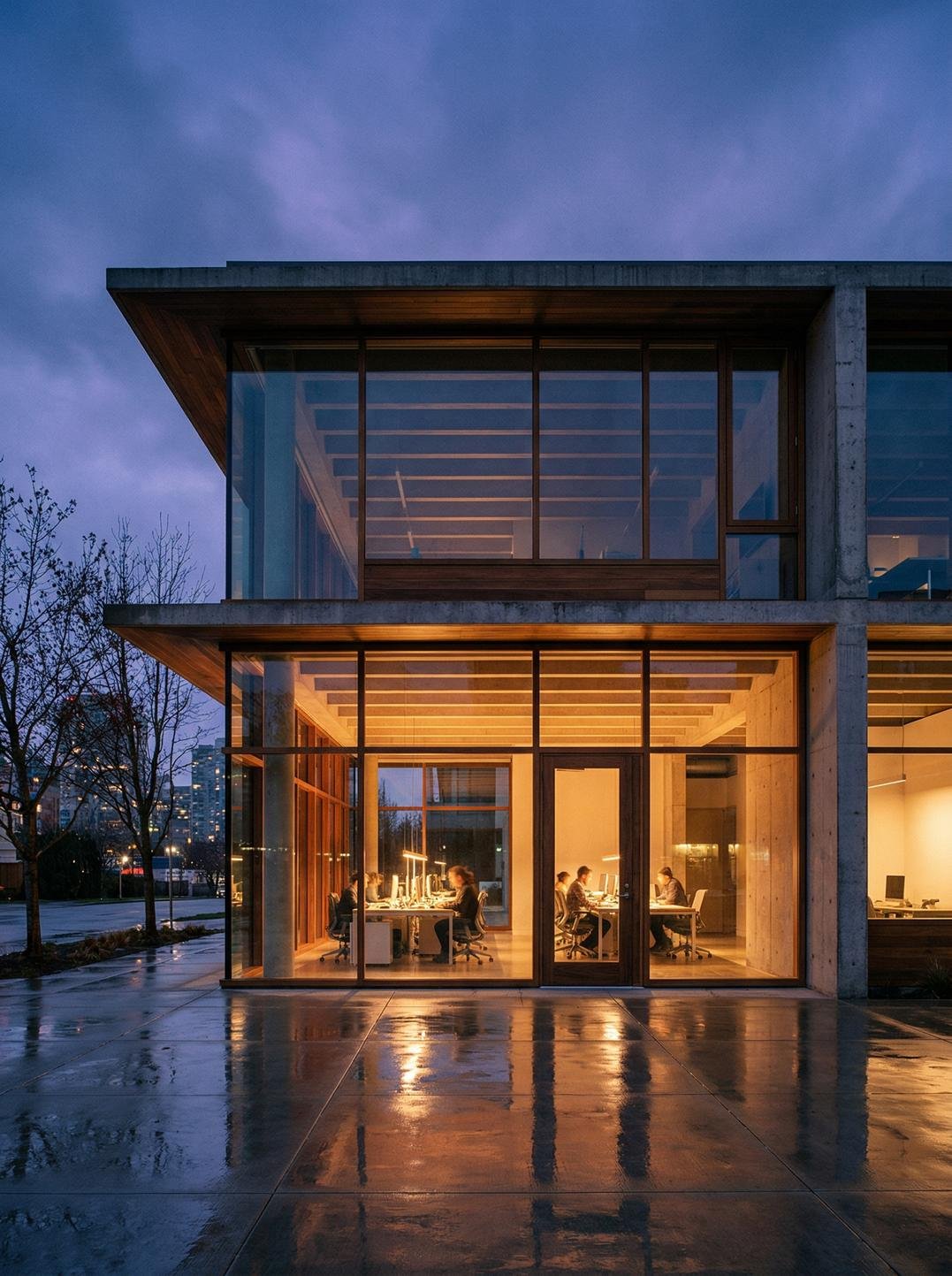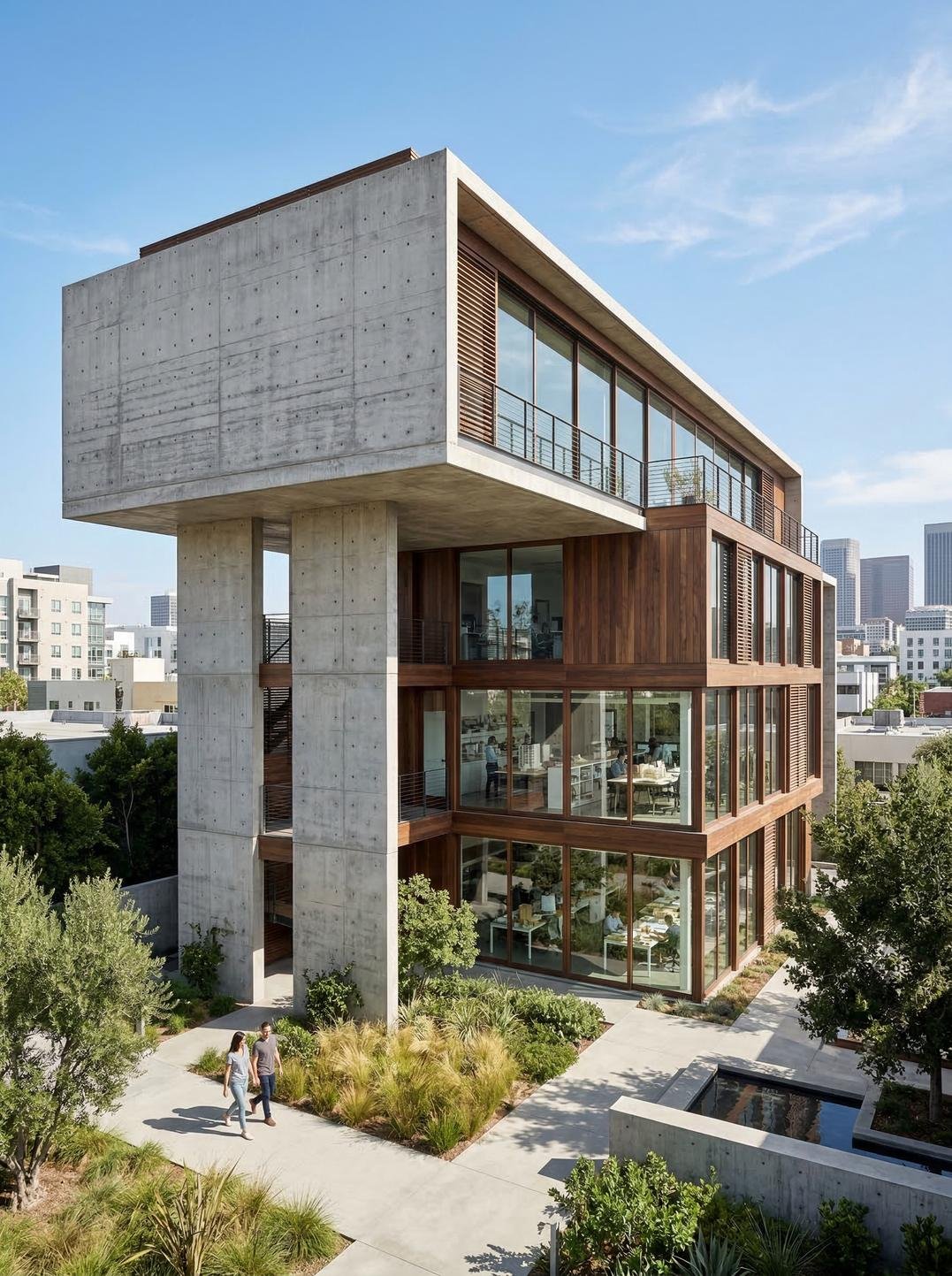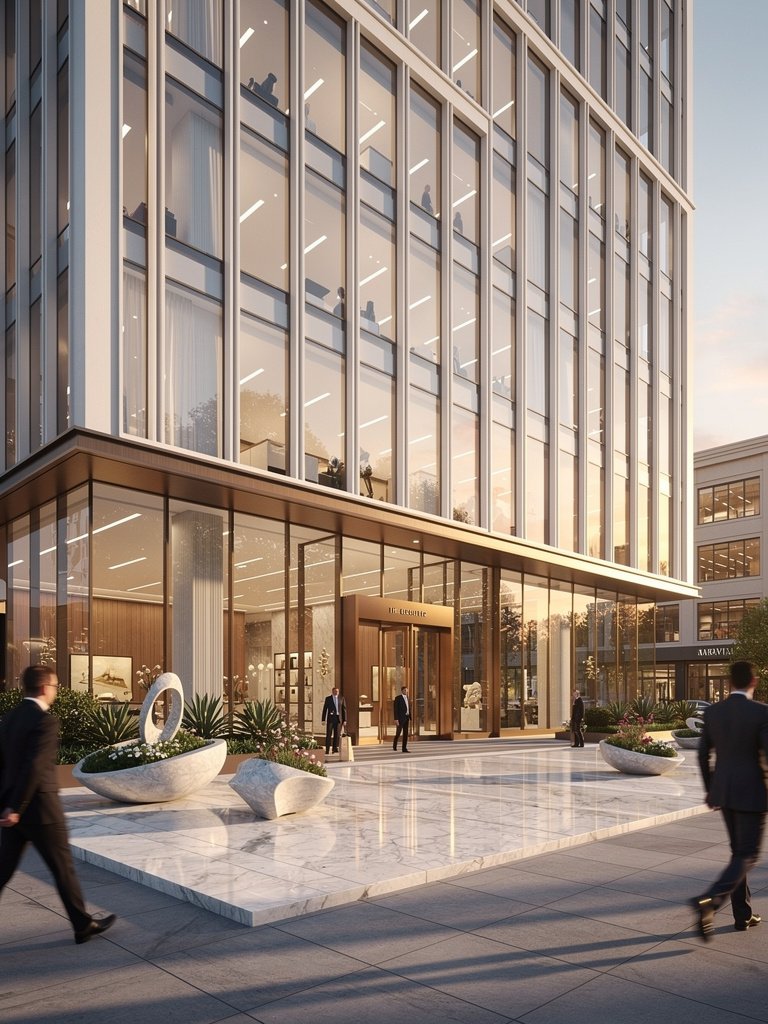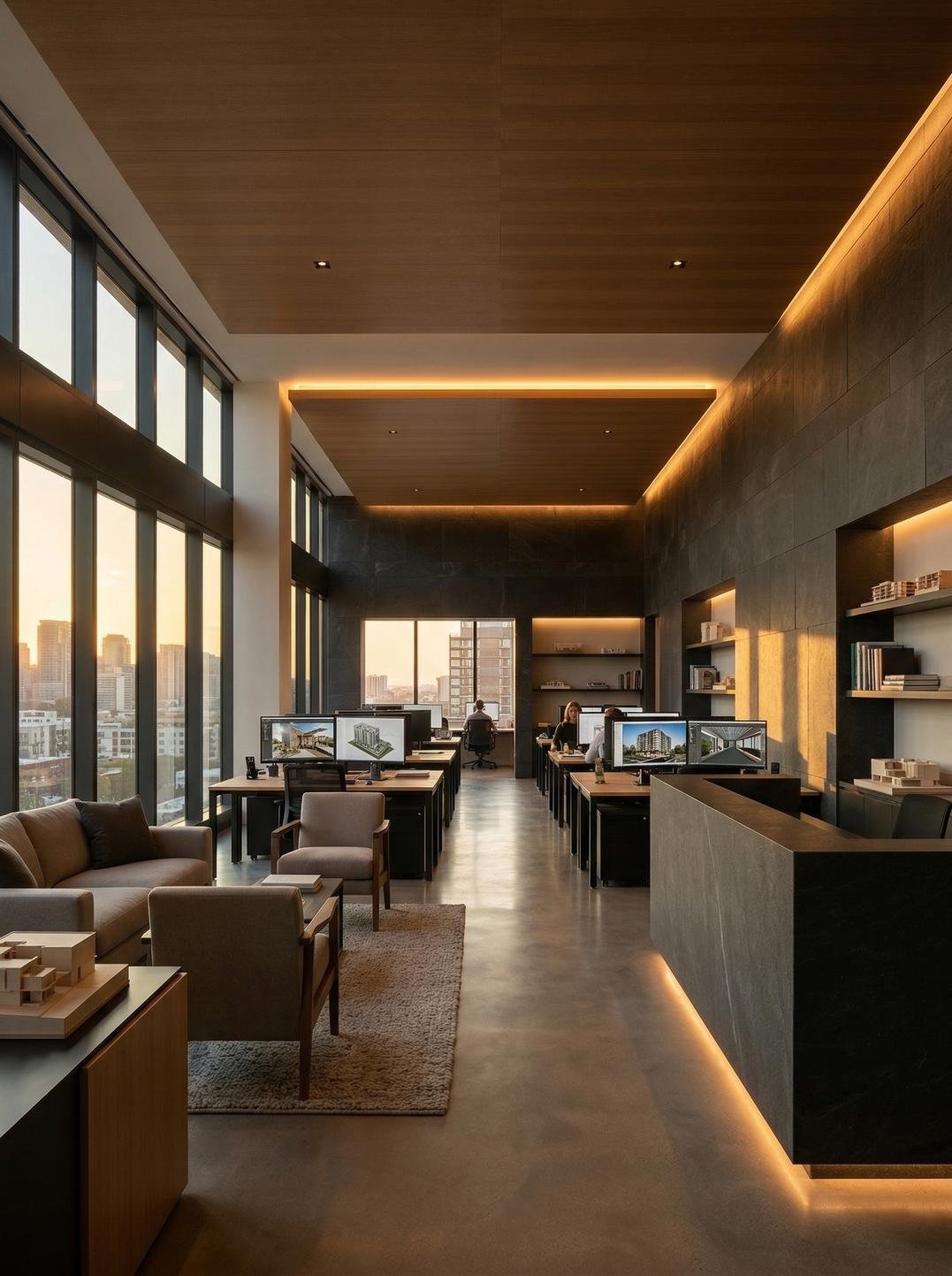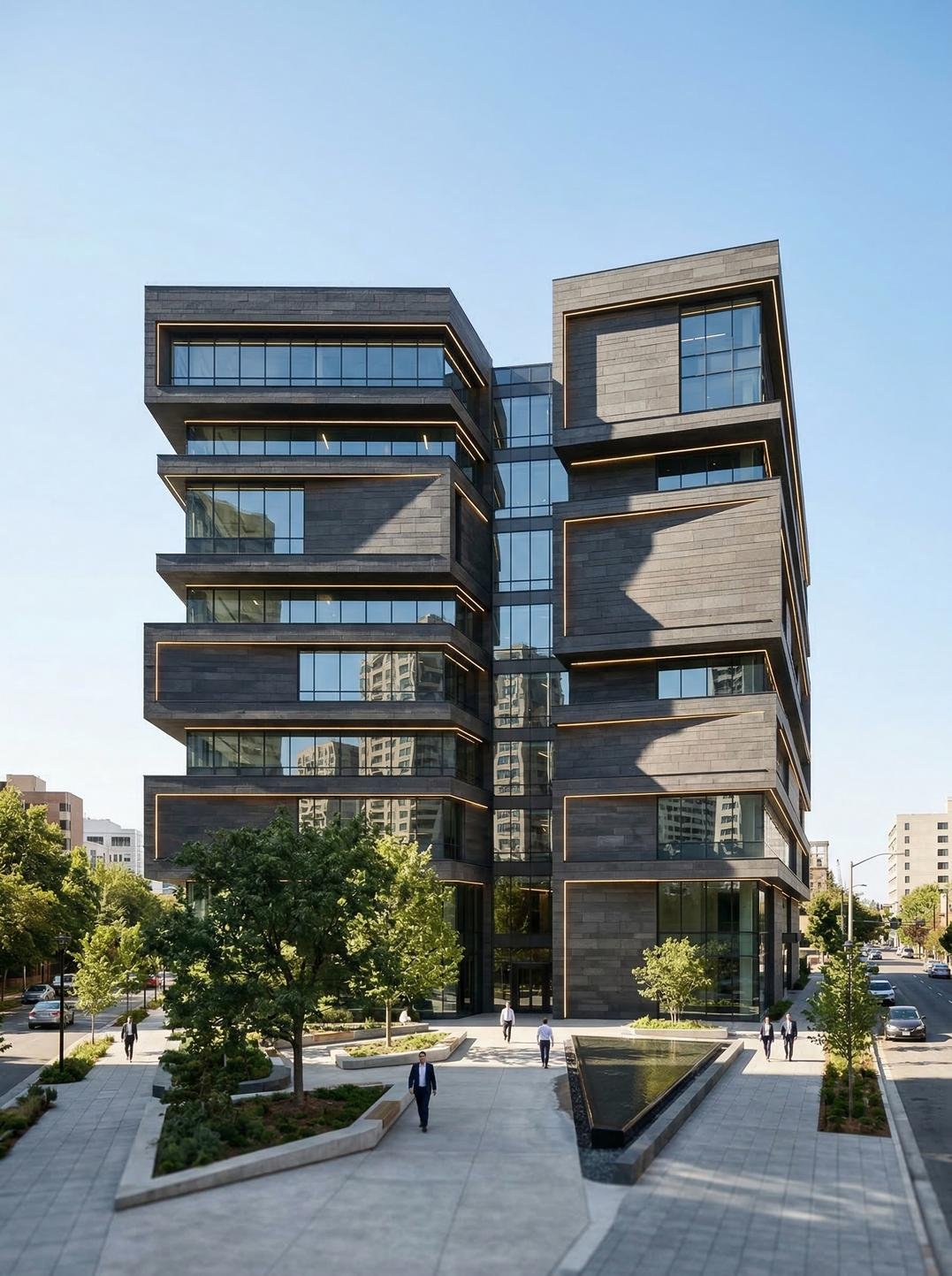

For new projects presented before construction begins, property renders are the primary evidence investors use to evaluate whether the developer understands what they are building. Renders that read as premium — that have the right light, the right materiality, the right spatial atmosphere for the price point — build the confidence that converts serious investors.
Table of Contents
1. Why Poorly Executed Property Renders Sabotage Investor Confidence Before the Meeting Starts
Executive boards often mistakenly categorize visualization costs under generic marketing expenses rather than essential sales infrastructure. When developers present flat, lifeless property renders, institutional buyers immediately discount the perceived value of the physical asset. A visual discrepancy between the promised luxury tier and the provided collateral forces sales teams into a defensive position, constantly verbally upgrading what the images fail to show.
The immediate financial impact of substandard visual collateral is typically a prolonged sales cycle and increased dependency on broker discounts. When the visual framework lacks depth, sales teams must spend excessive time overcoming buyer skepticism rather than closing transactions. Therefore, highly accurate property renders act as a protective moat around your initial pricing strategy, safeguarding your projected return on investment.
Failing to secure buyer trust early creates a dangerous cash flow vacuum that can derail subsequent construction phases. Market leaders understand that visualization quality is heavily correlated with the perceived operational competence of the developer. If the images look cheap, investors will naturally assume the final build materials will suffer from similar budget cuts.
2. The Financial Workflow Behind Commissioning Photorealistic Assets
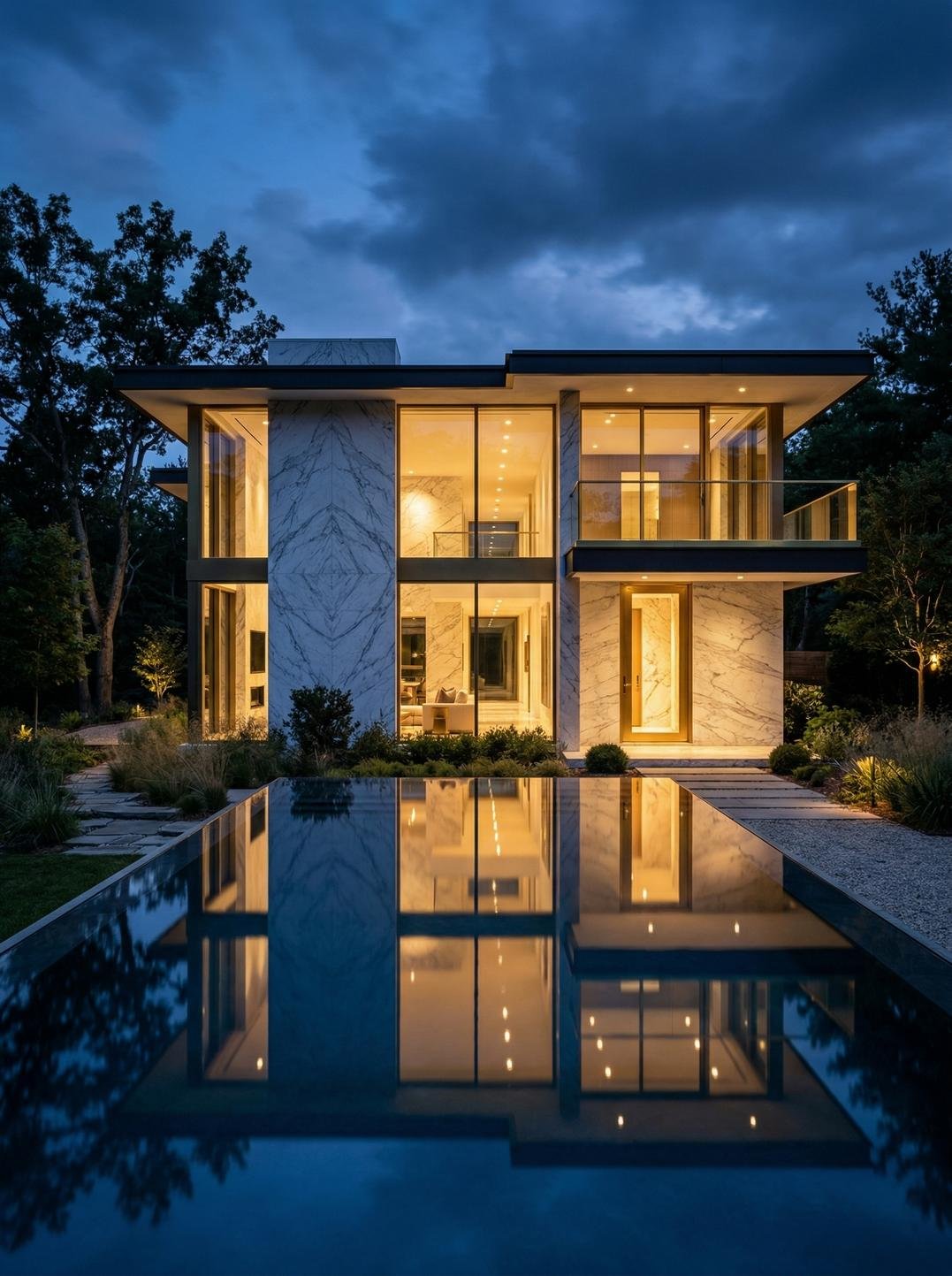
Smart developers approach visualization commissioning with the same financial rigor they apply to selecting construction contractors. Establishing a robust visual pipeline early in the project timeline drastically reduces the need for expensive physical show homes and localized marketing suites. This phased approach to property renders ensures that pre-sales teams have the exact materials required to secure early-stage funding tranches.
By systematically aligning rendering milestones with off-plan real estate marketing schedules, developers can launch presale campaigns months ahead of ground-breaking. Consequently, the initial investment in premium visualization yields exponential returns by lowering carrying costs and accelerating capital deployment. Furthermore, allocating capital to high-end property renders prevents the costly emergency asset creation that often occurs when early sales targets are missed.
Developers who front-load their visualization budget consistently report higher conversion rates during initial buyer presentations. This strategic allocation of resources transforms visual assets from a sunk cost into a measurable, revenue-generating mechanism. Efficient financial workflows dictate that marketing visuals must be ready to deploy the moment zoning approvals are secured.
3. How Accurate Visual Pipelines Reduce Pre-Construction Revision Cycles by Half

Time spent adjusting design elements during the marketing phase directly delays revenue generation and extends loan interest accumulation. Integrating top-tier property renders into the architectural review process allows stakeholders to identify and resolve spatial conflicts before they reach the public market. When interior designers and architects collaborate through high-fidelity visual platforms, they eliminate the costly misinterpretations that typically plague complex mixed-use developments.
This precision is a fundamental requirement for effective off-plan real estate marketing, where buyer trust is entirely dependent on visual consistency. Every reduction in design friction translates directly to protected profit margins and streamlined project delivery timelines. A seamless integration of property renders ensures that every piece of marketing collateral serves as a persuasive financial document.
The upfront cost of these assets is negligible when weighed against the risk of unsold inventory lingering on the balance sheet. Advanced visualization acts as an insurance policy against late-stage design changes that threaten to erode anticipated profits. Developers who master this pipeline gain a massive competitive advantage in highly saturated luxury property markets.
4. The Lighting Detail Investors Notice First That Budget Studios Routinely Miss

A critical financial leak in real estate sales occurs when developers authorize visual assets that fail to capture accurate environmental lighting. Sophisticated buyers instinctively recognize the artificiality of generic lighting setups, which subconsciously signals a lack of attention to detail in the broader project. Utilizing authentic, geo-specific lighting in property renders creates an emotional resonance that generic algorithms simply cannot replicate.
High-net-worth individuals purchasing unseen assets require this level of psychological assurance to authorize multi-million dollar transfers. Securing this exclusive demographic is the cornerstone of profitable off-plan real estate marketing, making premium atmospheric visualization an indispensable boardroom priority. The ROI of your off-plan real estate marketing campaigns hinges heavily on this emotional connection forged through atmospheric accuracy.
Investors who feel they can tangibly experience the space through property renders are significantly more likely to commit early. Overlooking this detail forces brokerages to compete entirely on price rather than lifestyle value, devastating overall project profitability. Partnering with specialized visualization studios ensures that these minute details are strategically engineered to maximize buyer acquisition.
5. Conclusion
Approaching visualization strictly as a marketing expense rather than a vital financial tool severely limits the ROI of any new development. High-fidelity visuals protect your pricing power and dramatically shorten the pre-construction sales cycle. To secure investor confidence and accelerate your next major project, partner with Arkilex architectural visualization studio for unparalleled visual precision.
6. FAQs
How do high-quality visualizations impact presale velocity?
Premium imagery removes buyer hesitation by clearly defining the expected quality of the final physical asset. This visual clarity accelerates decision-making, allowing sales teams to close deals faster and secure early project funding. Developers consistently see a lower cost per acquisition when their visual collateral properly communicates luxury value.
What is the true business cost of using budget rendering studios?
The upfront savings of budget studios are immediately erased by extended market time and necessary broker discounts. Inaccurate visuals lead to client skepticism, requiring sales agents to spend more time overcoming objections instead of signing contracts. The ultimate cost is a compromised brand reputation and millions in delayed capital deployment.
Why are accurate materials crucial for international investor presentations?
Overseas investors cannot physically tour the site and must rely entirely on provided digital assets to gauge financial risk. Accurately rendered materials provide the necessary psychological comfort to authorize large capital transfers across borders. Without this high-fidelity assurance, international buyers will simply pivot to competing developments that offer greater visual transparency.
At what stage should developers allocate the budget for visual assets?
Capital should be allocated for visual assets immediately following the finalization of initial architectural plans. Front-loading this investment ensures marketing teams can launch campaigns the moment zoning and site permits are secured. This strategic timing allows developers to gauge market interest and generate revenue long before ground is broken.
“Few teams can turn an abstract vision into such a harmonious reality. They merged bold architecture, precise interior design, and the poetry of landscaping. Rigor, boundless creativity, and a contagious passion.”
— Khalif Khalif ★★★★★ · Google review