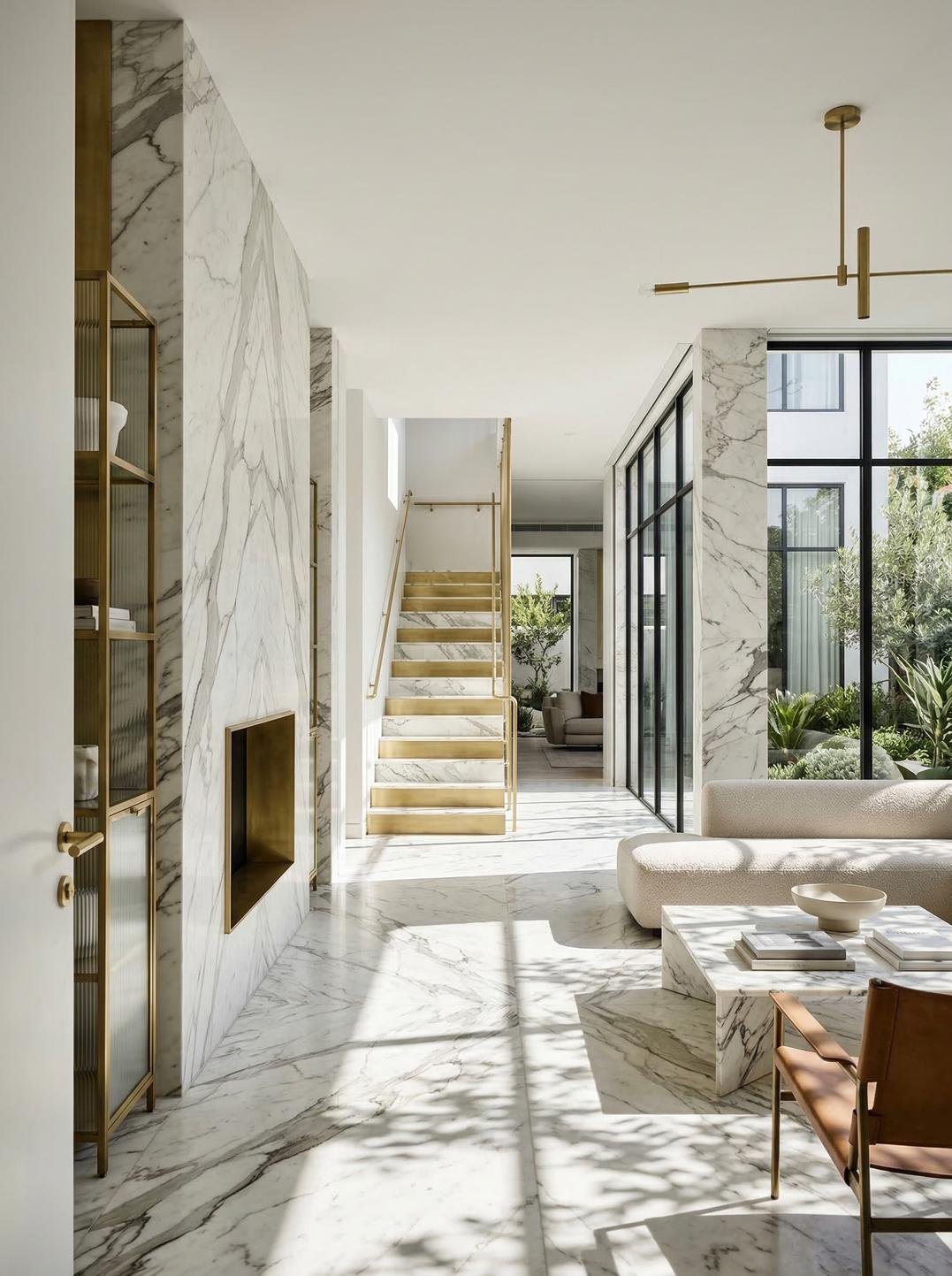

Investor confidence in a residential or commercial development is built through specific visual evidence. Not general impressions — specific ones. The interior materials need to read as premium. The proportions need to feel right for the price point. The atmosphere needs to match the project’s positioning in the market.
Developers often view visuals as a marketing checkbox, while the buyer perceives them as a literal promise of future lifestyle. A sterile, lifeless image creates immediate subconscious friction that no amount of sales copy can overcome. Understanding the psychological weight of architectural interior visualization requires stepping out of the boardroom and into the shoes of the purchaser.
Table of Contents
1. Why Most 3d interior rendering Presentations Fail Before the Meeting Starts
Buyers have developed an incredibly sophisticated visual palate due to constant exposure to high-end digital media and cinematic production. If a 3d interior rendering looks even slightly synthetic or flat, the client instantly distrusts the entire development project. They unconsciously associate cheap visual output with cut corners in construction, materials, and long-term asset value.
Developers frequently approve renders based on technical accuracy, completely missing the emotional resonance the buyer desperately seeks. When a purchaser looks at an architectural interior visualization, they are mentally placing their own furniture, family, and future into that scene. If the lighting feels artificial or the staging feels sterile, that critical mental projection shatters immediately.
When a buyer struggles to understand spatial flow, their cognitive load increases, resulting in a significantly delayed purchase decision. A flawless visual asset eliminates this friction entirely by doing the heavy imaginative lifting for the client. The presentation must speak directly to their comfort, status, and security before the broker even says a word.
2. How Accurate Renders Reduce Buyer Hesitation by Half
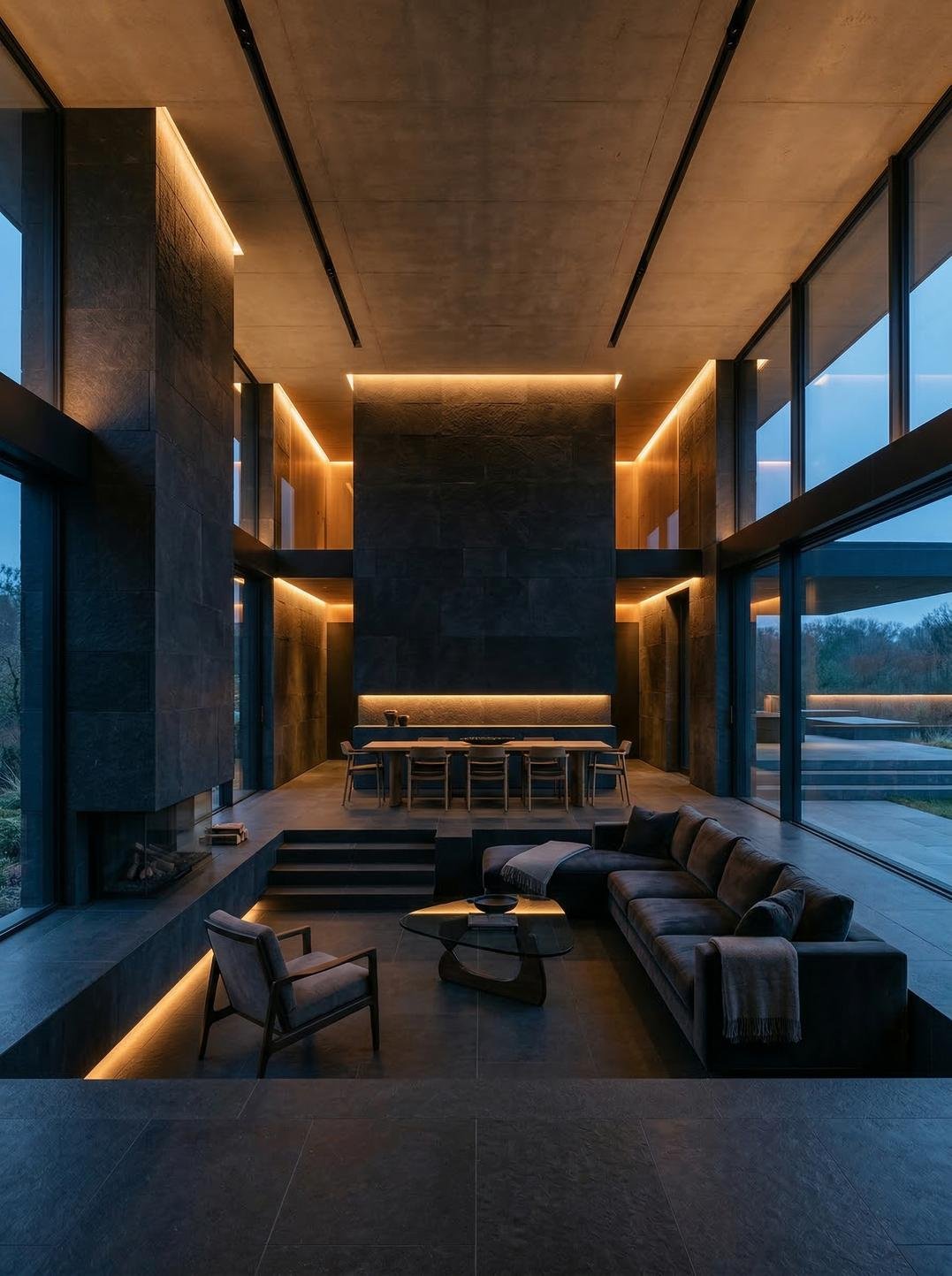
Pre-construction buyers carry immense financial anxiety that can only be soothed by absolute visual clarity and spatial honesty. A hyper-realistic 3d interior rendering acts as an emotional bridge, transforming abstract floor plans into a tangible, desirable asset. When they can clearly read the texture of the marble countertops and the softness of the textiles, their perceived risk plummets.
This is where architectural interior visualization shifts from a simple deliverable to a critical trust-building mechanism for the buyer. The purchaser needs to see the exact time of day, the realistic scale of the corridors, and the authentic interplay of shadows. A developer who invests in this level of meticulous detail effectively removes the buyer’s need to guess, shortening the sales cycle significantly.
This level of detail extends beyond just the main living areas into transitional spaces like hallways, bathrooms, and foyers. Buyers often judge the true luxury of a home by how these secondary zones are treated in the visual presentation. Consistent quality across every single room builds an unbreakable foundation of buyer confidence and project credibility.
3. What Investors Need From a Visualization Studio Before Committing Funds

Institutional investors and luxury buyers look for lifestyle continuity rather than just empty architectural shells with high-end finishes. They evaluate a 3d interior rendering to confirm that the target demographic will actually desire the space being built. If the styling, art curation, and furniture selection feel disjointed from the neighborhood’s prestige, the investor will simply walk away.
Top studios understand that executing a flawless 3d interior rendering requires acting as an invisible interior designer for the buyer. Every prop, lighting fixture, and material reflection is carefully calibrated to resonate with a specific buyer persona’s deepest aspirations. This meticulous approach ensures the architectural interior visualization speaks directly to the subconscious desires of the end user.
Furthermore, sophisticated investors scrutinize the views outside the windows to gauge context and overall neighborhood integration. If the exterior environment visible through the glass feels disconnected or generic, the entire proposition loses its premium appeal. Accurate environmental mapping ensures the buyer feels securely grounded in the property’s actual geographical location and unique setting.
4. The Detail Buyers Notice First and Studios Often Miss

Buyers rarely scrutinize the exact structural dimensions, but they instantly detect when natural lighting feels incorrect, flat, or clinical. A 3d interior rendering that lacks the subtle imperfections of reality—like slight fabric wrinkling or uneven sunlight—triggers immediate skepticism. The client perceives this perfection not as high quality, but as a deceitful, idealized version of a lesser reality.
Developers who push for overly bright, shadowless scenes end up completely alienating the exact demographic they intend to attract. Premium buyers crave atmosphere, depth, and a sense of genuine lived-in warmth within their visual presentations. Failing to provide this emotional depth turns a highly anticipated pre-sales event into a frustrating exercise in buyer doubt.
Another critical oversight is the neglect of material reflections, particularly how light interacts with varied surfaces like brushed brass or honed stone. The buyer’s eye naturally seeks these micro-interactions to validate the realism of the unbuilt space they are considering. By capturing these vital nuances, a 3d interior rendering elevates the property from a mere concept to a highly coveted reality.
5. Conclusion
The end buyer does not purchase concrete and steel; they purchase the emotional certainty that a 3d interior rendering provides. By aligning your visual strategy with the client’s psychological journey, you turn architectural interior visualization into your strongest competitive sales asset. To create imagery that eliminates buyer hesitation and accelerates pre-construction sales, partner with the experts at Arkilex architectural visualization studio today.
6. FAQs
Why do buyers react negatively to certain visualizations?
Buyers unconsciously reject a 3d interior rendering when the lighting, textures, or staging feel synthetic and lack human warmth. They rely on these images to project their lifestyle, and any artificiality immediately breaks their emotional connection to the property.
How does rendering quality impact perceived property value?
A high-net-worth client equates the quality of the visual presentation directly with the quality of the final construction. If the visual presentation looks cheap or rushed, they will automatically assume the developer is cutting corners on building materials.
What staging details matter most to potential investors?
Investors look for lifestyle alignment, meaning the furniture, art, and lighting must match the exact expectations of the target demographic. Careful staging removes the buyer’s need to imagine the space, reducing financial anxiety and speeding up the purchase decision.
Can accurate rendering reduce client revision requests during construction?
Yes, providing absolute visual clarity upfront aligns expectations and prevents miscommunication between the buyer and the development team. When the client fully understands the space beforehand, they are far less likely to demand costly late-stage alterations.
“An absolutely excellent 3D team that I genuinely enjoy working with – always attentive, responsive, and open to adjustments. Communication is seamless and the results consistently meet our expectations. A trusted partner I recommend without hesitation.”
— Sofia Bouziane ★★★★★ · Google review