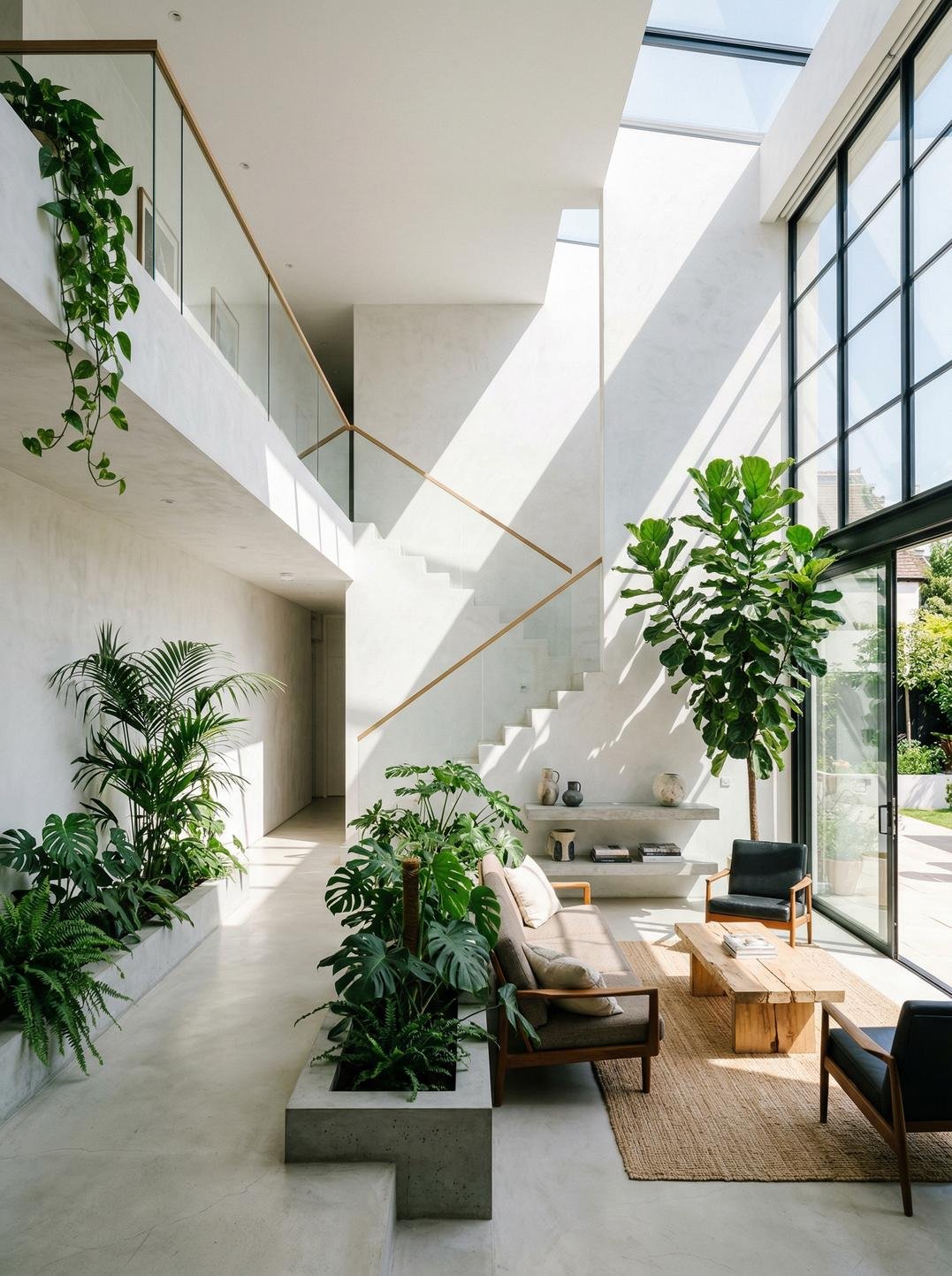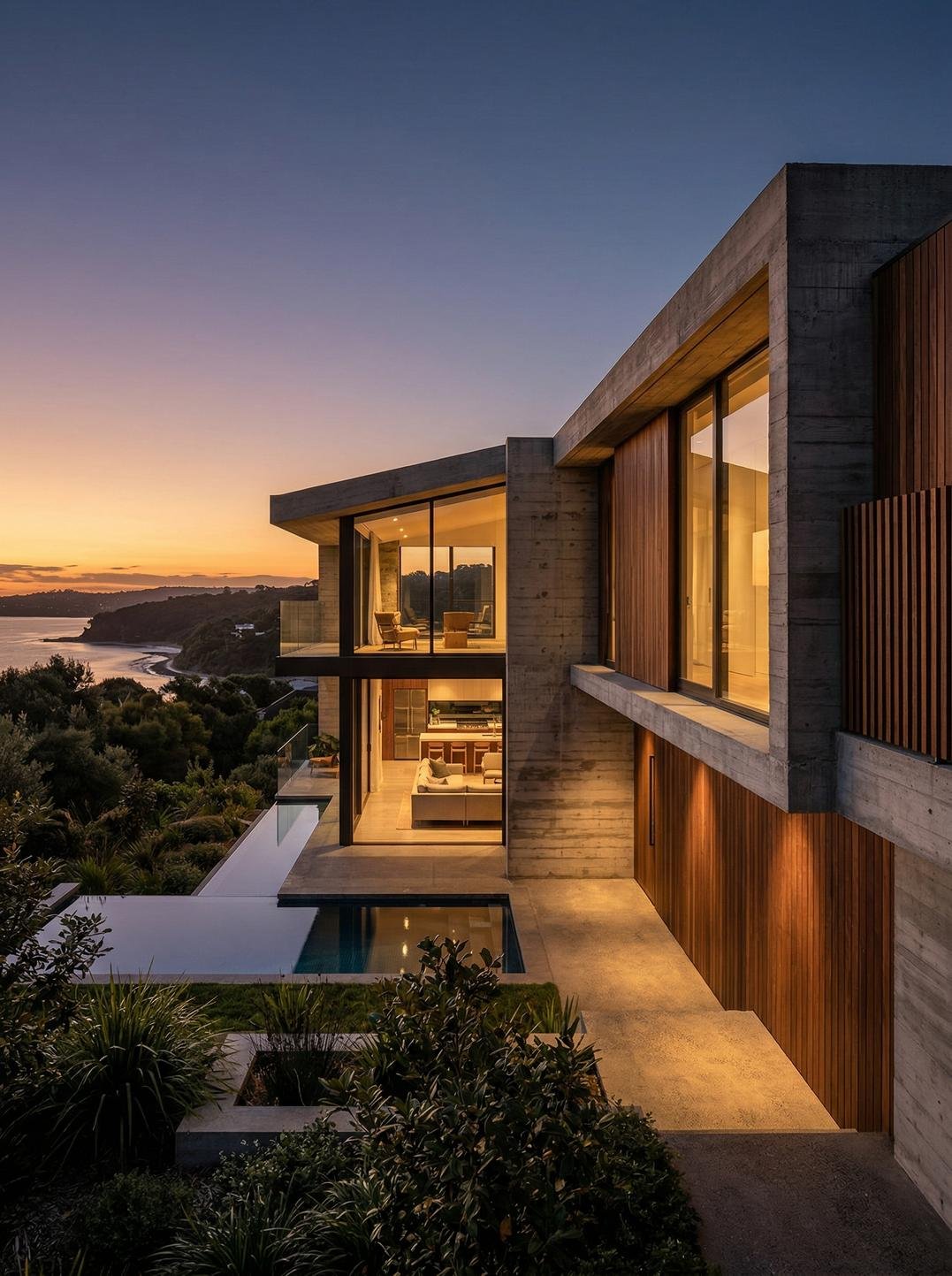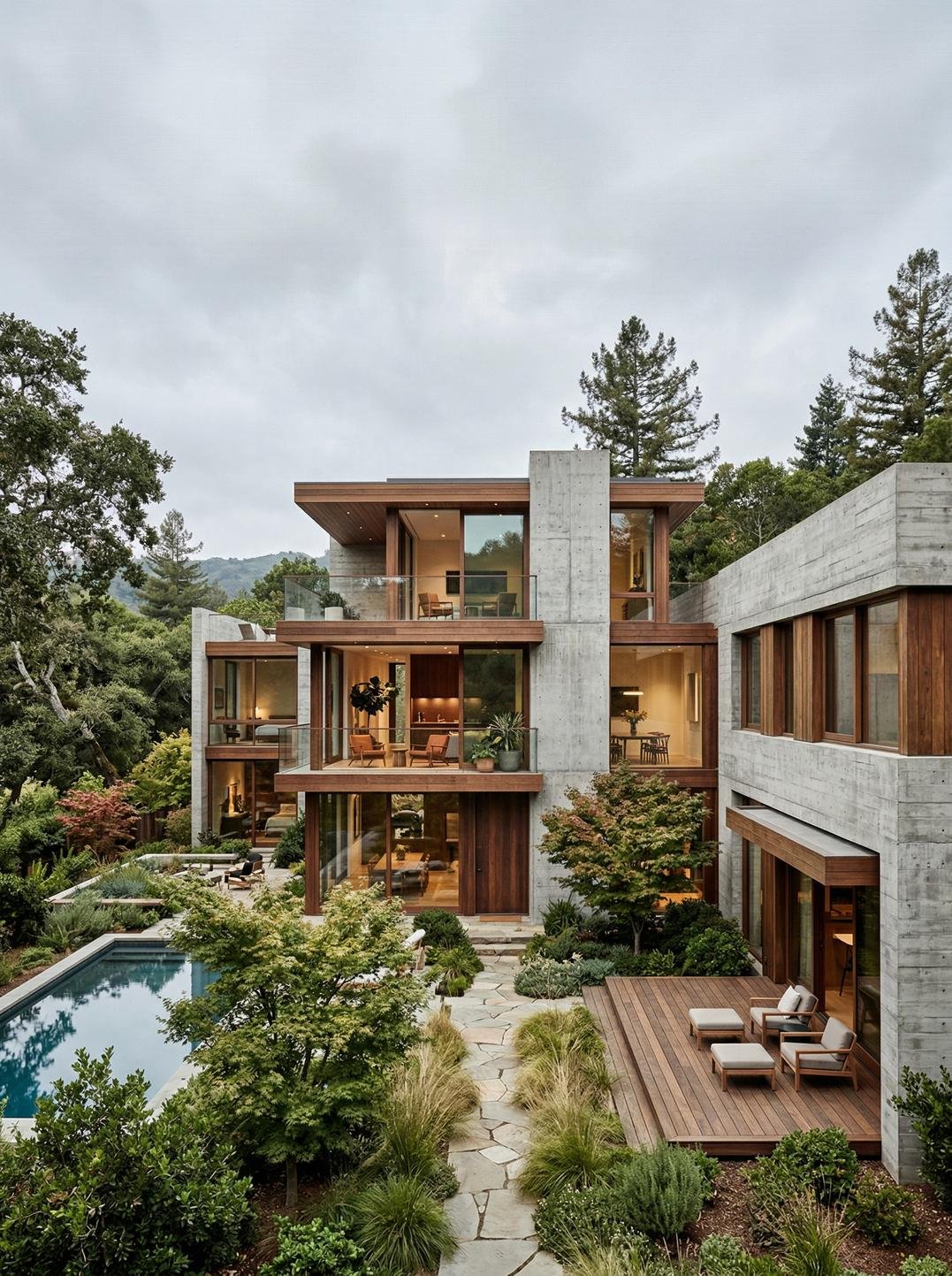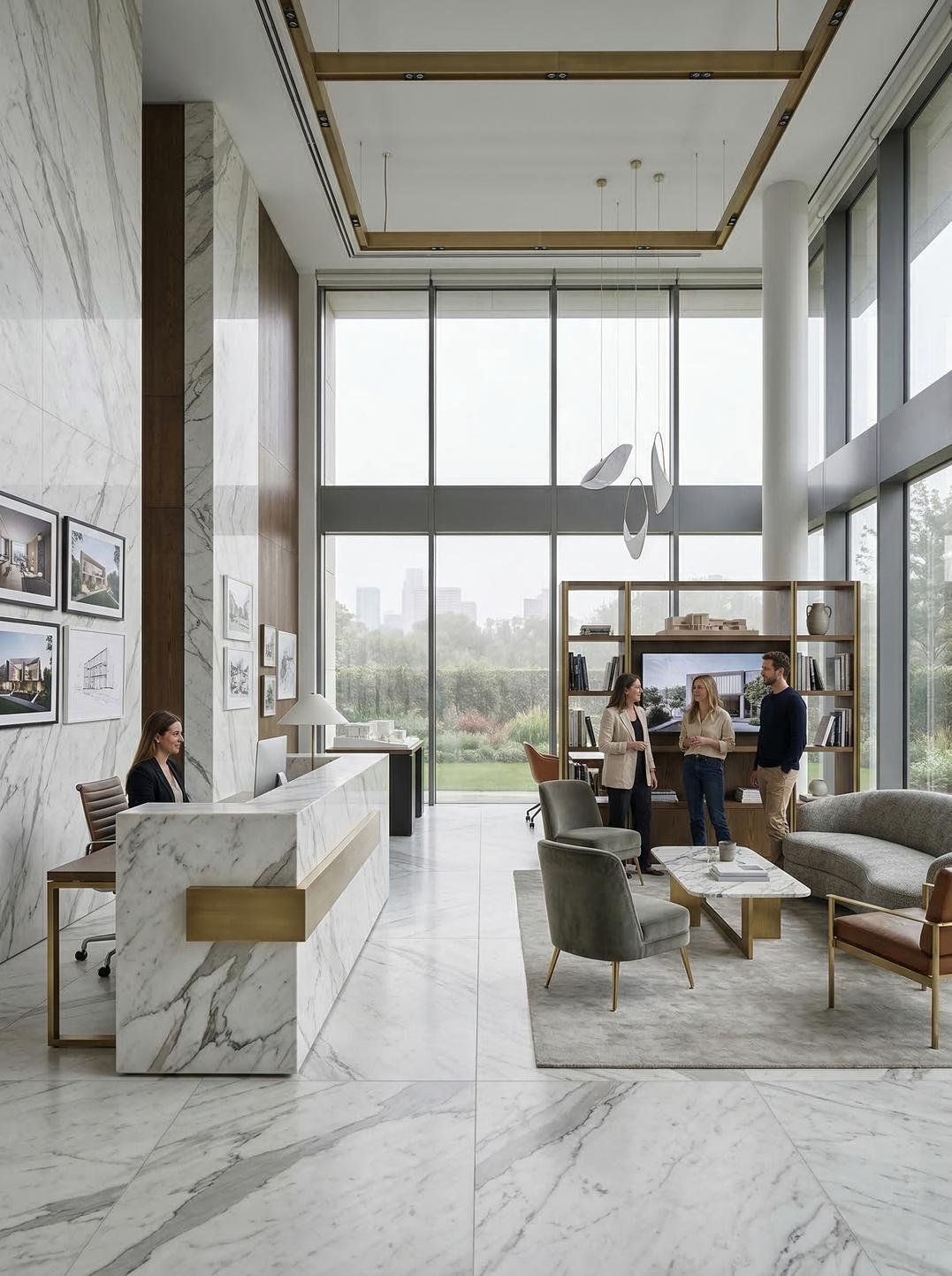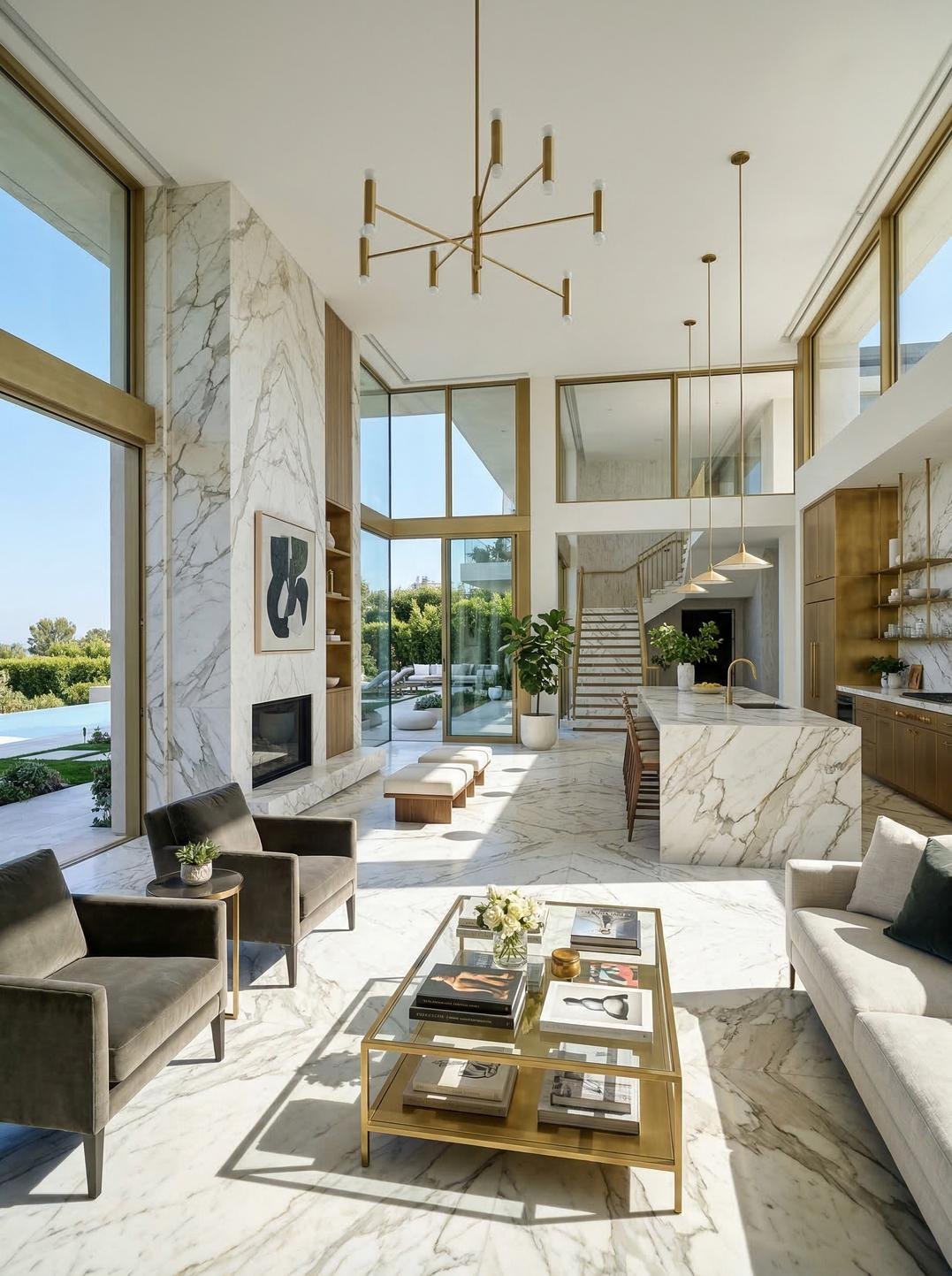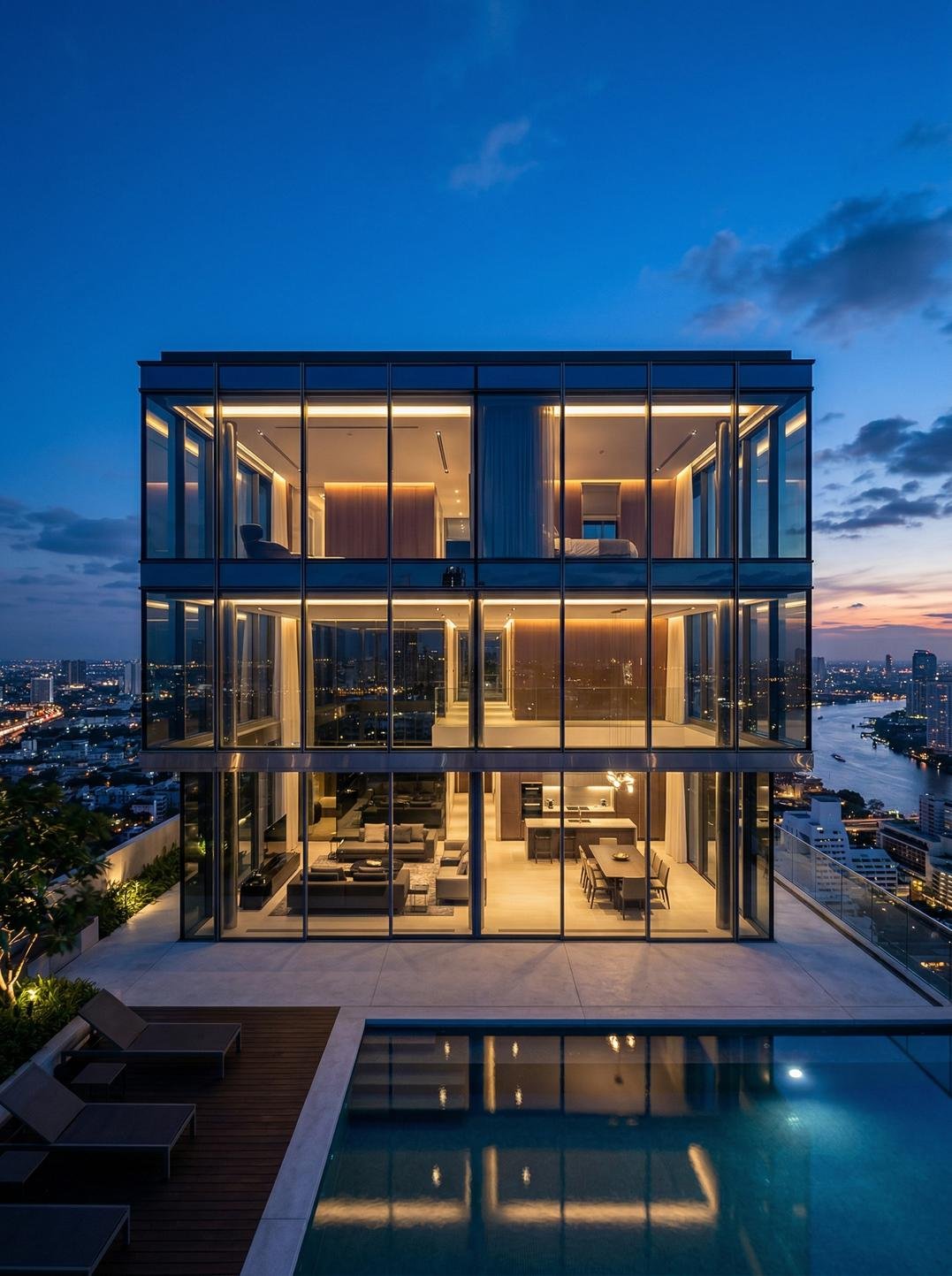

Investors evaluating development projects apply a straightforward heuristic: if the visuals look like the kind of project they have seen succeed before, the project is probably credible. If the visuals look generic or disconnected from the stated price point, the project is probably not.
When buyers can feel the dimensions and atmosphere of an unbuilt property, off-plan sales cycles shorten dramatically. High-net-worth investors expect to see exactly what they are funding before committing to any long-term financial contracts. Delivering this level of absolute clarity requires a strategic, highly technical approach to visual real estate marketing.
Table of Contents
1. Why Top-Tier Architectural Visualization Services Prevent Pre-Sale Failures
For high-value developments, the visual narrative must perfectly match the project’s ambition and financial asking price. When a presentation lacks convincing photorealism, potential stakeholders immediately question the underlying viability of the entire project. Utilizing advanced architectural visualization services bridges the critical gap between highly technical blueprints and emotional buyer appeal.
This aesthetic shift is especially crucial when navigating the competitive complexities of commercial real estate 3D rendering. Corporate tenants require a crystal-clear understanding of floorplates, natural lighting, and exclusive tenant amenities long before physical construction begins. High-quality imagery answers these spatial questions instantly, removing psychological friction from the leasing process.
Furthermore, polished renders establish immediate trust with local planning authorities and strict zoning boards. When city planners can accurately visualize how a new structure integrates with the surrounding urban fabric, approval phases move much faster. Visual proof is consistently the strongest asset a developer can bring to a complex zoning negotiation.
2. The Four-Stage Workflow Behind Accurate Spatial Representation
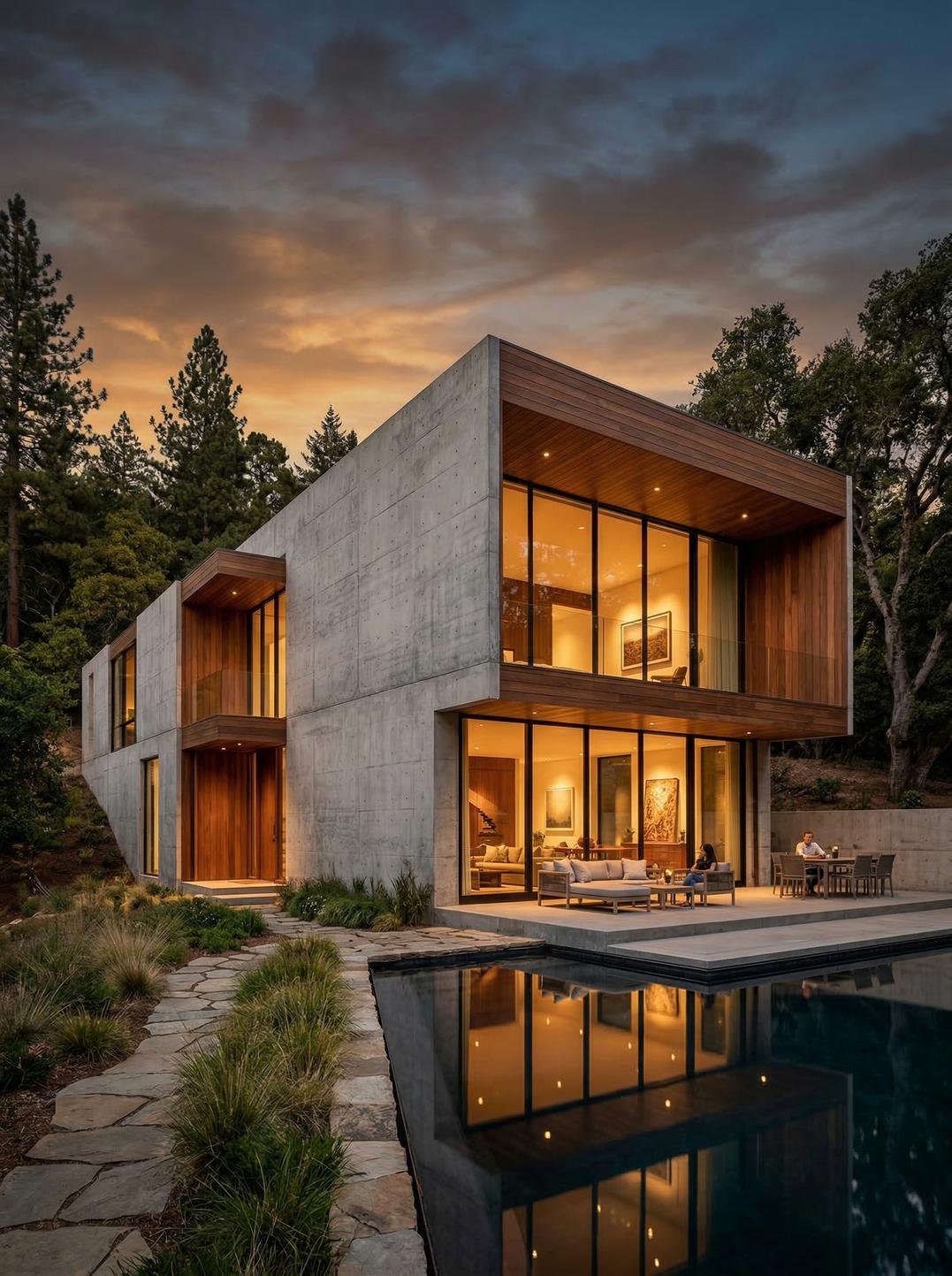
Transforming flat CAD files into highly immersive marketing assets requires a strictly disciplined and structured methodology. The process always begins with complex geometric modeling, where the foundational structure is built perfectly to exact architectural scale. From there, customized texturing and material application breathe vibrant life into the otherwise sterile digital geometry.
Once the physical characteristics are established, lighting artists step in to dictate the mood and specific time of day. This meticulous phase is exactly where standard imagery separates from architectural visualization services that truly captivate demanding investors. Proper, physically accurate illumination is required to highlight the depth and premium quality of the specified building materials.
Finally, the post-production phase refines the overarching atmosphere, seamlessly integrating diverse people and realistic landscaping for environmental context. This comprehensive workflow guarantees that every final deliverable accurately represents the lead architect’s original creative vision. Absolutely no detail is left to chance when the primary goal is securing major project funding.
3. How High-End Property Visuals Reduce Revision Cycles by Half

Miscommunication between external design teams and internal developers frequently leads to costly, prolonged revision loops. By establishing a unified, shared visual language early, stakeholders can quickly identify and resolve design clashes before they reach the actual construction site. This proactive approach saves thousands of dollars in hard costs and keeps strict project timelines perfectly intact.
When utilizing top-tier architectural visualization services, architects can rapidly test different exterior material palettes and complex lighting scenarios. This capability allows the entire project management team to officially sign off on specific architectural finishes with complete confidence. It effectively eliminates the expensive guesswork that traditionally plagues the stressful pre-construction planning phase.
The financial benefits of this workflow are even more pronounced when dealing with commercial real estate 3D rendering. Large-scale corporate developments routinely require unanimous buy-in from multiple conservative board members and strict city planners. Photorealistic visuals provide a universal, easily understood language that seamlessly aligns all involved parties almost instantly.
4. What Developers Need From a Studio Before Project Briefing Begins
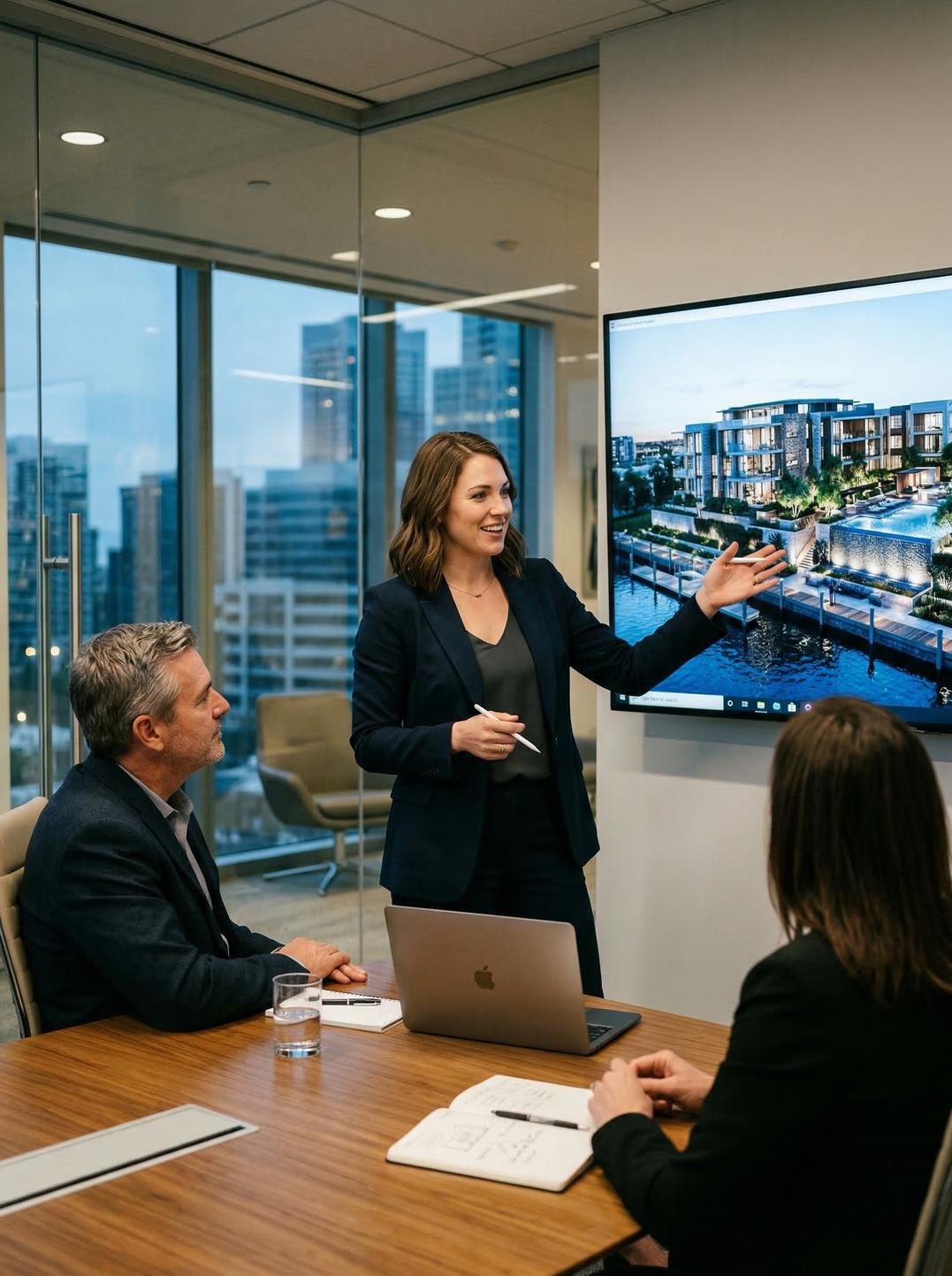
A truly successful and highly profitable rendering project starts well before the very first digital polygon is ever modeled. Design firms must initially provide a comprehensive briefing package that explicitly includes updated CAD plans, detailed material schedules, and target demographic data. Without this foundational data, even the most talented visualization studio will inevitably struggle to capture the project’s core essence.
Furthermore, early clarity on the desired camera angles and atmospheric lighting moods directly prevents wasted effort during drafting. Studios providing architectural visualization services rely heavily on these initial mood boards to effectively guide their specific artistic direction. Providing clear reference imagery of similarly successful past projects can significantly accelerate the initial wireframe draft phase.
This rigorous, detail-oriented preparation is incredibly vital for highly successful commercial real estate 3D rendering projects. Modern corporate spaces constantly demand precise, unwavering attention to strict branding guidelines, lobby scale accuracy, and seamless exterior integration. A highly detailed creative brief ultimately ensures the final visual deliverables resonate perfectly with the intended executive audience.
5. Conclusion
Securing high-level investment and firm tenant commitments explicitly demands visual marketing assets that leave absolutely no room for doubt. Professional architectural visualization services seamlessly transform abstract architectural blueprints into undeniable, highly lucrative, market-ready realities. To dramatically elevate your next major development presentation, review the premium portfolio at Arkilex and request a free project consultation today.
6. FAQs
How long do architectural visualization services usually take?
The timeline for professional architectural visualization services heavily depends on the overall complexity and scale of the specific project. A standard residential exterior render typically requires roughly one to two weeks from the initial briefing to the final delivery. However, large-scale commercial developments may necessitate several weeks of modeling, texturing, and rendering to ensure absolute perfection.
What files do I need to provide for architectural visualization services?
To initiate professional architectural visualization services, clients should ideally provide highly detailed CAD drawings, floor plans, and elevation files. A comprehensive material schedule and a clear lighting mood board are also incredibly helpful for guiding the initial artistic direction. Supplying 3D models in formats like SketchUp or Revit can significantly speed up the entire rendering process.
How do architectural visualization services improve off-plan sales?
High-quality architectural visualization services provide potential buyers with a highly realistic preview of a property long before construction actually begins. This photorealistic clarity builds immense trust and helps investors emotionally connect with the unbuilt space almost instantly. Consequently, developers experience dramatically shorter sales cycles and can consistently command much higher pre-construction asking prices.
Is commercial real estate 3D rendering different from residential?
Yes, commercial real estate 3D rendering typically involves much larger physical scales and significantly more complex contextual environments. Commercial projects also require a heavy focus on illustrating specific tenant amenities, corporate branding integration, and vast communal spaces. Additionally, these large-scale renders often serve multiple distinct audiences, from critical zoning boards to prospective corporate leaseholders.
“Few teams can turn an abstract vision into such a harmonious reality. They merged bold architecture, precise interior design, and the poetry of landscaping. Rigor, boundless creativity, and a contagious passion.”
— Khalif Khalif ★★★★★ · Google review