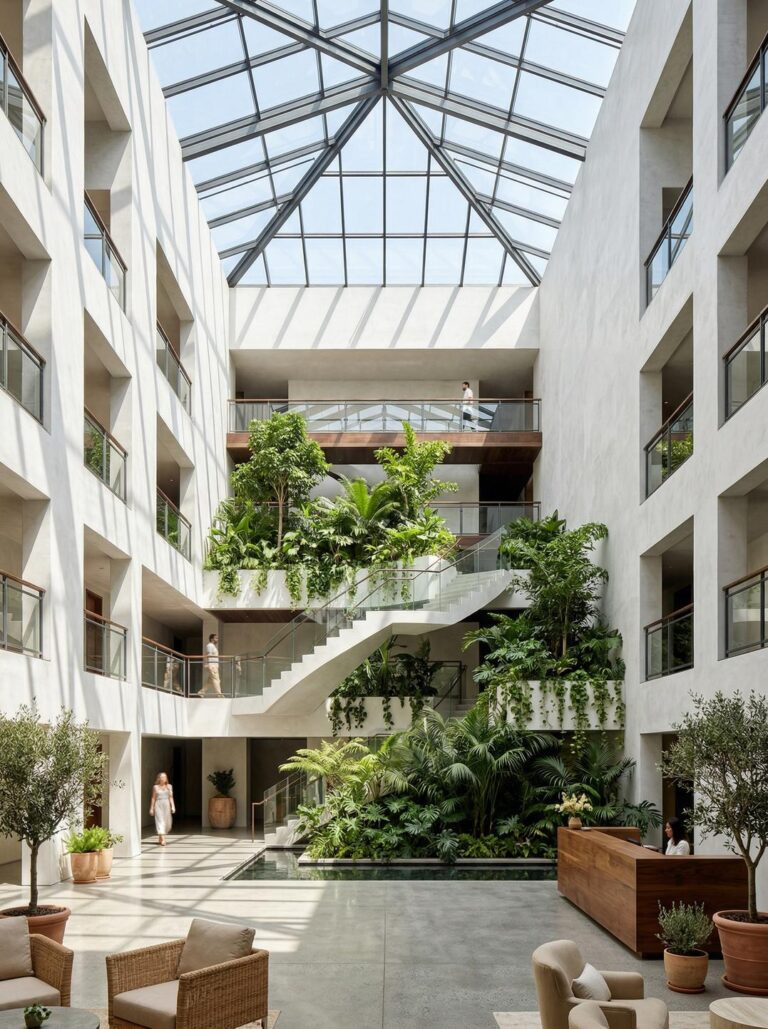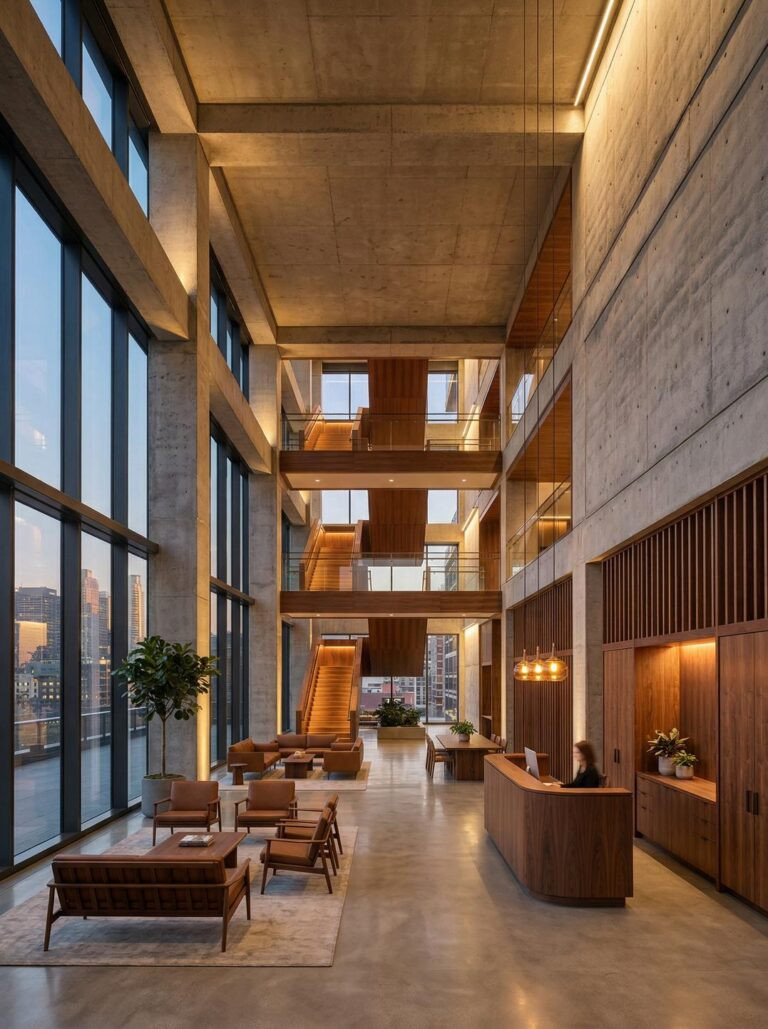

Interior renders are where investor confidence is either built or lost. An exterior shows scale and character. An interior shows whether the promise of the exterior can be believed: whether the materials feel premium, the proportions feel right, and the atmosphere matches what the marketing is claiming.
Average studios focus merely on making a room look bright, whereas strategic visualization teams engineer spaces that communicate value, lifestyle, and exclusivity. By utilizing photorealistic interior visualization, market-leading developers actively outmaneuver their competitors in saturated metropolitan markets. Understanding this competitive divide is critical for any firm looking to defend its pricing strategy and accelerate project funding.
Table of Contents
1. Why Average 3d interior rendering services Fail Before the Meeting Starts
The difference between a stalled project and a fully funded development often hinges on the quality of the initial visual collateral. When developers rely on commoditized 3d interior rendering services, they subtly signal a lack of refinement to sophisticated investors. High-net-worth buyers instinctively discount properties when the lighting feels artificial or the material textures appear flat and unconvincing.
Market leaders avoid this trap by partnering with studios that treat architectural visualization as a core sales enablement tool. They demand imagery that captures specific geographic lighting conditions and highly accurate bespoke furniture to ground the concept in reality. This level of photorealistic interior visualization prevents the investor’s brain from looking for flaws and instead invites them to imagine ownership.
Ultimately, winning developers know that superior visual assets directly justify premium price per square foot metrics. They refuse to compromise on their rendering services because they understand the direct correlation between visual quality and perceived asset value. In a landscape where first impressions dictate financial outcomes, settling for average renders is a measurable competitive liability.
2. The Four-Stage Workflow Behind a Market-Dominant Campaign
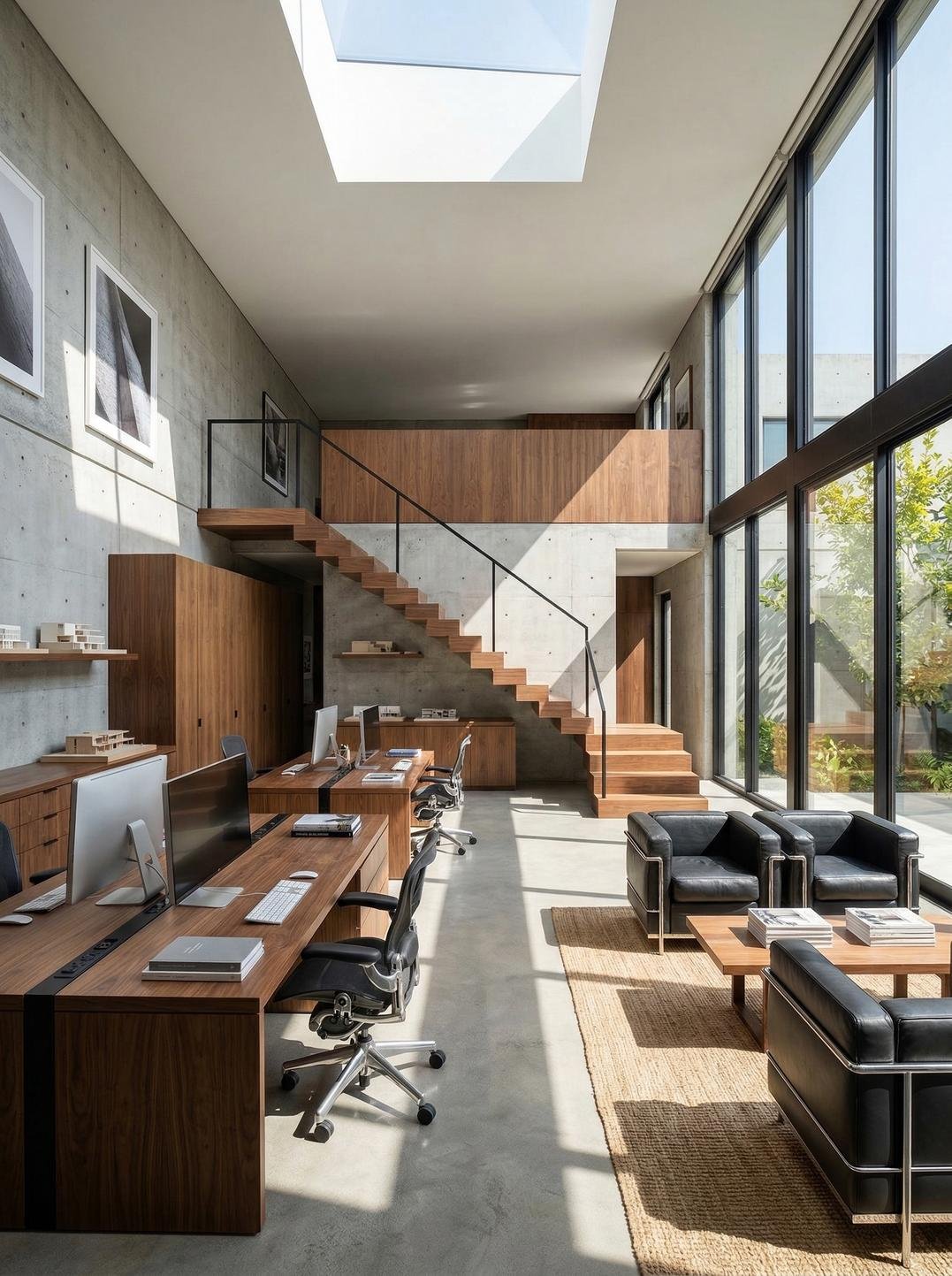
Elite architectural visualization studios do not simply load CAD files and press a button to generate marketing imagery. Top-tier services utilize a rigorous, iterative pipeline that aligns lighting, composition, and material science with the developer’s exact demographic target. This deliberate sequencing ensures that every visual asset serves a distinct commercial purpose within the broader pre-sales campaign.
During the initial modeling phase, spatial accuracy is paramount to ensure the digital environment perfectly matches the proposed structural engineering. Once the core geometry is finalized, lighting specialists apply localized sunlight data to simulate the exact atmospheric conditions of the physical site. This precise approach to photorealistic interior visualization is what separates high-converting sales galleries from those that consistently struggle to close deals.
The final stages involve intricate post-production refinement, where atmospheric depth and color grading are calibrated to match the brand identity. Developers who implement this structured workflow consistently launch properties that dominate local market absorption rates. By embedding rigorous rendering services into their critical path, these firms accelerate their speed to market while maintaining elite quality control.
3. How Accurate Material Texturing Reduces Buyer Hesitation by Half

Competitive intelligence reveals that luxury property buyers often pause their purchasing decisions when finishes appear ambiguous in marketing materials. Leading developers mitigate this friction by utilizing services that specialize in micro-detail material reproduction. When an investor can visually discern the grain of European oak or the exact veining of Calacatta marble, their perceived risk plummets.
Average developers frequently approve visuals where textiles and hard surfaces lack depth, unknowingly increasing the duration of their sales cycle. Conversely, firms utilizing elite photorealistic interior visualization ensure that velvet absorbs light correctly and metal fixtures cast accurate, nuanced reflections. This obsession with tactile realism creates an immediate sense of permanence for an otherwise unbuilt physical asset.
By prioritizing material fidelity through expert rendering services, market leaders effectively remove aesthetic doubt from the negotiation table. This translates directly to faster contract signatures and significantly fewer design revisions during the late stages of buyer customization. The competitive advantage belongs to those who present unbuilt spaces with unquestionable physical authority.
4. The Lighting Detail Premium Investors Notice First and Average Studios Miss
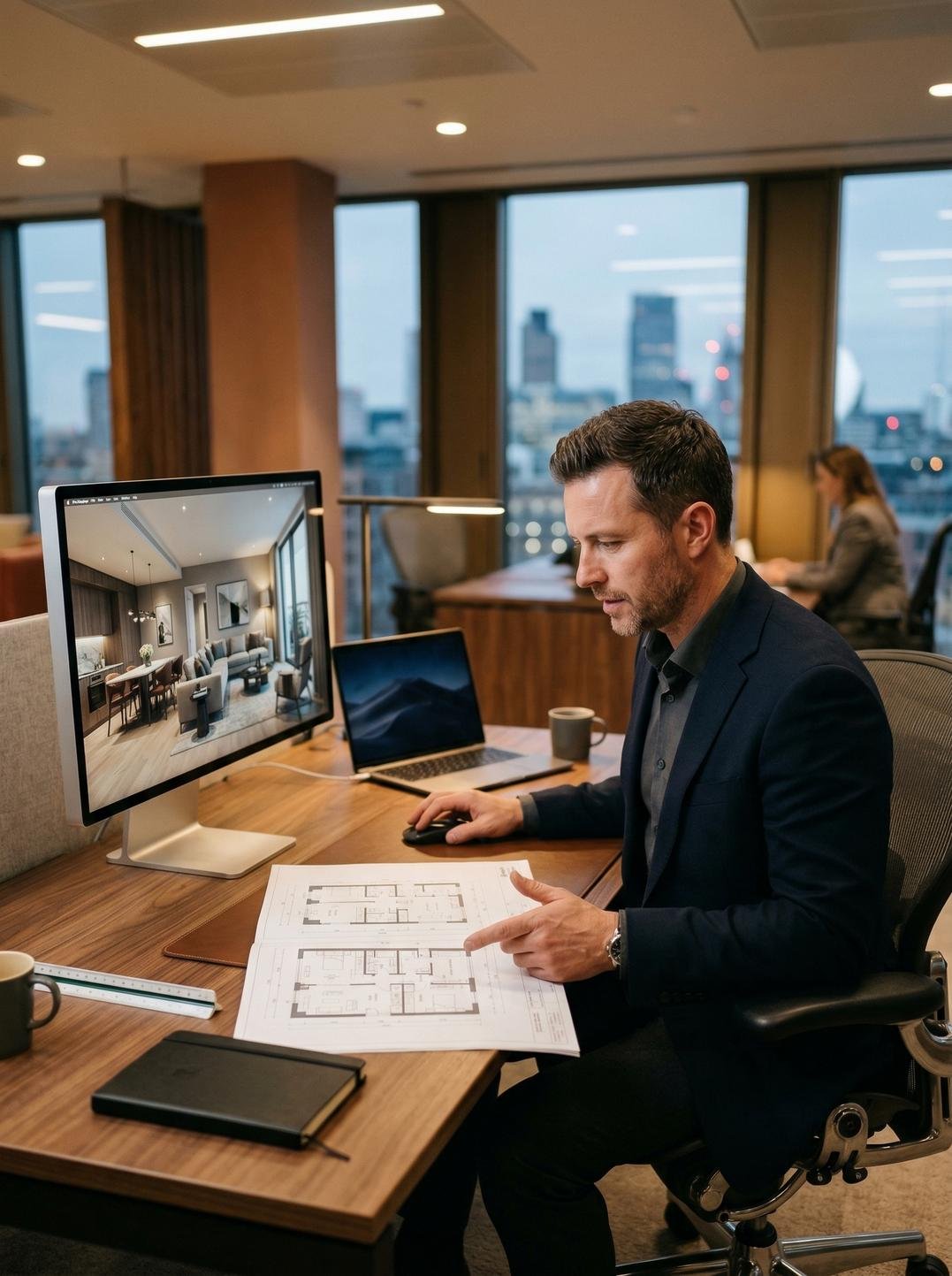
In the highly contested real estate sector, lighting is the silent variable that dictates the emotional resonance of a commercial or residential space. Average visualization providers rely on uniform, global illumination that washes out shadows and flattens the architectural depth of a room. Top developers understand that strategic services leverage contrasting shadow play to highlight volumetric space and architectural hierarchy.
Industry leaders specifically request rigorous time-of-day studies, capturing the golden hour warmth or crisp morning light to evoke specific buyer lifestyles. This mastery of lighting separates compelling photorealistic interior visualization from sterile, cartoonish digital models that fail to convert sophisticated buyers. When light interacts correctly with complex surfaces, it signals a level of uncompromising quality that aligns perfectly with luxury market positioning.
Savvy architectural teams use superior rendering services to weaponize lighting, ultimately driving higher conversion rates than their competitors. They recognize that light does not just illuminate a room; it establishes the perceived market value of the entire property. In a crowded marketplace, this nuanced control over digital environments becomes a distinct and measurable competitive moat.
5. Conclusion
Market dominance in modern real estate development requires treating visualization as a strategic weapon rather than an operational afterthought. Developers who invest in uncompromising services consistently secure higher valuations and faster asset absorption rates. Partner with Arkilex architectural visualization studio to transform your unbuilt blueprints into the high-converting visual assets your tier-one buyers demand.
6. FAQs
How do top developers measure the ROI of advanced visualization?
Top developers measure return on investment by tracking pre-sale velocity and the reduction in client revision cycles. High-quality imagery directly correlates with faster funding rounds and stronger initial buyer interest across digital marketing channels. By shortening the sales cycle, the upfront cost of premium visualization is immediately offset by significantly reduced carrying costs.
What separates tier-one studios from standard outsourcing firms?
Tier-one studios operate as strategic partners who understand real estate marketing, complex architecture, and interior design principles. Standard outsourcing firms simply convert CAD files into images without considering the commercial intent or target demographic of the development. Elite studios actively advise developers on composition, staging, and lighting to maximize the property’s overall market appeal.
How early in the development cycle should visualization begin?
Market leaders integrate visualization studios during the schematic design phase to test spatial concepts before finalizing construction documents. This proactive integration allows development teams to secure early investor buy-in and generate market buzz long before ground is broken. Delaying this process often results in rushed marketing campaigns, compromised visual quality, and missed pre-sale opportunities.
Can lighting in renders actually influence a buyer’s perceived value?
Yes, sophisticated lighting design within a digital render profoundly impacts the subconscious emotional response of a potential property buyer. Strategic lighting highlights premium materials and creates a sense of scale, directly elevating the perceived luxury of the unbuilt space. Developers leverage this psychological technique to justify higher price points and differentiate their properties in highly competitive urban markets.
“An exemplary collaboration with Arkilex. We brought them in to visualize several projects and the result is simply impressive. Beyond the visual quality, their time management is flawless – deadlines met with rare precision. A trustworthy, responsive, professional partner I highly recommend.”
— Aquaya Maroc ★★★★★ · Google review