
New build projects require investors to make a commitment based on incomplete information. The site may be prepared, the planning may be secured, but the building does not exist — and everything a prospective investor knows about what they are funding comes from the documentation in front of them.
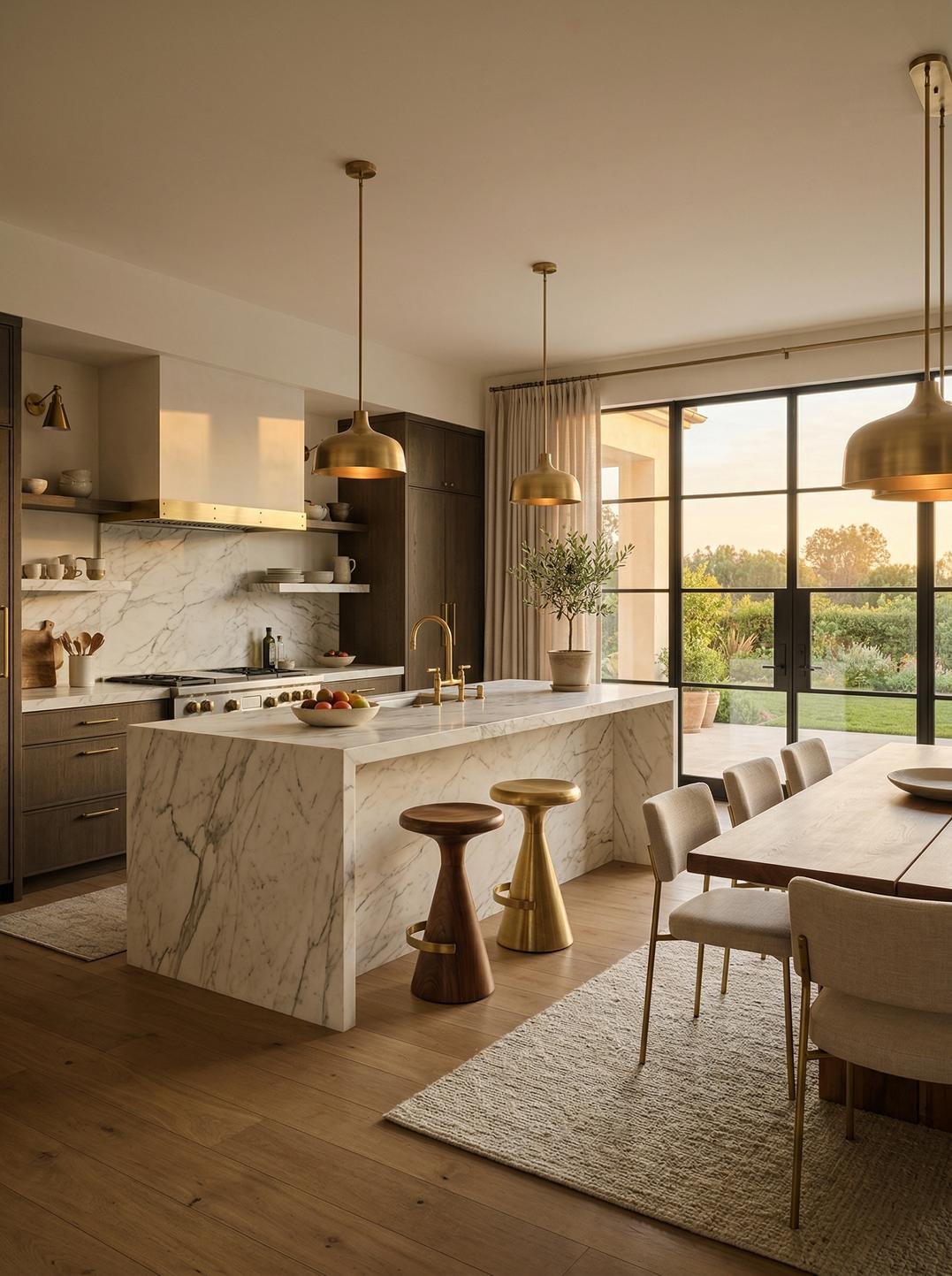
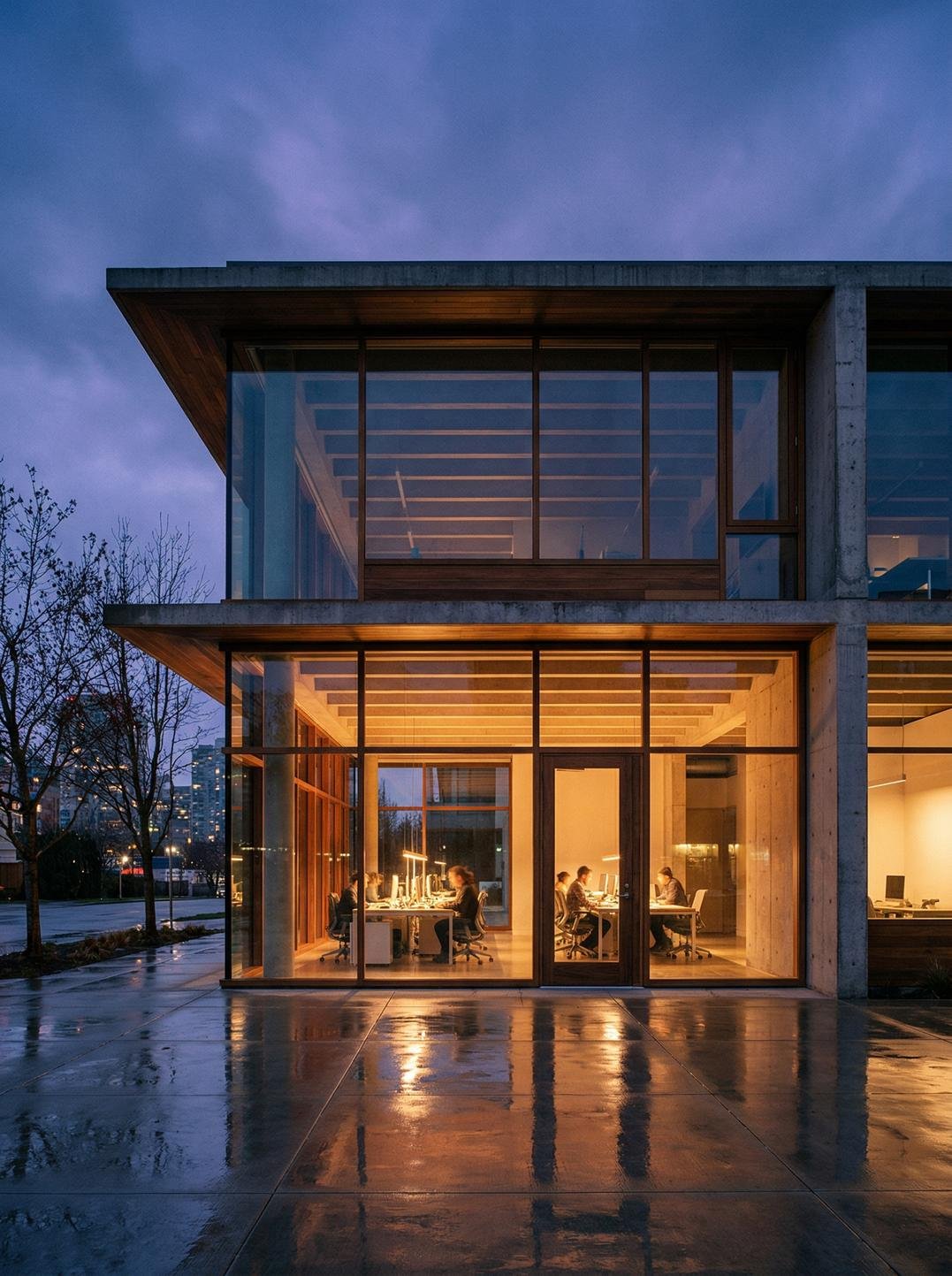
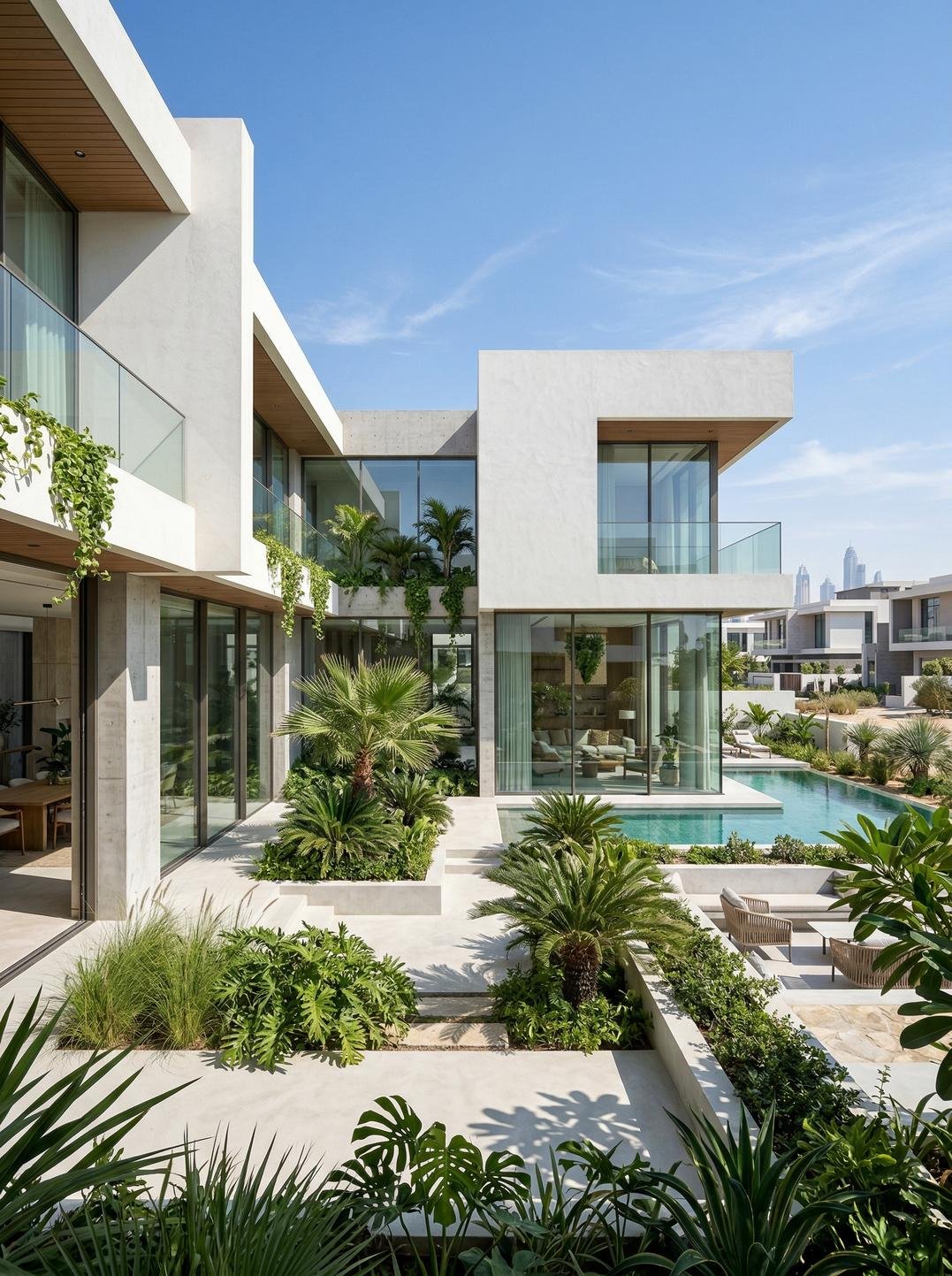
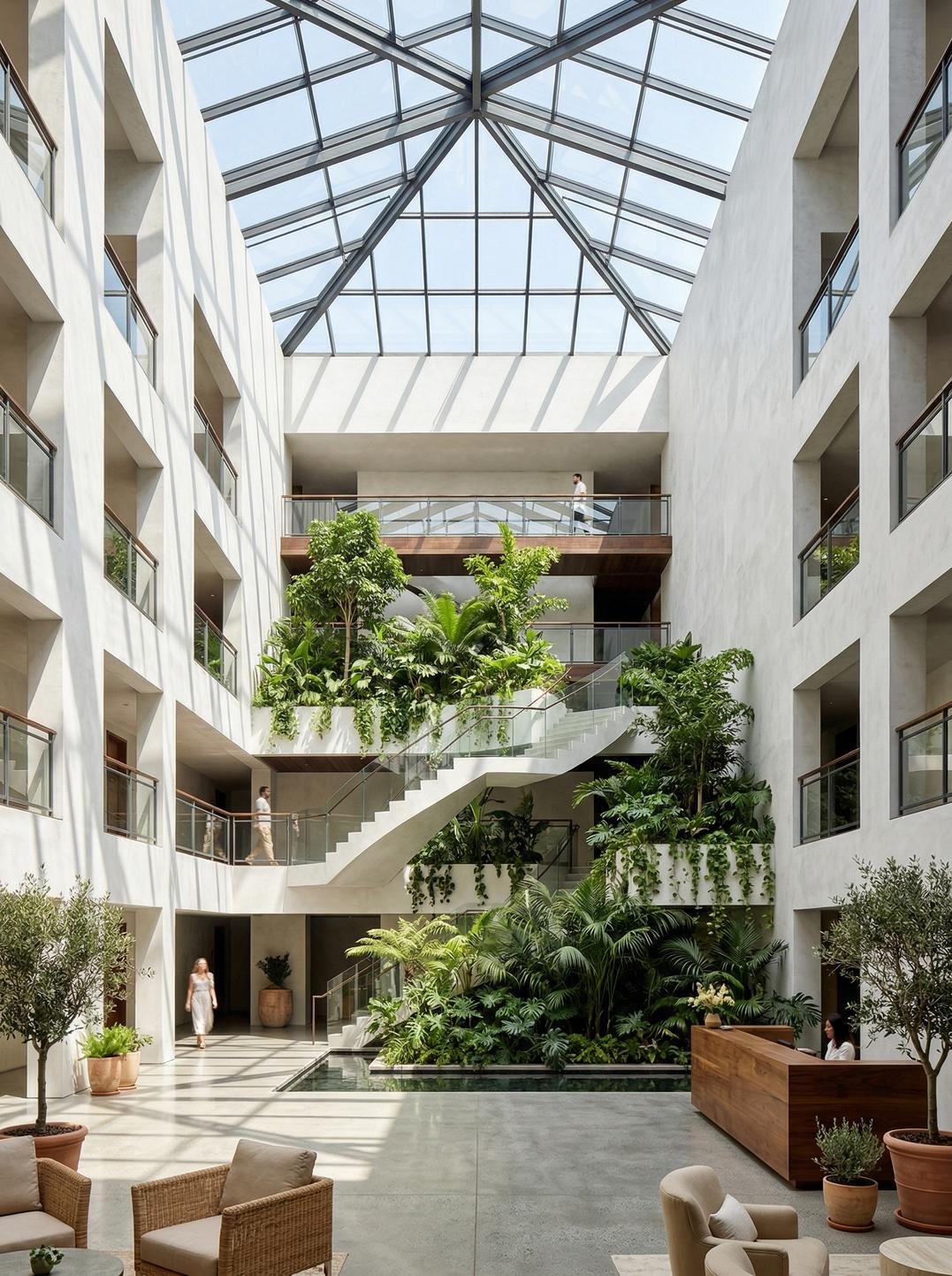
When investors look at a project proposal, they need absolute clarity on materials, lighting, and spatial flow. A high-quality photorealistic exterior rendering removes the ambiguity that often stalls multimillion-dollar commitments. The visual quality directly dictates the perceived value of the unbuilt property.
Instead of relying on blueprints that confuse non-technical buyers, successful firms deploy immersive visuals. This strategic asset empowers sales teams to command higher price points during the presale phase. The ability to present a finished product before breaking ground is an undeniable competitive advantage.
Table of Contents
1. How Accurate arch visualization Reduces Boardroom Friction
Securing project funding requires more than just CAD files and financial projections. Investors respond to visual evidence that a project fits the site context and market demands. Professional arch visualization translates complex architectural data into an immediate, emotional asset.
Developers who bring 3D assets to early funding rounds secure approvals much faster than those relying on 2D elevations. Stakeholders rarely possess the technical background to decipher traditional blueprints. A polished render bridges this communication gap effortlessly.
Furthermore, integrating these visuals early in the planning phase allows teams to identify design flaws before construction begins. This proactive approach saves thousands in costly revisions later on. Exceptional visuals protect the project timeline and the bottom line simultaneously.
When local councils and zoning boards review large-scale developments, community pushback is a common hurdle. Presenting clear, hyper-realistic images of the proposed site can alleviate neighborhood concerns. Visual transparency ensures faster permit approvals and smoother civic relationships.
2. The Development Stages Behind Every Successful Asset
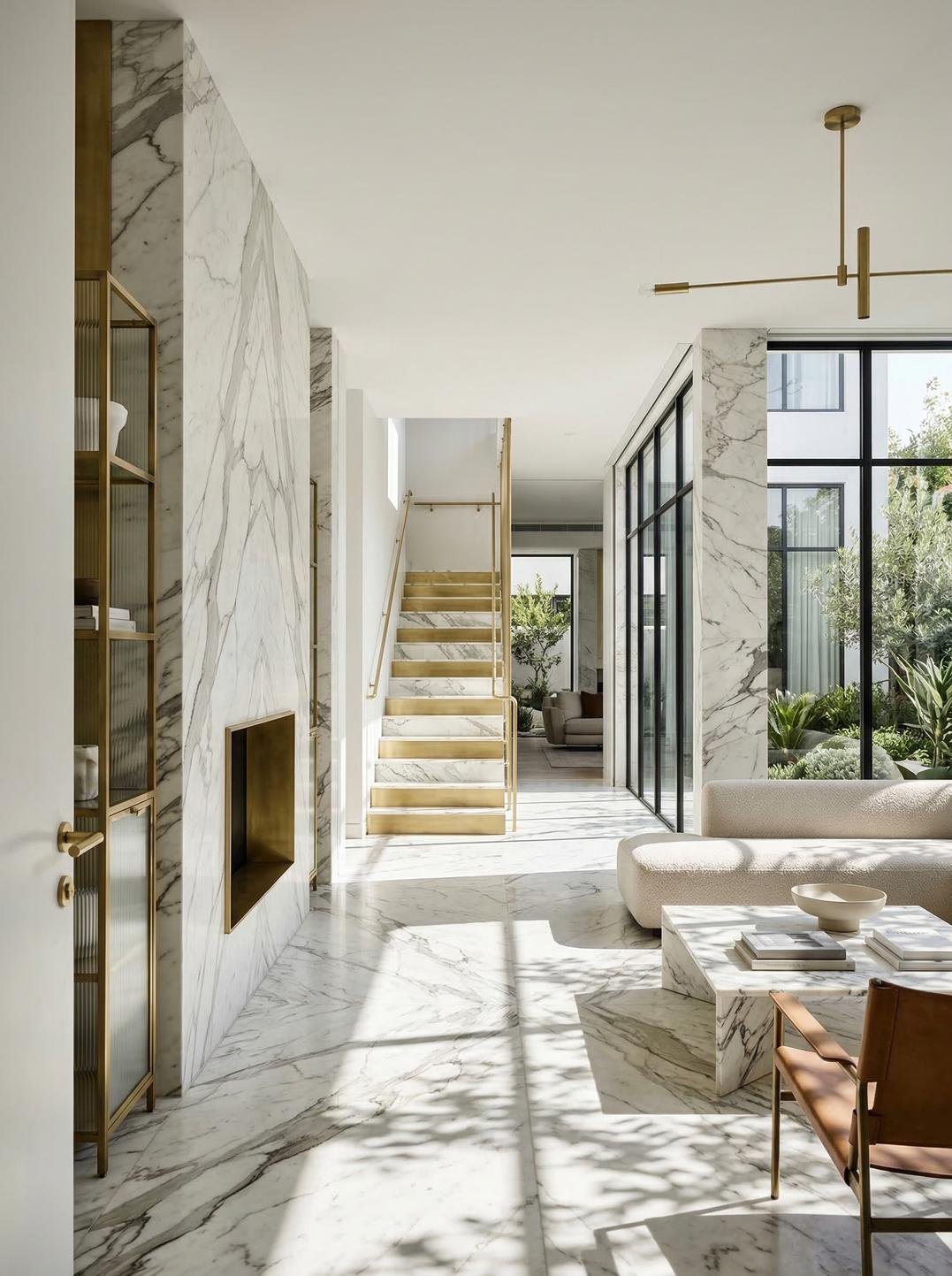
Creating a compelling visual narrative begins with a comprehensive review of the architectural plans. Studios must analyze site topology, material schedules, and intended lighting scenarios. This initial data collection ensures that the final arch visualization aligns perfectly with the architect’s original intent.
Next, the 3D modeling phase builds the foundational geometry of the structure. Experts meticulously craft every architectural detail, from window mullions to custom brickwork. Without precise modeling, even the best texturing work will look artificial and unconvincing.
The final stages involve applying materials, calculating lighting, and rendering the scene. Achieving a true photorealistic exterior rendering requires a deep understanding of natural sunlight and shadow casting. Post-production then adds the crucial atmospheric elements that bring the final image to life.
Quality assurance is the invisible final step that separates standard agencies from premium studios. Dedicated art directors review the rendered output against the original client brief. This rigorous review process guarantees the delivery of flawlessly executed marketing materials.
3. What Developers Must Demand From a Visualization Studio

Top-tier real estate developers understand that not all 3D agencies deliver the same standard of work. Before briefing an agency, it is essential to request case studies of similar scale projects. This ensures the team has the technical capacity to handle complex architectural demands.
A successful partnership requires clear communication protocols regarding revision cycles and feedback implementation. Developers should expect their studio to act as a strategic partner rather than a mere production house. High-end arch visualization demands a collaborative approach to capture the project’s unique selling points.
Additionally, the agency must demonstrate proficiency in environmental integration. A pristine building placed in an inaccurate context immediately breaks the illusion for potential buyers. Ensuring the background matches the actual site location is non-negotiable for premium projects.
Finally, commercial clients should request details regarding the studio’s rendering hardware and software capabilities. Advanced projects require immense computational power to process high-resolution textures and complex lighting environments quickly. A studio backed by modern rendering farms will never delay your marketing launch.
4. The Environmental Details Investors Notice First

Investors often scan a render in seconds, but their eyes immediately catch unnatural lighting or repetitive textures. A common pitfall in budget visuals is the lack of weathering or realistic imperfections. Properties exist in the real world, and a sterile, perfect image feels inherently fake.
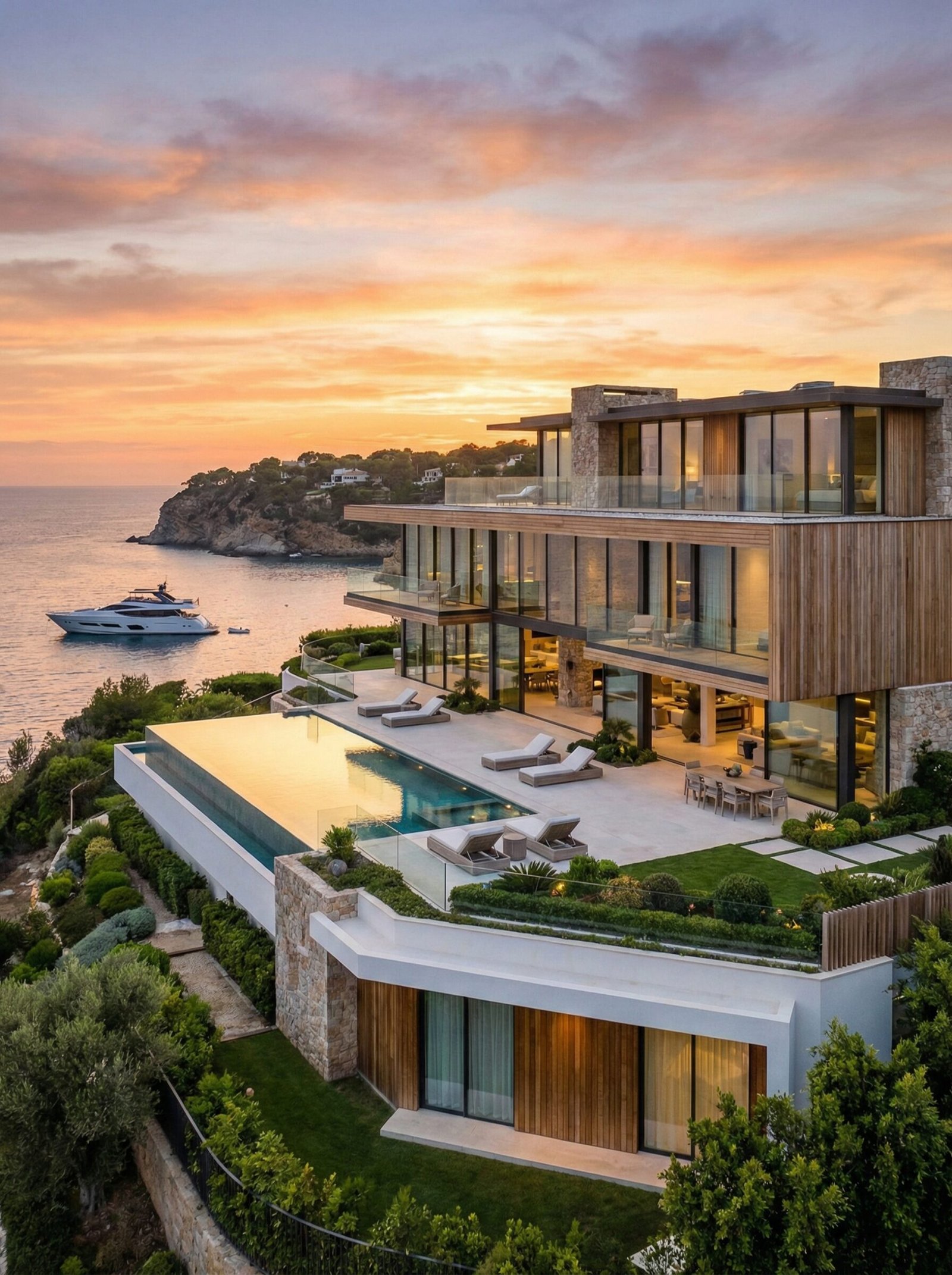
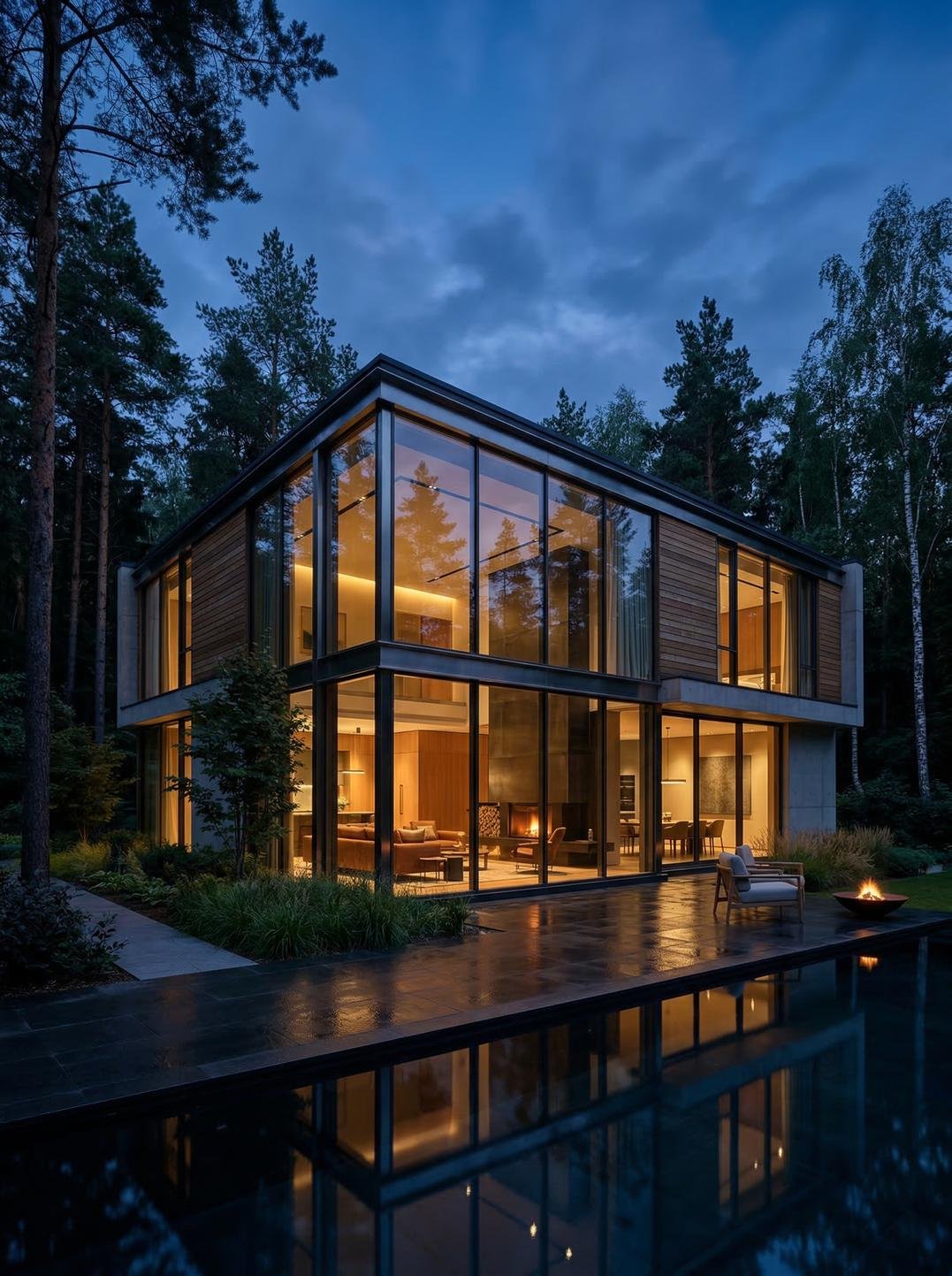
To secure premium investments, a photorealistic exterior rendering must feature accurate landscaping and contextual elements. The reflections in the glass should accurately mirror the surrounding environment, not a generic skybox. These subtle visual cues dramatically influence the buyer’s subconscious trust in the developer.
Many studios miss the importance of staging the property for its specific target demographic. If a luxury villa is designed for families, the arch visualization should gently reflect that lifestyle. Incorporating high-end vehicles, tasteful landscaping, and warm interior lighting sets the exact right tone.
The time of day chosen for the render also heavily dictates the emotional response of the viewer. Golden hour lighting evokes warmth and luxury, while midday lighting highlights structural precision. Choosing the right atmospheric condition is a strategic decision that agencies must master.
5. Conclusion
Investing in premium visual assets is a critical step in modern real estate development and architectural marketing. A precise photorealistic exterior rendering can significantly shorten your sales cycle and elevate your brand’s market positioning. Elevating your presentations with top-tier arch visualization ensures your unbuilt projects command the respect and capital they deserve.
If you are ready to transform your architectural blueprints into profitable marketing assets, partner with the experts. Reach out to Arkilex architectural visualization studio today to request a custom quote and view our exclusive B2B portfolio. Contact us now to schedule your free consultation and accelerate your off-plan sales strategy.
6. FAQs
What is the typical turnaround time for an arch visualization project?
The timeline for commercial rendering depends entirely on the complexity of the architectural models provided. Typically, a high-quality project takes between one to three weeks from initial briefing to final delivery. Revisions and stakeholder feedback cycles can extend this timeline slightly depending on the scope.
How do developers prepare files for new arch visualization?
To start a new project, developers should provide detailed 2D CAD plans or complete 3D Revit models. Additionally, supplying a comprehensive material board and landscaping plan ensures the highest level of visual accuracy. Clear design briefs drastically reduce the need for major structural revisions during the production phase.
What makes a photorealistic exterior rendering look authentic?
Authenticity relies heavily on accurate global illumination, high-resolution textures, and natural material imperfections. Incorporating realistic landscaping and accurate reflections in the glass creates a truly lifelike atmosphere. Advanced arch visualization studios also match the exact sun positioning of the physical geographic site.
Can arch visualization be used for early investor pitches?
Yes, securing capital and board approvals is one of the primary use cases for professional 3D assets. High-end renders allow investors to fully understand the scope, scale, and luxury of the proposed development. This visual proof consistently accelerates the funding process for off-plan real estate projects globally.
“An absolutely excellent 3D team that I genuinely enjoy working with – always attentive, responsive, and open to adjustments. Communication is seamless and the results consistently meet our expectations. A trusted partner I recommend without hesitation.”
— Sofia Bouziane ★★★★★ · Google review