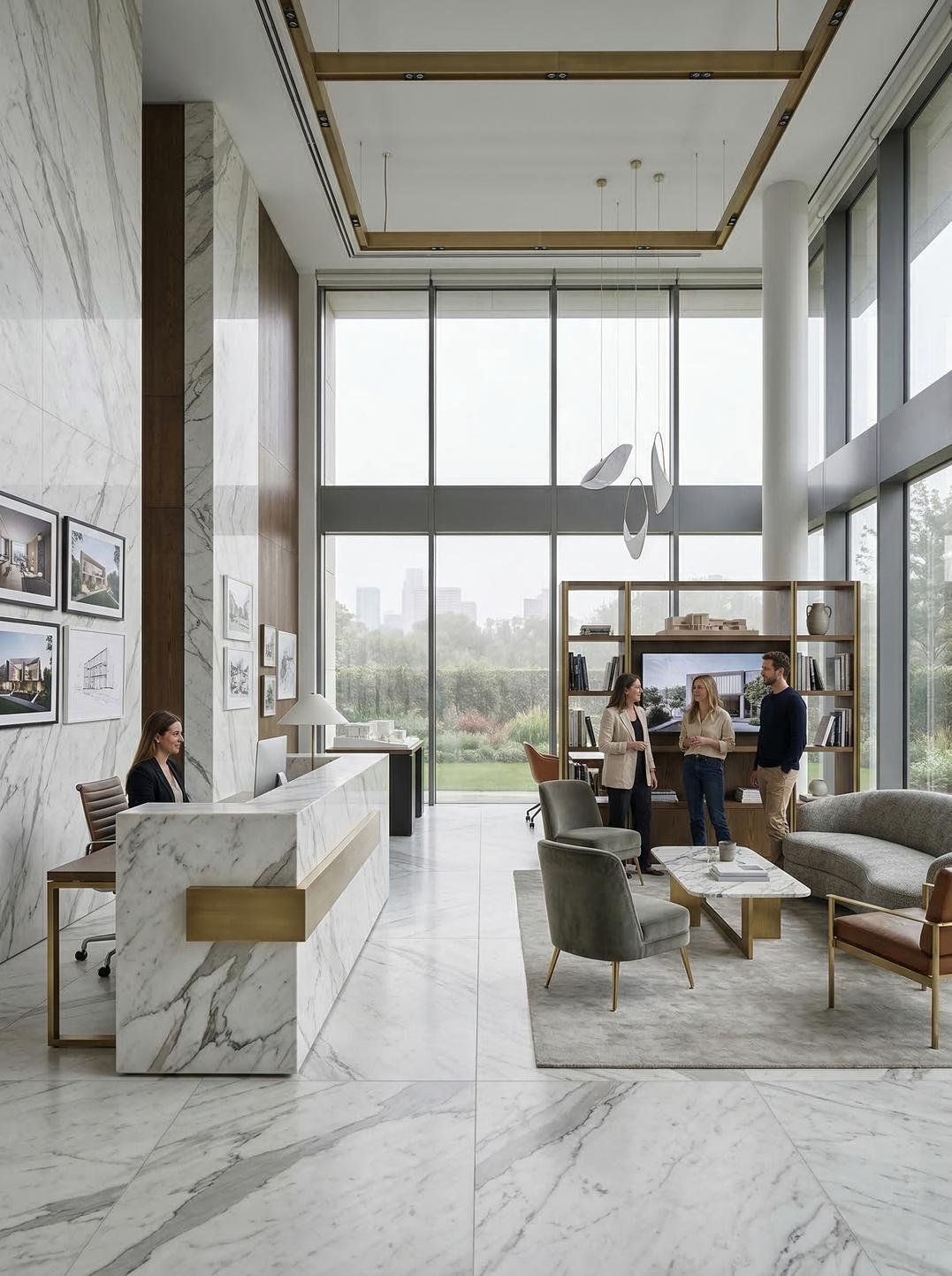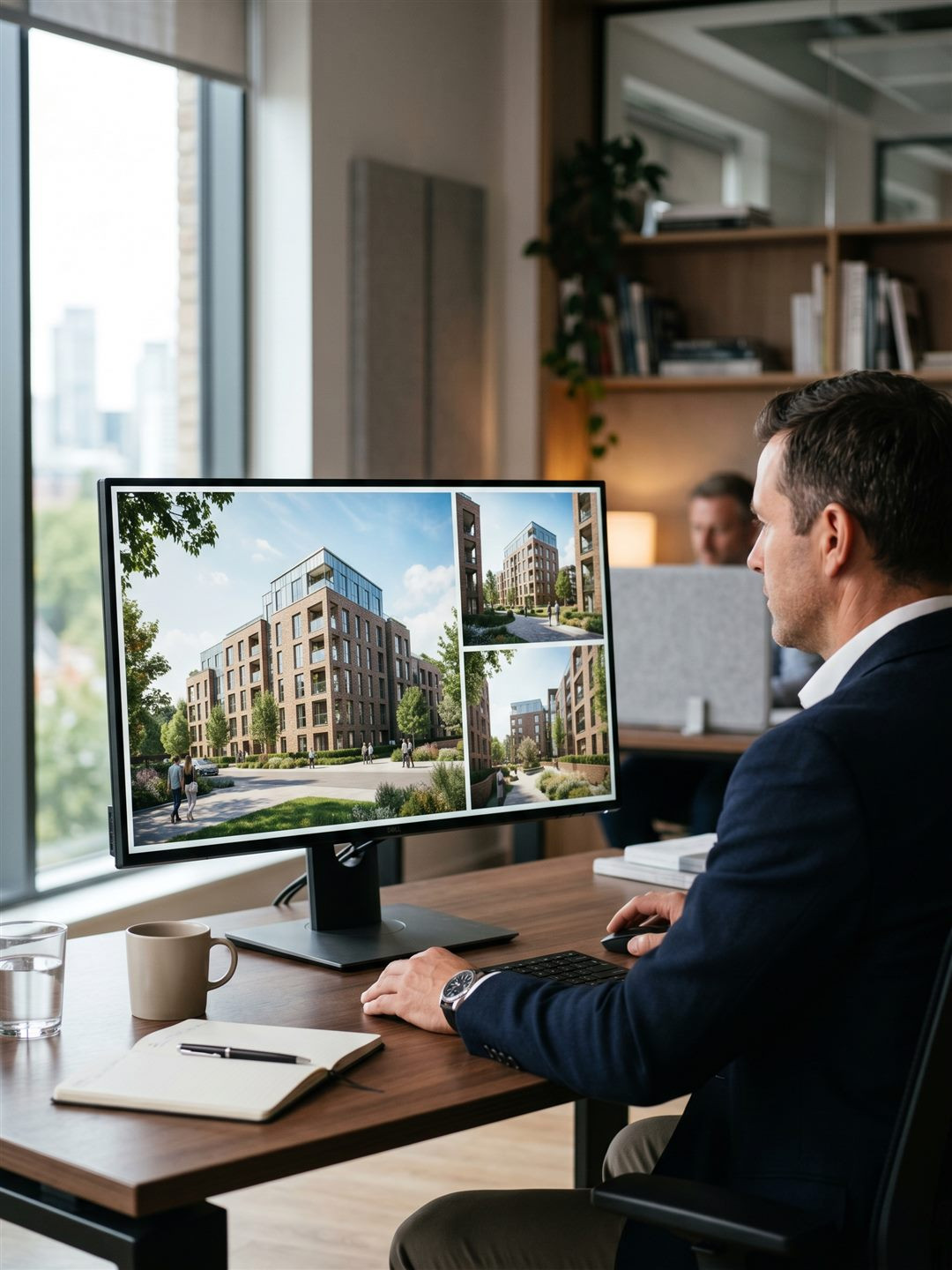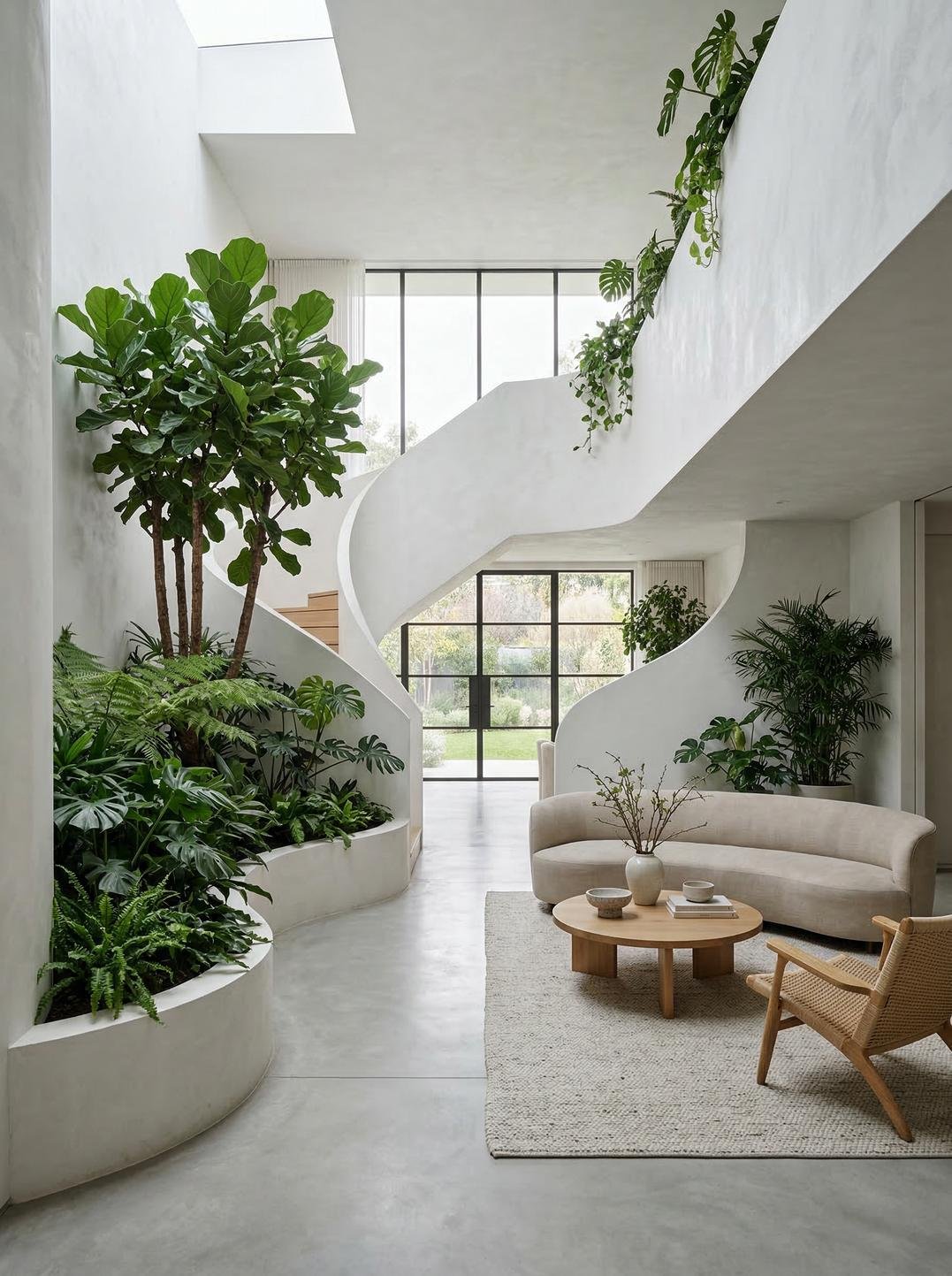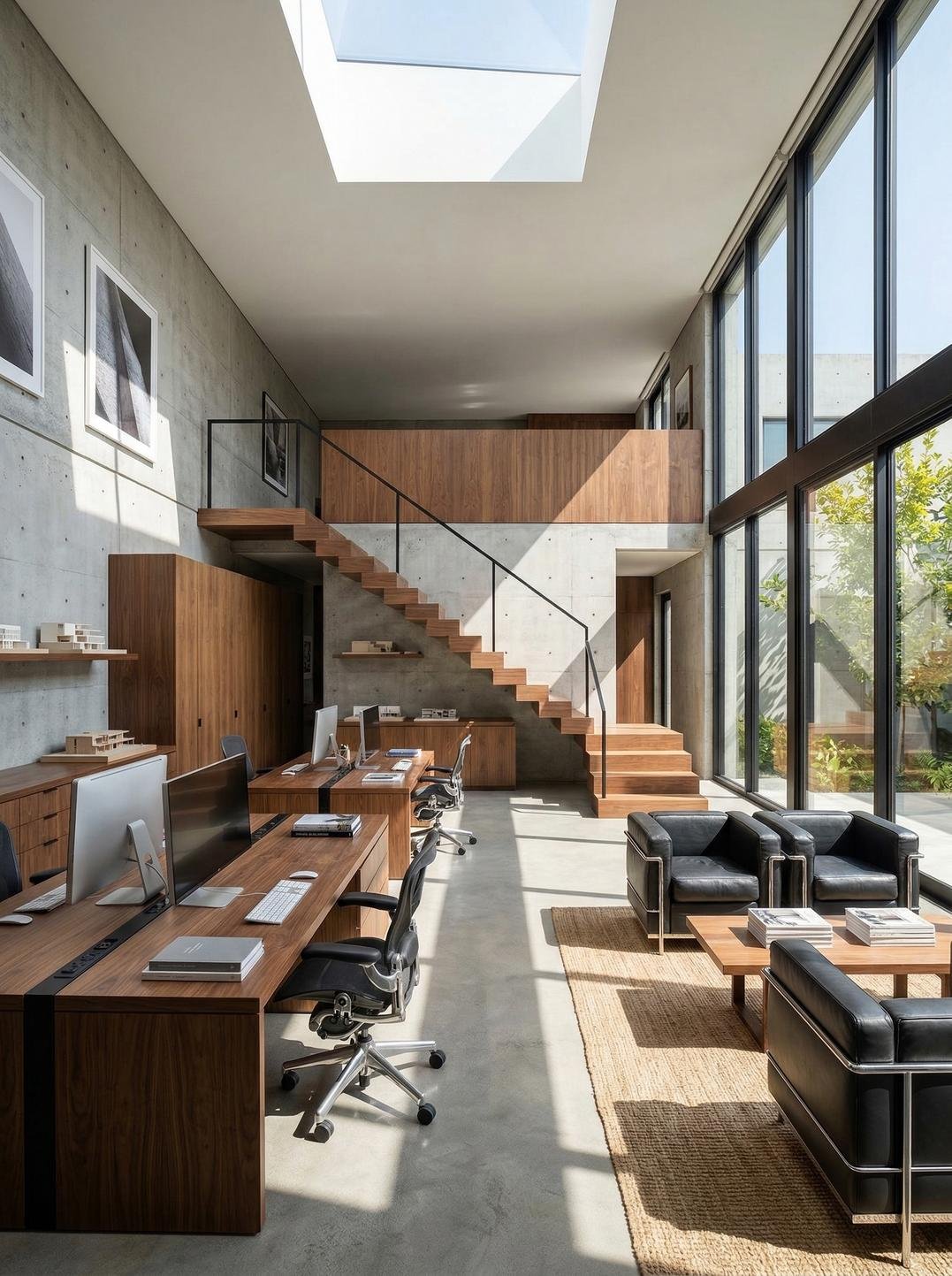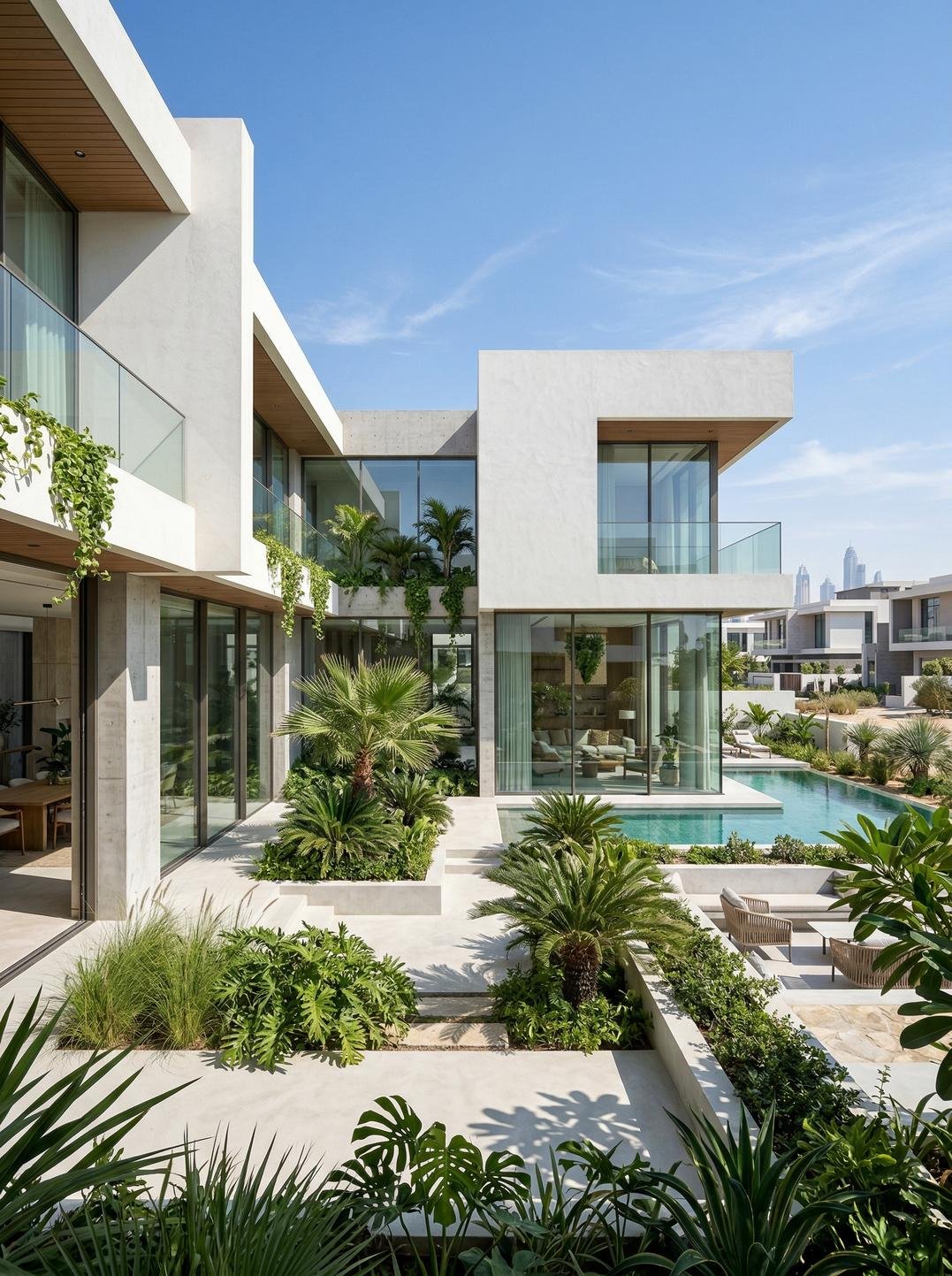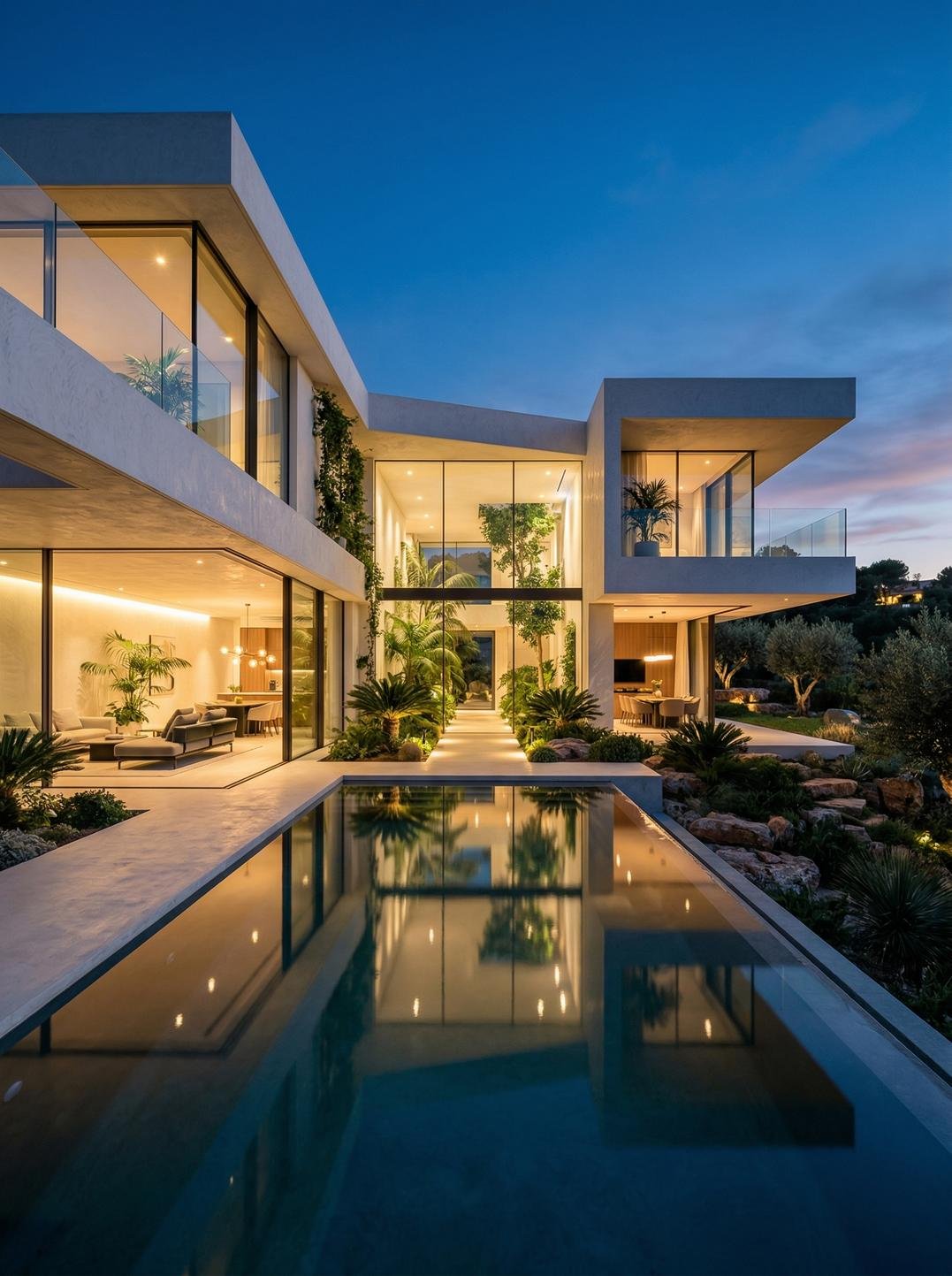

The architectural practices and developers consistently winning major projects share a characteristic rarely discussed: they treat visualisation as a strategic capability, not a production service. They commission renders not when required but when most useful — early in the pitch process, before a design is fully resolved, as a tool for shaping the client’s understanding.
When project approval hangs on visual communication, basic models no longer suffice. Developers need imagery that leaves zero room for misinterpretation. High-quality photorealistic 3d rendering bridge the gap between technical blueprints and investor confidence.
A poorly executed visual asset introduces unnecessary risk into the sales pipeline. Conversely, precise digital environments accelerate approvals and drive off-plan commitments. Let us examine the mechanics behind this vital asset.
Table of Contents
1. Why Weak architectural visualisation Derails Developer Presentations Before the Meeting Starts
Before a developer even speaks to potential investors, the visual assets establish the project’s perceived value. If the architectural visualisation lacks depth, texture, or accurate lighting, the prospect instinctively discounts the asking price. First impressions in premium real estate are entirely visual.
An unconvincing image forces sales teams to constantly explain away visual inaccuracies rather than focusing on ROI. Investors want to see exactly what their capital is funding without having to use their imagination. This is where precise architectural visualisation removes friction from the negotiation process.
By replacing abstract floor plans with immersive imagery, you instantly answer an investor’s subconscious questions. They can see the morning sun hitting the marble countertops and the true scale of the living spaces. This tangible sense of reality directly justifies premium price points.
2. The Four-Stage Workflow Behind a Commercial Property Asset
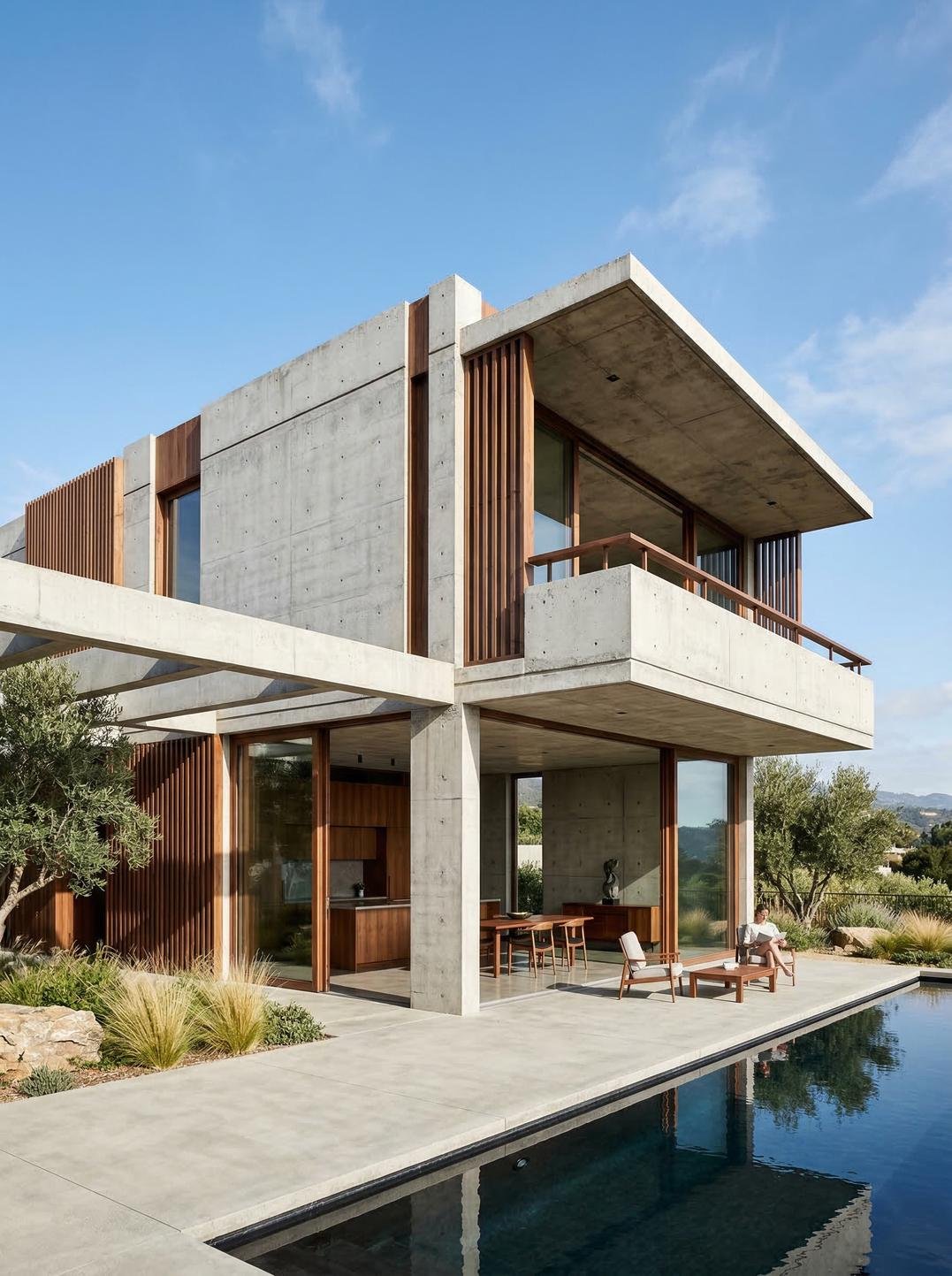
Producing a high-converting visual asset requires a systematic pipeline rather than just pushing buttons in rendering software. The process begins with importing exact CAD files and BIM data to ensure absolute spatial accuracy. Without this rigid foundation, even the most beautiful photorealistic 3d rendering will fail technical scrutiny.
Once the geometry is locked, studios apply texturing and physical lighting setups that mimic real-world conditions. This involves calibrating the digital sun to the exact latitude and longitude of the building site. Proper lighting elevates standard architectural visualisation into an evocative, emotional marketing tool.
The final stages involve rendering the raw frames and moving into post-production refinement. Here, artists balance contrast, integrate background plates, and populate the scene with realistic entourage elements. This sequential workflow guarantees predictable, high-end results for every commercial or residential project.
3. How Accurate Renders Reduce Client Revision Cycles by Half
One of the hidden costs in property development is the endless loop of design revisions. When stakeholders cannot clearly interpret 2D elevations, they inevitably request late-stage changes that delay construction. Implementing exceptional architectural visualisation early in the design phase solves this communication barrier instantly.
Architects can test facade materials and structural massing in a highly accurate digital space before committing to costly physical samples. If the specified cladding looks too dark under evening lighting conditions, it can be swapped with a few clicks. This rapid prototyping relies heavily on the quality of the photorealistic 3d rendering being utilized.
Consequently, developers experience far fewer surprise objections during final approval meetings. Everyone at the table shares the exact same understanding of the final built environment. This streamlined consensus saves thousands of dollars in billable hours and administrative delays.
4. What Top-Tier Architects Expect From a Visualization Studio Before Briefing Begins

Elite architecture firms do not want to hold a 3D artist’s hand through the basics of spatial design. They expect their chosen studio to possess a deep, native understanding of architectural proportions and material behaviors. A successful architectural visualisation requires the artist to think like an architect, not just a software operator.
A clear, comprehensive brief is still necessary, but top studios anticipate needs by requesting specific data upfront. They will ask for detailed material schedules, landscaping plans, and target demographic profiles before beginning work. This proactive approach ensures the resulting photorealistic 3d rendering speaks directly to the intended luxury buyer.
Furthermore, leading design firms expect rigorous file management and strict adherence to non-disclosure agreements. Confidential unreleased designs must be handled with the utmost security throughout the entire rendering pipeline. Professionalism in these operational details is what separates amateur freelancers from reliable studio partners.
When these rigorous expectations are met, the synergy between the architect and the 3D studio becomes a powerful asset. The studio acts as an extension of the internal design team, seamlessly translating complex ideas into market-ready visuals. This is the absolute gold standard for producing impactful architectural visualisation campaigns.
5. Conclusion
Mastering the visual narrative of your unbuilt properties is no longer optional in competitive real estate markets. From securing initial planning permissions to driving early off-plan sales, top-tier architectural visualisation is the engine of modern property marketing.
When you demand absolute accuracy and emotional resonance, investing in expert photorealistic 3d rendering yields immediate dividends.
Do not let substandard imagery compromise your project’s perceived value or slow down your sales velocity. Contact Arkilex today for a free consultation to see how our premium architectural visualisation services can elevate your next development pitch. Explore our extensive portfolio and request a custom quote to start building your visual strategy today.
6. FAQs
How does architectural visualisation improve pre-construction sales?
It allows buyers to experience the layout, lighting, and finishes of a property long before construction begins. High-quality visuals build emotional connections, which directly accelerates the buyer’s decision-making process. Developers consistently report faster sales cycles when using premium digital assets.
What files do I need to provide for a rendering project?
Studios typically require accurate 2D CAD plans, elevations, and a detailed material schedule to begin work. If you have an existing 3D model from SketchUp or Revit, this can significantly expedite the initial geometry setup. Mood boards and exact lighting references are also highly recommended to ensure alignment.
How long does a standard rendering take to complete?
A high-end single interior or exterior image usually takes between one to two weeks, depending on project complexity. This timeline accommodates the initial modeling, texturing, client reviews, and final high-resolution output. Larger commercial projects requiring multiple angles will naturally require extended production timelines.
Can revisions be made after the initial draft is delivered?
Yes, professional studios build structured revision rounds into their standard workflow to ensure complete client satisfaction. The first draft is generally used to review basic geometry and camera angles before heavy detailing occurs. Minor material or lighting tweaks are easily handled during the final refinement phase.
“An exemplary collaboration with Arkilex. We brought them in to visualize several projects and the result is simply impressive. Beyond the visual quality, their time management is flawless – deadlines met with rare precision. A trustworthy, responsive, professional partner I highly recommend.”
— Aquaya Maroc ★★★★★ · Google review