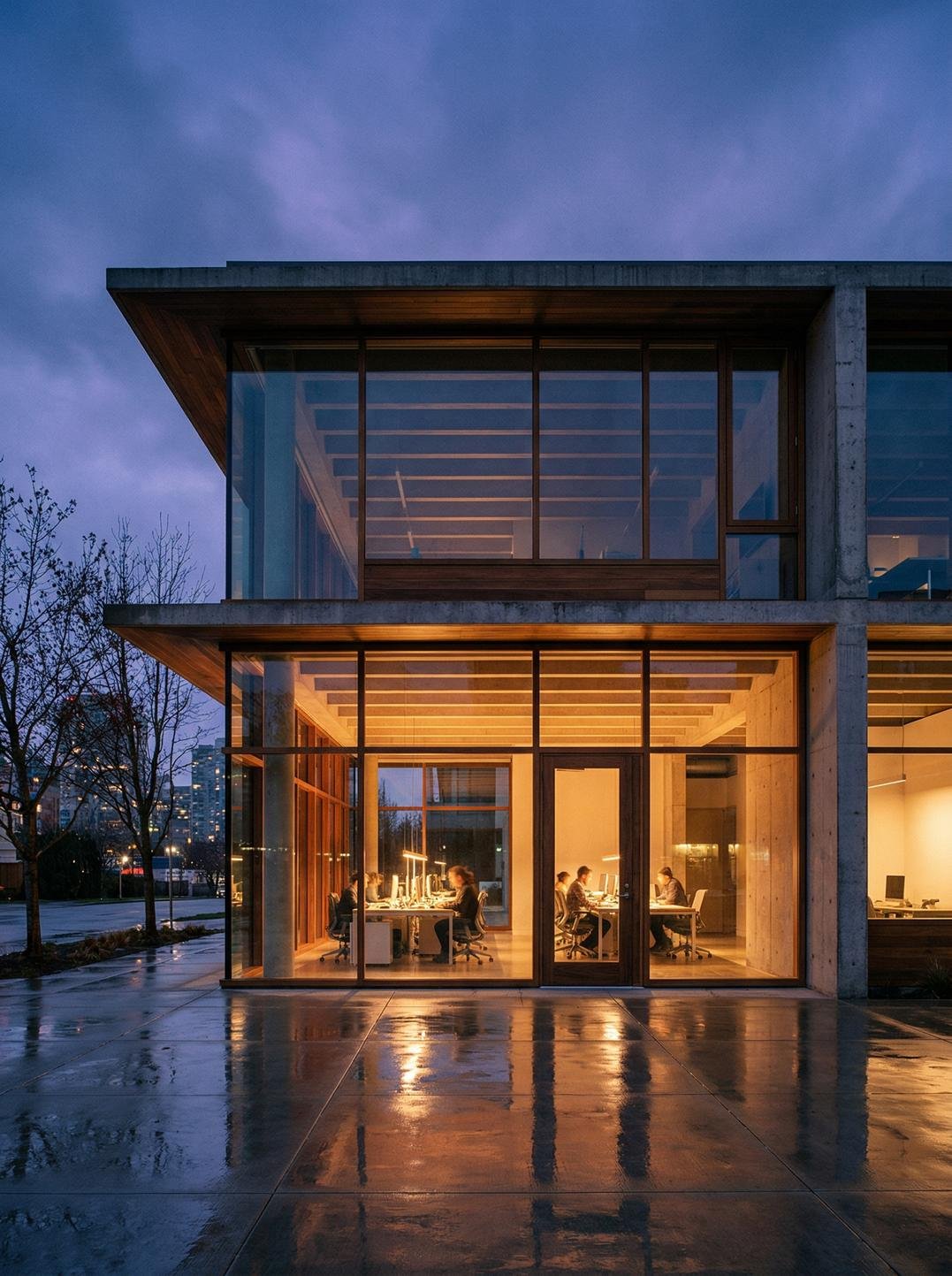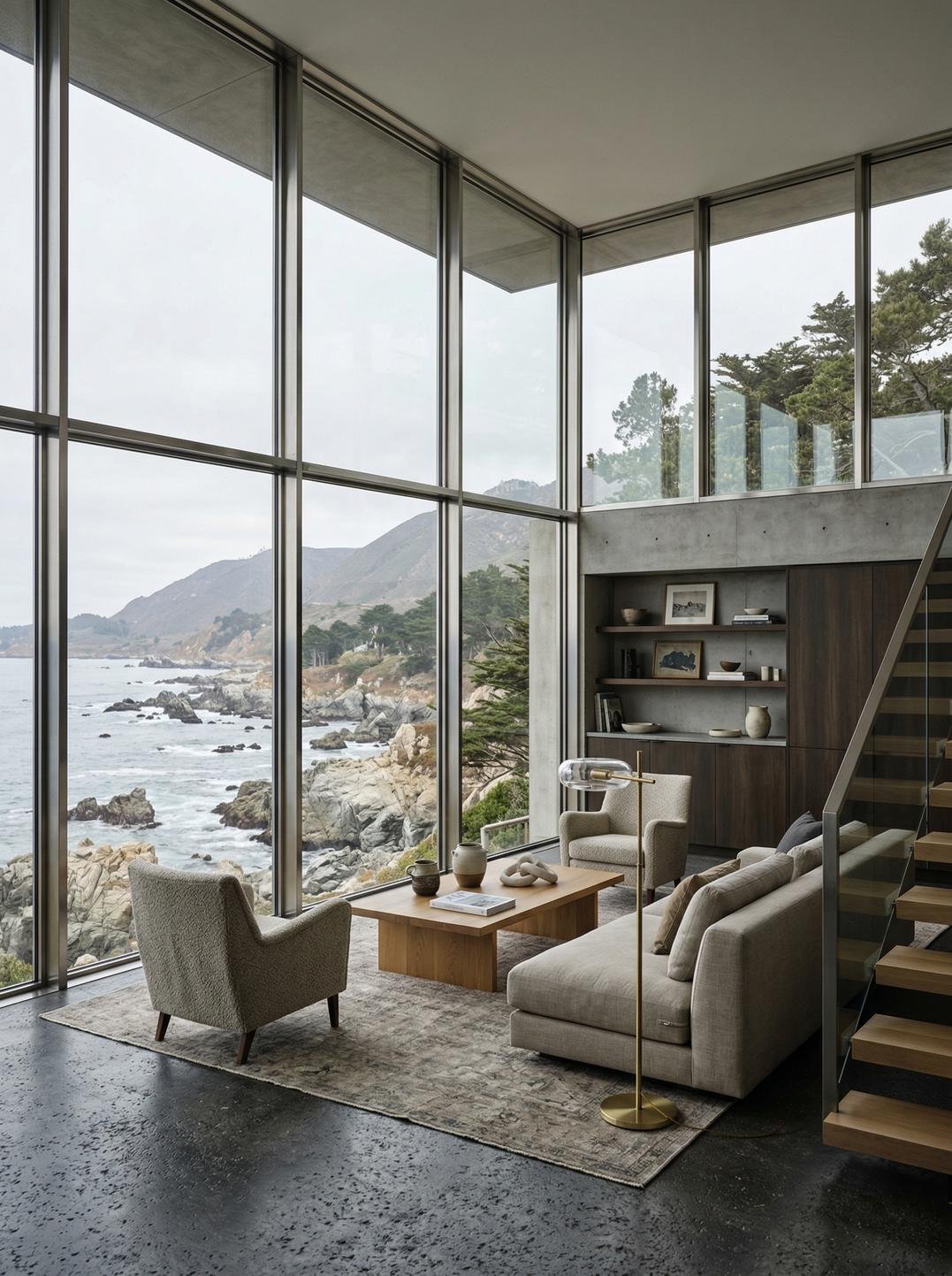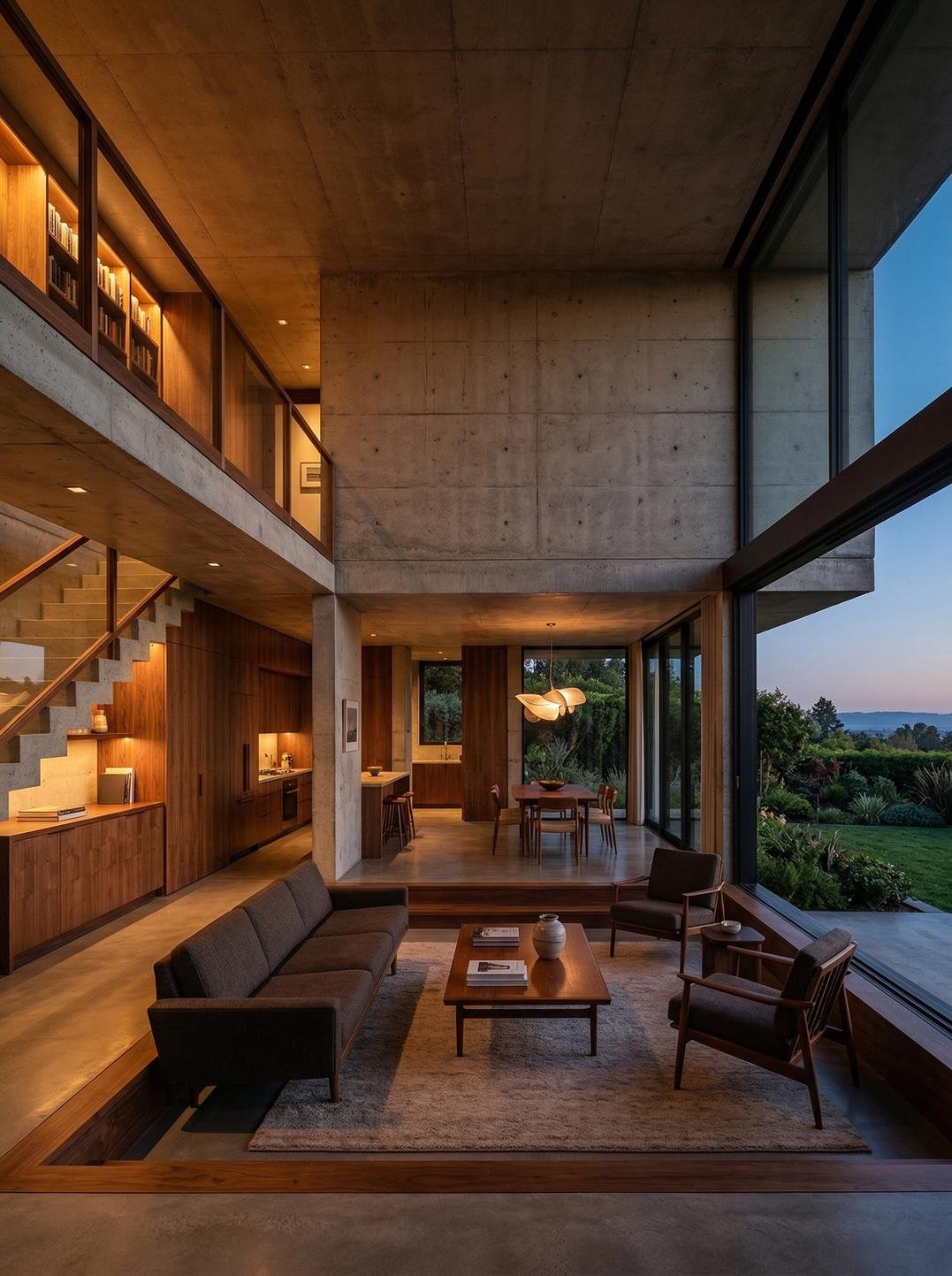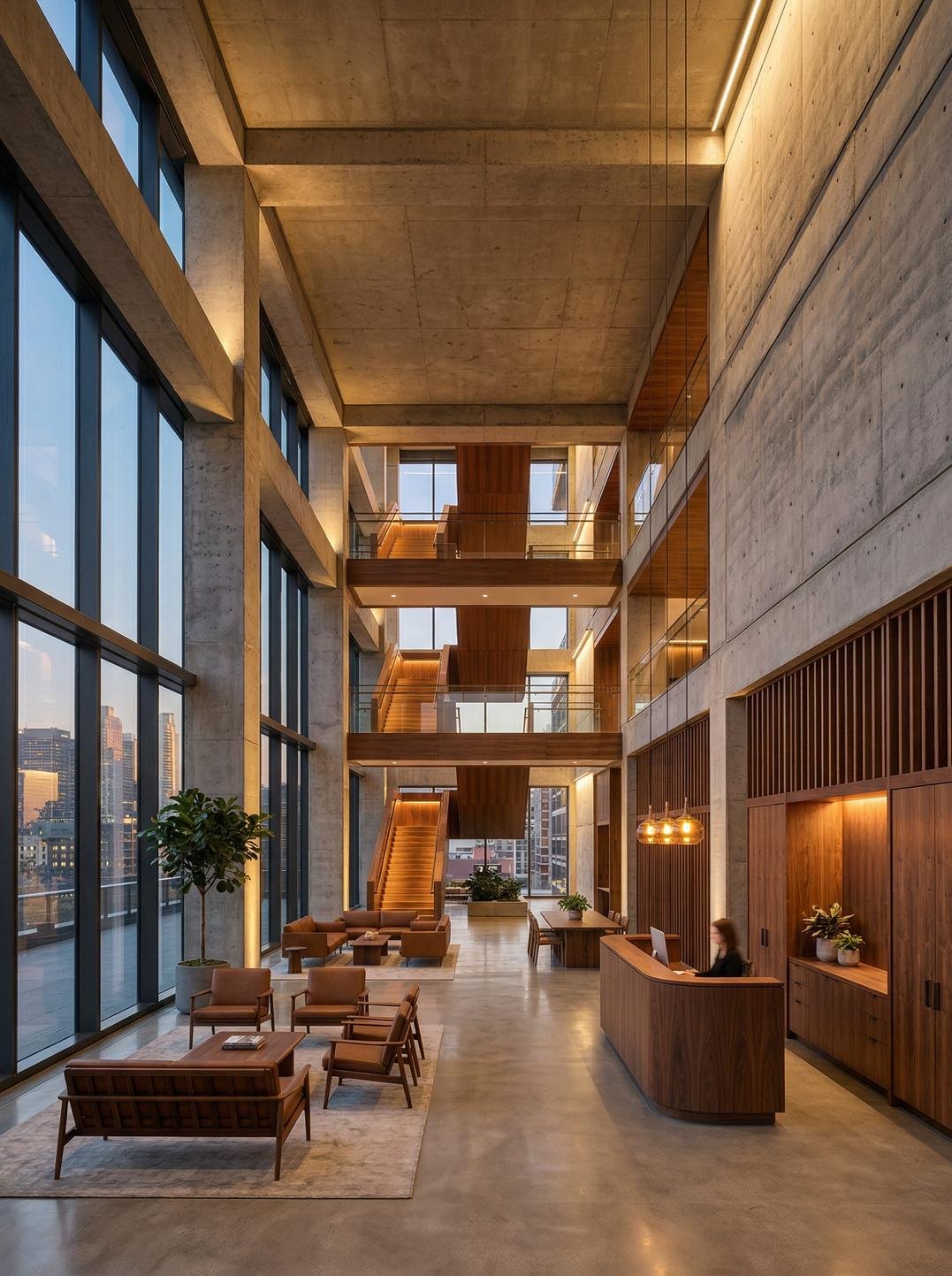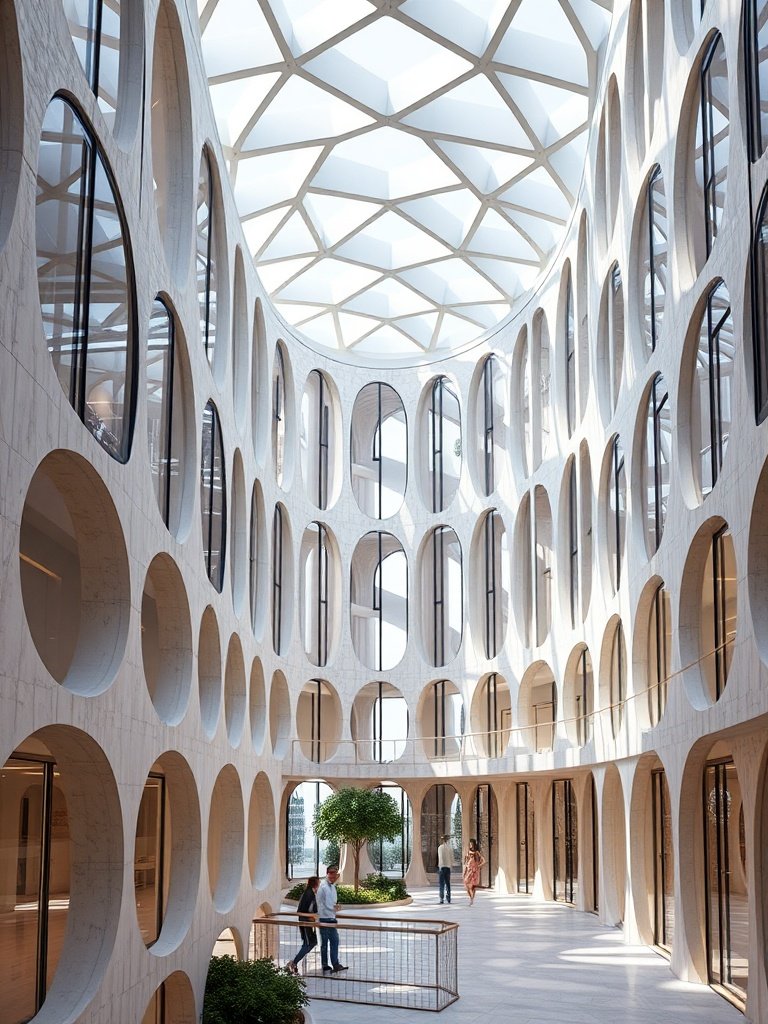

Interior design services that support faster sales are structured differently from those that simply execute a brief. The distinction is in how visualization is used throughout the process — not as a presentation deliverable at the end of a design phase, but as an active tool for resolving client uncertainty and accelerating the decisions that move a project forward.
Buyers possess a highly refined visual vocabulary curated by high-end publications and social media. They expect to instantly understand the texture of the marble, the warmth of the lighting, and the spatial flow before ground is even broken. If your marketing materials force them to guess, their hesitation usually translates into a passed opportunity.
We often forget that clients do not care about architectural complexities or zoning triumphs. They simply want absolute confidence that the spaces they are purchasing will meet their personal or commercial standards. Bridging this gap requires fundamentally rethinking the standard architectural visualization workflow to prioritize the end user’s emotional experience.
Table of Contents
1. Why Developer Presentations Disconnect From Premium interior design services
Developers frequently present spaces highlighting structural achievements, but buyers evaluate spaces based on livability and mood. This misalignment happens when the focus remains strictly on dimensions rather than the tangible benefits of your interior design services. A client needs to see how morning light hits the kitchen island, not just the square footage of the room.
When a visualization feels clinical, buyers immediately assume the actual physical space will feel cold and unwelcoming. They subconsciously project the flaws of a poor rendering onto the capabilities of the interior design services team. This is why highly technical renders often fail to secure pre-sales in competitive luxury markets.
The client’s primary question is always whether the proposed aesthetic aligns with their personal brand or lifestyle. An optimized architectural visualization workflow anticipates this by creating vignettes that suggest a lived-in, highly curated reality. Shifting the focus from raw architecture to human experience transforms a passive viewer into an eager buyer.
When a client reviews a marketing brochure, they are quietly searching for reasons to say no to the investment. Vague or uninspiring visuals provide the perfect excuse to walk away from the deal. Overcoming this skepticism requires presenting these proposed spaces with uncompromising clarity and emotional weight.
2. The Four-Stage Emotional Journey Through Pre-Construction Spaces
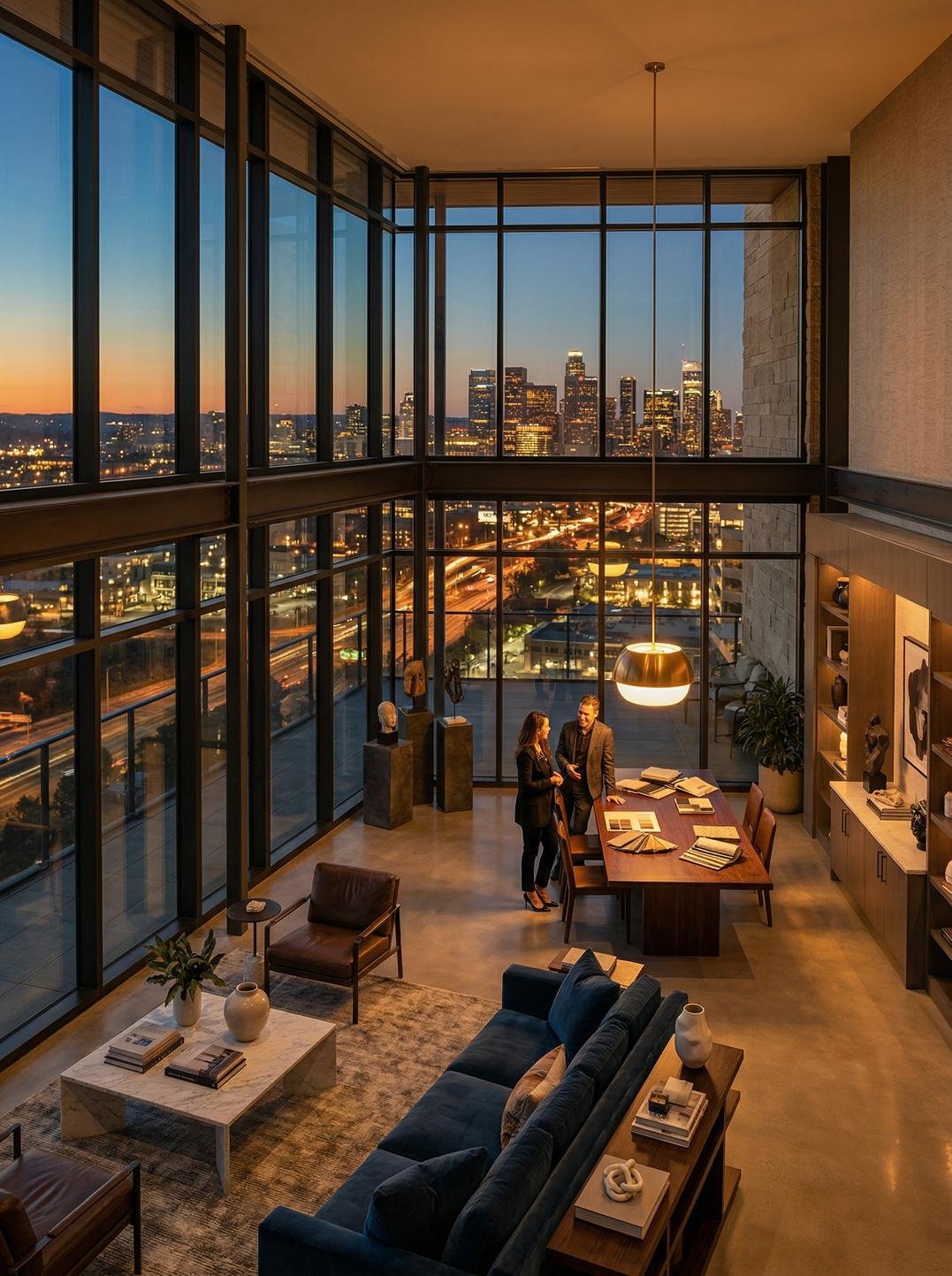
A prospective buyer navigates a visual presentation through distinct emotional phases, starting with immediate atmospheric impact. Before they notice the specified hardware or custom millwork, they instinctively judge the overall warmth and scale of the room. High-end interior design services must be communicated through renders that establish this atmospheric trust within seconds.
Once the initial mood resonates, the buyer begins analyzing functional zones and spatial flow. They mentally place their own furniture, imagine hosting guests, and assess whether the layout supports their daily routines. A rigid architectural visualization workflow often ignores this stage, producing wide-angle shots that distort proportions and confuse the buyer.
The third phase is deep material scrutiny, where clients look for tactile reassurances of luxury and durability. They zoom in on renders to check the grain of the wood flooring or the veining in the stone countertops. If the visualization lacks photorealism at this micro-level, the perceived value of the entire property drops significantly.
Finally, the buyer seeks emotional confirmation to justify the financial commitment they are about to make. They need to feel an undeniable sense of ownership over the unbuilt space shown on their screen. Delivering this level of certainty is the ultimate purpose behind commissioning top-tier creative professionals.
3. What End Users Actually Notice When Evaluating Luxury Finishes

Developers often assume clients are impressed by the rarity or cost of a specified material, but buyers actually react to how that material behaves. A client does not just see brass fixtures; they look at how the metal reflects ambient light and shadows. Communicating these subtle physical interactions is exactly how premium interior design services justify their pricing to skeptical investors.
Consider how a buyer evaluates a primary bathroom wrapped in expensive natural stone. If the visualization shows flat, uniform reflections across the stone, the client will perceive the material as cheap ceramic or laminate. A sophisticated architectural visualization workflow ensures that surface imperfections and varied glossiness are rendered with absolute physical accuracy.
Textile representation is another major blind spot where developer assumptions clash with buyer expectations. Clients expect velvet to look soft and heavy, while linens should appear breathable and slightly textured. Failing to translate these fabric qualities digitally makes the proposed interior design services feel generic and uninspired.
Ultimately, a buyer’s confidence is built on these microscopic visual cues rather than sweeping architectural statements. They need to trust that the development team obsesses over the details just as much as they do. Mastering this tactile visual communication is non-negotiable for developers targeting sophisticated end users.
4. The Lighting Mistake That Instantly Breaks Buyer Trust

Nothing shatters a buyer’s immersion faster than artificial, hyper-exposed lighting that eliminates natural shadows. When a room is uniformly lit without any directional hierarchy, clients intuitively sense that the image is a fabrication. This immediate loss of credibility casts doubt on the quality of the interior design services being presented.
Buyers subconsciously associate natural, layered lighting with high-end, professionally designed environments. They expect to see the interplay between harsh afternoon sunlight and soft, warm ambient fixtures within a space. If your architectural visualization workflow relies on default lighting setups, your high-ticket properties will look like sterile waiting rooms.
Furthermore, improper lighting completely alters how a client perceives the carefully chosen color palettes. A warm, inviting taupe can quickly turn into a muddy, unappealing gray under incorrect virtual lighting conditions. Protecting the integrity of your curated aesthetic requires a visualization partner who understands lighting as an emotional tool.
The most successful developers use lighting to direct the buyer’s eye exactly where it needs to go. They highlight premium amenities and guide the client through the space just as a seasoned broker would during a physical tour. Correcting this single visual element dramatically increases the perceived value of the property in the buyer’s mind.
5. Conclusion
Buyers do not invest millions of dollars based on structural diagrams; they purchase the lifestyle and emotional resonance a space promises. By adopting a visualization strategy that prioritizes the client’s sensory experience, you ensure your interior design services command the premium they deserve. Elevate your next development presentation by partnering with Arkilex architectural visualization studio to turn conceptual spaces into undeniable client commitments.
6. FAQs
How do clients perceive poor quality renderings during a pitch?
Buyers view visualization quality as a direct reflection of construction quality. If the digital representation feels rushed, cheap, or inaccurate, they assume the physical execution of the design concept will suffer from the same lack of attention to detail.
What specific rendering elements build the most trust with luxury buyers?
High-net-worth clients look for physical accuracy in lighting, material textures, and spatial proportions. When a rendering accurately mimics how natural light interacts with authentic materials, it grounds the project in reality and reduces buyer hesitation.
Why do highly technical floor plans fail to secure early pre-sales?
Technical drawings require the buyer to do the heavy lifting of imagination, which often leads to confusion. A photorealistic rendering removes this friction, allowing the client to instantly feel the emotional impact of the space rather than deciphering its dimensions.
How can visualization studios better align with a client’s perspective?
Studios must shift from just showing the architecture to demonstrating livability and lifestyle. This means framing shots from human eye level, curating lived-in atmospheres, and ensuring the proposed spaces are showcased as tactile, inviting environments.
“An exemplary collaboration with Arkilex. We brought them in to visualize several projects and the result is simply impressive. Beyond the visual quality, their time management is flawless – deadlines met with rare precision. A trustworthy, responsive, professional partner I highly recommend.”
— Aquaya Maroc ★★★★★ · Google review