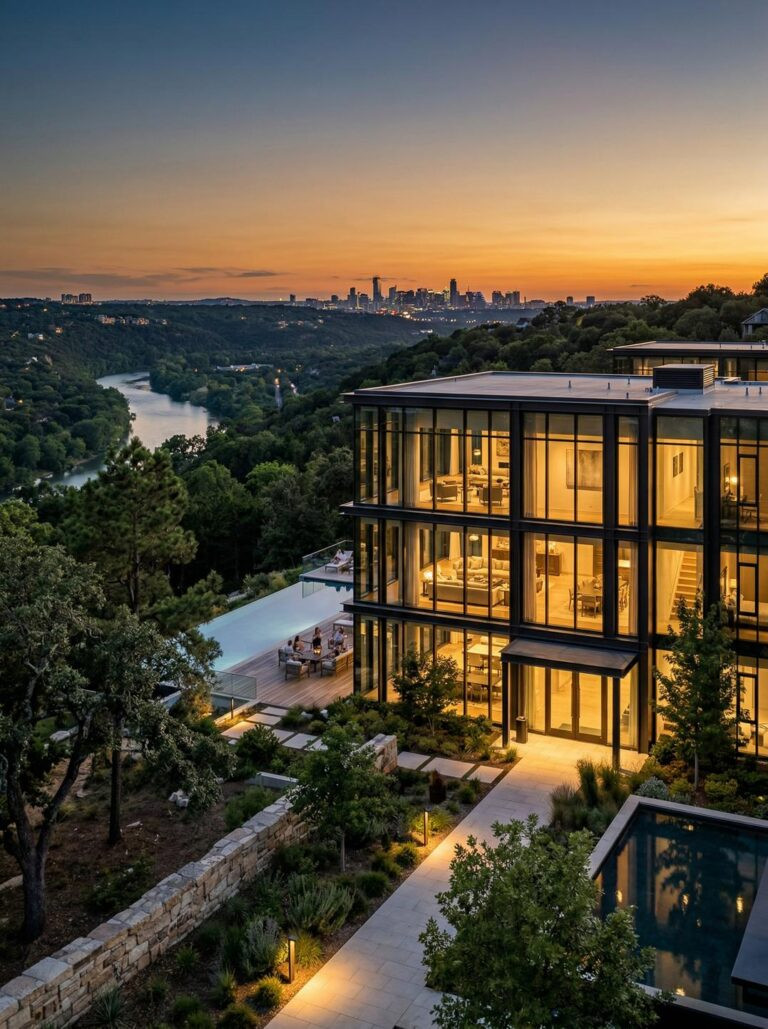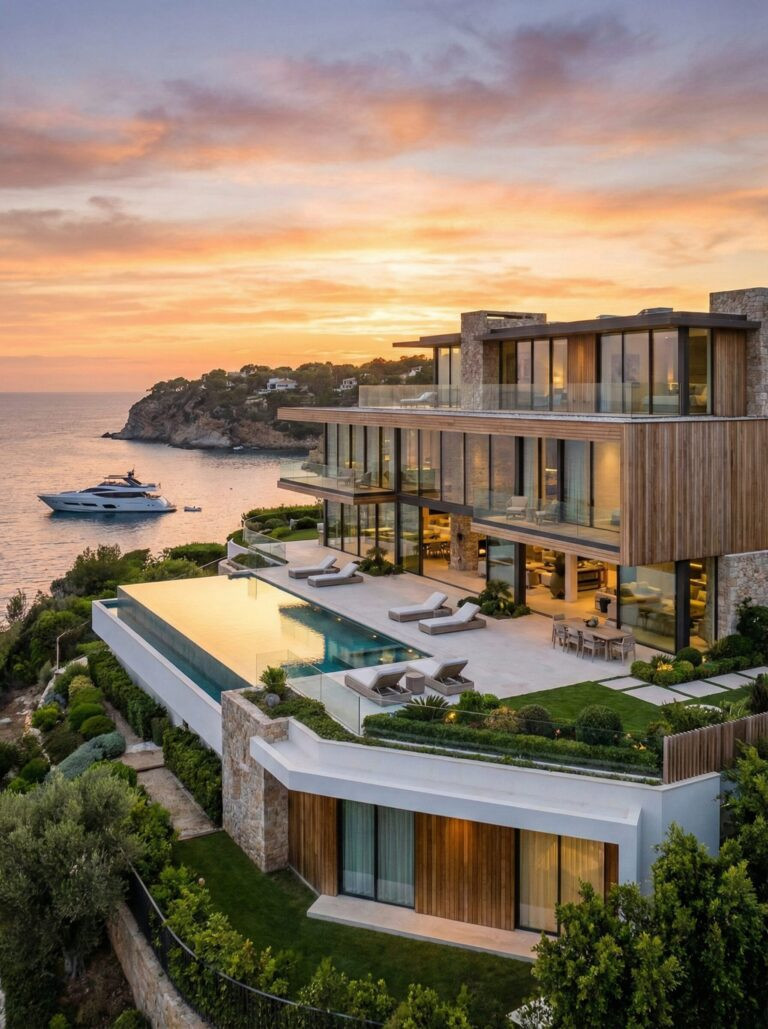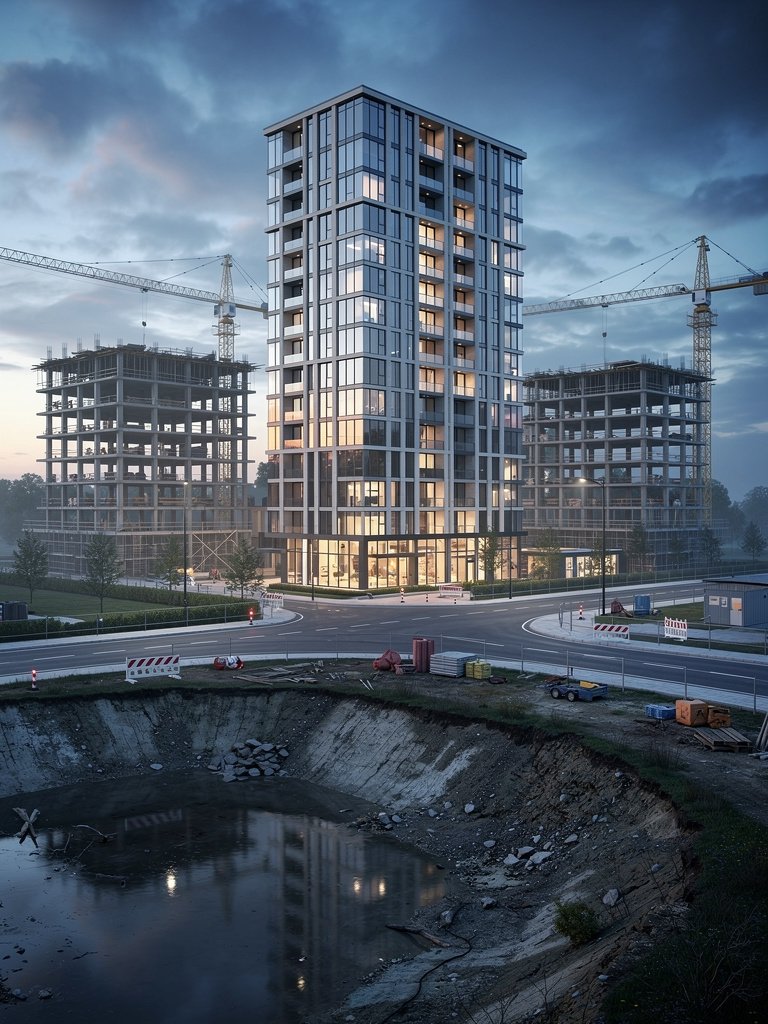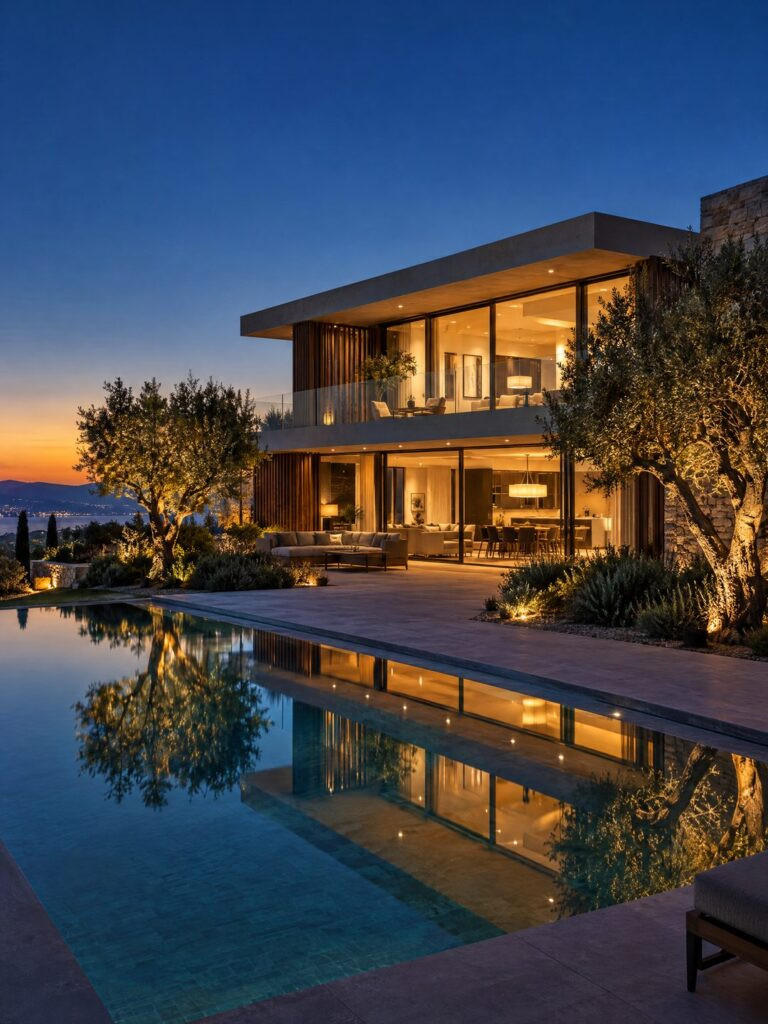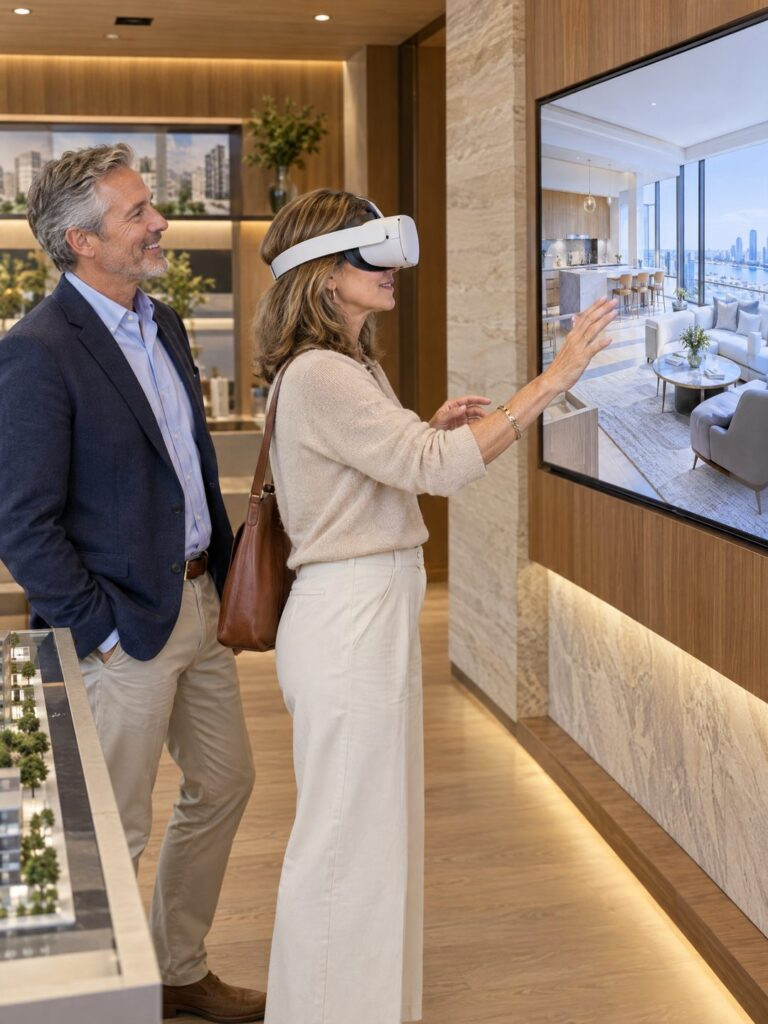

Architectural rendering produces the most consistent competitive advantage when it is used intentionally: as a positioning and communication tool, not just a deliverable. The practices and developers who understand this commission visualization at a different stage of a project and for a different purpose than those who treat it as a standard output.
Developers rely heavily on precise photorealistic 3d visualization to secure early-stage investor capital. When the lighting, textures, and scale align perfectly, the project immediately builds credibility. The right visuals transition a concept from a simple blueprint into a highly desirable, tangible asset.
Table of Contents
1. Why Most Pitch Decks Fail Without Professional Architectural Rendering
A weak visual presentation often sabotages even the most structurally sound development project. Investors need absolute visual certainty before committing millions to a new commercial or residential build. High-quality rendering provides this certainty by translating complex CAD files into universally understood imagery.
It bridges the communication gap between technical architects and financially focused stakeholders. Without these precise visuals, developers are forced to rely on abstract floor plans that confuse non-technical buyers. This confusion inevitably leads to delayed approvals and lost pre-sale opportunities.
Conversely, integrating exceptional imagery directly into the pitch deck anchors the viewer’s attention. Every material choice, from the marble countertops to the exterior facade, is communicated instantly. This level of visual clarity significantly accelerates the decision-making process for everyone involved.
The psychological impact of these images cannot be overstated in a competitive real estate market. Buyers connect emotionally with a properly styled scene, allowing them to imagine their future lifestyle. This emotional connection is precisely what drives signatures on early-stage purchasing agreements.
2. The Four-Stage Workflow Behind a Photorealistic Villa Image
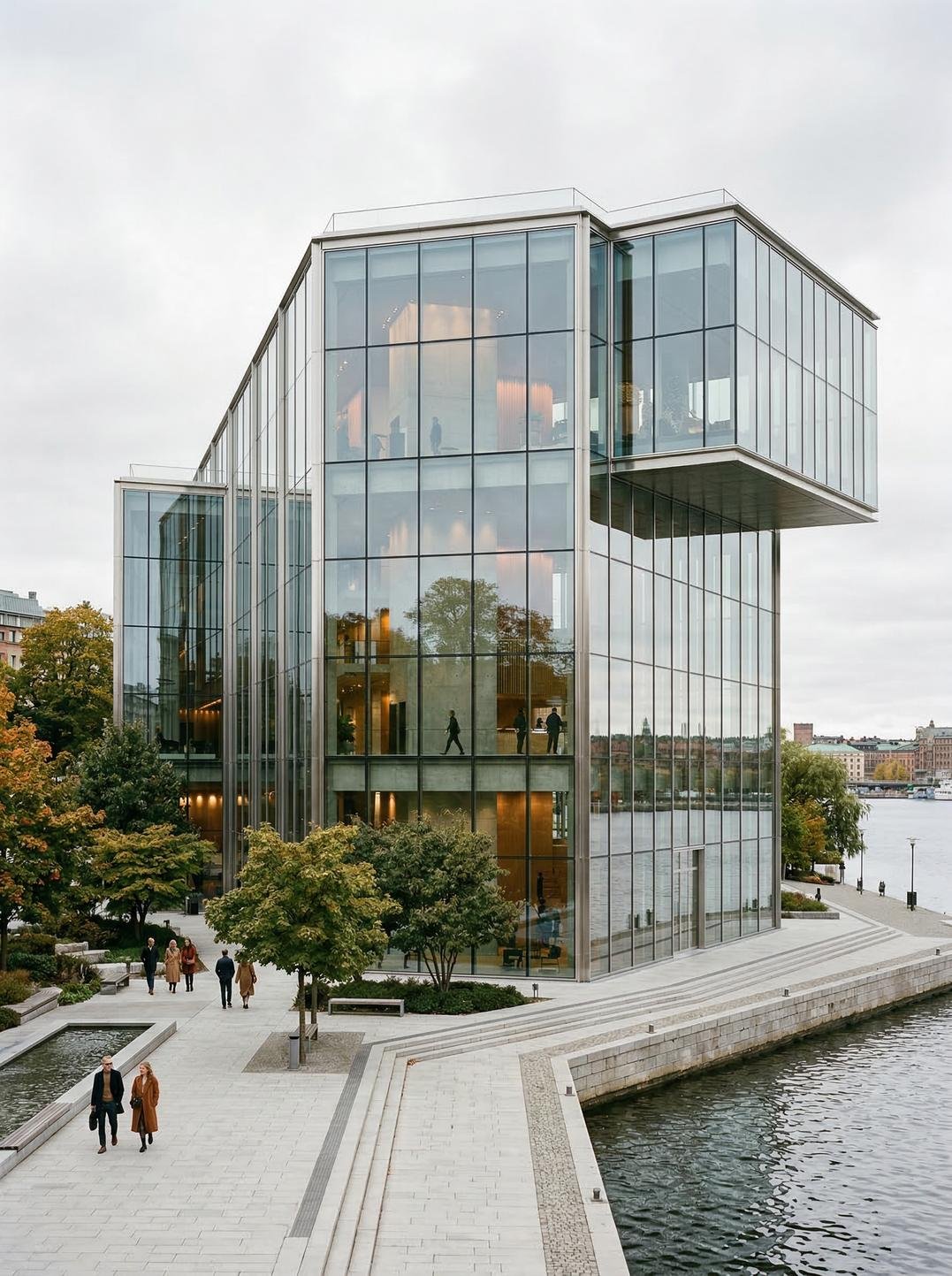
The journey from a flat blueprint to a final image requires a highly structured technical process. The first phase involves detailed 3D modeling, where the studio builds the exact geometry of the proposed space. Precision at this stage is crucial, as any structural inaccuracies will ruin the final rendering.
Once the base model is approved, visualization artists move into the texturing and material assignment phase. This is where a photorealistic 3d visualization truly begins to take shape. Experts apply specific digital materials that mimic real-world light absorption, reflection, and natural wear.
The third and fourth stages focus on advanced lighting setups and post-production refinement. Artists simulate exact geographic sunlight patterns to ensure the shadows fall exactly as they would in reality. Finally, post-production touches like adding people, foliage, and subtle atmospheric effects bring the rendering to life.
Hardware also plays a massive role in delivering these high-fidelity images on strict deadlines. High-performance render farms process billions of light calculations in a fraction of the time a standard workstation would take. This technical infrastructure allows studios to meet demanding B2B marketing schedules without compromising quality.
3. How Accurate Visuals Reduce Client Revision Cycles by Half
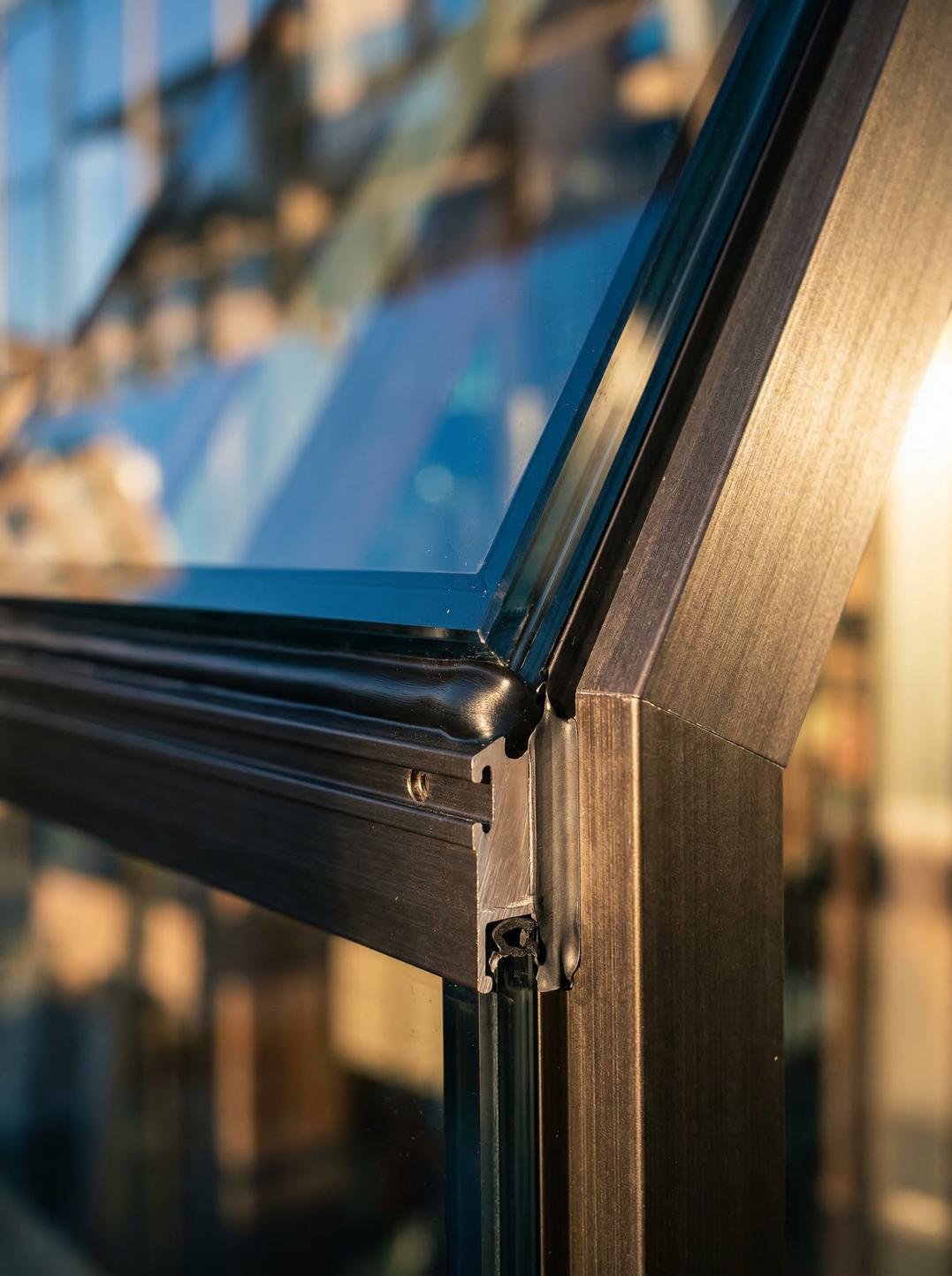
Design changes requested late in the development cycle drain both time and financial resources. When clients cannot properly interpret 2D elevations, they often request massive alterations after construction has started. Implementing a rigorous rendering protocol during the schematic design phase solves this issue entirely.
Clients can explore the exact proportions of a room before a single contractor is hired. If a window placement feels too restrictive or a ceiling too low, it is spotted and corrected digitally. This proactive approach saves developers thousands of dollars in physical rework and material waste.
Top-tier architectural firms mandate that a photorealistic 3d visualization is approved before moving to the construction documentation phase. This locks in the client’s expectations and ensures everyone is operating from the exact same visual baseline. The result is a drastically smoother project timeline with significantly fewer disputes over design intent.
Furthermore, these detailed images act as a perfect visual guide for the construction and contracting teams. Builders can reference the approved visuals to understand the exact material finishes and spatial relationships expected. This minimizes on-site errors and ensures the final built product matches the initial architectural vision perfectly.
4. The Lighting Details Investors Notice First and Studios Often Miss
Lighting is the defining factor that separates amateur work from a truly compelling visual asset. Flat, uniform lighting instantly exposes an image as a cheap, computer-generated fake. Masterful rendering utilizes nuanced lighting hierarchies to guide the viewer’s eye directly to premium design features.
Many novice studios fail to account for color temperature shifts between interior artificial lights and exterior daylight. This oversight creates an unsettling, sterile atmosphere that subconsciously repels potential buyers. A premium photorealistic 3d visualization expertly balances these varying light sources to create a warm, inviting ambiance.
Investors may not know the technical terms, but they intuitively sense when an image lacks depth. Subtle additions like soft ambient occlusion and accurate light bouncing make the space feel tangibly real. Paying attention to these microscopic details in your rendering ultimately justifies higher asking prices.
Another common pitfall is the incorrect scaling of interior furniture and exterior landscaping assets. When a sofa or a tree is disproportionate to the actual CAD dimensions, the whole space feels inherently wrong. Expert studios strictly adhere to real-world measurements to maintain the absolute integrity of the design.
5. Conclusion
Securing investments and closing off-plan sales requires more than just a great structural concept. A precise, atmospheric rendering is the most powerful tool a developer has to communicate true property value. Partner with Arkilex today to request a quote, explore our portfolio, and transform your blueprints into highly profitable visual assets.
6. FAQs
How long does an architectural rendering take to produce?
The timeline typically ranges from one to three weeks depending on the complexity of the 3D model. Larger commercial developments require more time for modeling, texturing, and rendering than smaller residential interiors. Revisions also impact the final delivery date, so prompt client feedback is always encouraged.
What files do I need to provide for a photorealistic 3d visualization?
Studios generally require standard CAD files, PDF floor plans, and detailed exterior elevations to begin accurately. It is also highly beneficial to provide a comprehensive material board or reference imagery for interior styling. The more detailed your initial brief is, the more accurate the initial draft will be.
Can an architectural rendering be modified after the final delivery?
Yes, adjustments can be made to textures, lighting, and furniture even after the final image is delivered. However, structural changes to the geometry may require the studio to re-render the entire scene. Most professional agencies include a set number of revision rounds within their initial contract.
How does high-end visualization improve real estate marketing ROI?
Premium visuals allow marketing teams to launch advertising campaigns months or even years before construction finishes. High-quality imagery attracts serious buyers, secures earlier presales, and often justifies premium pricing for unbuilt units. The initial cost of visualization is quickly offset by shorter sales cycles and reduced holding costs.
“An exemplary collaboration with Arkilex. We brought them in to visualize several projects and the result is simply impressive. Beyond the visual quality, their time management is flawless – deadlines met with rare precision. A trustworthy, responsive, professional partner I highly recommend.”
— Aquaya Maroc ★★★★★ · Google review