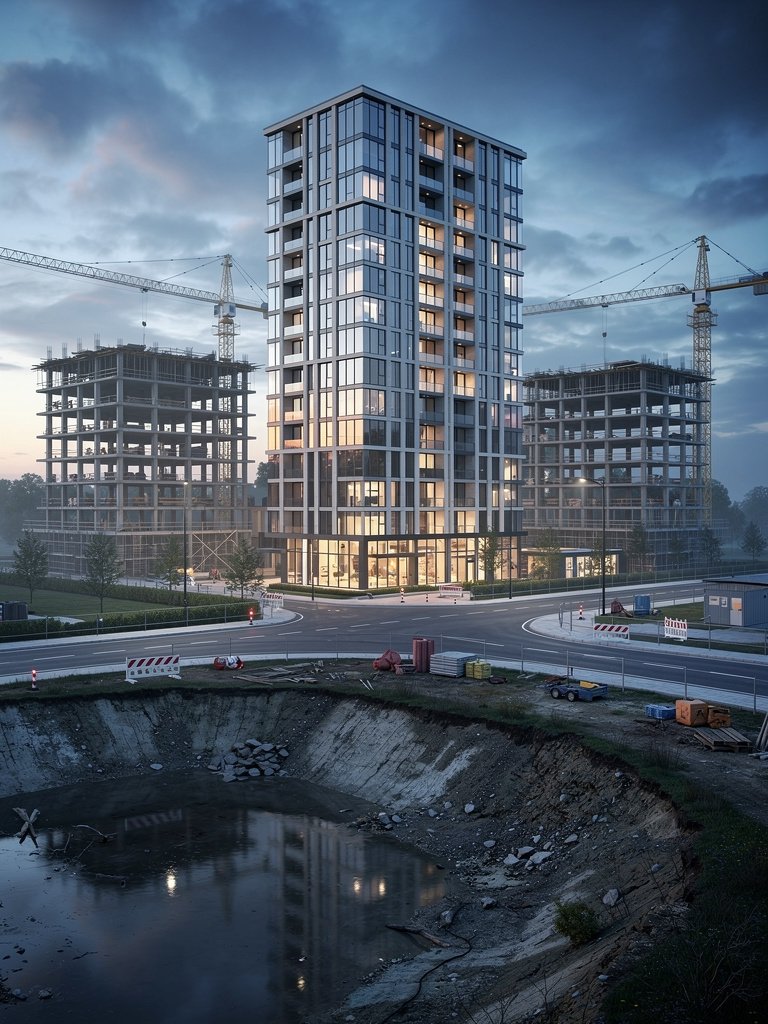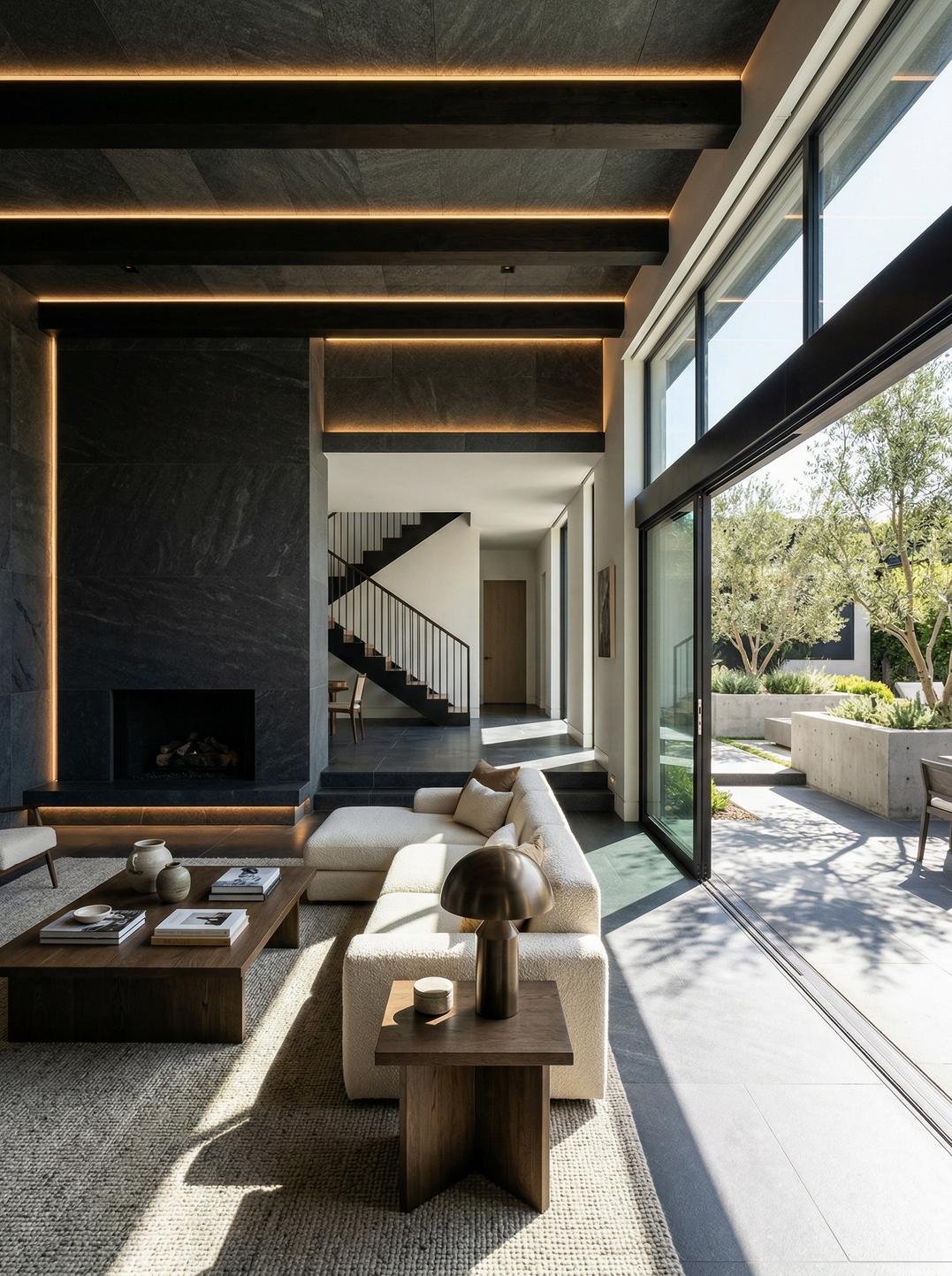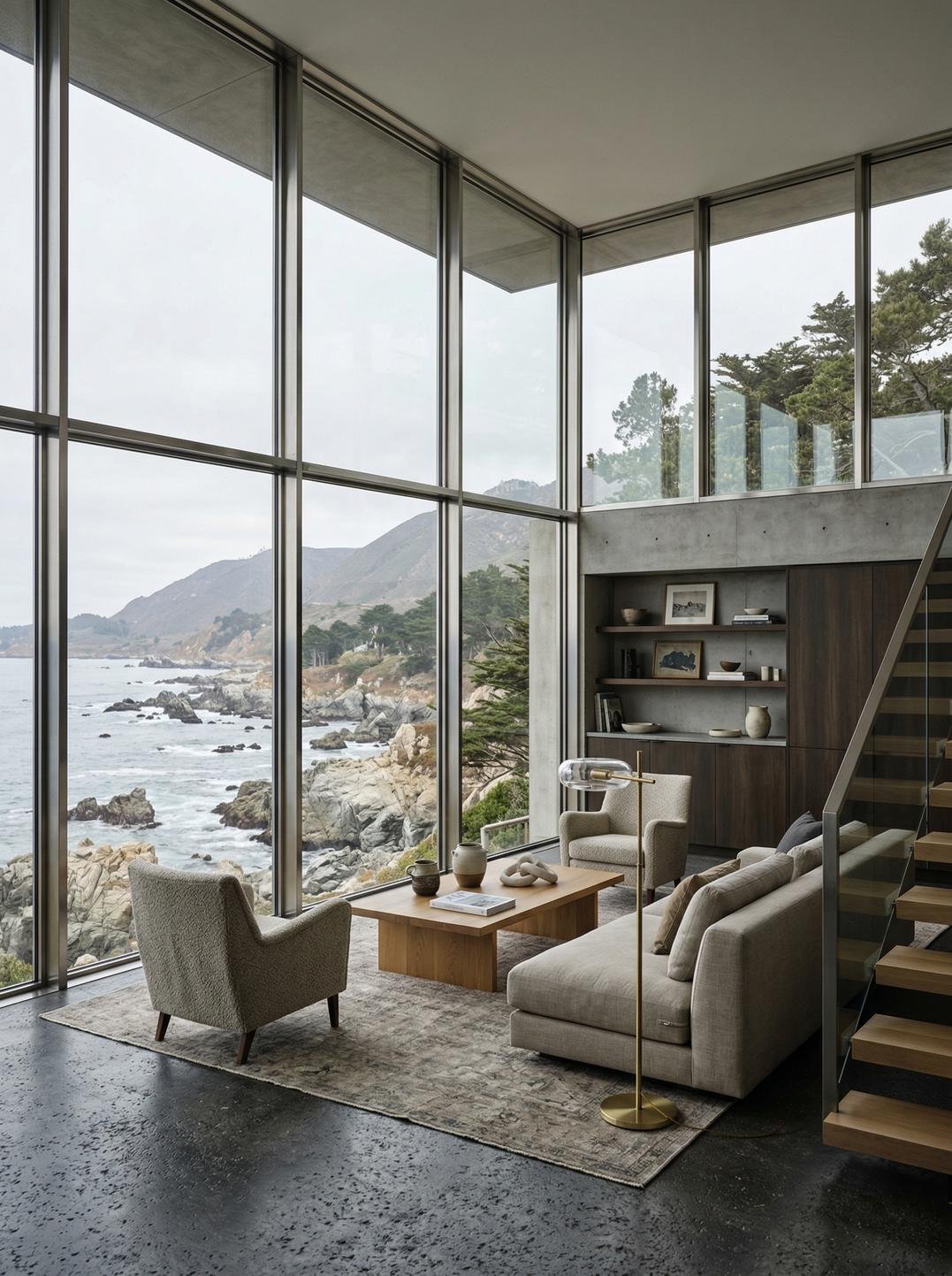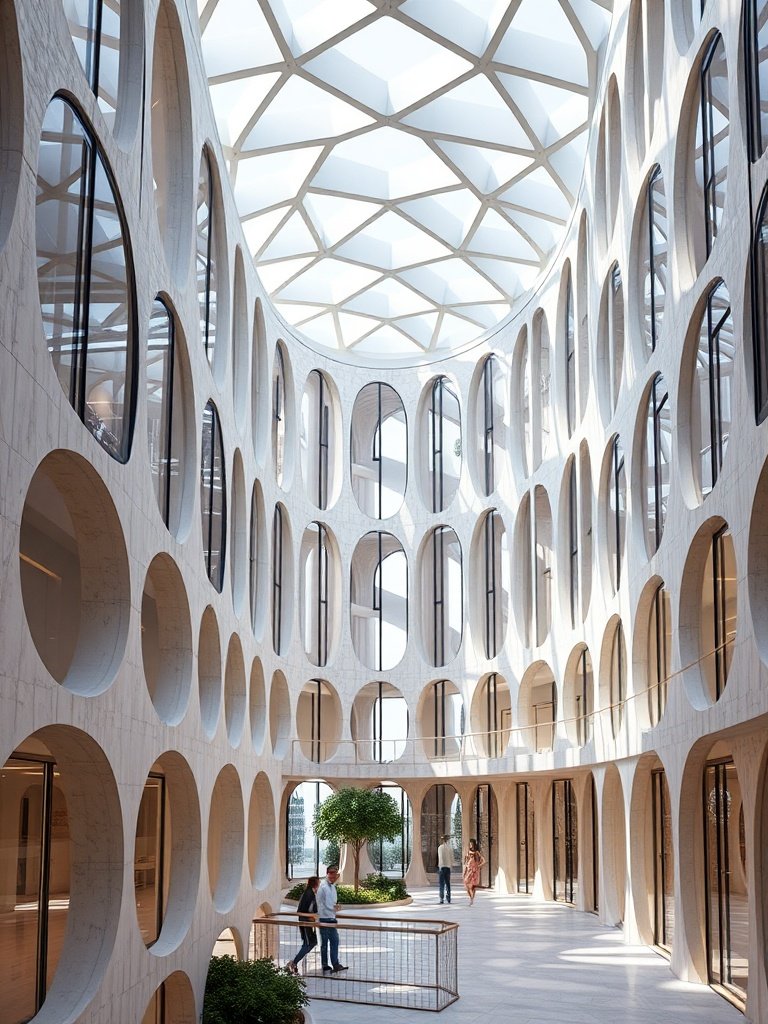

When an interior designer presents to a client, the render is doing most of the persuasion work. Not the material samples, not the floor plan — the image that shows how a space will actually feel when the sun comes through the window at a specific time of day.
If the textures feel flat or the lighting feels sterile, they immediately disconnect from the emotional promise of the project. Developers often fixate on showcasing every square inch of the room, forgetting that the end user is ultimately buying a feeling. This specific disconnect is why investing in photorealistic architectural visualization is not just a marketing line item, but a critical tool for building buyer empathy.
Table of Contents
1. Why the Standard interior design 3d render Fails to Connect With Premium Buyers
Most developers review visual assets by looking for technical accuracy, checking if the marble vein is correct or the baseboards are the right height. However, the premium buyer viewing that exact same interior design 3d render is looking for atmosphere, depth, and a sense of lived-in authenticity. They instantly notice the coldness of a perfectly pristine sofa or the unnatural glare on a seemingly plastic window pane.
When visual assets lack human imperfection, clients feel an unsettling artificiality that triggers distrust in the broader project. A technically flawless but emotionally vacant interior design 3d render creates a massive barrier between the buyer’s aspirations and the developer’s offering. Bridging this gap requires a permanent shift from merely documenting the architecture to actively translating the intended lifestyle.
By adopting the buyer’s perspective, developers can direct their visualization teams to focus heavily on the experiential qualities of the space. This subtle pivot transforms a standard photorealistic architectural visualization into a persuasive, high-converting narrative that validates the premium price point. Clients need to feel understood before they sign contracts, and visual assets are the first critical step in that communication.
2. The Psychological Staging Workflow Behind High-Converting Visuals

The buyer’s eye naturally seeks a focal point upon entering a room, a psychological habit that must dictate the staging workflow. True visual empathy begins by mapping out the emotional journey the client will take when initially examining the interior design 3d render. This means arranging furniture and decor not just to show scale, but to actively invite the viewer to mentally inhabit the scene.
Strategic staging implies recent human presence, such as a slightly draped throw blanket or a half-read book catching the morning light. These carefully calculated micro-details reassure the buyer, signaling comfort and warmth rather than rigid, unapproachable luxury. Every interior design 3d render should undergo a strict review phase specifically dedicated to evaluating this emotional resonance before final delivery.
Developers who understand this psychological mapping routinely see faster pre-sales because their imagery speaks directly to core buyer desires. The visualization workflow must prioritize the client’s emotional processing over the architect’s desire to show an unobstructed view of the ceiling trim. A space that feels ready to be lived in instantly lowers a buyer’s natural defensive barriers.
3. How Tactile Lighting Approaches Reduce Buyer Hesitation by Half
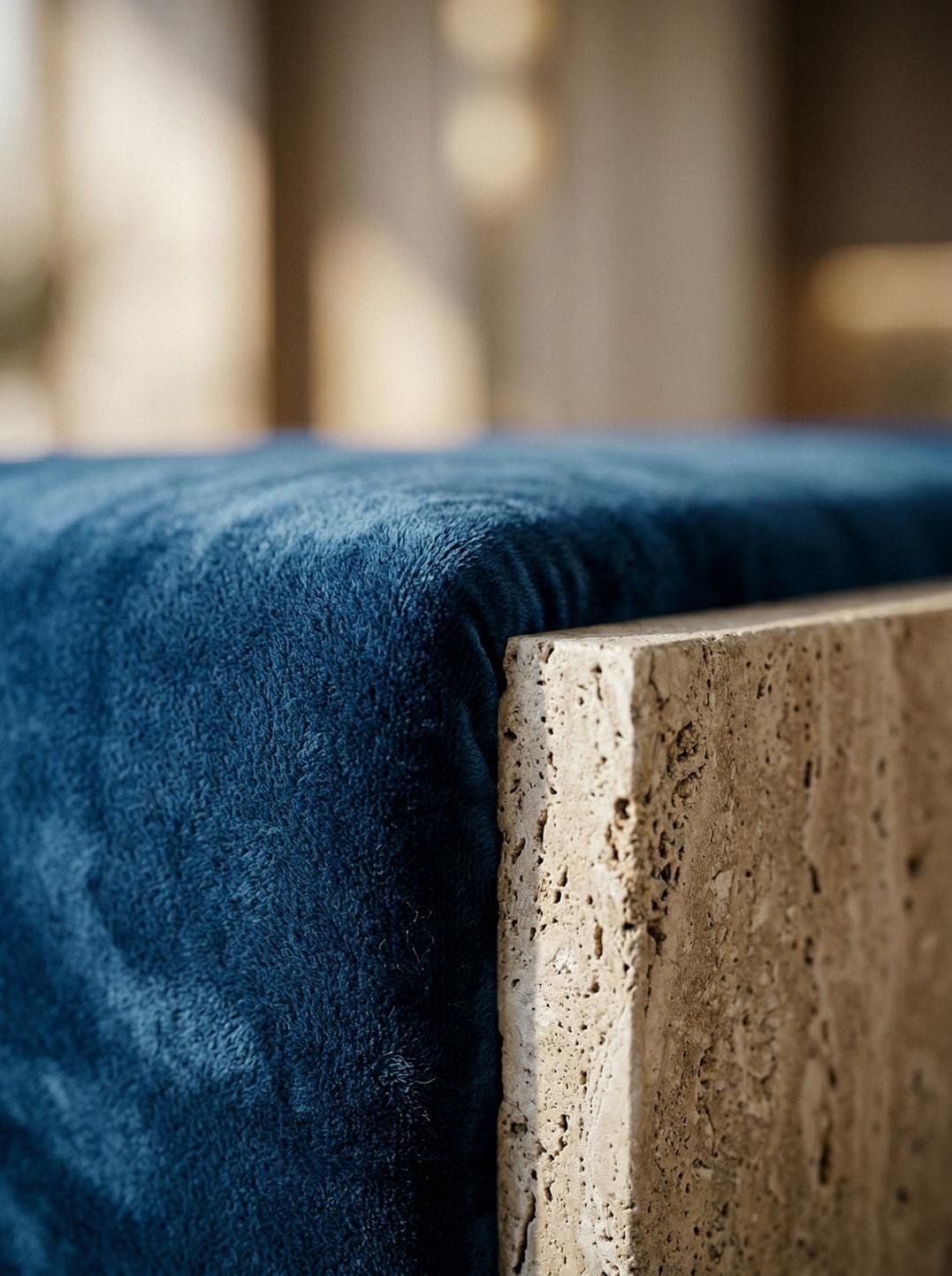
Buyers cannot physically touch the materials in an off-plan development, so they rely entirely on their eyes to accurately gauge quality. When lighting behaves authentically across different surfaces, it successfully triggers a tactile memory in the viewer’s brain. This psychological phenomenon is why a masterfully lit interior design 3d render can dramatically reduce a buyer’s hesitation regarding material finishes.
If the sunlight pooling on hardwood floors feels warm, the client unconsciously trusts that the actual floor will feel solid underfoot. Conversely, flat digital lighting makes expensive stone countertops look like cheap laminate, instantly degrading the perceived value of the entire property. Utilizing advanced photorealistic architectural visualization techniques ensures that natural light interacts with volumetric dust, soft fabrics, and reflective metals perfectly.
This highly tactile lighting approach bridges the inherent sensory gap involved in buying unbuilt real estate. By prioritizing how a material visually feels through an interior design 3d render, developers remove a massive cognitive hurdle for their investors. The client stops analyzing the image for digital flaws and starts imagining themselves living within the beautifully illuminated space.
4. The Subtle Proportions Investors Notice First and Studios Often Miss

Investors possess a highly attuned radar for spatial disharmony, even if they completely lack the technical vocabulary to articulate what is wrong. They will immediately sense if a sofa looks unusually small compared to the ceiling height, leading them to question the room’s usability. An interior design 3d render that ignores real-world camera focal lengths heavily distorts these proportions, creating an unsettling visual experience for the client.
While studios might stretch a camera lens to fit more furniture into the frame, the sophisticated end buyer perceives this as deceptive marketing. They inherently interpret warped perspectives as a deliberate developer attempt to make tight spaces appear artificially large. High-end photorealistic architectural visualization strictly adheres to realistic human eye levels and standard architectural photography lenses to maintain total visual transparency.
When investors view an honest, proportionally accurate interior design 3d render, their confidence in the developer’s underlying integrity deepens. Respecting the client’s visual intuition rather than trying to trick their eye ultimately secures the trust necessary to close deals. Honesty in spatial representation proves to the buyer that the developer is confident in the actual product being built.
5. Conclusion
Understanding the emotional and psychological filters of the end buyer is exactly what separates standard imagery from visuals that successfully sell properties. Every interior design 3d render must be carefully crafted not just as a technical document, but as a compelling invitation to a future lifestyle. Partner with Arkilex architectural visualization studio today to create empathetic, high-converting imagery that deeply resonates with your most discerning clients.
6. FAQs
How does an interior design 3d render influence a buyer’s perception of value?
Buyers subconsciously link the quality of the visual presentation to the quality of the final construction. A realistic, emotionally resonant image builds immediate trust and justifies premium pricing before the buyer even reads the property specifications.
What elements in a render make a space feel genuinely lived-in to clients?
Clients respond to subtle humanizing details like soft natural lighting, realistically draped textiles, and logical furniture arrangements. These deliberate micro-imperfections remove the sterile feeling of a digital model, allowing the buyer to easily picture their own daily routines within the space.
Why is photorealistic architectural visualization crucial for off-plan property sales?
Off-plan buyers are taking a significant financial risk based entirely on a visual promise. High-quality visualization removes the cognitive load of trying to imagine a space, replacing uncertainty with a tangible, reassuring preview of their future investment.
What is the most common mistake developers make when reviewing visual assets?
Developers often over-analyze technical architectural details while completely ignoring the overall atmosphere and emotional tone of the image. The end buyer rarely cares about exact baseboard measurements; they care about whether the room feels inviting, spacious, and aligned with their lifestyle aspirations.
“An absolutely excellent 3D team that I genuinely enjoy working with – always attentive, responsive, and open to adjustments. Communication is seamless and the results consistently meet our expectations. A trusted partner I recommend without hesitation.”
— Sofia Bouziane ★★★★★ · Google review