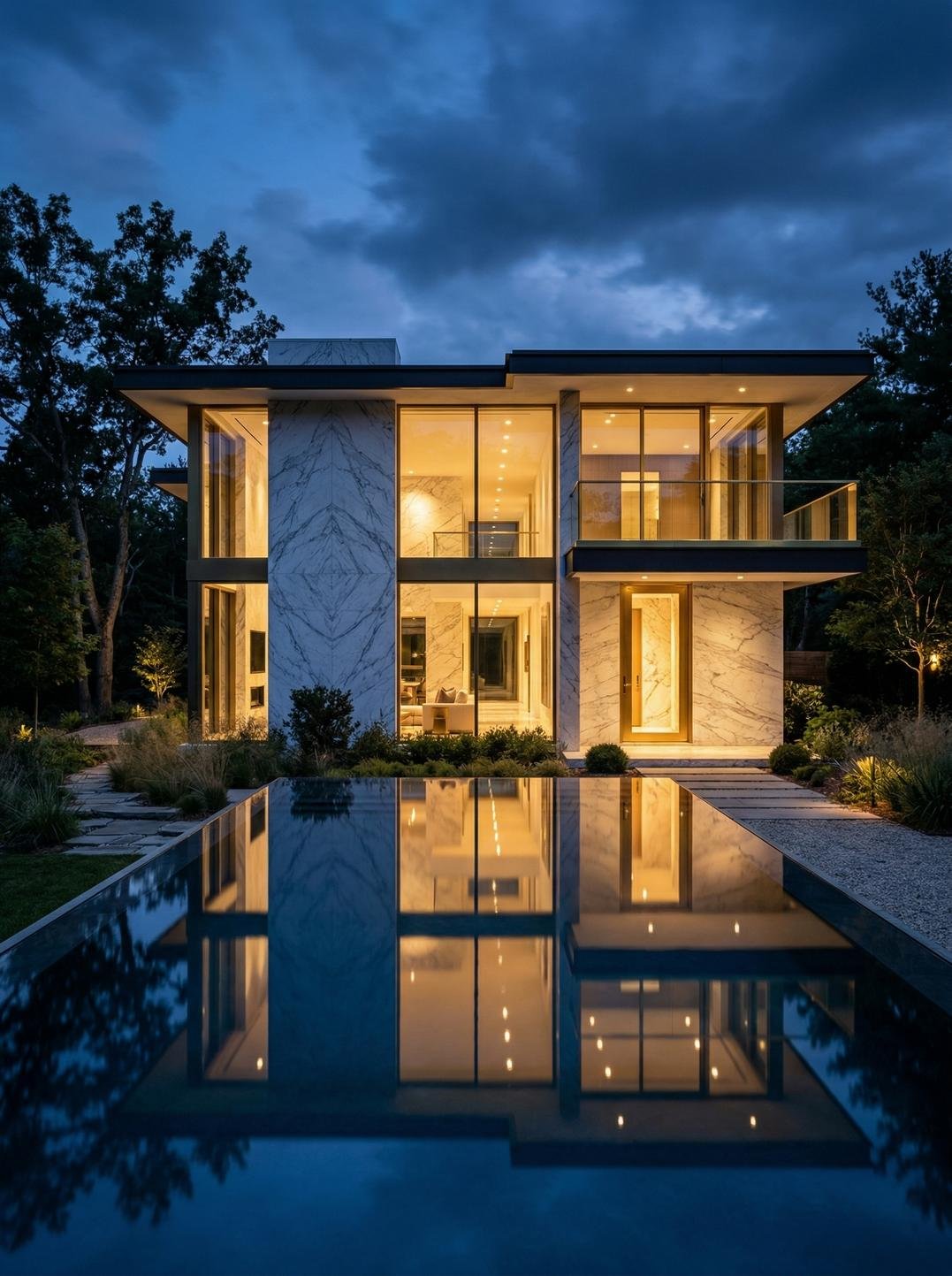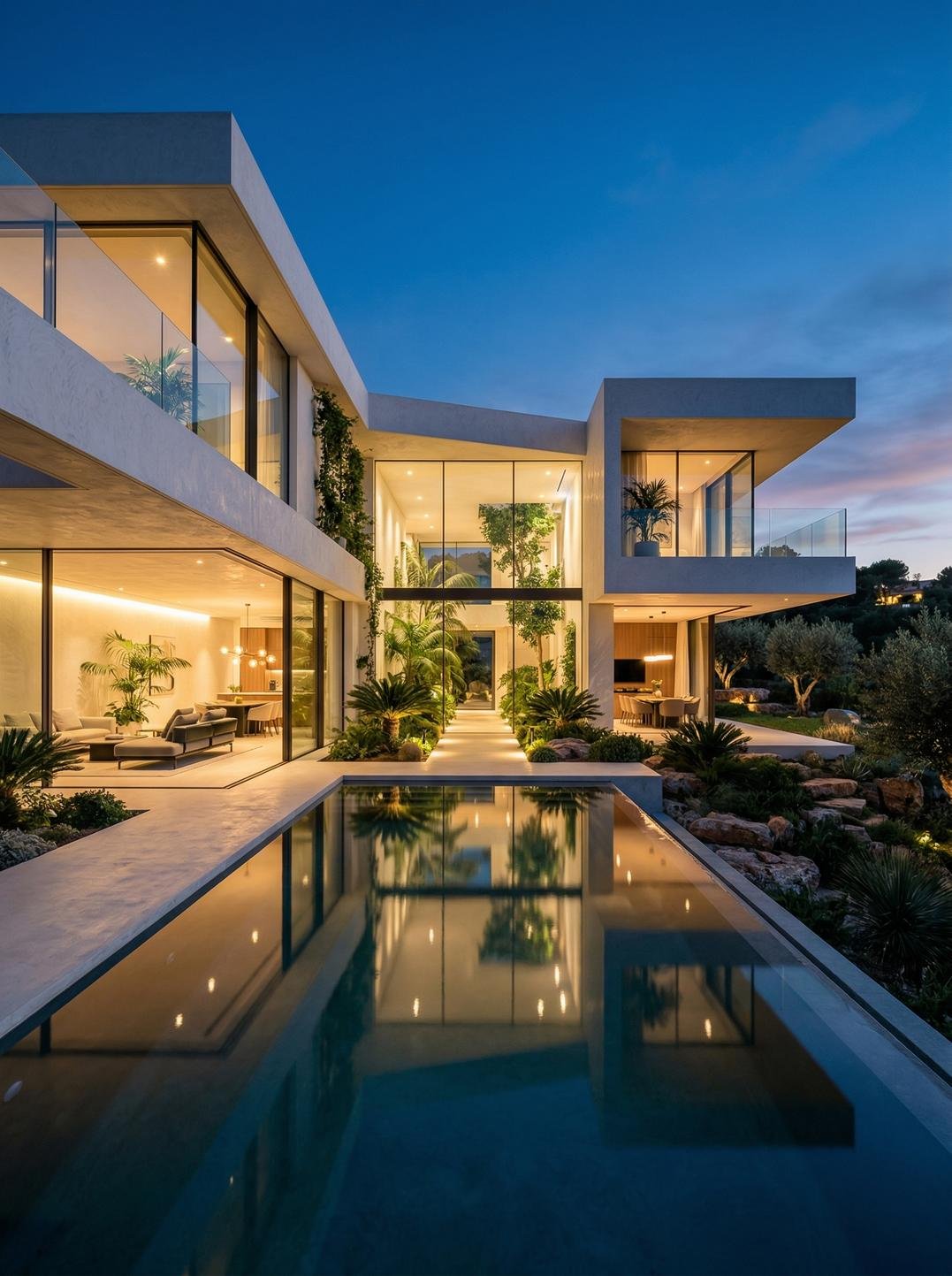

Interior architectural visualization operates at the intersection of design and sales. It has to satisfy the architect who needs their design accurately represented, and the developer or buyer who needs to feel the space before they can commit to it.
Average architectural firms often view these renderings as a mandatory checkbox to be rushed at the very end of the schematic design phase. Top-tier competitors operate differently, understanding that luxury real estate 3d rendering is a strategic marketing asset specifically engineered to anchor premium off-plan pricing. This fundamental shift in operational philosophy definitively separates the market leaders from the average developers who are constantly forced to negotiate down to close deals.
Recognizing this widening gap in market presentation is the first step toward repositioning a property portfolio for maximum returns. The following competitive breakdown reveals exactly how elite studios formulate imagery that outpaces competing developments and dominates the current real estate landscape.
1. The Multi-Phase Workflow Behind Market-Leading interior architectural visualization
True competitive advantage requires moving decisively beyond standard 3D modeling to implement a phased, intelligence-driven production pipeline. Superior interior architectural visualization begins with an exhaustive analysis of both target demographic psychology and hyper-local luxury market trends. By the time a top-tier studio actually begins manipulating software parameters, they have already established a rigorous lifestyle narrative designed to command the highest market value.
The subsequent phases involve meticulous lighting simulations and physical material matching processes that average studios routinely bypass to save time. When developers intentionally integrate luxury real estate 3d rendering into their early schematic workflows, they actively uncover spatial and design conflicts before construction begins. This proactive workflow inherently protects projected project margins while simultaneously producing visual assets that easily withstand intense buyer scrutiny.
Furthermore, this systematized approach allows marketing teams to sequence their promotional rollouts with unparalleled confidence and precision. Competing developers relying on fragmented, ad-hoc rendering solutions ultimately struggle to maintain a cohesive brand identity across their various sales channels. Establishing a regimented visualization workflow is no longer optional for firms seeking to lead their respective property sectors.
2. Why Disconnected Materiality Sabotages Premium Development Portfolios
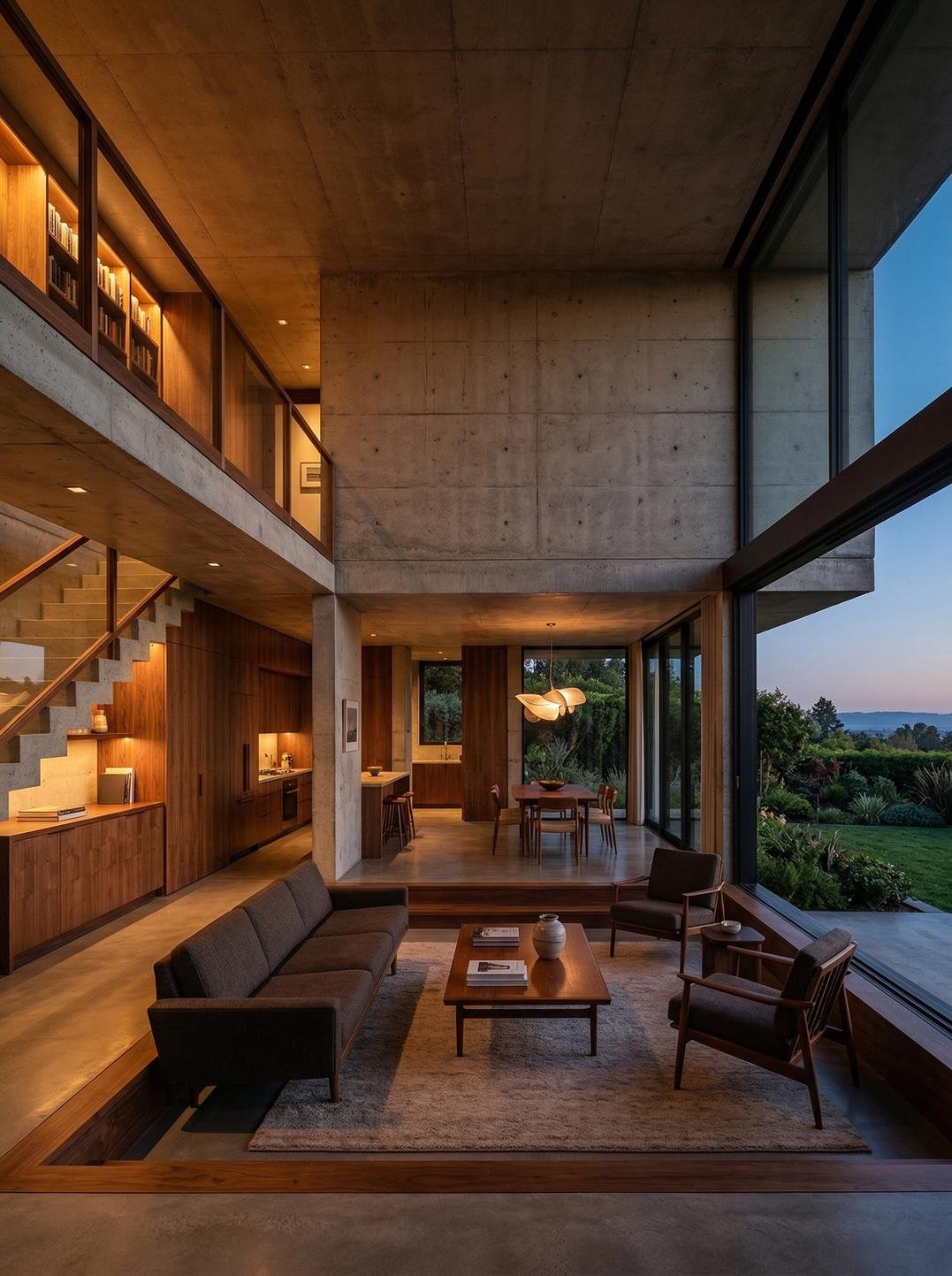
A persistent problem across mid-market development portfolios is the jarring, unprofessional disconnect between specified physical materials and the final rendered digital output. When a visual asset fails to accurately capture the exact specular highlights of custom marble or brushed brass, discerning buyers intuitively lose trust. This subtle but damaging visual dissonance ultimately forces sales teams to over-explain the design intent rather than letting the premium imagery speak for itself.
Market leaders efficiently solve this inherent problem by strictly mandating physically-based rendering pipelines from their chosen visualization partners. High-end luxury real estate 3d rendering completely eliminates the critical gap between buyer expectation and construction reality by treating light and texture mathematically rather than artistically. Consequently, the developer’s premium architectural finishes are communicated with absolute authority, effortlessly justifying top-tier square-footage pricing in a saturated market.
By investing heavily in material accuracy, elite developers effectively neutralize a buyer’s instinct to question the underlying quality of the broader construction project. The most successful sales galleries operate under the assumption that clients will meticulously compare rendering textures against physical material boards. Winning the pre-sales war requires a seamless, undeniable match between these two critical presentation elements.
3. What Private Equity Partners Demand From Pre-Development Visuals

Institutional investors and private equity partners evaluate financial risk heavily through the sophistication and polish of a developer’s presentation collateral. When these stakeholders review an interior architectural visualization, they are fundamentally looking for precise market alignment rather than purely artistic or subjective flair. They carefully measure whether the atmospheric qualities and spatial arrangements of the imagery directly align with the projected demographic’s historical purchasing behavior.
Securing substantial funding for complex, multi-phase projects requires undeniable visual proof that the development team deeply understands spatial hierarchy and modern luxury detailing. Elite developers strategically utilize luxury real estate 3d rendering to explicitly demonstrate how natural light interacts with premium common areas and expansive private residences. This strategic execution vividly signals profound operational maturity, immediately elevating the developer above competing firms pitching with flat, uninspired 2D elevations.
Ultimately, capital flows toward certainty, and highly accurate architectural representations provide the tangible reassurance that financial backers require. Developers who present masterfully crafted spatial narratives dramatically shorten their capital-raising cycles and secure more favorable investment terms. The visual collateral becomes a formidable tool of financial persuasion rather than just a simple preview of the final architecture.
4. The Lighting Details That Expose Outdated Visualization Pipelines

The clearest, most undeniable benchmark of a visualization studio’s true capability lies in how they handle complex secondary lighting and intricate shadow diffusion. Average interior architectural visualization often relies on uniform, blown-out artificial illumination that aggressively flattens spatial depth and erases subtle architectural nuances. This common technical shortcut immediately registers as glaringly artificial to high-net-worth buyers who are deeply accustomed to nuanced, atmospheric environments in their daily lives.
Conversely, the elite visualization studios actively driving industry standards utilize global illumination algorithms that mimic the precise geographic coordinates and specific time of day. This high-fidelity approach flawlessly captures the subtle ambient light bouncing from rich hardwood floors onto beautifully textured neutral walls. Implementing this rigorous technical standard ensures your luxury real estate 3d rendering portfolio effortlessly outclasses the heavily saturated market of generic digital staging.
Discerning the difference between adequate lighting and masterful illumination is what separates benchmark developments from lingering market inventory. Buyers may not possess the technical vocabulary to critique a render’s lighting setup, but they absolutely feel the emotional impact of proper spatial illumination. Commanding a premium position in the market absolutely demands imagery that leverages lighting as a primary storytelling device.
5. Conclusion
The benchmark for interior architectural visualization has permanently shifted from basic geometric representation to strategic competitive dominance. Developers who accurately recognize this critical transition are capturing market share rapidly by leveraging intelligent imagery that commands uncompromised premium pricing. Partner with Arkilex architectural visualization studio to engineer elite visual assets that systematically outperform your strongest competitors and dramatically accelerate your next sales cycle.
6. FAQs
What defines a competitive interior architectural visualization workflow?
A competitive workflow integrates demographic research, precise physical material scanning, and algorithmic atmospheric lighting studies. It moves beyond simple geometry to create a strategic marketing asset designed specifically to outperform rival local developments.
How does high-end visualization directly impact pre-sales velocity?
Superior visual assets permanently remove buyer friction by answering complex spatial and material questions before they are even asked in the sales gallery. This establishes immediate market authority, allowing sales teams to close deals significantly faster and at noticeably higher price points.
Why do average studio renderings fail in the high-end property sector?
Outdated rendering pipelines consistently rely on flat lighting and generic textures that fundamentally fail to convey true architectural value. Discerning luxury buyers unconsciously detect these visual inconsistencies, which rapidly degrades brand trust and forces developers to defensively justify their asking price.
When should developers engage a visualization studio for maximum market advantage?
Top-tier developers initiate this crucial partnership during the late schematic design phase to actively influence spatial marketing strategies early in the process. This proactive operational alignment ensures the resulting imagery dictates the broader market narrative rather than just reacting to finalized blueprints.
“Few teams can turn an abstract vision into such a harmonious reality. They merged bold architecture, precise interior design, and the poetry of landscaping. Rigor, boundless creativity, and a contagious passion.”
— Khalif Khalif ★★★★★ · Google review