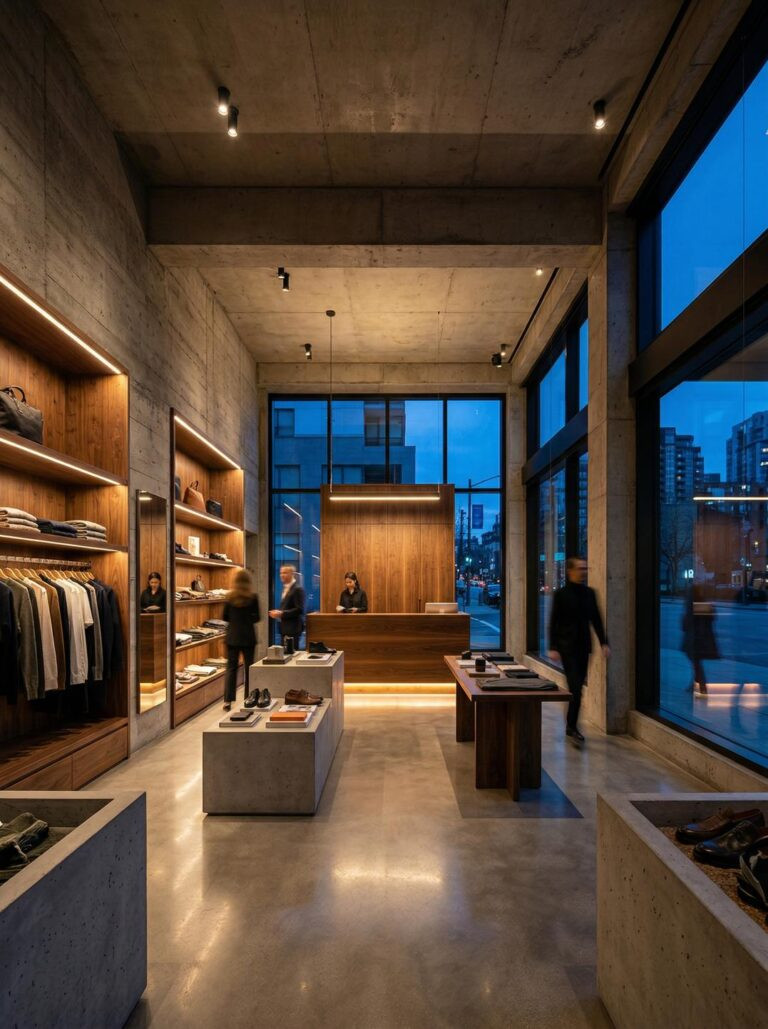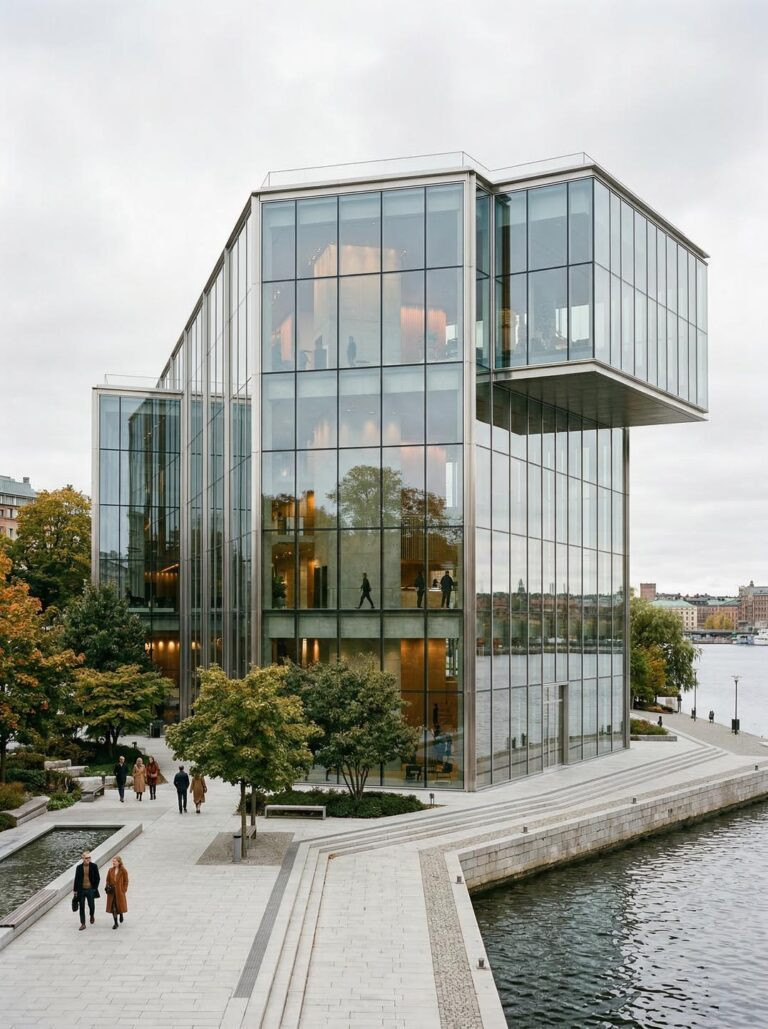

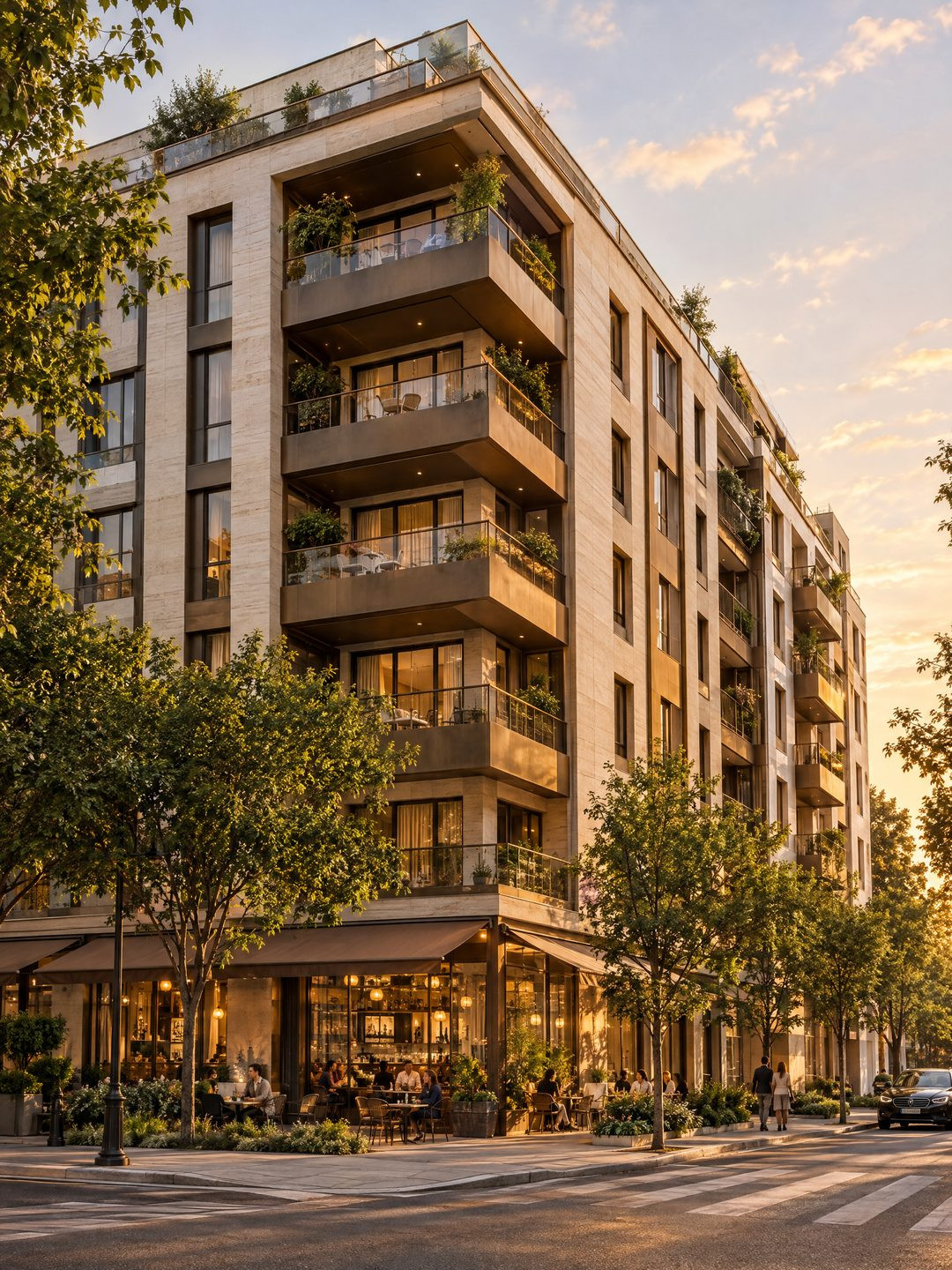
One of the first questions on any call with a developer is how many renders the project needs. Too few, and the campaign runs out of images in the second month. Too many, and money goes into rooms nobody looks at. The right number comes from a shot list built around the buyer, not from a package size.
Key takeaways
- A typical residential launch needs roughly 8 to 15 still renders, depending on the number of unit types and amenities.
- The National Association of Realtors found buyers care most about the living room (37%), primary bedroom (34%) and kitchen (23%).
- A good shot list covers the hero exterior, key interiors, amenities, views and a few material details.
- Ordering renders in phases protects the budget when designs or launch dates change.
A shot list is the planned set of camera views for a visualization project, each with a purpose, a channel and a priority. Arkilex builds one with every client before modeling starts, so every render has a job in the campaign.
1. How many renders does a typical project need?
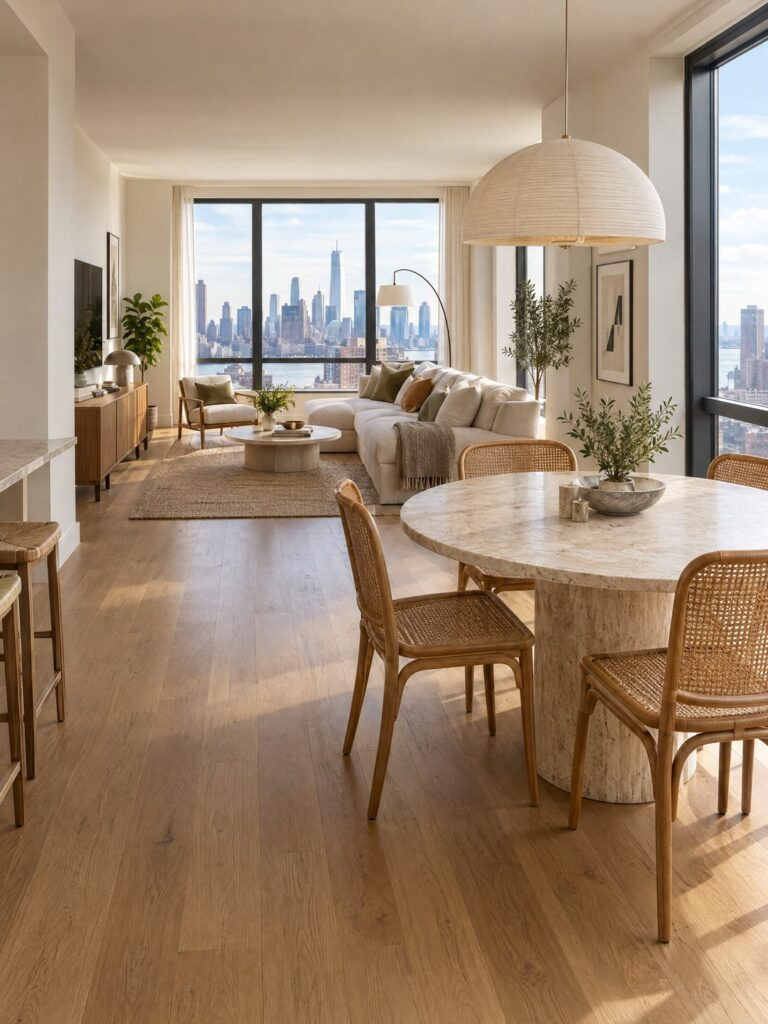
A typical residential launch needs between 8 and 15 still images. A single villa can be sold with 6 to 8; a tower with several unit types, a lobby, a gym and a rooftop pool may need 20 or more.
The number grows with variety, not with size. Fifty identical apartments need fewer images than ten different villa types, because each typology needs its own key interiors.
The table below is a starting point we adjust for each brief.
| Project type | Exteriors | Interiors | Amenities and details | Typical total |
|---|---|---|---|---|
| Single villa | 2 to 3 | 3 to 4 | 1 to 2 | 6 to 8 |
| Small residential building | 2 to 3 | 4 to 6 | 2 to 3 | 8 to 12 |
| Tower or large scheme | 3 to 4 | 6 to 10 | 4 to 6 | 13 to 20 |
2. Which rooms should you render first?
Render the rooms buyers care about most, in that order. The National Association of Realtors 2025 Profile of Home Staging ranked them clearly: the living room at 37%, the primary bedroom at 34% and the kitchen at 23%.
The same report found that sellers’ agents most often staged the living room (91%), the primary bedroom (83%) and the dining room (69%). Physical staging and interior renders solve the same problem, so the priorities carry over directly.
Bathrooms, secondary bedrooms and corridors can wait for a second phase, or be covered by one strong detail shot each.
3. A 5-step shot list for a residential launch
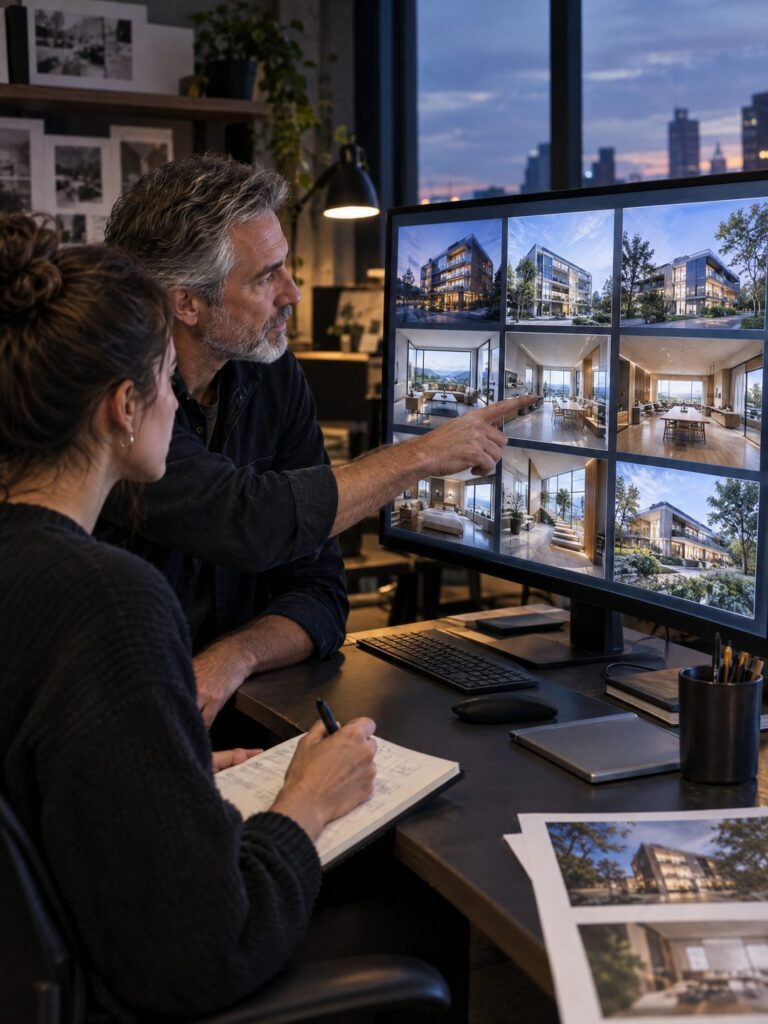
Build the list in five layers, from the image everyone sees to the ones only serious buyers study.
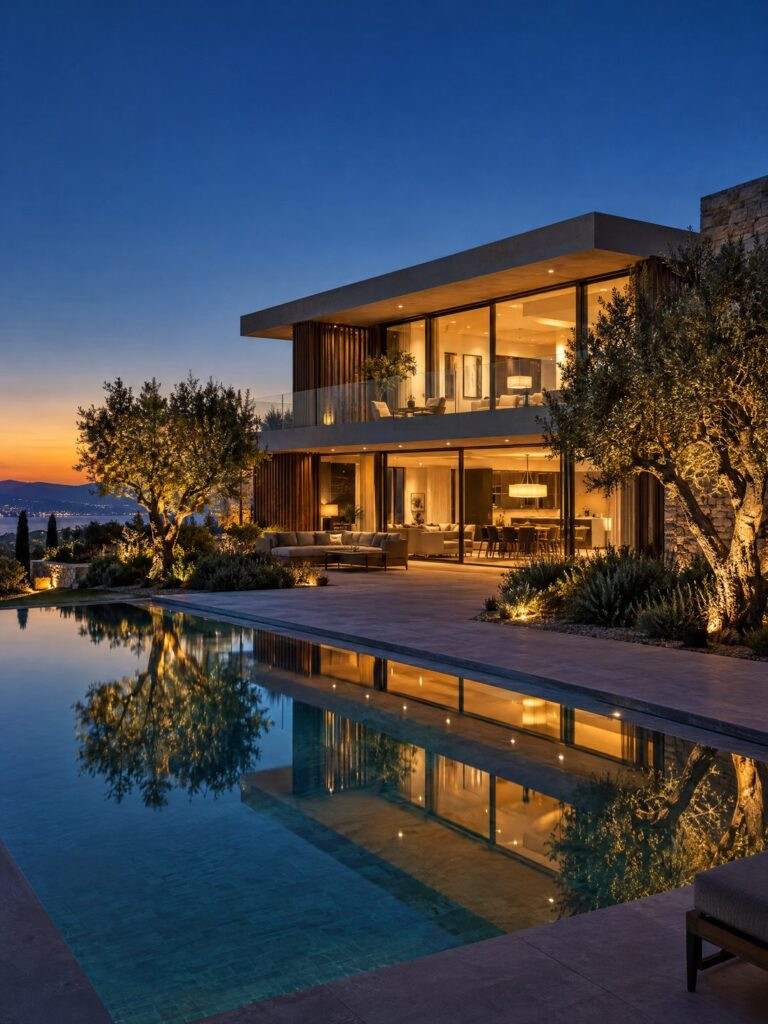
- Hero exterior: one image that sells the whole project, in day or dusk light.
- Secondary exteriors: the entrance, the garden or pool, and a street-level view.
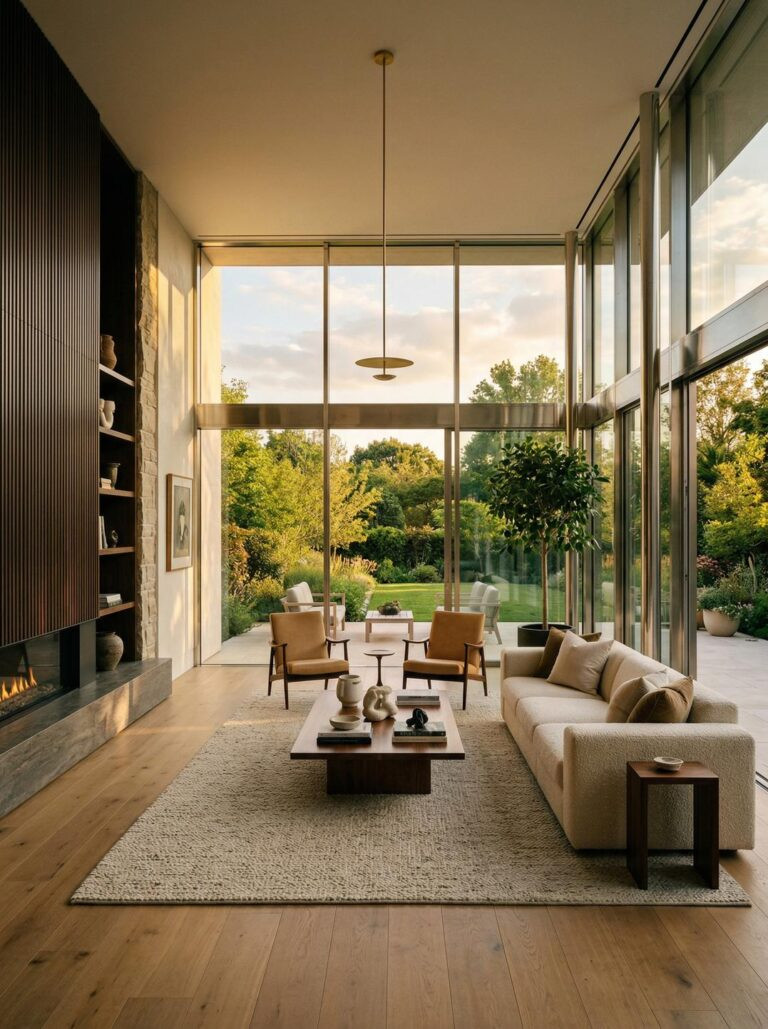
- Key interiors: living room, kitchen and primary bedroom for each main unit type.
- Amenities and views: lobby, pool, gym, rooftop and the view from a typical balcony.
- Details: two to four close-ups of stone, joinery and fittings.
Every line on the list should name its channel. If an image has no place in the brochure, the website or the ads, it probably does not need to exist.
4. How should you phase the rendering budget?
Phase it around the sales calendar. Order the hero exterior and the three key interiors first, because they are needed for pre-launch material, then add amenities and details once the launch date is fixed.
Phasing has a second benefit: it lets the first images be reviewed before the rest are built. Material or lighting decisions made on the first set carry through the whole project, which saves revision rounds later.
A useful rule is to keep part of the budget in reserve. Launches almost always reveal a missing view, such as a specific balcony outlook or a parking entrance that buyers keep asking about, and a reserve lets you add it without reopening the whole contract.
It also leaves room to respond to data. If the ads show that the pool image brings the cheapest inquiries, the next phase can include more lifestyle views.
5. Agreeing the final number with your studio
Decide the number together, after a shot-list call rather than from a price sheet. A good studio will tell you when a view is redundant, and when one extra image would carry a whole channel.
Bring the floor plans, the unit mix, the list of amenities and a clear idea of where the images will run. With those four inputs, the shot list usually takes less than an hour to agree.
If you are budgeting a launch, book a shot-list call with Arkilex. We will propose the smallest set of images that covers every channel you plan to use.
6. Frequently asked questions
How many renders does a residential project need?
Most residential launches need between 8 and 15 still renders. A single villa can often be sold with 6 to 8 images, while a large tower with several unit types and amenities may need 20 or more. The number depends on how many different spaces buyers need to see, not on the size of the building.
Which render should be produced first?
The hero exterior should come first, because it appears on the brochure cover, website, hoardings and ads. After that, render the living room, kitchen and primary bedroom of the main unit type, which are the rooms buyers care about most according to the National Association of Realtors.
Is it better to order all renders at once?
Not usually. Ordering in phases lets you approve materials and lighting on the first images before the rest are built, which reduces revisions. It also protects the budget if the design or launch date changes, and lets campaign data guide which additional views to commission later.
Do different unit types need separate renders?
Yes, when they differ in layout, size or finish level. Each main typology needs its own key interiors so buyers can see what they are actually purchasing. Units that share the same layout and specification can share renders, with a note explaining minor differences between floors.
“Few teams can turn an abstract vision into such a harmonious reality. They merged bold architecture, precise interior design, and the poetry of landscaping. Rigor, boundless creativity, and a contagious passion.”
— Khalif Khalif ★★★★★ · Google review