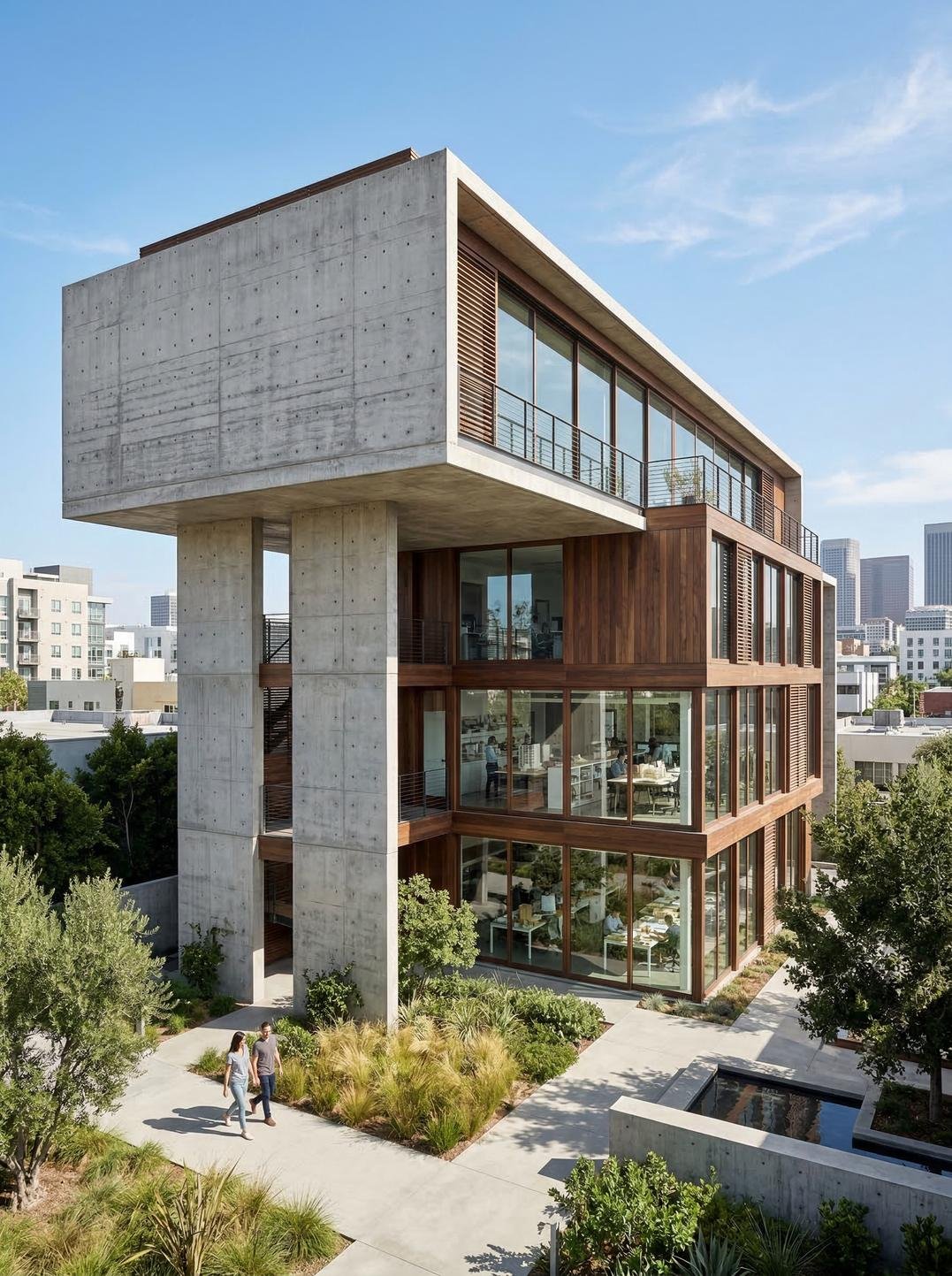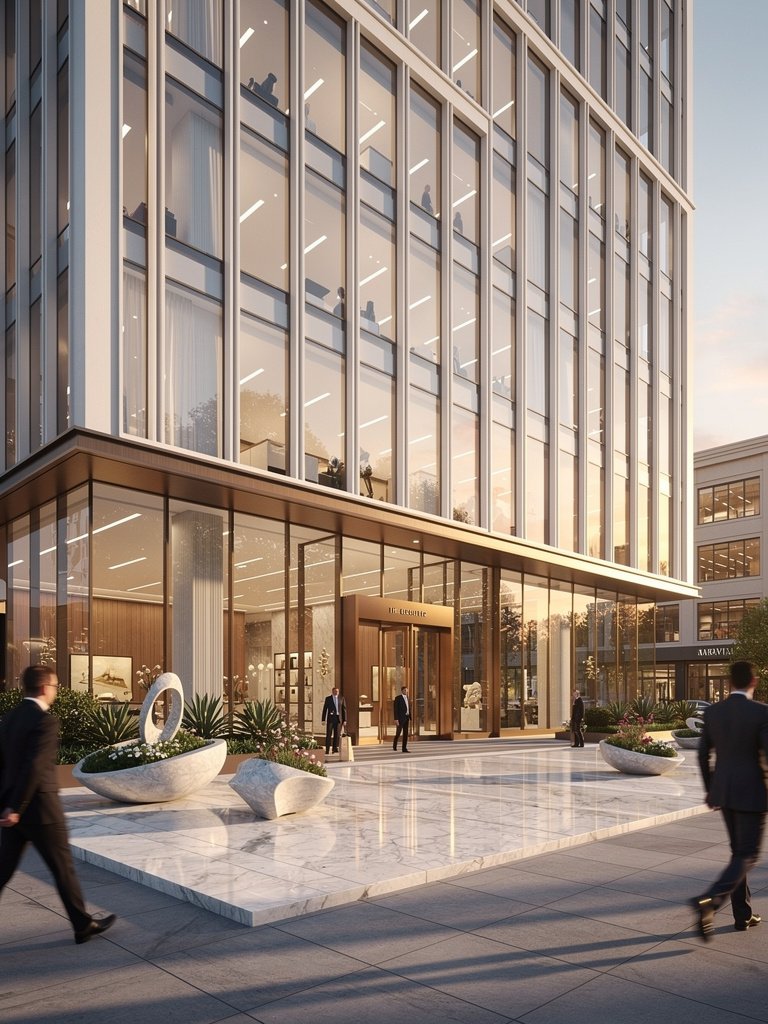

Corporate clients sign off on interior design packages that will represent their brand for a decade or longer. The render shown in the boardroom is often the single most important visual in that decision process — and corporate stakeholders evaluate it very differently from how residential buyers do.
If the visual narrative forces them to imagine how the space functions, you have already lost their attention. Empty floor plates and basic wireframes create an immediate psychological barrier for executives trying to mitigate risk. They need to see a thriving, functional ecosystem before they can justify a multi-million dollar lease commitment.
Table of Contents
1. Why Most corporate interior design Presentations Fail Before the Tenant Arrives
Developers frequently present photorealistic, yet entirely sterile, floor plates that fail to resonate with modern business leaders. The end user is looking for a spatial translation of their company culture, not a generic arrangement of workstations. A successful corporate interior design rendering must anticipate the tenant’s anxieties about team collaboration and acoustic privacy.
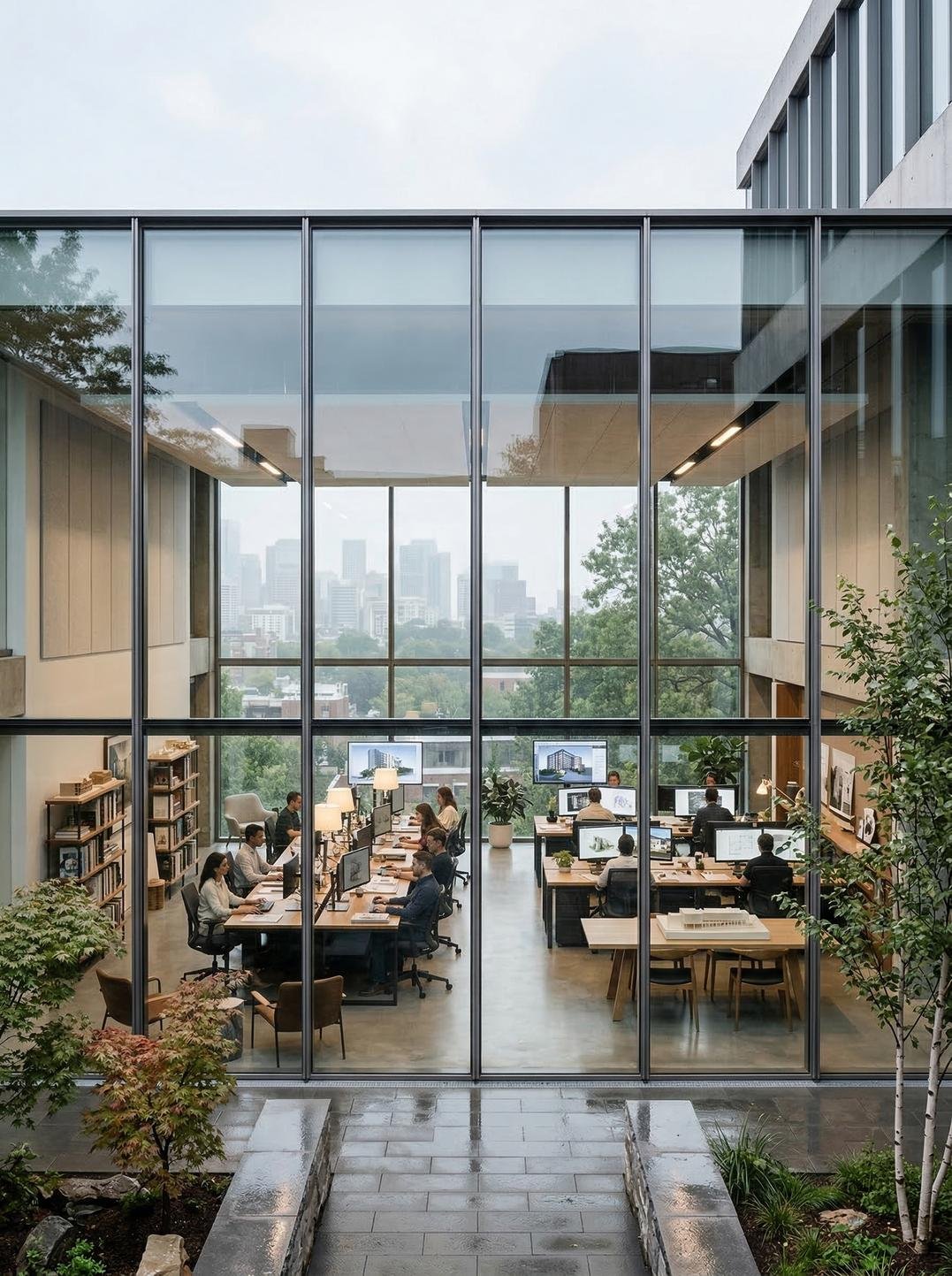
Tenants need to see workplace layout optimization mapped out visually before they sign a multi-year lease. When visualizations lack this human-centric depth, decision-makers struggle to justify the premium square footage costs to their respective boards. They want to observe how natural light interacts with deep focus zones and casual collision spaces.
Instead of merely showing the architectural shell, developers must provide a visual narrative of a typical workday. A client viewing the imagery must immediately recognize their own operational rhythms reflected in the rendered environment. If the corporate interior design looks like an abandoned showroom, the tenant will subconsciously associate the space with stagnant business growth.
This disconnect explains why technically perfect renders often fail to close high-stakes commercial deals. The imagery must serve as a reliable bridge between the developer’s architectural intent and the tenant’s human capital strategy.
2. How Empathy-Driven Renders Reduce Pre-Lease Hesitation
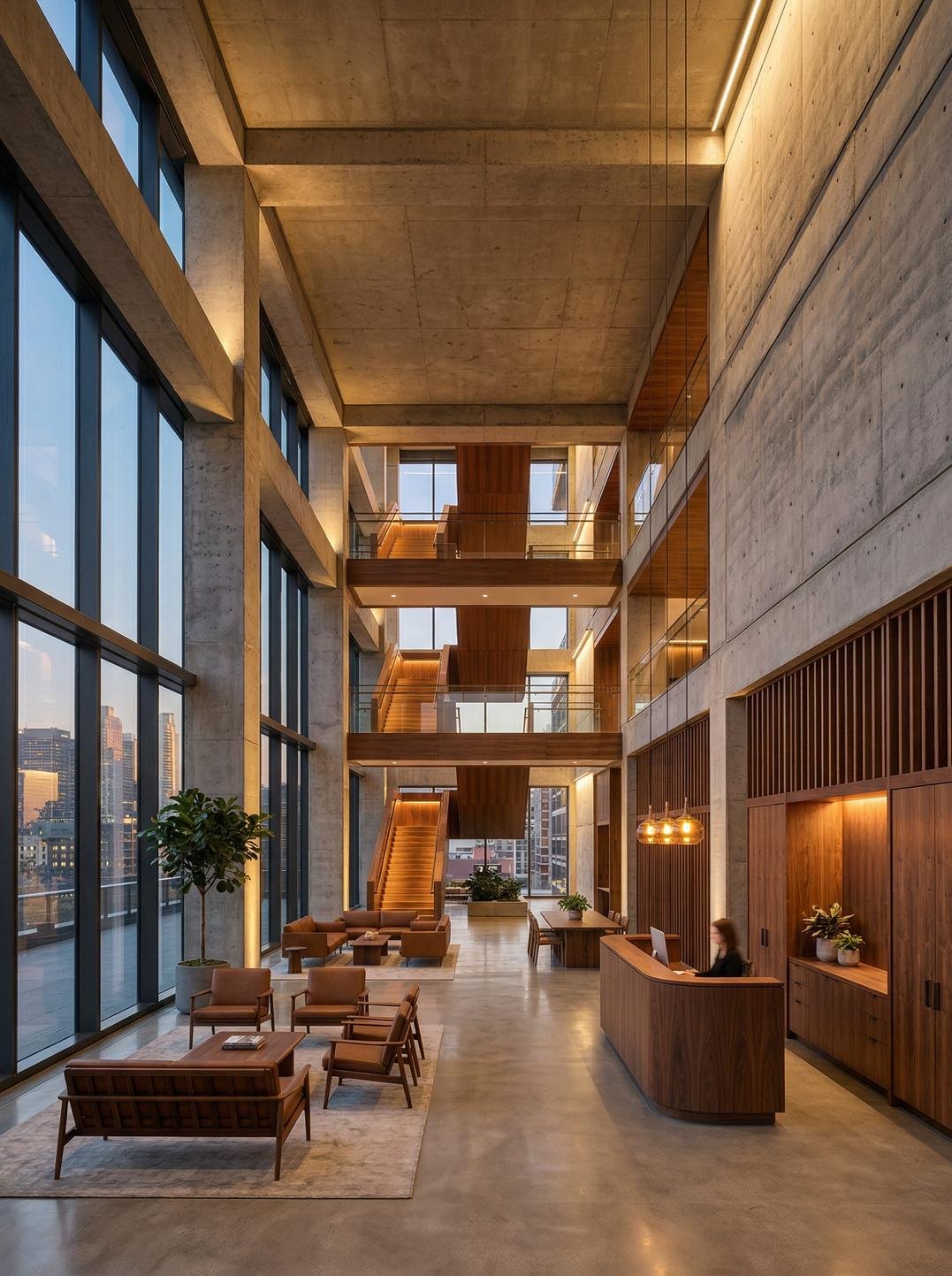
Corporate leasing decisions are fundamentally exercises in risk mitigation for the incoming tenant organization. High-quality corporate interior design renders alleviate this risk by visually proving that the proposed space resolves existing operational bottlenecks. Visualizing distinct acoustic zones and fluid circulation paths directly addresses the core concerns of human resources directors.
The client perspective demands a clear, intuitive understanding of daily workflow scenarios. Displaying intelligent workplace layout optimization through sequential 3D imagery allows executives to mentally walk their teams through a complex collaborative process. This shift from architectural abstraction to functional reality drastically shortens the internal corporate approval timeline.
Executives often struggle to read traditional 2D CAD plans or simplistic massing models. By providing hyper-realistic, empathy-driven renders, developers remove the cognitive load required to translate a flat floor plan into a lived experience. The visualization does the heavy lifting, allowing the tenant to focus purely on the strategic benefits of the location.
When a tenant sees a space that clearly supports their unique operational demands, price resistance diminishes significantly. The conversation immediately shifts from negotiating price per square foot to discussing targeted move-in dates.
3. What Enterprise Tenants Need From a Visualization Studio Before Signing
Fortune 500 decision-makers expect to see diverse user personas reflected accurately in the architectural imagery. They require visual evidence that the corporate interior design accommodates both neurodivergent employees needing quiet pods and extroverted teams requiring agile project rooms. A rendering that only shows rows of identical desks triggers immediate red flags for progressive, forward-thinking organizations.
True workplace layout optimization is proved through accurate lighting, materiality, and spatial proportions within the render. Tenants look closely at screen glare on monitors, the depth of acoustic paneling, and the proximity of social hubs to focused work areas. These specific visual cues tell the client that the developer intimately understands the nuances of modern, hybrid work environments.
Enterprise clients are acutely aware that their physical office is a primary tool for talent acquisition. The renders must look like a recruitment asset, showcasing premium amenities and ergonomic sensibilities that appeal to top-tier professionals. If the visualization studio fails to capture this aspirational quality, the developer is essentially pitching a commodity rather than a destination.
The most successful pre-leasing campaigns utilize renders to answer unasked questions about spatial flow and employee well-being. Anticipating these client needs through strategic visualization establishes immediate trust between the developer and the prospective tenant.
4. The Lighting Detail Board Directors Notice First and Studios Often Miss

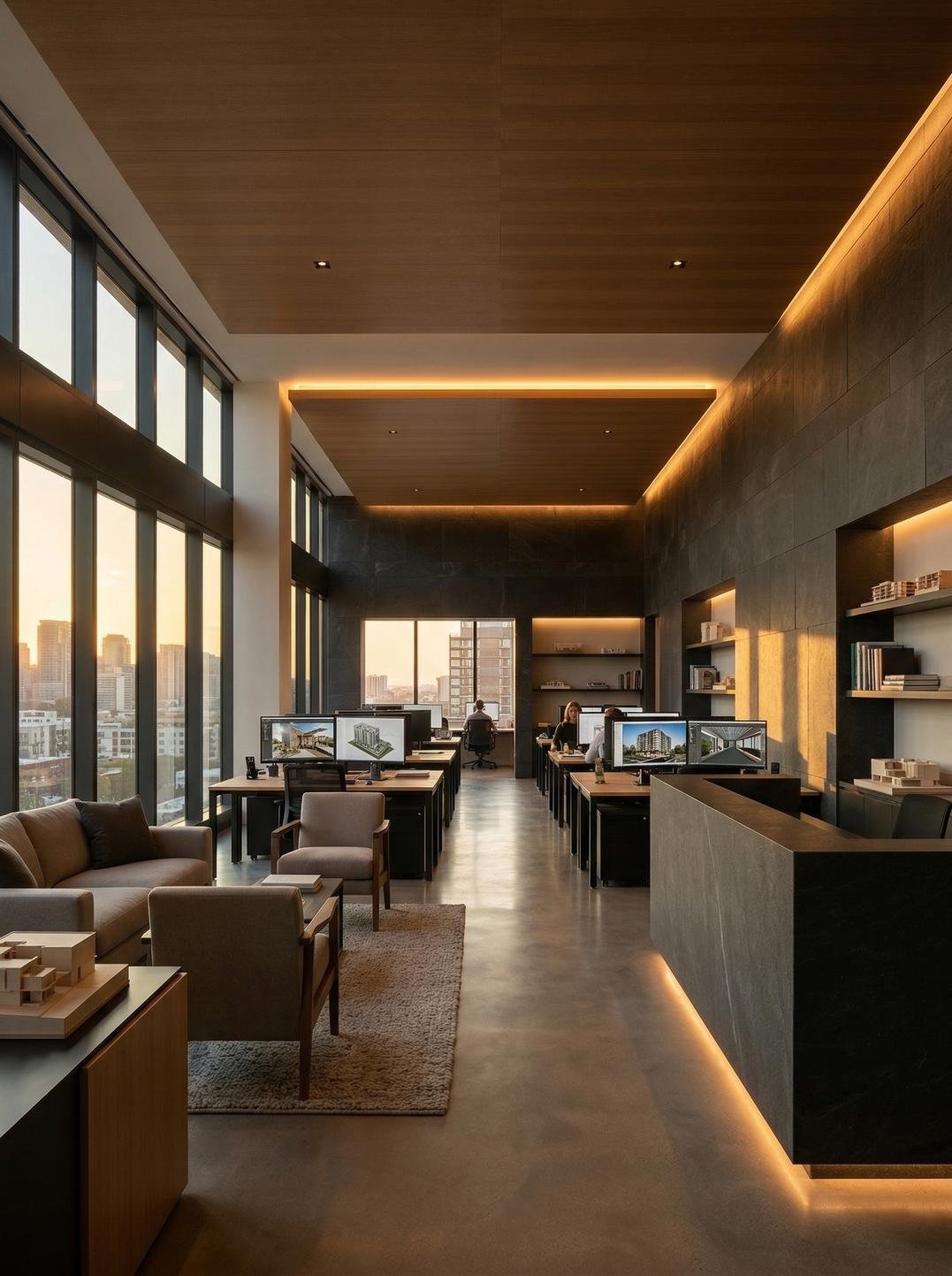
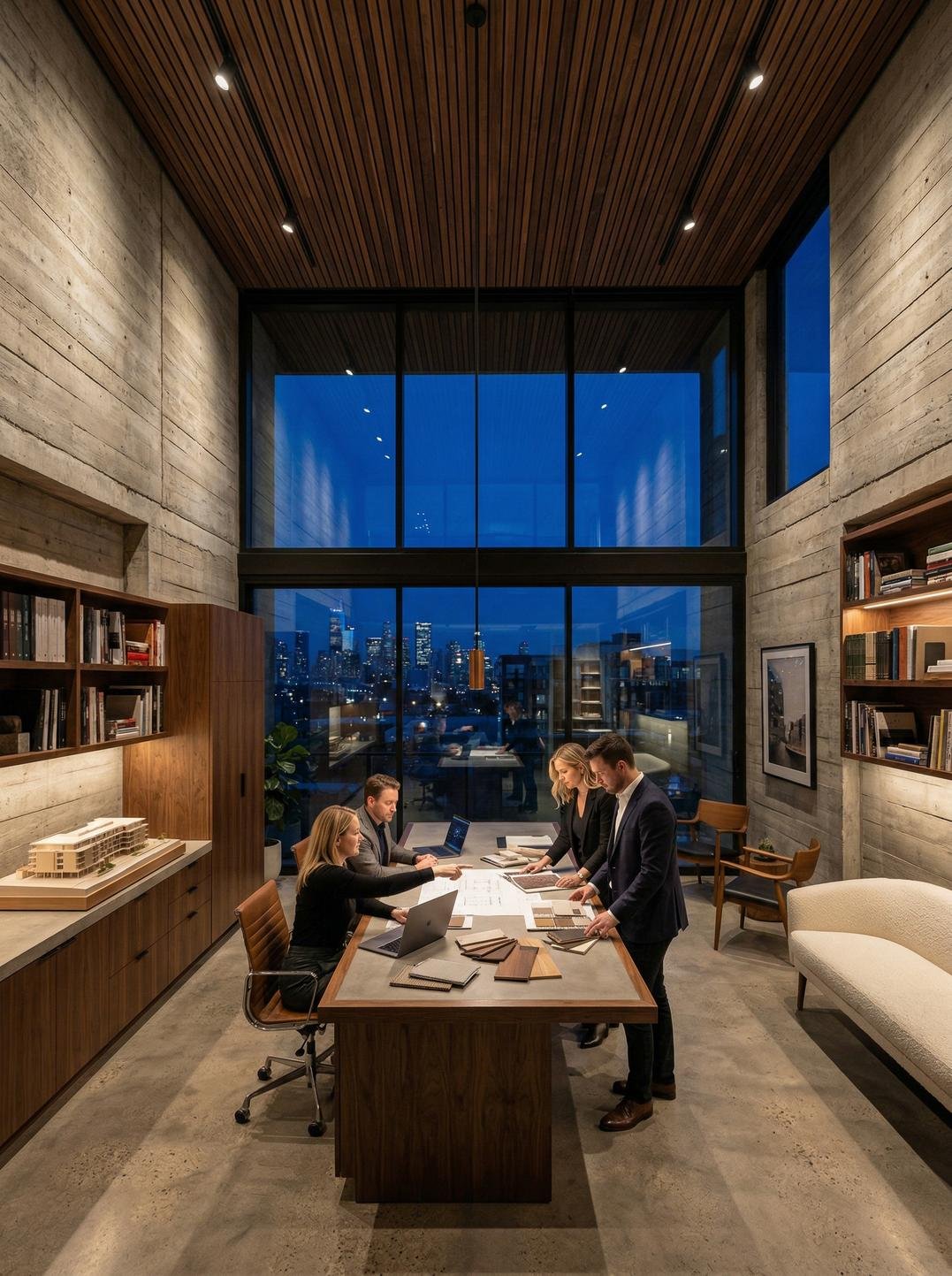
When reviewing marketing materials, C-suite executives intuitively react to the emotional temperature of the artificial lighting. Harsh, uniform illumination in a corporate interior design render subconsciously signals a rigid, archaic environment that repels modern talent. Conversely, a layered lighting design that highlights textured materials communicates warmth, adaptability, and an environment conducive to high employee retention.
Developers often overlook how crucial circadian lighting simulation is to companies prioritizing stringent employee wellness standards. Clients actively look for visualizations that demonstrate abundant natural light penetration alongside carefully controlled, task-specific illumination. Properly rendering these lighting subtleties instantly elevates the perceived value of the workplace layout optimization being proposed to the board.
A poorly lit render makes even the most expensive interior finishes look flat, uninspiring, and ultimately cheap. Board directors may not know the technical terms for global illumination, but they know exactly when a space feels oppressive. Mastering this subtle visual language is what separates a standard visualization from a highly persuasive closing tool.
Tenant decision-makers want to feel the energy of the space before they ever step foot in the building. Achieving this requires a visualization team that understands lighting as a psychological tool rather than just a technical requirement.
5. Conclusion
Exceptional corporate interior design visualization is not about impressing other architects; it is about eliminating the operational anxieties of the end tenant. By shifting your visual strategy to address human-centric workplace layout optimization, developers can secure premium leases faster and with significantly less friction. Partner with Arkilex architectural visualization studio today to transform your next commercial floor plan into a compelling, tenant-ready visual narrative.
6. FAQs
How does high-quality corporate interior design rendering influence tenant lease negotiations?
Executive tenants use detailed visualizations to evaluate whether a space aligns with their company culture and operational needs. When a corporate interior design is visually communicated with empathy and precision, tenants are far more willing to agree to premium lease terms.
What do human resources directors look for in commercial architectural renders?
They primarily analyze the imagery for employee wellness indicators, acoustic privacy measures, and dedicated collaborative zones. A rendering that successfully demonstrates these elements provides confidence that the physical environment will aid in long-term talent retention.
Can 3D visualizations help communicate specific spatial workflows to corporate boards?
Yes, showing populated renders with specific employee personas helps non-technical board members easily understand the spatial logic. This effectively translates an abstract architectural floor plan into a highly compelling corporate interior design narrative.
Why is lighting so critical when pitching commercial office spaces to enterprise clients?
Lighting dictates the psychological comfort of the space, directly impacting how an executive imagines their team functioning daily. Nuanced, layered lighting in a corporate interior design render subconsciously communicates a modern, human-centric approach to the built environment.
“An absolutely excellent 3D team that I genuinely enjoy working with – always attentive, responsive, and open to adjustments. Communication is seamless and the results consistently meet our expectations. A trusted partner I recommend without hesitation.”
— Sofia Bouziane ★★★★★ · Google review