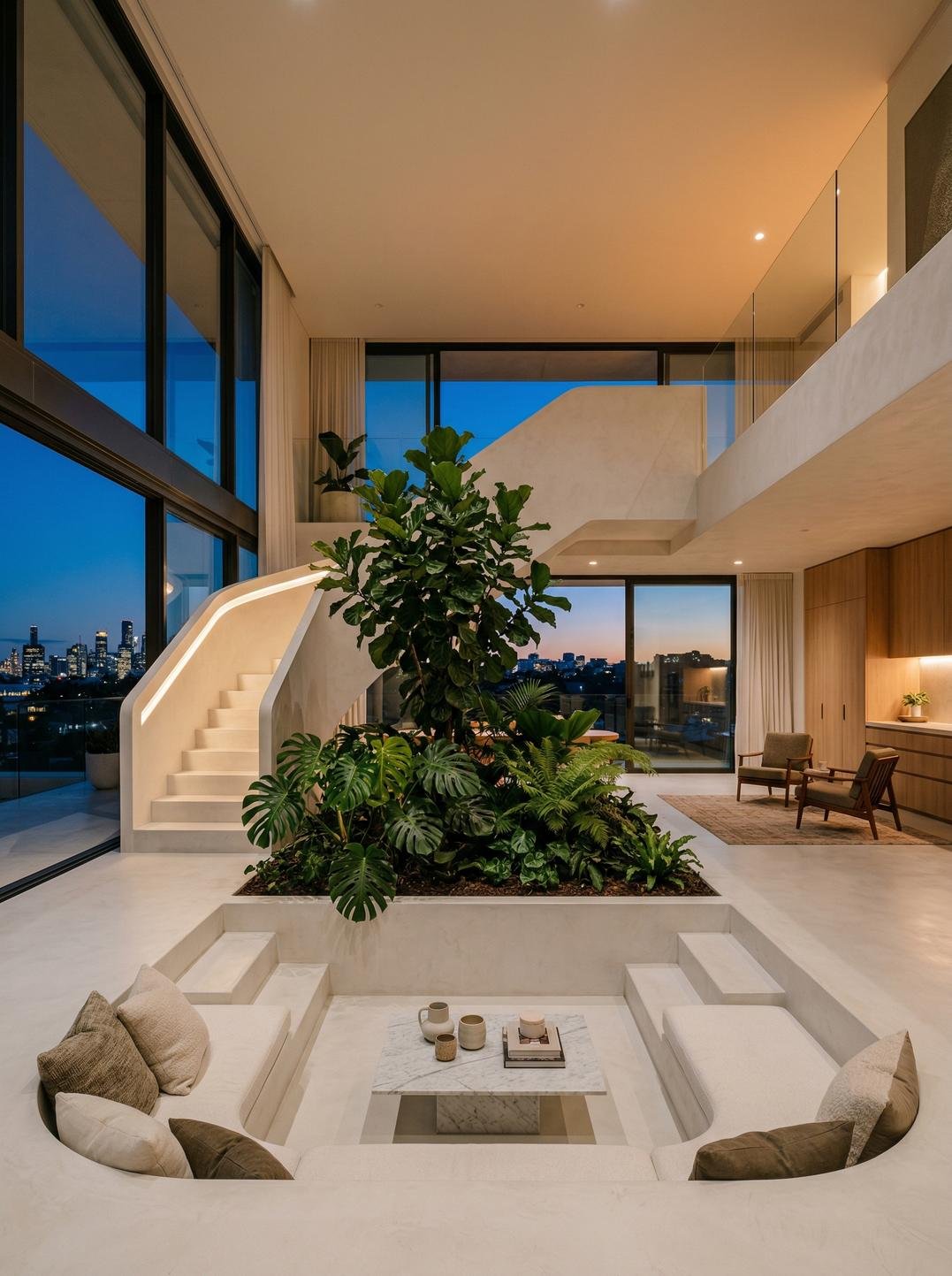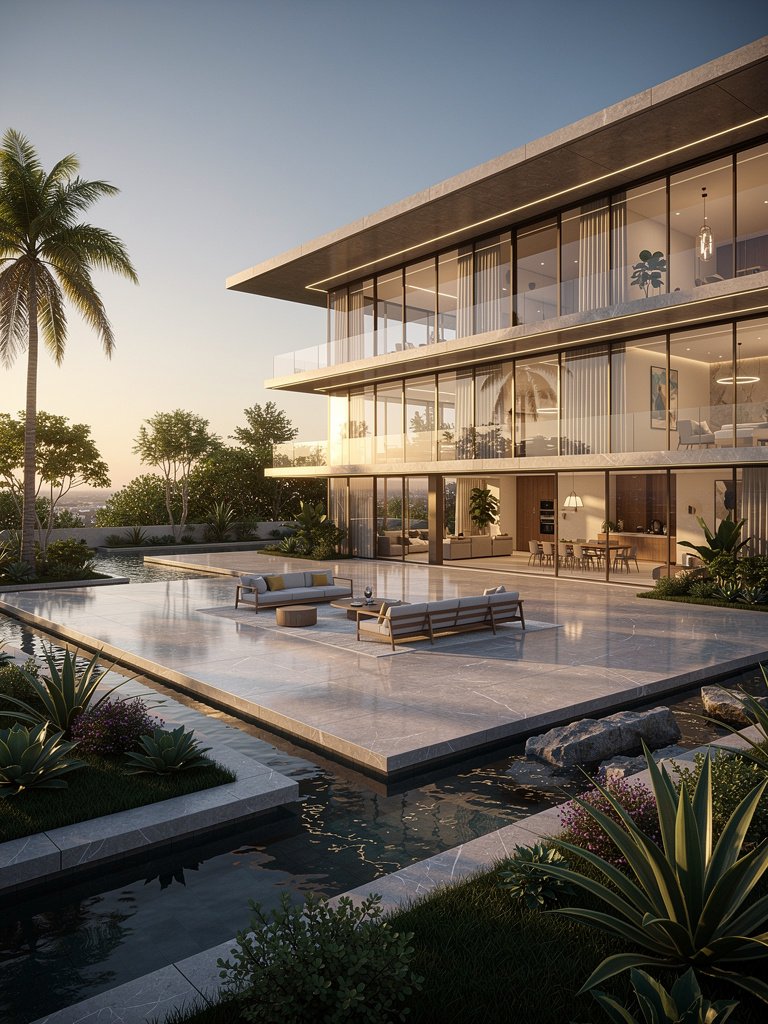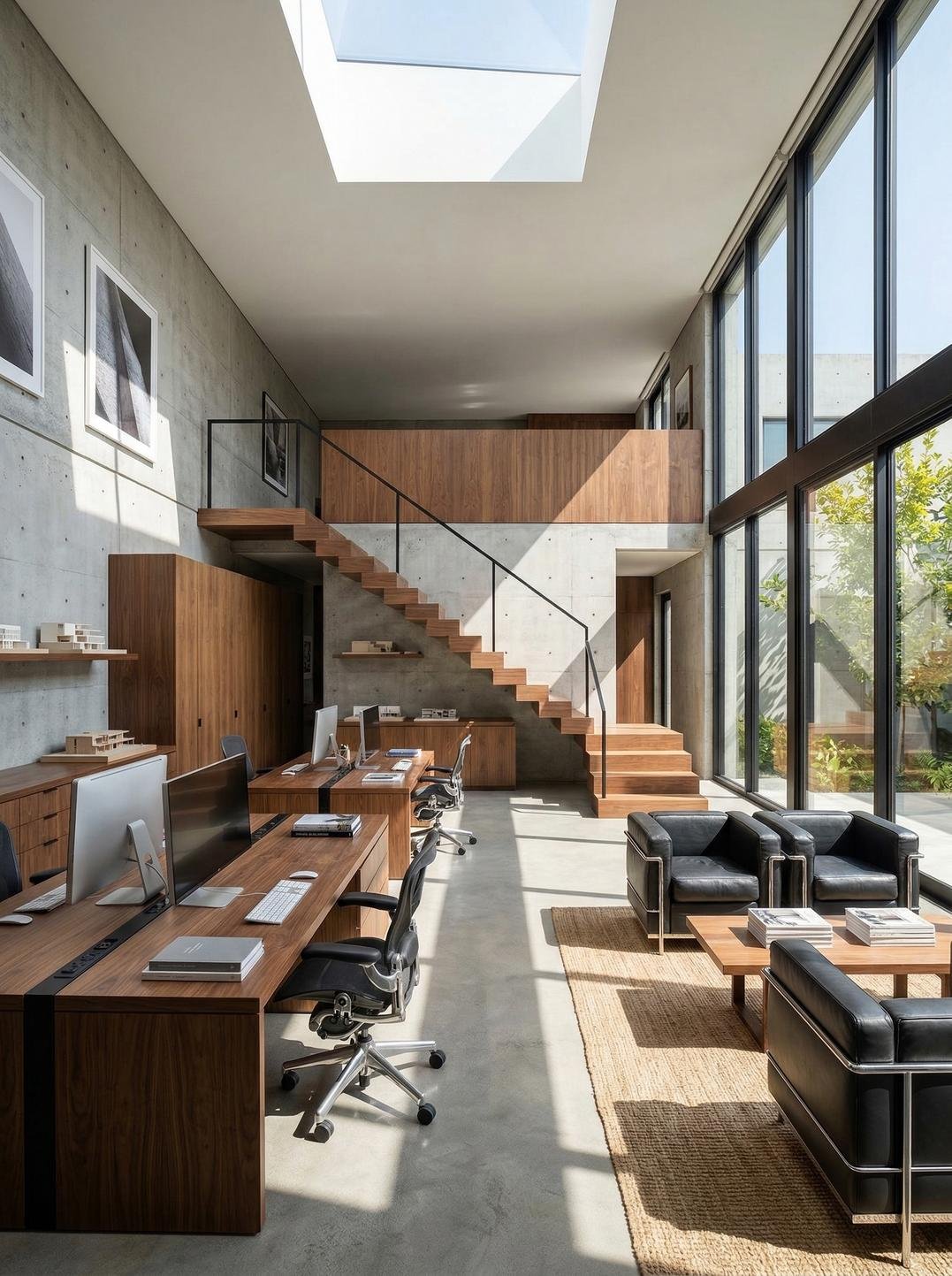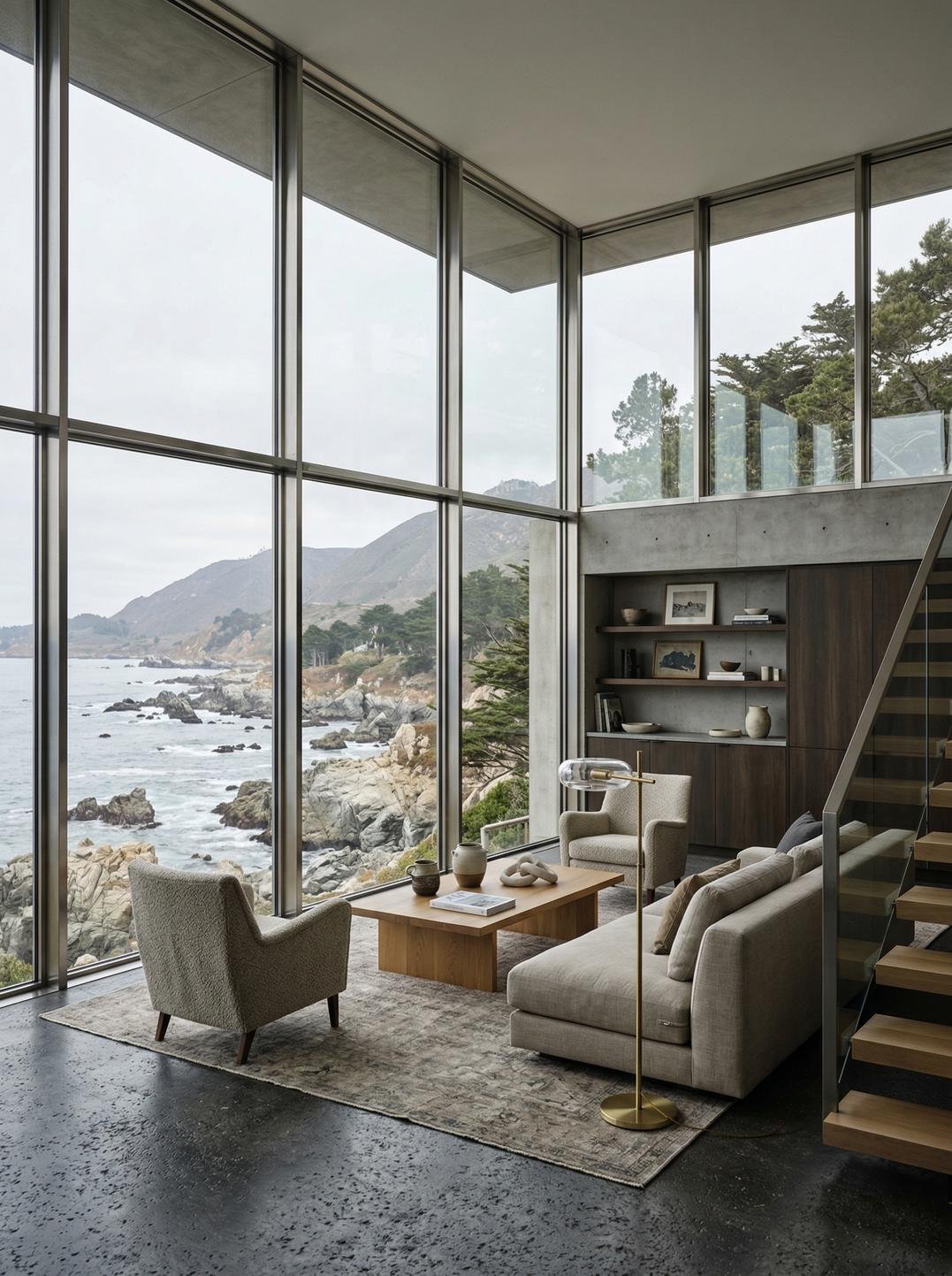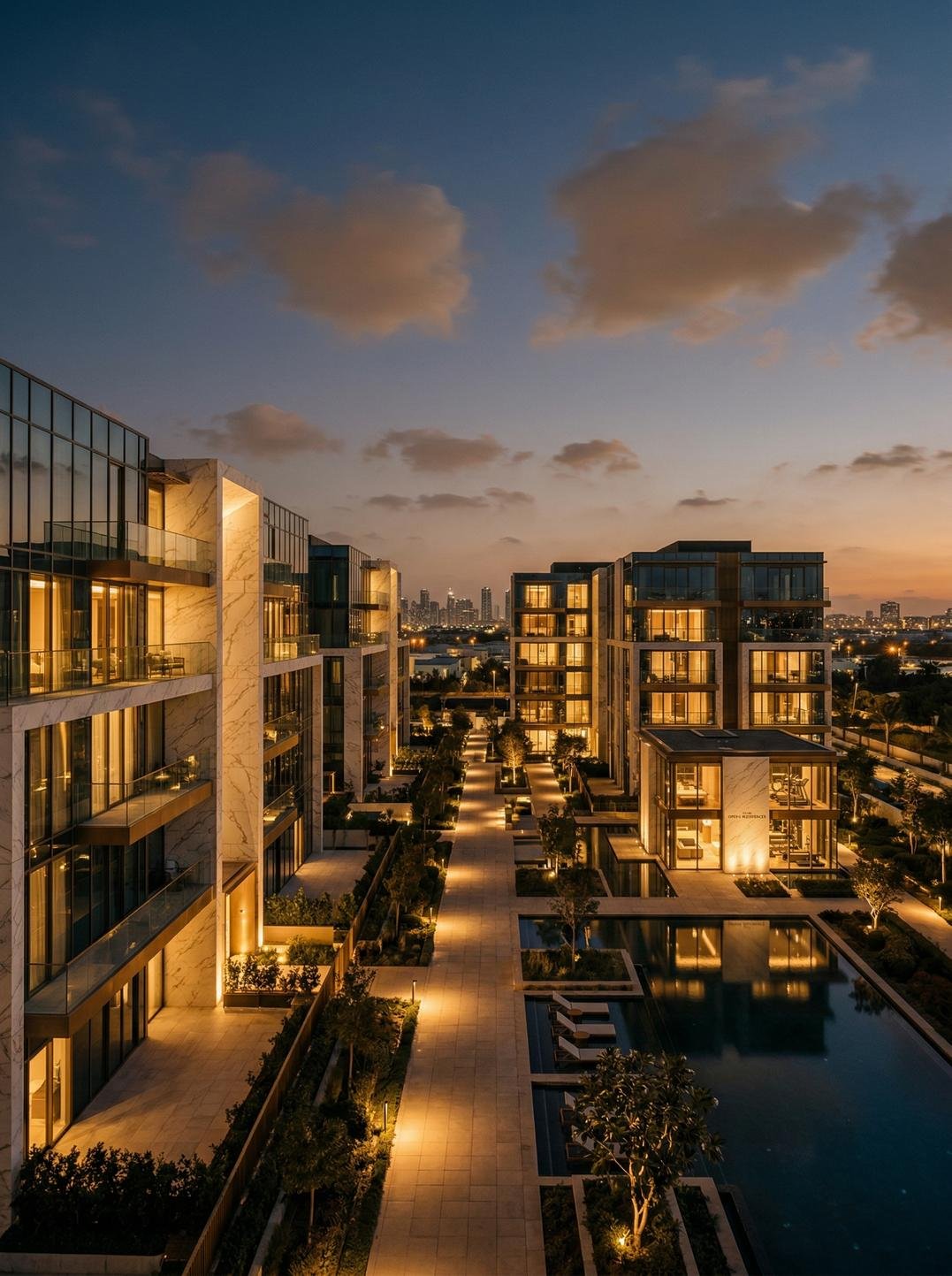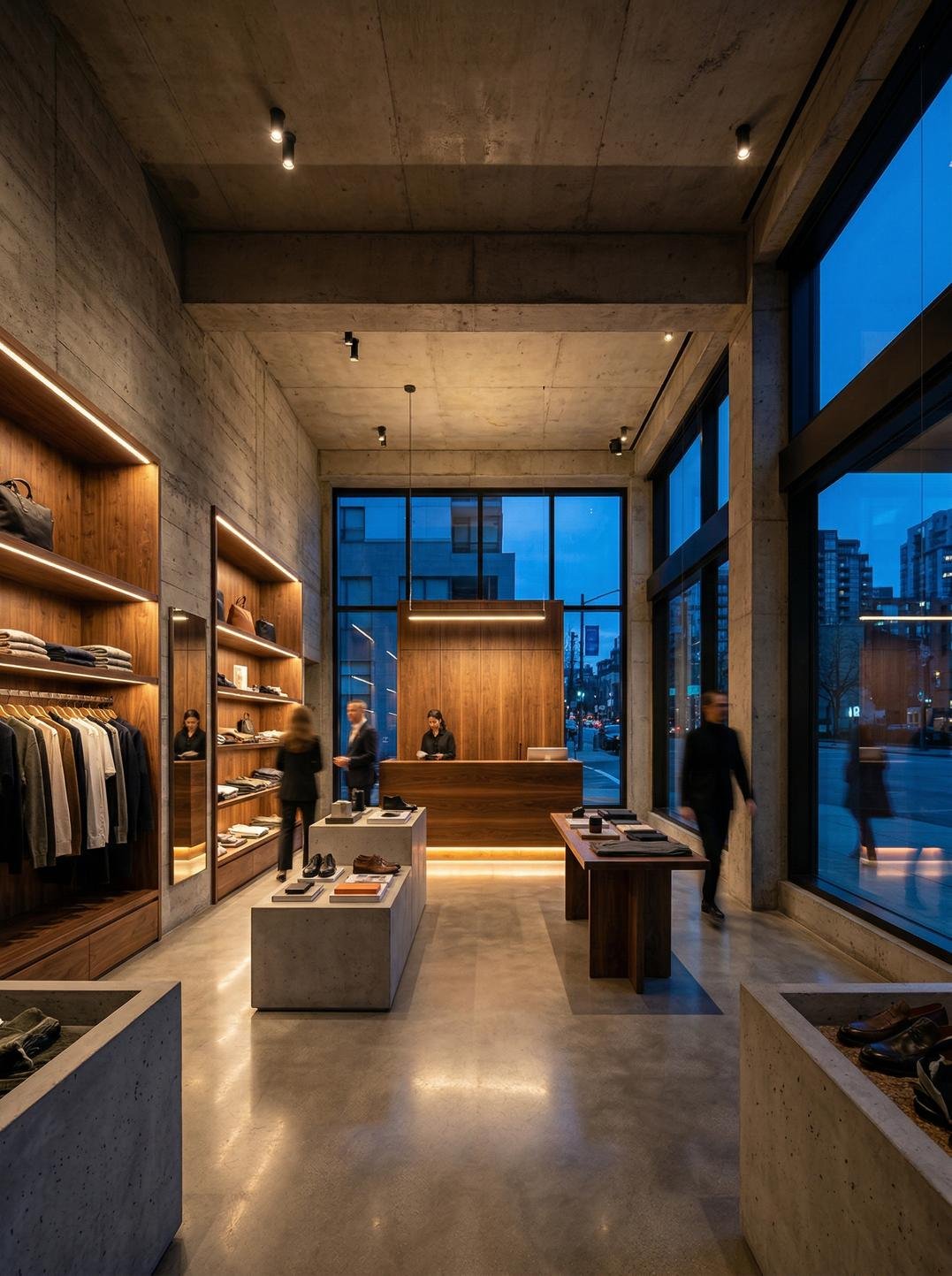

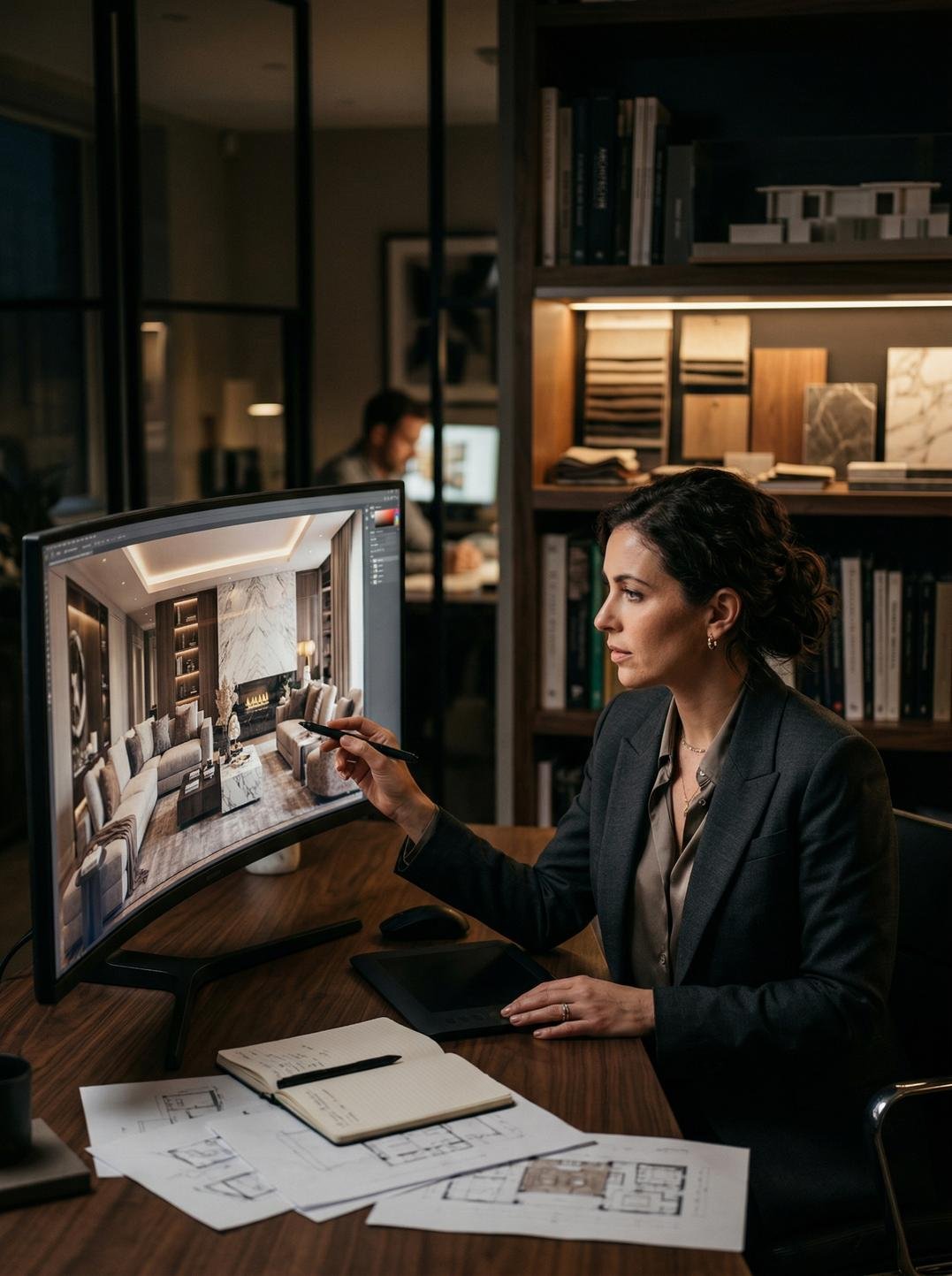
Luxury interior designers work with materials and finishes that most rendering studios have never actually seen in person. A slab of book-matched Calacatta marble, a patinated bronze frame, a bespoke fabric with a specific weave weight — if a studio cannot render these accurately, the presentation fails to communicate your vision to the client who approved the specification.
Developers frequently assume buyers share their ability to translate 2D CAD elevations into spatial reality. In reality, an affluent buyer relies entirely on the tactile, visual evidence provided by photorealistic interior rendering services to validate their lifestyle aspirations. If the imagery feels synthetic or mathematically rigid, the buyer’s trust in the physical asset vanishes instantly.
The buyer is not analyzing the structural plans; they are analyzing how the space supports their identity and status. This reality forces real estate professionals to completely rethink how they present unfinished portfolios to discerning clients. Collaborating with specialized design studios ensures the narrative shifts from construction metrics to an immersive human experience.
Table of Contents
1. Why The Missing Emotional Bridge Derails Presentations By luxury interior designers
Affluent buyers often walk away from exceptional properties not because the architecture is flawed, but because the visual translation lacks a human pulse. When luxury interior designers present clinical, sterile visualizations, the end client struggles to project their family into that space. The buyer sees a polygon structure rather than a future home, creating immediate psychological friction.
The solution requires abandoning the developer’s mindset of technical accuracy in favor of the buyer’s need for atmospheric resonance. A successful presentation shifts the focus from architectural massing to the subtle indentation left on a plush armchair. To the buyer, these micro-details signal that the space is ready for habitation rather than just existing on a server.
When clients evaluate a property, they are actively looking for reasons to disqualify it from their shortlist. A sterile, lifeless image provides exactly that excuse, signaling a lack of sophistication that reflects poorly on the entire development. This is why leading luxury interior designers insist on populating renders with curated lifestyle cues, from half-read books to subtle coffee steam.
The buyer needs these contextual anchors to project themselves into the environment without mental strain. If the imagery forces the client to imagine the warmth of a room, the marketing asset has already failed its primary objective. Utilizing advanced photorealistic interior rendering services eliminates this imagination gap entirely by presenting a fully realized reality.
2. The Sequential Workflow Translating Blueprint Dimensions Into Buyer Emotion
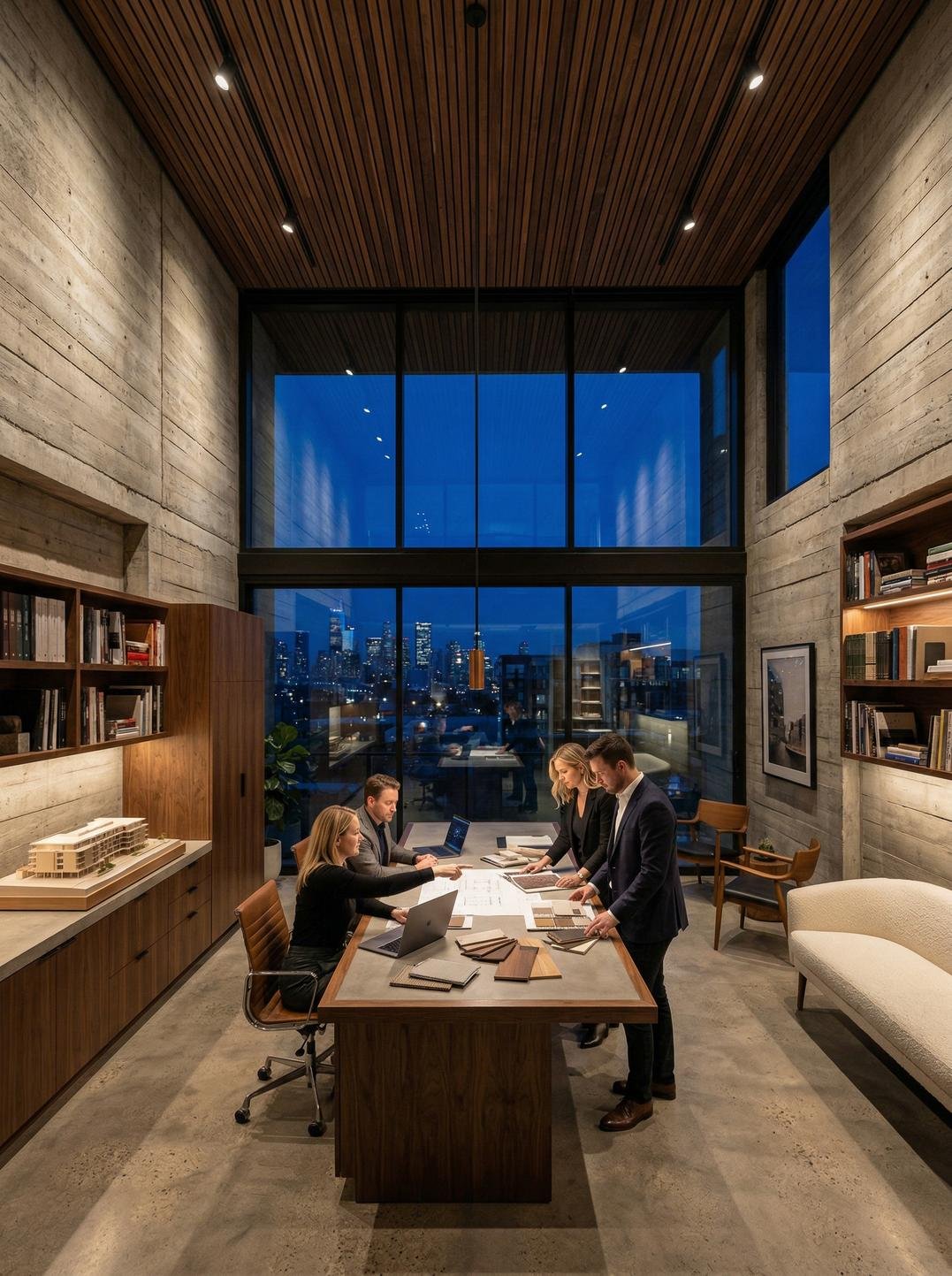
The initial phase of visualizing an unbuilt space requires understanding the exact demographic profile of the prospective buyer. We move past the drafting phase by asking what time of day the target buyer will actually use the primary living spaces. This guides the integration of photorealistic interior rendering services, ensuring the lighting scenarios match the client’s lived experience.
The subsequent stage involves layering microscopic imperfections that signal authentic reality to the human brain. Perfect edges and uniformly smooth surfaces trigger subconscious alarms for high-end buyers, communicating that the environment is a cheap simulation. By introducing slight fabric wrinkles and natural wood grain variations, the visualization bridges the uncanny valley and creates immediate trust.
The translation workflow must honor the psychological journey of the end user navigating the space for the first time. We map out the sightlines from the primary entrance, ensuring the visual composition guides the buyer’s eye toward key architectural features. This intentional framing guarantees that luxury interior designers can confidently dictate the emotional rhythm of the property tour.
Every material choice is rendered not just for color accuracy, but to convey distinct tactile properties to the observer. A client must be able to visually feel the difference between honed limestone and polished travertine without touching a sample board. Achieving this level of sensory communication requires an obsessive commitment to lighting physics and complex material algorithms.
3. How Accurate Material Representation Accelerates Off-Plan Contract Signings
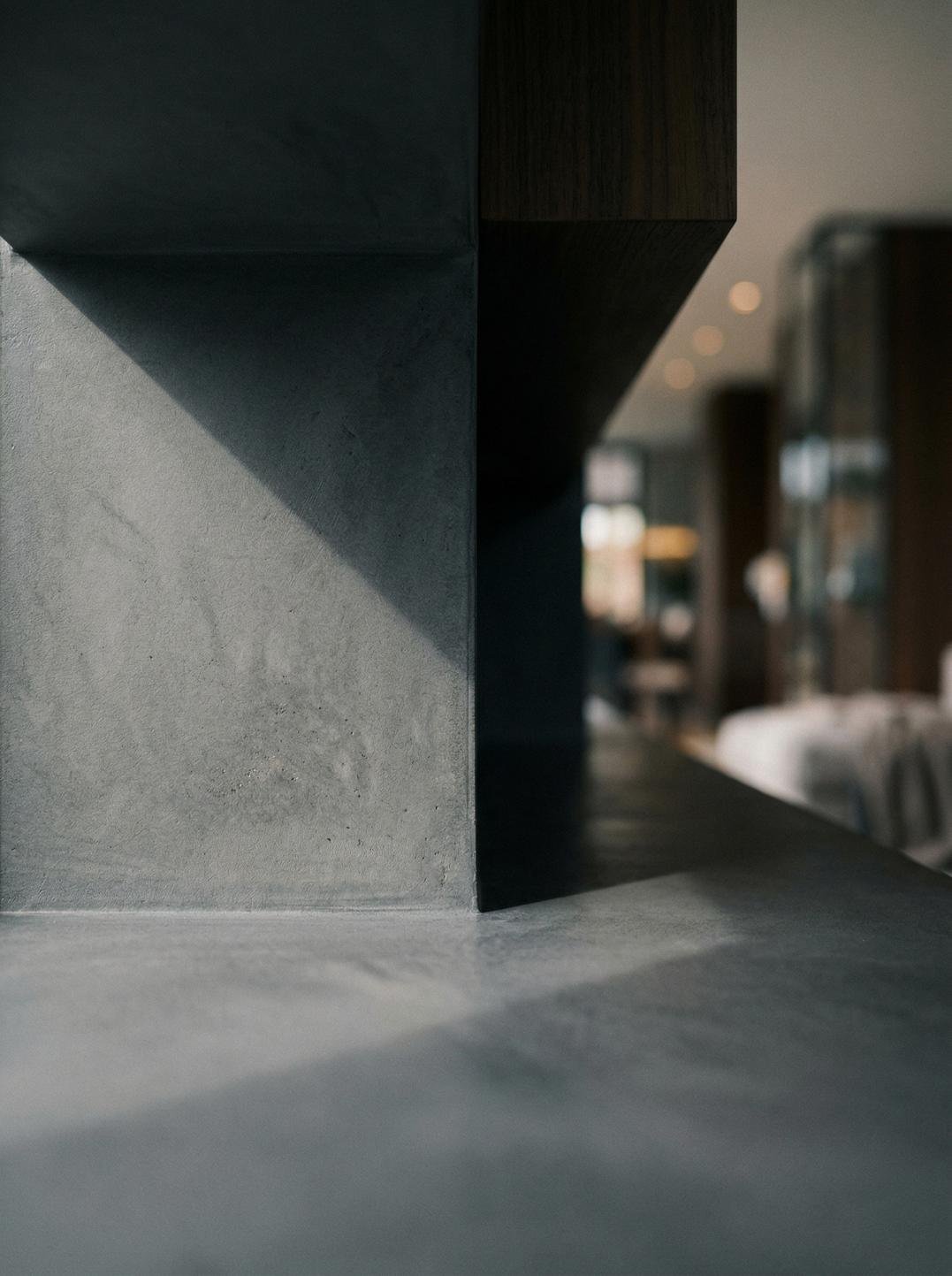
Investors scrutinizing a multimillion-dollar portfolio addition need absolute certainty about the sensory experience of the asset. When visualization accurately captures the exact reflection of a bespoke chandelier on Calacatta marble, the buyer’s perceived risk drops significantly. This visual evidence acts as a surrogate for a physical walkthrough, allowing them to confidently commit capital to off-plan developments.
For prominent luxury interior designers, presenting this level of sensory depth transforms a sales pitch into a guided tour of a future reality. The buyer stops asking technical questions about square footage and begins discussing furniture placement and art curation. Leveraging expert photorealistic interior rendering services ensures that the conversation remains firmly rooted in lifestyle outcomes rather than construction milestones.
Clients purchasing premium real estate are accustomed to flawless execution in every aspect of their consumer lives. When they encounter marketing materials that look like outdated software models, their perception of the property’s value immediately plummets. Partnering with elite luxury interior designers guarantees that the visual fidelity perfectly matches the premium price point being requested.
This alignment between visual quality and perceived value is the bedrock of successful pre-construction sales strategies. A buyer who feels deeply connected to a space will inevitably negotiate less aggressively and commit more rapidly. The financial impact of this emotional connection far outweighs the initial investment required to produce top-tier visualizations.
4. The Subconscious Lighting Cues Investors Notice Before Analyzing Floorplans
A developer views a window as an aperture for natural light, but a buyer views it as the frame for their daily existence. When visualizations neglect the precise context of the surrounding environment, the resulting imagery feels disjointed and alienates the viewer. The client needs to see the exact skyline or lush landscape they are paying a premium to wake up to.
Furthermore, many studios fail to grasp how luxury interior designers utilize shadow to define the mood of an exclusive space. Flat, generalized lighting strips the atmosphere of intimacy, leaving the buyer feeling exposed rather than enveloped by luxury. The nuanced execution of elite photorealistic interior rendering services ensures that shadows are just as vital to the emotional journey as the light itself.
Another critical blind spot is the failure to accurately represent the scale and proportion of bespoke furnishings. Buyers instantly recognize when generic, disproportionate furniture models are dropped into a room, making the entire space feel unconsidered. For visionary luxury interior designers, populating a render with precise, recognizable luxury furniture brands is absolutely non-negotiable for client trust.
When a buyer spots a recognized designer chair or specific fabric texture, it instantly validates their own sophisticated taste. This subconscious validation turns a skeptical observer into an enthusiastic participant in the design narrative. Ignoring these psychological triggers is the most expensive mistake a real estate professional can make during the pre-sales cycle.
5. Conclusion
Ultimately, affluent buyers do not purchase raw square footage; they invest in the flawless projection of their desired lifestyle. By embracing this client-centric perspective, developers and luxury interior designers can eliminate pre-sales friction and secure higher valuations with ease. To transform your technical blueprints into breathtaking emotional assets that compel investors to act, partner with the specialized architectural visualization studio at Arkilex today.
6. FAQs
How do visualizations influence an investor’s perception of property value?
High-net-worth buyers instinctively link the quality of a presentation to the quality of the final physical build. When they see photorealistic textures and emotive lighting, their perceived value of the asset increases significantly. Poor visuals immediately create doubt, leading clients to question the developer’s competence and the project’s overall worth.
Why should developers focus on lifestyle details rather than architectural accuracy?
Clients struggle to form emotional attachments to empty, clinical rooms built purely on rigid technical specifications. Incorporating lifestyle elements like curated art or ambient lighting helps the buyer project their daily routine into the space. This deep emotional connection is the primary driver behind swift, confident purchasing decisions in luxury real estate.
What specific rendering details do end buyers notice first?
Buyers subconsciously react to lighting realism and rich material textures long before they analyze the actual floorplan flow. They notice the way sunlight filters through sheer curtains or how authentic reflections behave on polished natural stone. These crucial micro-details determine whether a space feels authentically inviting or artificially cold.
How can accurate renders speed up the pre-construction sales cycle?
Providing a visually flawless representation removes the guesswork and mental fatigue required to imagine an unbuilt property. When buyers feel they have already vividly experienced the space, they require fewer reassurance meetings and revisions. This direct sensory communication accelerates trust, leading directly to faster contract signatures and upfront deposits.
“Few teams can turn an abstract vision into such a harmonious reality. They merged bold architecture, precise interior design, and the poetry of landscaping. Rigor, boundless creativity, and a contagious passion.”
— Khalif Khalif ★★★★★ · Google review