
A hotel room exists in your renderings long before a single wall is framed. For hospitality designers and developers, the decision to approve a concept, and the capital that follows it, depends almost entirely on whether those early visuals communicate the right guest atmosphere.
Table of Contents
1. Why Most Presentations Disconnect Over Hotel Interior Design Visuals
Developers often assume that stakeholders evaluate 3D visuals logically, scanning for square footage and material compliance. In reality, investors absorb hotel interior design emotionally long before they process the spatial geometry. They project themselves into the rendered space, unconsciously evaluating if the lighting feels welcoming or clinical. If the visualization lacks this human-centric warmth, even the most rigorous hospitality spatial planning looks like a sterile spreadsheet rather than a profitable destination.
The end user experiences a space through fluid transitions, not static, hyper-wide viewpoints. Visuals that capture an unnaturally wide angle distort human perspective, leaving the viewer feeling detached from the environment. Creating authentic emotional buy-in requires renders that mimic true eye-level sightlines, forcing the developer to view the space exactly as the guest will.
When developers ignore this emotional filtering process, they spend pitch meetings defending material costs rather than selling a cohesive vision. The client’s brain is naturally wired to reject environments that feel confusing or visually hostile. By aligning the rendering strategy with the psychological needs of the stakeholder, developers bypass technical friction and establish immediate trust.
2. The Three-Stage Rendering Workflow That Maps to Human Perception
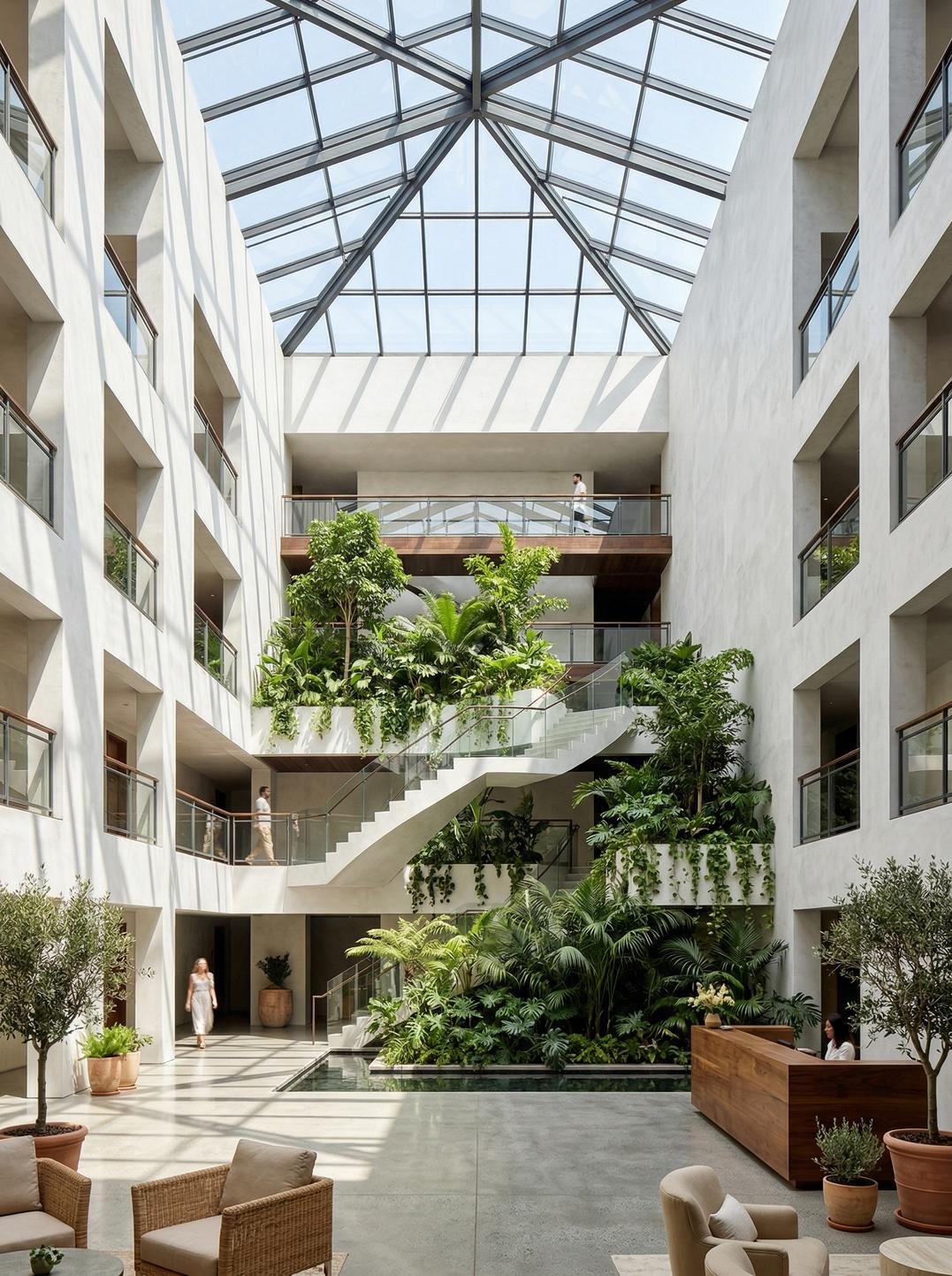
High-performing developers understand that investors need visual narratives that unfold exactly like a physical site tour. The first stage of rendering should never focus on textures, but rather on mapping the guest journey through the hospitality spatial planning. By locking in these natural, pedestrian sightlines early, you ensure the stakeholder immediately grasps the spatial flow without needing a complex floor plan explanation.
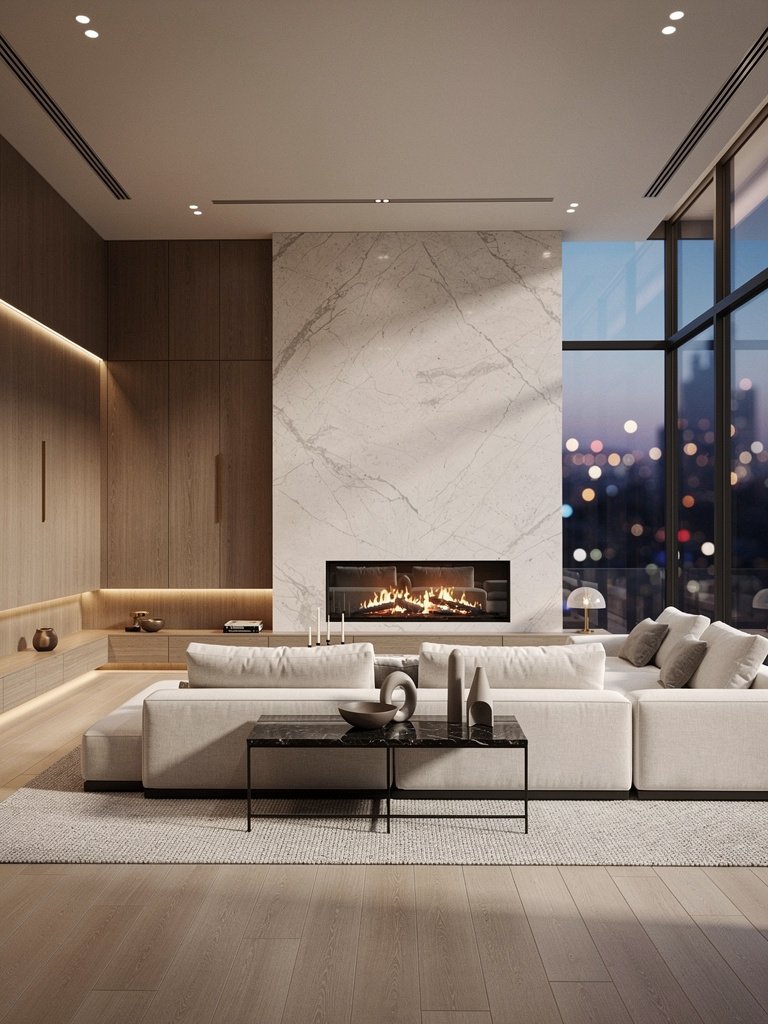
Once the visual journey is established, the second phase layers in atmospheric lighting tailored to the target demographic. A corporate buyer examining a boutique hotel pitch needs to see the lounge rendered during the moody evening hours, not just under flat midday sun. This psychological staging helps the client visualize revenue-generating activities like evening cocktail hours and atmospheric dining.
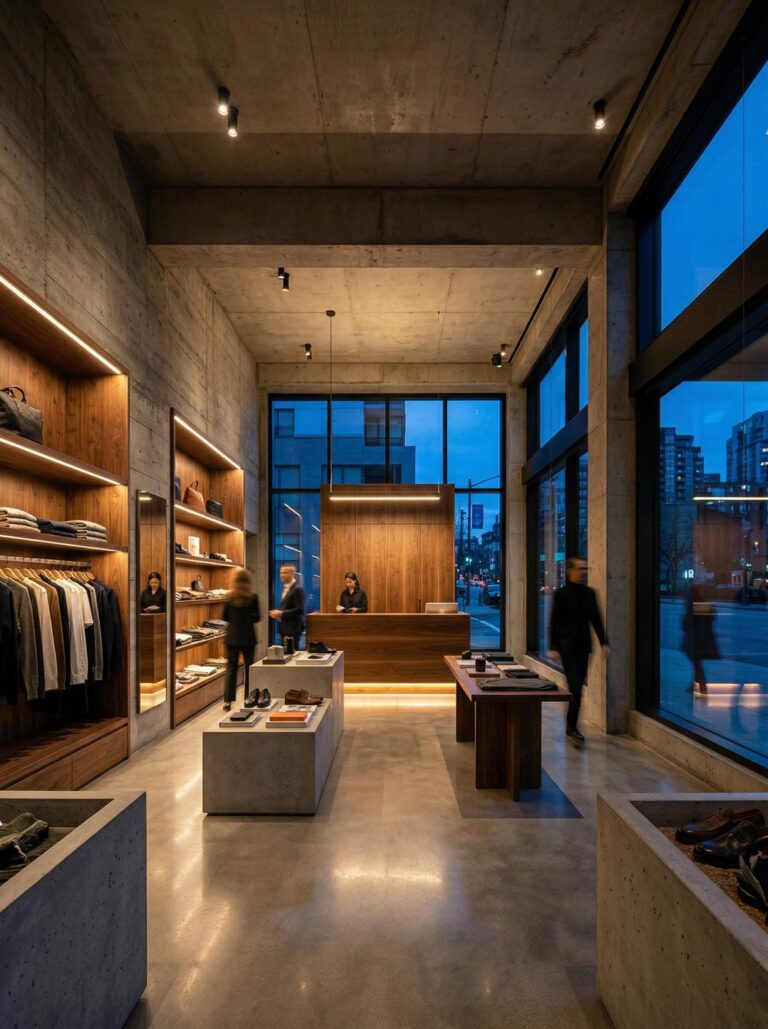
The final stage focuses on tactile micro-details that ground the image in functional reality. Small imperfections, like a slightly creased linen napkin or natural shadow fall across a reception desk, tell the viewer the space is real and functional. This level of execution transforms an abstract scheme into a tangible asset the client can confidently fund.
Additionally, the inclusion of contextual exterior views through windows anchors the interior within its actual location. Investors want to feel the specific locale, whether it is a bustling urban streetscape or a serene coastal view. This subtle integration prevents the design from feeling like it exists in an isolated, theoretical vacuum.
3. What Hotel Operators Look For Before Reviewing the Floor Plan
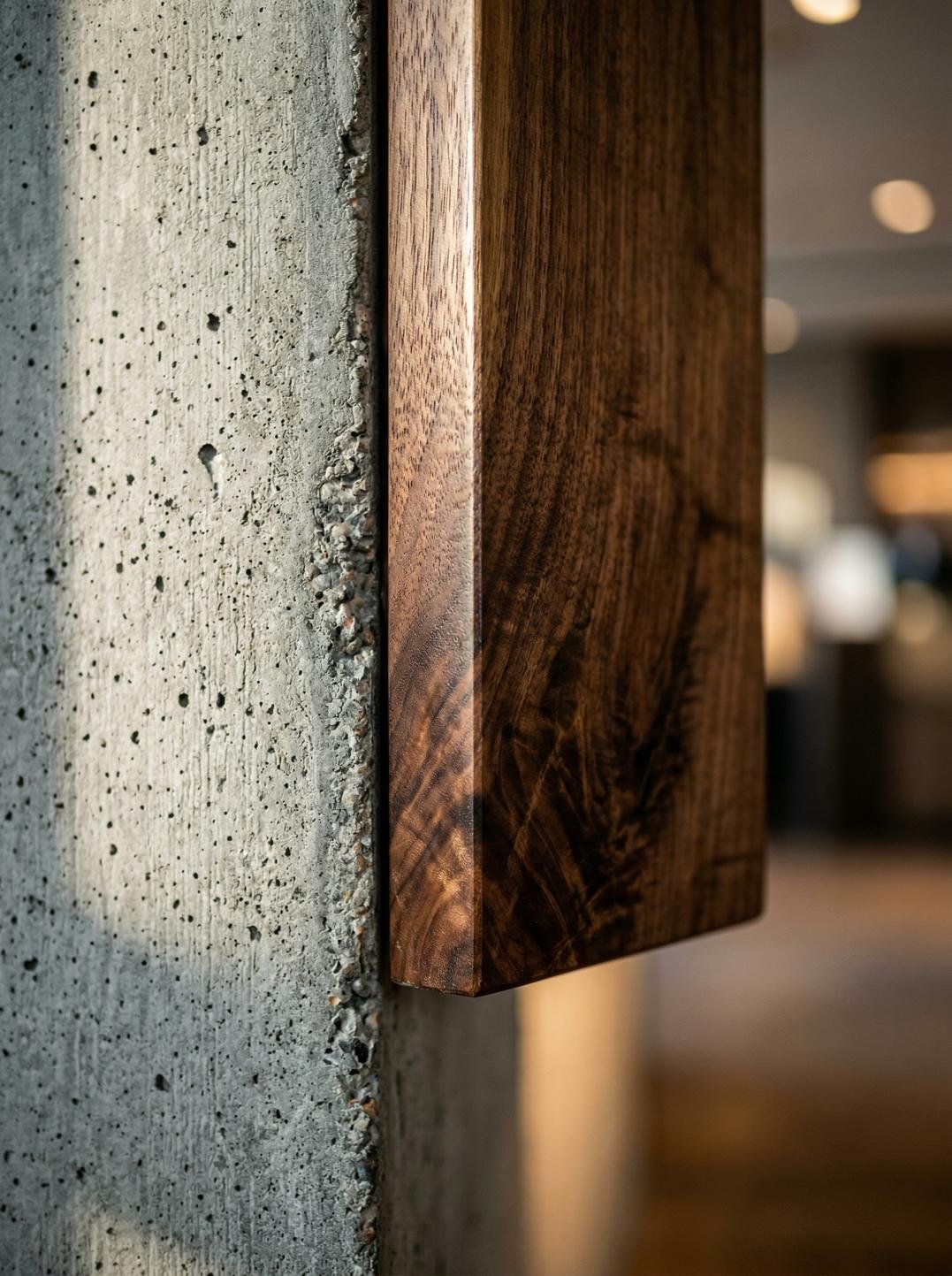
Operators evaluate architectural visualization completely differently than the architects who drafted the preliminary plans. When looking at a hotel interior design render, an operator immediately scans for operational friction points and staff visibility. They want to instantly see the relationship between the front desk, the lobby seating, and the primary circulation paths.
If the rendering isolates the lobby from its adjacent functional zones, the operator loses context and confidence in the overall design. Professional visualization studios solve this by using depth of field to imply connected spaces, gently guiding the operator’s eye through the hospitality spatial planning. Showing these visual connections reassures the operator that the design supports efficient staffing and seamless guest service.
Furthermore, operators are hyper-sensitive to scale and proportion in highly trafficked communal areas. They need to visually confirm that a crowded morning checkout won’t choke the primary circulation routes. Delivering renders that populate the space with realistic, accurately scaled figures allows operators to instantly validate the spatial mathematics.
Beyond basic circulation, operators look for the nuanced placement of service doors and hidden amenities. They immediately spot when a rendering conveniently hides structural columns that will ultimately impede guest movement or sightlines. Delivering total transparency in these visualizations proves to the operator that the design is grounded in functional reality.
4. The Psychological Disconnect Between Technical Lighting and Guest Ambience
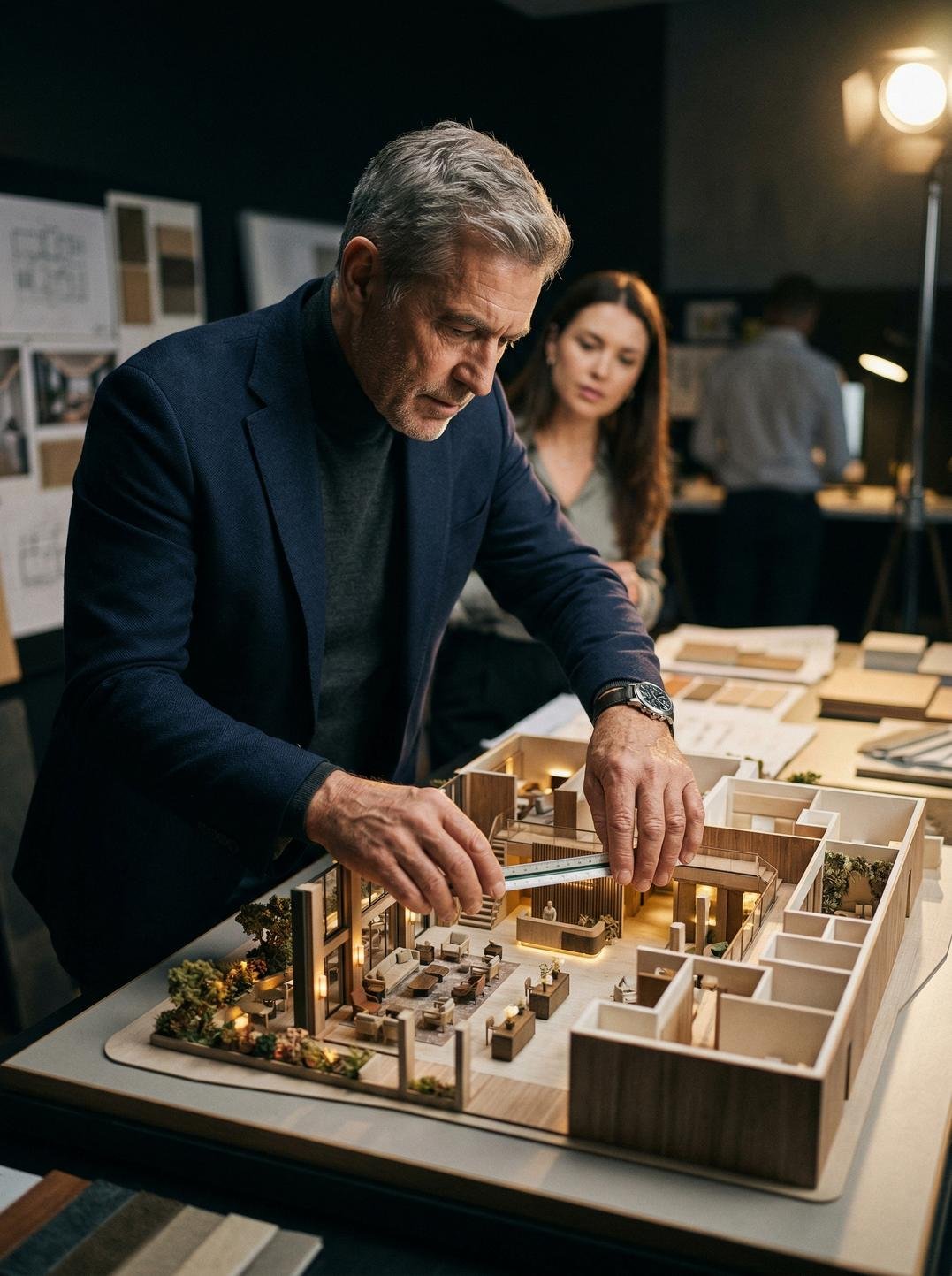
The most expensive mistake development teams make is illuminating renders purely to show off expensive architectural details. Investors and guests do not experience hospitality spatial planning under uniform, shadowless lighting in the real world. Flat lighting strips the environment of intimacy, making luxury finishes appear cheap and institutional to the scrutinizing eye.
A compelling interior presentation uses light to dictate the emotional temperature of the room. Shadows are just as critical as highlights, carving out private nooks in a busy lobby or defining the soft edge of a headboard in a suite. When developers embrace high-contrast, atmospheric rendering, they speak directly to the investor’s desire for a premium, sought-after guest product.
This oversight routinely occurs when developers rush the final visualization stages, treating renders as mere compliance documentation. Approaching hospitality visualization from the client’s empathetic viewpoint prevents this sterile outcome. It transforms the rendering from a technical compliance check into an irresistible invitation to the future guest.
Another glaring missed opportunity is the failure to visually articulate acoustic design elements within the 3D space. Investors know that noise complaints devastate guest satisfaction ratings, so they subconsciously look for soft surfaces and zoning buffers. Visually emphasizing heavy drapery, acoustic paneling, and strategic carpet placement subtly reassures the client that acoustic comfort has been prioritized.
5. Conclusion
Understanding the client’s psychological and emotional perspective is the deciding factor in successfully pitching a hotel scheme. When you shift your visualization strategy from showing technical geometry to demonstrating the authentic guest experience, stakeholder buy-in accelerates rapidly. Partner with Arkilex to craft architectural visualizations that capture the profound emotional resonance your next hospitality project demands.
6. FAQs
How does visualization impact early-stage hotel interior design funding?
Investors rely on high-fidelity renders to translate abstract layouts into tangible, compelling business cases. Authentic visuals build emotional confidence, accelerating the approval of preliminary budgets and design concepts.
Why is accurate hospitality spatial planning crucial for operator presentations?
Operators need to evaluate staff workflows and guest circulation before costly construction begins. Accurate 3D representations allow them to identify operational bottlenecks and validate the efficiency of the proposed layout.
What makes a rendering emotionally compelling to stakeholders?
Emotional resonance comes from mimicking human eye-level perspectives and utilizing natural, atmospheric lighting. This approach allows stakeholders to project themselves into the space as guests, rather than analyzing it as a sterile architectural model.
How do photorealistic details influence the perception of luxury?
Micro-details like fabric textures, subtle reflections, and natural shadow fall bridge the gap between abstract concept and reality. These elements directly signal quality and operational readiness, reassuring investors that the premium positioning is justified.
“An exemplary collaboration with Arkilex. We brought them in to visualize several projects and the result is simply impressive. Beyond the visual quality, their time management is flawless – deadlines met with rare precision. A trustworthy, responsive, professional partner I highly recommend.”
— Aquaya Maroc ★★★★★ · Google review