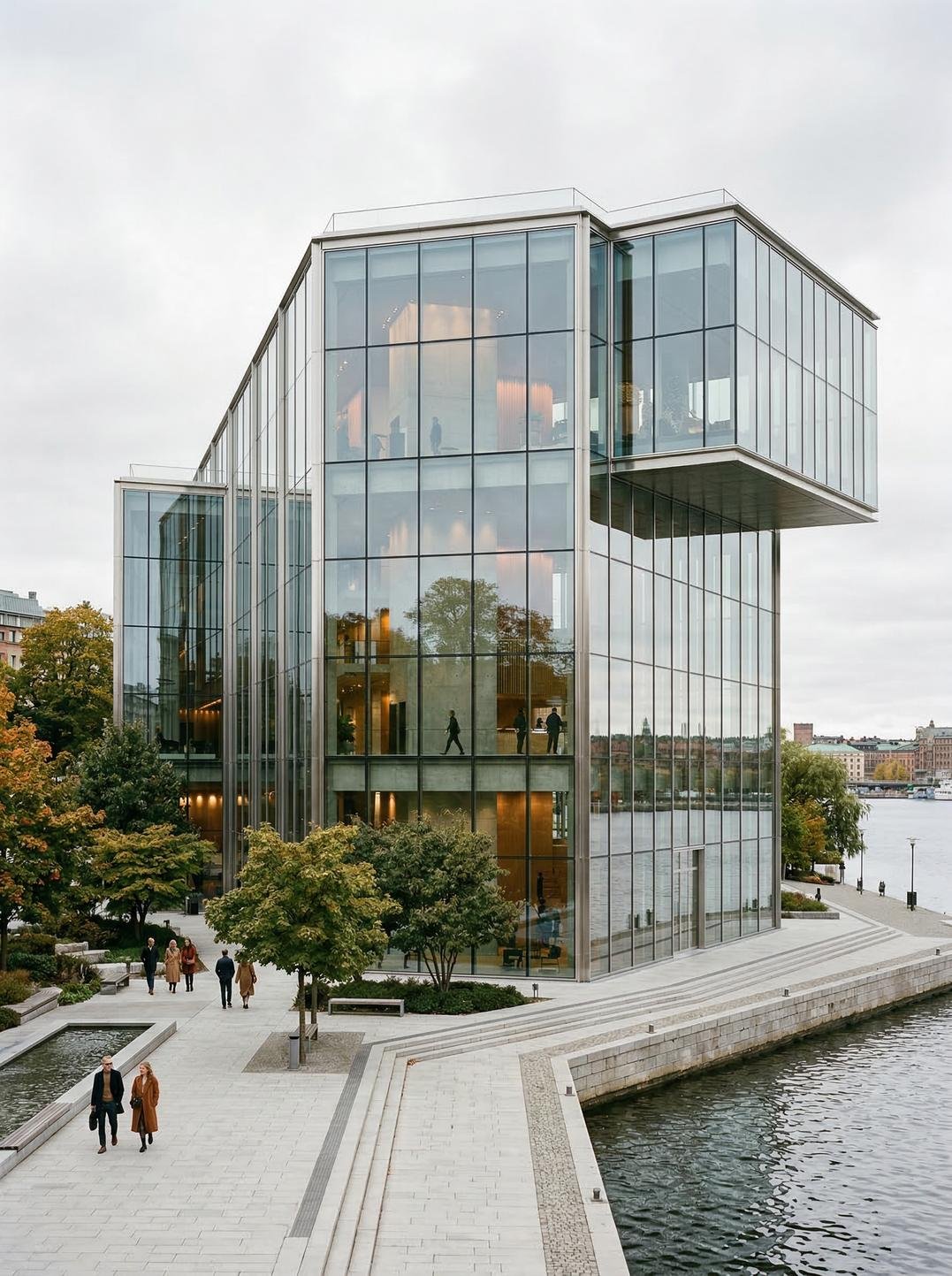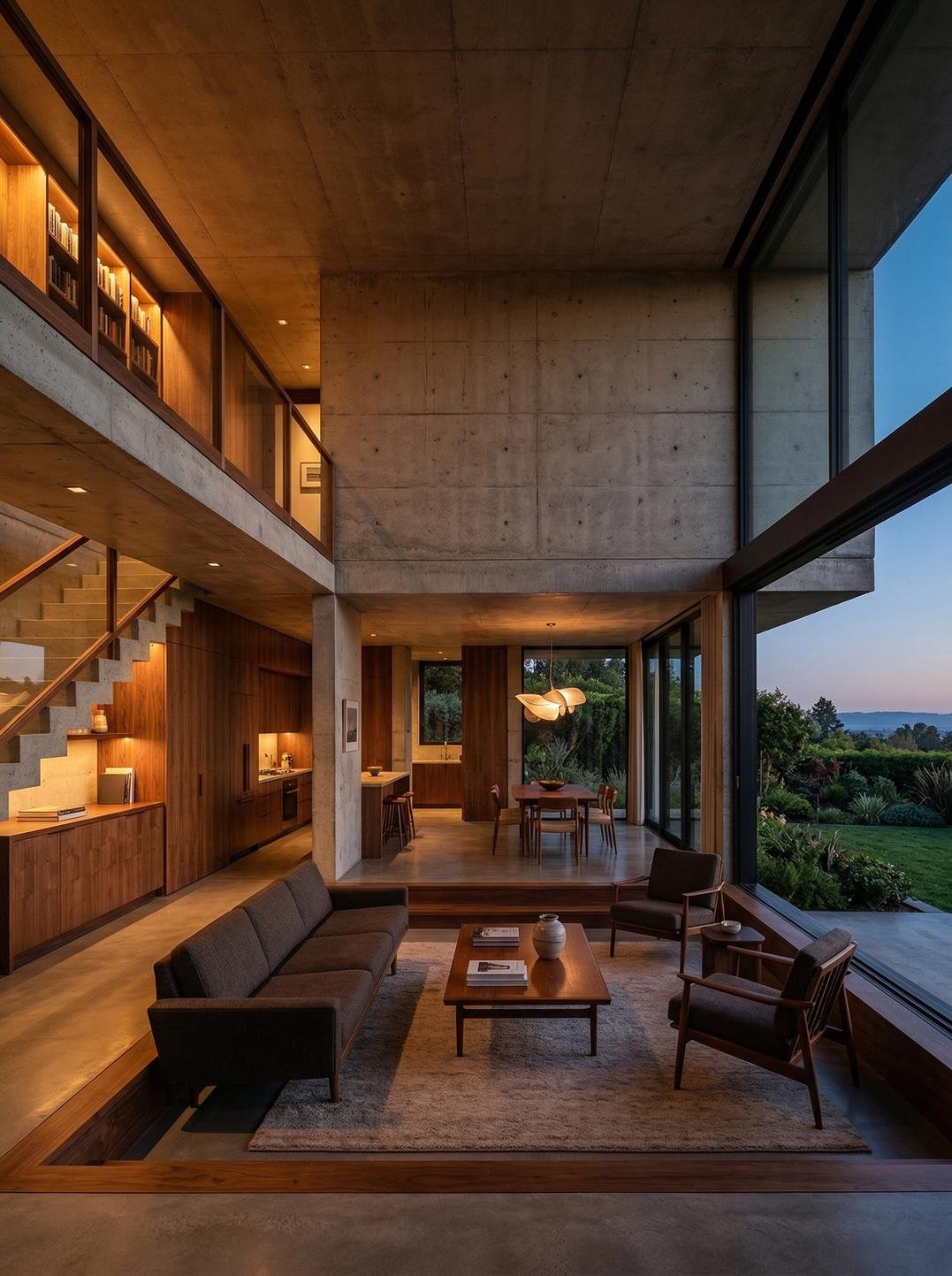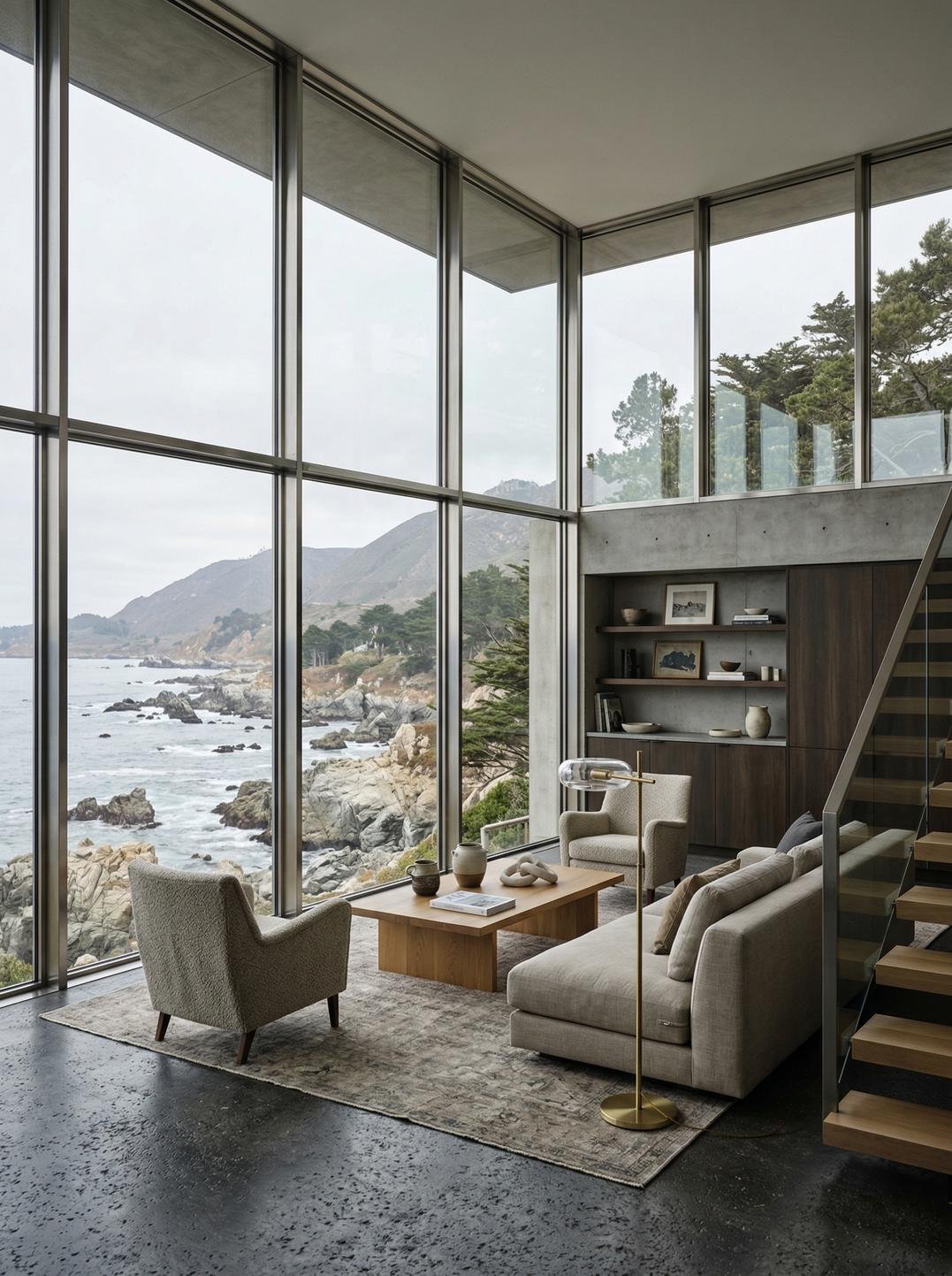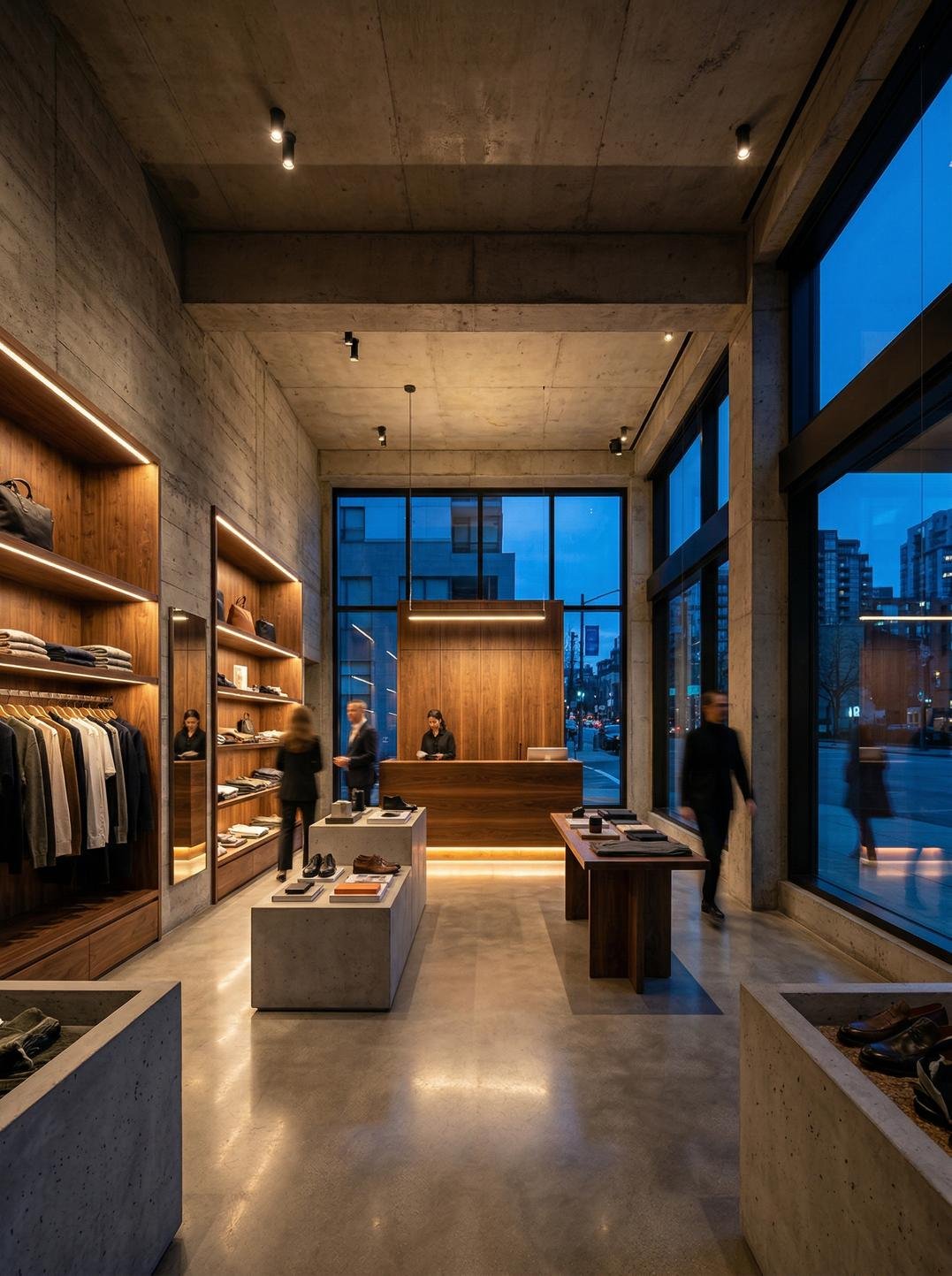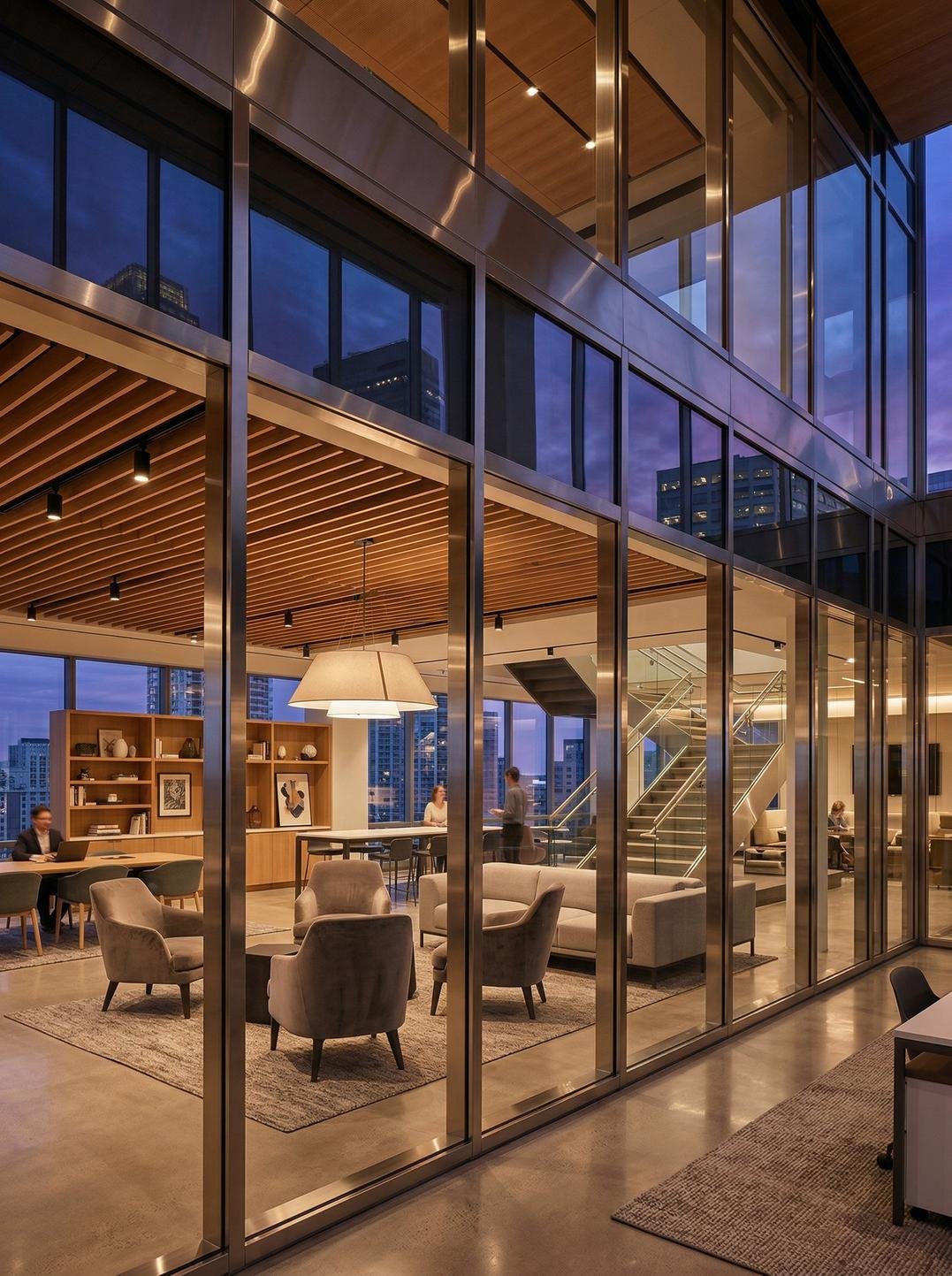

Luxury real estate sales operate in a different register from standard property marketing. Buyers are more visually literate, the reference points are higher, and the consequences of visual mediocrity are more severe. A luxury property with average visualization does not just sell slower — it signals a misalignment between what the developer is claiming and what they are showing.
By bridging the gap between technical blueprints and emotional buyer appeal, developers can secure off-plan commitments significantly faster. High-end property investors rarely decipher 2D CAD drawings to understand spatial flow. They rely heavily on visual storytelling to evaluate their prospective ROI.
When you leverage photorealistic 3d rendering, you eliminate guesswork for potential stakeholders. This level of clarity accelerates the approval process across all project phases. Ultimately, visual accuracy directly correlates with increased perceived property value.
Table of Contents
1. Why Substandard architectural viz Derails Pitch Meetings Before They Begin
When a developer enters a boardroom with flat imagery, the conversation shifts from the project’s potential to its perceived flaws. Investors intuitively judge the underlying quality of a multimillion-dollar development based on the visual assets presented. A lack of attention to detail in your architectural viz signals a potential lack of rigor in the actual construction.
Poor visual assets force developers into defensive positions where they must verbally explain away missing textures or awkward lighting. This friction extends the sales cycle and dramatically reduces the likelihood of securing early funding. Conversely, a visually stunning presentation immediately establishes authority and commands premium pricing.
A well-executed image acts as an anchor for the entire project narrative. It aligns the expectations of architects, interior designers, and financial backers under a single, unified vision. Investing properly in these assets ensures your pitch meets the high standards of modern real estate capital.
2. The Multi-Stage Workflow Behind a Commercial Space Visualization
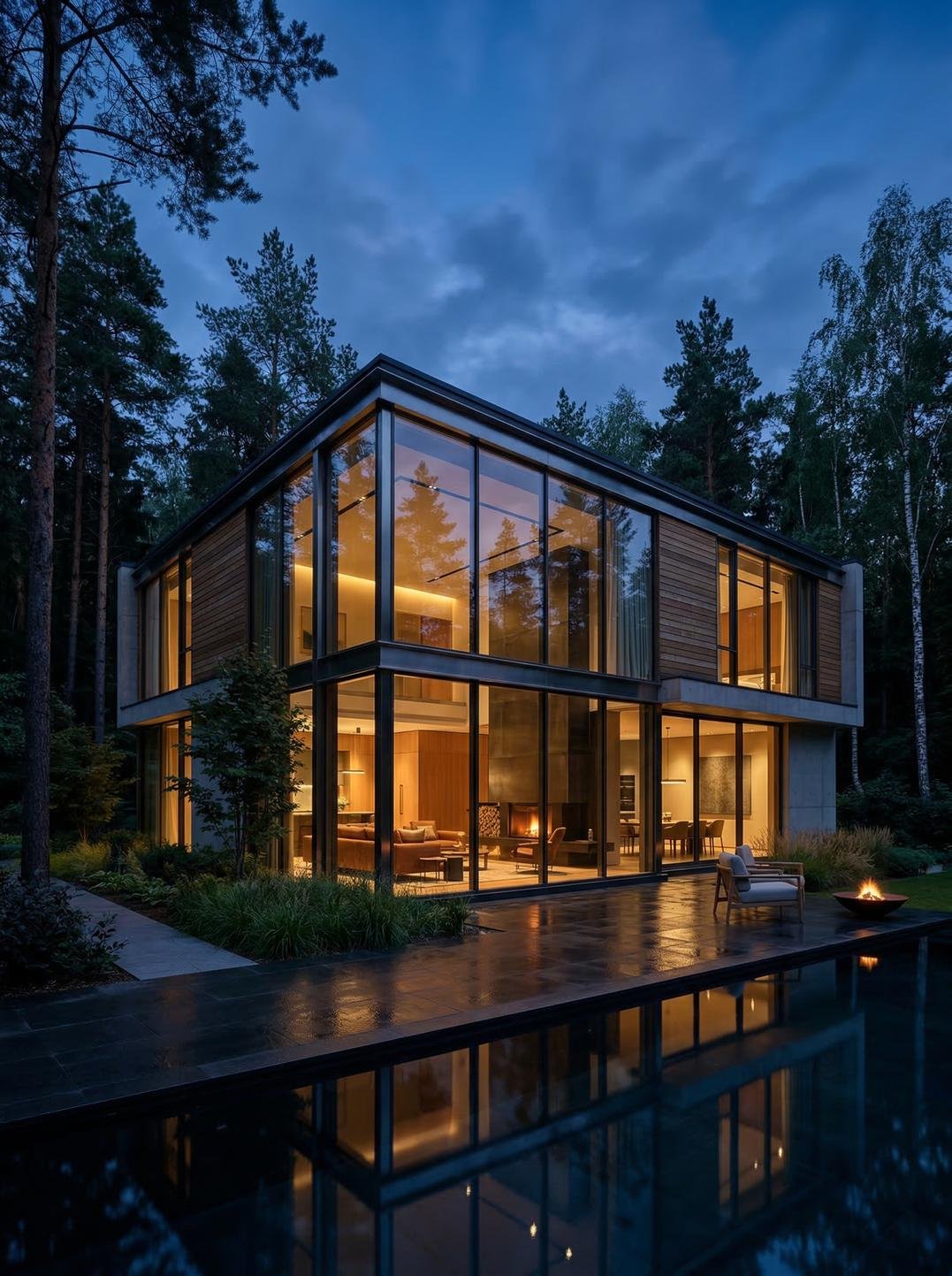
Creating compelling visual assets begins long before any software is opened or rendering engines are fired up. The process requires a deep dive into the architect’s CAD files, material schedules, and overarching design philosophy. This rigorous preparatory phase forms the foundation of any successful architectural viz project.
Once the structural geometry is built, specialized artists begin the intricate process of texturing and lighting the digital scene. They study how natural sunlight interacts with specific geographic coordinates at different times of the day. This meticulous environmental simulation separates average images from true photorealistic 3d rendering.
The final stage involves post-production adjustments to enhance contrast, color grading, and atmospheric depth. Teams carefully populate the scene with curated furniture and digital foliage to establish a sense of scale. These final touches transform sterile digital models into inviting spaces that resonate with buyers.
3. How Precise Lighting Simulation Reduces Client Revision Cycles

One of the most persistent bottlenecks in real estate marketing is the endless cycle of back-and-forth client revisions. Much of this friction occurs because early drafts fail to accurately depict how lighting interacts with specified materials. By prioritizing exact lighting physics in architectural viz, studios can eliminate these subjective design disputes early on.
When an interior designer specifies a matte Venetian plaster, the render must reflect its exact light absorption properties. If the digital representation looks glossy, the client will inevitably demand immediate, time-consuming corrections. Employing high-fidelity photorealistic 3d rendering ensures materials behave exactly as they would in the physical world.
Top-tier architectural firms understand that lighting dictates the entire mood of a space. They collaborate closely with visualization studios to ensure artificial light temperatures match the intended interior design schedule. This proactive approach significantly streamlines approvals and keeps marketing timelines strictly on track.
4. The Material Nuances Investors Notice First — and Studios Often Miss

Experienced real estate investors have trained eyes capable of spotting inconsistencies that average buyers might completely overlook. They scrutinize the grain of hardwood floors, the reflection on marble countertops, and the realistic draping of fabric. If these details fall flat, the credibility of the entire architectural viz package is immediately compromised.
Many inexperienced studios rely on generic texture libraries that make luxury developments look mass-produced and uninspired. A custom approach is required to map bespoke materials accurately, accounting for surface imperfections and natural wear. This relentless dedication to texture authenticity defines top-tier photorealistic 3d rendering within the B2B sector.
Furthermore, spatial context plays a massive role in grounding a property in its actual environment. Showing accurate site lines, neighboring structures, and native landscaping builds immense trust with local zoning boards and investors. Neglecting the outside environment is a common pitfall that instantly breaks the immersion of an otherwise perfect interior.
5. Conclusion
Securing investments and pre-sales requires more than just innovative floor plans; it demands absolute visual clarity. Exceptional architectural viz serves as the ultimate bridge between an architect’s vision and an investor’s financial commitment. By prioritizing highly accurate photorealistic 3d rendering, developers can significantly shorten sales cycles and boost property valuations.
To elevate your next commercial or residential project, partner with the experts at Arkilex. Our specialized team delivers unparalleled architectural viz tailored specifically for high-stakes real estate marketing. Browse our portfolio online or contact us today to schedule a free consultation for your upcoming development.
6. FAQs
How long does a standard architectural viz project take to complete?
The timeline for visualization depends heavily on the scale and complexity of the development. A single interior view may take a few days, while a comprehensive master plan requires several weeks. Providing comprehensive CAD files and material boards upfront significantly accelerates the delivery schedule.
What files do developers need to provide for an accurate rendering?
Studios typically require 3D models or 2D CAD drawings, along with detailed material schedules and landscaping plans. Floor plans and elevation drawings form the necessary geometric foundation for the digital build. The more detailed the initial brief, the more accurate the final imagery will be.
Can architectural viz be used for zoning board approvals?
Yes, accurate visual assets are incredibly effective tools during municipal and zoning board presentations. They help committee members easily understand the true scale, context, and community impact of proposed structures. High-quality visuals often reduce friction and expedite the entitlement process.
How do revisions work during the rendering process?
Professional studios implement a phased approval process, usually starting with untextured geometric drafts known as clay models. Clients review camera angles and lighting at this stage before final textures are applied. This structured workflow prevents costly and time-consuming changes late in the production cycle.
“An exemplary collaboration with Arkilex. We brought them in to visualize several projects and the result is simply impressive. Beyond the visual quality, their time management is flawless – deadlines met with rare precision. A trustworthy, responsive, professional partner I highly recommend.”
— Aquaya Maroc ★★★★★ · Google review