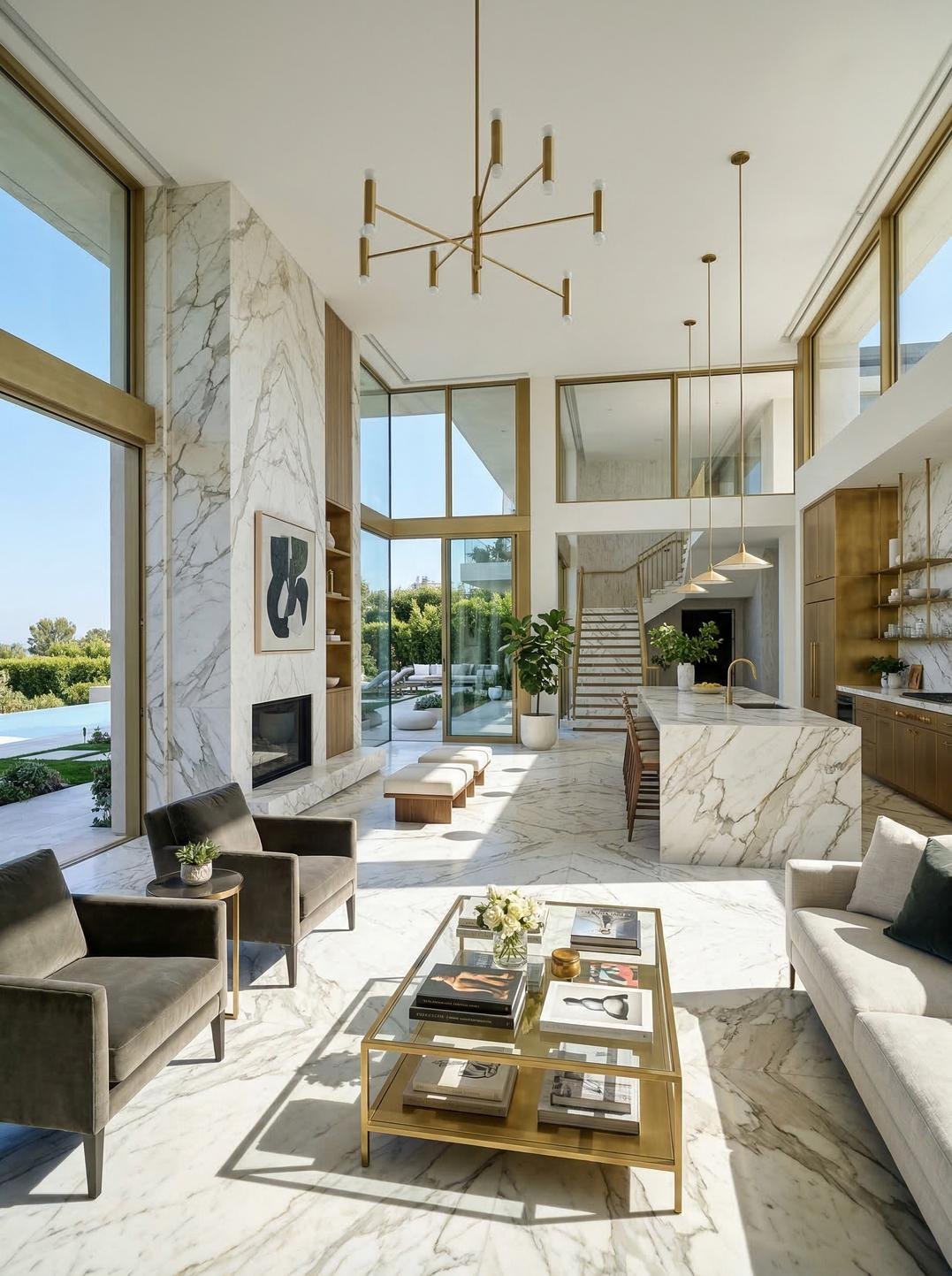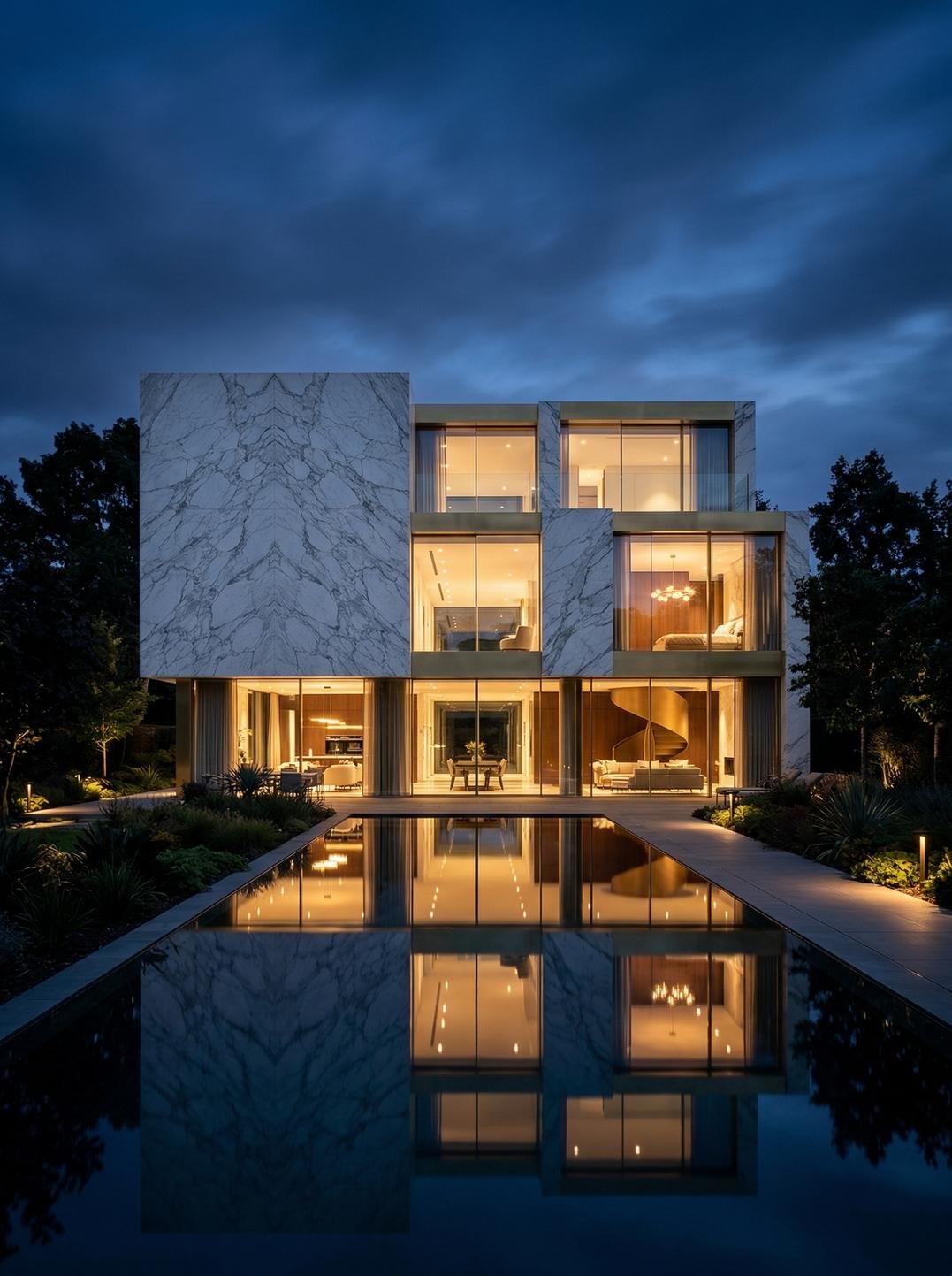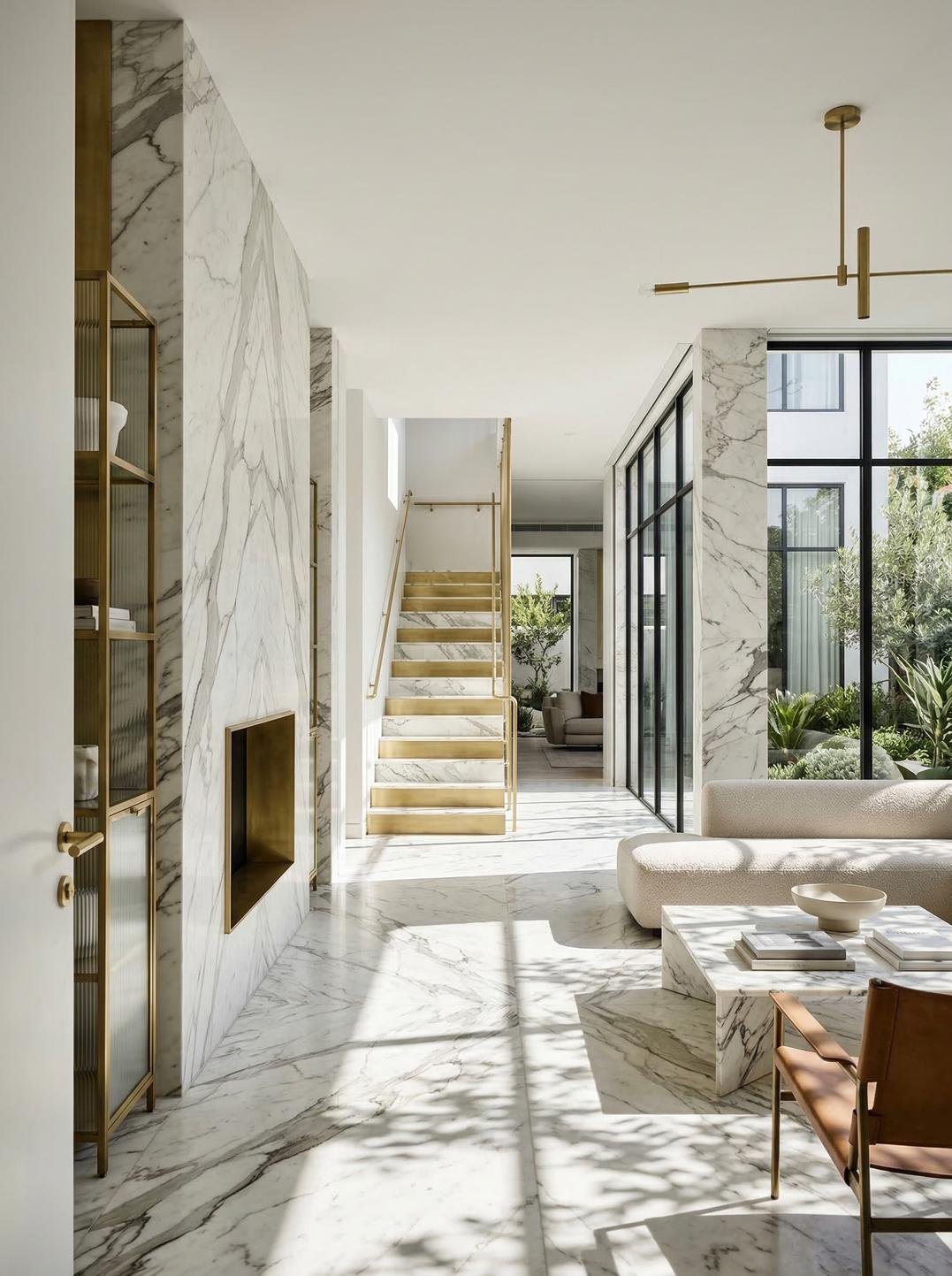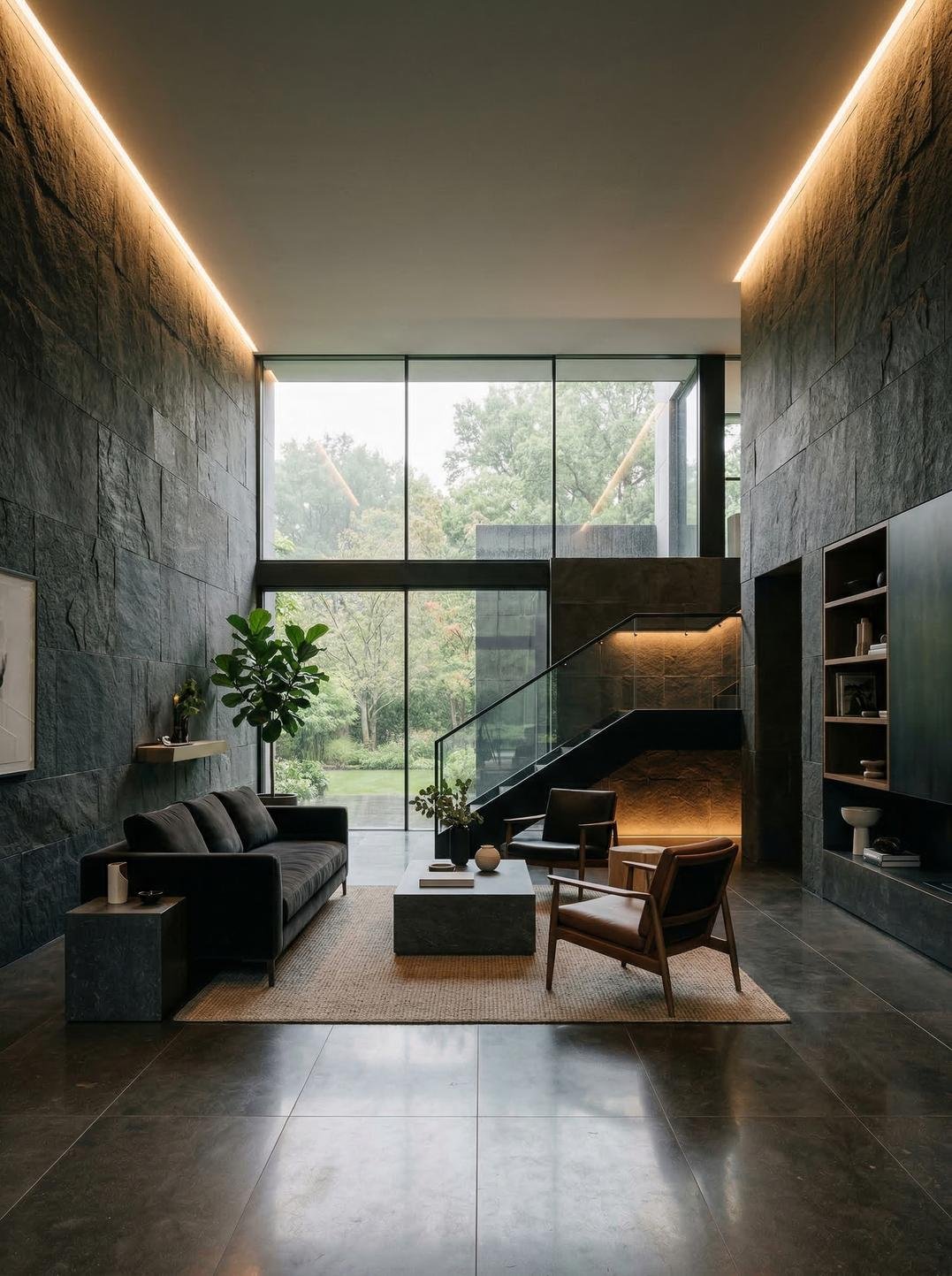

Photorealism in architectural rendering is not a stylistic preference. It is a commercial threshold. Below it, buyers maintain a layer of skepticism — they know they are looking at a visualization, and that awareness creates distance. Above it, buyers respond to the image the way they respond to photography of completed spaces: emotionally and directly.
The difference between a stalled project rollout and a sold-out initial phase often comes down entirely to the caliber of the visual narrative presented. Market leaders rapidly outpace their rivals by integrating a robust 3d visualization workflow long before the physical foundation is even poured. This paradigm shift demands a much more rigorous, analytical approach to selecting visualization partners capable of executing at an elite level.
Table of Contents
1. Why the Standard Photorealistic Architectural Rendering Fails to Secure Premium Buyers
In an increasingly saturated luxury real estate market, delivering a technically correct but emotionally vacant image is a massive vulnerability. Mid-tier developers frequently commission a photorealistic architectural rendering merely to check a compliance box on their digital marketing collateral. This baseline, uninspired approach completely fails to capture the aspirational lifestyle nuances that premium buyers now universally expect.
Industry leaders view their visual assets entirely differently, utilizing them as aggressive market differentiators. They demand a photorealistic architectural rendering that acts as a potent psychological anchor, establishing immediate and unshakeable perceived value in the buyer’s mind. Every single texture, shadow cast, and interior styling choice is meticulously calibrated to mathematically outclass competing residential developments down the street.
This strategic elevation reliably separates premium, fast-moving developments from stagnant, low-inquiry property listings. When institutional investors or private buyers compare prospective projects, the depth and authenticity of your visual assets subconsciously dictate their perception of the actual build quality. Securing that critical market advantage requires permanently abandoning the minimum-viable-product mindset that plagues average real estate firms.
2. The Rigorous Multi-Phase Workflow Leading Developers Demand
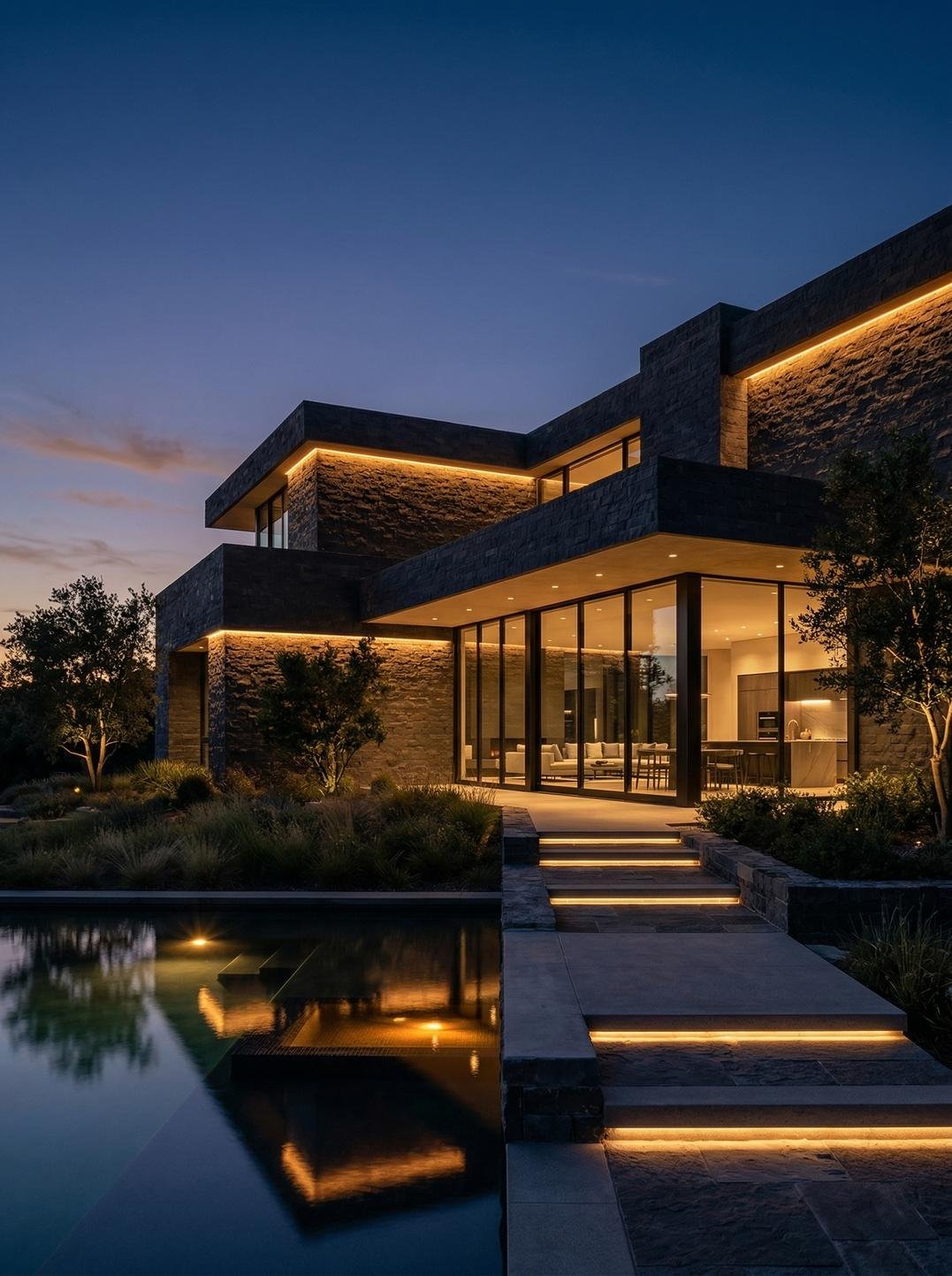
Average development firms still treat visualization as a basic linear transaction, indiscriminately handing off CAD files and passively waiting for a final image. Market leaders, however, demand a highly collaborative 3d visualization workflow that aggressively interrogates the architectural design before digital modeling even begins. This early strategic integration acts as a vital stress test for architectural decisions, identifying spatial flaws long before construction mobilization.
The true competitive edge consistently emerges during the rigorous lighting simulation and material curation phases of the project timeline. A sophisticated 3d visualization workflow empowers developers to digitally test multiple high-end interior finishes against highly specific demographic preferences. By analyzing these critical visual variables early in the cycle, top-tier project teams permanently mitigate the financial risk of costly post-launch marketing pivots.
This highly structured methodology guarantees that the final photorealistic architectural rendering aligns perfectly with the overarching, high-stakes sales narrative. It systematically eliminates the costly guesswork that historically plagues uncoordinated, fragmented real estate marketing campaigns. Predictable, high-converting visual output is always the direct, calculated result of highly controlled, strategic creative input.
3. How Cinematic Composition Accelerates Pre-Sale Velocity Across Target Demographics

Forward-thinking commercial and residential developers understand that cinematic composition dictates market traction significantly more than mere technical accuracy. They expressly instruct their visualization studios to frame digital shots exactly as an award-winning architectural photographer would capture a completed physical building. This sophisticated, cinematic approach instantly elevates the project above the static, distorted wide-angle shots heavily favored by mediocre industry competitors.
Achieving this level of dominance requires an obsessive, unrelenting focus on establishing specific narrative context within every single frame. A premium photorealistic architectural rendering will seamlessly incorporate hyper-specific lifestyle indicators, ranging from the curation of bespoke Italian furniture to the exact angle of morning sunlight. These incredibly subtle visual cues instantly signal luxury, exclusivity, and permanence to high-net-worth investors significantly faster than any written marketing copy.
Consequently, sophisticated sales teams equipped with these elite digital assets experience substantially lower friction during critical client presentations. The undeniable visual evidence implicitly answers the buyer’s unstated, internal objections regarding construction quality, material authenticity, and spatial flow. This level of strategic foresight directly accelerates the conversion timeline, securing vital pre-sales months ahead of standard industry projections.
4. The Micro-Details Discerning Investors Notice That Average Studios Miss

The vast competitive gap between top-tier marketing imagery and budget-friendly alternatives is most glaringly obvious in the digital treatment of material imperfections. Flawless, completely sterile digital surfaces subconsciously signal artificiality to highly sophisticated buyers actively evaluating a photorealistic architectural rendering. Elite visualization studios deliberately introduce subtle, calculated variations into their work, such as the slight unevenness of natural timber grain or the organic patina on brass plumbing fixtures.
Environmental lighting simulation presents another massive, easily avoidable vulnerability for inexperienced visualization teams and their development clients. An average studio relies heavily on standard global illumination defaults, ultimately creating flat, uninspiring interior spaces that completely fail to convey true architectural volume. Conversely, a masterful 3d visualization workflow prioritizes authentic physical light behavior, accurately computing how direct sunlight interacts with varying glass opacities throughout the seasonal calendar.
Furthermore, accurate contextual integration surrounding the primary property is frequently neglected by low-tier visualization providers racing to meet arbitrary deadlines. Top developers uncompromisingly insist that every single photorealistic architectural rendering accurately reflects the actual neighborhood topography, neighboring structures, and indigenous vegetation. This unwavering commitment to environmental truthfulness builds immediate buyer trust, permanently distancing the project from lower-tier competitors relying on generic, copy-paste stock environments.
5. Conclusion
Dominating the highly competitive pre-construction market requires treating every photorealistic architectural rendering as a strategic financial weapon rather than a mere design byproduct. By adopting a stringent, world-class 3d visualization workflow, developers can immediately secure a distinct competitive advantage that translates directly into accelerated sales velocity. Partner with Arkilex architectural visualization studio today to seamlessly transform your upcoming project blueprints into market-leading, highly profitable visual assets.
6. FAQs
How does premium visualization provide a competitive edge in saturated real estate markets?
High-end visualization instantly communicates superior build quality and lifestyle aspiration, differentiating your project from competitors relying on basic imagery. This perceived value allows developers to justify premium price points and capture early investor interest.
What defines a robust workflow for large-scale development projects?
A competitive workflow involves early conceptual stress-testing, demographic-specific styling, and rigorous light simulation before final rendering begins. This prevents costly marketing pivots and ensures the visual assets perfectly align with the target buyer’s expectations.
Why do high-net-worth investors respond poorly to standard architectural imagery?
Affluent buyers are visually literate and easily detect sterile, artificially perfect renders that lack emotional resonance or contextual accuracy. They expect a photorealistic architectural rendering to demonstrate precise material finishes and true-to-life environmental integration.
How should developers evaluate a visualization studio before partnering?
Developers should assess a studio’s ability to interpret architectural intent, their understanding of target demographics, and their capacity to manage complex asset delivery. A top-tier studio acts as a strategic marketing partner rather than just an outsourced production vendor.
“An absolutely excellent 3D team that I genuinely enjoy working with – always attentive, responsive, and open to adjustments. Communication is seamless and the results consistently meet our expectations. A trusted partner I recommend without hesitation.”
— Sofia Bouziane ★★★★★ · Google review