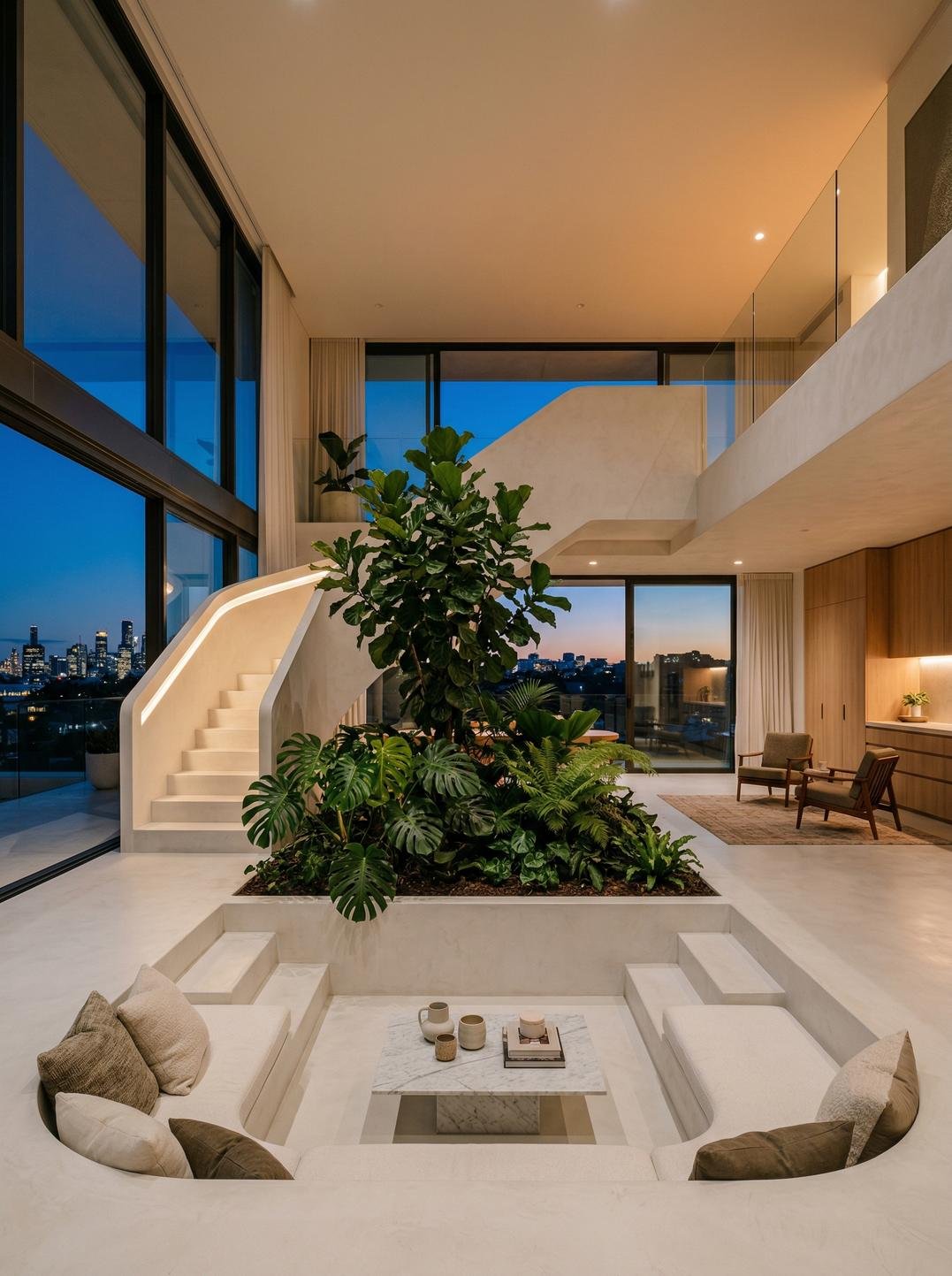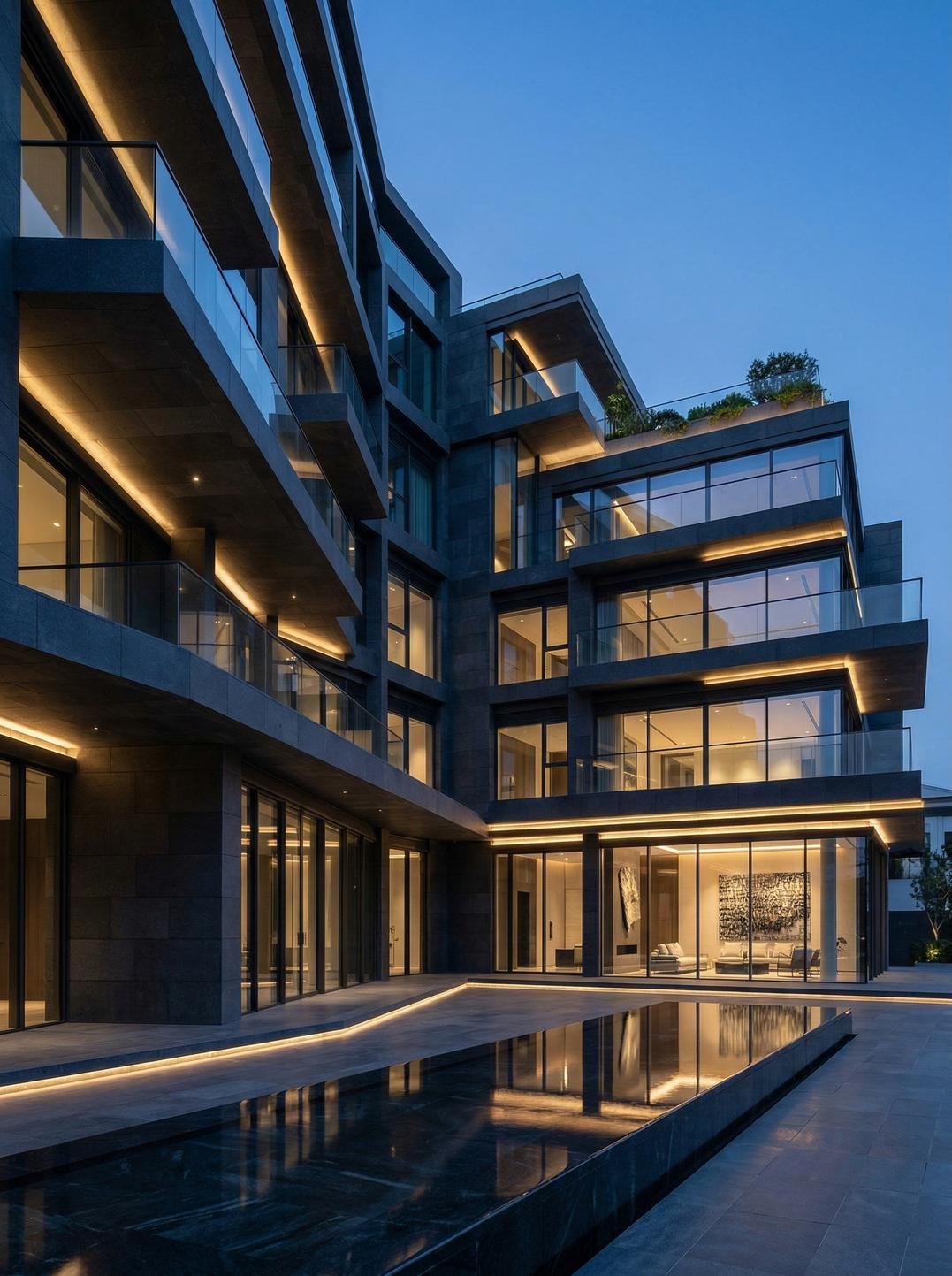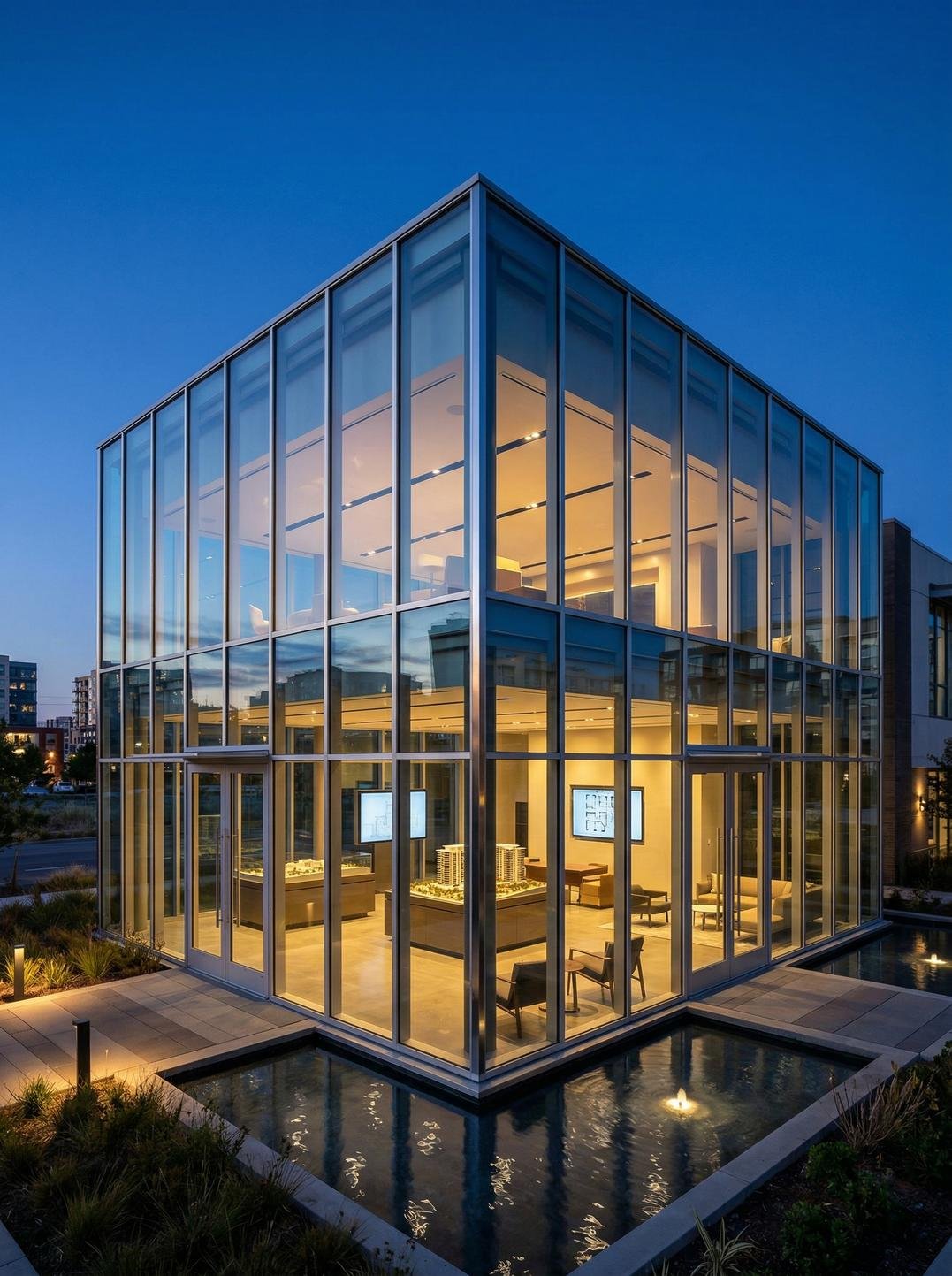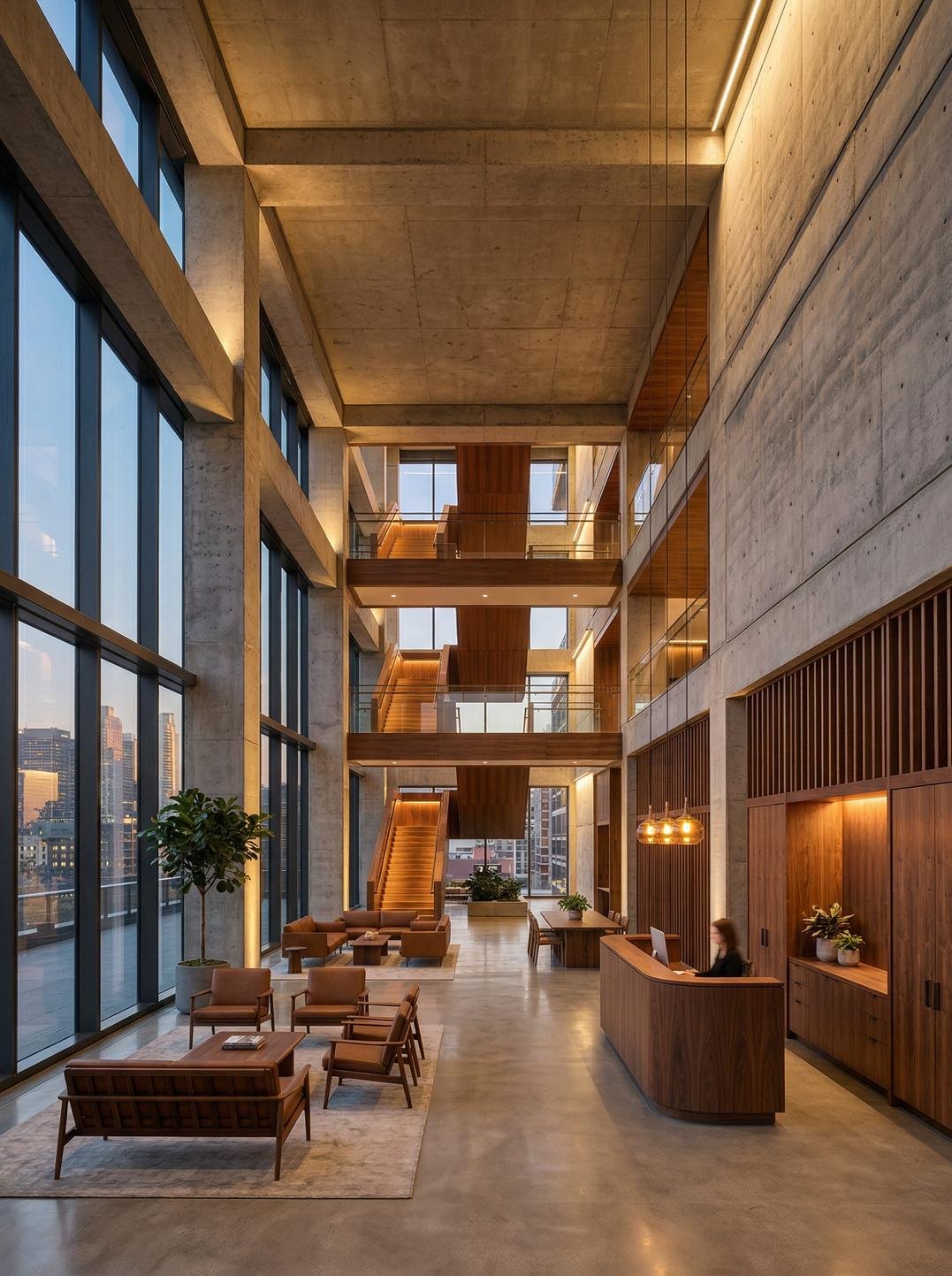

New developments face a particular challenge in the sales process: the property does not yet exist in its final form, and buyers are being asked to commit to something they cannot fully evaluate. The visual assets in the marketing package are carrying more weight than any other element of the campaign.
When institutional stakeholders review unbuilt properties, they rely entirely on digital assets to accurately assess risk and reward. Without compelling and realistic imagery, developers are effectively asking capital partners for a blind leap of faith. Utilizing expert arch visualisation closes that gap of uncertainty instantly by providing tangible proof of concept.
For real estate marketing teams and architects, aligning the visual narrative with the structural reality is a critical early-stage priority. A highly sophisticated photorealistic exterior rendering does the heavy lifting long before the first shovel hits the ground. It transforms theoretical design concepts into tangible, bankable assets that drive presales.
Table of Contents
1. Why Substandard arch visualisation Stalls Pre-Sale Funding
First impressions at the investor table dictate the momentum and financial success of the entire development cycle. If a property pitch relies on poorly lit, badly scaled, or rushed imagery, the perceived value of the physical asset instantly drops. High-quality arch visualisation anchors the perceived asset value firmly in reality, ensuring investors feel secure.
Developers often underestimate how subtle lighting errors and material flaws trigger unconscious doubts in prospective institutional buyers. When an architectural asset looks synthetic, the financial projections tied to it also begin to feel synthetic and unreliable. By integrating a meticulously crafted photorealistic exterior rendering into the pitch deck, sales teams can bypass this skepticism entirely.
The ultimate solution lies in prioritizing these visual assets during the early schematic design and planning phases. Real estate professionals who commission arch visualisation early can confidently test market reactions before finalizing expensive construction documents. This proactive strategy predictably saves developers thousands in late-stage design revisions and marketing course corrections.
2. The Four-Stage Workflow Behind Flawless Deliverables
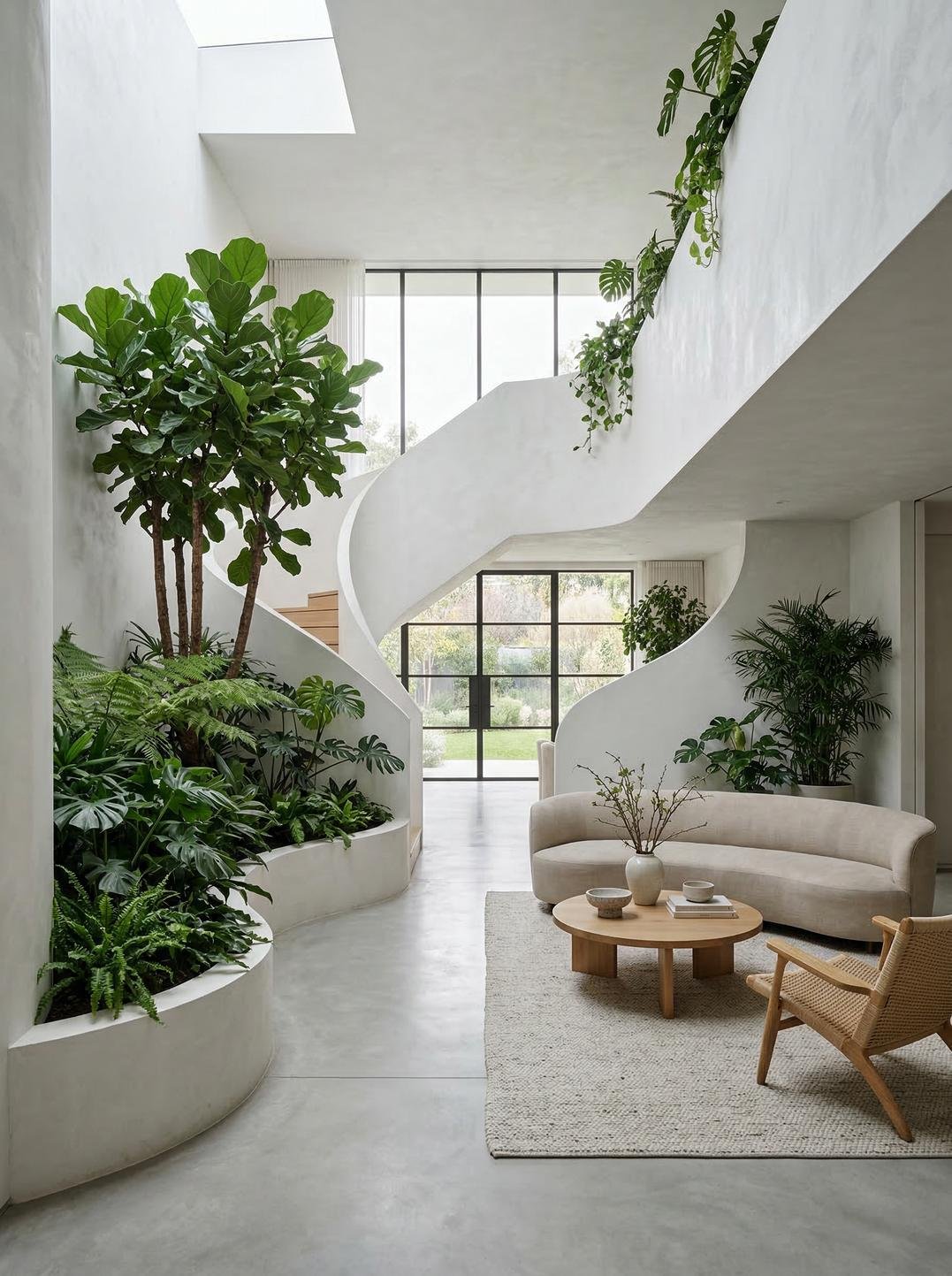
Creating a compelling visual narrative begins with an exhaustive data collection and geometry modeling phase. Studios require comprehensive CAD files, detailed material schedules, and precise landscaping plans to build an accurate foundational model. This rigid intake process guarantees that the final arch visualisation reflects the exact specifications the architects originally intended.
Once the foundational geometry is built, the studio’s focus shifts immediately to camera positioning and complex lighting scenarios. A successful photorealistic exterior rendering relies heavily on understanding how natural sunlight interacts with proposed facade materials at specific times of day. This is the critical stage where emotional mood and atmospheric depth are strategically injected into the scene.
The final stages involve rendering the raw digital frames and moving them into extensive post-production editing. Here, skilled artists add crucial context—such as diverse people, appropriate vehicles, and neighboring architecture—to ground the project in its actual environment. These final compositional touches are what separate a standard 3D model from a truly immersive arch visualisation experience.
3. What Architects Require From a Visualization Studio Before Briefing Begins

Before any modeling software is opened, architectural teams must align tightly with their rendering partners on the exact project goals. Is the primary objective to win a civic design competition, or to secure high-value off-plan deposits from private buyers? The answer to this dictates the entire aesthetic direction and stylistic approach of the arch visualisation.
Top-tier developers demand strict adherence to building codes and structural reality within all of their forward-facing marketing materials. A visualization partner must be highly capable of reading complex architectural plans, not merely applying attractive digital textures to basic shapes. Misrepresenting a zoning setback or a facade system in a photorealistic exterior rendering can lead to severe legal and compliance complications down the line.
Clear communication protocols regarding revision rounds and timeline milestones must also be established very early in the relationship. Architects should expect a studio to provide untextured clay renders or white-box drafts before any final lighting passes are executed. This specific methodology ensures the arch visualisation remains perfectly aligned with structural updates as the actual building design evolves.
4. The Detail Investors Notice First — and Studios Often Miss
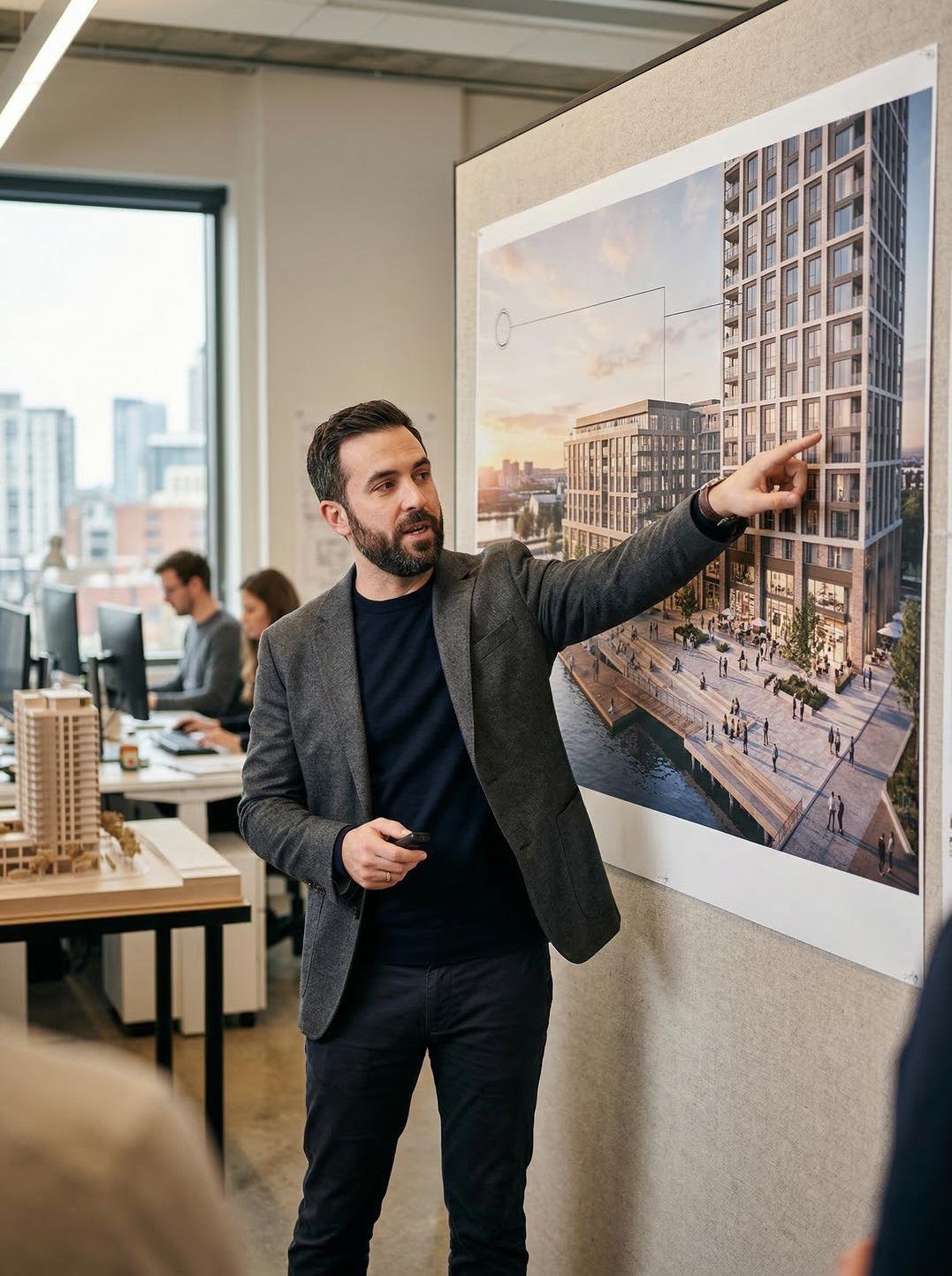
When sophisticated investors analyze a property pitch, their eyes naturally gravitate toward the contextual integration of the proposed building. They carefully observe how the new development sits within its streetscape and how it interacts with the surrounding existing infrastructure. If an arch visualisation ignores the surrounding environment, the asset appears isolated, unrealistic, and inherently risky.
Another frequently overlooked element in the industry is the accurate, lifelike depiction of organic landscaping and vegetation. Stiff, repetitive 3D vegetation immediately breaks the illusion of reality, causing prospective buyers to subconsciously disengage from the presentation. A masterful photorealistic exterior rendering utilizes diverse, region-specific foliage to create a believable, lived-in atmosphere that resonates with viewers.
Finally, the natural wear and tear of building materials is a subtle detail that adds massive psychological credibility. Pristine, overly glossy surfaces scream “computer-generated” to seasoned real estate professionals who understand real-world material physics. Introducing microscopic imperfections into the digital materials elevates the arch visualisation from a simple graphic to a convincing photograph of the future.
5. Conclusion
Investing in top-tier rendering services dramatically accelerates off-plan sales, secures crucial project funding, and aligns project stakeholders from day one. Do not let subpar imagery compromise the perceived value of your next major commercial or residential development. Contact the Arkilex architectural visualization studio today to request a quote, view our extensive portfolio, and elevate your property presentations with industry-leading visual assets.
6. FAQs
What is the typical turnaround time for a high-end exterior render?
For professional commercial projects, a high-quality exterior render typically takes between two to four weeks to complete. This timeline accommodates the initial geometry modeling, texturing, lighting drafts, and several rounds of client revisions to ensure total accuracy. Expedited timelines are possible but require highly organized initial design briefs.
What files do developers need to provide to start a project?
Developers and architects should provide comprehensive 2D CAD drawings, floor plans, and elevation files as a baseline. Additionally, a detailed material schedule, landscaping plans, and reference images for the desired mood and lighting are highly recommended. Supplying a pre-built 3D model from SketchUp or Revit can significantly reduce production times.
How do visualization studios handle design changes during production?
Professional studios utilize a phased approval workflow to manage ongoing design changes efficiently. Clients review untextured clay renders first, allowing them to adjust architecture and camera angles before expensive lighting and texturing phases begin. Significant structural changes requested late in the final rendering phase may incur additional costs.
Why is 3D visualization critical for off-plan property marketing?
3D visualization bridges the gap between technical blueprints and buyer comprehension, allowing non-architects to fully understand spatial layouts. High-end renders create an emotional connection with buyers, which directly translates to faster sales cycles and higher deposit commitments. Ultimately, it allows developers to generate revenue long before construction is completed.
“Few teams can turn an abstract vision into such a harmonious reality. They merged bold architecture, precise interior design, and the poetry of landscaping. Rigor, boundless creativity, and a contagious passion.”
— Khalif Khalif ★★★★★ · Google review