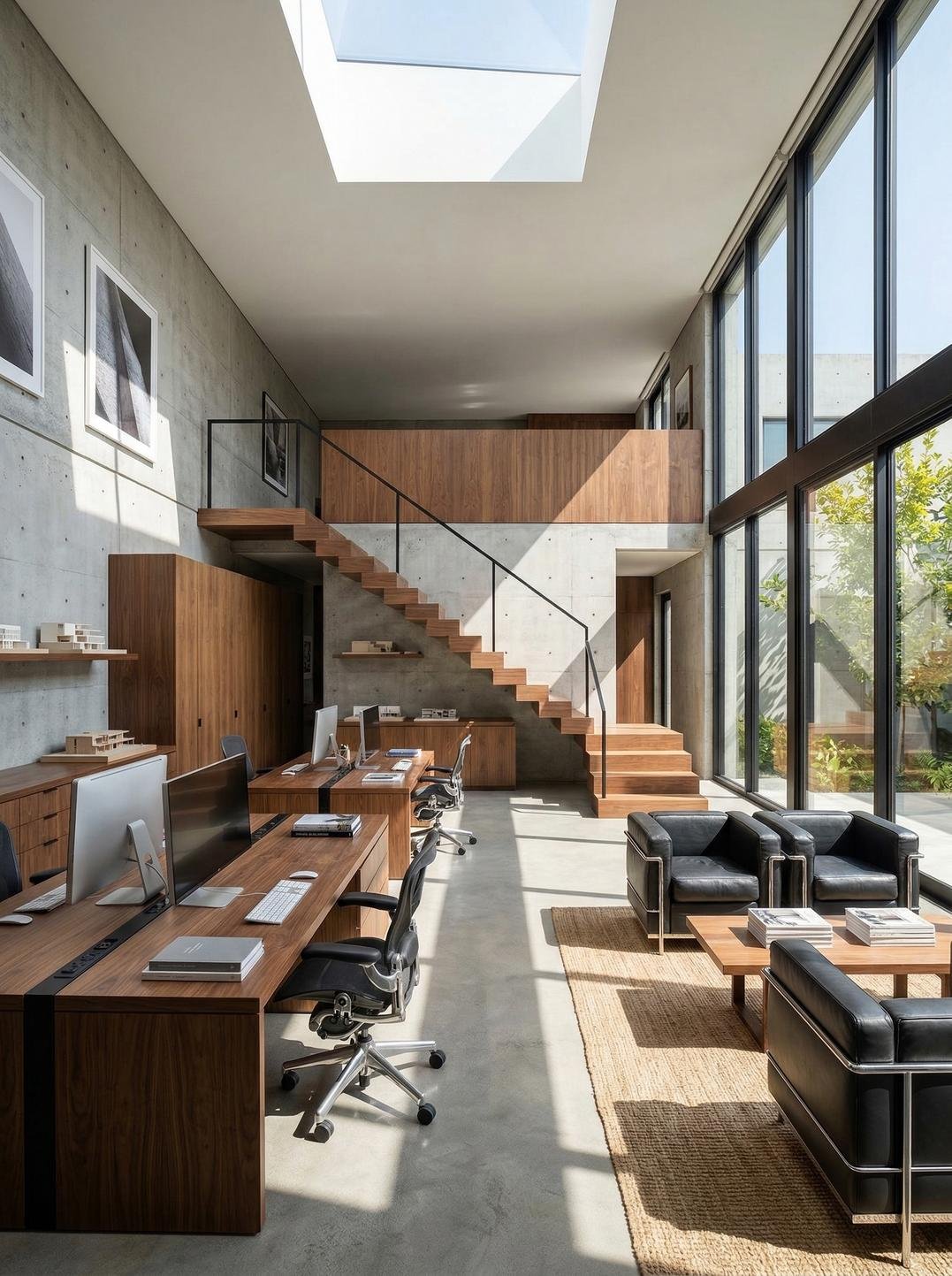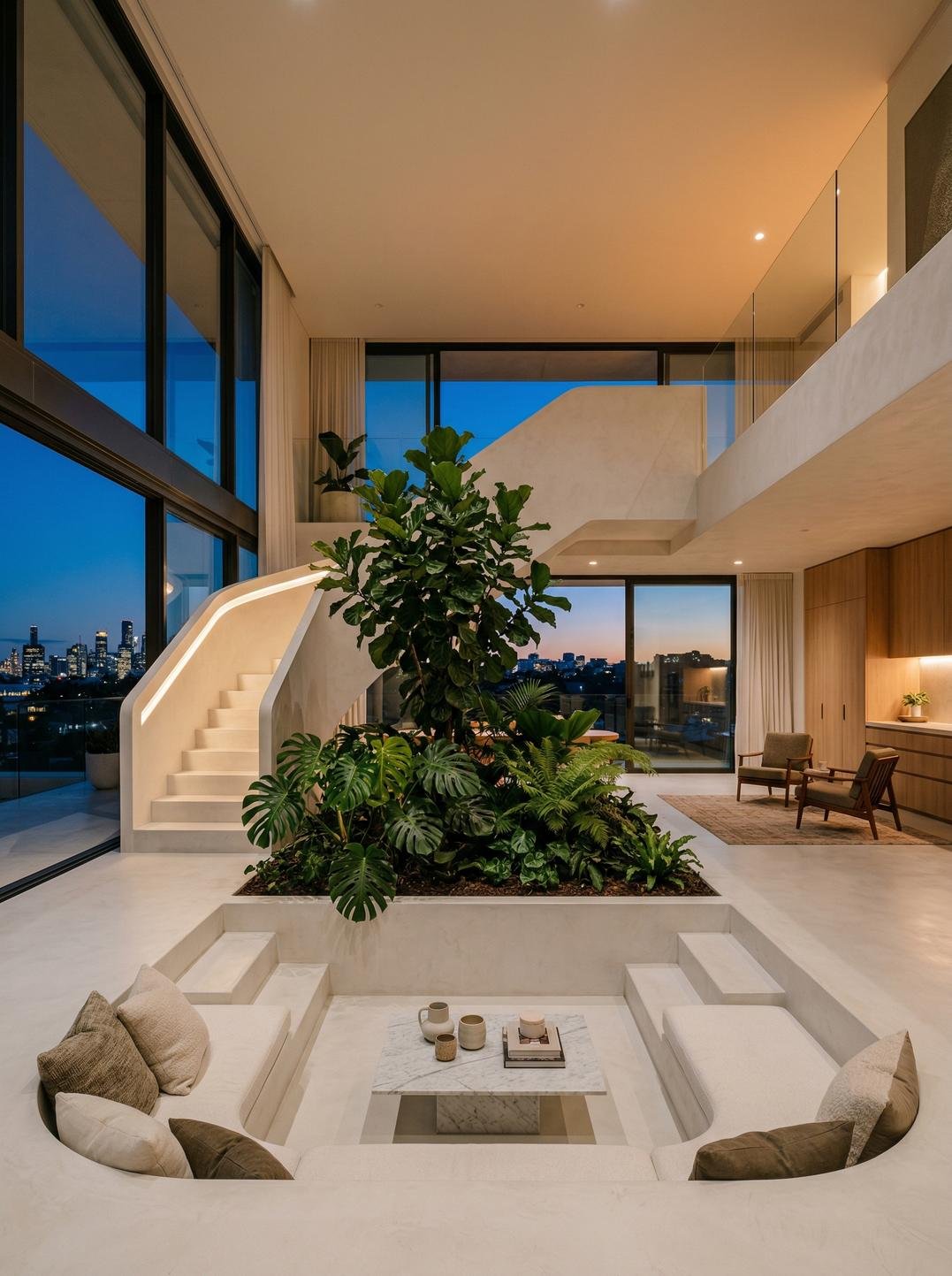

Investor confidence in a real estate project is built through specific, verifiable visual evidence — not general presentations or architect’s sketches. The render needs to communicate the quality of the asset being proposed, the credibility of the developer behind it, and the precision of the execution plan. Generic visualization fails all three of those requirements.
A buyer evaluating a premium property is actively looking for visual cues that justify the cost before ground is even broken. If the off-plan property visualization feels sterile, the buyer’s subconscious instantly labels the investment as high-risk. Understanding how the end-user processes these images fundamentally changes how developers must brief their visualization studios.
Table of Contents
1. Why Buyer Trust Erodes When 3d real estate rendering Lacks Contextual Depth
The typical developer focuses heavily on structural accuracy, demanding that every mullion aligns perfectly with the architectural model. However, the prospective buyer assumes technical competence and instead evaluates the emotional resonance of the presented environment. If a 3d real estate rendering presents a luxury tower floating in an artificially pristine neighborhood, the buyer’s internal alarm bells ring.
They scrutinize the edges of the image, wondering what site flaws the developer is attempting to hide through selective cropping. Providing genuine street-level context bridges the cognitive gap between a theoretical structure and a believable future asset. This level of visual transparency is what ultimately transforms a skeptical prospect into a confident property buyer.
2. The Multi-Stage Cognitive Workflow Behind a Pre-Sale Decision
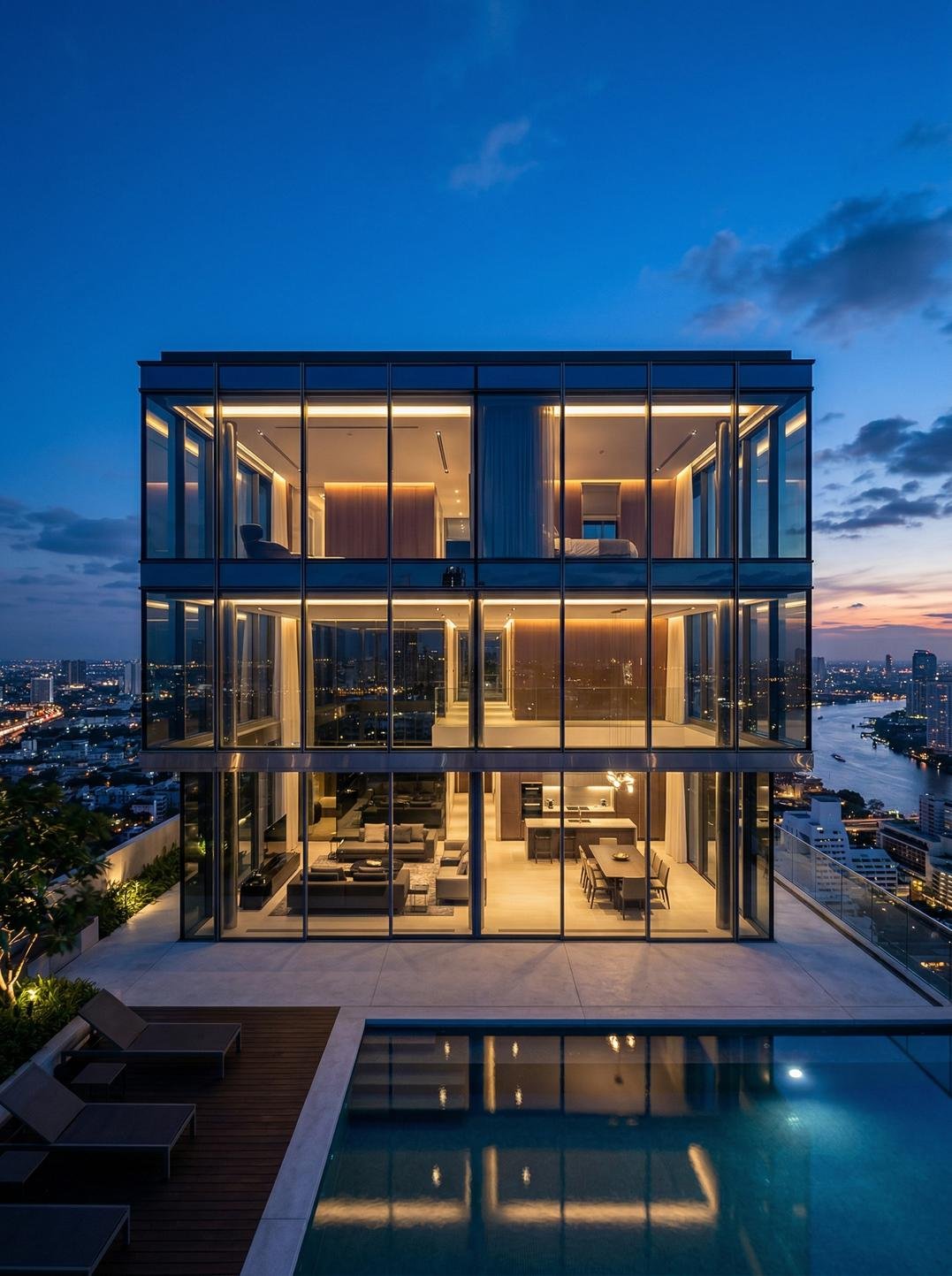
An investor’s journey through a project deck happens in distinct, predictable phases that developers rarely map out strategically. Initially, the buyer assesses the macro view to establish the project’s scale, location, and overall prestige within the market. This is where high-quality off-plan property visualization must immediately answer the unspoken question of whether the asset fits their portfolio.
Next, they zoom into the micro details, analyzing material textures and interior light patterns to validate the promised luxury. A sophisticated 3d real estate rendering caters to this exact sequence by layering focal points that guide the eye naturally. By anticipating this viewing behavior, developers can structure their presentations to match the buyer’s internal evaluation logic.
3. How Accurate Lighting Simulations Eliminate Subconscious Buyer Hesitation

Buyers may not understand the mathematics behind global illumination, but their brains are acutely trained to detect fake light. When shadows fall unnaturally or morning sun casts an impossible mid-day hue, the viewer experiences a subtle psychological disconnect. This cognitive dissonance translates directly into hesitation during the sales pitch, as the client feels something is wrong without knowing why.
Conversely, executing a 3d real estate rendering with physically accurate sunlight tracking makes the space feel inherently safe and habitable. The moment a client can vividly imagine their morning routine bathed in realistic light, the pre-sale friction dissolves. Authentic lighting is the invisible bridge between a sterile digital file and a buyer’s emotional financial commitment.
4. The Subtle Environmental Cues Investors Notice First and Studios Often Miss

Architects often brief visualization teams to highlight structural triumphs, like a complex cantilever or a custom parametric facade. Meanwhile, the actual buyer is scrutinizing the depth of the kitchen counters and the privacy of the balcony sightlines. They are actively placing their own furniture, daily habits, and family members into the provided off-plan property visualization.
If a 3d real estate rendering neglects human-scale elements like appropriately scaled doorways or realistic material wear, the illusion shatters. Buyers need to see how the space accommodates their lifestyle before they care about the architectural ingenuity behind the building. Developers who pivot their strategy to answer these client-centric lifestyle questions consistently outperform those selling pure architecture.
5. Conclusion
The true value of a 3d real estate rendering lies not in its technical perfection, but in its psychological impact on the buyer. When developers shift their perspective to see projects through the eyes of their investors, off-plan property visualization becomes an irrefutable sales asset. To create visual narratives that anticipate and answer your buyers’ deepest lifestyle concerns, partner with the experts at Arkilex architectural visualization studio today.
6. FAQs
How does 3d real estate rendering specifically address buyer risk aversion?
Buyers perceive unbuilt projects as inherently risky due to the lack of tangible, walk-through proof. High-fidelity 3d real estate rendering mitigates this by providing hyper-realistic previews that allow clients to verify material quality beforehand. This visual proof lowers their perceived risk, making them far more comfortable committing capital early.
What elements of off-plan property visualization generate the highest buyer confidence?
Buyers look for authentic context, such as accurate neighboring buildings, realistic foliage, and proper time-of-day lighting. An off-plan property visualization that includes these grounding elements feels transparent and honest to a skeptical investor. It proves the developer has considered how the building exists in the real world, rather than just in a vacuum.
Why should developers prioritize interior 3d real estate rendering over exterior shots?
While exteriors establish prestige, buyers ultimately live in and physically interact with the interior spaces. Interior 3d real estate rendering allows investors to analyze lifestyle factors like natural light penetration and fixture quality. These intimate, human-scale details are what typically trigger the final emotional decision to purchase.
How can interior designers use these visuals to manage client expectations?
Visualizations serve as a precise communication bridge between abstract design concepts and direct client comprehension. By presenting a true-to-life visual asset, designers ensure the client understands the exact fabrics and spatial layouts proposed. This prevents costly late-stage revisions that happen when clients cannot accurately interpret traditional 2D material boards.
“Few teams can turn an abstract vision into such a harmonious reality. They merged bold architecture, precise interior design, and the poetry of landscaping. Rigor, boundless creativity, and a contagious passion.”
— Khalif Khalif ★★★★★ · Google review