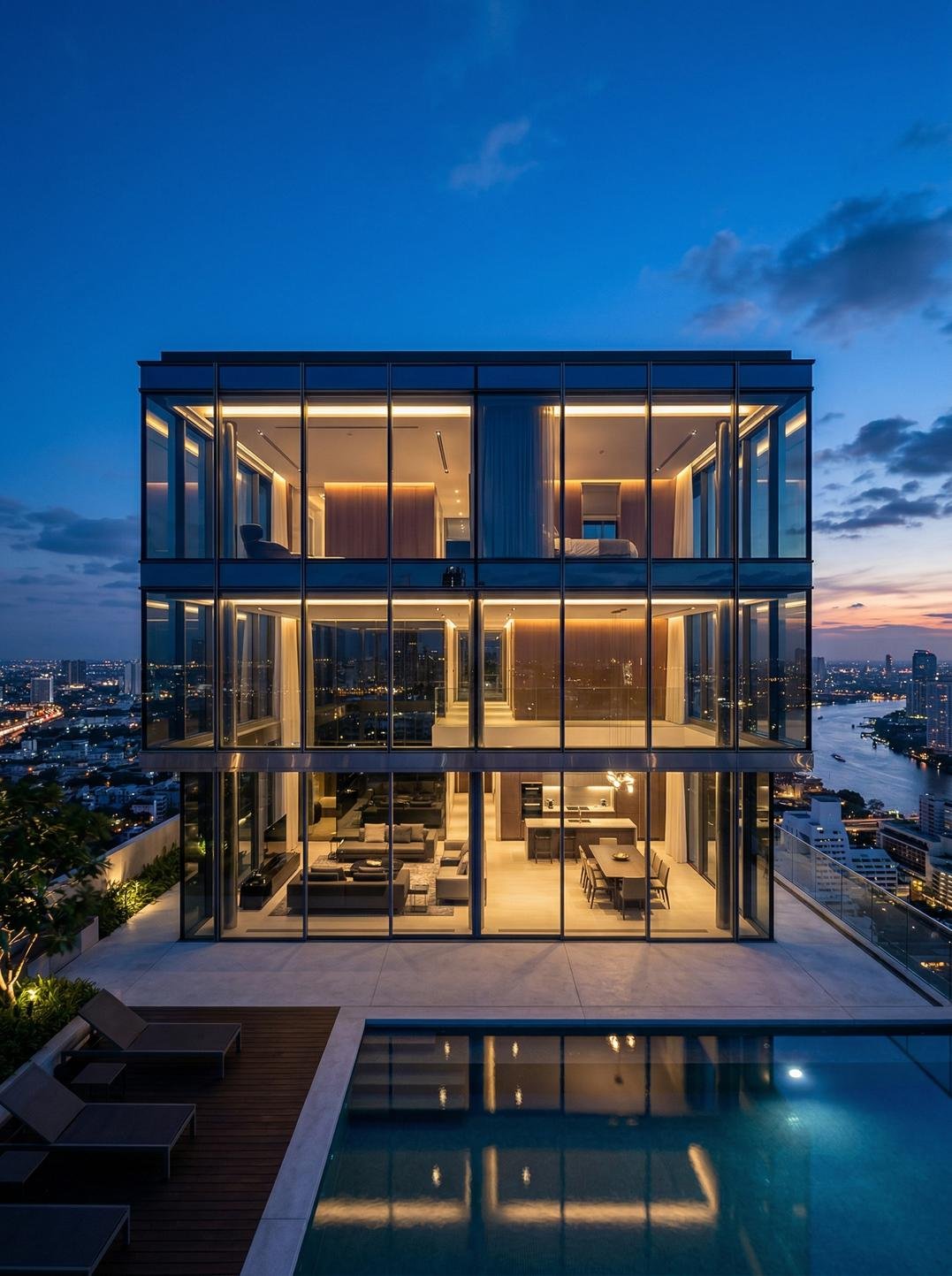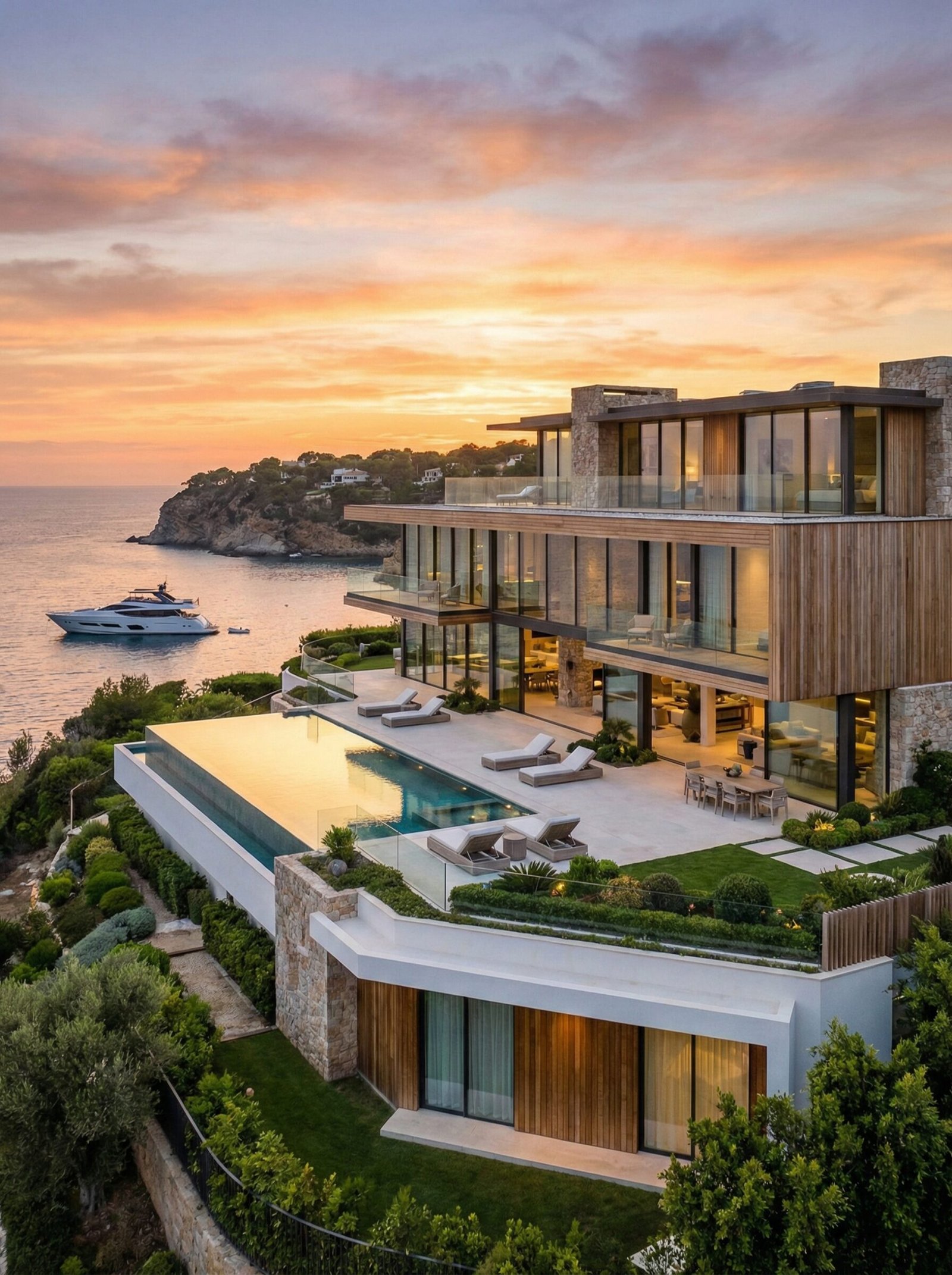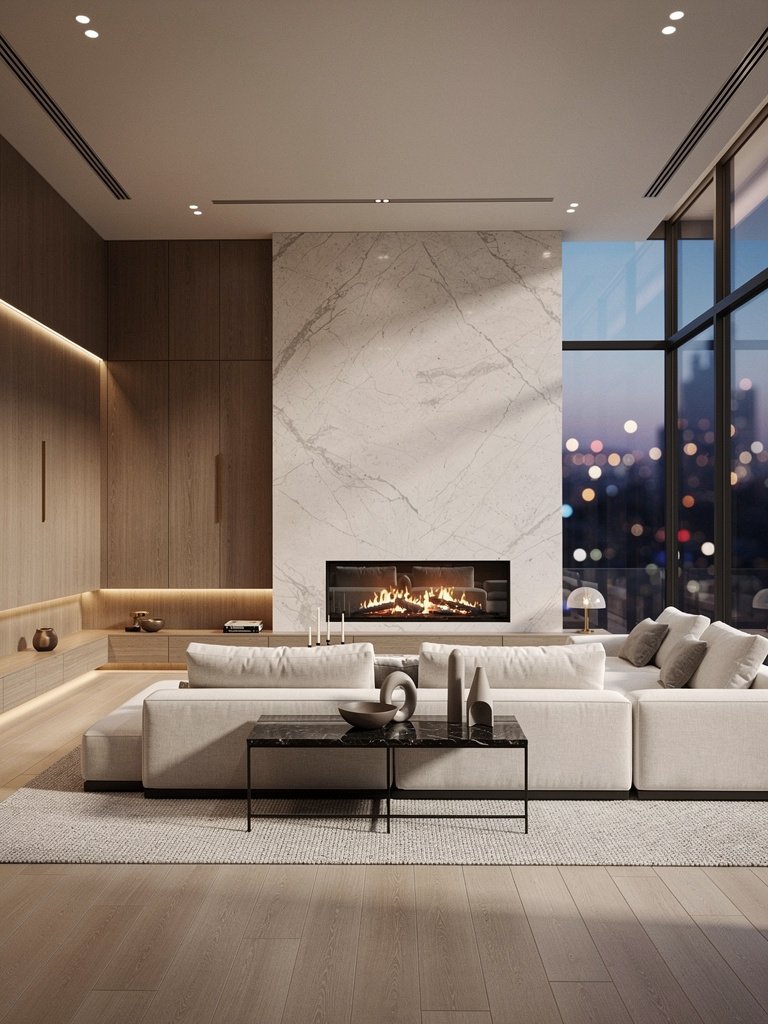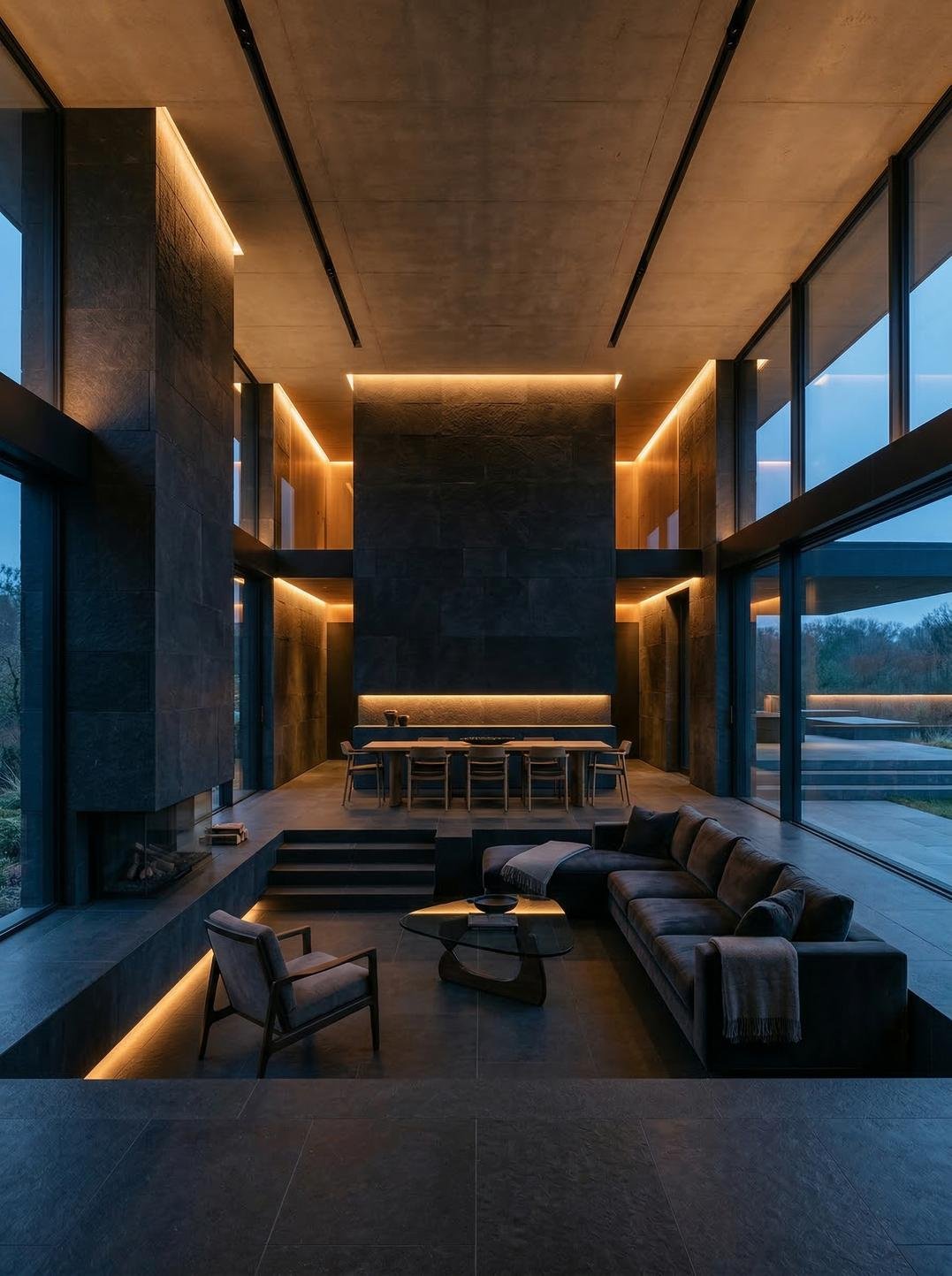

Commercial interior design decisions involve more stakeholders than residential ones, and they take longer to reach approval as a result. A fit-out that represents the organization to clients, defines the daily environment for hundreds of employees, and will last through multiple rebrands has to satisfy a board, a property director, an operations lead, and often an external design committee.
This shift has transformed early-stage marketing from a speculative pitch into a tangible, aggressive digital experience. Firms integrating advanced office space planning visualization are consistently closing deals months ahead of schedule. We are watching a widening gap between studios that merely render a space and those that engineer an undeniable competitive advantage.
Table of Contents
1. Why Uninspired commercial interior design Sabotages Pitch Meetings Before They Start
The primary reason average developments stall in pre-leasing is a fundamental failure to communicate spatial value visually. Corporate decision-makers evaluate a commercial interior design not by its structural blueprint, but by how it projects their own corporate identity. If your visual assets look like generic architectural placeholders, prospective tenants will instinctively discount the overall lease value.
Top-tier developers circumvent this hesitation by leveraging commercial interior design renders that act as precise competitive benchmarks. They understand that a highly detailed office space planning visualization accelerates executive consensus across the boardroom. The solution lies in shifting your visualization strategy from simple representation to aggressive, high-stakes market positioning.
When competing against established properties, your unbuilt asset must appear more tangible and desirable than existing concrete alternatives. Superior commercial interior design visualization strips the perceived risk from the equation for both tenants and institutional investors. You are not just selling square footage; you are selling the undeniable certainty of a premium future workspace.
2. The Four-Stage Visualization Workflow That Isolates Top-Performing Developers
Market leaders do not treat 3D rendering as a post-design afterthought; they embed it deeply into their earliest strategic phases. The most effective workflows begin with a comprehensive spatial audit, mapping out natural light penetration, core circulation, and crucial sightlines. This data directly informs the commercial interior design models, ensuring every digital shadow aligns with real-world geographical coordinates.
From there, studios deploy advanced office space planning visualization to test multiple floor plate configurations against varying tenant profiles. By validating these layouts digitally, developers can aggressively market a single commercial interior design concept customized for tech, legal, or creative firms. This modular approach to visualization dramatically lowers client acquisition costs while maximizing perceived asset flexibility in a shifting market.
Executing this framework requires a visualization partner who understands the underlying economics of commercial real estate development. Average studios simply trace CAD files, whereas competitive studios engineer a visual narrative designed explicitly to outmaneuver regional competitors. This operational rigor is the hidden engine driving today’s most successful, fully leased commercial project launches.
3. How Hyper-Realistic Material Selection Accelerates Anchor Tenant Commitment

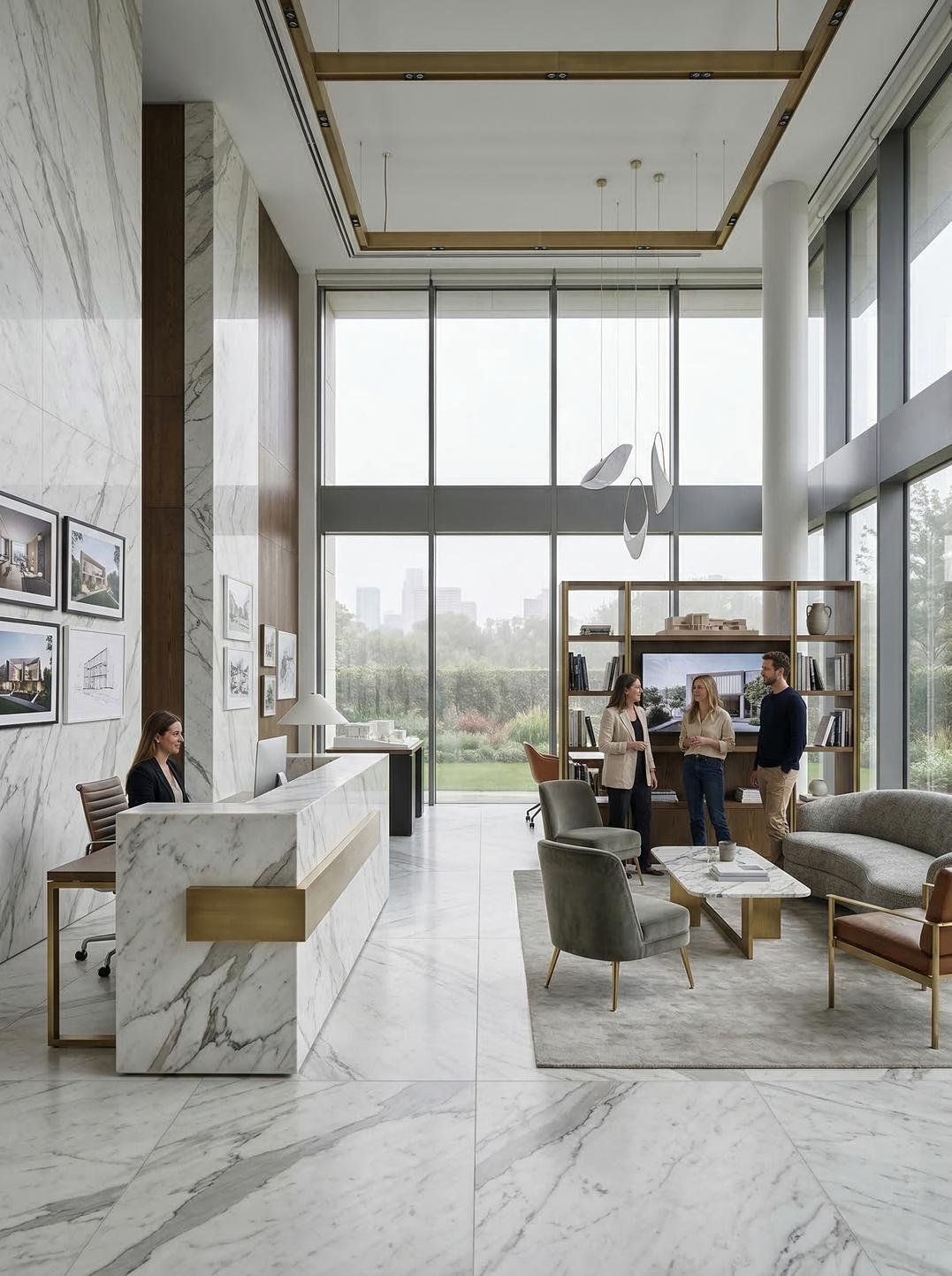
The texture of a brushed brass fixture or the grain of acoustic timber paneling carries immense psychological weight during final negotiations. Average visualization studios often rely on flat, repetitive texture maps that subconsciously signal cheap execution to high-net-worth investors. Conversely, market-dominating developers insist on physically based rendering techniques to elevate their commercial interior design presentations.
This technical superiority ensures that light interacts with marble, glass, and steel exactly as it would in the physical world. Providing an impeccably detailed office space planning visualization builds immediate, unshakeable trust with anchor tenants who demand premium fit-outs. Ultimately, this granular attention to realism compresses the negotiation timeline and fortifies your maximum asking price per square foot.
Every millimeter of digital material must withstand intense scrutiny from architectural review boards and sophisticated corporate leasing teams. When you present a commercial interior design that flawlessly mimics reality, you automatically establish absolute authority in the room. This level of visual fidelity forces competitors playing in the same asset class into a defensive, reactive posture.
4. The Lighting Details Institutional Investors Scrutinize and Novice Studios Miss
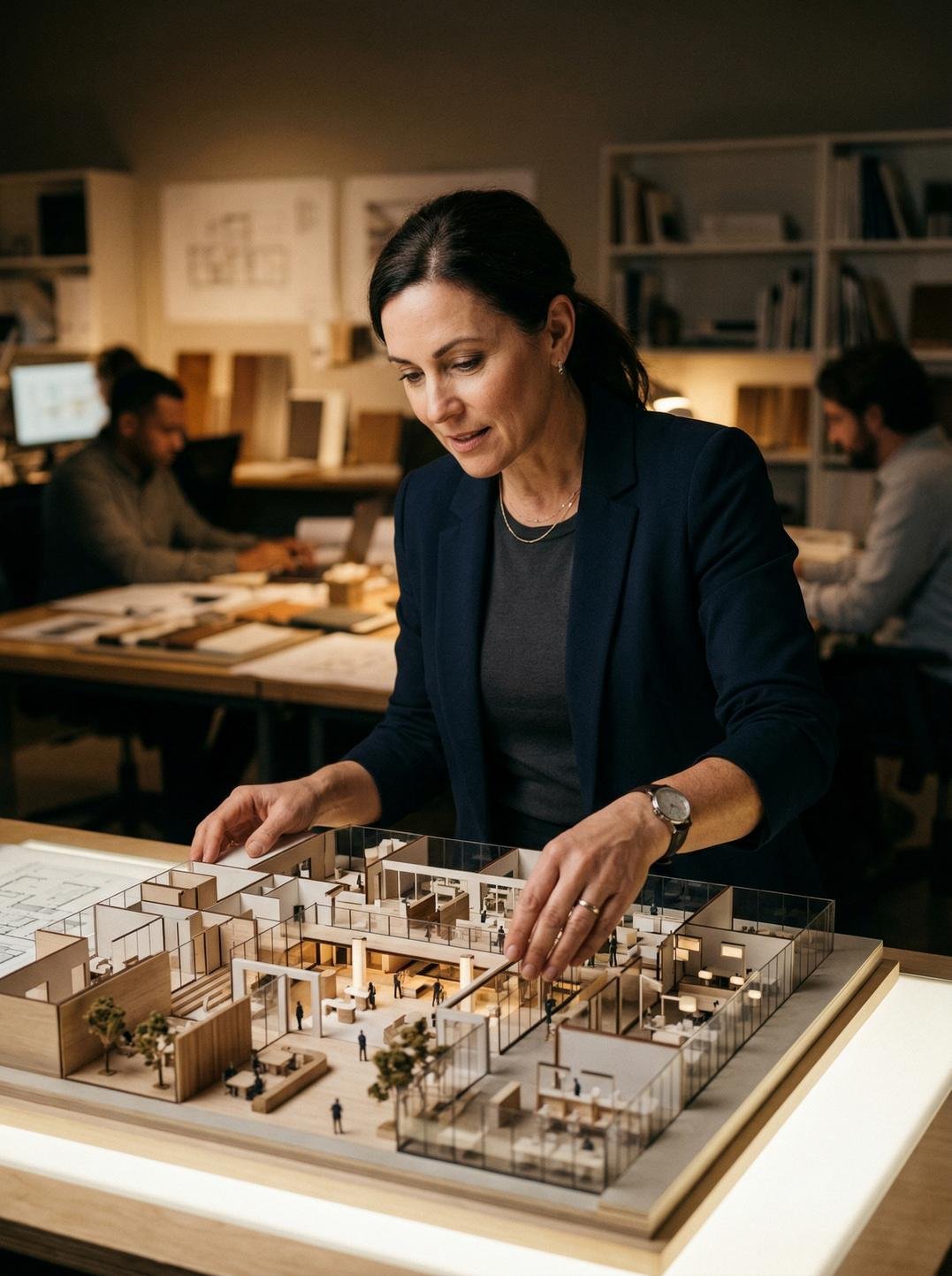
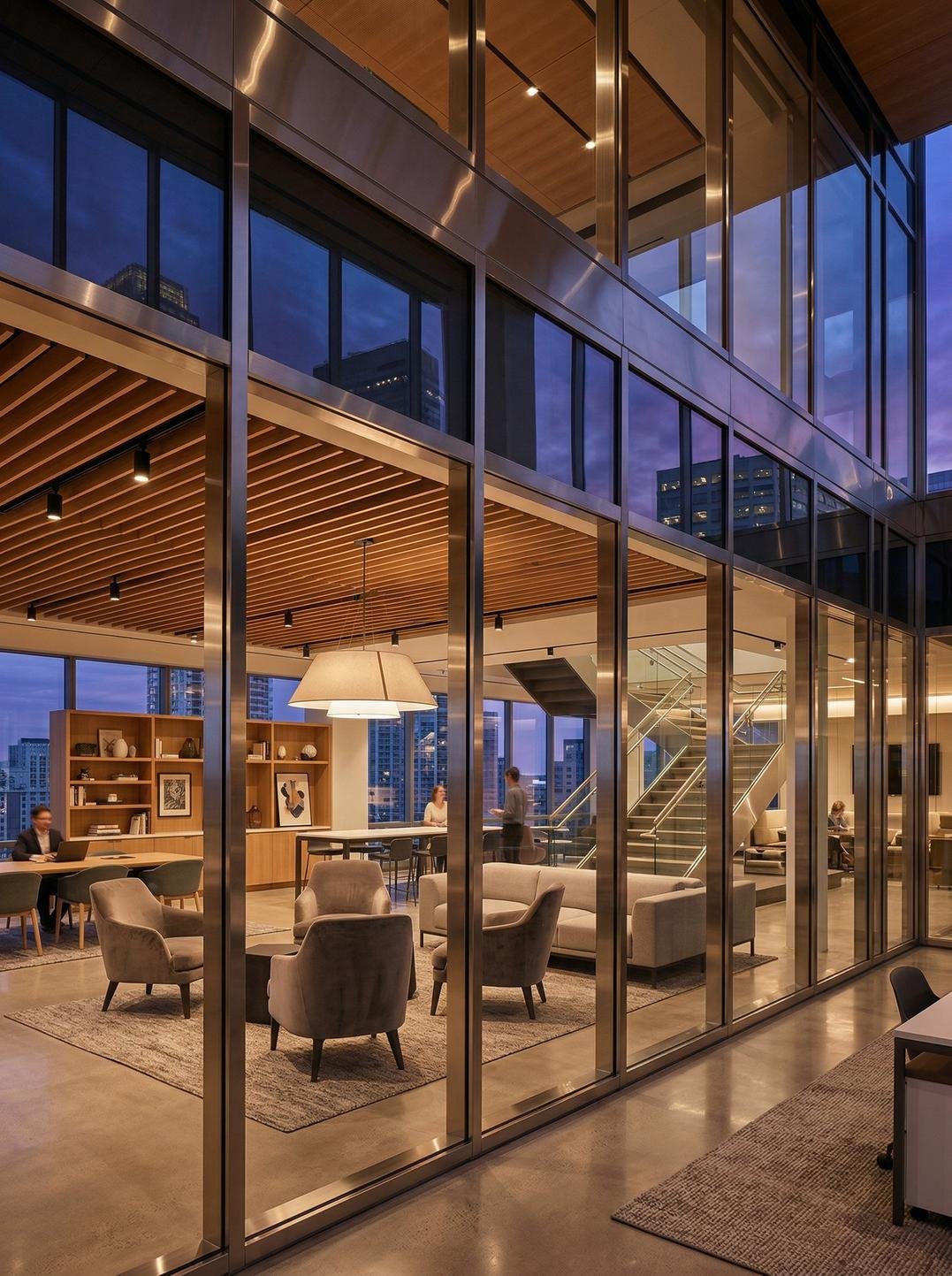
Institutional capital does not just look at the floor layout; they evaluate the atmospheric quality and volumetric lighting of your proposed asset. A fatal blind spot for average developers is presenting a commercial interior design flooded with uniform, artificial brightness. This renders the space entirely sterile, stripping away the nuanced, sophisticated ambiance that modern corporate occupiers actively seek.
Competitive visualization studios engineer lighting scenarios that highlight spatial depth, emphasizing the architectural hierarchy of the environment. They utilize specific time-of-day rendering strategies within their office space planning visualization to evoke emotional resonance and exclusivity. Developers who master this atmospheric nuance consistently outperform their competitors in both early investor confidence and overall pre-sales velocity.
Furthermore, sophisticated lighting setups obscure minor design imperfections while amplifying the premium finishes specified by the architectural team. A poorly lit commercial interior design render suggests a poorly planned building, introducing unnecessary doubt into the minds of stakeholders. Mastering the interplay of light and shadow is the ultimate competitive moat for developers operating at the highest level.
5. Conclusion
Securing a decisive market advantage requires more than just good architecture; it demands visual assets that dominate the conversation. Upgrading your commercial interior design presentations from basic imagery to strategic, photorealistic assets will fundamentally accelerate your leasing pipeline. Contact Arkilex architectural visualization studio today to transform your next commercial development into an undeniable visual benchmark.
6. FAQs
How does photorealistic rendering provide a competitive edge in commercial real estate?
High-end rendering eliminates the guesswork for corporate tenants, allowing them to instantly perceive the premium quality of the asset. Developers using these assets consistently secure higher lease rates and faster commitments than those relying on traditional marketing materials. It directly translates visual superiority into financial leverage during early-stage negotiations.
At what project stage should developers commission their 3D visualization?
The most competitive developers initiate visualization during the schematic design phase, long before final blueprints are approved. This proactive timing allows visual assets to be used for early investor presentations and aggressive pre-leasing campaigns. Integrating rendering early ensures your marketing timeline outpaces competing regional developments.
Why is customized lighting crucial for corporate office visualizations?
Generic lighting flattens architectural details, making premium spaces appear cheap and unremarkable to institutional buyers. Strategic, volumetric lighting highlights the true depth, material quality, and high-end finish of your proposed corporate environment. This atmospheric precision is exactly what separates market-leading presentations from average pitch decks.
Can visualization adapt to different prospective tenant profiles?
Absolutely, and this modularity is a massive advantage for developers targeting diverse industries within one footprint. Studios can swap furniture, textures, and layouts within the same base model to appeal specifically to tech startups or law firms. This targeted visual approach dramatically increases the conversion rate for tailored pitch meetings.
“Few teams can turn an abstract vision into such a harmonious reality. They merged bold architecture, precise interior design, and the poetry of landscaping. Rigor, boundless creativity, and a contagious passion.”
— Khalif Khalif ★★★★★ · Google review