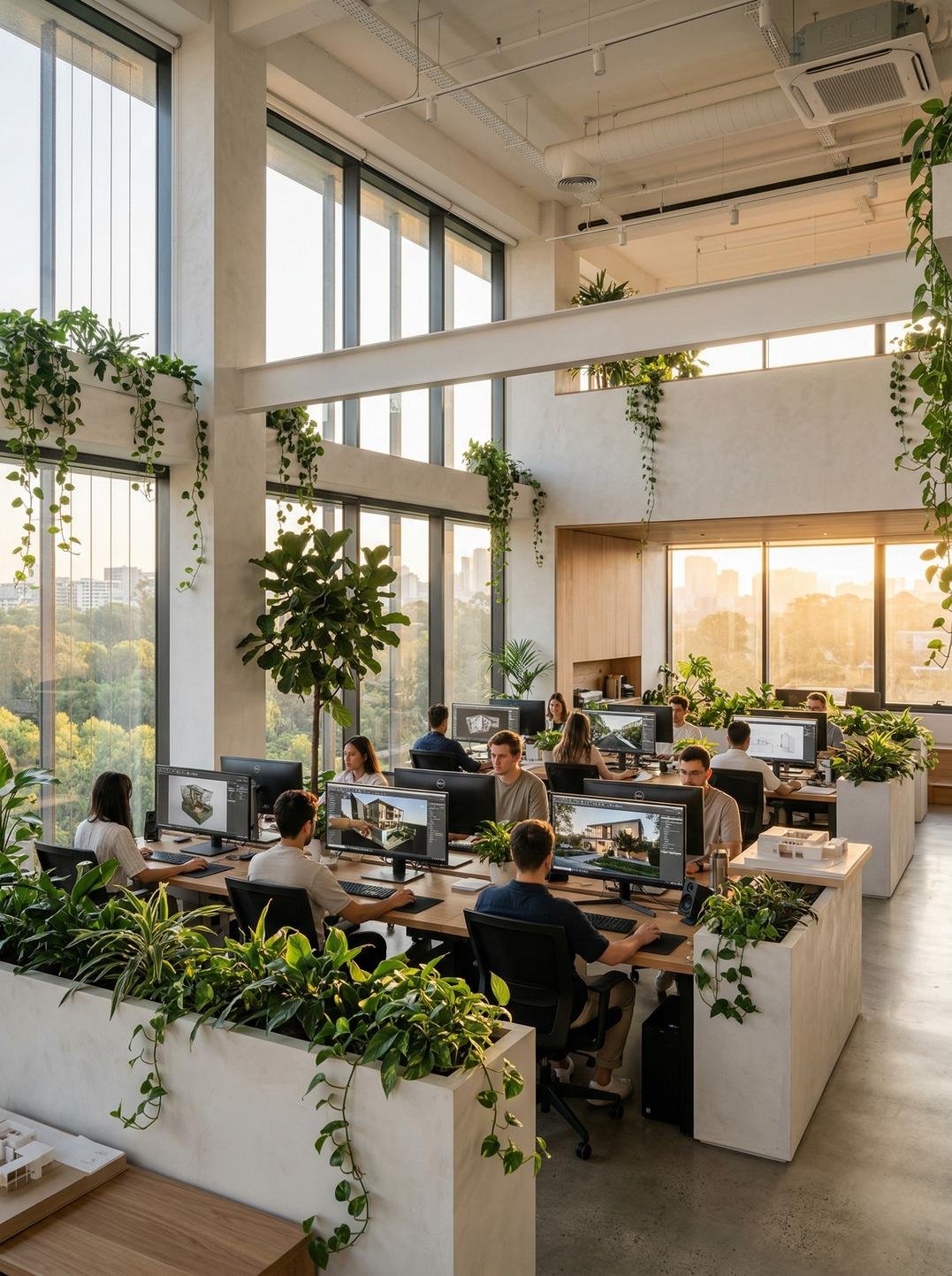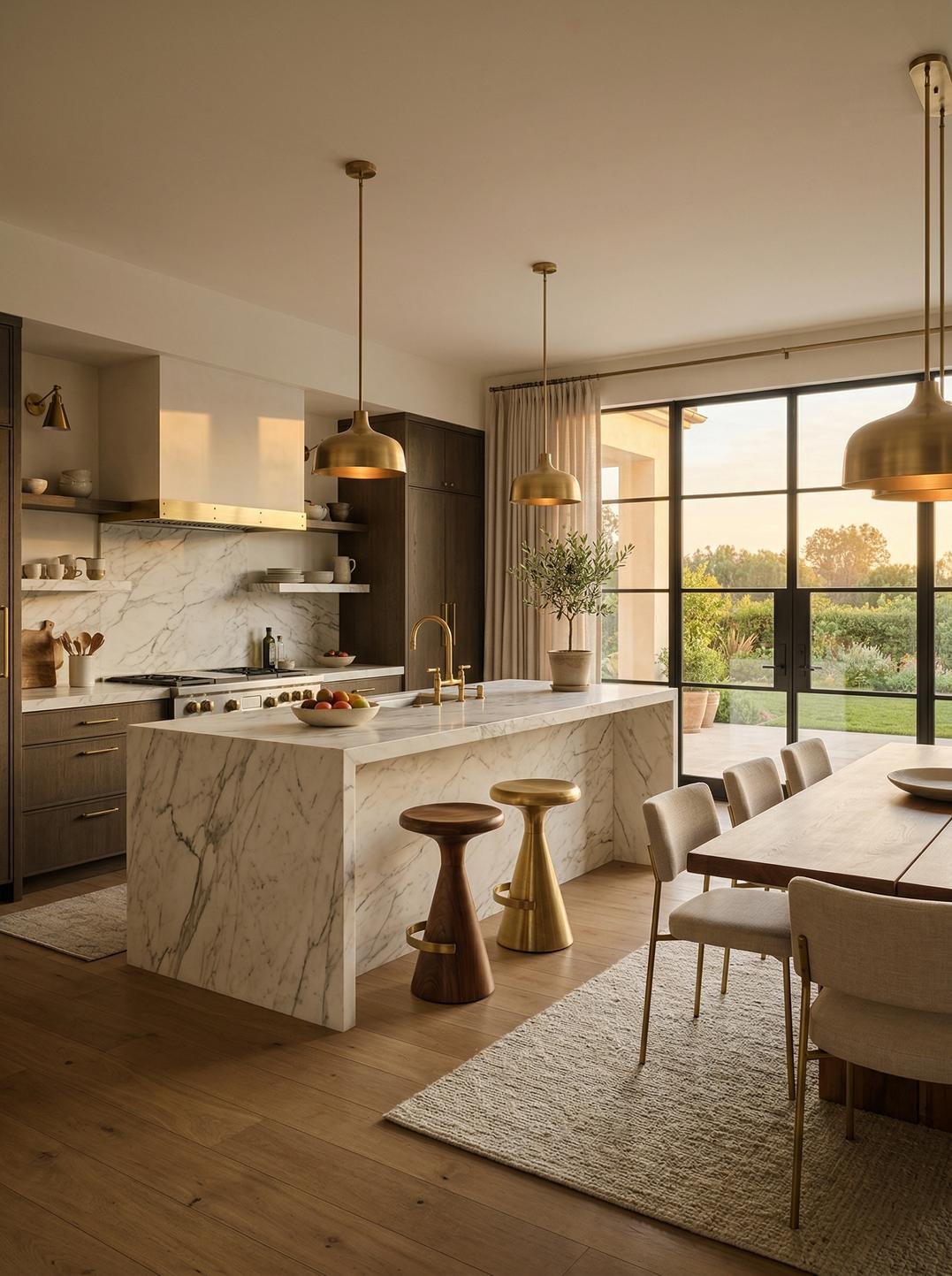

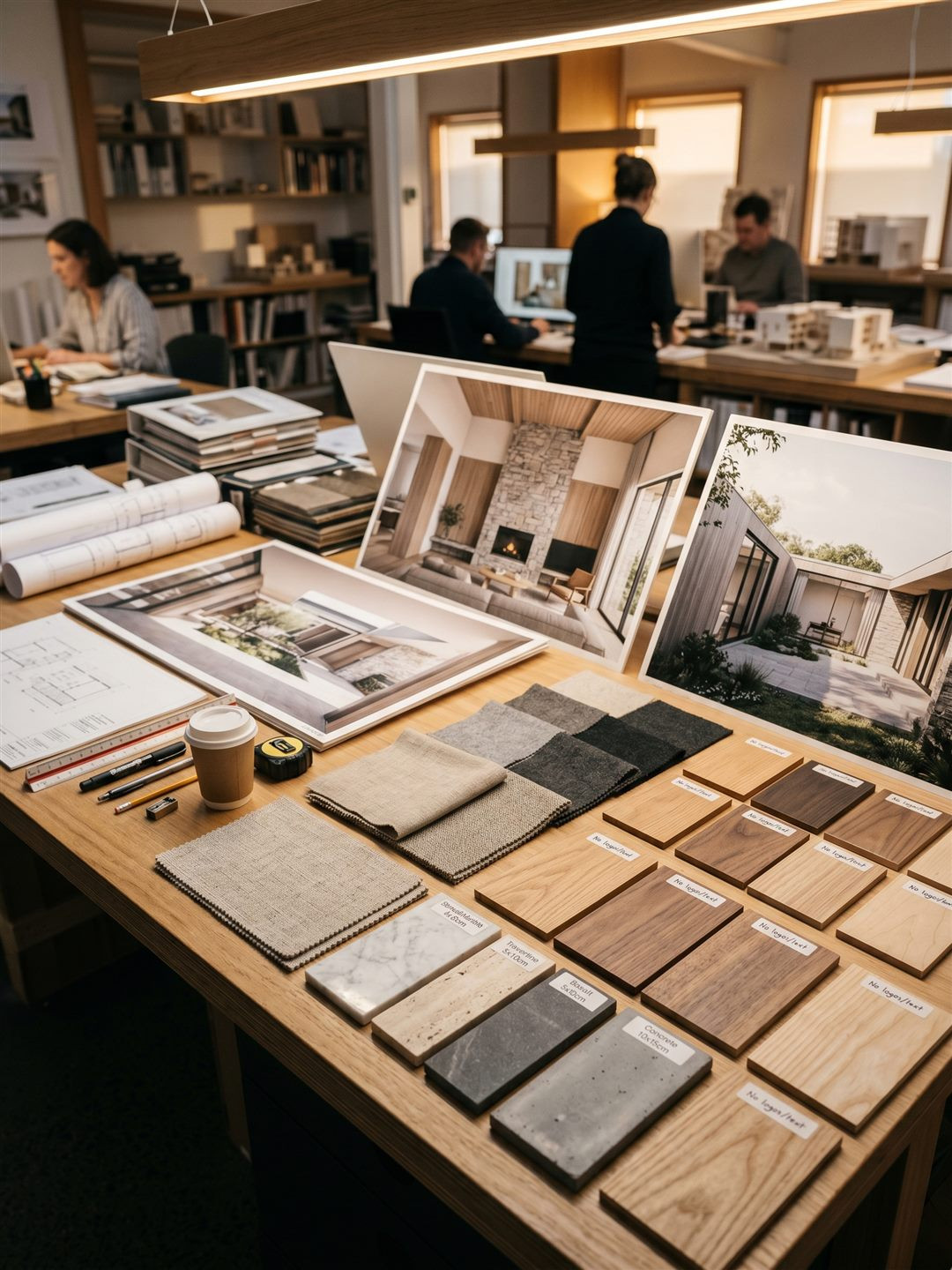
A planning officer in Lyon once turned down a mixed-use scheme that deserved to pass. The architecture was sound, but the images oversold it — impossible light, mature trees that would take decades to grow, and a tower that quietly shrank against its neighbours. Once the committee stopped trusting the drawings, the proposal was finished.
Table of Contents
This is the uncomfortable reality of renders for planning permission. They are read by a different audience, with different instincts, than the buyers your marketing visuals are designed to win. An approval board is not waiting to be seduced; it is looking for an honest reason to say yes.
Get that distinction wrong and a beautiful image becomes a liability. Get it right and your visuals quietly remove objections before anyone in the room thinks to raise them. A developer who learns this early stops fighting the planning process and starts using it, and the earlier that shift happens, the cheaper every later stage of the application becomes.
1. Why Renders for Planning Permission Are a Different Discipline
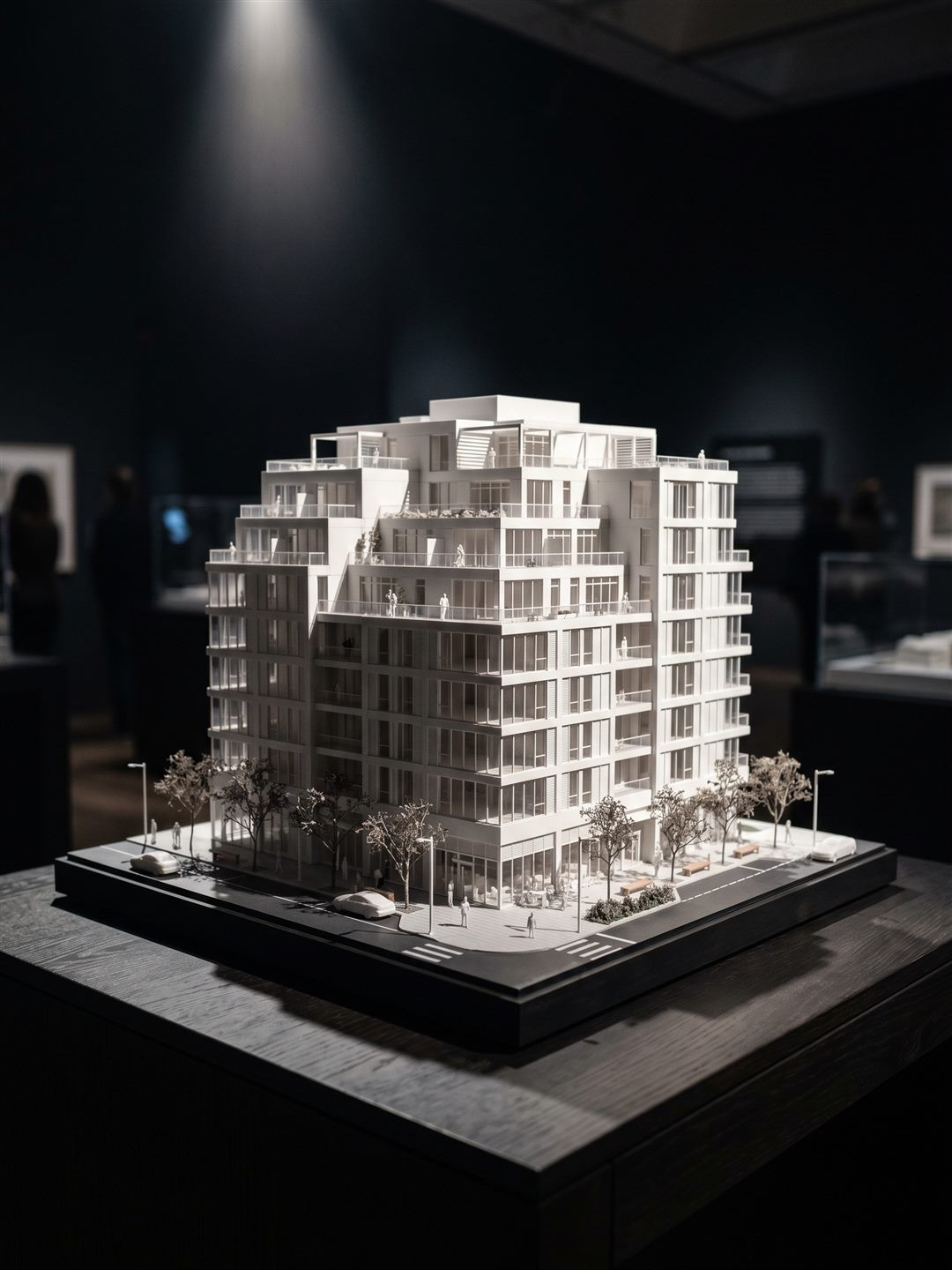
Marketing visuals are built to create desire. Renders for planning permission are built to establish trust. Those two goals pull against each other more often than most developers expect.
A sales image flatters — warm light, a perfect sky, an angle that hides the service yard. A planning visual has to be candid about scale, overshadowing, massing, and the way the building actually meets the street. Because planning permission hinges on whether a proposal sits responsibly in its setting, the render has to prove context rather than disguise it.
The studios that consistently win approvals treat this as a craft of its own. They are not retouching a brochure shot; they are assembling evidence, and everything else in the submission is judged against how trustworthy that evidence looks.
2. The Four Things an Approval Board Checks First
Before a committee responds to the architecture, it scans the renders for planning permission for one quality above all others: accuracy. Four quiet questions decide whether your images are taken seriously at all.
Is the viewpoint real, taken from a position a surveyor could actually stand in? Is the scale honest against the buildings on either side? Does the light match the true orientation, not a flattering sun that never touches that facade? And is the surrounding context current, including the unremarkable buildings next door?
- A surveyed, real-world camera position rather than an idealised angle.
- Honest scale against the immediate neighbours on either side.
- Lighting tied to the building’s true orientation and the relevant season.
- A current context that keeps the ordinary buildings nearby in view.
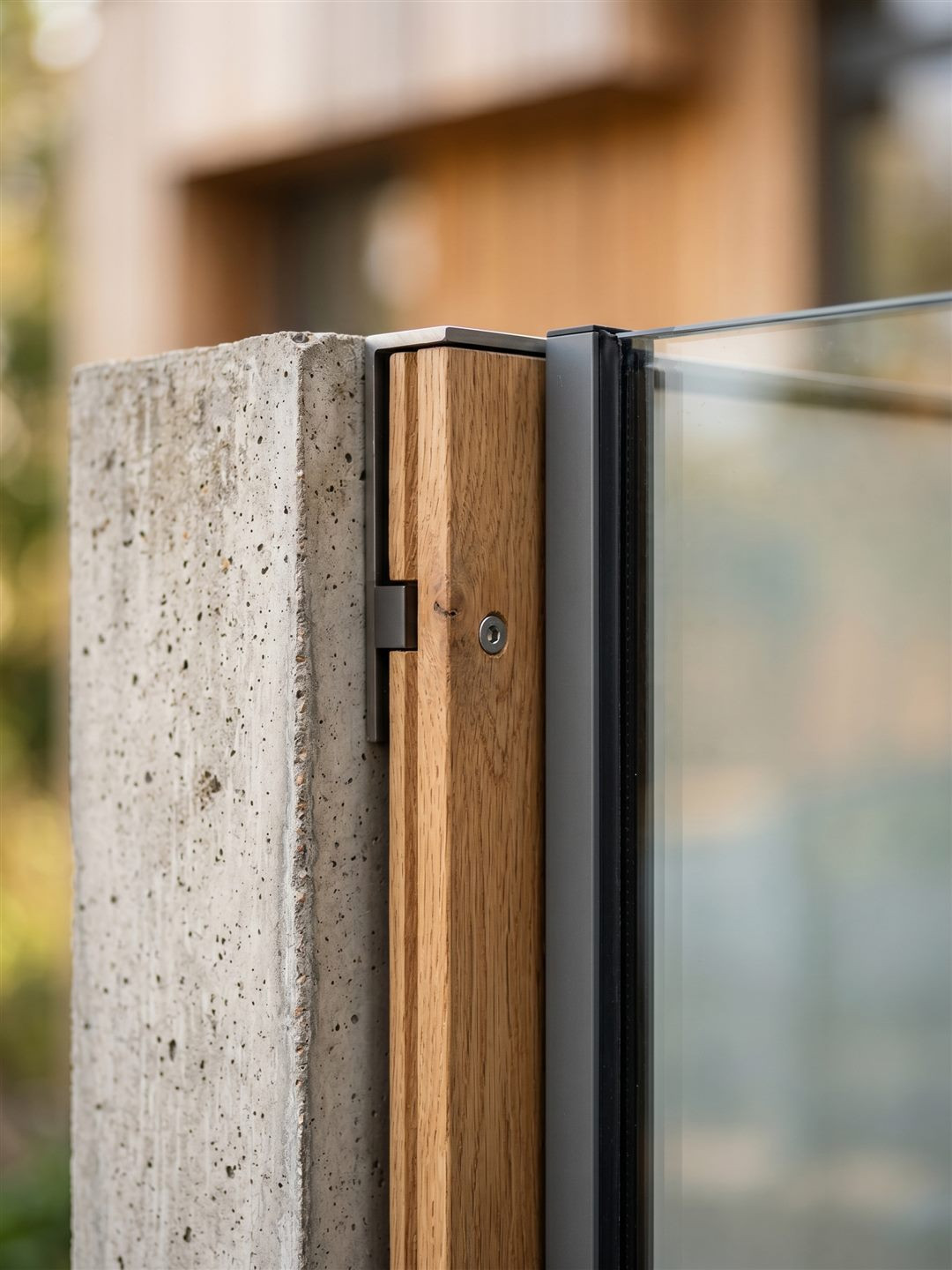
Fail any one of these and the entire set is quietly reclassified as a sales pitch. That is the precise moment renders for planning permission lose the room, and they rarely win it back in the same meeting.
3. How a Verified View Is Actually Built
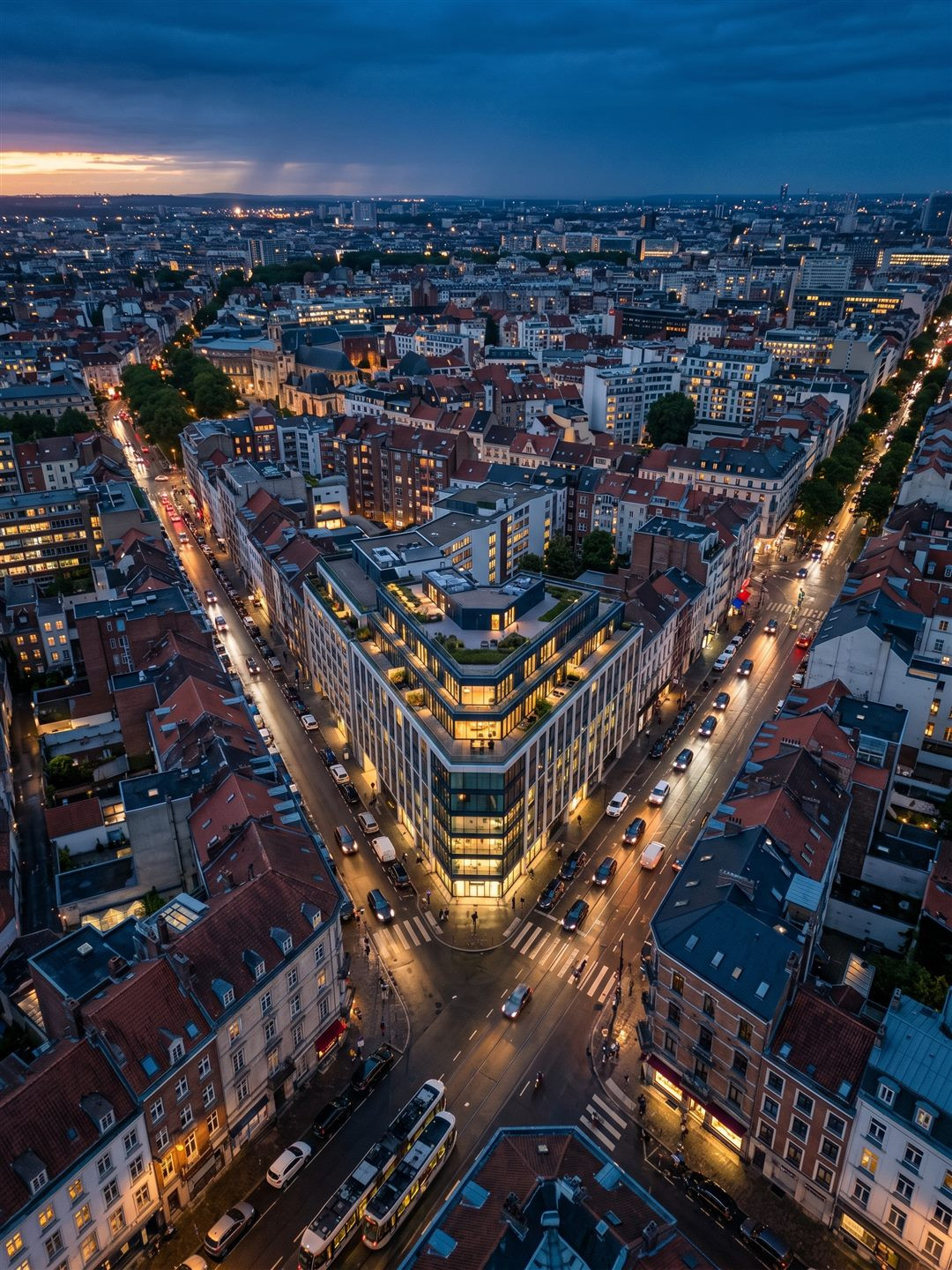
The work behind a credible planning image looks more like surveying than art direction. It begins with real coordinates, not a blank canvas, and it is checked against what a planning officer can confirm on site.
An accurate site survey fixes the camera positions a local authority will recognise as verified views. The proposed building is then dropped into a measured three-dimensional context, so massing and overshadowing are calculated rather than guessed. Every camera in the set can be traced back to a coordinate, which is exactly what an objector’s consultant will try to test.
Lighting arrives last, and even then it follows the real sun path for the season the committee cares about. This discipline is what lets strong renders for planning permission read as documentation instead of persuasion. The result is a set of images a planning officer can defend in public, not merely admire in private.
4. The Mistake That Quietly Sinks Approvals
The most common failure is not dishonesty — it is convenience. A team reuses the marketing render in the planning pack because it already exists and looks impressive.

That single shortcut signals to a committee that the applicant is selling rather than informing. Objectors notice the same thing, and a flattering viewpoint becomes ammunition at the hearing. A single exaggerated angle can undo months of genuine design work in a five-minute deputation.
The remedy is unglamorous but dependable: commission renders for planning permission as their own deliverable, briefed for accuracy first. The marketing images can stay as beautiful as you like — they simply should not be asked to do two jobs at once.
5. The Quiet Advantage of Getting This Right
Accurate planning images do more than survive scrutiny; they shorten it. When a board trusts what it sees, it spends its attention on the proposal instead of interrogating the pictures.
That is where renders for planning permission stop being a compliance cost and start becoming a competitive advantage. Handled well, renders for planning permission become the most persuasive page in the entire submission, precisely because they refuse to exaggerate. Approval is rarely won by the most beautiful render; it is won by the one a committee can believe.
If you want planning visuals an approval board trusts on the first read, Arkilex builds verified, context-accurate views designed to carry an application forward — speak to us before your next submission.
6. Frequently Asked Questions
How do renders for planning permission differ from marketing images?
They prioritise survey-accurate scale, true orientation and real surroundings over flattering light, because their job is to earn an approval board’s trust rather than create buyer desire.
What exactly is a verified view?
A verified view is an image created from a surveyed camera position, so its height, distance and scale can be checked independently against the real site.
Do planning authorities actually require 3D visuals?
Many request them for tall or sensitive schemes, and even when they are optional, accurate visuals reduce objections by showing precisely how a building meets its surroundings.
Can one studio produce both planning and marketing renders?
Yes, as long as each set is briefed separately — planning views for accuracy and marketing views for appeal — so neither quietly undermines the other.
“An exemplary collaboration with Arkilex. We brought them in to visualize several projects and the result is simply impressive. Beyond the visual quality, their time management is flawless - deadlines met with rare precision. A trustworthy, responsive, professional partner I highly recommend.”
— Aquaya Maroc ★★★★★ · Google review