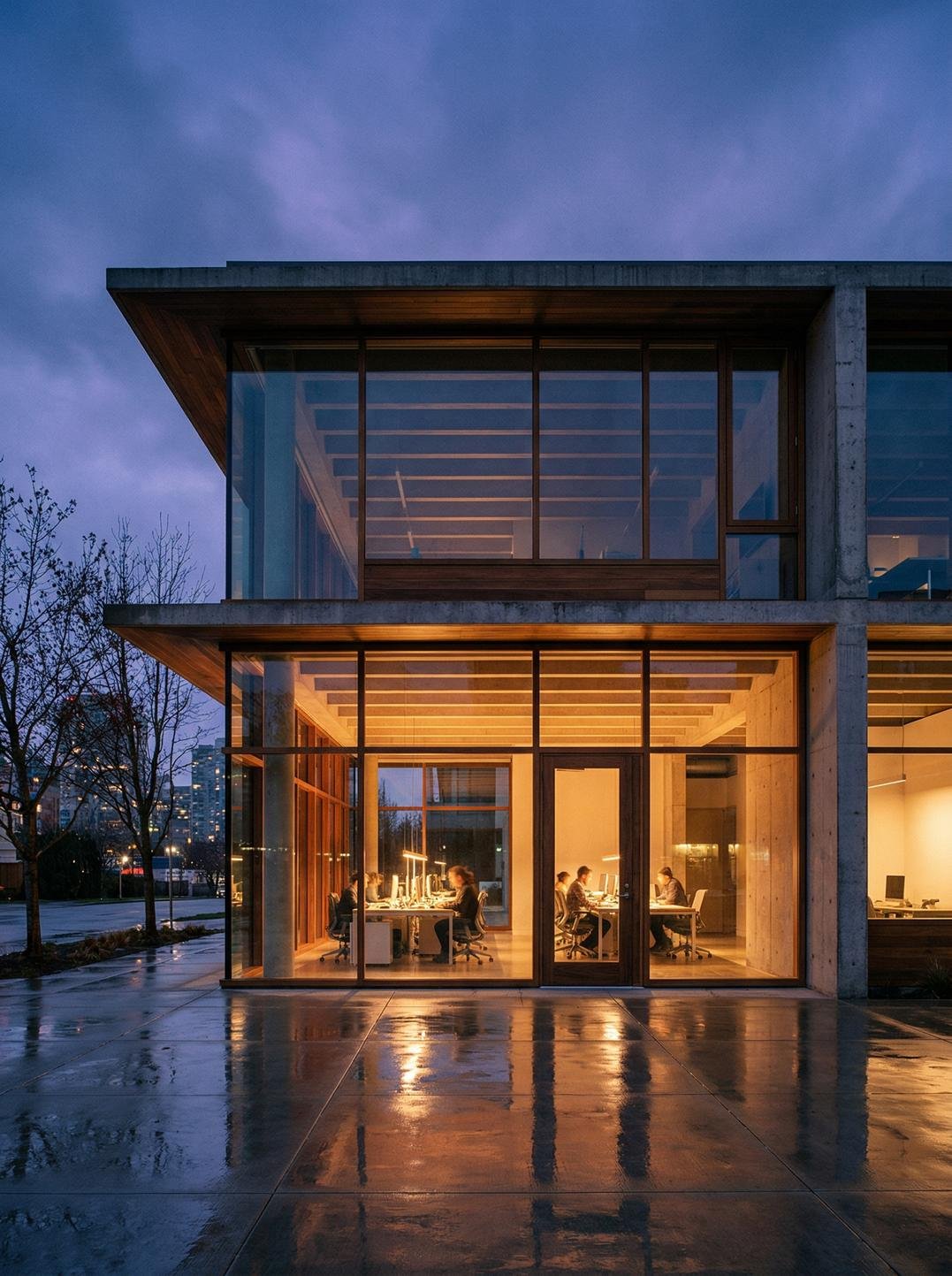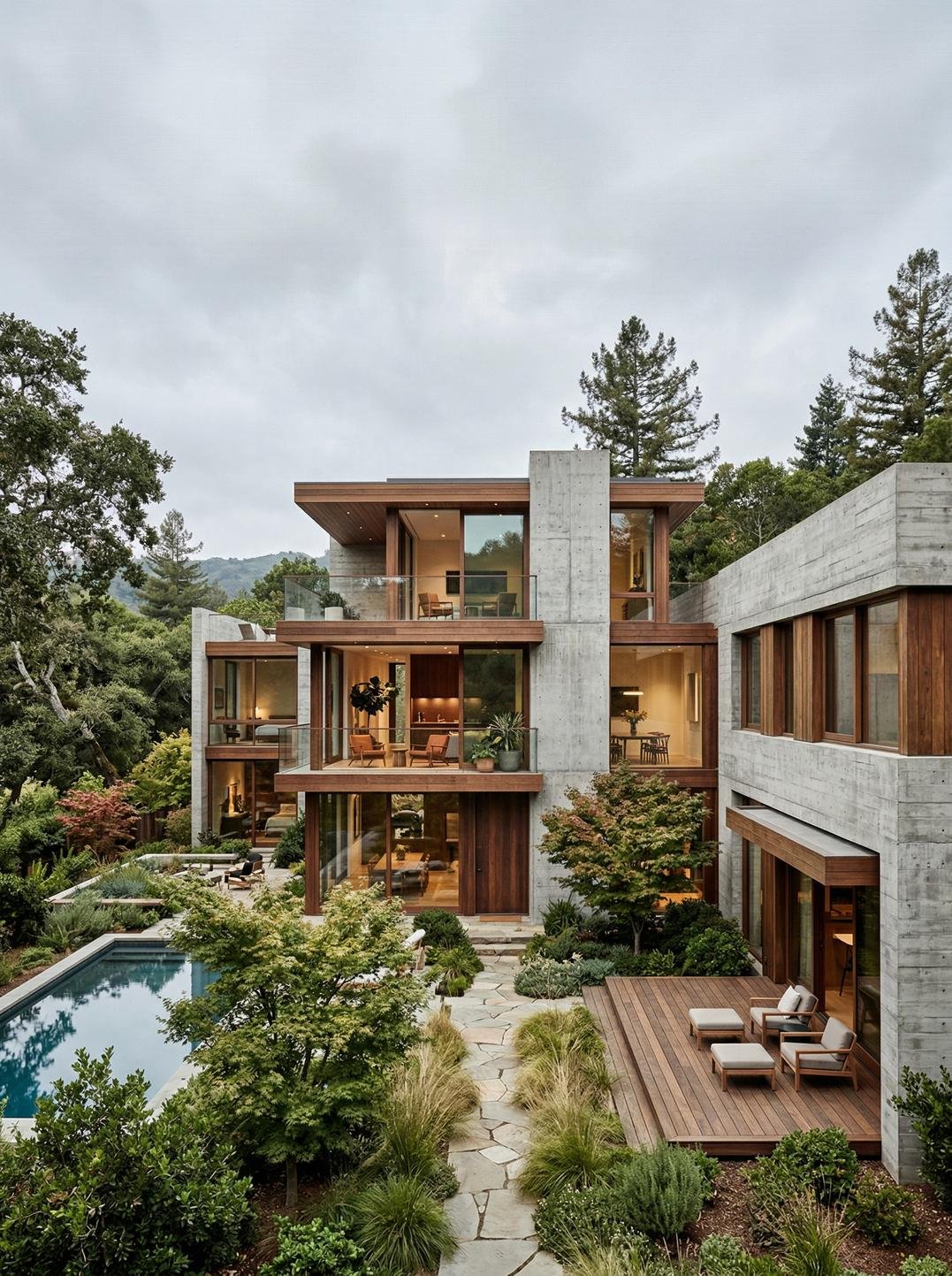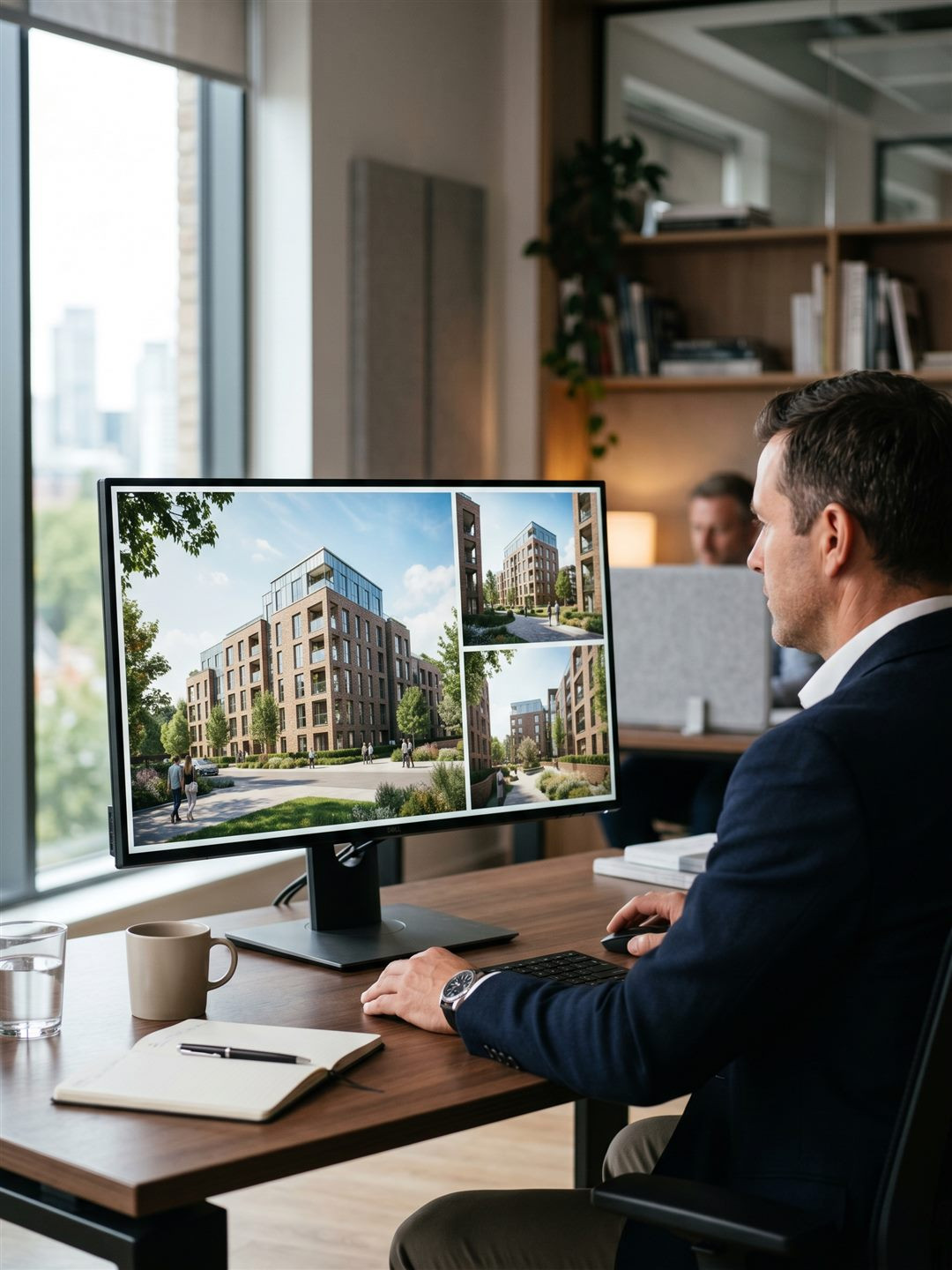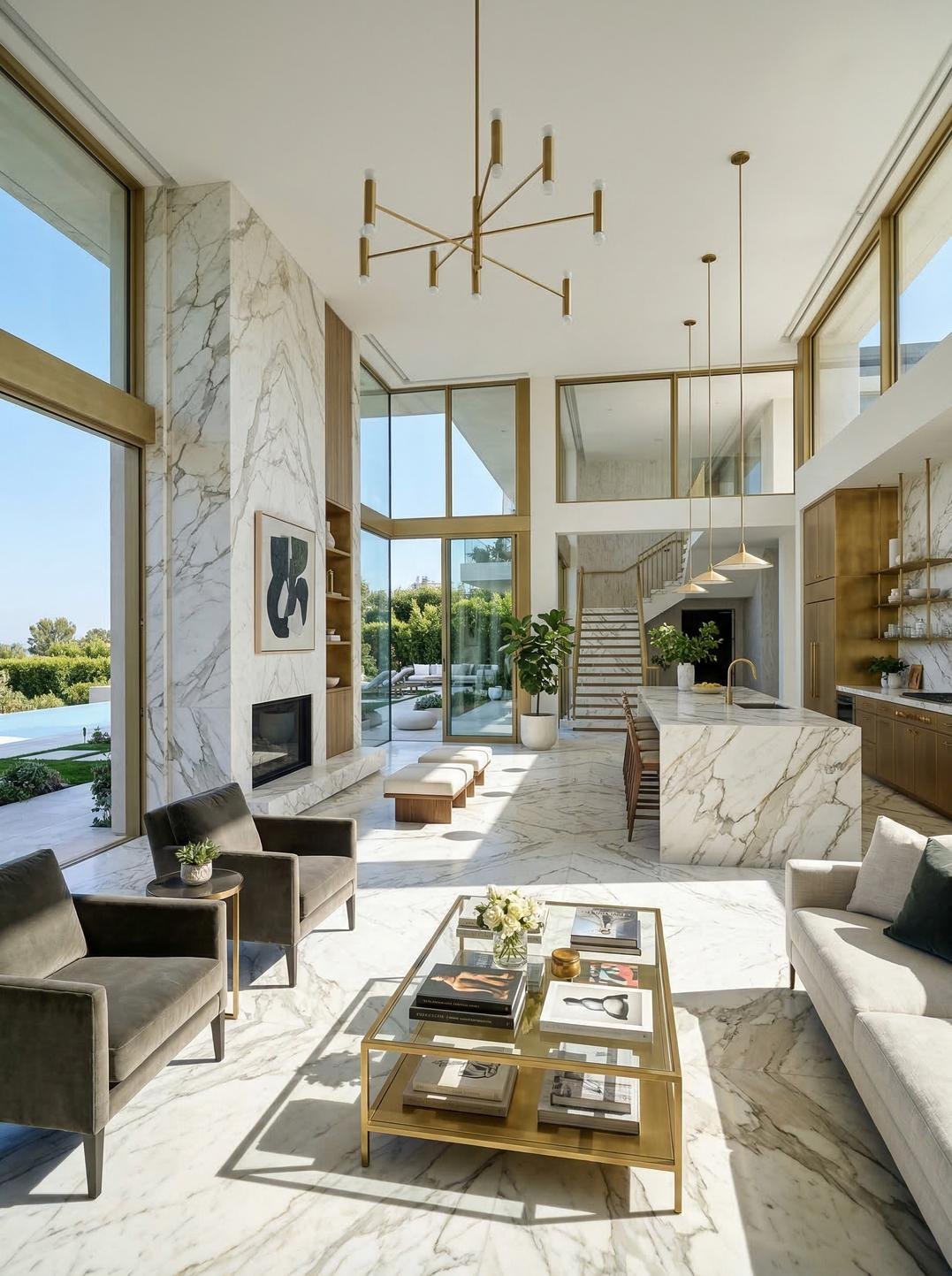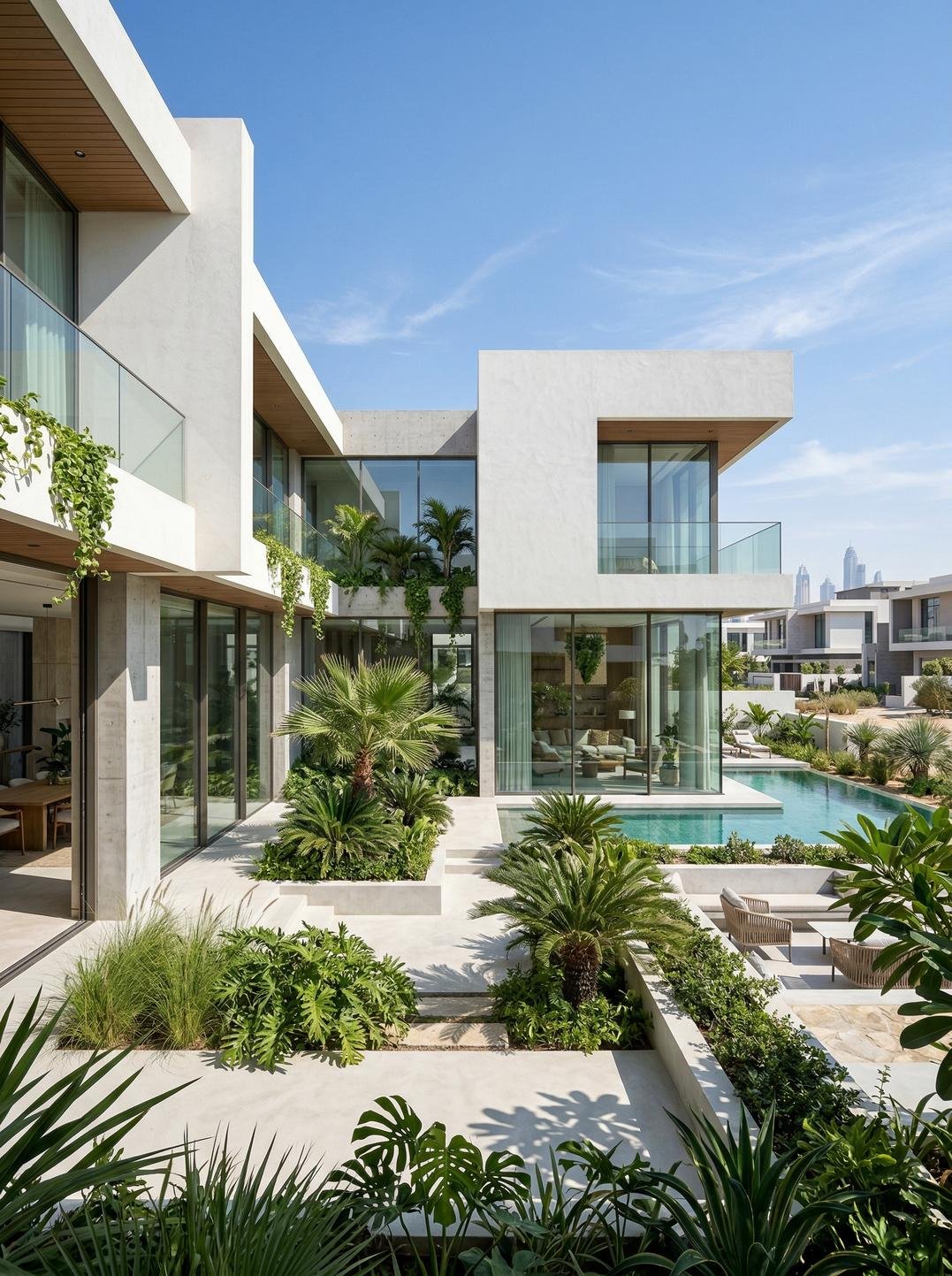

Interior design studios working at the specification-heavy end of the market — luxury residential, hospitality, high-specification commercial — cannot afford a gap between what is rendered and what is built. When a studio presents a render showing a specific stone finish, a custom metalwork detail, or a joinery profile, that image creates a commitment that has to survive contractor review and site execution.
The end buyer evaluates a high-end project not by the architect’s pure technical intent, but entirely by how convincingly that intent is translated into a visual promise. This is exactly where photorealistic spatial rendering steps in to seamlessly bridge the gap between abstract floor plans and visceral buyer desire. If the resulting visual narrative feels flat or disjointed, the buyer naturally assumes the final physical build will feel equally uninspired.
Table of Contents
1. Why the Average interior design studio Fails to Connect with Buyers
Discerning buyers simply do not forgive glaring digital artifacts, stiff fabric textures, or clinical lighting when reviewing expensive marketing collateral. When a visualization partner treats a rendering merely as a fast technical output, the client immediately senses a stark lack of warmth and sophistication. This subconscious emotional disconnect directly translates into heavily extended sales cycles and permanently stalled pre-lease agreements.
Developers often wonder why foot traffic doesn’t convert into deposits, unaware that their prospective clients were alienated by sterile, uninviting visuals. A sophisticated interior design studio knows that buyers are mentally placing their own furniture and families into these virtual environments. They craft visuals that invite the viewer to linger, turning a cold architectural model into an undeniable future reality.
Without this empathetic approach to creation, developers are fundamentally asking buyers to take a massive financial leap of faith. The client’s inherent inability to emotionally connect with a poorly executed render is a direct failure of the overall visual strategy. Visuals must be treated as emotional anchors, not just architectural checklists, to truly resonate with the modern property investor.
2. The Three-Stage Visual Journey an Investor Takes Before Committing

Investors first process an image on a macro level, judging the overall atmosphere and lifestyle proposition within mere seconds. If the mood captures their attention, they quickly transition to a micro-evaluation, zooming in on material finishes, spatial depth, and lighting accuracy. High-quality photorealistic spatial rendering anticipates this exact viewing behavior by ensuring that even the deepest background shadows hold rich, believable detail.
An experienced interior design studio maps out this psychological progression before even setting up the first virtual camera in the software. They deliberately position viewpoints exactly where a buyer would naturally stand upon entering the physical room, ensuring the perspective feels instantly intuitive. By mirroring the physical walk-through experience digitally, the 3D artists successfully lower the buyer’s natural defensive barriers.
This highly thoughtful visual staging naturally builds unshakeable confidence in the overall development project. It seamlessly transforms a highly skeptical prospect into an eager, financially committed investor. Ultimately, the client feels as though they have already toured the physical property before a single brick is ever actually laid.
3. What Discerning Buyers Need From a Visualization Before Paying Premiums

Premium buyers expect absolute certainty when signing multi-million dollar contracts based entirely on off-plan visual assets. They actively look for subtle cues of quality, such as how morning light interacts with a brushed brass fixture or the organic drape of heavy linen curtains. When an interior design studio masters these precise micro-textures, the buyer unconsciously assigns a much higher perceived value to the physical property.
This level of granular detail in photorealistic spatial rendering completely removes the friction of doubt from the luxury purchasing decision. Clients no longer need to ask if the hardwood will look cheap; they can already see the grain acting authentically under simulated natural light. Therefore, the architectural visualization must serve as an ironclad visual contract between the developer’s marketing promise and the buyer’s baseline expectation.
When an interior design studio delivers this specific level of radical transparency, the client feels genuinely respected rather than simply marketed to. This profound level of psychological trust drastically shortens the deliberation period for busy high-net-worth individuals. They can comfortably authorize massive capital investments simply because the visual evidence leaves zero room for negative post-purchase surprises.
4. The Lighting Details Investors Notice First That Developers Miss

Developers frequently approve renders that feature evenly distributed, artificial-looking light that completely eliminates shadows for the sake of layout clarity. However, end buyers find this hyper-illuminated style deeply unsettling because it lacks the natural contrast that makes a room feel like an actual home. A top-tier interior design studio understands that shadows are precisely what give a space its depth, true scale, and emotional weight.
By utilizing advanced photorealistic spatial rendering techniques, professionals can accurately simulate precise geographic sunlight at highly specific times of day. When a buyer sees a late-afternoon sunbeam warming a marble countertop, they experience an immediate, visceral connection to the space. Failing to capture this authentic atmosphere is a critical blind spot that regularly costs developers millions in potential premium pricing.
An interior design studio that prioritizes moody, highly realistic lighting ultimately speaks the unspoken language of luxury that affluent buyers desperately crave. Lighting is not just an aesthetic or technical requirement for a render; it is the primary emotional trigger for real estate investors. It is the defining factor that transforms a mere architectural structure into a deeply desirable future residence.
5. Conclusion
The end buyer’s perspective is the only metric that truly matters when evaluating the success of architectural visualization in luxury real estate. A truly capable interior design studio acts as an empathetic translator, turning technical blueprints into undeniable emotional connections for your high-value clients. Stop losing premium buyers to uninspired visual marketing and instantly elevate your pre-sales strategy by partnering with the architectural visualization experts at Arkilex.
6. FAQs
How does high-quality rendering impact a buyer’s perceived value of a property?
Buyers unconsciously link the quality of your marketing materials directly to the quality of your future construction. When an interior design studio provides flawless visuals, clients perceive the project as luxurious and meticulously planned. Consequently, they are significantly more willing to accept premium price points without engaging in aggressive negotiation.
What is the most common reason clients reject off-plan properties?
The sheer inability to accurately visualize the space and its exact proportions is the leading cause of buyer hesitation. Exceptional photorealistic spatial rendering removes this heavy cognitive load, allowing buyers to feel entirely safe in their unseen investment. When they can clearly see the finished lifestyle, the perceived financial risk of buying off-plan virtually disappears.
Why should a developer care about micro-textures in architectural visualization?
High-net-worth individuals strictly scrutinize granular details like fabric weaves, wood grains, and metal finishes to accurately gauge overall luxury. An expert agency that perfects these tiny elements effectively bridges the critical trust gap between a digital image and physical reality. If the textures look synthetic, the buyer will immediately assume the final physical build will also feel incredibly cheap.
How does lighting in a render change a potential investor’s emotional response?
Flat, uniform lighting feels entirely clinical, often triggering subconscious skepticism and hesitation within the prospective buyer’s mind. Conversely, dynamic and natural lighting evokes warmth, comfort, and an immediate sense of true belonging within the space. Buyers ultimately make their purchasing decisions based on how a space makes them feel, which is heavily dictated by realistic shadow play.
“An exemplary collaboration with Arkilex. We brought them in to visualize several projects and the result is simply impressive. Beyond the visual quality, their time management is flawless – deadlines met with rare precision. A trustworthy, responsive, professional partner I highly recommend.”
— Aquaya Maroc ★★★★★ · Google review