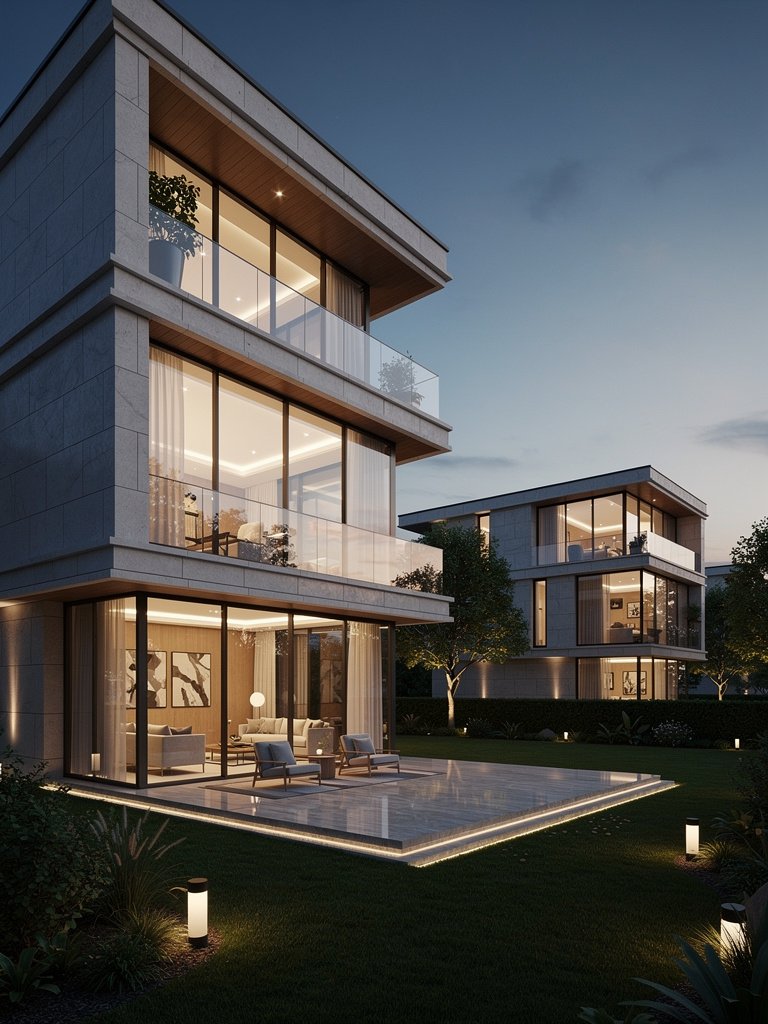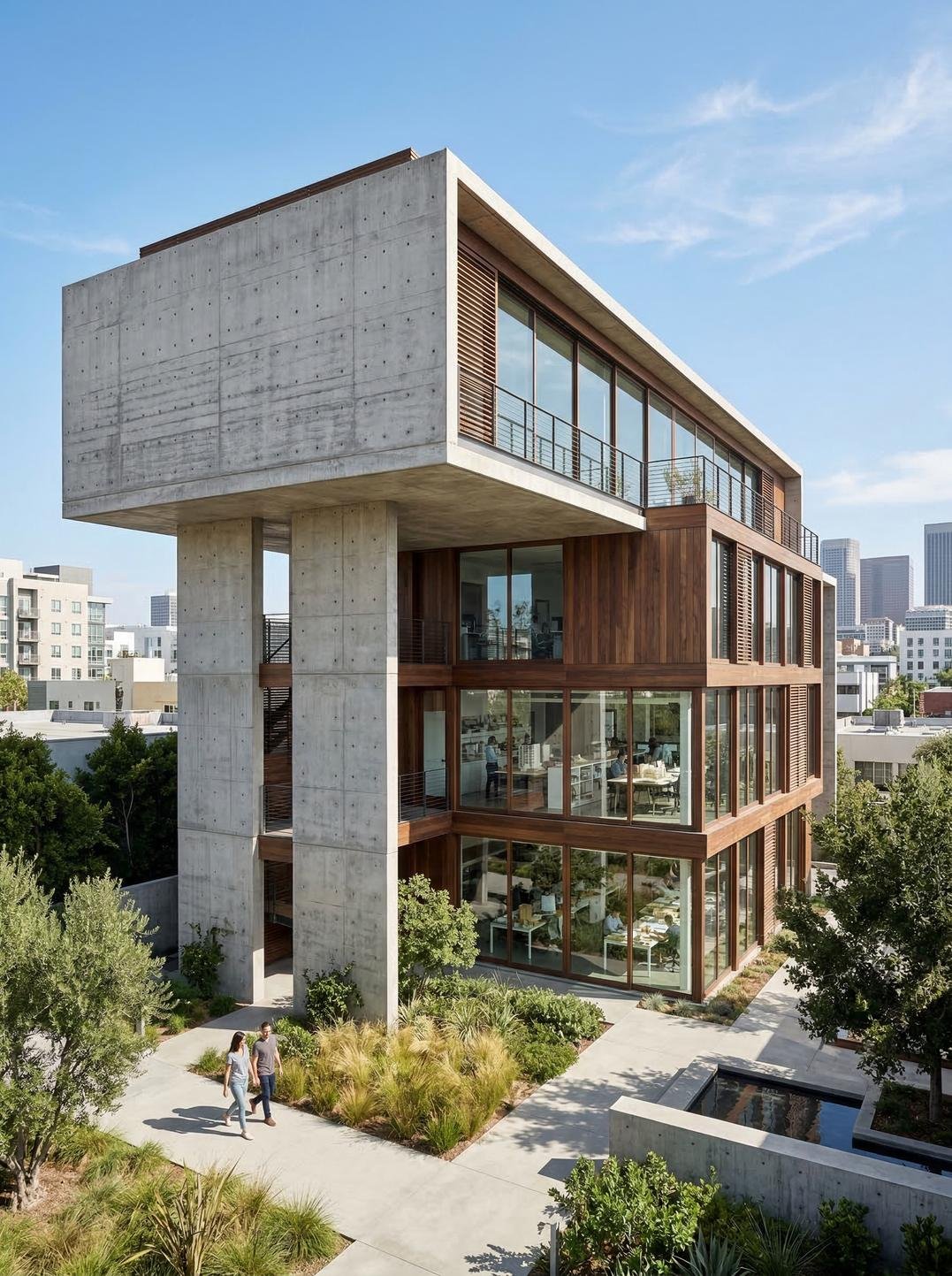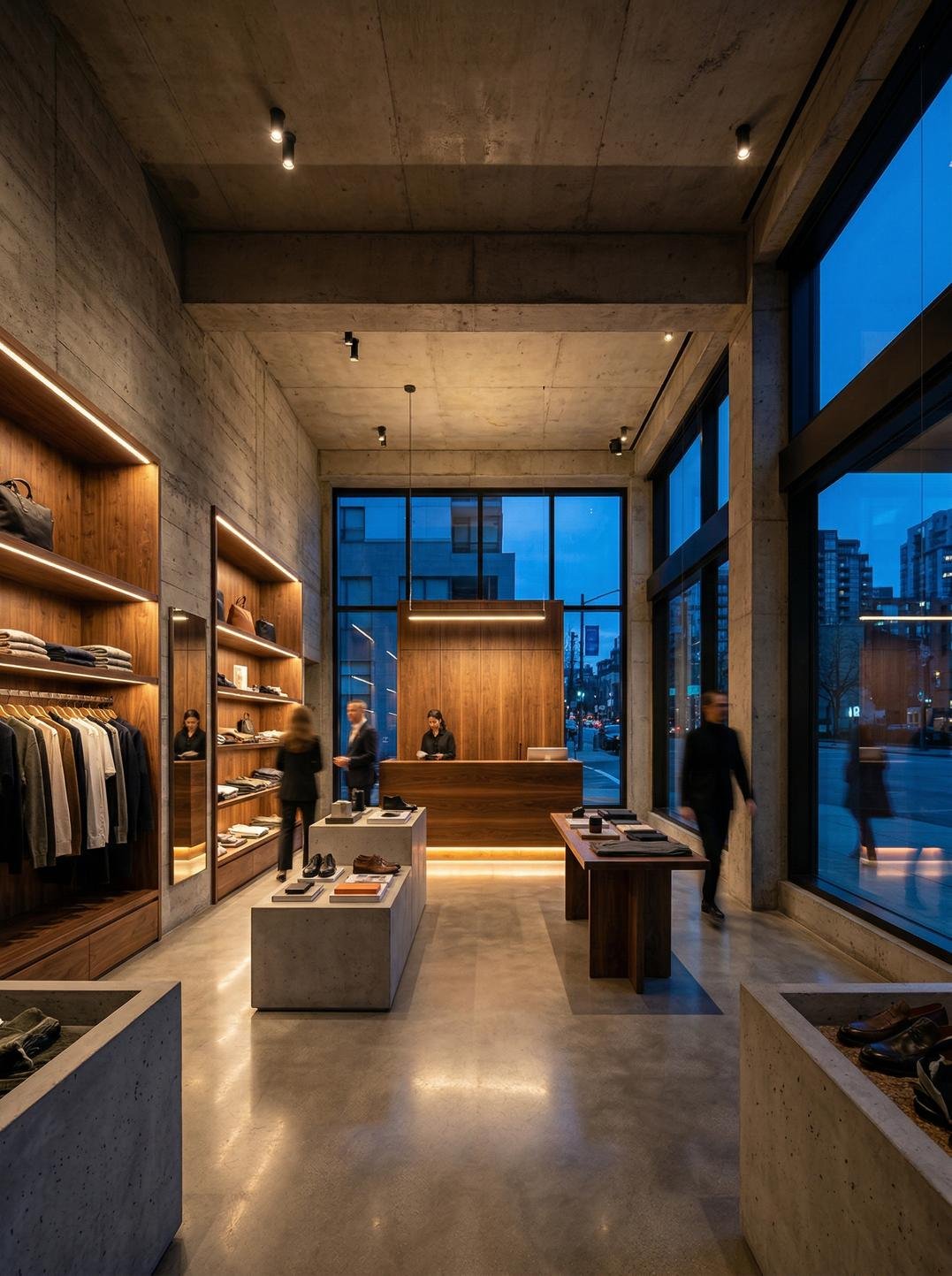

When an institutional investor or high-net-worth buyer opens a pitch deck, they do not see beam loads or zoning envelopes. Their eyes immediately search for the human experience, attempting to gauge how the light falls across the floorboards or how the ceiling heights feel in context. This emotional calculus relies entirely on how effectively your interior architecture is translated onto the screen.
To a buyer, an unconvincing rendering signals an unconvincing project from a developer who cuts corners. They bypass technical specifications and rely heavily on photorealistic spatial visualization to answer one fundamental question: is this asset worth my capital? If the proportions feel cramped or the lighting feels artificial, the client’s brain subconsciously flags the design as inherently flawed.
The developer assumes the buyer is evaluating the floor plan, but the buyer is actually evaluating the visual narrative. When that narrative falls flat, the client mentally checks out before the meeting even begins.
Table of Contents
1. Why Most Developer Presentations Fail the interior architecture Test Before the Meeting Starts
Buyers operate on visual instinct, yet developers often present spaces through a heavily technical lens that alienates the end user. When investors review marketing collateral, they immediately notice a disconnect between the promised luxury and flat, uninspired imagery. Poor representation of interior architecture forces the buyer to perform immense cognitive labor just to imagine the finished space.
This mental friction kills momentum and breeds immediate skepticism about the overall construction quality. A client cannot separate a generic, plastic-looking sofa model from the physical reality of the proposed development. They simply assume the finished product will lack the refinement and sophistication they are paying a premium to acquire.
Consequently, lucrative deals stall because the developer focused on selling the blueprint rather than the lived experience of the room. Buyers want to be seduced by a vision, not handed a geometry puzzle.
2. How Accurate Visuals Shift the Buyer Mindset from Critique to Ownership

Once a buyer crosses the threshold from observing a space to imagining themselves occupying it, the sales conversation fundamentally changes. High-quality photorealistic spatial visualization bridges this critical gap by removing all visual ambiguity from the presentation deck. When lighting interactions, fabric textures, and material finishes are indistinguishable from reality, the client drops their defensive posture.
They stop questioning the viability of the layout and start mentally placing their own furniture within the frame. This psychological shift happens because authentic interior architecture engages the buyer’s emotional desire for ownership rather than their critical analysis. A perfectly rendered reflection on a marble countertop subtly communicates permanence, wealth, and stability directly to the viewer.
For the developer, this means significantly less time defending design choices and more time finalizing purchase agreements. The artwork does the heavy lifting of persuasion, allowing the sales team to focus on deal structure.
3. The Details Investors Notice First and Studios Often Miss

Developers obsess over macro elements like square footage, but buyers scrutinize the micro details that dictate daily comfort. Investors instinctively look at how natural light penetrates the interior architecture during different times of the day. If a rendering studio fails to accurately calculate sun paths, the space feels subconsciously disjointed and unnatural to the viewer.
Buyers also fixate on transition zones, such as where different flooring materials meet or how millwork integrates with the walls. These intricate junctions are the true test of high-end interior architecture, and clients use them as proxies for actual build quality. If a baseboard looks incorrectly scaled in the render, the buyer assumes the contractor will make the same mistake on site.
Furthermore, an investor’s eye is immediately drawn to staging choices, which must align precisely with their demographic expectations. Utilizing sophisticated photorealistic spatial visualization to tailor these nuanced details ensures the buyer sees their exact lifestyle reflected back at them.
4. What High-Net-Worth Buyers Need From a Visualization Studio Before Signing

Sophisticated buyers possess highly refined visual palates shaped by years of interacting with premium international real estate. They expect the interior architecture of a proposed development to look as resolved as a finished architectural photography spread in a magazine. Anything less than flawless photorealistic spatial visualization signals a compromise in quality that these elite clients are unwilling to accept.
High-net-worth individuals require absolute certainty regarding scale and proportion before committing significant capital to off-plan luxury projects. They need to see exactly how bespoke material selections interact under carefully calibrated artificial lighting schemes at night. True mastery of interior architecture visualization provides this certainty, transforming a theoretical floor plan into a tangible, de-risked asset.
By investing in top-tier rendering, developers align their marketing collateral with the uncompromising expectations of their most valuable clients. This alignment is what ultimately separates a lingering listing from a record-breaking pre-sale.
5. Conclusion
Clients do not invest in concrete and steel; they invest in the lifestyle and prestige that a specific environment promises. When your interior architecture is visualized with deep empathy for the buyer’s perspective, it accelerates trust and drives faster pre-sales. To ensure your next project resonates emotionally with top-tier buyers, partner with Arkilex for uncompromising photorealistic spatial visualization that turns prospects into committed owners.
6. FAQs
How do buyers evaluate interior architecture during pre-sales?
Buyers evaluate unbuilt spaces primarily through emotional response rather than rigorous technical analysis. They look for realistic lighting, material textures, and proportionate furnishings to understand how the room will feel in reality. If the rendering lacks depth, buyers instinctively assume the physical space will also lack quality and refinement.
Why does furniture selection matter in visualization if the unit is sold unfurnished?
Even when buying an unfurnished unit, clients rely on staged furniture to comprehend physical scale and spatial flow. Carefully curated styling provides essential contextual clues about the target demographic and the intended lifestyle of the property. Poorly chosen furniture immediately distracts the buyer, causing them to focus on bad decor rather than the structural layout.
What is the most common visualization mistake developers make with clients?
The most critical error is presenting flat, overly bright images that lack realistic shadows and natural contrast. This clinical approach strips the interior architecture of its natural warmth, making it impossible for the buyer to form an emotional connection. Clients need realistic, moody, and atmospheric renders to truly envision themselves living or working in the environment.
How does lighting in a render affect investor confidence?
Accurate lighting is the subconscious trigger that makes a digital image feel tangible and financially safe to an investor. When sunlight behaves correctly across different surfaces, the client’s brain easily accepts the image as a truthful representation of reality. This psychological acceptance reduces perceived risk, ultimately accelerating their willingness to sign contracts on unbuilt developments.
“An absolutely excellent 3D team that I genuinely enjoy working with – always attentive, responsive, and open to adjustments. Communication is seamless and the results consistently meet our expectations. A trusted partner I recommend without hesitation.”
— Sofia Bouziane ★★★★★ · Google review