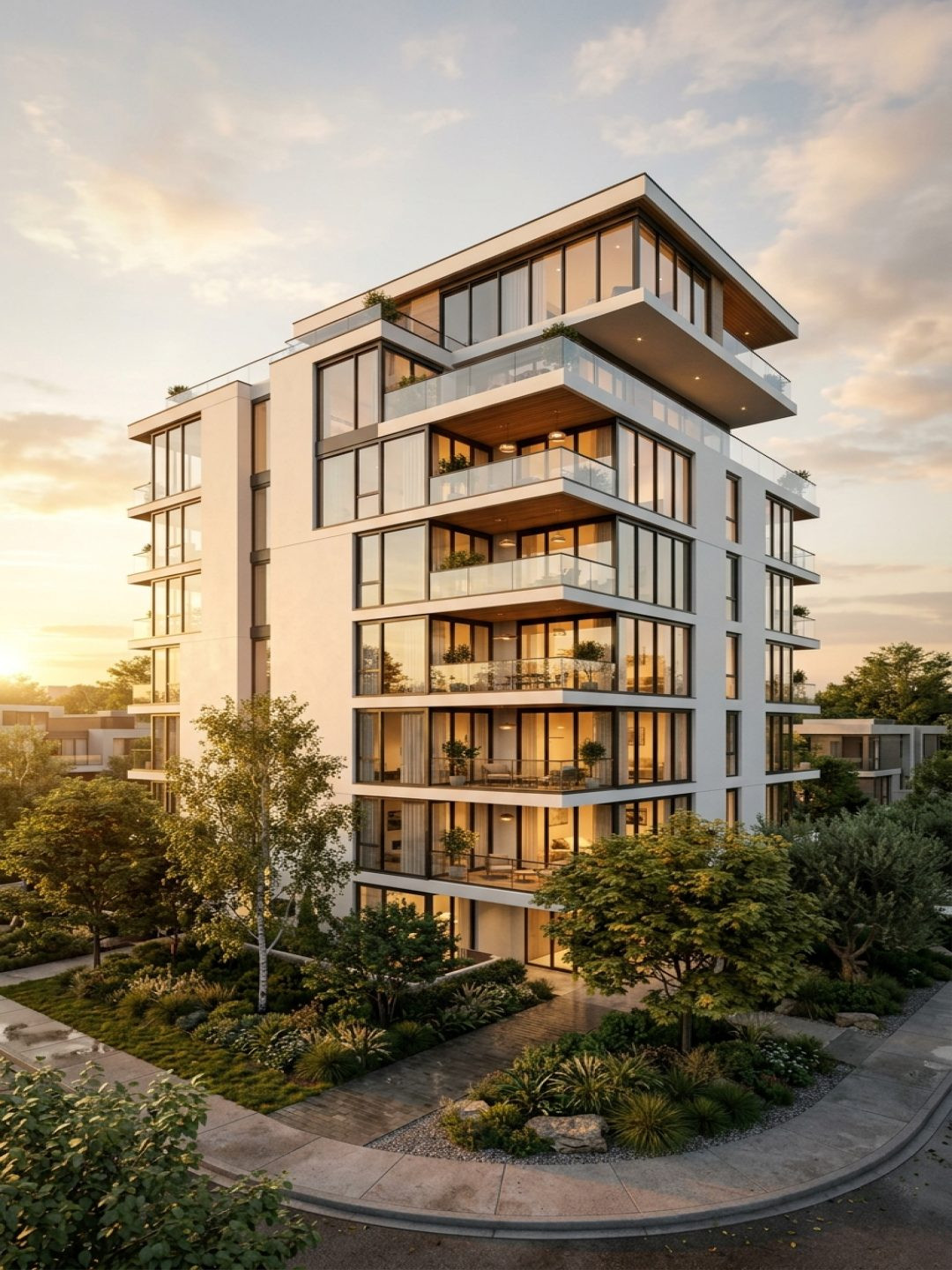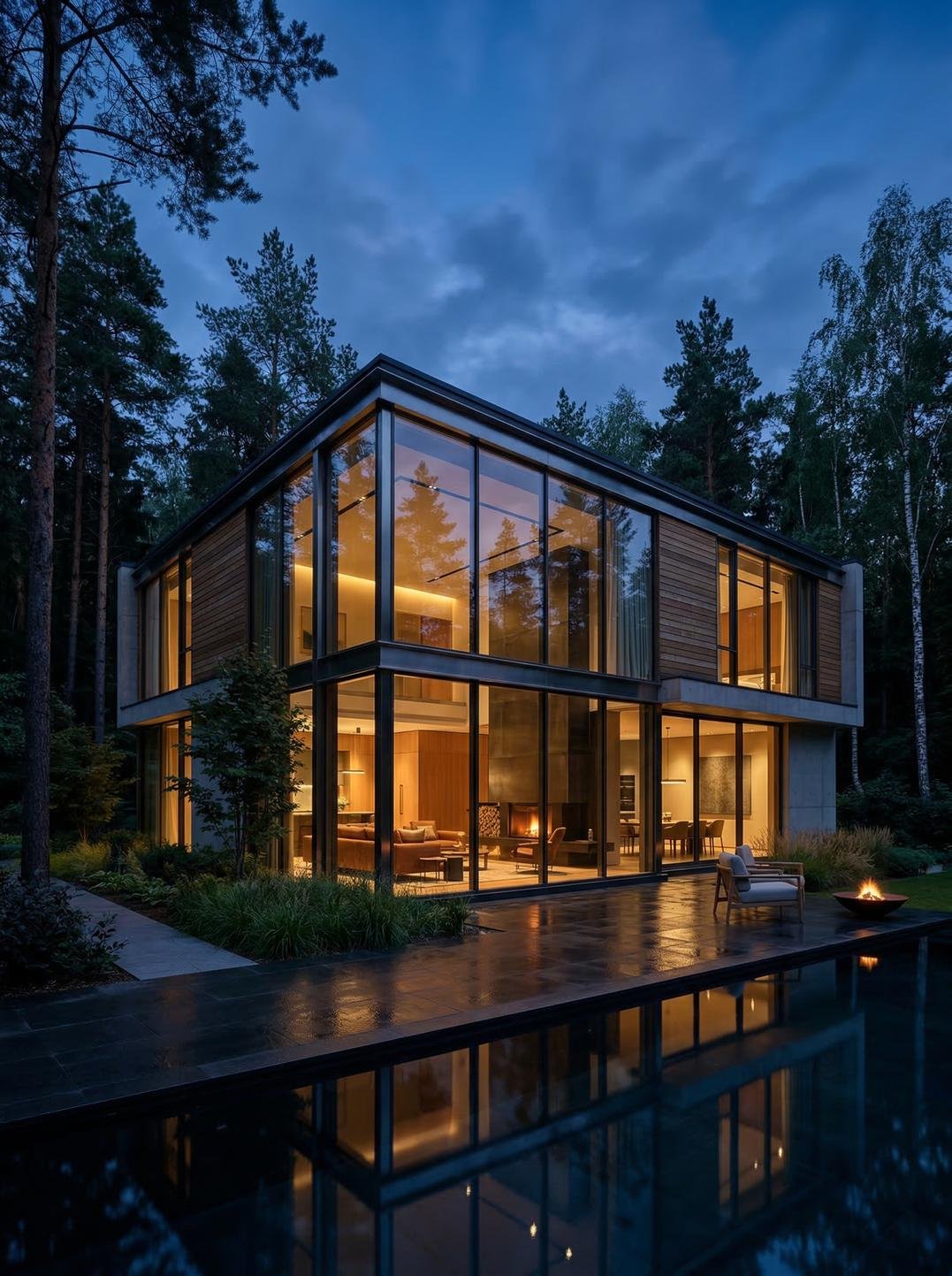

Off-plan real estate is a confidence market. The physical asset does not exist yet, the developer’s track record is the primary proxy for trust, and the quality of the visual materials is the most reliable signal of how seriously that developer takes their presentation to the market. Investors who see renders that look like any other development assume any other return.
Boardrooms must stop treating pre construction visualization as a simple line-item expense and recognize it as a core driver of project velocity. When developers calculate the daily interest on a commercial loan, the ROI of photorealistic architectural imagery becomes undeniable. Every day a unit sits unsold before breaking ground visibly erodes total project profitability.
Table of Contents
1. Why Miscalculating Visual Assets in Off Plan Real Estate Derails Initial Cash Flow
Securing early funding requires developers to present a risk-mitigated asset to institutional lenders and private equity groups. If the off plan real estate pitch lacks photorealistic depth, financial partners instantly perceive execution risk. They cannot underwrite a premium valuation based on sterile CAD exports or lifeless architectural elevations.
Investing in comprehensive pre construction visualization protects the developer’s equity position by establishing perceived value long before the foundation is poured. Buyers in the luxury sector demand to see exact interior finishes and precise lighting scenarios before wiring a non-refundable deposit. A robust suite of off plan real estate imagery allows sales teams to proactively bypass objections regarding layout and spatial flow.
Consequently, the capital required to fund high-end renders is effectively amortized across the accelerated sales schedule. Velocity is the ultimate metric for off plan real estate success. When visualization quality matches the asking price, the absorption rate predictably spikes.
2. The Three-Phase Phasing Strategy Behind Accelerated Pre-Sales
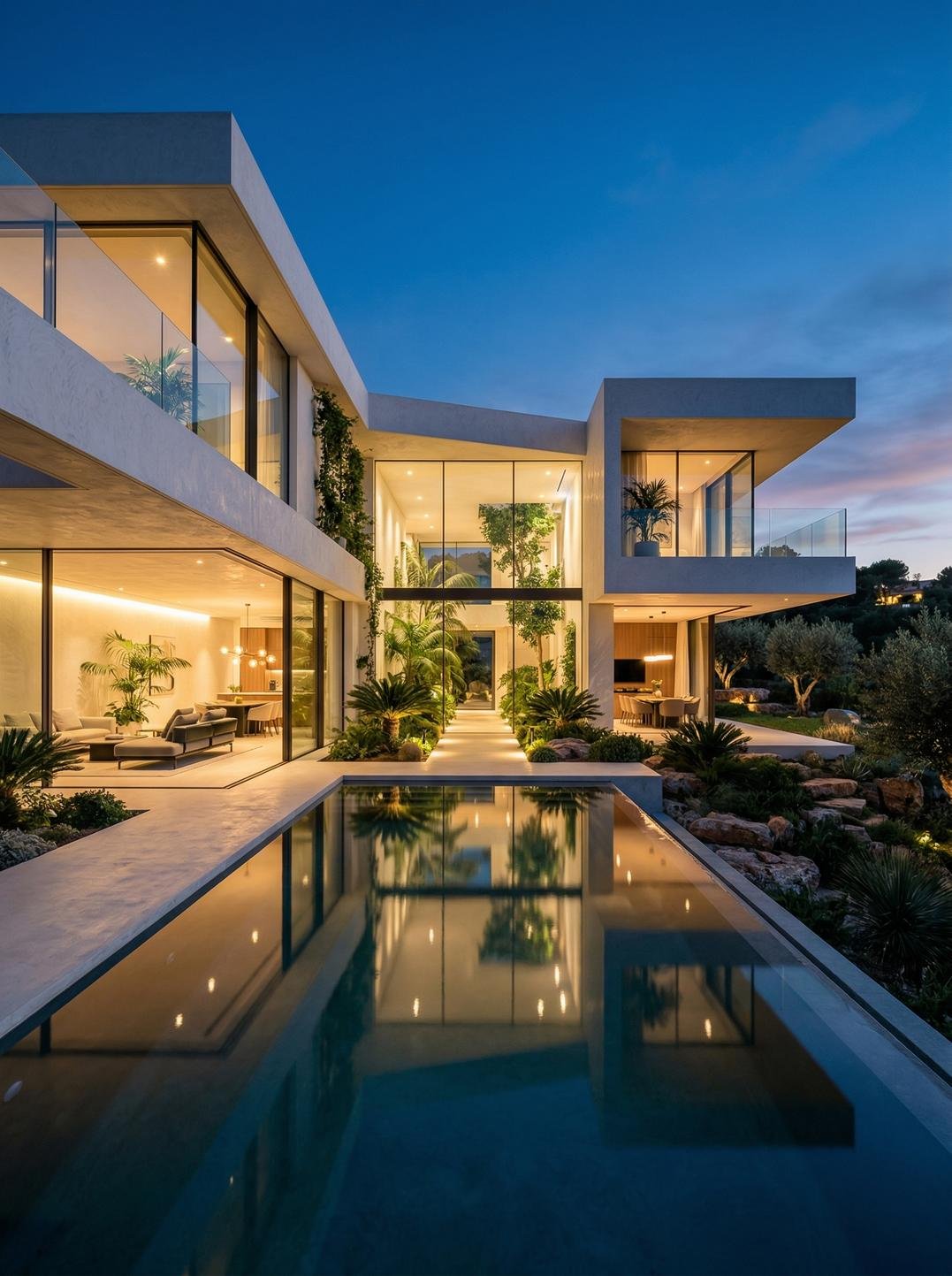
Maximizing returns on off plan real estate requires deploying visual assets in a highly orchestrated sequence. The initial phase focuses strictly on macro-level exterior shots and aerial context to secure municipal approvals and anchor investor pitch decks. This high-level pre construction visualization establishes the development’s integration within the existing neighborhood fabric.
Once the financing structure is solidified, the second phase narrows the lens onto specific high-margin amenities and premium units. Developers use these targeted images to drive early reservations, creating an intentional sense of scarcity among early adopters. Moving sequentially ensures that visualization budgets are allocated efficiently according to the project’s immediate financial milestones.
The final phase demands hyper-detailed interior vignettes, utilized heavily by the sales force during individual buyer negotiations. This methodical rollout of off plan real estate imagery prevents marketing fatigue from setting in early. It continuously injects fresh, compelling collateral into the sales funnel exactly when buyer interest threatens to plateau.
3. How Accurate Material Depiction Compresses Buyer Decision Timelines

Ambiguity is the enemy of a signed contract in the high-stakes commercial property market. When prospective buyers cannot confidently assess the texture of a marble countertop or the grain of engineered hardwood, they predictably hesitate. Removing this friction requires pre construction visualization that behaves exactly like real-world photography.
High-fidelity renders eliminate the cognitive load placed on buyers who historically struggle to interpret 2D floor plans. When a visualization studio accurately maps lighting to the physical coordinates of the site, shadows and reflections behave authentically. This level of precision transitions the buyer’s mindset from analytically assessing a concept to emotionally claiming a tangible asset.
Faster emotional commitment translates directly into a compressed sales cycle, significantly reducing the customer acquisition cost. Accurate off plan real estate renders act as an uncompromising guarantee of the final product’s quality. This transparency limits post-completion disputes and fiercely protects the developer’s brand equity for future phases.
4. The Hidden Carrying Costs Developers Endure When Underfunding Visuals

Cutting corners on visual collateral is a false economy that routinely triggers catastrophic financial blowback. A developer might save twenty thousand dollars upfront by hiring a budget rendering firm, only to bleed hundreds of thousands in extended debt service. When sales velocity drops due to unconvincing marketing materials, the corresponding interest payments quickly cannibalize the anticipated profit margin.
Furthermore, substandard pre construction visualization forces sales teams to heavily discount units to compensate for perceived low quality. Buyers instinctively anchor their financial valuation to the visual fidelity of the presentation they are handed. If the off plan real estate marketing looks cheap, the market will demand a price reduction to match.
Sophisticated developers treat premium visualization as a necessary insurance policy against extended market exposure. They understand that a visually stunning campaign is a non-negotiable requirement for defending premium price per square foot metrics. Skimping on these critical assets directly sabotages the financial architecture of the entire development.
5. Securing Your Development’s Financial Future
Treating architectural renders as an operational necessity rather than a marketing luxury is the defining trait of highly profitable development firms. Investing properly in your visual assets dramatically accelerates pre-sales, satisfies institutional lenders, and significantly reduces costly holding periods. Protect your next development’s ROI by partnering with Arkilex for uncompromising, boardroom-ready architectural visualization that drives verifiable commercial success.
6. Financial Strategy FAQs
What is the standard ROI for budgeting off plan real estate visualization?
While exact figures vary by market, premium visualization consistently yields high returns by compressing the sales cycle. Developers often recoup their entire visualization budget simply by avoiding one month of carrying costs on a stalled project. Faster absorption rates also reduce the overall reliance on expensive mezzanine financing.
How do institutional lenders evaluate pre-construction marketing materials?
Lenders analyze marketing assets as a direct indicator of execution capability and market viability. High-fidelity renders demonstrate that the developer has thoroughly finalized spatial planning and material schedules. This level of preparation lowers the bank’s perceived risk, often resulting in more favorable loan terms.
Can quality visuals justify a higher price per square foot?
Yes, perception dictates value when marketing an off plan real estate development to premium buyers. Photorealistic imagery communicates luxury and attention to detail, anchoring the buyer’s expectation to a higher price point. Buyers are statistically willing to pay a premium when they feel visually assured of the final build quality.
When should we finalize the visualization budget in our pro forma?
The visualization budget should be locked in during the initial feasibility and underwriting phase. Treating it as a hard cost alongside architectural design ensures the marketing team has the collateral needed for immediate pre-sales. Delaying this allocation frequently results in rushed, subpar deliverables that harm early market entry.
“An exemplary collaboration with Arkilex. We brought them in to visualize several projects and the result is simply impressive. Beyond the visual quality, their time management is flawless – deadlines met with rare precision. A trustworthy, responsive, professional partner I highly recommend.”
— Aquaya Maroc ★★★★★ · Google review