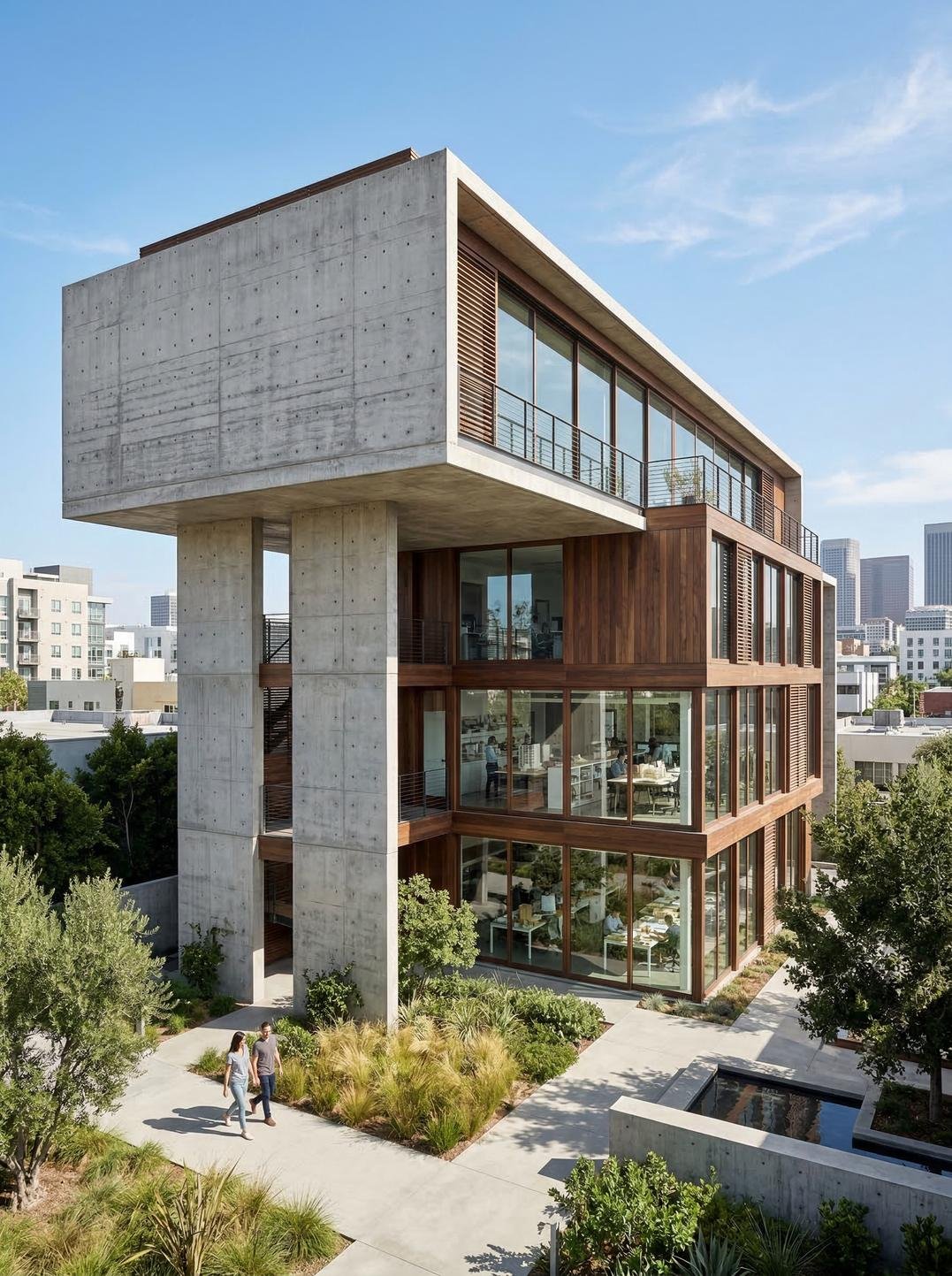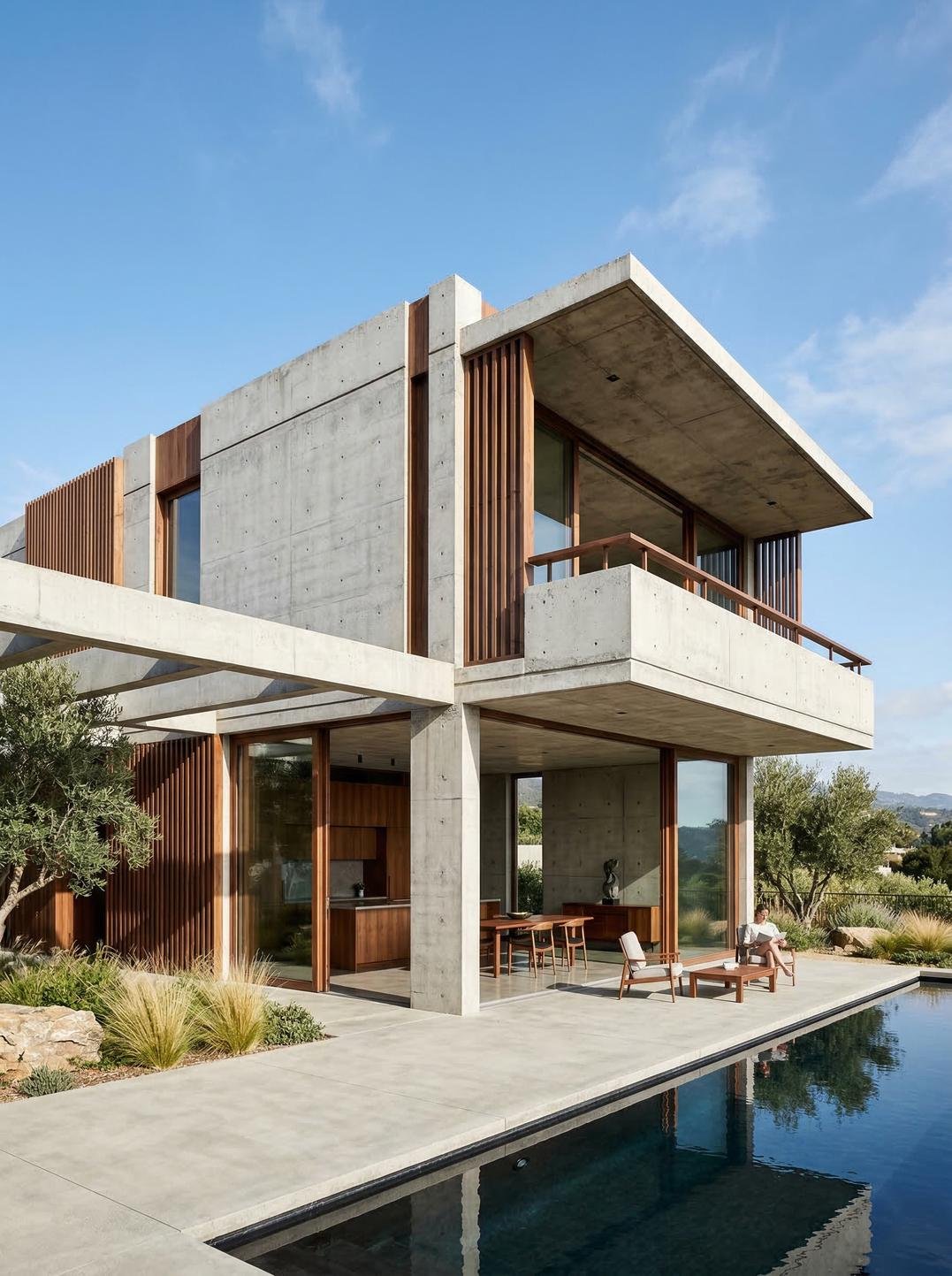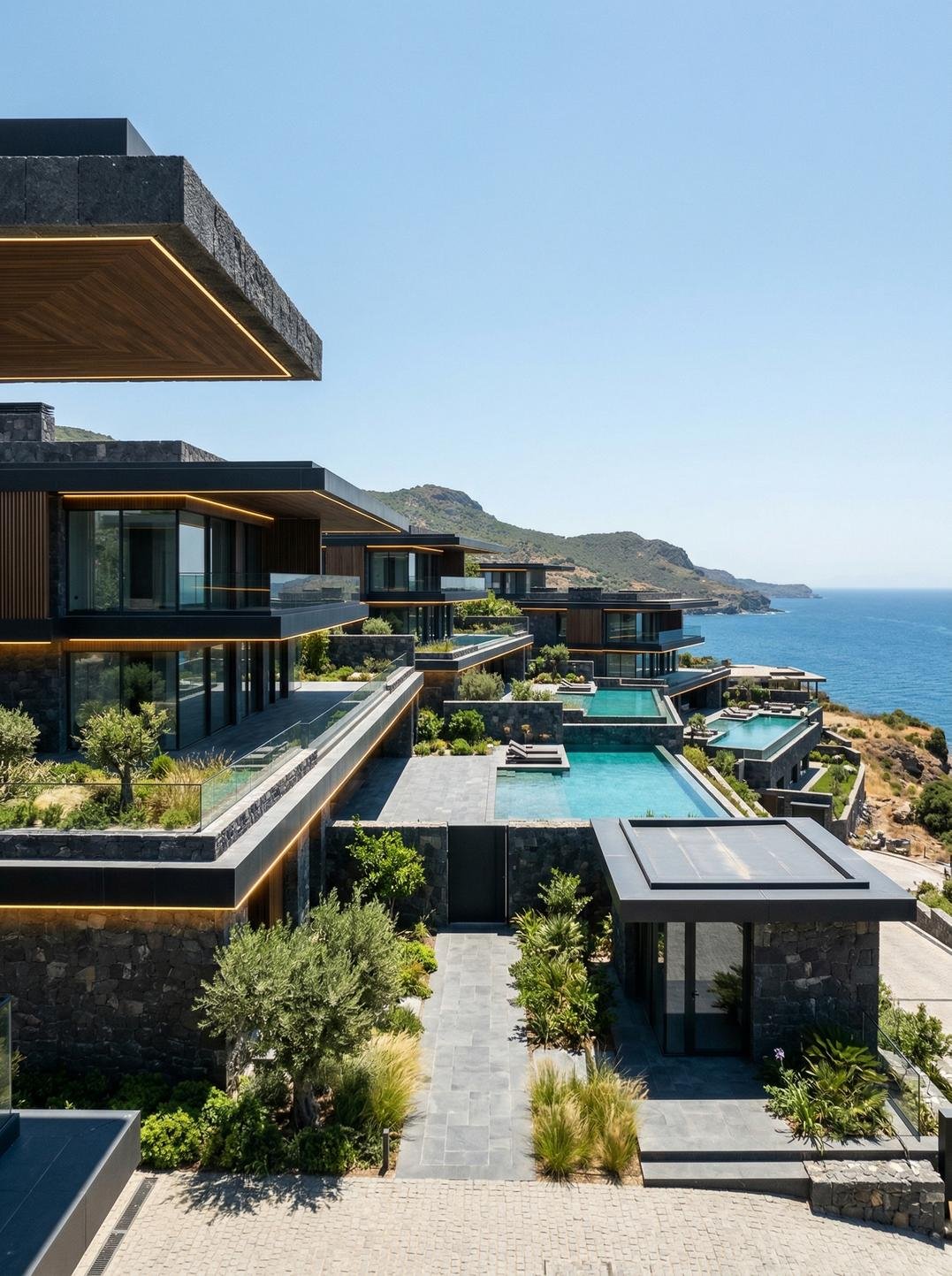

The first three seconds of a buyer’s engagement with a real estate render determine whether they lean forward or move on. That is how visual processing works — and it is why render quality is the single highest-leverage variable in pre-construction marketing.
Developers often forget that end-users lack the spatial awareness required to translate 2D CAD layouts into lived experiences. This cognitive gap is exactly where pre-sales momentum goes to die. Bridging this disconnect requires more than just showing a building; it demands translating concrete plans into visceral realities.
High-performing off-plan property marketing campaigns succeed because they prioritize the buyer’s sensory experience over mere technical accuracy. When an investor cannot visually explore the space, their perceived risk multiplies exponentially. We need to examine what your prospective buyers actually experience when they look at your visual assets.
Table of Contents
1. Why Most Developer Presentations Fail Due to Poor Real Estate Rendering
Most development teams view a real estate rendering as a final checklist item rather than the primary vehicle for client trust. From the buyer’s perspective, a sterile, poorly lit image signals cut corners across the entire project. If the visual representation feels cheap, the investor assumes the plumbing, materials, and finishing will be equally compromised.
The affluent buyer does not explicitly analyze your texture resolution or geometric poly-count. Instead, they register an unconscious feeling of unease when shadows fall flat or fabrics look like painted plastic. This subtle discomfort is enough to derail a lucrative negotiation before it even begins.
Successful developers leverage premium real estate rendering to completely eliminate this subconscious friction. They understand that a meticulously crafted visualization serves as a digital model home for the client’s imagination. By providing a flawless visual proxy, developers grant the buyer the psychological safety needed to sign the contract.
2. The Four-Stage Emotional Journey Behind a Photorealistic Villa Render
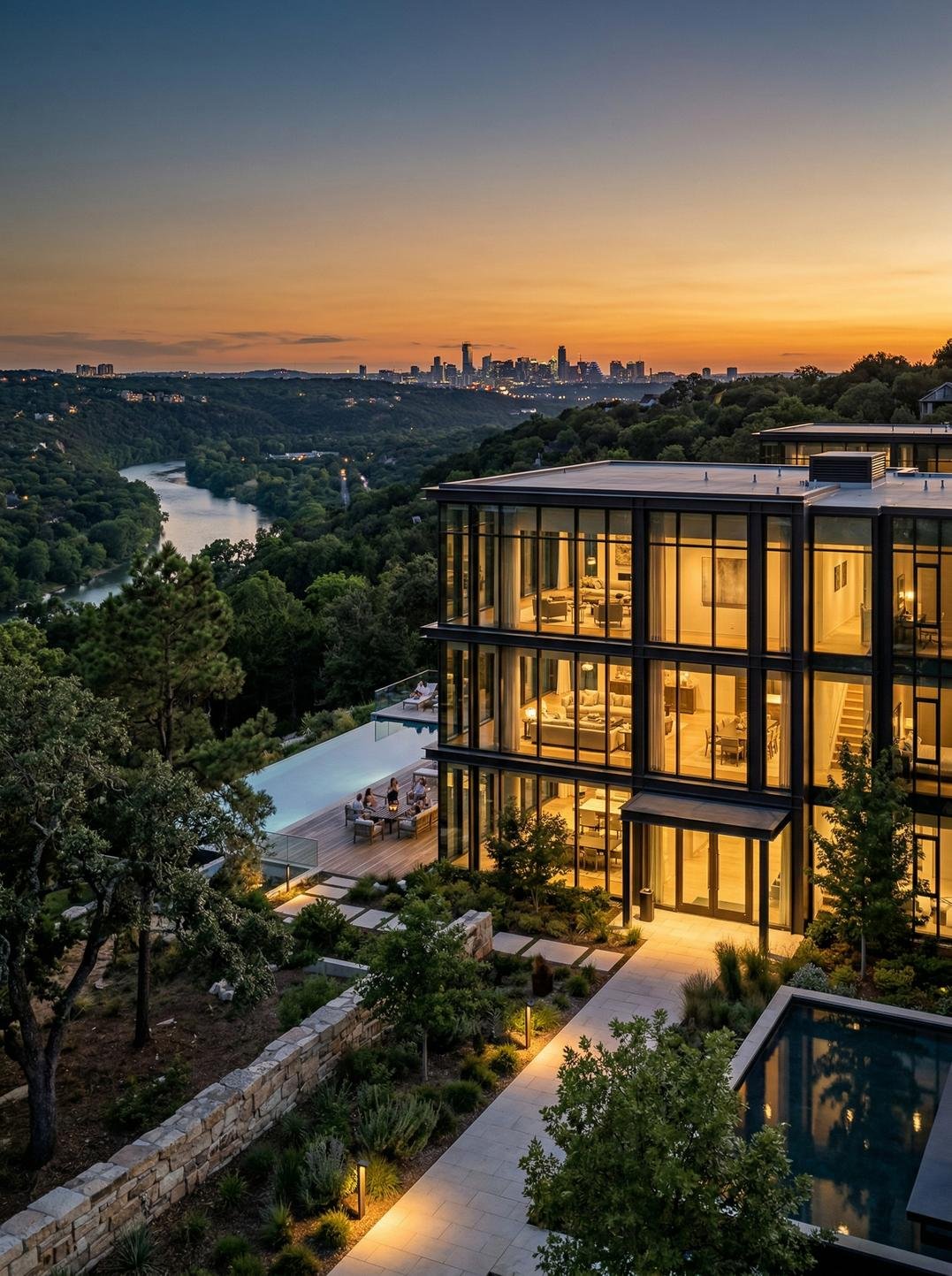
The client’s interaction with off-plan property marketing materials follows a highly predictable psychological sequence. The initial phase is immediate visual impact, where mood lighting and atmospheric depth capture their divided attention. Without this initial atmospheric hook, the buyer simply turns the page or closes the browser tab.
Once attention is secured, the buyer enters the spatial validation phase of the real estate rendering. They begin mentally placing their own furniture, imagining their morning routine, and assessing the true scale of the living areas. If the camera angle is warped to artificially enlarge the room, the buyer’s internal alarm bells instantly ring.
The third stage involves intense material scrutiny, where the investor leans in to inspect the grain of the hardwood. This is where average visual assets fail and premium quality builds undeniable financial value. If the materials reflect light accurately, the buyer transitions seamlessly into the final stage of emotional ownership.
3. What Investors Need From a Visualization Studio Before Committing Funds

Buyers are actively searching for lifestyle congruency when they evaluate an upcoming development. They need the real estate rendering to reflect their specific socioeconomic aspirations down to the smallest prop styling details. A luxury penthouse visual populated with budget-tier furniture immediately creates cognitive dissonance for a high-net-worth individual.
Effective off-plan property marketing requires studios to intensely study the target demographic before placing a single digital camera. The lighting must evoke the specific time of day the target buyer values most, whether that is a serene morning or a vibrant evening. These nuanced decisions prove to the buyer that the developer truly understands their daily life and habits.
Furthermore, investors demand absolute context regarding the surrounding environment and balcony sightlines. A real estate rendering that hides the neighborhood context behind strategic fog only generates suspicion among savvy buyers. Providing accurate window reflections and true-to-life vistas builds the exact type of transparency that drives premium pricing.
4. The Detail Buyers Notice First and Studios Often Miss

The most jarring disconnect for a potential buyer occurs when a real estate rendering lacks believable human imperfection. Spaces that look entirely sterile, with perfectly aligned cushions and unnaturally spotless surfaces, feel like museum exhibits rather than future homes. Buyers struggle to project their chaotic, beautiful lives onto a canvas that feels mathematically perfect and devoid of character.
Strategic off-plan property marketing introduces calculated micro-imperfections to break this unnatural digital sterility. A slightly rumpled throw blanket, a partially read book, or subtle variations in the floorboard reflections ground the image in reality. These invisible details bypass the buyer’s critical faculties and speak directly to their emotional brain.
When developers ignore these empathetic touches, they inadvertently force their sales teams to work twice as hard to build trust. A masterful real estate rendering does the heavy lifting by dissolving the barrier between the digital screen and the buyer’s imagination. Ultimately, bridging this emotional gap is the only way to accelerate presales in a hesitant or highly competitive market.
5. Conclusion
Shifting your focus from technical specifications to the client’s emotional experience completely transforms your off-plan property marketing outcomes. By ensuring your real estate rendering speaks the language of the buyer, you replace hesitation with absolute conviction. Partner with Arkilex architectural visualization studio today to craft visual narratives that turn skeptical prospects into committed investors.
6. FAQs
How does visualization quality directly impact buyer trust?
Buyers equate the quality of your visuals with the future quality of your construction. High-end, photorealistic imagery signals that the developer is meticulous, financially stable, and committed to excellence. Conversely, cheap visuals create immediate anxiety about potential cost-cutting during the actual build phase.
What is the most common element that breaks immersion for a potential investor?
Inaccurate lighting and flat material textures are the primary culprits that pull buyers out of the experience. When a digital image fails to show how natural light interacts with different surfaces, the space feels artificial and unwelcoming. This lack of depth prevents the buyer from emotionally connecting with the property.
Why is interior styling so important in architectural presentations?
Furniture and decor act as non-verbal cues that communicate the property’s price point and target demographic. If the styling does not match the buyer’s lifestyle expectations, they will assume the property is not meant for them. Proper curation helps the investor visualize their specific future within your development.
How do accurate sightlines affect off-plan conversions?
Savvy investors view property as an asset tied deeply to its surrounding context and location. Masking the true exterior views breeds distrust, while accurate, beautifully rendered vistas validate the location’s premium value. Transparency in the environment design is crucial for securing high-tier investments before ground is broken.
“An absolutely excellent 3D team that I genuinely enjoy working with – always attentive, responsive, and open to adjustments. Communication is seamless and the results consistently meet our expectations. A trusted partner I recommend without hesitation.”
— Sofia Bouziane ★★★★★ · Google review