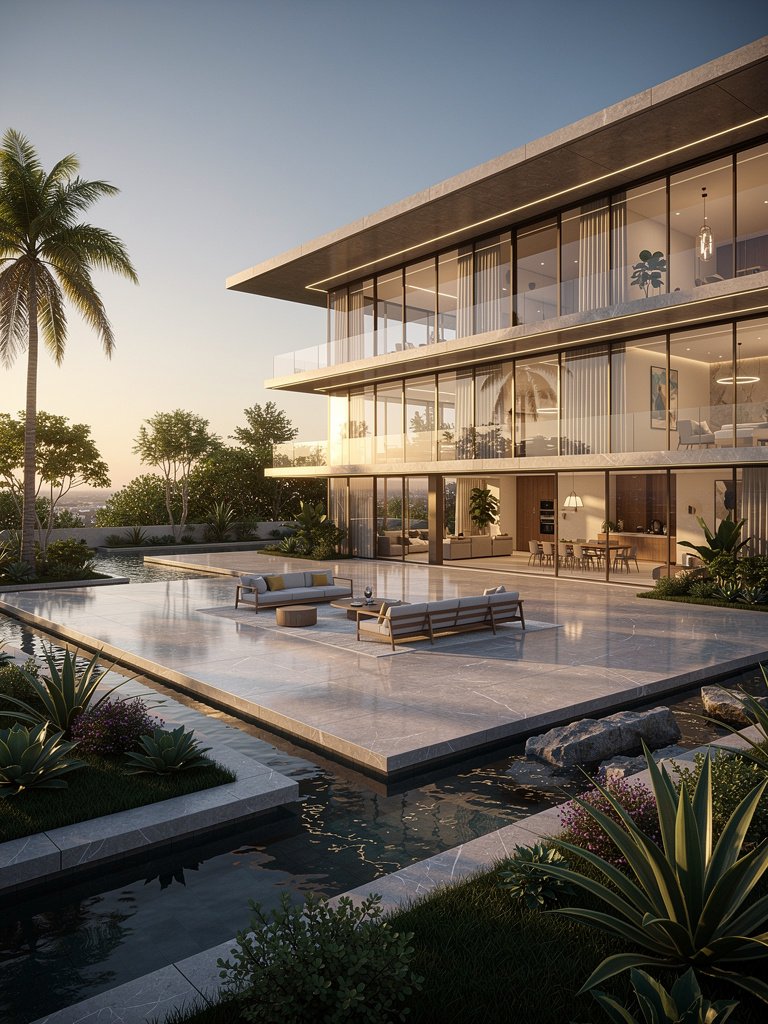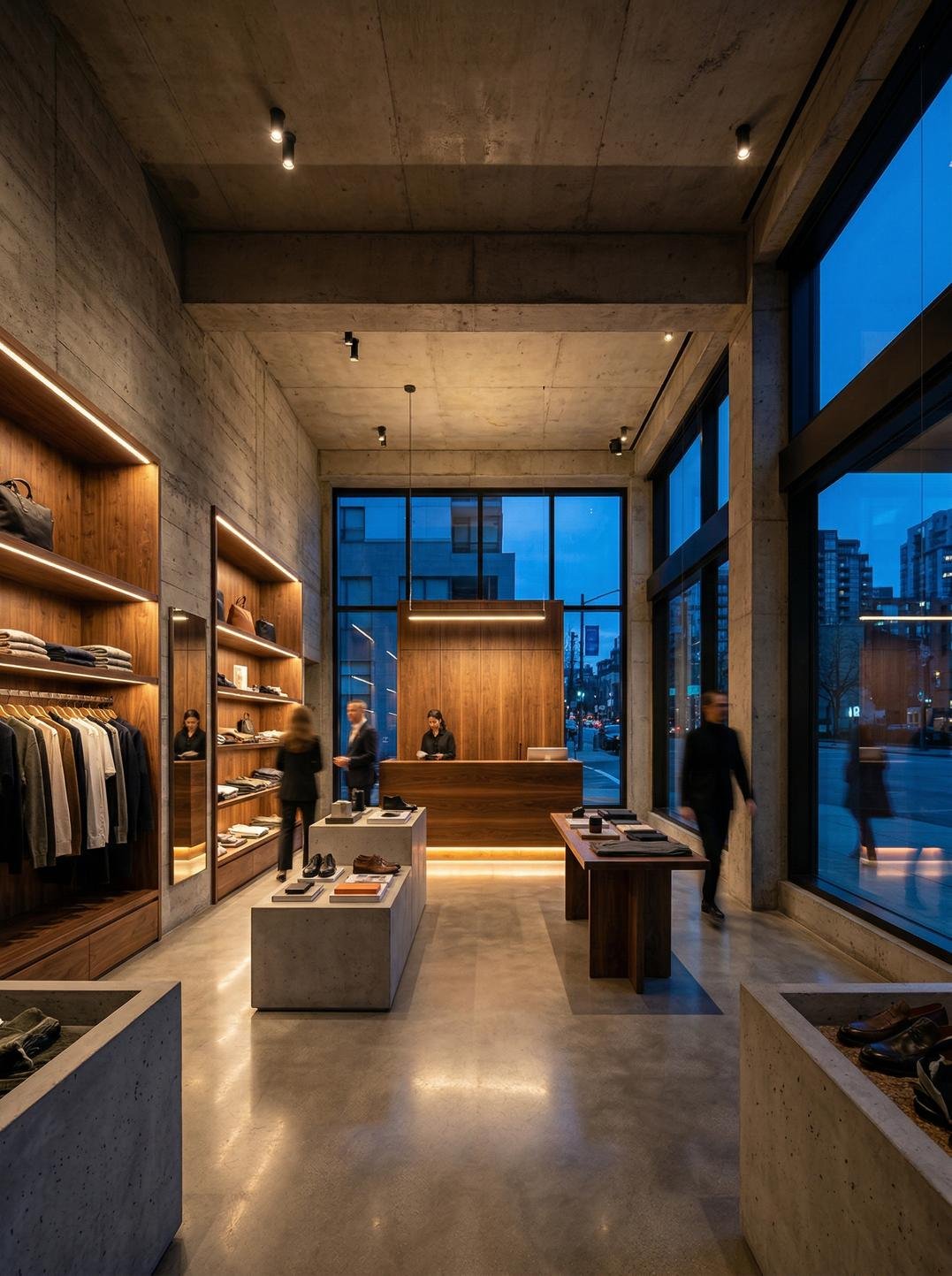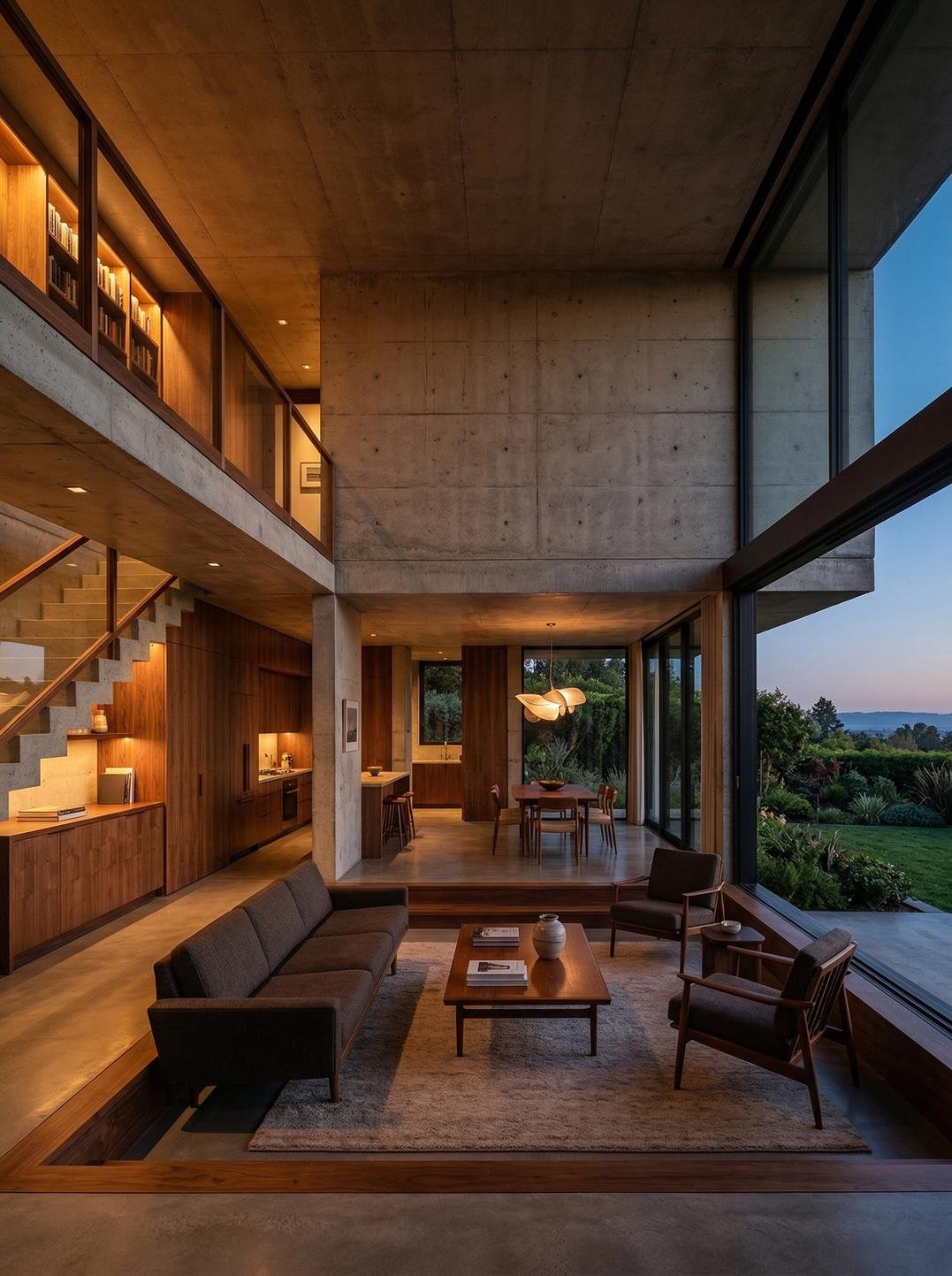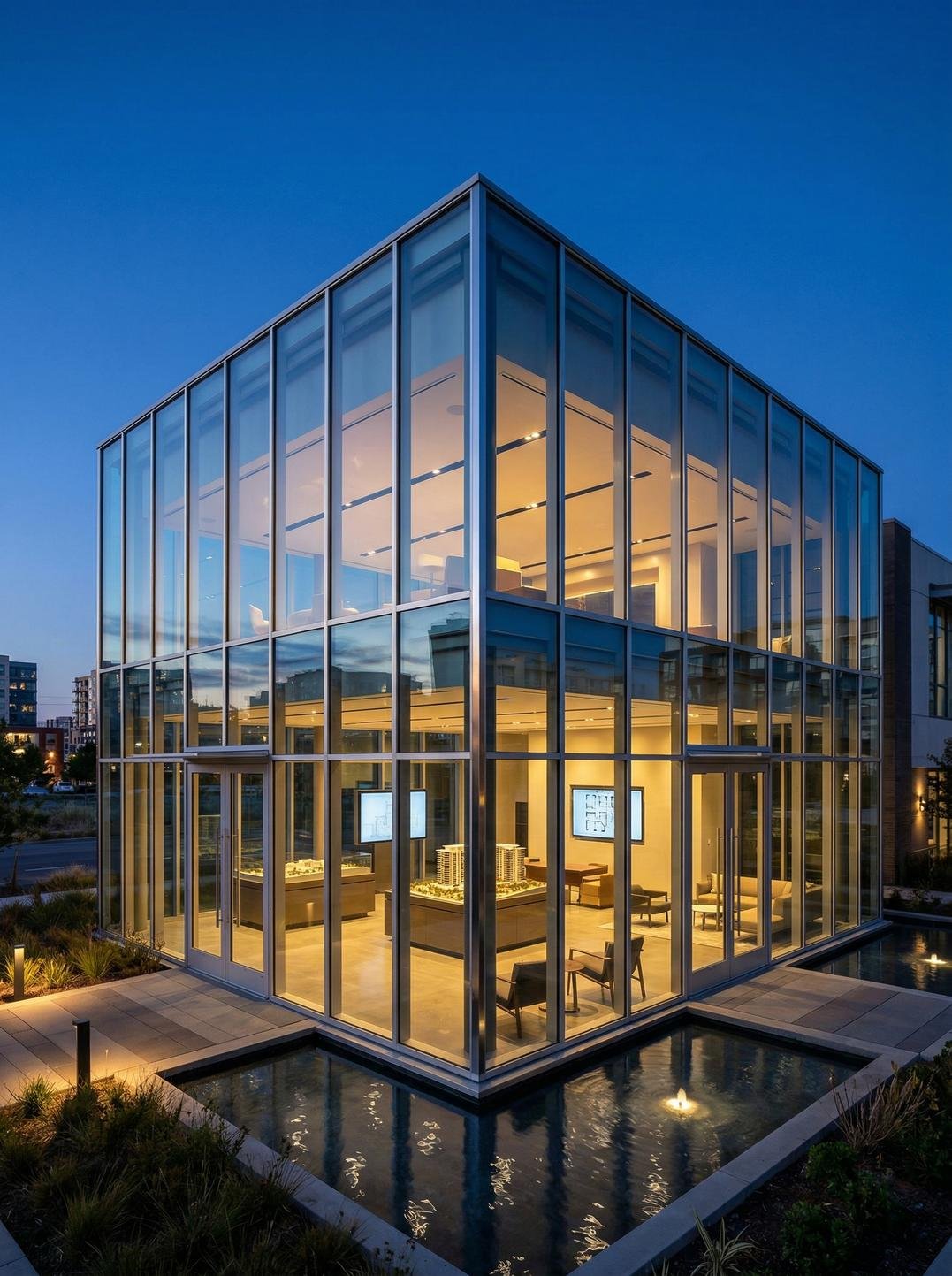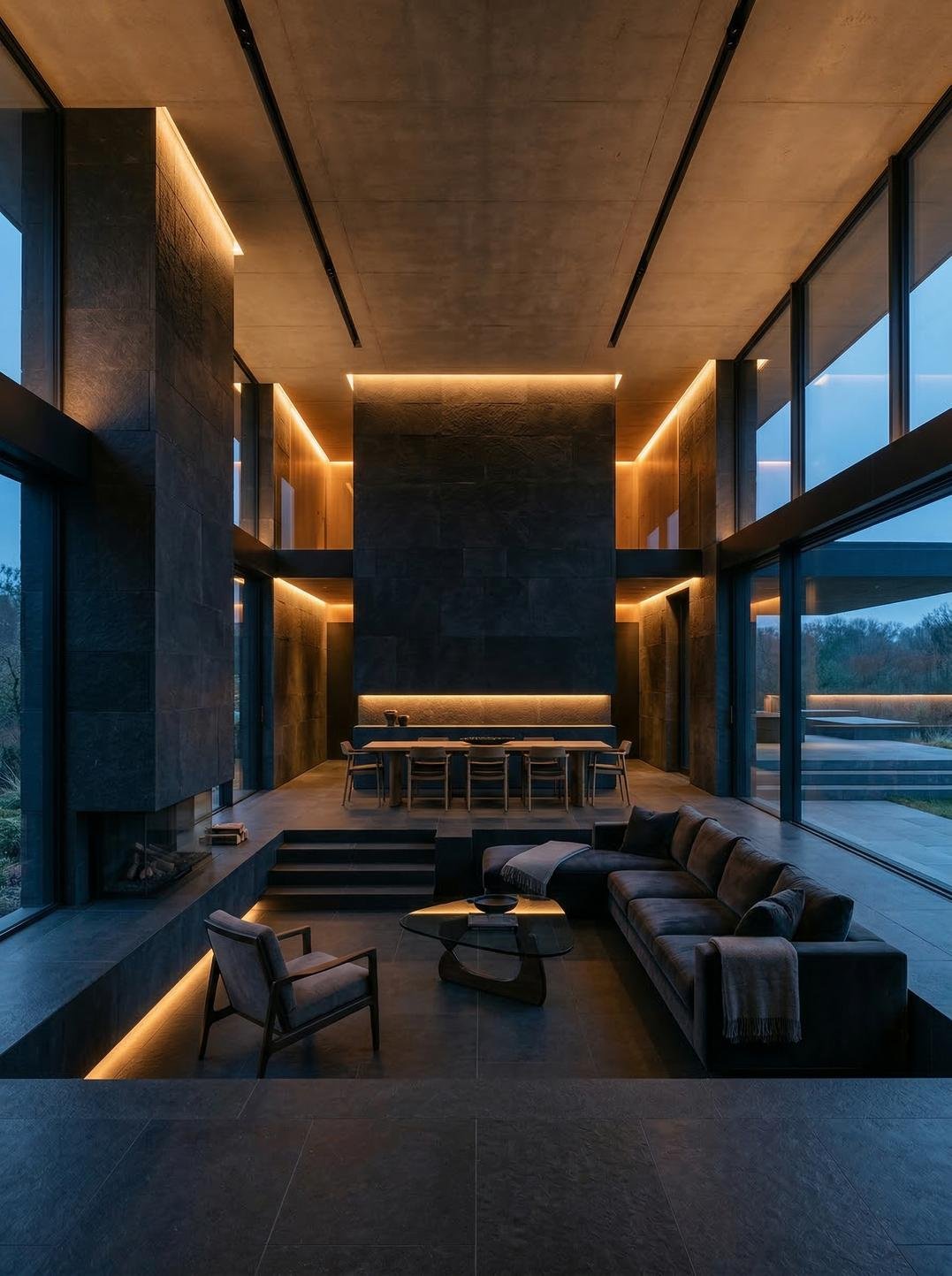

Interior design approval is rarely about whether the design is objectively good. It is about whether the client can see it clearly enough to commit. Ambiguity kills projects — not bad design.
Advanced developers are weaponizing these tools to establish an immediate, unassailable competitive advantage in crowded urban markets. They understand that a prospective buyer’s first impression is now entirely digital, making the quality of that interaction critical. Firms that cut corners on this initial touchpoint inadvertently position their entire multi-million dollar development as a budget offering.
Consequently, competitive intelligence now requires a deep understanding of visual marketing standards across the global real estate sector. The gap between top-performing studios and average vendors is widening rapidly as technology and rendering capabilities evolve. Securing market leadership requires moving beyond basic imagery to deliver an undeniable, photorealistic promise of future value.
Table of Contents
1. Why Average 3d visualization interior design Fails to Capture Premium Buyers
Many development teams still treat renders as an afterthought rather than a core strategic asset driving early revenue. This operational blind spot allows competitors who prioritize high-end 3d visualization interior design to command higher price per square foot metrics. Top-tier developers utilize these highly calibrated visuals to dictate the market narrative before the foundation is even poured.
By investing heavily in pre-construction visual marketing assets, market leaders systematically dismantle buyer hesitation. They provide an immersive preview that makes competing properties look incomplete or unnecessarily risky by comparison. This strategic deployment of visual assets shifts the conversation from price negotiation to securing limited availability.
To achieve this dominance, 3d visualization interior design must evolve beyond simple spatial representation to become a tool of psychological persuasion. Average renders merely show the dimensions of a room, while competitive renders sell the aspiration of inhabiting that exact space. When developers fail to capture this emotional resonance, they lose potential buyers to competitors who present a more compelling lifestyle narrative.
Furthermore, sophisticated investors actively compare the visual marketing materials of competing developments to gauge the sponsor’s attention to detail. A low-quality render signals potential compromises in the future physical construction, instantly damaging brand equity. Market leaders recognize that flawless execution in digital presentation is the first proof of execution for the physical build.
2. The Multi-Stage Rendering Workflow Defining Tier-One Developments
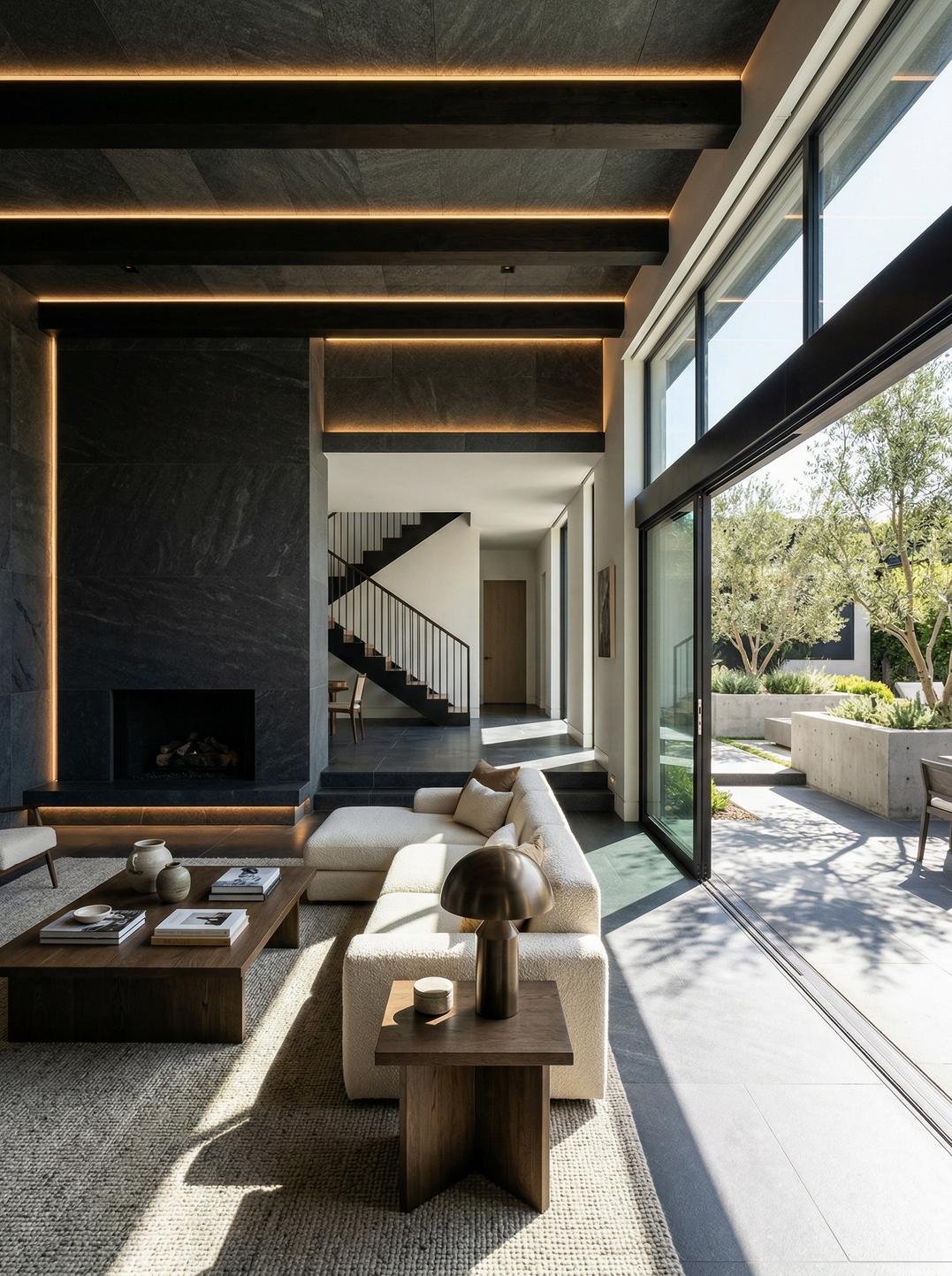
The standard industry workflow typically rushes from CAD export directly to basic material application, resulting in flat, uninspiring imagery. In contrast, elite studios executing 3d visualization interior design employ a rigorous, multi-phased methodology akin to high-end cinematic production. This approach begins with deep architectural integration, ensuring every structural nuance aligns perfectly with the intended lifestyle narrative.
Following this structural foundation, the creation of pre-construction visual marketing assets moves into complex spatial modeling and bespoke furniture curation. Top-performing studios never rely on stock 3D objects that sophisticated buyers might recognize from lesser, budget-focused projects. Instead, every element within the 3d visualization interior design is custom-modeled to reflect the exact specifications of the final build.
This meticulous workflow also incorporates multiple review stages specifically designed to align visual output with competitive market positioning. Developers working with premium studios use these stages to fine-tune the buyer experience, adjusting camera angles to maximize perceived value. Ultimately, this disciplined process transforms technical architectural data into highly compelling, conversion-focused marketing collateral.
3. How Masterful Lighting Strategies Accelerate Off-Plan Revenue

Global real estate leaders know that lighting is the silent differentiator between an amateur digital image and a photorealistic masterpiece. Average developers accept flat, uniform illumination that strips a room of depth, atmosphere, and necessary emotional resonance. Strategic 3d visualization interior design leverages physically accurate, layered lighting to aggressively guide the investor’s eye toward premium finishes.
Simulating precise geographical sunlight at specific times of day creates an undeniable authenticity that heavily influences off-plan purchasing decisions. High-performing pre-construction visual marketing assets utilize global illumination techniques to demonstrate exactly how natural light interacts with selected premium materials. This creates a sensory expectation for the buyer, making the unbuilt space feel remarkably tangible and immediately desirable.
Furthermore, top studios deploy complex artificial lighting scenarios to showcase the property’s ambiance during evening hours. This dual-lighting strategy ensures the 3d visualization interior design appeals to buyers across multiple emotional states and lifestyle scenarios. Competitors who only present daytime renders miss a critical opportunity to sell the evening elegance of their luxury properties.
This meticulous approach to lighting within pre-construction visual marketing assets builds subconscious trust with highly discerning demographics. It proves to the buyer that the developer has meticulously planned every aspect of the living experience. Consequently, this visual proof accelerates the timeline from initial high-level inquiry to a finalized, signed contract.
4. The Textural Detail Investors Notice First and Average Studios Miss

When high-net-worth buyers review property materials, their eyes immediately search for the subtle imperfections that signify organic reality. Mediocre renders present flawless, plastic-looking surfaces that trigger an instinctive skepticism regarding the project’s overall construction quality. Advanced 3d visualization interior design incorporates micro-textures, capturing the slight grain of wide-plank oak or the subtle reflection of brushed brass.
This level of granularity bridges the gap between digital representation and tangible reality, setting a benchmark that competitors struggle to match. Competitors who neglect these nuances find their pre-construction visual marketing assets scrutinized rather than celebrated during high-stakes pitch meetings. Discerning clients will always gravitate toward the developer whose visuals promise a richer, more tactile living environment.
Top-performing developers also ensure their rendering partners exactingly match the digital textures to the actual physical sample boards. This guarantees that the 3d visualization interior design perfectly mirrors the final delivered product, protecting the developer from post-handover disputes. In contrast, amateur studios often use generic texture maps that create a dangerous disconnect between the marketing promise and physical reality.
Ultimately, mastering these textural details is what empowers market leaders to command premium valuations long before construction begins. It provides the visual evidence required to justify top-tier pricing in highly saturated, competitive urban real estate markets. Superior 3d visualization interior design transforms material specifications into a compelling competitive moat that average developers cannot easily cross.
5. Conclusion
Gaining a competitive edge in modern real estate requires an uncompromising commitment to visual excellence from the earliest project phases. Elite developers are already leveraging sophisticated 3d visualization interior design to secure faster pre-sales and build higher investor confidence. Partner with Arkilex architectural visualization studio to transform your blueprints into market-dominating visual assets that drive measurable business outcomes.
6. FAQs
What distinguishes tier-one visual assets from average real estate renders?
Tier-one assets rely on custom-modeled furniture, physically accurate global illumination, and micro-texturing to create undeniable photorealism. This extreme level of detail eliminates buyer skepticism and positions the development as a premium, highly desirable offering.
How do high-quality renders directly impact pre-sale velocity?
Photorealistic imagery reduces the cognitive load on buyers, allowing them to instantly comprehend the value and lifestyle of an off-plan property. This deep emotional connection accelerates decision-making and shortens the sales cycle significantly compared to traditional floor plan presentations.
Why should luxury developers avoid stock 3D models in their marketing materials?
Sophisticated investors and buyers can quickly spot recycled digital assets, which subconsciously devalues the perceived exclusivity of the project. Custom modeling ensures the visuals align precisely with the bespoke nature of the physical development, maintaining brand integrity.
At what stage should competitive developers engage a visualization studio?
The most competitive developers integrate visualization partners during the schematic design phase rather than waiting for finalized construction blueprints. This allows the visual marketing strategy to evolve concurrently with the architecture, ensuring a seamless and early market positioning.
“An exemplary collaboration with Arkilex. We brought them in to visualize several projects and the result is simply impressive. Beyond the visual quality, their time management is flawless – deadlines met with rare precision. A trustworthy, responsive, professional partner I highly recommend.”
— Aquaya Maroc ★★★★★ · Google review