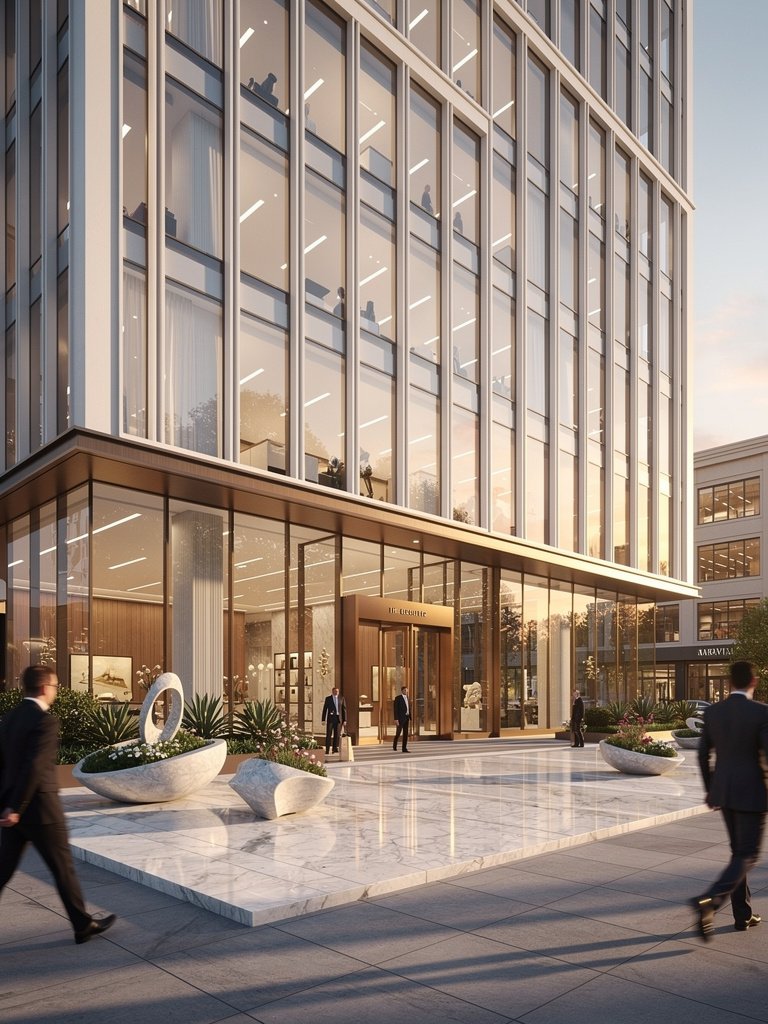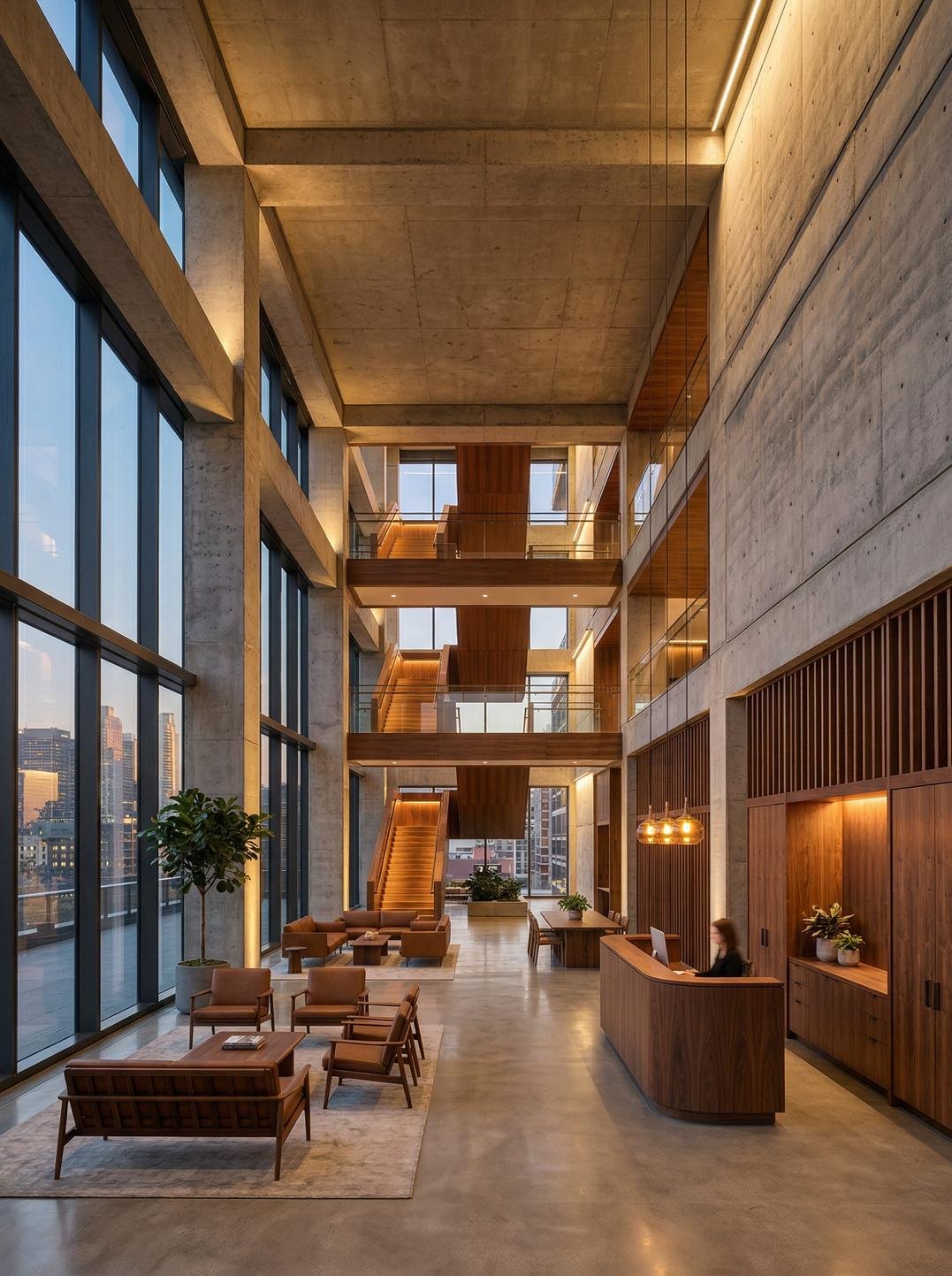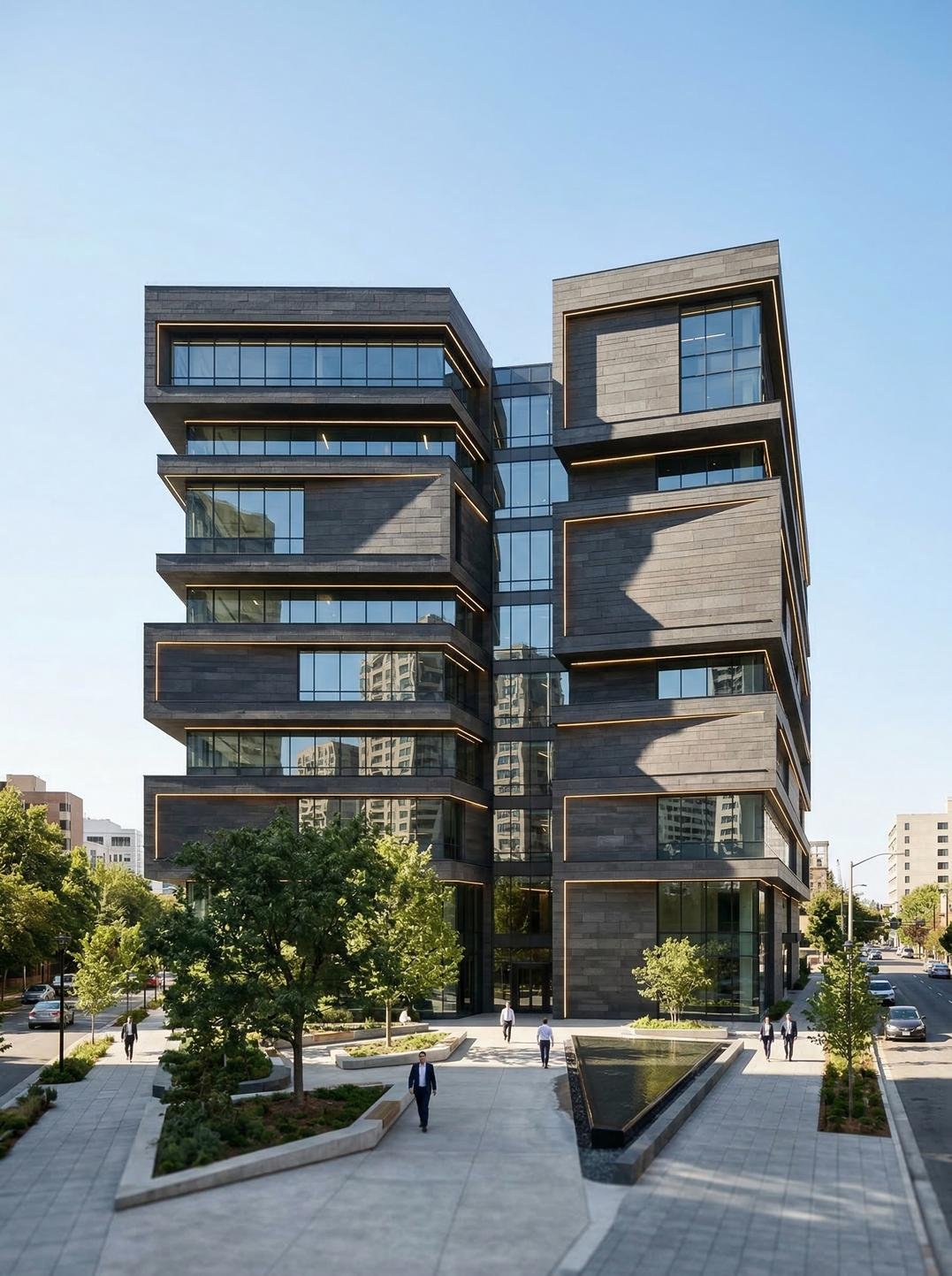

An exterior render is usually the first image a prospective buyer, investor, or planning authority sees of a project. It sets the expectation for everything that follows — the interior renders, the marketing materials, the site signage. If it fails to communicate quality, nothing downstream recovers that impression.
Those relying on outdated visual assets are losing market share to competitors who deploy photorealistic architectural visualization to control the narrative. The distinction between a mediocre image and a strategic digital twin dictates whether a project secures funding in weeks or languishes for months. Market leaders understand that these visual assets function as silent sales teams operating around the clock.
Winning developers evaluate their 3d exterior rendering services not by the cost per image, but by the velocity of capital they generate. By treating these assets as strategic leverage, top-tier firms immediately outflank competitors who still view rendering as a mere checklist item.
Table of Contents
1. Why Average 3d exterior rendering services Stall Pre-Sales Before Launch
When a prospective buyer examines marketing collateral, their brain registers artificiality in milliseconds, immediately triggering skepticism. Standard 3d exterior rendering services often produce sterile environments that fail to evoke the necessary emotional resonance required for luxury purchases. This lack of atmospheric depth forces the sales team to constantly explain what the space will eventually feel like.
Conversely, top-performing studios engineer visual assets that eliminate this cognitive friction entirely. They understand that premium 3d exterior rendering services must account for micro-details, from accurate local foliage to specific atmospheric lighting. When a developer presents this level of finish, they bypass initial buyer objections and move straight into closing discussions.
The market penalty for utilizing subpar visualization is steep and measurable in extended holding costs. Developers who secure industry-leading photorealistic architectural visualization consistently report shorter pre-sales cycles and stronger pricing power. Quality visual assets establish an immediate anchor of premium valuation in the buyer’s mind.
2. The Phased Asset Pipeline Behind Market-Leading Visual Assets
Leading firms do not commission random images; they follow a rigorous, phased pipeline to build comprehensive visual ecosystems. They sequence their photorealistic architectural visualization to match exact stages of the buyer journey, from early teaser imagery to full cinematic tours. This strategic staging ensures a consistent, escalating narrative that keeps potential investors engaged over long development cycles.
The first phase always establishes the architectural hierarchy and massing to secure initial stakeholder alignment. This prevents costly revisions later when premium 3d exterior rendering services are deploying high-density textures and complex lighting calculations. By treating the workflow as an escalating asset pipeline, developers maintain total control over the project’s visual evolution.
Eventually, the pipeline yields hyper-specific collateral tailored to distinct competitive channels. A hero shot designed for a prominent billboard requires vastly different rendering parameters than a detailed vignette created for an interactive iPad presentation. Strategic visualization studios anticipate these diverse distribution requirements from day one.
3. How Strategic Lighting Scenarios Directly Influence Premium Buyer Perception

Lighting is the primary differentiator between an image that looks computer-generated and one that feels undeniably real. The most competitive architectural studios specify exact time-of-day coordinates to match the physical site’s true solar orientation. This level of photorealistic architectural visualization builds subliminal trust because the shadows behave exactly as the human eye expects.
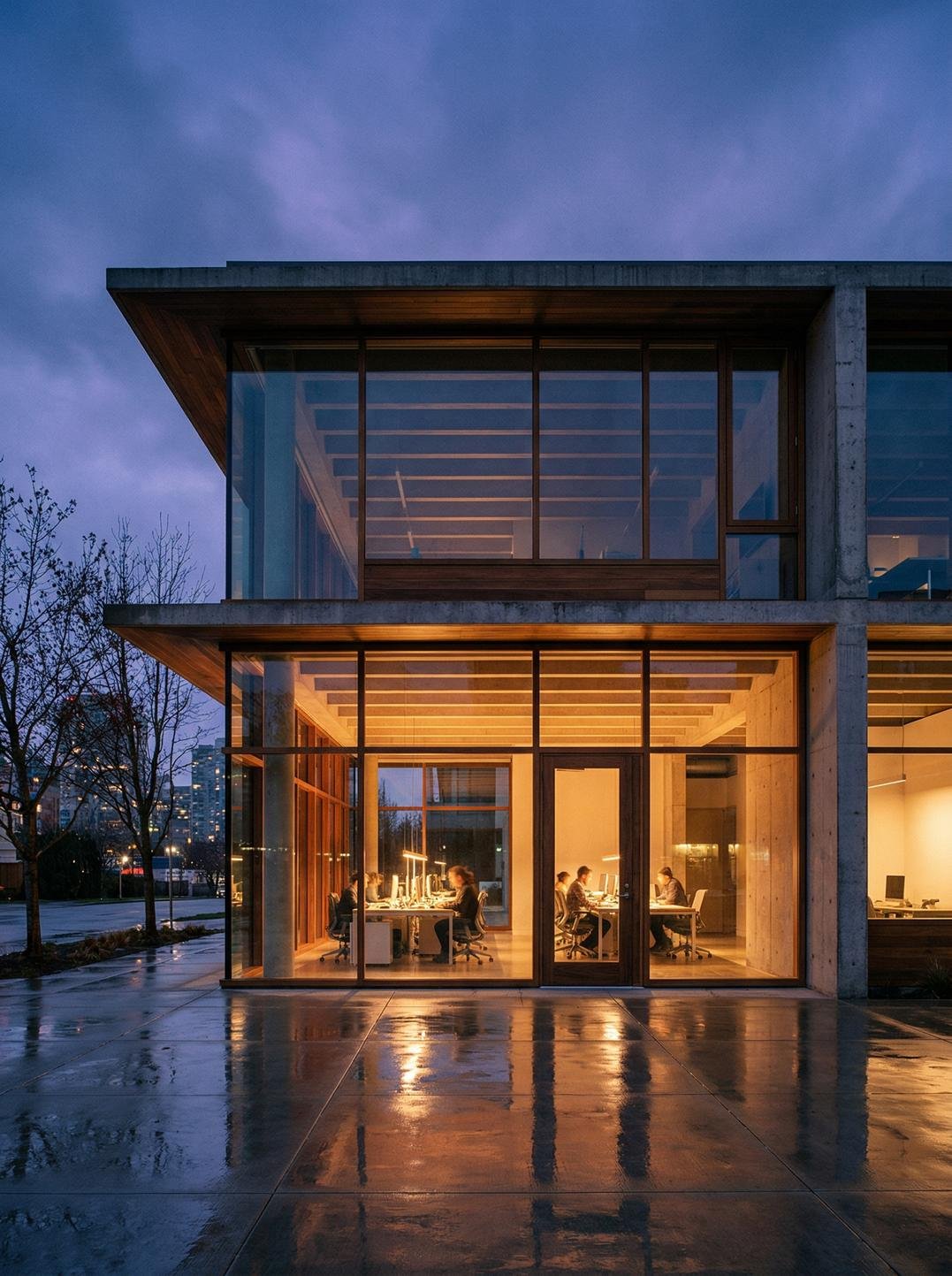
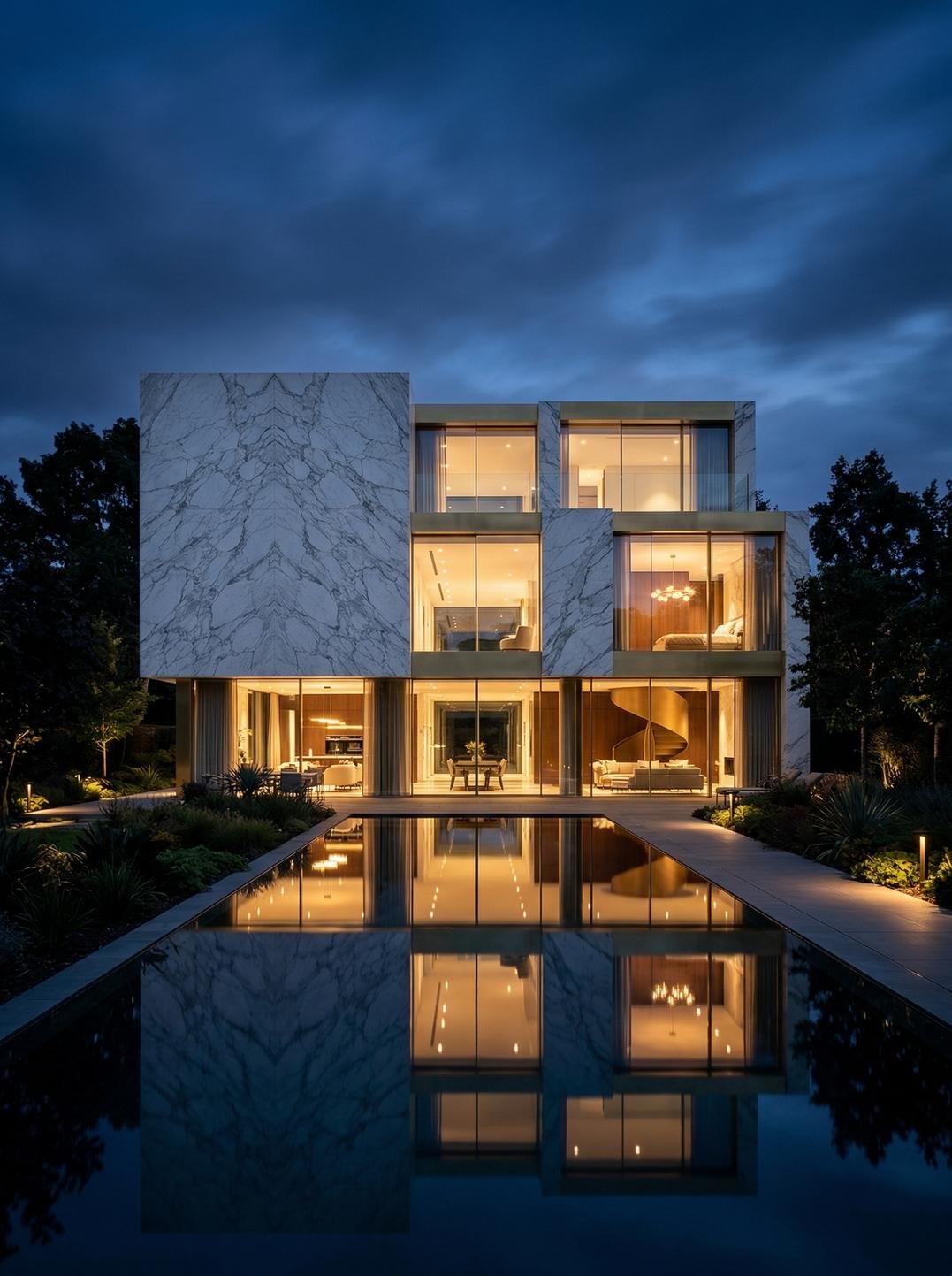
Generic daytime renders are rapidly becoming obsolete in high-stakes commercial and luxury residential markets. Instead, market leaders deploy 3d exterior rendering services to simulate complex transition periods, such as the exact moment of twilight. These atmospheric “golden hour” or “blue hour” shots trigger deep emotional responses that standard daylight images simply cannot match.
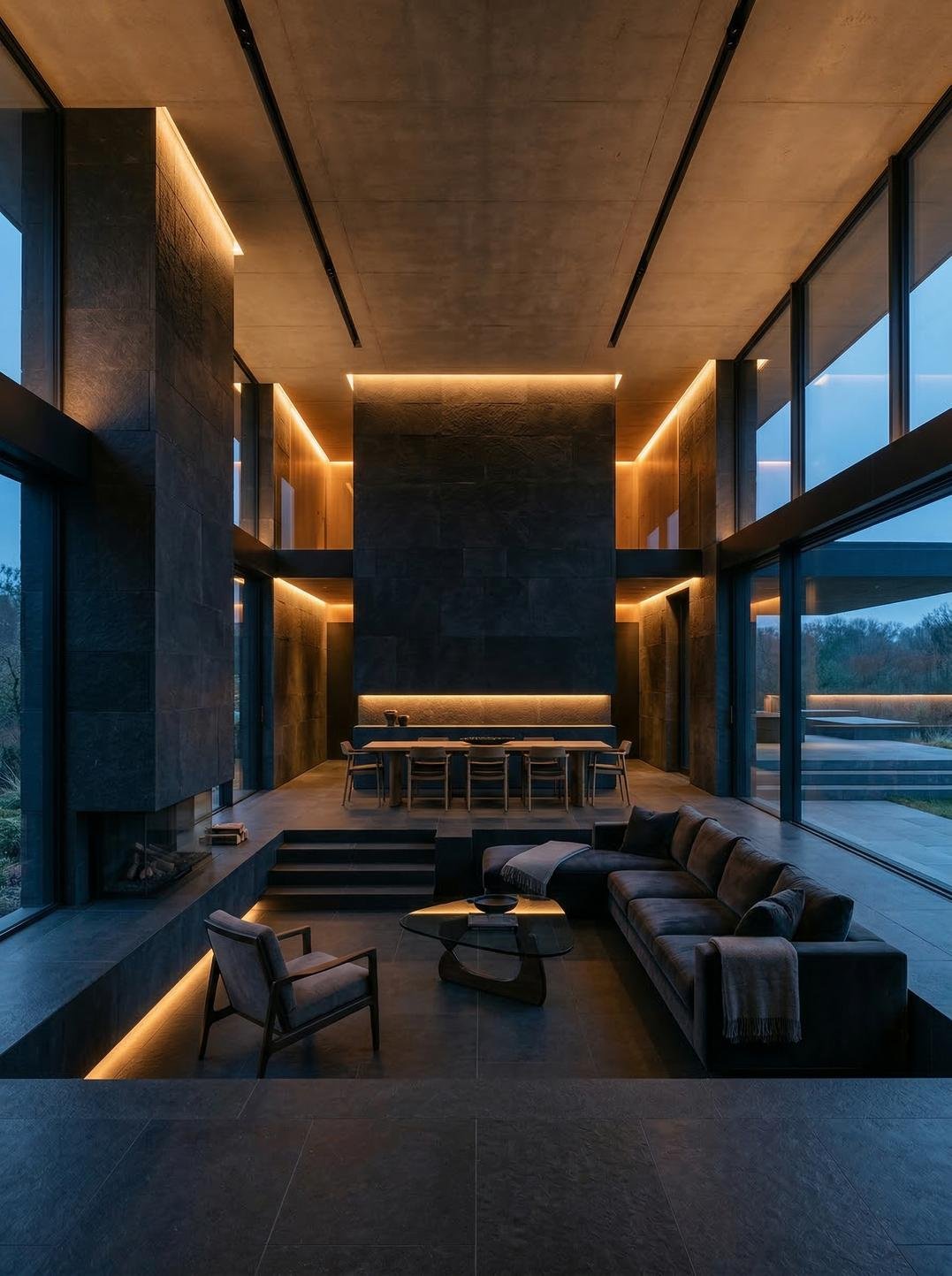
Furthermore, sophisticated lighting setups highlight specific material finishes, emphasizing the quality of the developer’s architectural choices. When 3d exterior rendering services accurately capture how sunlight interacts with anodized aluminum or textured limestone, the perceived value of the property skyrockets. This mastery of digital illumination is what separates dominant property campaigns from forgettable ones.
4. The Subtle Contextual Deficits Investors Notice First and Studios Often Miss

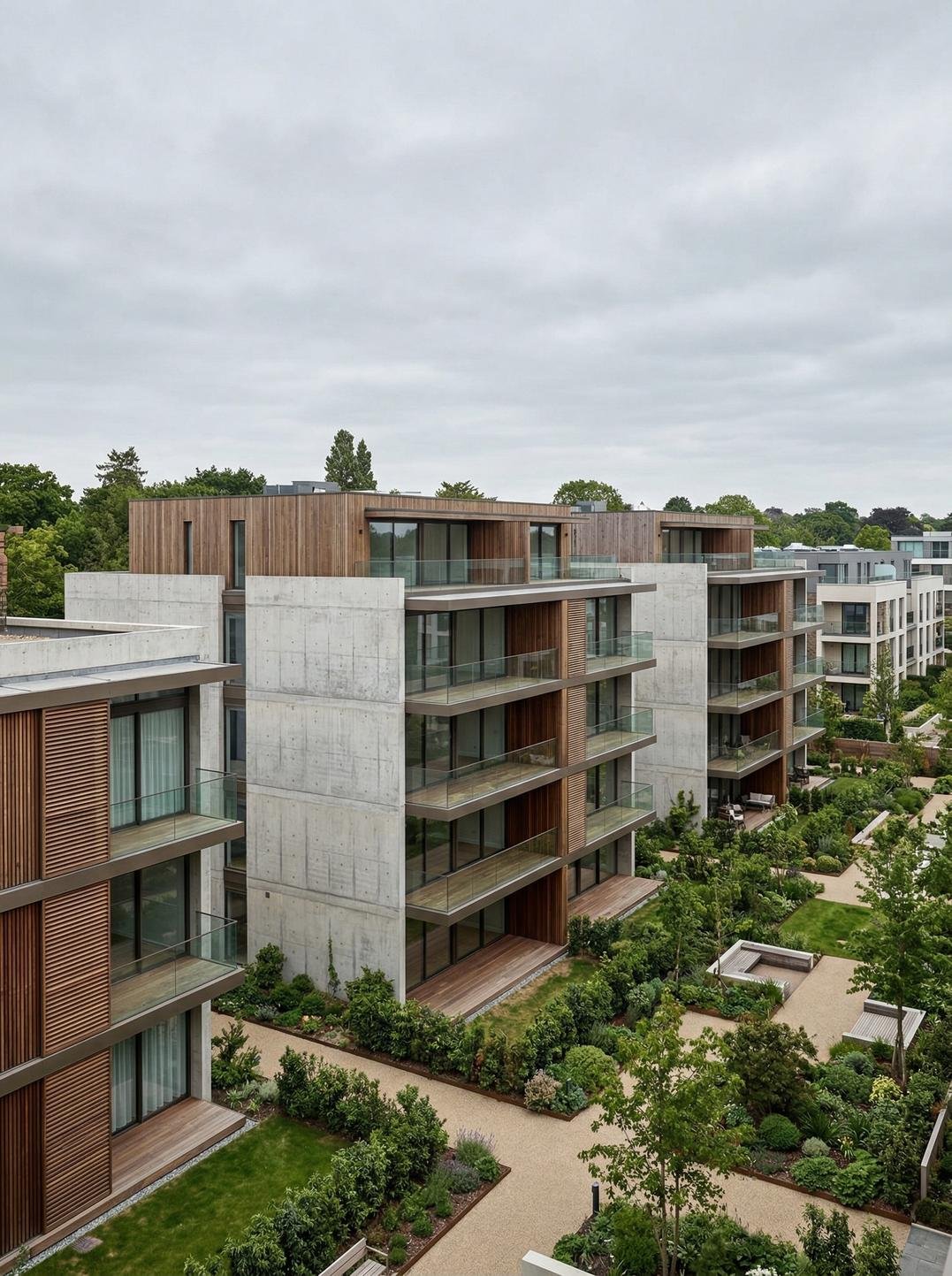
A perfectly modeled building placed into an empty or poorly executed digital environment immediately signals amateur production to sophisticated investors. Competitive developers know that the surrounding context is just as critical as the primary architecture itself. When 3d exterior rendering services neglect adjacent buildings, accurate streetscapes, or local topography, the illusion of reality shatters.
Top studios obsess over contextual integration, ensuring the new development feels firmly rooted in its actual neighborhood. They utilize advanced photorealistic architectural visualization techniques to blend drone photography with 3D models seamlessly. This approach guarantees that buyers can visualize their exact future sightlines, mitigating risk and accelerating the purchasing decision.
Failing to provide this environmental accuracy leaves a massive competitive vulnerability that rival developments will quickly exploit. If a competitor’s 3d exterior rendering services can accurately demonstrate neighborhood integration while yours cannot, they will win the buyer’s confidence. Contextual precision is no longer an optional upgrade; it is a strict baseline for competitive viability.
5. Conclusion
In an increasingly crowded real estate landscape, deploying superior 3d exterior rendering services is a decisive strategic advantage that directly accelerates project funding and pre-sales. Developers who leverage these advanced visual assets consistently outmaneuver competitors who remain anchored to outdated presentation methods. To dominate your next property launch with industry-leading visual strategies, partner with Arkilex architectural visualization studio today.
6. FAQs
How do strategic visualization assets reduce typical pre-sales timelines?
By providing high-fidelity, emotionally resonant imagery, developers bypass standard buyer skepticism and friction. This immediately establishes premium valuation and allows sales teams to close deals based on concrete visual proof rather than abstract promises.
What differentiates an average rendering studio from a market leader?
Market leaders operate as strategic partners rather than mere order-takers, focusing on asset pipelines and buyer psychology. They engineer imagery that targets specific competitive channels, ensuring the lighting, context, and textures directly support the developer’s financial objectives.
Why is accurate site context critical for securing investor confidence?
Sophisticated investors evaluate risk based on how a development integrates with its surrounding environment and existing infrastructure. Precise contextual blending using drone photography and specific topography models proves the project’s viability and removes lingering doubts about neighborhood integration.
Can investing in premium visualization offset rising development holding costs?
Yes, because securing early capital and accelerated presales significantly reduces the duration developers must carry expensive holding costs. The initial investment in superior visual assets is rapidly recovered through faster transaction velocities and higher final closing prices.
“Few teams can turn an abstract vision into such a harmonious reality. They merged bold architecture, precise interior design, and the poetry of landscaping. Rigor, boundless creativity, and a contagious passion.”
— Khalif Khalif ★★★★★ · Google review