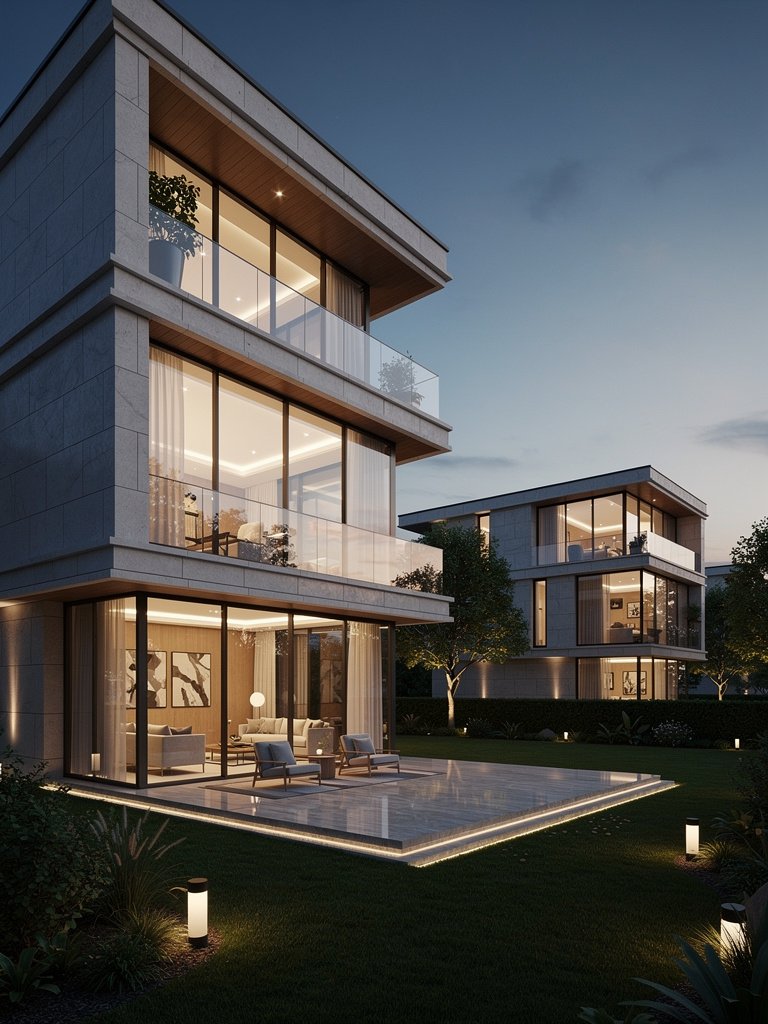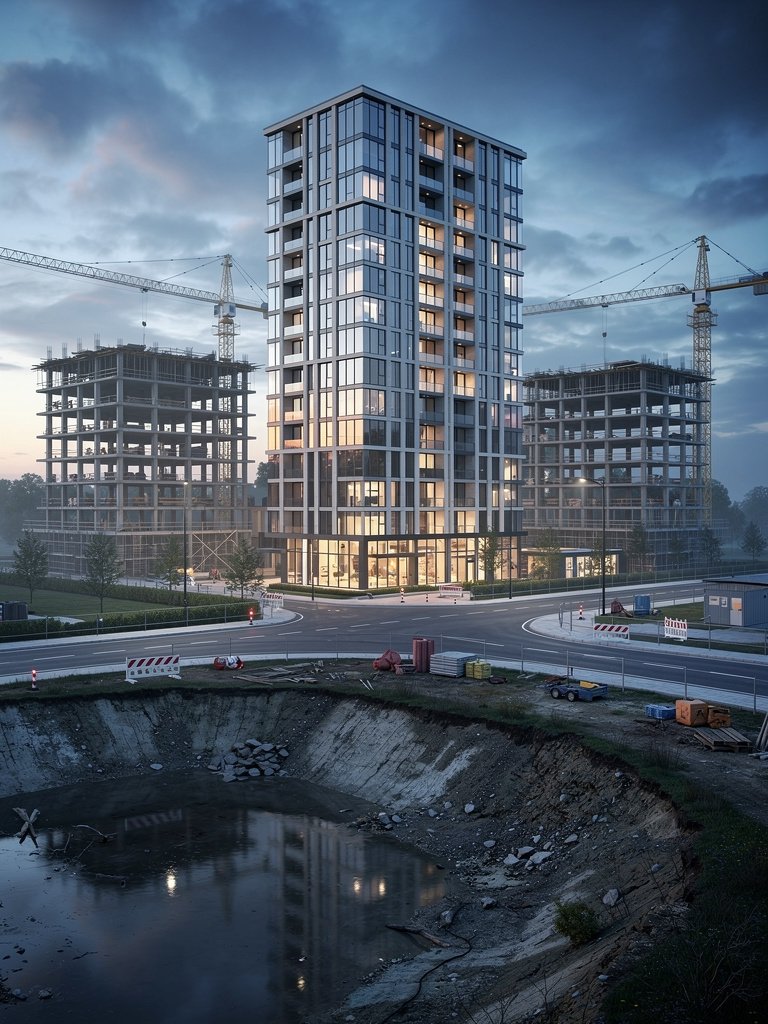

The threshold for what counts as photorealistic interior rendering has moved significantly. Reference photography from luxury residential projects, hospitality brands, and editorial interiors has trained a generation of buyers and designers to expect a level of visual fidelity that standard visualization cannot deliver.
The financial mechanics of real estate development demand precise, emotionally resonant materials to secure capital long before ground is broken. When developers leverage advanced 3D spatial visualization, they are essentially buying time and mitigating risk. High-quality visual assets act as an insurance policy for your marketing budget by ensuring buyer comprehension from day one.
Table of Contents
1. Why Poor interior rendering Kills Pre-Sales Before the Pitch Begins
Investors do not read technical floor plans with the same emotional engagement as they process photorealistic imagery. When an interior rendering looks flat or artificially lit, the subconscious mind immediately discounts the perceived value of the entire property. This cognitive disconnect forces sales teams to work twice as hard to justify premium price points to sophisticated buyers.
The return on investment for visualization is measured in presale velocity and reduced days on market. High-net-worth buyers evaluate luxury finishes, spatial flow, and ambient lighting to assess the financial viability of their potential investment. Delivering subpar interior rendering hands a measurable competitive advantage to neighboring developments that invested appropriately in their marketing stack.
2. The Four-Stage Workflow Behind a Commercial Visualization Strategy
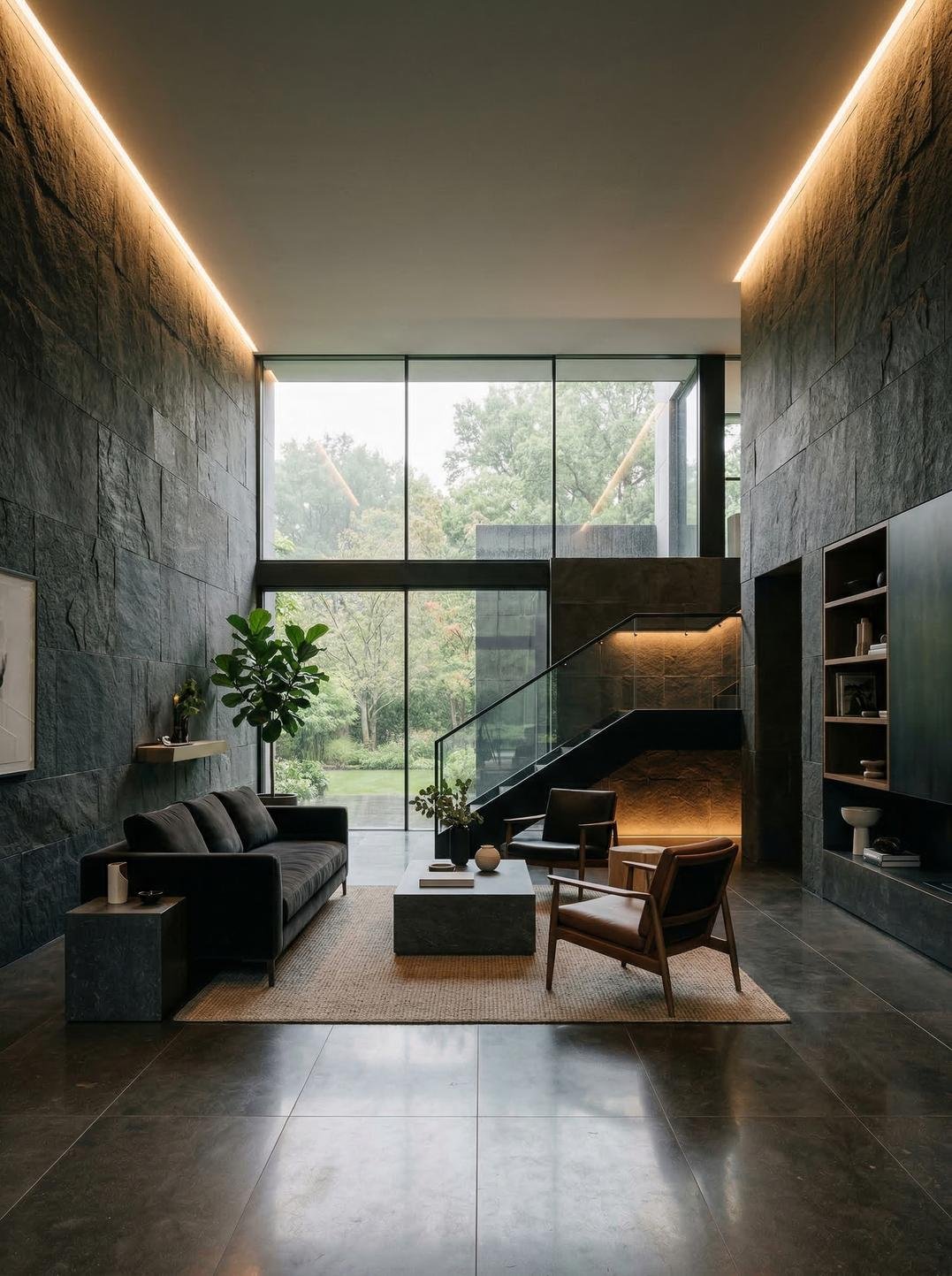
Generating a return on investment requires treating visual asset creation as a structured corporate workflow rather than an ad-hoc creative request. The process begins with a comprehensive audit of architectural files and material schedules to ensure strict adherence to the developer’s financial models. This initial alignment prevents costly revision cycles later when architectural specifications inevitably shift during pre-construction phases.
Following the data audit, the focus shifts to lighting analysis and structural massing to define the physical space accurately. Accurate 3D spatial visualization at this stage confirms that window placements and lighting fixtures will perform as projected in the final build. Securing stakeholder approval on these preliminary models eliminates the financial drain of re-rendering completed scenes later in the timeline.
The final two stages involve high-resolution material application and post-production atmosphere enhancement for maximum market impact. Every texture applied must represent the exact grade of materials budgeted for the project to avoid bait-and-switch accusations at closing. Professional interior rendering teams finalize these images to mirror the specific demographic targeting data provided by the marketing department.
3. How Accurate Lighting Models Reduce Marketing Spend by Twenty Percent
Marketing directors frequently waste portions of their budget testing different digital ad creatives when the core issue is the foundational imagery itself. Photorealistic interior rendering drastically improves click-through rates on digital campaigns by stopping the scroll of discerning, high-value buyers. This increased engagement lowers the cost-per-acquisition across professional digital platforms like LinkedIn and targeted luxury real estate portals.
Lighting is the primary variable that separates a sterile architectural model from an emotionally compelling, revenue-generating asset. Advanced 3D spatial visualization allows studios to calculate global illumination, casting physically accurate shadows that communicate luxury and depth. When buyers can tangibly feel the morning sunlight in a penthouse living room, their willingness to commit financially accelerates significantly.
Furthermore, reusing these high-fidelity visual assets across multiple sales platforms stretches the initial marketing investment much further. The same interior rendering can be seamlessly repurposed for print brochures, virtual reality walkthroughs, and critical investor pitch decks. This centralized asset strategy consolidates marketing expenses while maintaining strict brand consistency across all consumer and investor touchpoints.
4. The Financial Detail Investors Notice First and Studios Often Miss

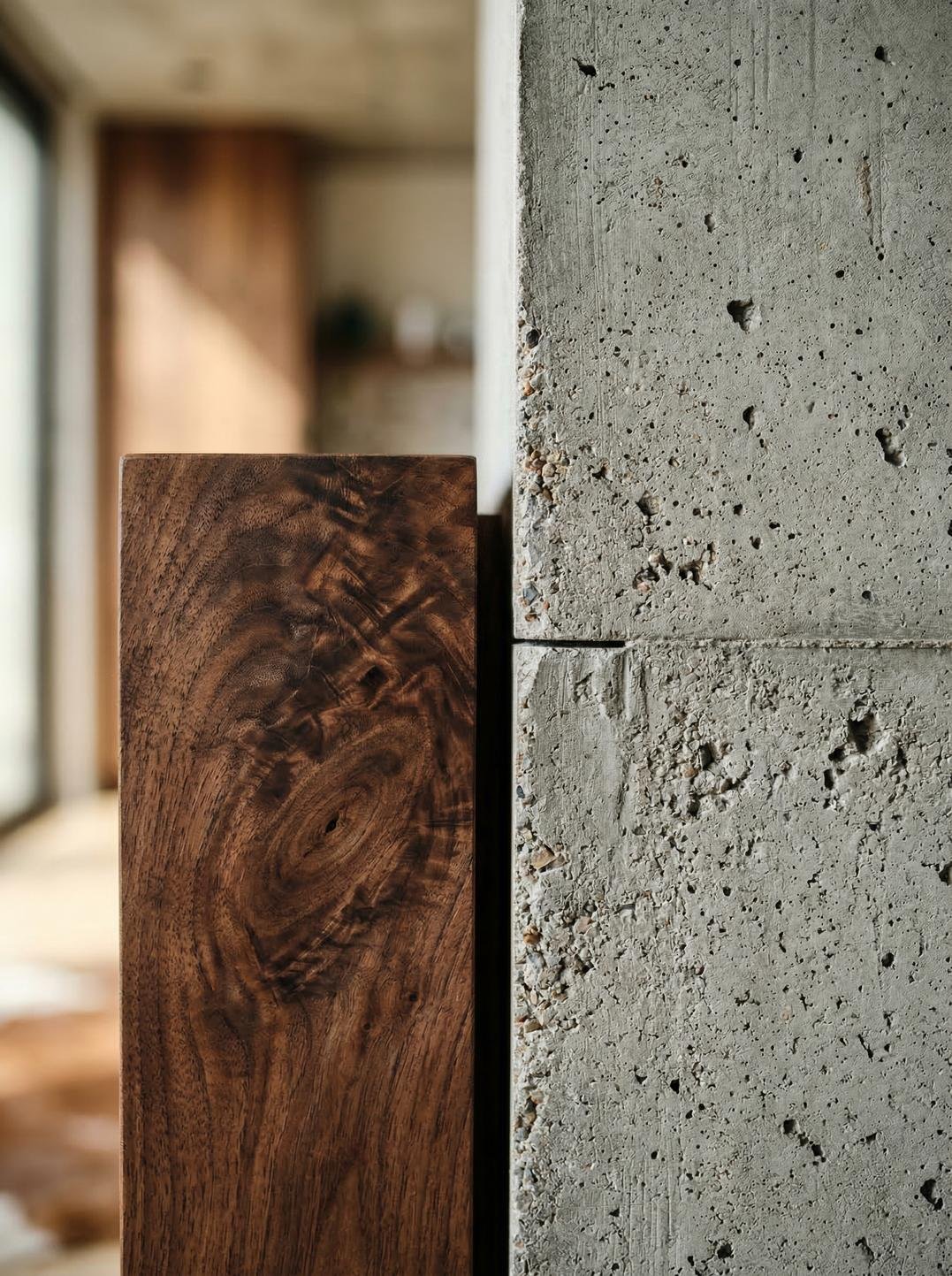
Institutional investors and wealthy buyers look for signs of execution capability in every piece of collateral you present to them. A common point of failure in standard 3D spatial visualization is the scale and proportion of custom millwork and architectural joinery. If these elements appear distorted or out of scale, sophisticated viewers will quietly question the accuracy of the underlying engineering.
Textile realism is another crucial metric where budget studios inadvertently sabotage a developer’s perceived market value. A premium interior rendering captures the specific weave of upholstery, the exact reflection index of brushed brass, and the subtle imperfections of natural stone. Failing to capture these micro-details turns a forty-million-dollar development into a generic commodity in the mind of the prospective buyer.
Mitigating this risk requires partnering with visualization experts who deeply understand real estate economics, not just standard software operation. Studios that speak the language of capitalization rates, target demographics, and sales velocity instinctively prioritize the visual elements that drive conversions. This business-first approach transforms interior rendering from a simple architectural illustration into a powerful, revenue-generating closing tool.
5. Conclusion
In modern real estate development, exceptional visual assets are no longer optional marketing expenses but rather essential components of a profitable sales strategy. Investing in top-tier interior rendering secures earlier financial commitments, shortens the holding period, and firmly establishes your project’s market dominance. Secure your project’s financial success and accelerate your pre-sales by partnering with Arkilex for your next architectural visualization campaign.
6. FAQs
How does premium interior rendering impact early-stage pre-sale velocity?
Precision in your interior rendering directly correlates with heightened buyer confidence and faster decision-making timelines. When investors clearly understand the spatial dynamics and premium material finishes, they make purchasing decisions with less hesitation. This drastically reduces the time high-value properties sit on the market and significantly lowers your overall project holding costs.
What is the measurable ROI on professional 3D spatial visualization?
While variable by specific market conditions, developers typically see strong returns through reduced digital ad spend and higher initial asking price preservation. Superior 3D spatial visualization increases digital campaign engagement rates, actively driving down your overall cost-per-lead. Furthermore, it prevents savvy buyers from successfully negotiating down prices based on perceived quality gaps in your marketing collateral.
How can developers prevent costly revision cycles during the visualization phase?
Financial efficiency in the visualization process requires locking down architectural plans, material schedules, and lighting plans strictly prior to production. Establishing these parameters early ensures the rendering studio models the physical space correctly on the very first attempt. Treating the visual creation process as a strict corporate workflow prevents the budgetary bleeding associated with late-stage design changes.
Why do foreign institutional investors rely so heavily on digital visualizations?
International buyers rarely have the opportunity to walk a physical site or review material samples in person before committing major capital. They are forced to base multi-million dollar decisions entirely on the strength of your visual collateral and digital presentation quality. Providing exceptional clarity and photorealism bridges this geographic gap and builds the necessary trust to close complex international deals.
“Few teams can turn an abstract vision into such a harmonious reality. They merged bold architecture, precise interior design, and the poetry of landscaping. Rigor, boundless creativity, and a contagious passion.”
— Khalif Khalif ★★★★★ · Google review