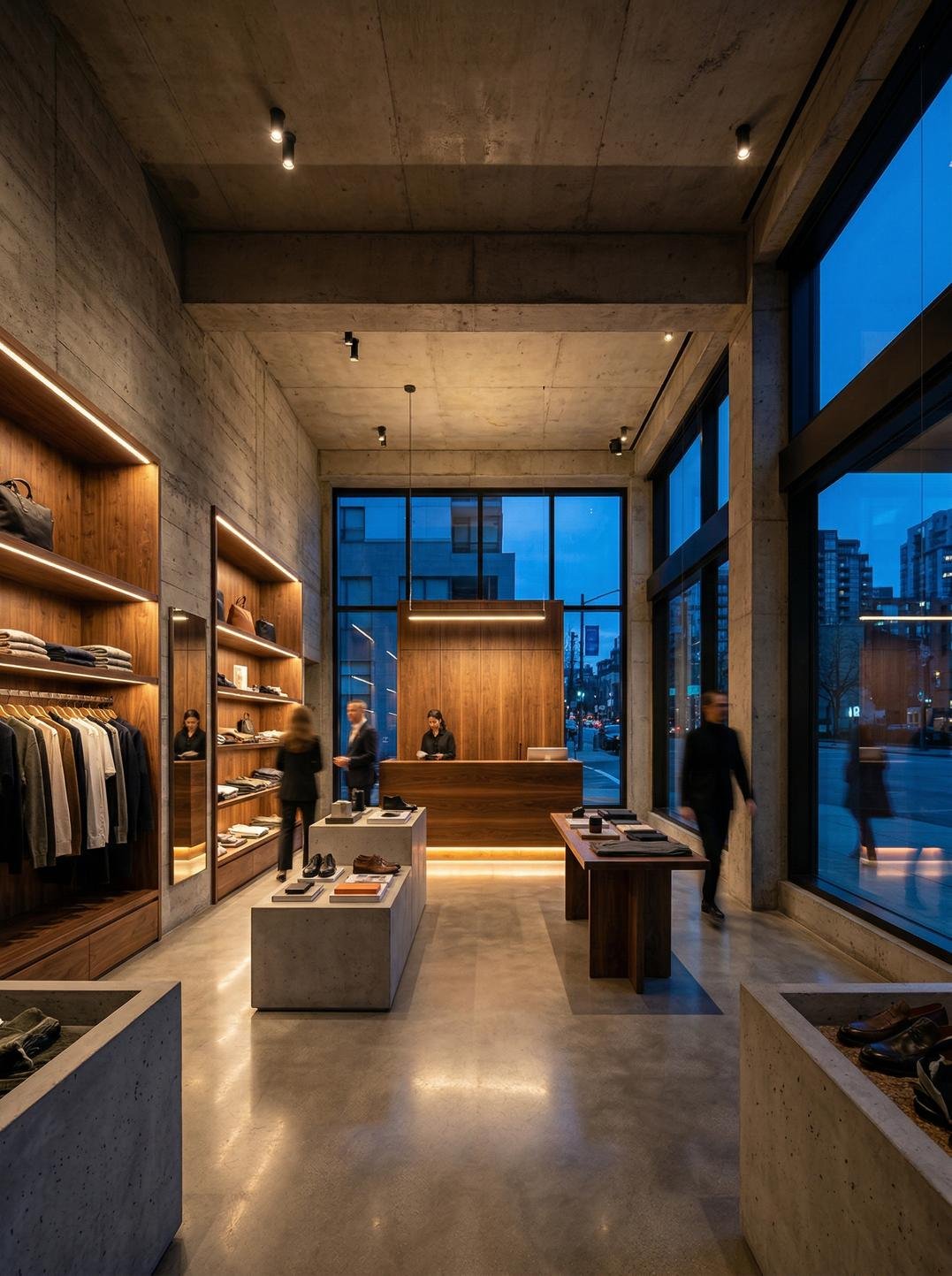


When a development project reaches the marketing phase, one question surfaces on almost every brief: virtual staging vs CGI rendering — which tool actually closes the deal? Both techniques produce compelling property visuals, but they operate on entirely different foundations, serve different moments in the sales cycle, and carry very different implications for budget, timeline, and brand positioning. Understanding the distinction is not a matter of preference; it is a strategic business decision that shapes how buyers, tenants, and investors first experience your project.
1. What Is Virtual Staging?

Virtual staging is the process of digitally adding furniture, decor, and finishing touches to photographs of an existing space. The base image is a real-world photograph — typically of an empty room in a completed or nearly completed unit — and a design team composites three-dimensional furniture models into that photograph using specialised software. The result mimics what the space would look like once furnished, without moving a single chair.
The technique became popular among residential real estate agents because it eliminates the cost and logistics of physical furniture hire. A standard three-bedroom apartment can be virtually staged across six rooms for a fraction of what a professional staging company would charge for even a single weekend. For resale and rental listings, that economics argument is compelling.
However, virtual staging has a hard constraint: it requires an existing building. You cannot virtually stage a unit that has not yet been constructed, which means the tool has limited application in the off-plan and pre-construction market where developers most urgently need visual assets. The photographs also need to be high quality, well-lit, and geometrically consistent for the composited furniture to sit convincingly inside the space.
2. What Is CGI Architectural Rendering?

CGI architectural rendering — also referred to as photorealistic 3D rendering — begins from nothing but a set of construction drawings, BIM models, or design files. A studio builds every element of the space inside a 3D environment: the structural shell, the materials, the lighting, the furniture, the landscape, and the atmospheric conditions. Renders are then produced from that model using physically based rendering engines that simulate how light actually behaves.
Because the entire scene is computer-generated, there is no dependency on physical reality. A CGI render of a penthouse can be produced while the tower is still a concrete podium. The studio can explore multiple design directions — oak joinery versus marble joinery, warm lighting versus cool lighting — without rebuilding anything from scratch. Each variation is a material swap or a lighting adjustment in the 3D file.
This pre-construction capability is what makes CGI the dominant tool in the development and architecture sectors. According to the architectural rendering discipline as a whole, the shift from hand-drawn perspectives to CGI over the past two decades was driven precisely by the need to communicate unbuilt space with credibility. For developers launching off-plan, CGI is not a luxury — it is the primary evidence that a project is real.
3. Virtual Staging vs CGI: Cost and Speed Compared
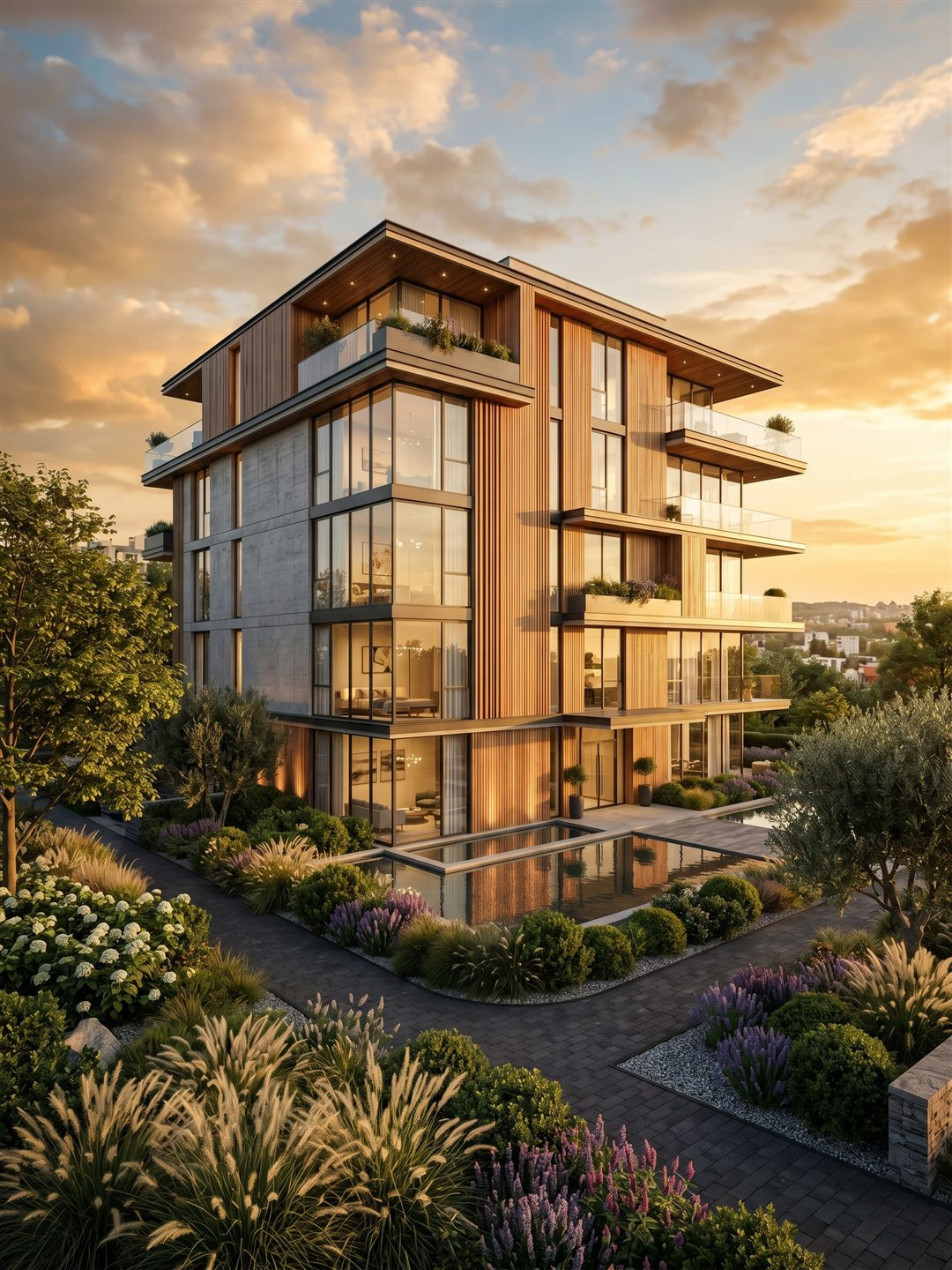
On a per-image basis, virtual staging is typically cheaper than a full CGI interior render. A single virtually staged image can cost anywhere from $50 to $300 depending on the complexity and the studio, while a photorealistic CGI interior render from a high-end studio generally starts at $500 and rises significantly for complex spaces or multiple camera angles. That price gap looks decisive until you factor in what each price actually buys.
Virtual staging costs assume the photography is already done. A quality architectural photography shoot for a show apartment adds several hundred to several thousand dollars before a single piece of digital furniture is placed. CGI renders, by contrast, replace that photography entirely. For a development that does not yet have a built show unit, the true cost comparison is CGI versus photography plus virtual staging — and in that framing, CGI frequently wins on total spend.
Turnaround speed is closer than many developers assume. A straightforward virtual staging job on three to five rooms can be delivered in two to three business days. A well-resourced CGI studio producing a suite of interior renders from an existing model can match that pace, particularly if a strong 3D model is already in place. The gap widens when the CGI scope includes full exterior renders, site aerials, or walkthroughs, which naturally require more production time.
4. Realism and Creative Control

Realism in virtual staging depends heavily on the quality of the source photography. If the photograph was taken on an overcast day with flat lighting, no amount of post-production will introduce the warm afternoon sun that makes a living room feel inviting. The lighting and geometry of the space are fixed at the moment the shutter clicks. Composited furniture must conform to that fixed reality, which can create visible inconsistencies when shadow directions do not match or furniture scale reads slightly wrong against real architectural features.
CGI rendering carries none of these constraints. Because every element of the scene — including the light — is modelled, the studio controls everything. Sun angle, time of day, material reflectivity, the warmth of a lamp in a corner: all of these are parameters in the software, not facts captured by a camera lens. The highest-quality CGI interiors are now routinely mistaken for photography by people who work in the industry, which is precisely the standard a credible development campaign requires.
Creative control also extends to design iteration. If a developer wants to explore two colorways for a kitchen or test how a space reads with a different ceiling height, CGI accommodates both requests without a reshoot. Virtual staging is locked to the physical space as built. For live-brief design work — where the architect and client are still refining decisions — CGI is the only tool that can keep pace.
5. Which Should You Choose?
The decision between virtual staging vs CGI is rarely either-or. Developers with completed show apartments often use virtual staging for quick resale-market content while running a separate CGI campaign for the off-plan launch. The tools solve different problems at different stages of the project lifecycle and are most powerful when deployed intentionally rather than interchangeably.
If your project is pre-construction, under construction, or involves design decisions still in flux, CGI rendering is the correct choice. It is the only tool that exists independently of a finished building, and it is the format that institutional buyers, planning authorities, and premium investors expect to see. Virtual staging applied to site photos or existing units nearby is not a substitute — experienced audiences identify it immediately.
If your project involves a completed or near-completed building and your primary goal is to furnish and warm up empty photography for a residential listing, virtual staging offers a fast, cost-effective solution. The key qualifier is that the photography must be excellent — professionally shot, well-lit, and geometrically clean. Cut-rate photography with virtual staging layered on top rarely produces imagery that supports a premium asking price.
Many leading development studios now treat CGI and virtual staging as complementary rather than competing. CGI assets are produced during the pre-launch phase for brochures, portals, and investor decks. Once the building is complete and show suites are dressed, virtual staging may be used to produce quick variations — different buyer personas, different furniture styles — at low incremental cost. The underlying CGI work has already established the brand aesthetic; virtual staging then helps sustain content volume across a long sales programme.
Choosing the Right Visual Partner
Whether your project calls for photorealistic CGI, virtual staging, or a combination of both, the quality of your visual partner determines the quality of the output. At Arkilex, we specialise in architectural CGI that performs at the highest level — exterior renders, interior suites, aerial perspectives, and immersive walkthroughs built from your design files and delivered on a timeline that supports your launch programme. Contact us to discuss how the right visual strategy can strengthen your next development campaign.
6. Frequently Asked Questions
Can virtual staging be used for off-plan developments?
No. Virtual staging requires actual photographs of a completed or nearly completed space. Off-plan developments — where the building does not yet exist — require CGI architectural rendering, which constructs the scene entirely from design files without any dependence on a finished structure.
Is CGI rendering more expensive than virtual staging?
On a per-image basis, yes. However, when you factor in that virtual staging requires a prior professional photography shoot, the total cost difference narrows considerably. For pre-construction projects where no show apartment exists, CGI is the only viable option and eliminates the photography cost entirely.
Which produces more realistic results?
At the highest quality tier, CGI rendering produces results that are indistinguishable from photography — and in some respects surpasses it, because the lighting, materials, and composition can be optimised without the constraints of a physical shoot. Virtual staging realism is limited by the quality of the source photograph and the consistency of composited lighting.
Can developers use both virtual staging and CGI on the same project?
Yes, and many do. A common approach is to use CGI during the pre-launch phase for off-plan marketing materials, then supplement with virtual staging once the building is complete to produce quick variations for different buyer profiles or listing platforms at lower incremental cost.
“An absolutely excellent 3D team that I genuinely enjoy working with - always attentive, responsive, and open to adjustments. Communication is seamless and the results consistently meet our expectations. A trusted partner I recommend without hesitation.”
— Sofia Bouziane ★★★★★ · Google review