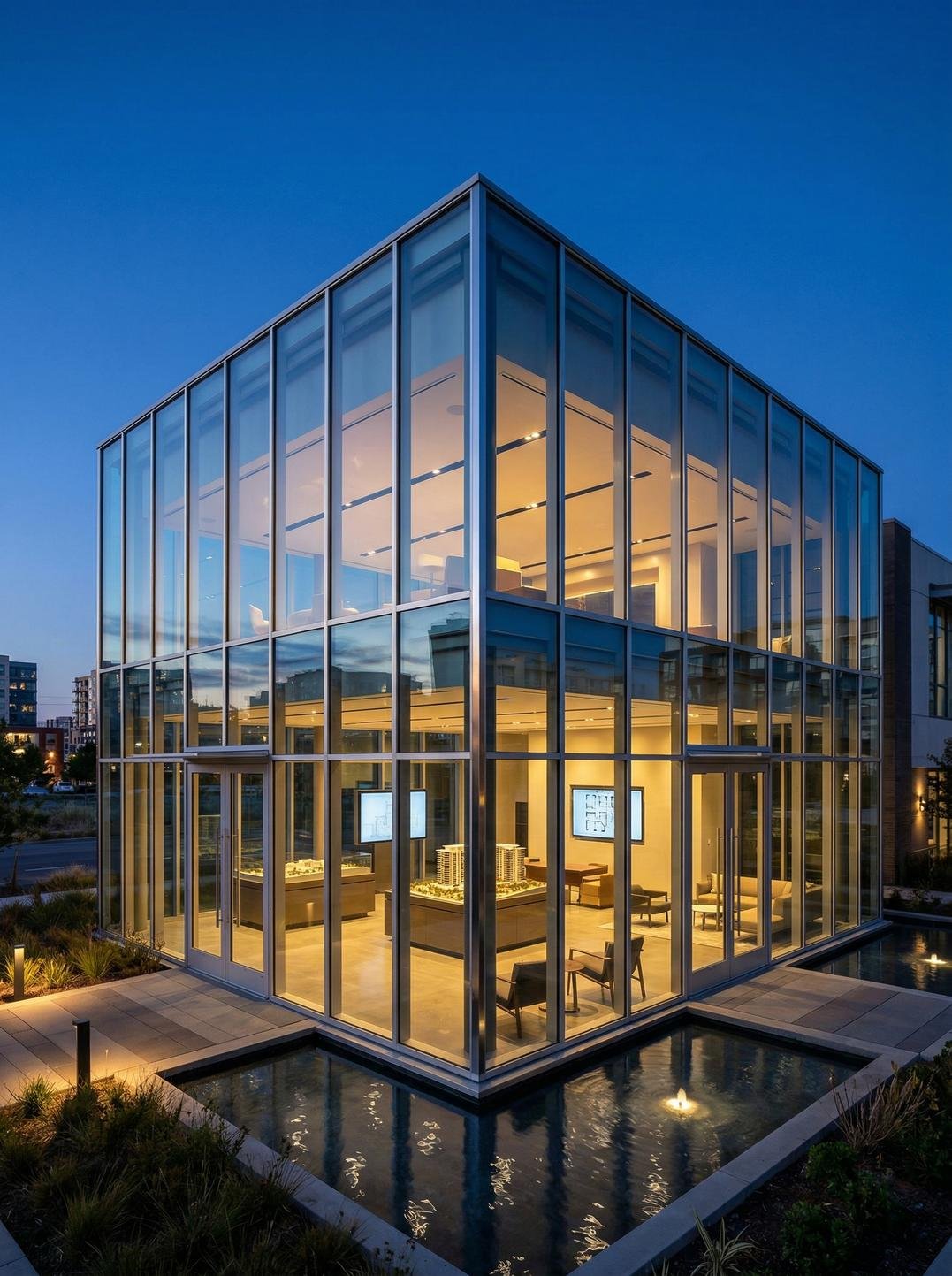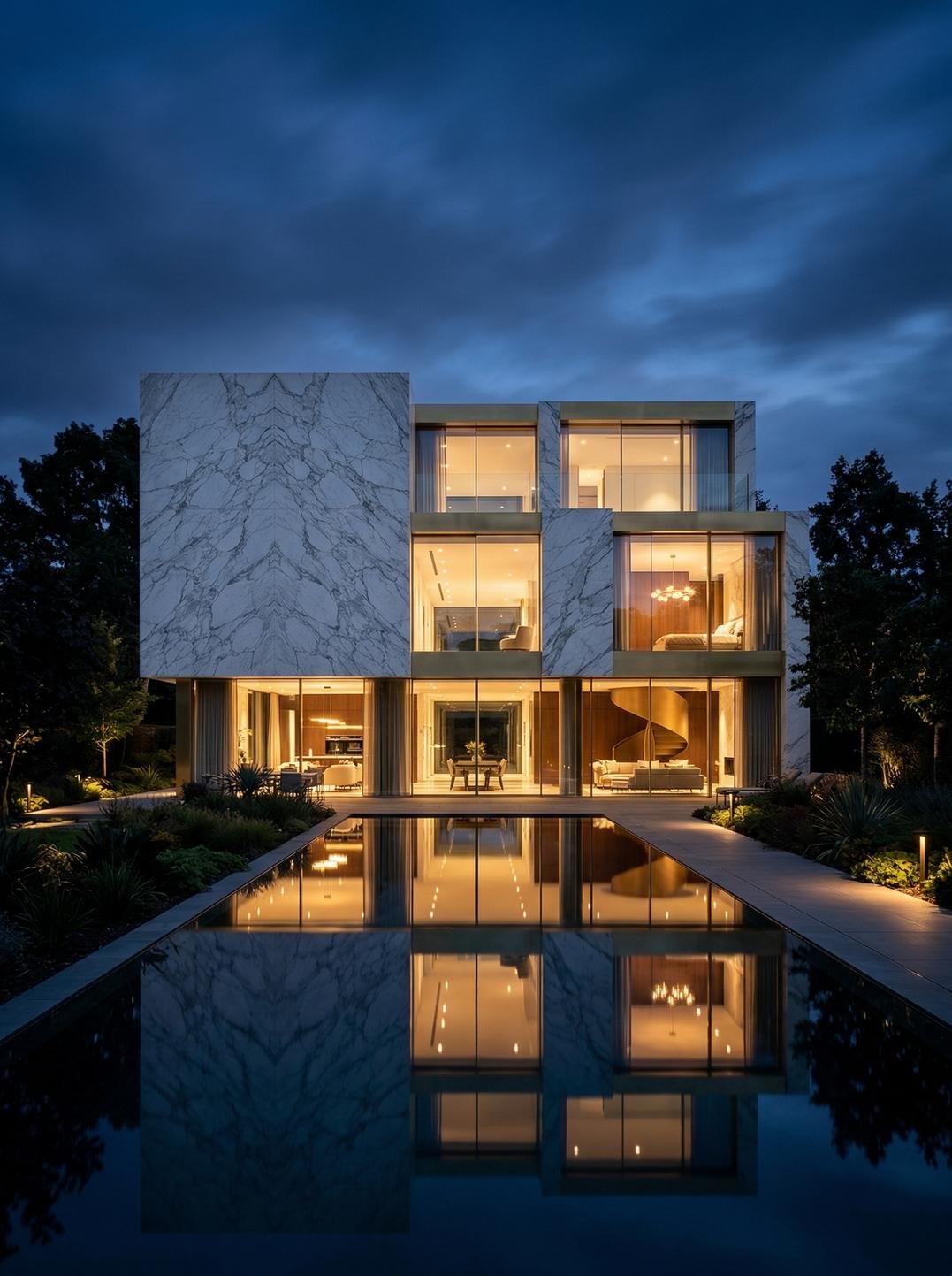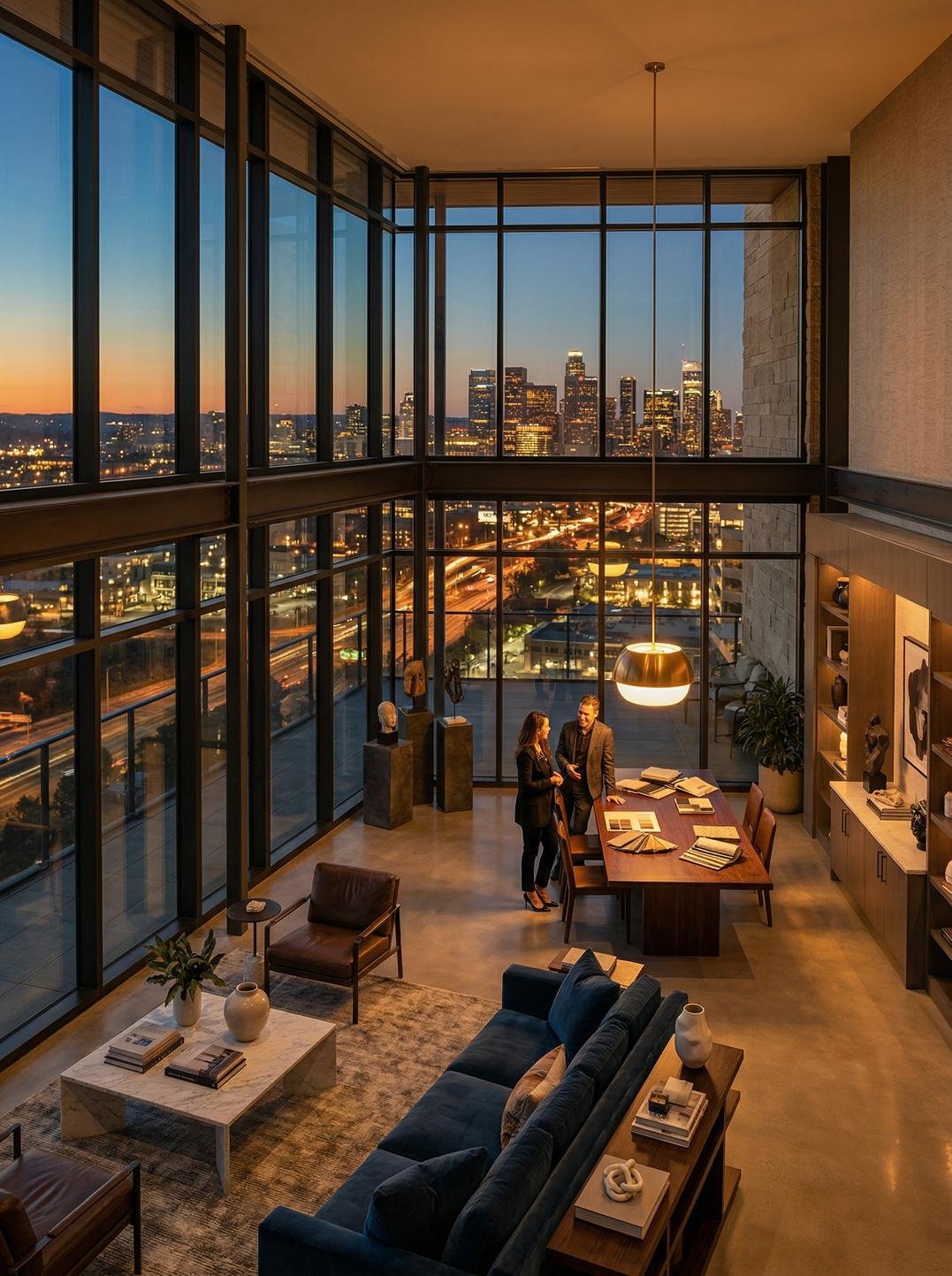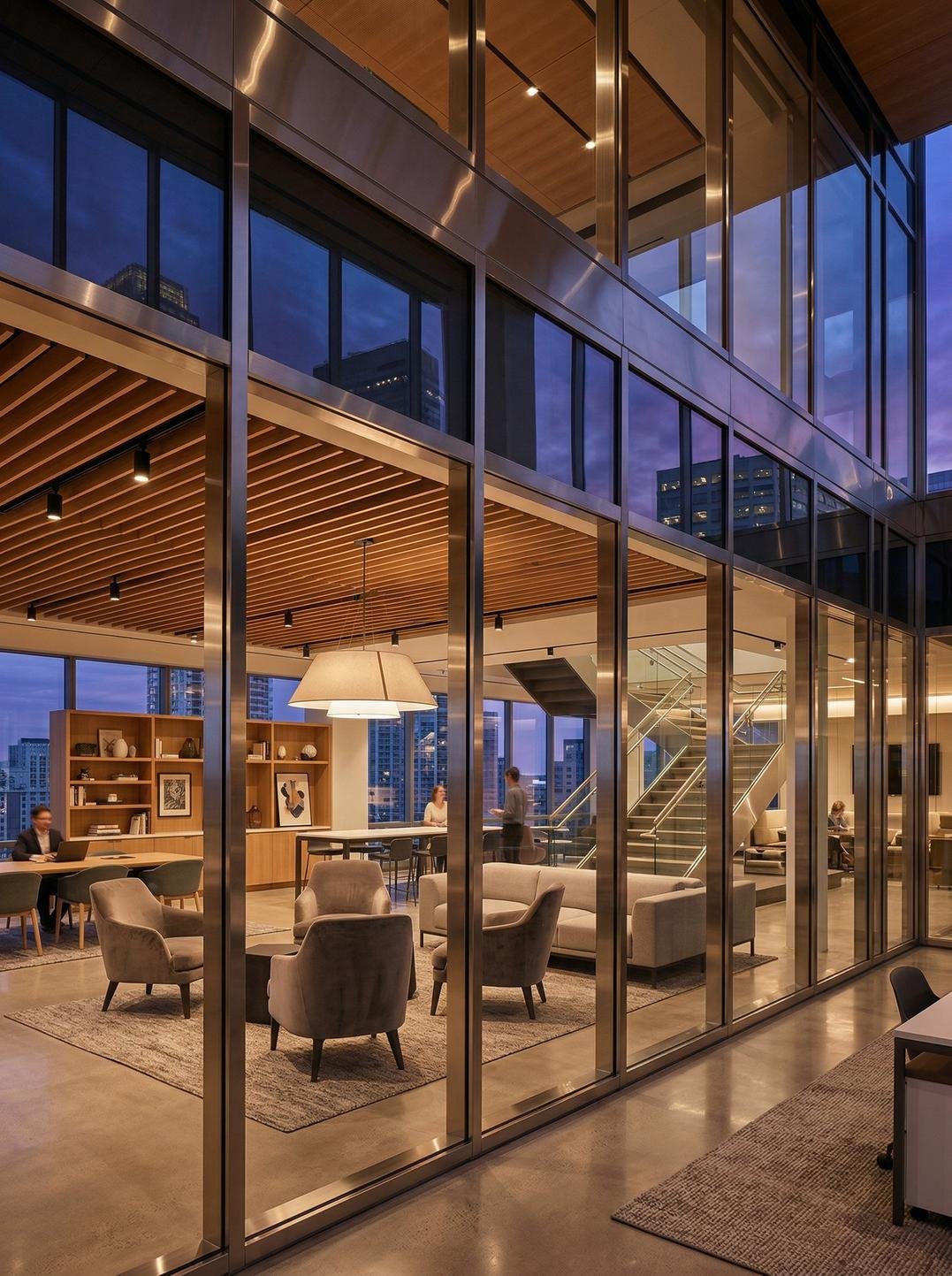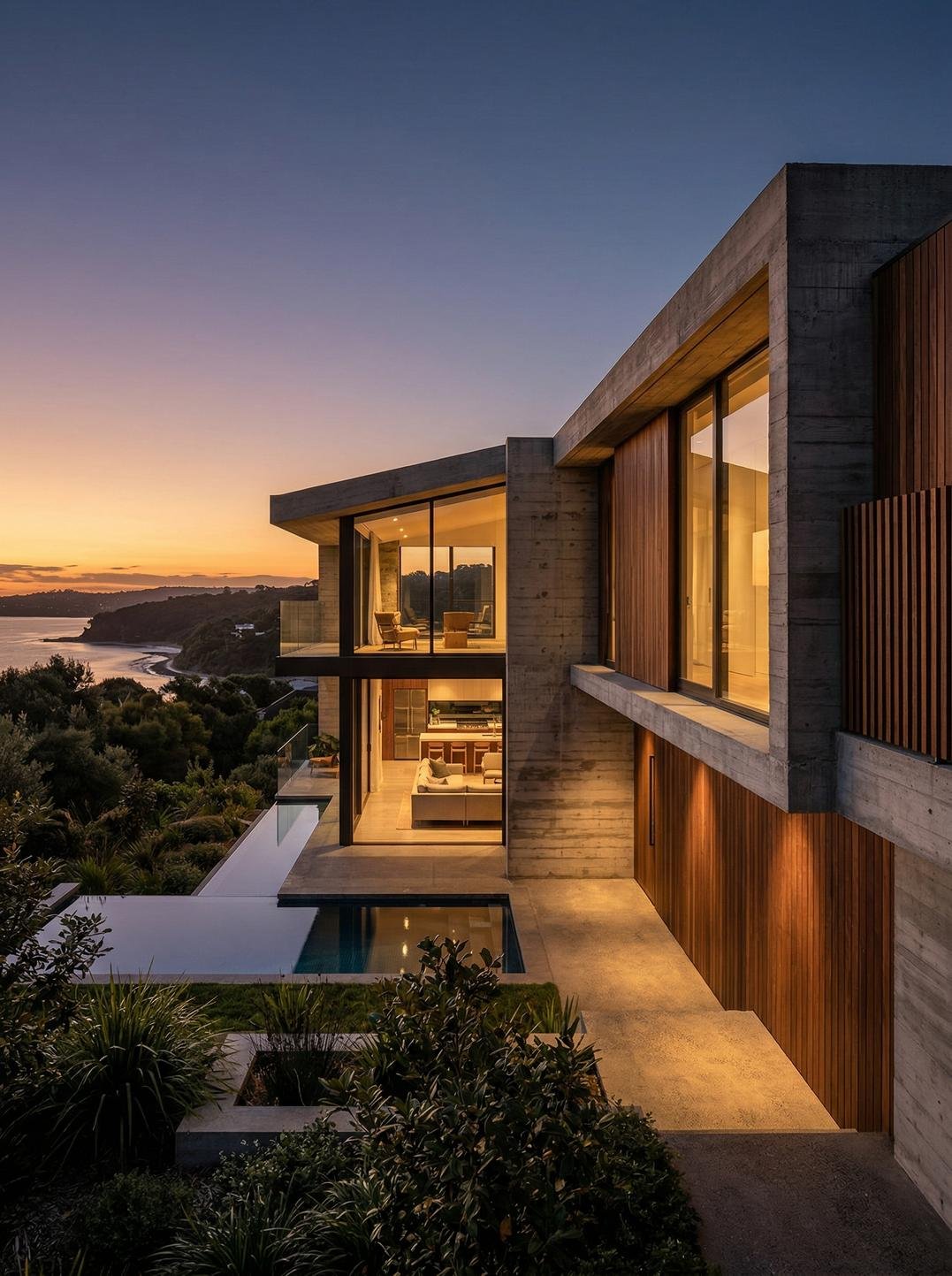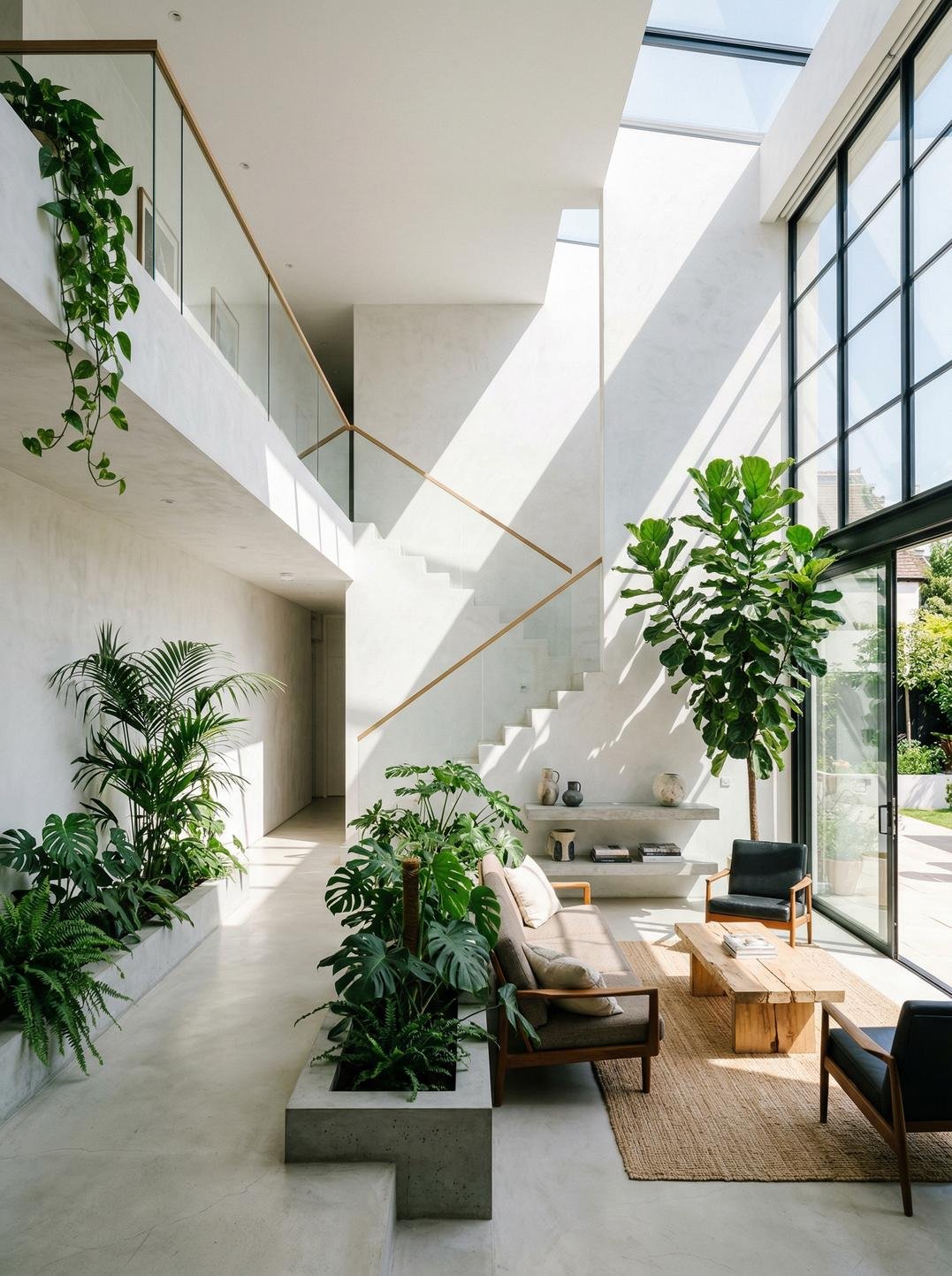

Retail interior design has one specific benchmark: does the space make people want to stay, and does it make the product feel like it belongs here. Everything else — ceiling height, material palette, lighting layout — is in service of that single goal.
Table of Contents
1. Why Most Tenants Reject retail interior design Proposals Before Seeing the Floorplan
Developers often assume that logical layouts and foot traffic data will close a leasing deal with anchor tenants. In reality, commercial stakeholders filter opportunities through the eyes of their future shoppers within seconds of viewing a pitch. If the visual narrative of the retail interior design feels clinical or disconnected from their target demographic, they disengage completely.
This disconnect happens when visualization focuses entirely on structural volumes rather than the human experience. Proper commercial space planning relies on demonstrating flow, but the client needs to feel the atmosphere that drives sales. An investor looks at a rendered aisle and immediately calculates whether a customer will linger or rush past the displays.
To bridge this gap, developers must shift their visualization strategy to match the tenant’s exact customer journey. High-quality 3D renders of retail interior design should illustrate lighting nuances that highlight product textures and signage visibility. When the client can clearly envision their own buyers interacting comfortably, the perceived value of the lease increases exponentially.
2. The Three-Stage Visualization Sequence That Matches Investor Psychology
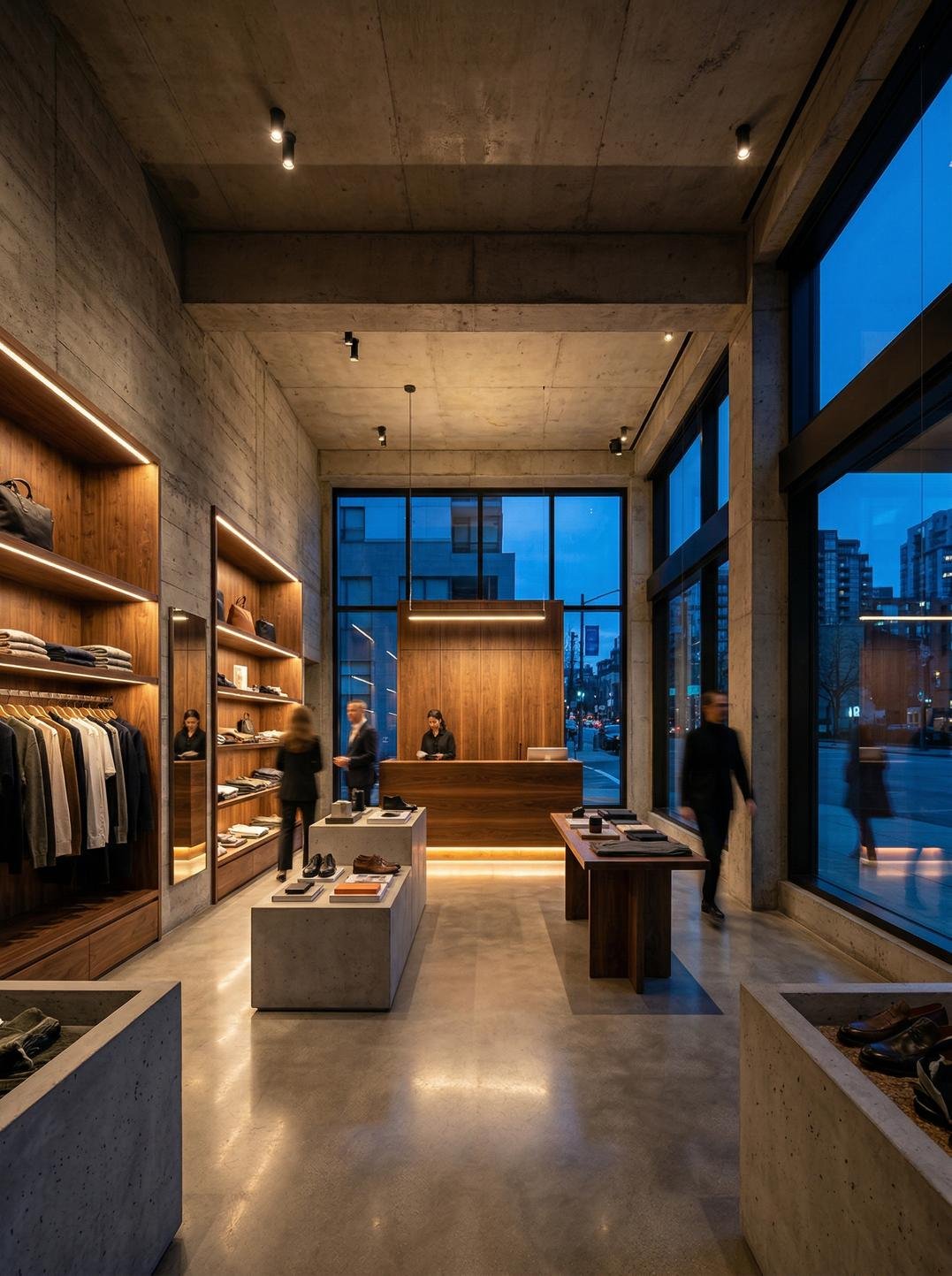
The leasing committee evaluating a new development digests visual information in a highly predictable sequence. They first look for atmosphere, scanning the overall retail interior design to see if the lighting and mood align with modern consumer expectations. If this macro view succeeds, their attention narrows to specific interaction zones like checkout counters and display islands.
During this secondary phase, they are silently judging your commercial space planning capabilities from a purely operational standpoint. They want visual proof that staffing pathways will not intersect awkwardly with heavy customer traffic zones. A render that clearly delineates these zones provides immediate relief to the operational anxieties of retail managers.
Finally, the stakeholders examine the micro-details, such as the reflectivity of the flooring and the integration of digital displays. This is where average visualizer outputs fail by using generic placeholder props that pull the client out of the illusion. Delivering a tailored retail interior design visualization proves to the tenant that you understand their specific merchandising requirements.
3. How Empathic Lighting Strategies Translate to Higher Lease Agreements
When a brand director reviews a proposed commercial site, they are extremely sensitive to how illumination affects product perception. Flat, uniform lighting in a render signals a lack of sophistication, making the space feel like a warehouse rather than a boutique. They need to see how the retail interior design employs contrast to guide the shopper’s eye toward high-margin items.
Effective commercial space planning utilizes lighting as a physical boundary, separating circulation paths from exploration zones without needing walls. By rendering these lighting transitions accurately, you show the prospective tenant exactly how their customers will navigate the environment. The emotional response generated by warm, inviting focal points translates directly into a willingness to sign a premium lease.
Top-tier architectural visualization studios achieve this by physically simulating real-world lighting fixtures rather than faking brightness in post-production. This technical rigor ensures the client sees exactly how morning sunlight interacts with their storefront versus evening artificial ambiance. Demonstrating this mastery over retail interior design lighting builds profound trust with stakeholders who stake their careers on store performance.
4. The Subconscious Triggers Shoppers Notice First and Developers Often Miss

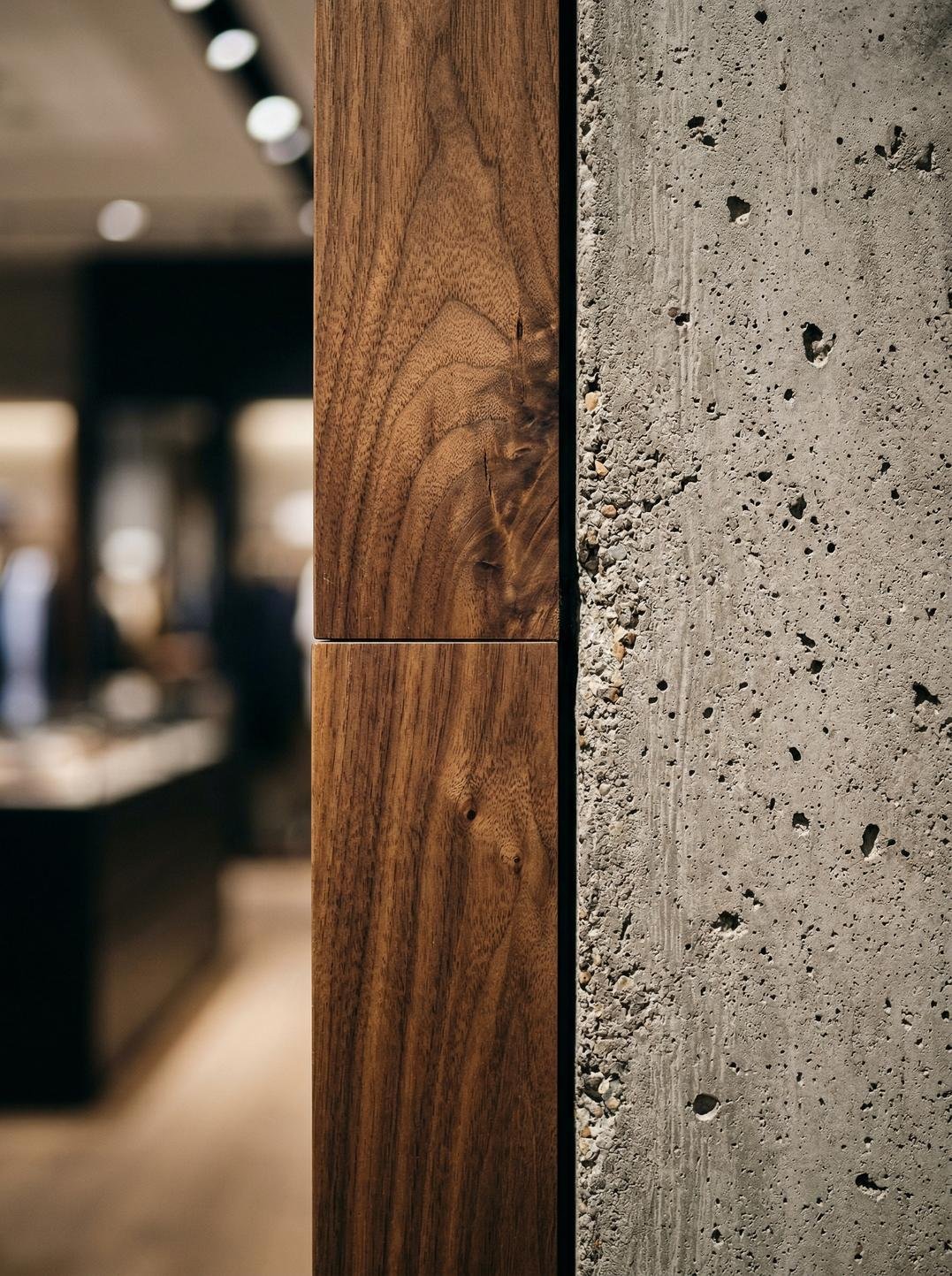
Developers frequently obsess over ceiling heights and HVAC integration, which are invisible to the actual retail consumer. The end shopper makes split-second judgments based entirely on tactile promises, such as the warmth of wood finishes or the acoustics of the flooring. If your visual pitch ignores these sensory details, the tenant will subconsciously feel the space lacks character.
Another critical blind spot is the visual rendering of transition thresholds between the concourse and the store interior. Retailers know that this specific boundary dictates whether a passing pedestrian converts into an active browser. Effective commercial space planning visualizes this threshold as a welcoming funnel, using subtle material shifts to draw people inside effortlessly.
Furthermore, failing to populate the scene with the correct demographic of 3D people shatters the emotional connection. A high-end luxury brand will immediately reject a retail interior design concept if the rendered shoppers do not reflect their target audience. Aligning every visual element with the end user’s psychology is what separates a funded project from a stalled proposal.
5. Conclusion
Securing premium retail tenants requires presenting spaces exactly as their most loyal customers would want to experience them. By shifting your visualization strategy from structural accuracy to emotional resonance, you eliminate the friction in commercial leasing decisions. Contact Arkilex today to transform your next retail interior design project into a compelling visual narrative that investors and brands cannot ignore.
6. FAQs
How does visualization quality impact commercial leasing decisions?
Prospective tenants struggle to visualize their specific brand within a generic white-box space. High-fidelity renders bridge this imagination gap by showing exactly how their merchandise and customer experience will translate to the physical location. This emotional connection drastically reduces their perceived risk, accelerating the final lease agreement.
What is the most critical element tenants look for in retail renders?
Brand directors prioritize lighting and material textures over raw square footage when reviewing a new location. They need absolute certainty that the retail interior design will accurately reflect their premium brand positioning. Photorealistic visualization provides this assurance by demonstrating exactly how light interacts with bespoke display units and storefront glazing.
How should developers present foot traffic flow visually?
Instead of relying on 2D diagrams, developers must show human movement integrated seamlessly into the 3D environment. Intelligent commercial space planning visualization uses carefully placed 3D figures to demonstrate natural congregation points and unobstructed checkout lines. This allows retail managers to instantly validate the operational viability of the proposed layout.
Why do brands reject technically accurate architectural renders?
A render can be architecturally flawless but still fail if it feels sterile or misaligned with the end consumer’s expectations. Tenants are not buying walls; they are leasing a promised customer atmosphere. Visualization must prioritize human scale, brand-specific props, and emotional warmth to successfully persuade modern retail stakeholders.
“An absolutely excellent 3D team that I genuinely enjoy working with – always attentive, responsive, and open to adjustments. Communication is seamless and the results consistently meet our expectations. A trusted partner I recommend without hesitation.”
— Sofia Bouziane ★★★★★ · Google review