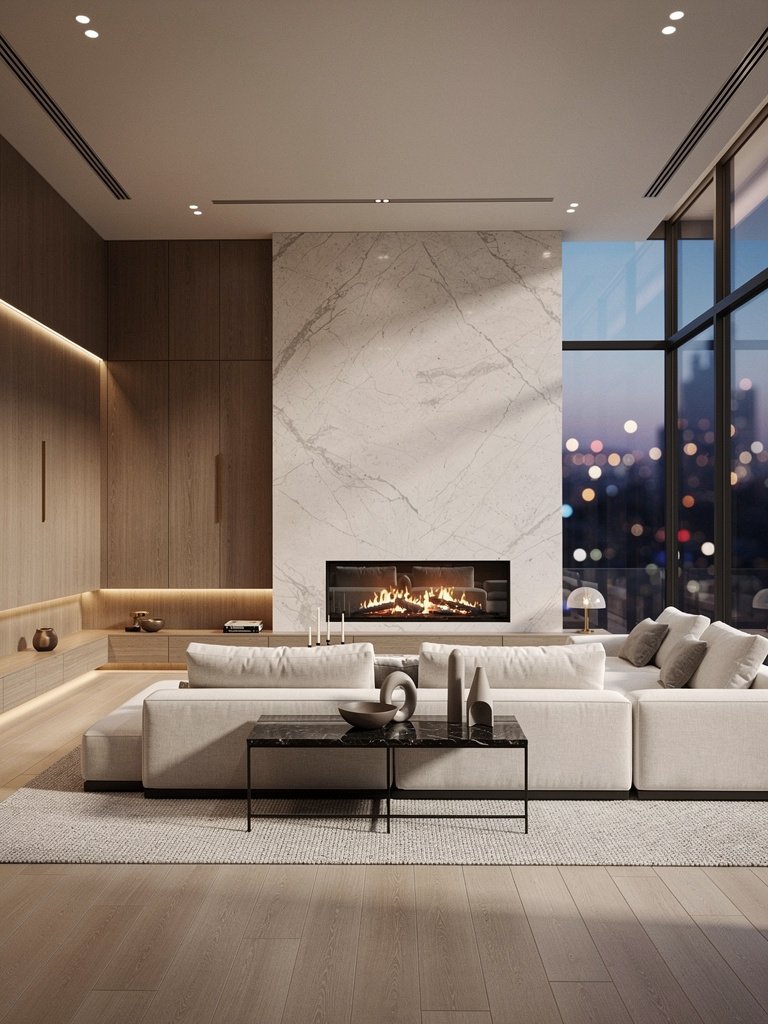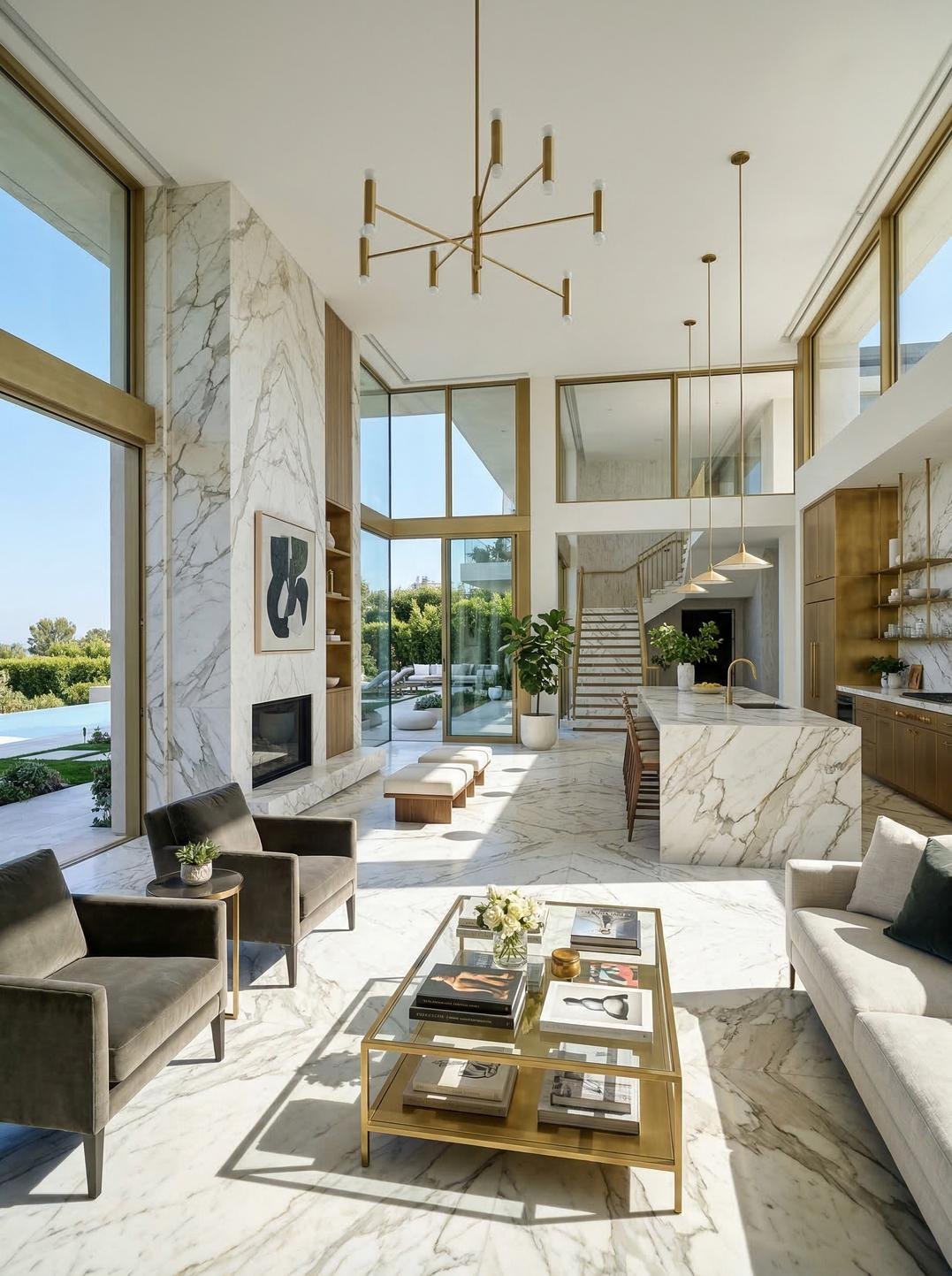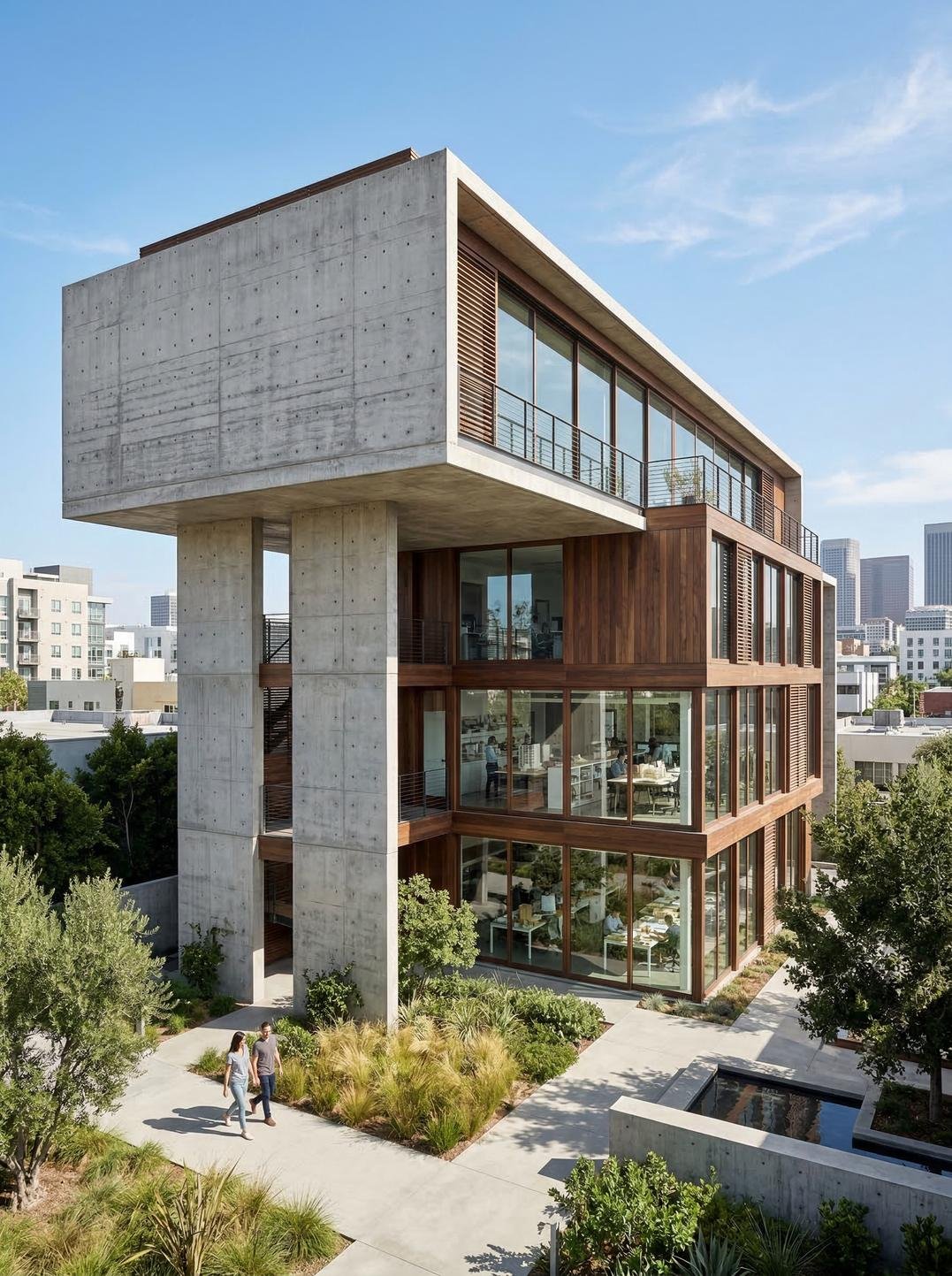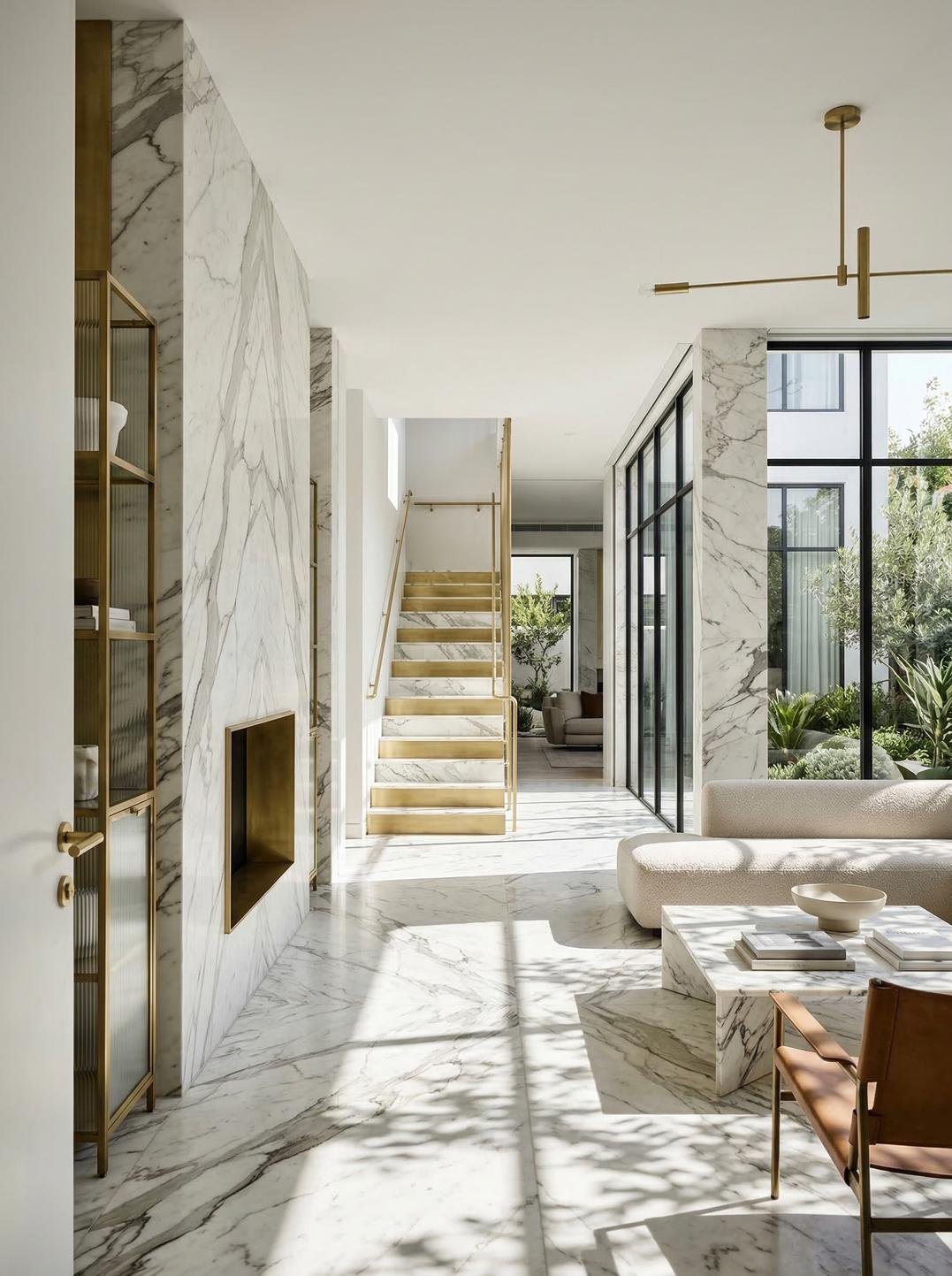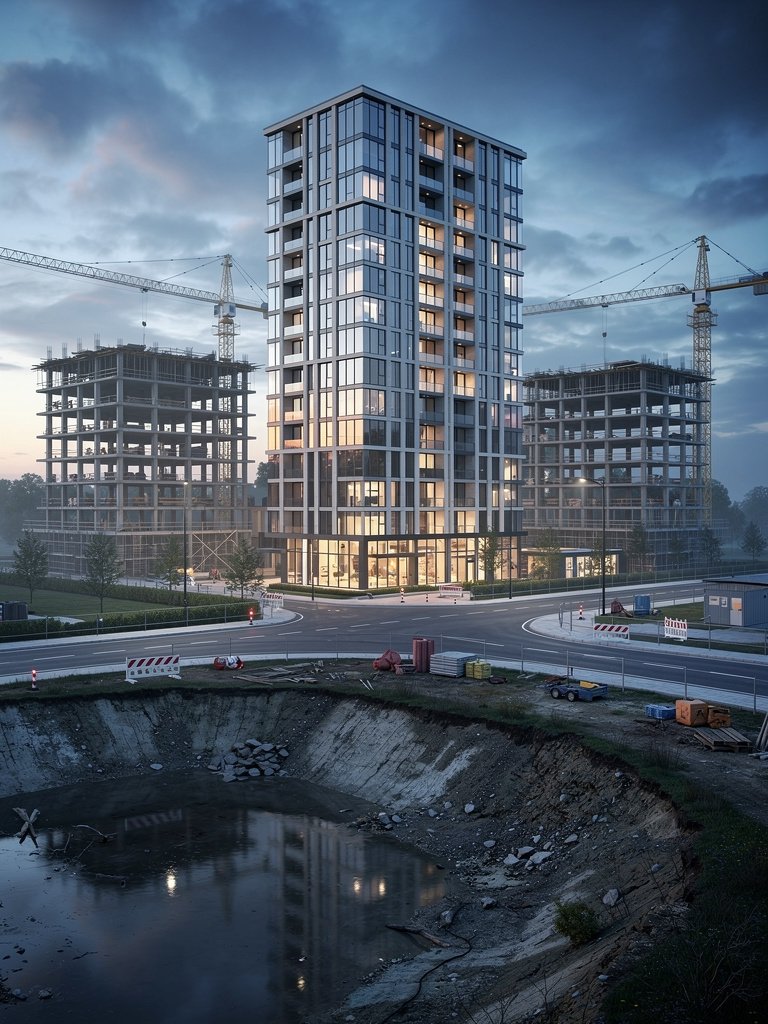

Exterior visualization is often treated as documentation — an accurate record of what a building will look like. For the architects and developers who use it most effectively, it is something else entirely: a tool for communicating the character of a project before a single material decision needs to be defended.
If the lighting feels sterile or the materials lack tactile warmth, the investor translates that visual dissonance directly into project doubt. Developers frequently obsess over technical accuracy, ensuring every balcony railing aligns perfectly with the CAD file. The end buyer, however, assumes technical competence and instead evaluates the emotional resonance of the scene.
They are searching for the subtle, lived-in imperfections that transform a clinical facade rendering into a believable future asset. Closing this empathy gap requires acknowledging exactly how your target demographic processes digital imagery. Recognizing their psychological triggers changes how you commission and review visual marketing entirely.
Table of Contents
1. Why High-Net-Worth Buyers Reject Projects Based on exterior visualization
The gap between what developers approve and what buyers trust represents a massive leak in pre-sales velocity. Real estate professionals approve an exterior visualization based on how closely it matches the architectural blueprint. Investors judge that exact same image based on whether the streetscape feels cohesive and natural.
If the environment surrounding the building looks artificial, the buyer assumes the project is a speculative gamble. They notice when the landscaping feels stamped out or when the sunlight fails to interact realistically with the proposed materials. A sterile exterior visualization signals a lack of refinement, prompting buyers to question where else the developer might be cutting corners.
2. The Four-Stage Cognitive Process Behind Off-Plan Evaluation
Buyers do not process a marketing image as a single unified piece of information. First, their eyes seek an anchor point, usually the main entrance or the most prominent architectural feature. This initial glance dictates whether they will lean in to inspect further or scroll past entirely.
Second, they evaluate the context, scanning the foreground and background to see how the property interacts with its neighbors. If the street-level activity in the facade rendering looks staged, the illusion of reality shatters instantly. Buyers need to see a neighborhood they recognize, even if the building is entirely new.
Third, they scrutinize the material finishes, subconsciously testing the weight and permanence of the structure. Finally, they project themselves into the space, wondering what it would feel like to approach that entrance at dusk. If the exterior visualization fails at any of these cognitive stages, the emotional connection required for a commitment evaporates.
3. How Atmospheric Realism Accelerates Trust During Pre-Sales

Trust is the ultimate currency in unbuilt real estate, and it is primarily established through atmospheric authenticity. An investor cannot walk the site, so they rely entirely on the sensory cues embedded within your marketing materials. Providing a lifeless facade rendering forces the buyer to do the heavy lifting of imagining the project’s true potential.
Top-tier studios understand that weather, time of day, and seasonal context are not just artistic choices. These atmospheric details provide the psychological comfort an investor needs to validate their purchasing decision. A moody, overcast exterior visualization can often convey more luxury and permanence than a brightly lit, generic sunny day.
When buyers see realistic reflections in the glass or rain-slicked pavements, their brains categorize the image as a photograph. This neurological shortcut bypasses their natural skepticism regarding off-plan developments. Consequently, a highly atmospheric exterior visualization dramatically reduces the friction in early-stage sales conversations.
4. The Subconscious Red Flags Investors Spot When Materials Lack Depth

Developers often review materials in isolation, staring at flat swatches under neutral lighting conditions in a boardroom. Clients experience those same materials mapped onto a massive digital facade, where light and shadow dictate their perceived quality. If a facade rendering displays stone cladding without the subtle micro-shadows of a real textured surface, it registers as cheap plastic.
Investors have highly attuned instincts for quality, developed through years of interacting with premium physical spaces. They might not know the technical term for ambient occlusion, but they recognize when a building lacks physical weight. An exterior visualization that looks weightless destroys the perception of durability and high-end craftsmanship.
Furthermore, uniform perfection is the fastest way to trigger buyer anxiety. Real buildings have subtle variations in glass reflection, minor weathering, and organic landscape integration. Removing these imperfections from an exterior visualization does not make the project look pristine; it makes it look impossible to build.
5. Conclusion
The most successful developers recognize that their clients do not buy architecture; they buy the psychological certainty of a future reality. By shifting your focus from technical checklists to the emotional experience of the end buyer, your marketing materials become powerful trust-building assets. Partner with Arkilex to craft an exterior visualization that bypasses skepticism and speaks directly to your buyer’s instincts.
6. FAQs
What specific visual cues do off-plan buyers look for first?
Buyers immediately scan for contextual integration and lighting accuracy rather than specific architectural details. They want to see how the building sits on the street and whether the surrounding environment feels lived-in. If these elements are missing, the client perceives the project as risky and conceptual rather than concrete.
How does material realism impact investor confidence?
Investors intuitively equate physical weight and texture with construction quality and developer reliability. When a facade rendering showcases realistic micro-shadows and surface imperfections, it triggers a sense of high-end craftsmanship. A flat, plastic-looking material finish achieves the opposite, causing buyers to subconsciously doubt the project’s premium positioning.
Why should developers avoid perfect, sunny-day weather in marketing imagery?
A generic sunny environment often strips the image of emotional depth and atmospheric realism, making it look like a standard corporate asset. Overcast, dusk, or dramatic lighting conditions create mood, which speaks directly to the client’s emotional desire for lifestyle and luxury. Utilizing diverse weather conditions in your exterior visualization helps buyers build a stronger psychological connection to the property.
How can developers test if their visual assets will resonate with buyers?
Step away from the CAD files and review the images entirely without reference to the architectural blueprints. Ask yourself if the image evokes an emotional response and whether the street-level view feels like a place you want to walk through. If the focus is entirely on structural geometry rather than human experience, your buyers will likely feel disconnected.
“An exemplary collaboration with Arkilex. We brought them in to visualize several projects and the result is simply impressive. Beyond the visual quality, their time management is flawless – deadlines met with rare precision. A trustworthy, responsive, professional partner I highly recommend.”
— Aquaya Maroc ★★★★★ · Google review