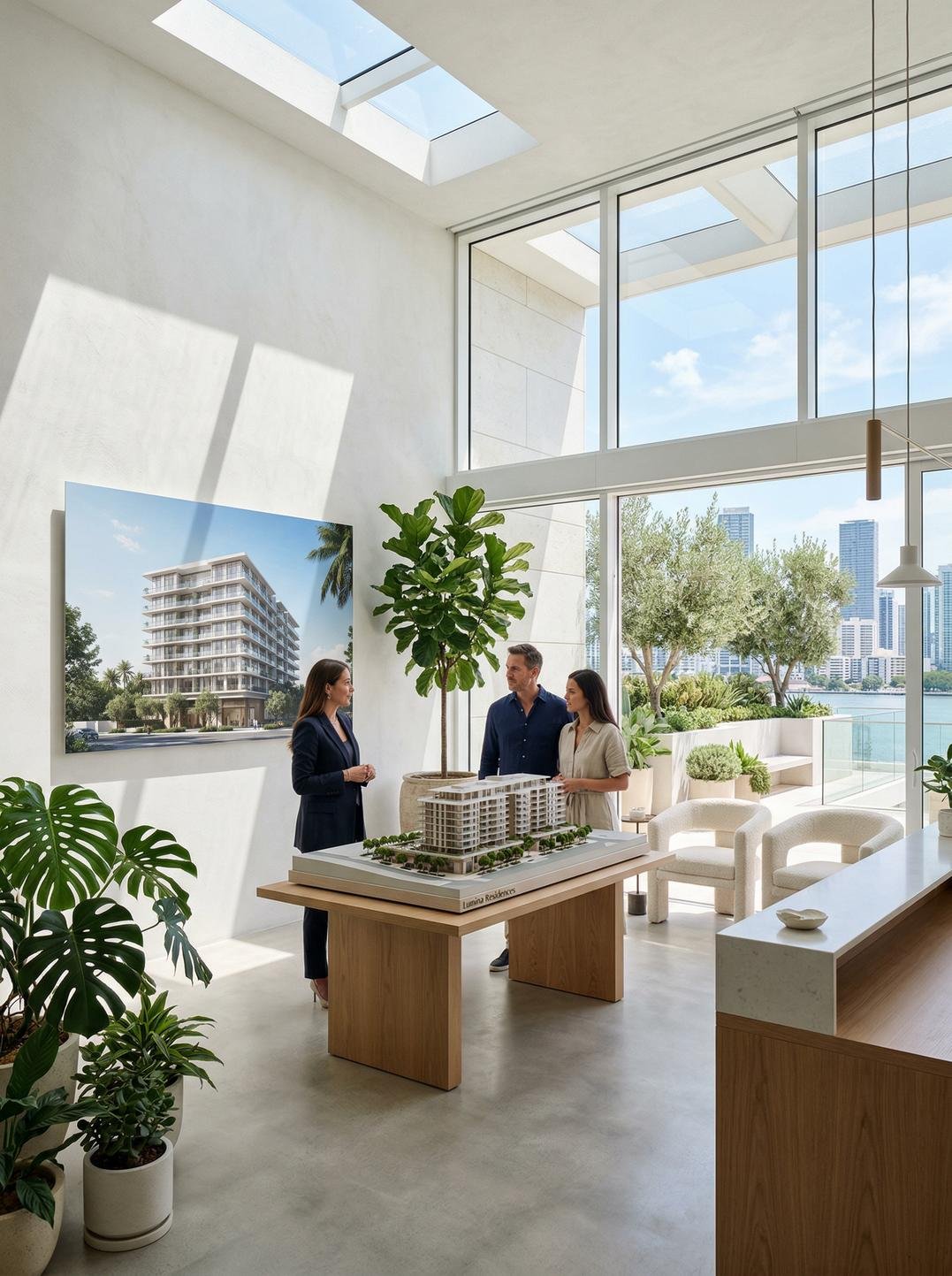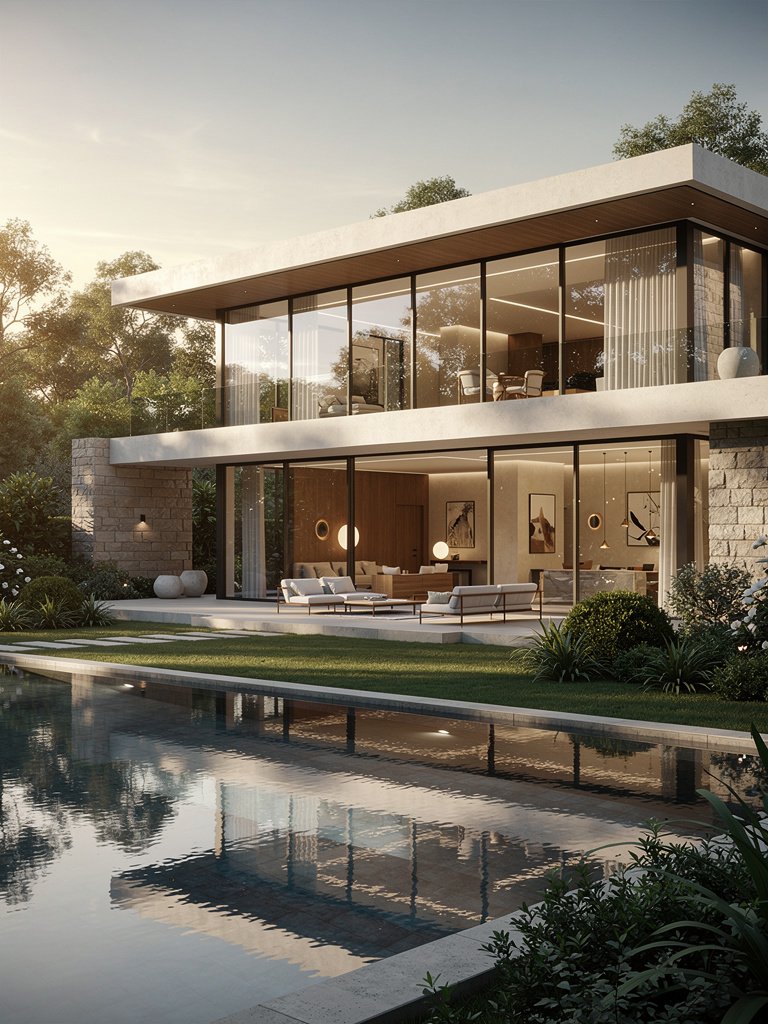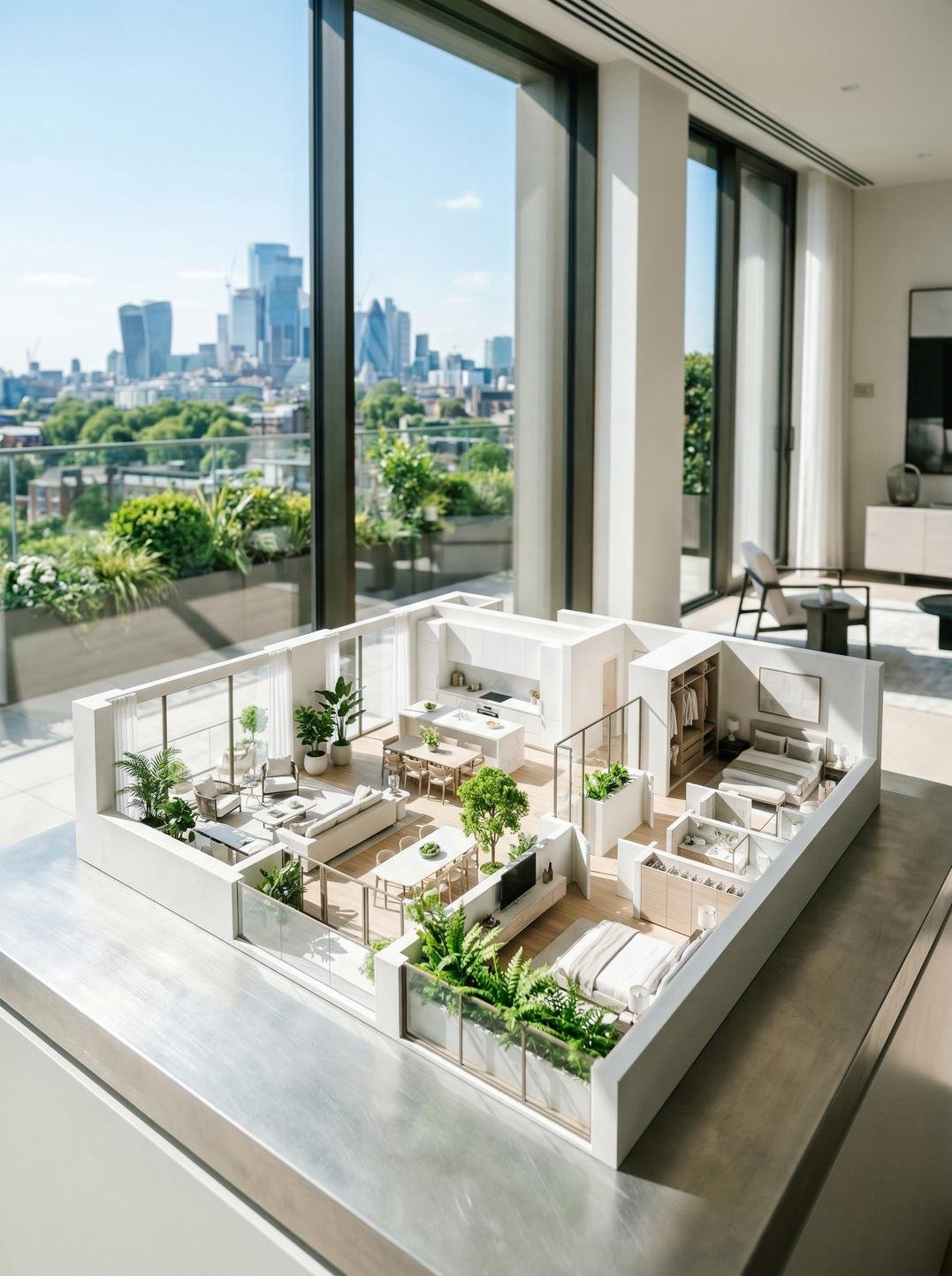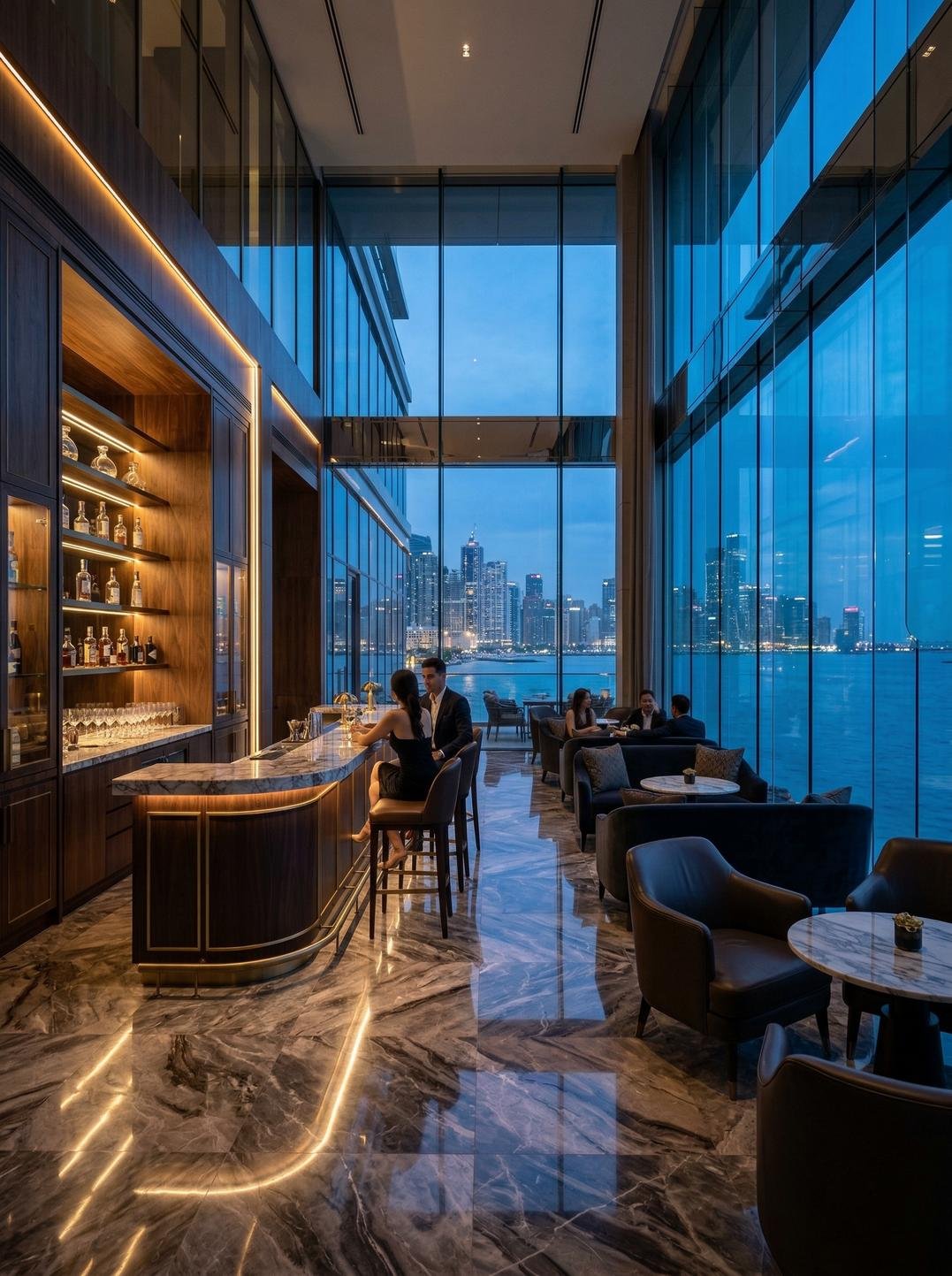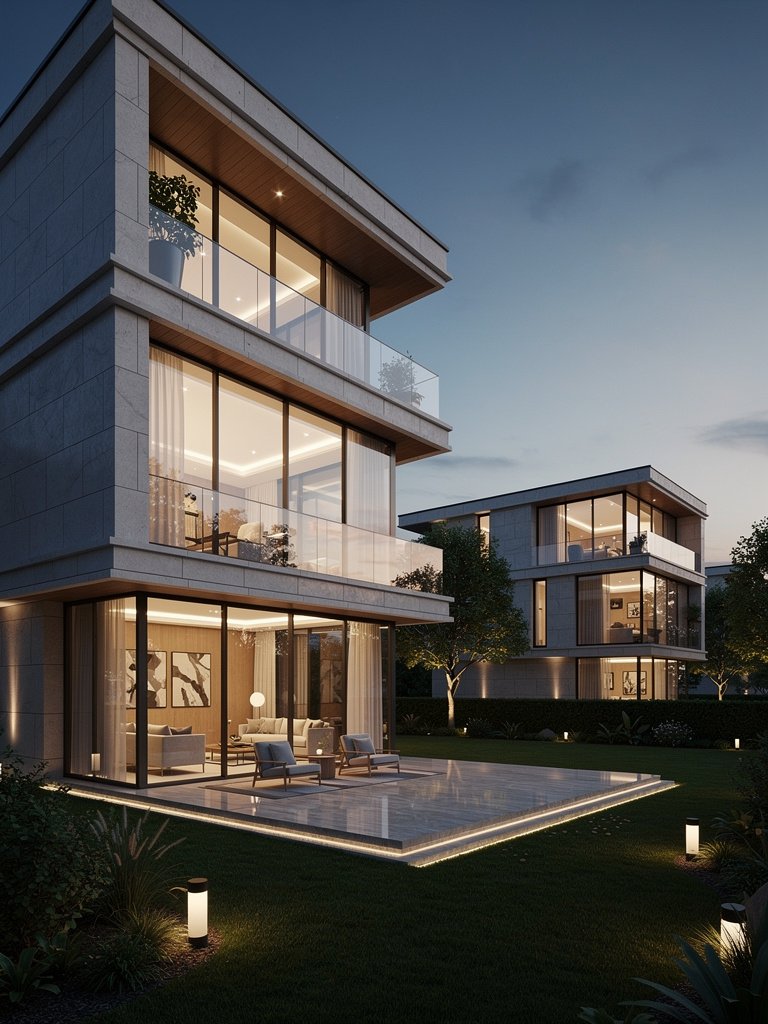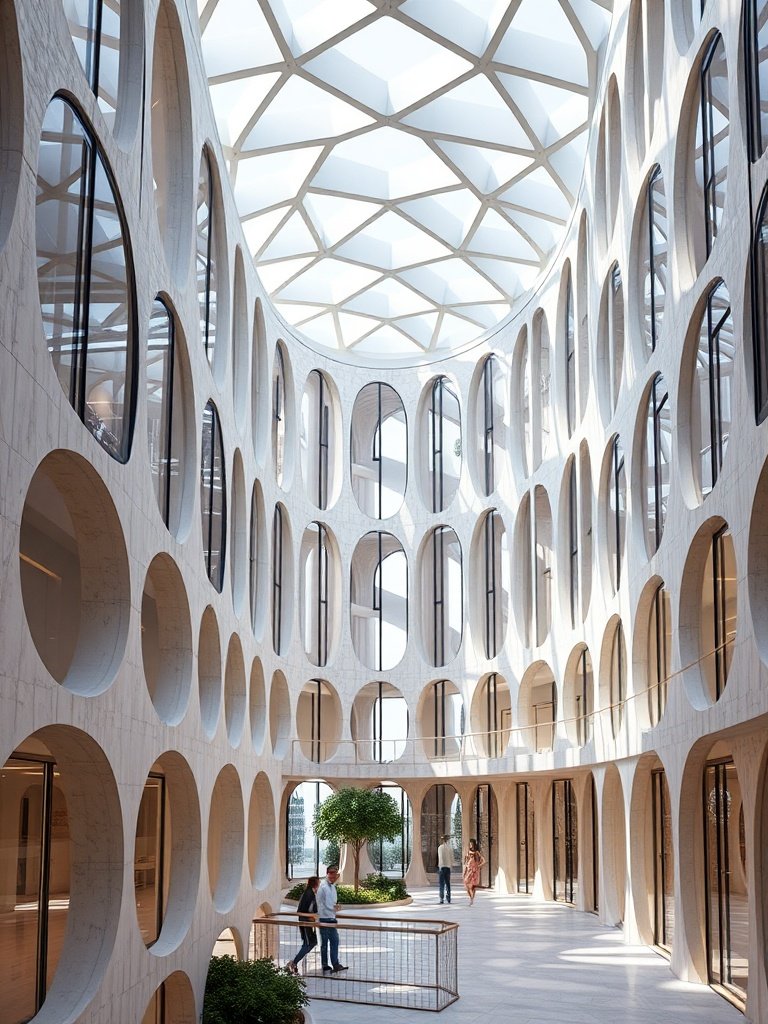

In the high-stakes world of real estate development, the ability to sell a vision before a single brick is laid is the difference between a stalled project and a sell-out success. Developers and architects often face the difficult challenge of communicating complex spatial concepts to stakeholders who lack technical literacy. Blueprints and elevations are necessary for construction, but they fail to evoke the emotional response required to close high-value deals. This is where Photorealistic 3D architectural rendering becomes a critical asset.
It serves as the bridge between technical data and buyer imagination. By utilizing high-fidelity visual assets, you effectively mitigate risk and accelerate the decision-making process. Integrating top-tier 3D architectural visualization into your marketing stack allows prospective buyers and investors to virtually step inside a property, experiencing the lighting, texture, and atmosphere. This level of immersion is no longer a luxury; it is a B2B necessity for securing off-plan sales and architectural approvals in a competitive market.
Table of Contents
1. The Business Impact & ROI
Investing in high-quality visualization is a strategic financial decision, not merely an aesthetic one. For real estate developers, the Return on Investment (ROI) is measurable through shortened sales cycles and increased property values. When a potential buyer views a generic 2D floor plan, they see dimensions; when they view a photorealistic render, they see a future lifestyle. This psychological shift is paramount in pre-selling units.
Furthermore, high-quality CGI assists significantly in the approval process with city planning boards. A realistic depiction of how a new structure integrates with the existing environment can alleviate concerns regarding shadowing, aesthetics, or density. For architects, these assets reduce the number of revision cycles with clients by providing absolute clarity early in the design phase. Ultimately, the cost of rendering is negligible compared to the holding costs of unsold inventory or the expense of construction changes due to miscommunication.
2. The 3D Visualization Workflow
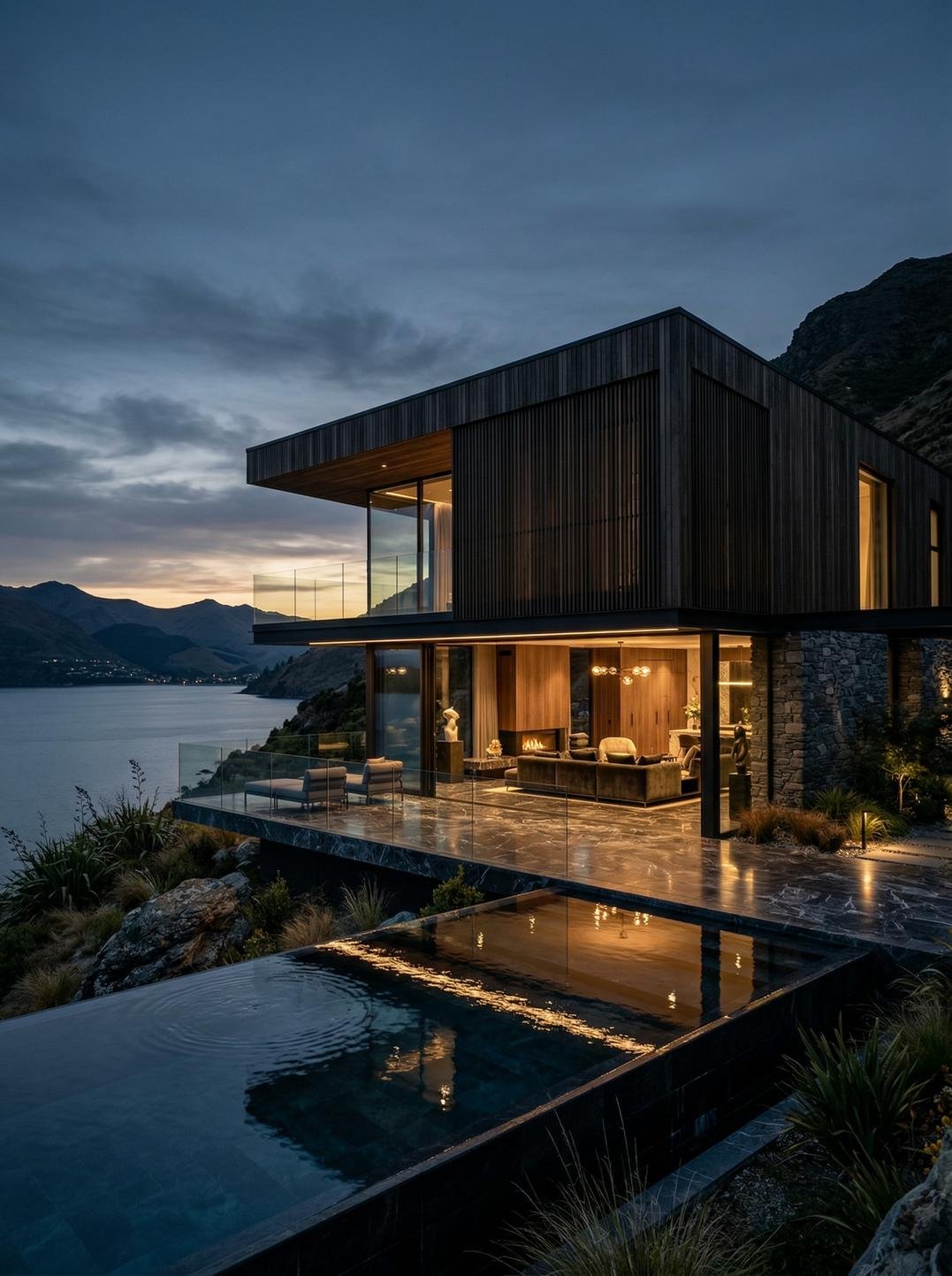
Creating a compelling visual asset is a rigorous technical process that requires a synthesis of artistic eye and engineering precision. The workflow typically begins with the 3D modeling phase, where the architect’s CAD drawings are converted into a three-dimensional geometry. However, geometry alone does not sell properties.
The magic happens during texturing and lighting. Artists apply Physically Based Rendering (PBR) materials that interact with light exactly as they would in the real world—velvet absorbs light, while polished marble reflects it. To achieve true Photorealistic 3D architectural rendering, lighting setups must mimic natural environments using HDRI maps to replicate sun positioning and ambient sky light.
Collaboration is key during this phase. Developers must provide mood boards to ensure the interior design aligns with the target demographic. This stage is where 3D architectural visualization transforms from a technical draft into a marketing masterpiece. Post-production follows, where color grading and the addition of “entourage”—people, cars, and vegetation—add life and scale to the scene.
3. Professional Execution in Real Estate

Top-tier developers and architectural firms are now integrating these assets across an omnichannel marketing strategy. It is not enough to simply have a JPEG on a website. Modern execution involves using high-resolution renderings for large-format site hoardings that capture local foot traffic, as well as high-definition brochures for VIP investor meetings.
PropTech trends are pushing the boundaries further. We are seeing a surge in the use of 360-degree panoramic tours derived from these renders, allowing remote buyers to navigate the space via VR headsets. This is particularly effective for international investors who cannot visit the physical site. Additionally, “Digital Twins” are being utilized where the 3D data serves both marketing and facility management purposes post-construction.
Success lies in consistency. The visual narrative established in the initial renderings must match the final built product. This builds brand trust. Therefore, material selection in the digital space must be accurate to the supply chain reality. Using 3D assets to test material palettes before ordering physical samples saves significant time and resources.
4. Common Pitfalls to Avoid
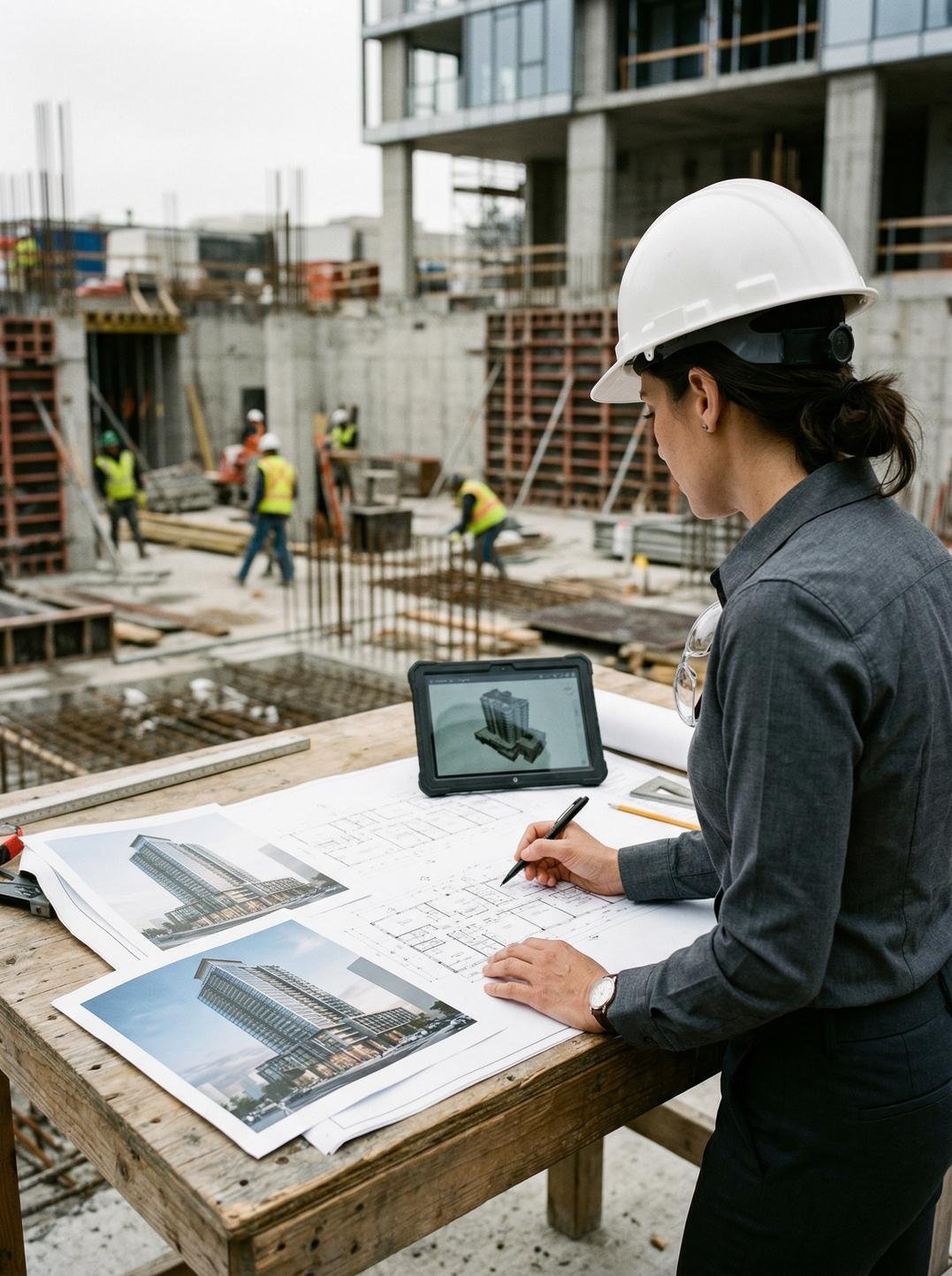
Despite the technology’s power, poor execution can harm a project’s reputation. The most common mistake is the “Uncanny Valley” effect, where a render looks almost real but slightly “off,” causing a subconscious rejection by the viewer. This usually stems from unnatural lighting or incorrect camera angles that a real photographer would never use.
Another pitfall is “over-styling.” While it is important to stage a room, adding too much clutter or overly niche furniture can alienate buyers who cannot picture themselves in the space. The goal is aspirational yet neutral.
Scale inconsistency is also a frequent technical error. If the furniture scaling does not match the room dimensions, the space may appear smaller than it is, directly impacting the perceived value per square foot. To avoid these issues, always work with specialized studios rather than generalist 3D artists. Specialists understand architectural photography principles, ensuring the composition highlights the property’s unique selling points effectively.
5. Conclusion
In the current B2B landscape, the quality of your visual marketing is a direct reflection of the quality of your development. Utilizing Photorealistic 3D architectural rendering is no longer an optional add-on; it is a fundamental driver of sales velocity and project approval. It reduces risk, enhances communication, and creates an emotional hook that blueprints cannot achieve.
By understanding the workflow and avoiding common pitfalls, developers can leverage 3D architectural visualization to create a compelling narrative for their projects. As technology advances, those who adopt these high-end visual strategies will continue to outperform competitors in the market.
Ready to elevate your property marketing?
Partner with Arkilex, where we turn architectural concepts into high-converting visual assets. Contact us today to discuss your next project.
6. FAQs
1. How long does a high-end architectural rendering project take?
For a standard exterior or interior still image, the process typically takes 5 to 7 business days. This includes modeling, texturing, two rounds of revisions, and final post-production. Large-scale animations or VR tours will require significantly more time, often ranging from 3 to 6 weeks depending on complexity.
2. What files do developers need to provide to the 3D studio?
To ensure accuracy, you should provide CAD drawings (DWG), elevations, floor plans, and a site plan. Additionally, a “Schedule of Finishes” detailing materials (flooring, paint codes) and a mood board for furniture and lighting style are essential for achieving the desired aesthetic.
3. Can these renderings be used for Virtual Reality (VR)?
Standard still renderings are static 2D images. However, the 3D scene created to generate them can be optimized for VR. This usually involves rendering 360-degree panoramas or importing the 3D model into a real-time engine like Unreal Engine, though this is a separate service scope.
4. How does rendering cost compare to traditional photography?
While high-end rendering requires an upfront investment, it is often more cost-effective than traditional photography because it can be done before the building exists. It eliminates the need for physical staging, weather delays, and post-construction touch-ups, providing marketing assets months in advance.