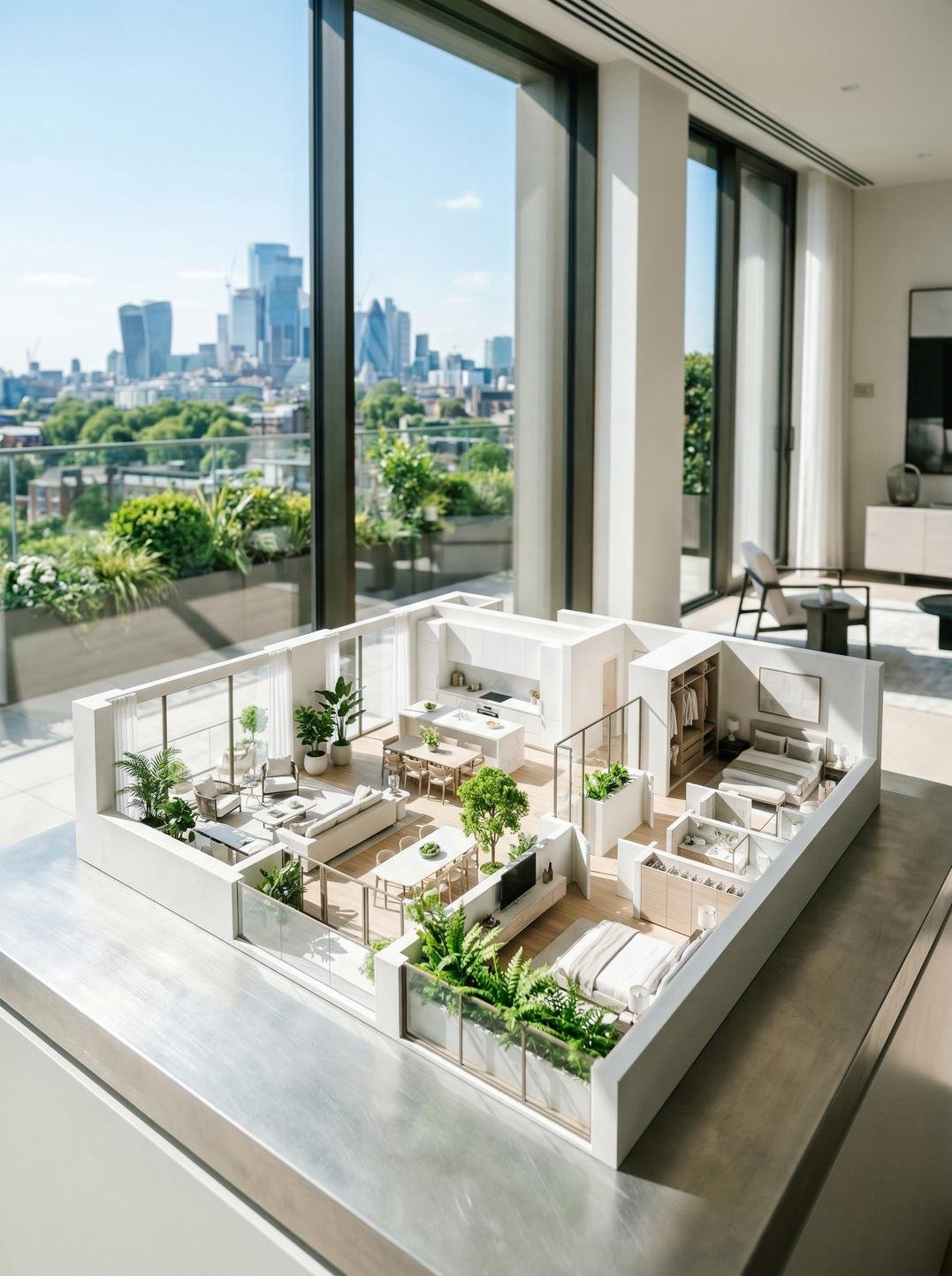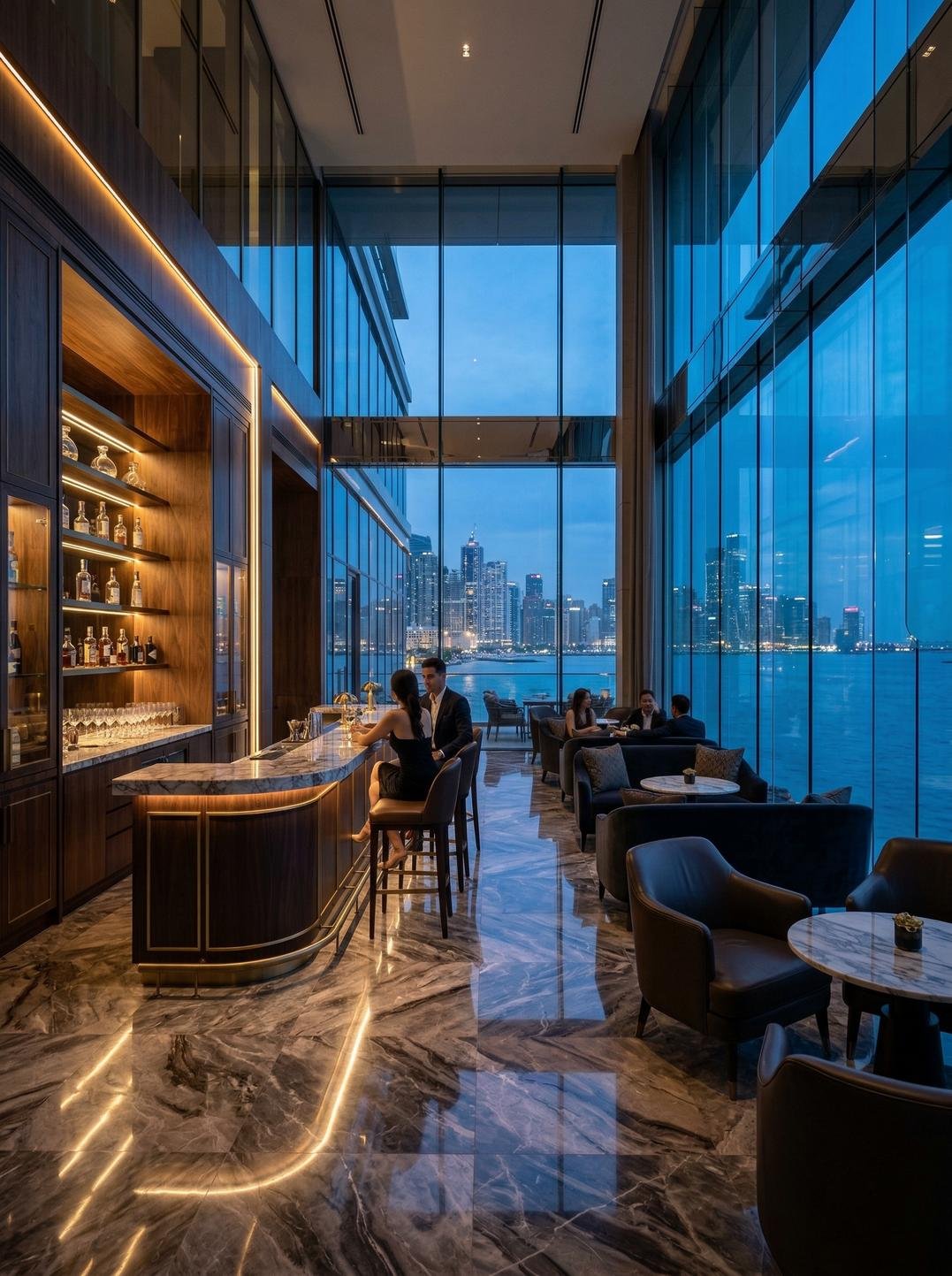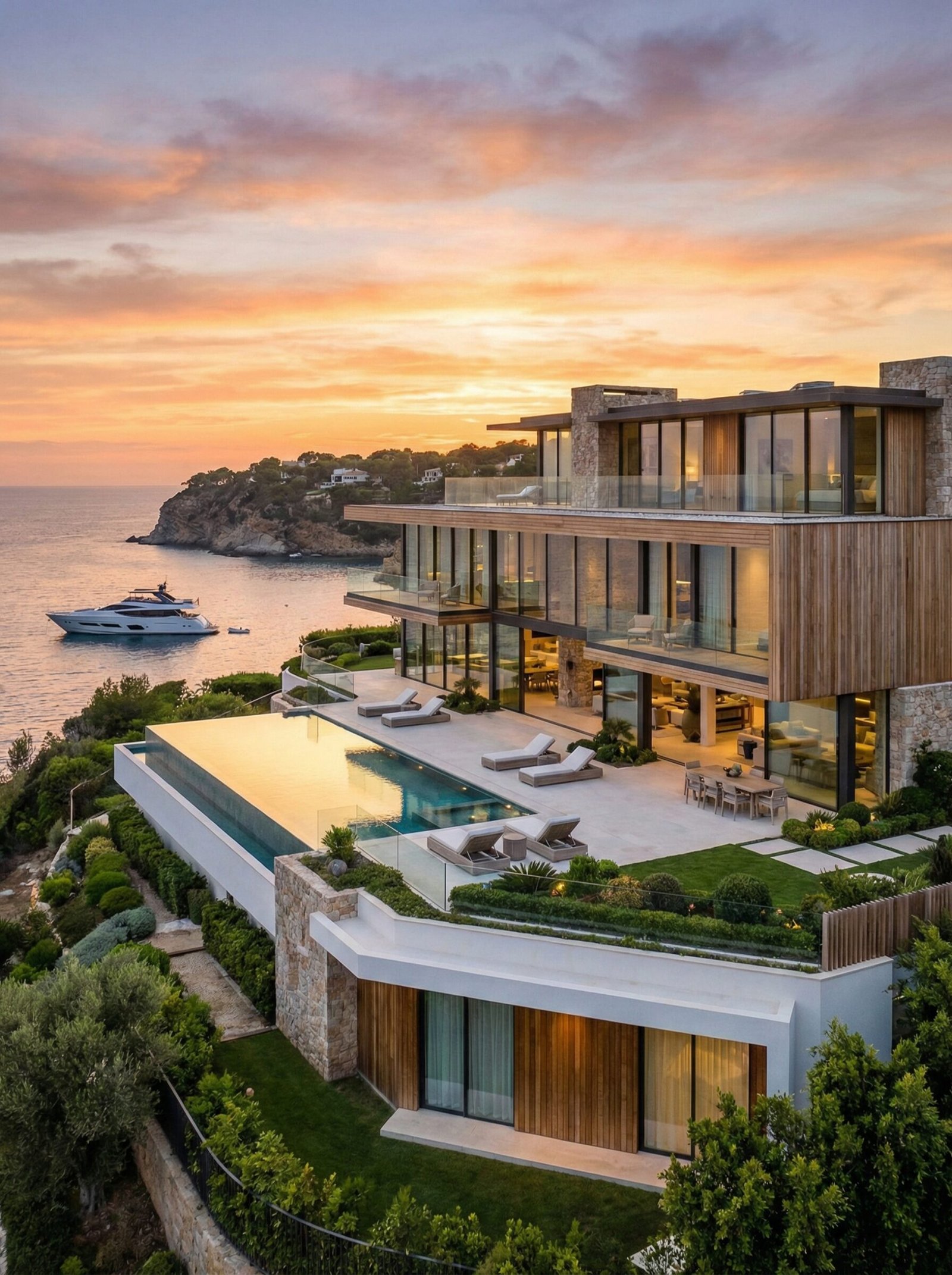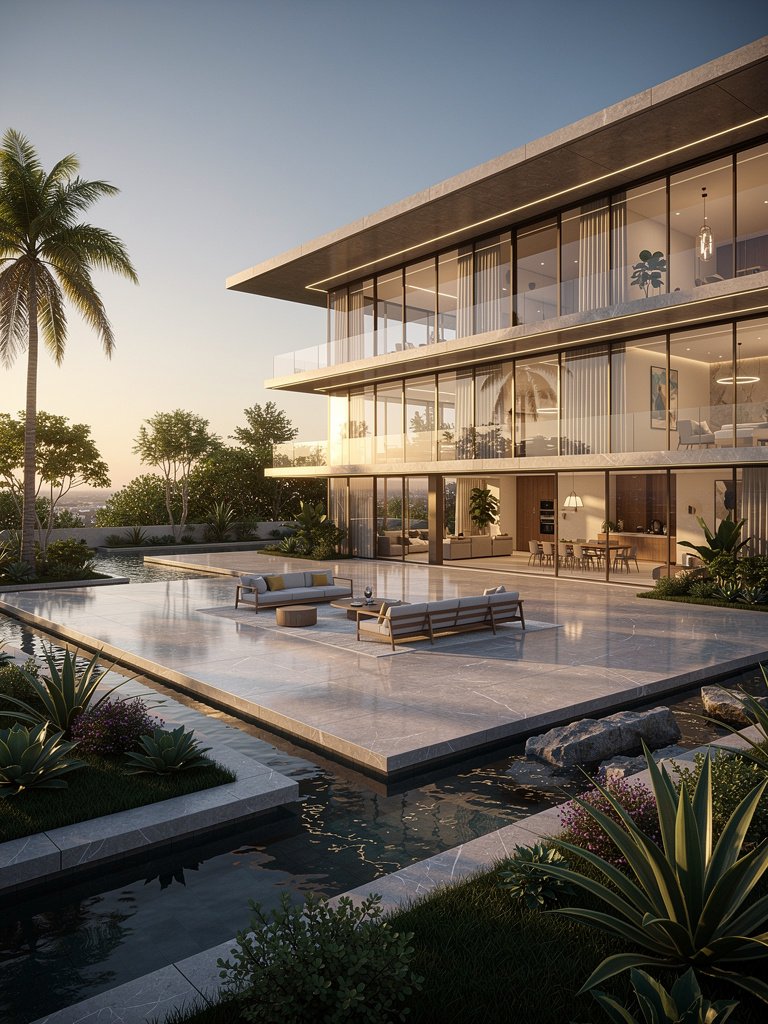

In the competitive landscape of modern real estate development, visual communication is no longer just about aesthetics; it is a strategic asset for securing investment and expediting municipal approvals. Today’s sophisticated investors and environmentally conscious tenants demand transparency regarding energy efficiency and environmental impact. Consequently, high-end 3D visualization has evolved to become the primary vehicle for demonstrating the viability of sustainable architectural design.
For developers and architects, the ability to accurately render green technologies—from solar integration to passive cooling systems—can significantly reduce pre-construction risks. Furthermore, marketing materials that authentically depict eco-friendly architecture are statistically proven to command higher premiums and attract long-term leaseholders. By integrating data-driven design with photorealistic rendering, stakeholders can bridge the gap between technical blueprints and emotional buyer engagement, ensuring that sustainability is seen as a tangible value-add rather than an abstract concept.
Table of Contents
1. The Business Impact & ROI
Investing in high-fidelity visualization for green projects provides a measurable return on investment that goes beyond simple marketing. First, there is the concept of the “Green Premium.” Commercial properties with clear, verified sustainability features often trade at higher capitalization rates. However, these features are often invisible in standard 2D drawings. 3D visualization brings these hidden value drivers to the surface, making them understandable for non-technical stakeholders.
Secondly, speed to market is critical. Regulatory bodies and planning committees are increasingly stringent regarding Environmental, Social, and Governance (ESG) criteria. presenting a photorealistic visualization that accurately simulates environmental impact—such as shadow analysis and green space integration—can streamline the approval process. This reduction in bureaucratic friction lowers holding costs and accelerates the development timeline. Finally, pre-sales for sustainable developments rely heavily on trust. Buyers need to see that the “eco-friendly” label isn’t just a buzzword but a core structural component of the asset.
2. The 3D Visualization Workflow
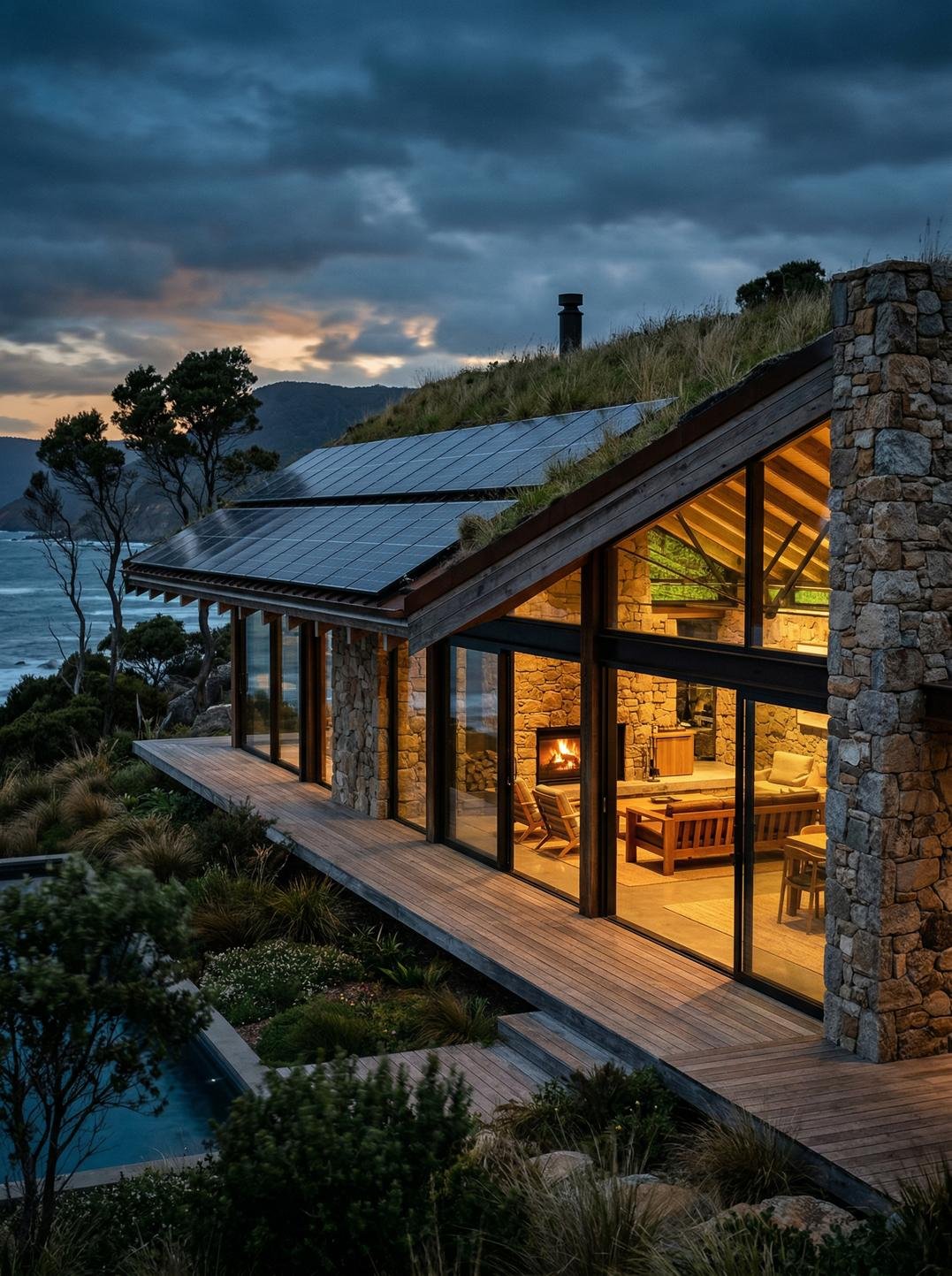
Creating compelling visuals for green projects requires a workflow that blends artistic direction with engineering precision. The process begins with accurate geometric modeling, but the differentiator lies in the environmental simulation. We utilize lighting algorithms that mimic local solar paths to demonstrate how natural light interacts with the sustainable architectural design throughout the year. This not only proves energy efficiency but also creates an emotive, warm atmosphere that appeals to buyers.
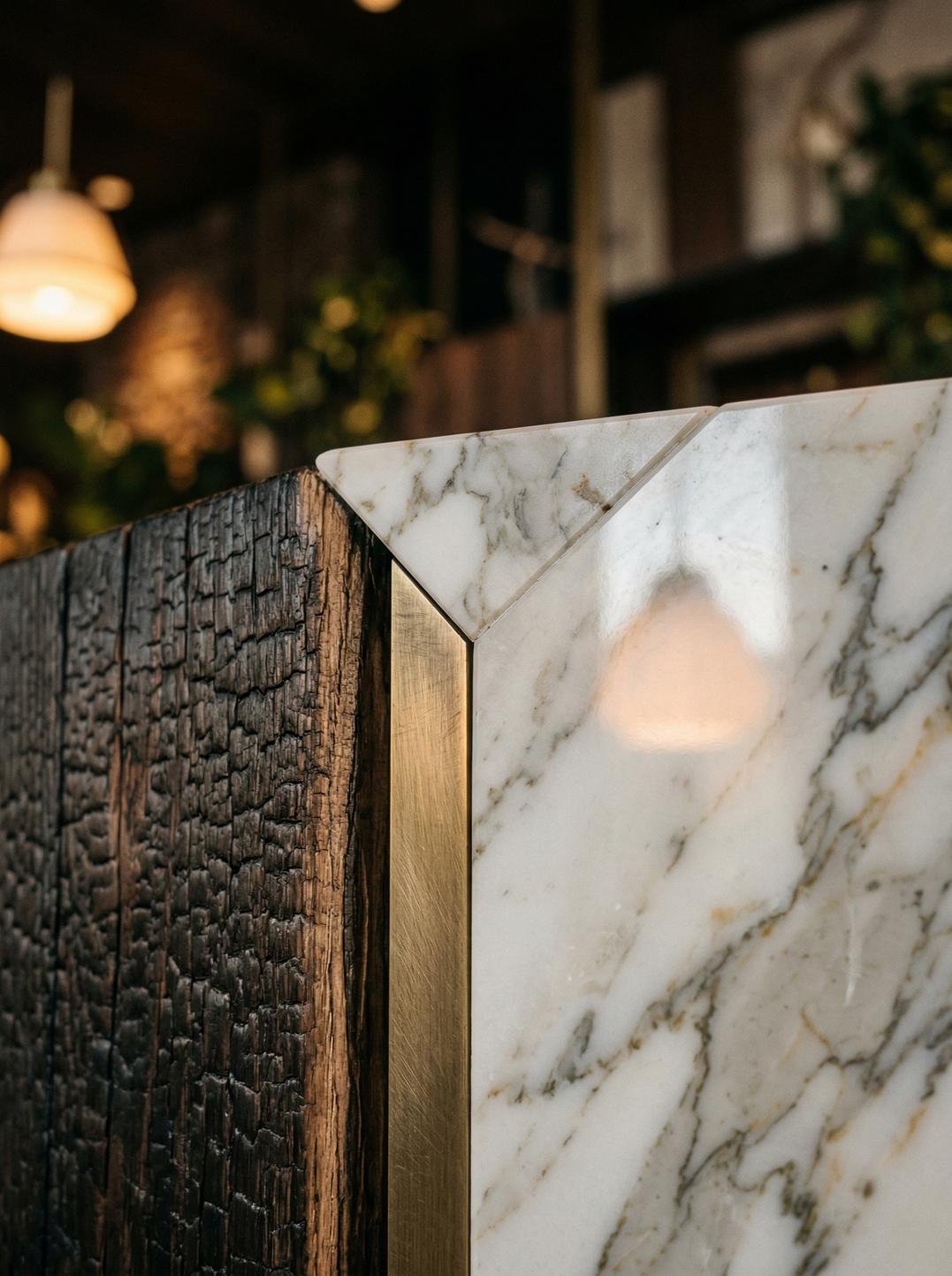
Texturing is the next critical phase. Standard libraries often fail to capture the nuance of reclaimed wood, recycled steel, or living walls. High-end visualization requires custom texture maps that reveal the imperfections and organic reality of these materials. Collaboration is paramount here; the 3D artists must work closely with architects to understand the specifications of the glazing or the density of the vertical gardens. To truly capture the essence of eco-friendly architecture, we also incorporate biophilic elements—simulating how plants grow and interact with the structure over time, ensuring the render looks like a living ecosystem rather than a static model.
3. Professional Execution in Real Estate
Top-tier developers are now moving beyond static images to immersive experiences. The integration of PropTech, such as Virtual Reality (VR) and Augmented Reality (AR), allows potential investors to “walk” through a space and interact with its sustainable features. For instance, a VR tour might allow a user to toggle a view that highlights the HVAC efficiency airflow or displays the energy savings data of the solar glass façade in real-time.
This level of professional execution signals competence and future-proofing. When marketing luxury developments, the visual quality must match the price point. Using physically based rendering (PBR) engines like Corona or V-Ray ensures that light reflection on photovoltaic panels or the texture of rammed earth walls is indistinguishable from photography. This attention to detail builds credibility. It moves the conversation from “what if” to “when,” providing a powerful tool for pre-leasing commercial spaces where corporate tenants have strict internal sustainability mandates to meet.
4. Common Pitfalls to Avoid
A frequent mistake in visualizing green projects is “greenwashing” the visuals—oversaturating vegetation to the point where the building looks like an overgrown ruin rather than a maintained property. This loss of realism can trigger skepticism among savvy investors. B2B clients must ensure that landscaping is depicted accurately according to the local climate and maintenance capabilities. If you render a tropical jungle on a project in an arid climate, you lose credibility instantly.
Another pitfall is ignoring the context of the surrounding environment. Sustainable buildings do not exist in a vacuum. Failing to render the interaction between the new development and the existing urban fabric can lead to planning rejections. Additionally, poor lighting setups that fail to highlight passive design features, such as shading devices or thermal mass, miss the point of the visualization. The goal is to sell the function as much as the form. Avoid generic assets; ensure every tree and material shown is spec-compliant.
5. Conclusion
In the shifting terrain of real estate development, the ability to visually articulate the value of green assets is a competitive advantage. By focusing on data-driven rendering techniques, developers can effectively communicate the long-term cost savings and environmental benefits of their projects. From reducing development risks to securing premium valuations, the proper visualization of sustainable architectural design is an investment that pays dividends throughout the property lifecycle.
As the industry moves toward net-zero targets, the demand for authentic, high-fidelity representations of eco-friendly architecture will only grow. It is no longer enough to claim sustainability; you must visualize it with precision and artistry. To elevate your next project and secure the approvals you need, partner with experts who understand both the engineering and the aesthetics of green building. Contact Arkilex architecture visualization studio today to transform your sustainable concepts into compelling visual realities.
6. FAQs
Q1: How does 3D visualization help in obtaining LEED or BREEAM certification?
A: High-end visualization helps document specific credit requirements, such as daylighting quality and site integration. While not a substitute for technical data, these visuals provide assessors and stakeholders with a clear, photorealistic understanding of how sustainable features function in situ, facilitating smoother communication.
Q2: What is the cost difference between standard rendering and sustainable design visualization?
A: Visualizing complex sustainable features often requires custom modeling of specific technologies and biophilic elements, which can slightly increase costs. However, the ROI is realized through faster municipal approvals and higher pre-sales values, making the initial visualization investment negligible compared to the project’s financial gains.
Q3: Can 3D rendering accurately simulate natural light for energy analysis?
A: Yes. We use physically accurate lighting engines that utilize IES light profiles and geographical sun positioning data. This allows us to create visuals that not only look real but also accurately depict how natural light enters the space at different times of the year.
Q4: How long does it take to produce a high-end sustainable architecture walkthrough?
A: Timelines vary based on complexity, but a high-quality animation typically takes 2 to 4 weeks. This includes modeling custom green features, texturing, rendering, and post-production. engaging a studio like Arkilex early in the design phase ensures these assets are ready for your marketing launch.