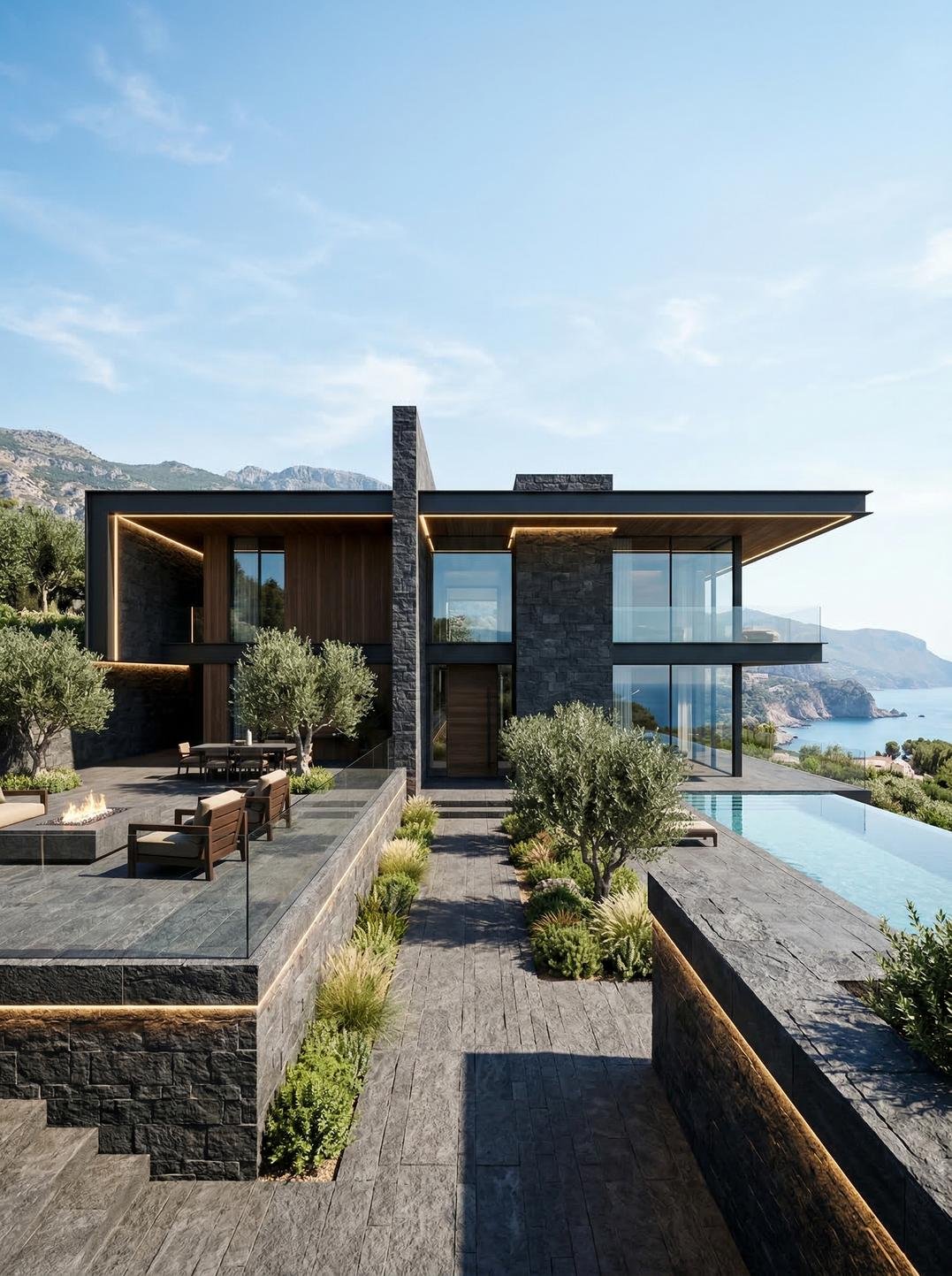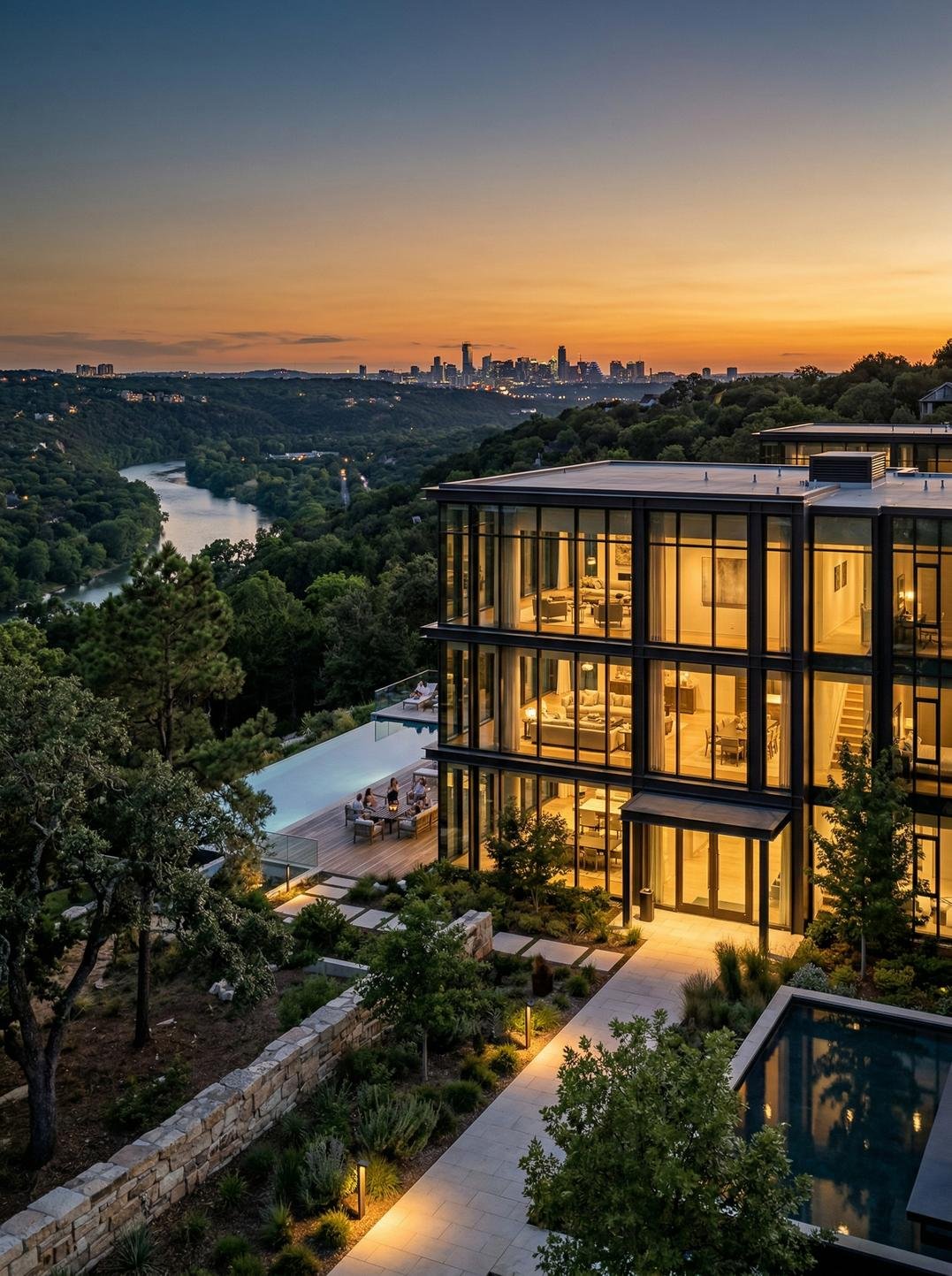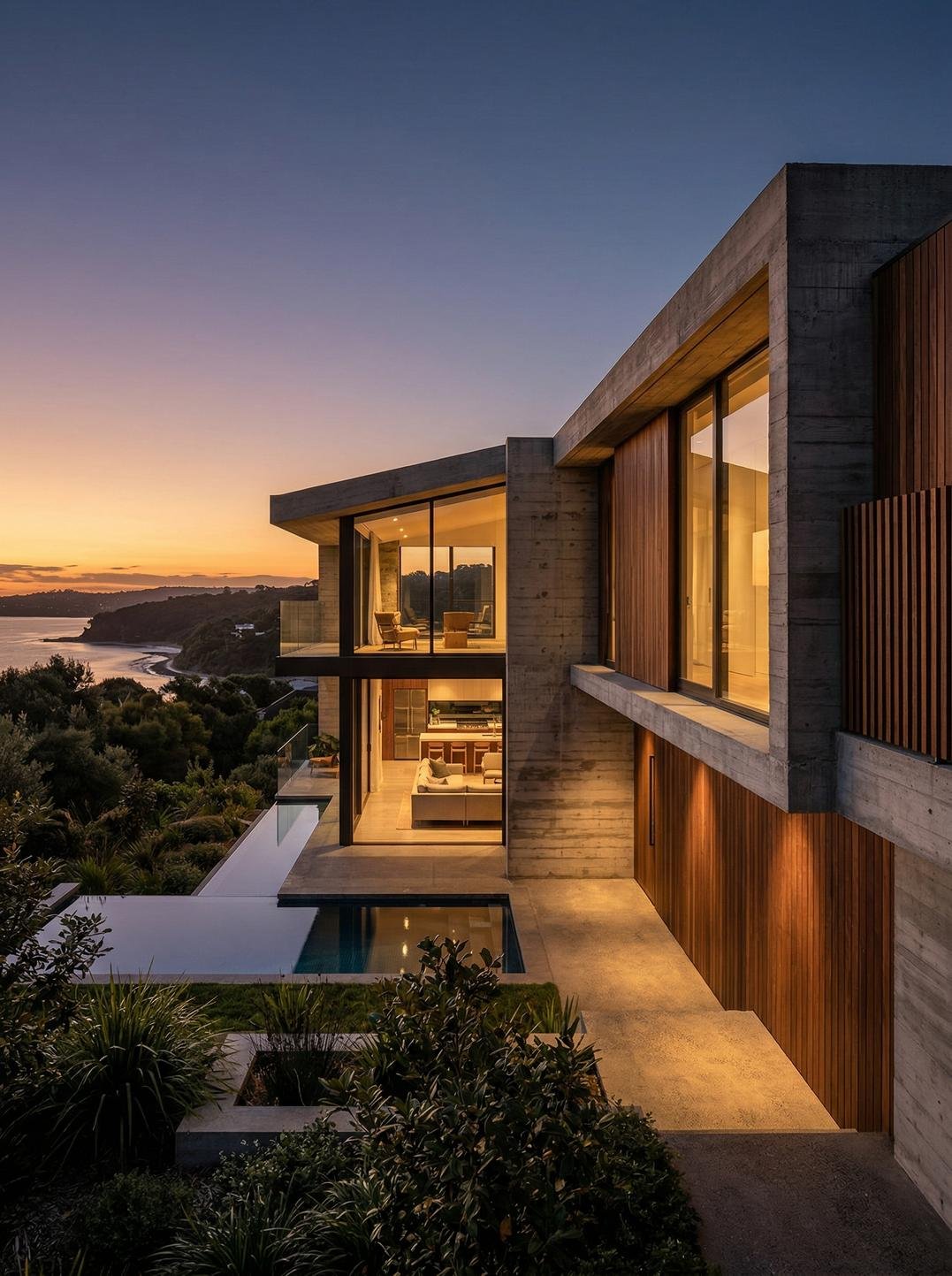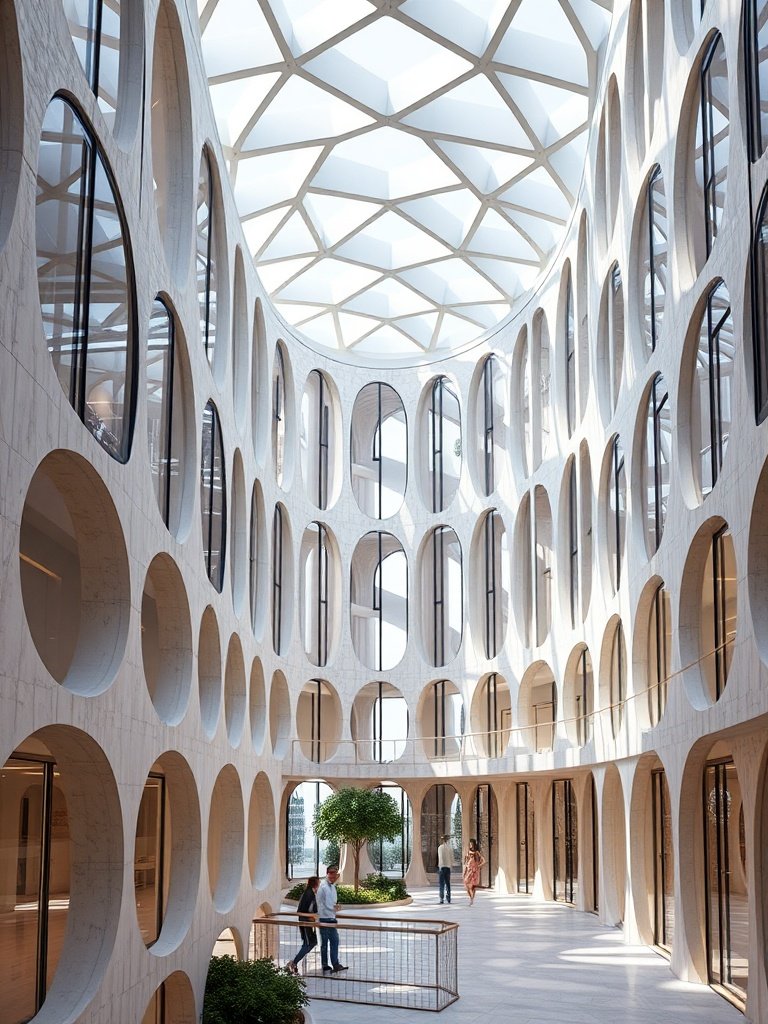

The approval stages that slow real estate projects most consistently — investor sign-off, planning submission, client design approval — are all fundamentally visual decisions. When the people making those decisions can see the project clearly and completely, they move faster. Immersive 3D visualization resolves the ambiguity that creates delays.
Table of Contents
1. Why Most Developers Lose Market Share Without 3d visualization for Real Estate
Top-performing studios analyze buyer behavior obsessively, and the data reveals a stark divide between those who adopt immersive visuals and those who refuse to adapt. Average developers still view 3d visualization for real estate as an afterthought to be commissioned weeks before a major public launch. Market leaders, however, integrate these digital assets seamlessly from the schematic design phase to test market fit and validate design choices early.
This proactive approach allows agile developers to pivot material finishes and layouts based on early stakeholder feedback before a single foundation is poured. Furthermore, leveraging premium commercial architectural rendering creates an undeniable gap in perceived asset value when pitched to discerning institutional investors. You are no longer just selling a future building; you are selling a completely de-risked, highly tangible vision that competitors simply cannot match.
The most aggressive development firms use this visual supremacy to dominate local search marketing and outbid competitors for digital attention. They understand that a striking architectural image stops a scrolling buyer instantly, serving as the ultimate top-of-funnel conversion tool. Consequently, their upfront investment in superior rendering immediately translates into a significantly lower cost of customer acquisition over the project lifecycle.
2. The Four-Stage Workflow Behind Category-Leading Asset Portfolios
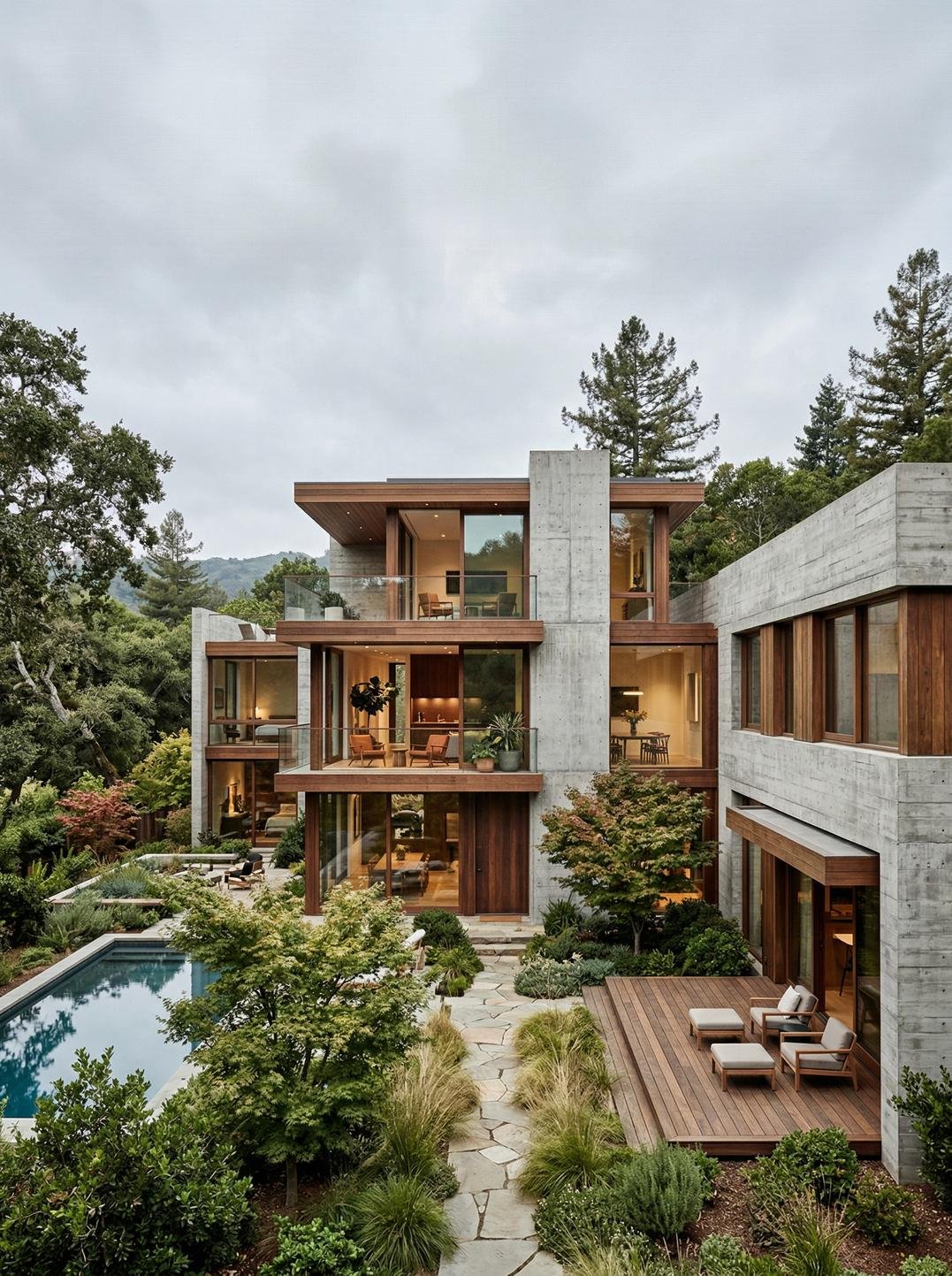
Implementing high-tier 3d visualization for real estate requires a rigorous digital pipeline that separates elite studios from volume-driven rendering sweatshops. The first stage demands a deep alignment of brand strategy, where the architectural narrative is synchronized directly with the target demographic’s specific lifestyle aspirations. From there, technical precision takes over as geometric modeling bridges the gap between raw CAD data and hyper-realistic spatial proportions.
The third stage is where competitive advantage truly solidifies: cinematic lighting and atmospheric staging. Top-tier commercial architectural rendering relies on physically accurate light calculations to evoke specific emotional responses and manufacturing urgency from potential buyers. This crucial step involves simulating exact golden-hour shadows based on the site’s genuine global positioning to ensure absolute atmospheric authenticity.
Finally, the strategic curation stage involves selecting exact camera angles that highlight premium amenities while actively masking adjacent site limitations. Competitors utilizing basic visualization often fail here, choosing generic wide angles that dilute the project’s unique selling proposition. Mastering this precise four-stage workflow ensures every delivered visual asset acts as an active, tireless sales agent rather than just a pretty picture.
3. What Institutional Investors Demand From a Visualization Briefing

Savvy institutional partners have developed a highly trained eye for discerning project viability solely through the quality of visual materials presented. When reviewing a prospective project, they expect 3d visualization for real estate to demonstrate an obsessive attention to localized context, including accurate streetscapes and native landscaping. A generic, hyper-perfected environment immediately signals a lack of sophisticated market research and instantly diminishes crucial investor trust.
To win these high-stakes capital pitches, developers must leverage advanced commercial architectural rendering that highlights operational flow alongside aesthetic beauty. This means meticulously depicting realistic lobby traffic, correct shadow studies for outdoor amenity spaces, and accurate material weathering that reflects true environmental conditions. Presenting this level of granular, realistic detail proves to the board that every operational friction point has been anticipated and definitively solved.
Furthermore, top developers use these high-level briefings to showcase dynamic visual options, presenting multiple viable use cases for commercial flex spaces. This visually proves the physical asset’s adaptability to future market shifts, significantly lowering the perceived risk for conservative capital partners. Ultimately, superior 3d visualization for real estate becomes the ultimate leverage tool for securing rapid funding approvals in a tightening macroeconomic environment.
4. The Detail Competitors Miss When Scaling Visual Marketing

As mid-tier developers rush to adopt commercial architectural rendering, they frequently make the fatal error of prioritizing the sheer quantity of images over narrative cohesion. They flood their brochures with disjointed renderings that lack a unified lighting strategy, inadvertently confusing the buyer’s subconscious emotional journey. Market leaders completely avoid this by treating their visual output as a sequential storyboard that guides the prospect seamlessly from the street to the penthouse.
Another glaring vulnerability is the outsourcing of visual assets to offshore studios that lack an intrinsic understanding of localized architectural and cultural nuances. This results in visual assets that feel distinctly foreign to the target demographic, subtly eroding the project’s carefully crafted premium market positioning. By recognizing and avoiding these specific competitive gaps, top developers ensure their digital marketing materials remain incredibly persuasive and highly relevant.
Ultimately, an exceptional strategy for 3d visualization for real estate requires rigorous internal quality control and an uncompromising standard for photorealism. Settling for visual output that is merely adequate allows hungrier competitors to steal market attention and poach highly qualified leads right out of your sales funnel. Maintaining absolute dominance requires a relentless, ongoing commitment to pushing visual boundaries with every new development cycle you launch.
5. Conclusion
Securing a leading position in today’s demanding market requires treating 3d visualization for real estate as your most potent competitive advantage. By executing flawless commercial architectural rendering, you systematically de-risk your projects, accelerate your presale velocity, and entirely outmaneuver slower competitors. Partner with Arkilex today to transform your next architectural vision into an undeniable market leader that commands premium valuations.
6. FAQs
How does 3d visualization for real estate provide a competitive advantage over traditional marketing?
It completely replaces buyer imagination with concrete, high-definition certainty. While competitors rely on 2D plans that confuse non-technical buyers, market leaders use photorealistic imagery to immediately trigger emotional attachment, outshine rival listings, and heavily accelerate final purchasing decisions.
What is the primary difference between standard and premium commercial rendering?
Standard rendering looks like a basic computer-generated model, while premium rendering is completely indistinguishable from a high-end architectural photograph. The elite tier utilizes advanced lighting physics, bespoke texturing, and expert cinematic composition to command higher perceived property valuations from sophisticated buyers.
Can 3d visualization for real estate help secure institutional funding faster?
Absolutely, because institutional investors base their capital deployment heavily on risk mitigation and proven market viability. Highly detailed, contextually accurate visual assets prove that the development team has thoroughly resolved design constraints, understands their target demographic, and possesses a clear path to profitability.
How often should we update our 3d visualization for real estate strategy?
You should relentlessly benchmark your visual standards against top-tier competitors at the start of every new fiscal year. Technology and buyer expectations evolve rapidly, meaning the visual quality that secured presales two years ago will likely fall flat and lose market share in today’s hyper-competitive landscape.
“An absolutely excellent 3D team that I genuinely enjoy working with – always attentive, responsive, and open to adjustments. Communication is seamless and the results consistently meet our expectations. A trusted partner I recommend without hesitation.”
— Sofia Bouziane ★★★★★ · Google review