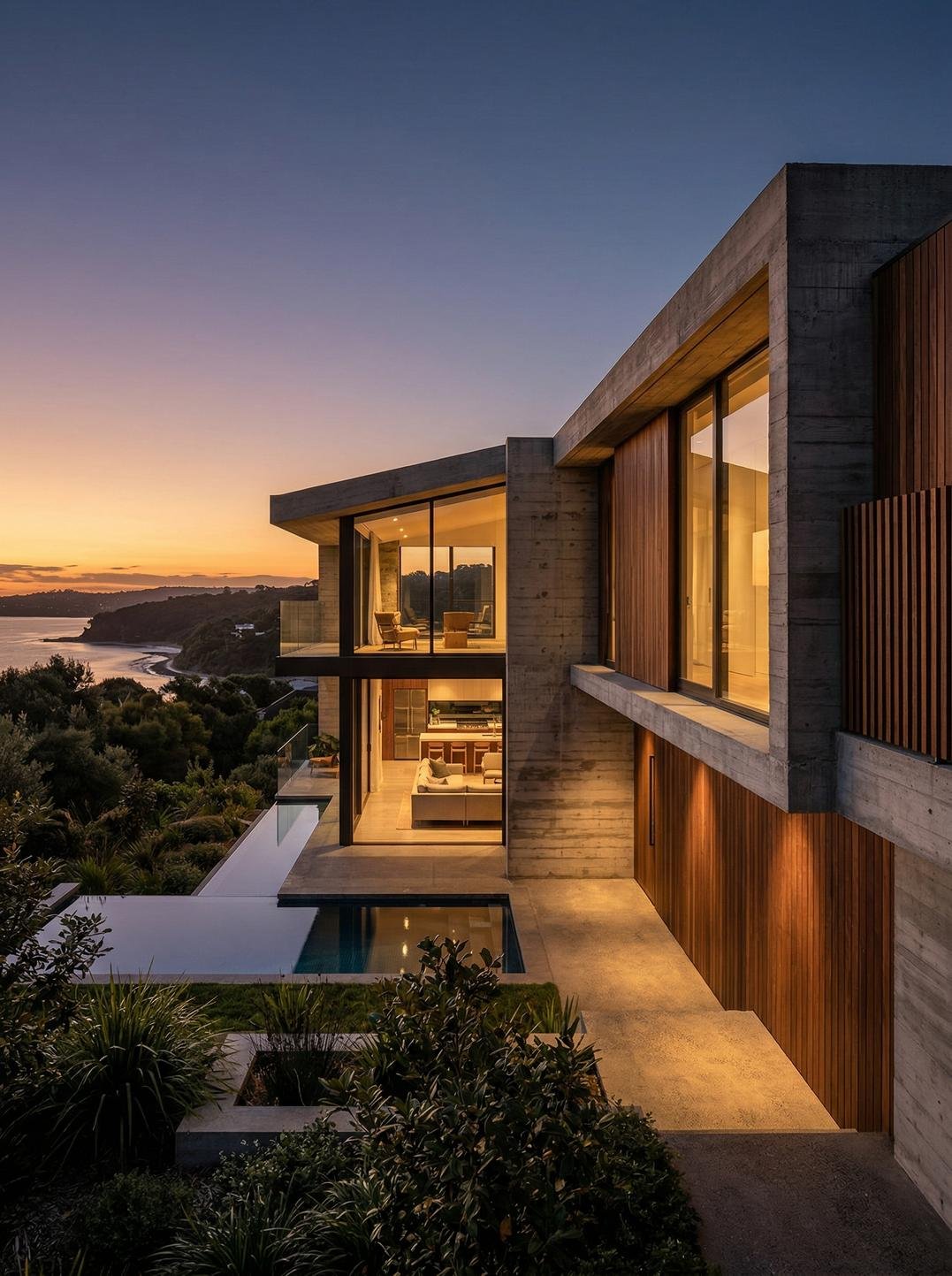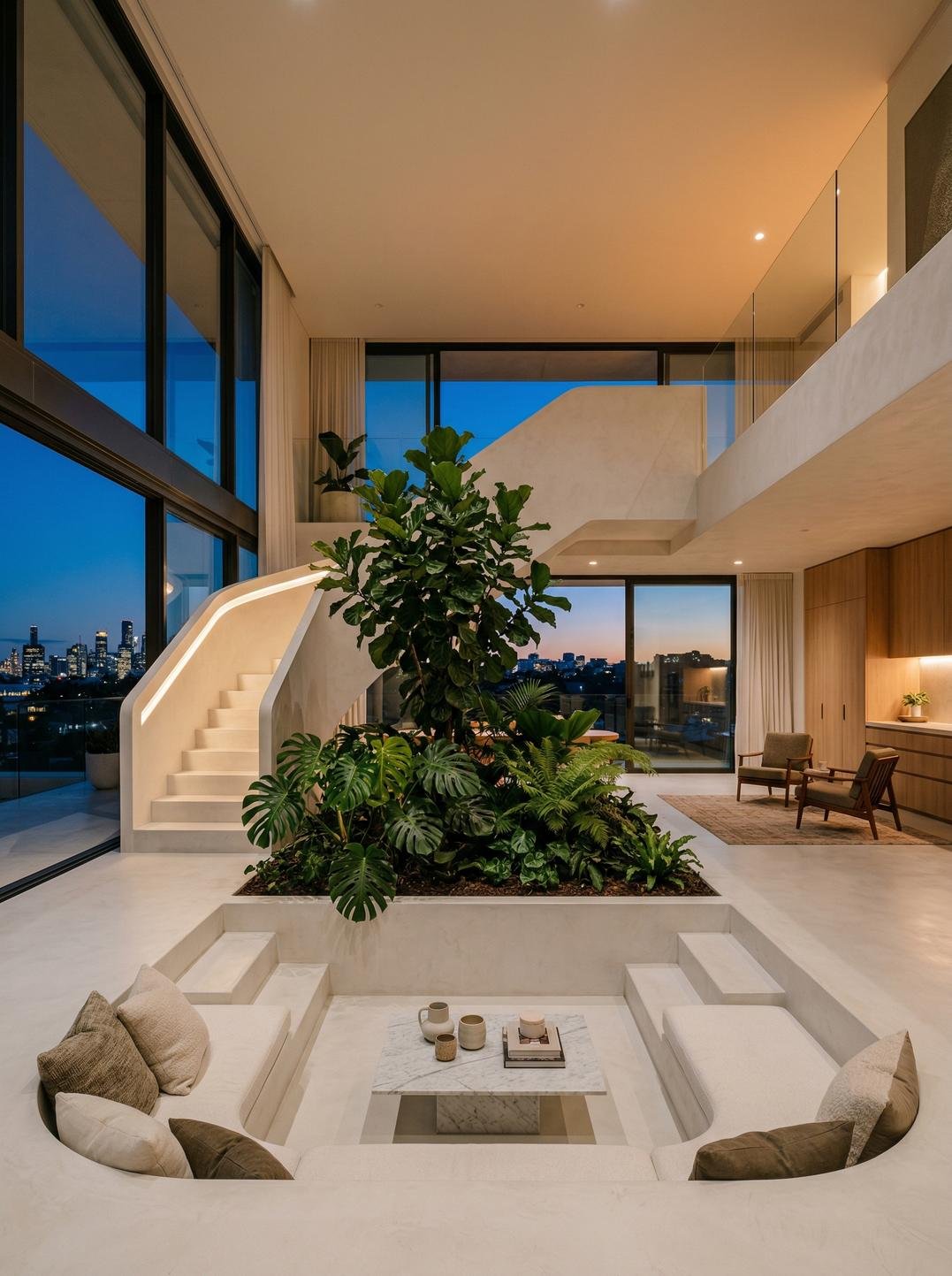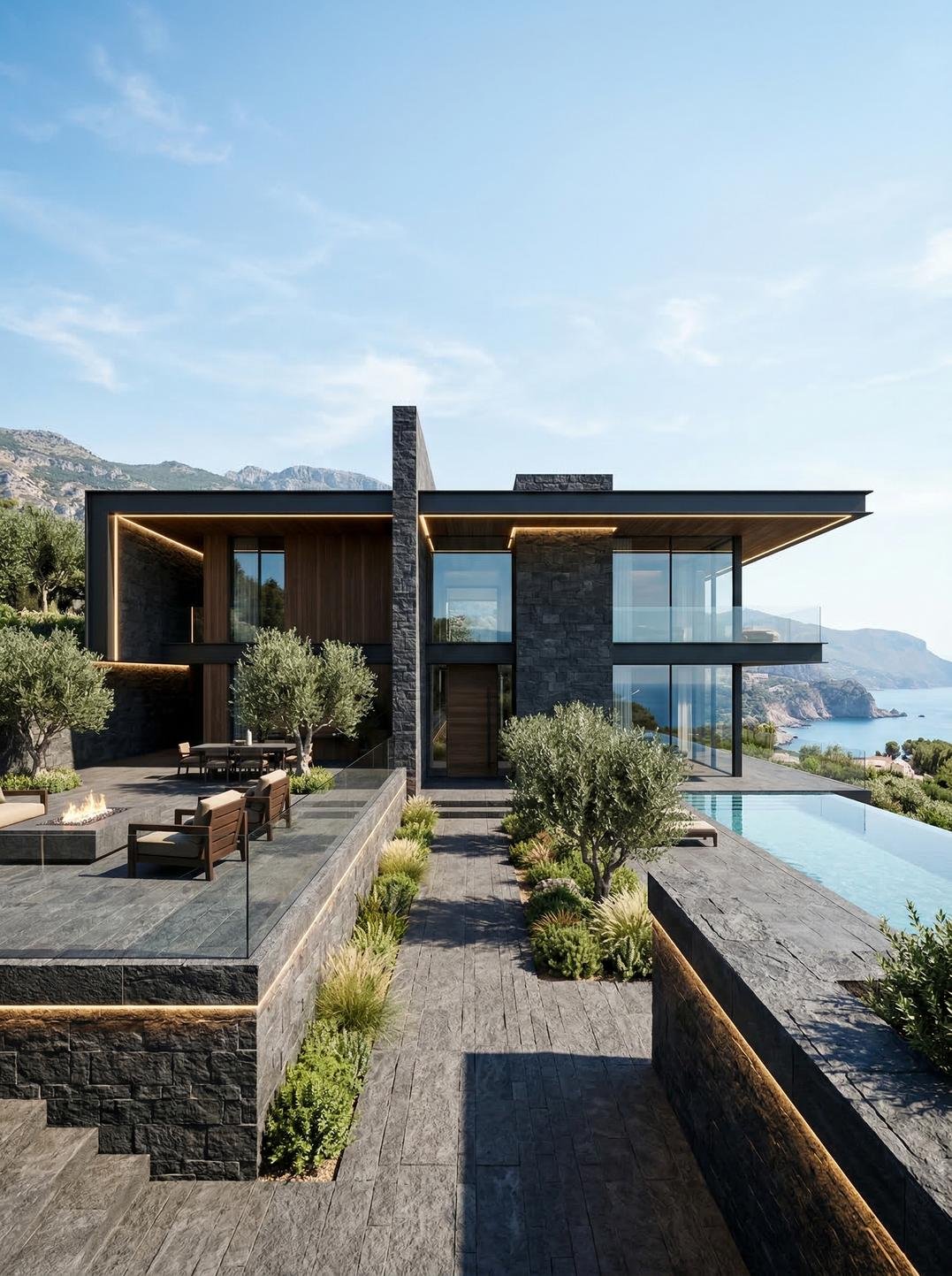

Off-plan investment is an act of trust. A buyer is committing capital to something that does not yet exist, based on documentation, reputation, and — most importantly — the quality of what they can see.
Financial stakeholders evaluate future assets strictly through the lens of risk mitigation and absorption rates. A robust pre-construction marketing strategy transforms raw architectural data into a vital financial de-risking tool for these early partners. The visual collateral must bridge the gap between abstract architectural concepts and tangible, high-yield commercial reality.
Table of Contents
1. Why the Average off plan investment Fails Before the First Board Meeting
Institutional capital committees review dozens of project proformas weekly, ruthlessly filtering out developments that lack tangible visual fidelity. When an off plan investment relies on standard, sterile CAD exports rather than photorealistic storytelling, the perceived execution risk multiplies exponentially. Capital allocators subconsciously associate poor rendering quality with potential future cost overruns and mismanaged construction phases.
A miscalculated presentation directly damages the internal rate of return (IRR) by delaying critical funding milestones. By contrast, integrating high-tier architectural visualization into your pre-construction marketing strategy instantly establishes market authority and accelerates early capital commitments. Investors need to see exactly where their funds are going, down to the premium materiality of the lobby finishes.
Prolonged funding cycles create exorbitant holding costs that slowly erode the profit margins of even the most well-planned developments. Professional visual assets act as a catalyst for rapid decision-making, compressing the timeline between the initial pitch and the signed term sheet. This acceleration is the hidden financial leverage utilized by top-tier real estate developers globally to dominate early funding rounds.
2. The Four-Stage Workflow Behind a Commercial-Grade Render
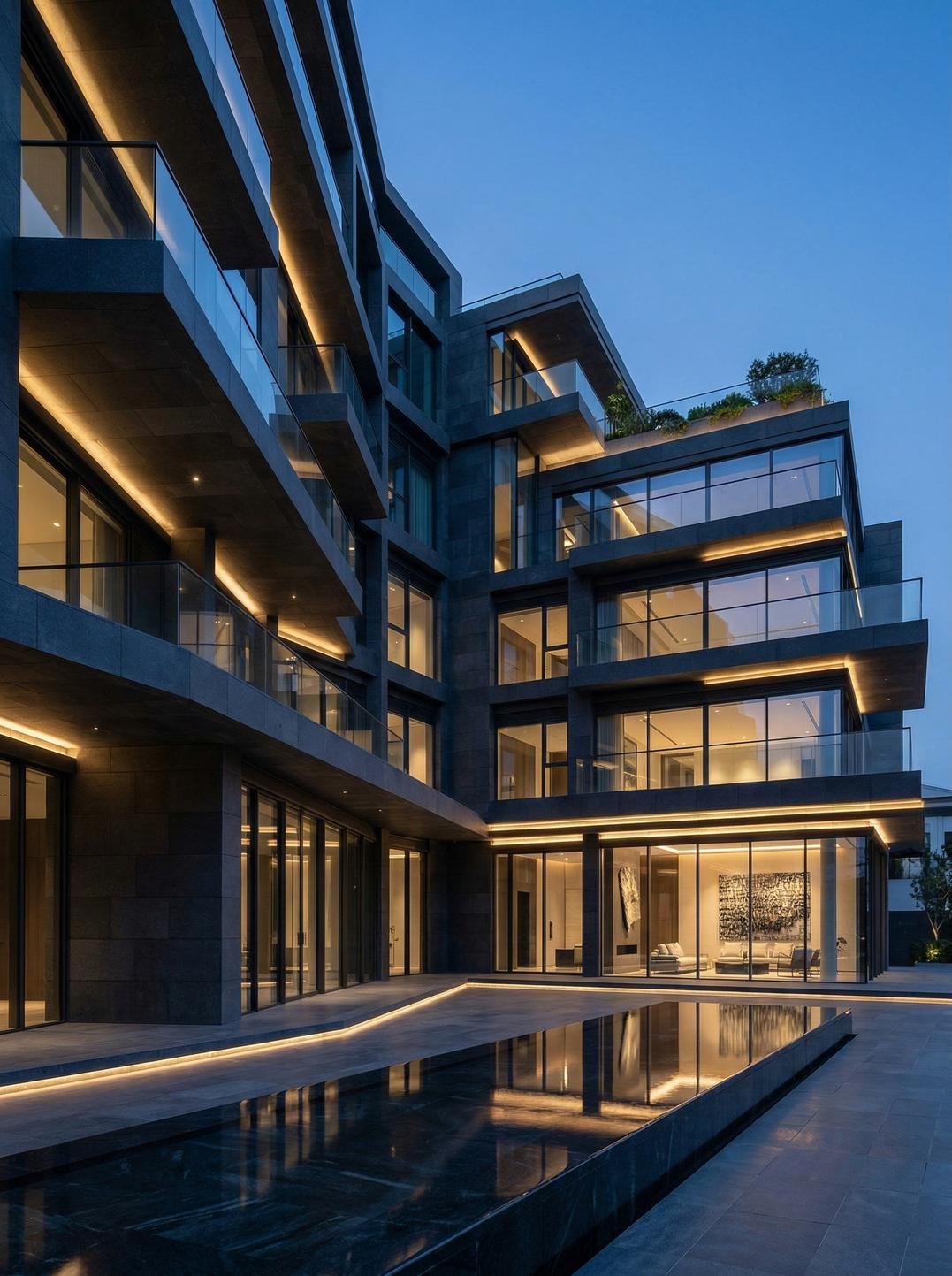
Producing renders that successfully convert early capital requires a rigorous methodology firmly aligned with your project’s financial milestones. The visualization process must move beyond simple aesthetics to highlight specific architectural value drivers that justify premium pricing models. This highly disciplined approach guarantees the resulting collateral supports the overarching financial narrative presented to the board.
The first stage involves a comprehensive audit of the architectural models to ensure structural integrity matches commercial viability. Visualization artists strip down complex BIM data and rebuild it to emphasize spatial volumes, natural light penetration, and premium material finishes. Highlighting these elements directly correlates to increased buyer confidence and higher initial asking prices per square foot.
Stage three introduces environmental context, which is a non-negotiable factor when seeking a major off plan investment from seasoned equity partners. Lighting scenarios are carefully calibrated to reflect peak commercial hours, demonstrating the asset’s functional appeal to future tenants or retail operators. The final stage involves rigorous quality assurance to ensure the visual fidelity aligns perfectly with the specified construction budget.
3. How Accurate Visuals Reduce Revision Cycles and Secure Funding Faster

Precision in lighting, scale, and texture translates directly into unshakeable buyer confidence during a critical off plan investment cycle. High-net-worth buyers and institutional funds require exact visual alignment between the promised specifications and the core pre-construction marketing strategy presented. Any discrepancy between the render and the financial proforma introduces doubt, which inevitably stalls the capital raising process.
Developers who prioritize absolute photorealism see a measurable decrease in negotiation friction and significantly faster contract closures. When an investor can visually verify the exact grade of marble or the specific ceiling heights, their perceived risk plummets. This level of clarity eliminates the endless back-and-forth questioning that typically bogs down early-stage funding negotiations.
Furthermore, accurate visualization allows development teams to secure pre-leases from commercial anchor tenants long before the ground is broken. These secured commitments drastically improve the project’s loan-to-value ratios when securing primary construction financing from traditional banking institutions. Exceptional renders are not a marketing expense; they are a direct investment into the project’s foundational financial stability.
4. The Detail Institutional Backers Notice First and Developers Often Miss

The primary reason a lucrative off plan investment stalls at the final hurdle is a fundamental disconnect in environmental context. Placing a proposed luxury high-rise into a generic, softly blurred background instantly signals a lack of due diligence to sophisticated capital partners. Investors base their yield projections on location demographics, meaning the surrounding streetscape is just as crucial as the building itself.
A superior pre-construction marketing strategy anchors the architecture firmly within its actual surrounding neighborhood, proving precise market positioning. Top-performing development teams demand visual assets that accurately depict nearby transit hubs, competing properties, and pedestrian flow patterns. This contextual accuracy reassures equity partners that the project’s absorption rate projections are based on real-world market dynamics.
Overlooking these contextual details forces investors to guess how the asset will integrate into the existing urban fabric. Whenever capital partners are forced to make assumptions, they invariably calculate for the worst-case scenario, driving down initial valuations. Providing comprehensive, context-rich visual evidence is the most effective method for maintaining premium valuations during early equity negotiations.
5. Conclusion
Mastering your project’s early financial narrative requires elevating visual assets from simple design checks to powerful financial instruments. An optimized off plan investment relies heavily on proving future value through undeniable, photorealistic visual evidence. For developers ready to accelerate their pre-sales velocity and secure critical early funding, partnering with the Arkilex architectural visualization studio ensures your project commands the capital it truly deserves.
6. FAQs
How does high-quality visualization impact the ROI of early capital raises?
Photorealistic visualization directly compresses the timeline required to secure early funding by eliminating visual ambiguity for institutional investors. This acceleration reduces initial holding costs and minimizes the interest accrued on early bridge loans. Consequently, the overall internal rate of return (IRR) for the development improves significantly.
What is the biggest mistake developers make with an off plan investment presentation?
The most costly error is presenting sterile, non-contextual renders that fail to show how the asset integrates into the existing neighborhood. When equity partners are forced to guess about local infrastructure or streetscapes, they typically adjust their valuation models downward. An effective off plan investment pitch must visually prove its exact market positioning to secure premium valuations.
Can architectural renders directly influence pre-lease negotiations?
Yes, providing exact visual representations of commercial spaces allows developers to secure binding leases from anchor tenants much earlier in the cycle. This early commitment drastically improves the project’s loan-to-value ratios when securing primary construction financing. It transitions visual assets from simple marketing collateral into foundational financial leverage.
At what stage should we integrate visualization into our project timeline?
Visualization should be integrated immediately after the initial schematic designs are finalized to begin pre-conditioning the market and capital partners. Waiting until the final construction documents are approved delays presales velocity and unnecessarily extends the funding timeline. A proactive pre-construction marketing strategy utilizes early renders to test pricing models and secure lead investors swiftly.
“An absolutely excellent 3D team that I genuinely enjoy working with – always attentive, responsive, and open to adjustments. Communication is seamless and the results consistently meet our expectations. A trusted partner I recommend without hesitation.”
— Sofia Bouziane ★★★★★ · Google review