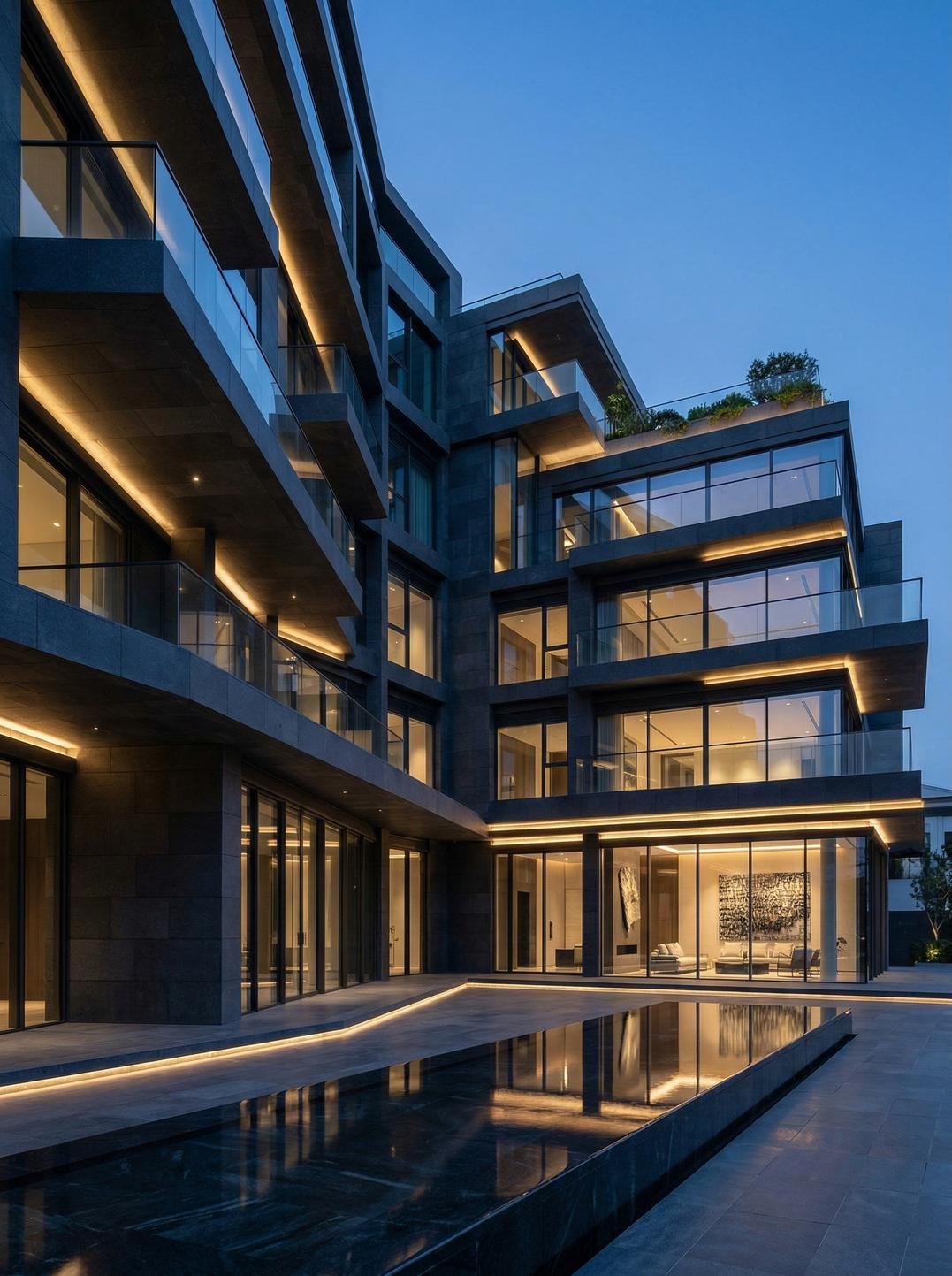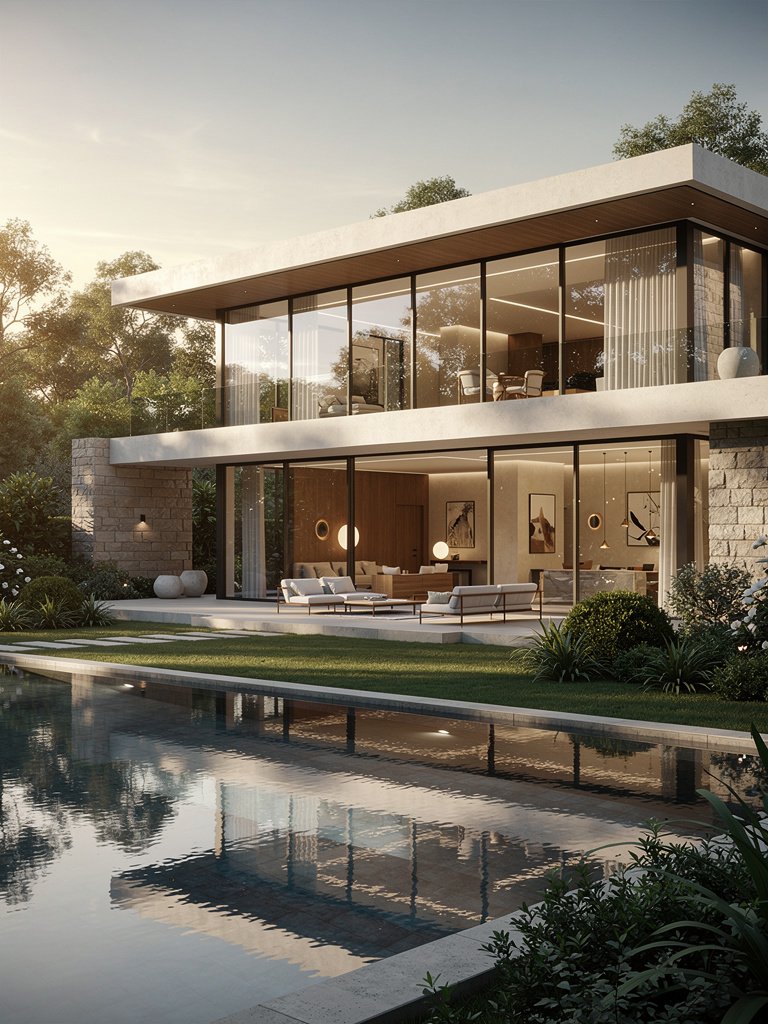

Off-plan property sales depend on one thing above all others: the buyer’s willingness to project their future life into an image of something that does not yet exist. That willingness is earned, not given — and the quality of your renders either earns it or destroys it in the first impression.
A meticulous pre-construction marketing strategy treats every architectural render as a direct revenue generation tool, not just an aesthetic afterthought. Every dollar saved on cheap visualization scales into thousands of dollars lost during the critical negotiation phase. Developers must view photorealistic accuracy as a vital business defense mechanism against buyer hesitation.
Table of Contents
1. Why Most off plan property Presentations Fail Before the Meeting Starts
When a developer sits down to pitch a luxury high-rise, the initial three seconds of visual exposure dictate the financial posture of the entire negotiation. Poor quality renders immediately signal a lack of capital, causing buyers to subconsciously devalue the off plan property before commercial terms are even discussed. This visual discount translates into a measurable loss of negotiating leverage, forcing sales teams to compete on price rather than lifestyle value.
To secure premium presales, every rendering must function as verifiable proof of execution for the development team. High-net-worth buyers expect absolute photorealism to mitigate their perceived investment risk in an off plan property. When the visual fidelity matches the premium asking price, developers easily maintain their market positioning and successfully protect their profit margins.
Furthermore, unconvincing visuals drastically prolong the decision-making process for potential buyers and institutional investment committees. Extended deliberation periods tie up developer capital and delay construction milestones, severely impacting the overall project profitability. Accurate visual storytelling removes financial friction from the sales pipeline, rapidly converting hesitant prospects into committed stakeholders.
2. The Four-Stage Workflow Behind a High-Converting Pre-Sales Campaign
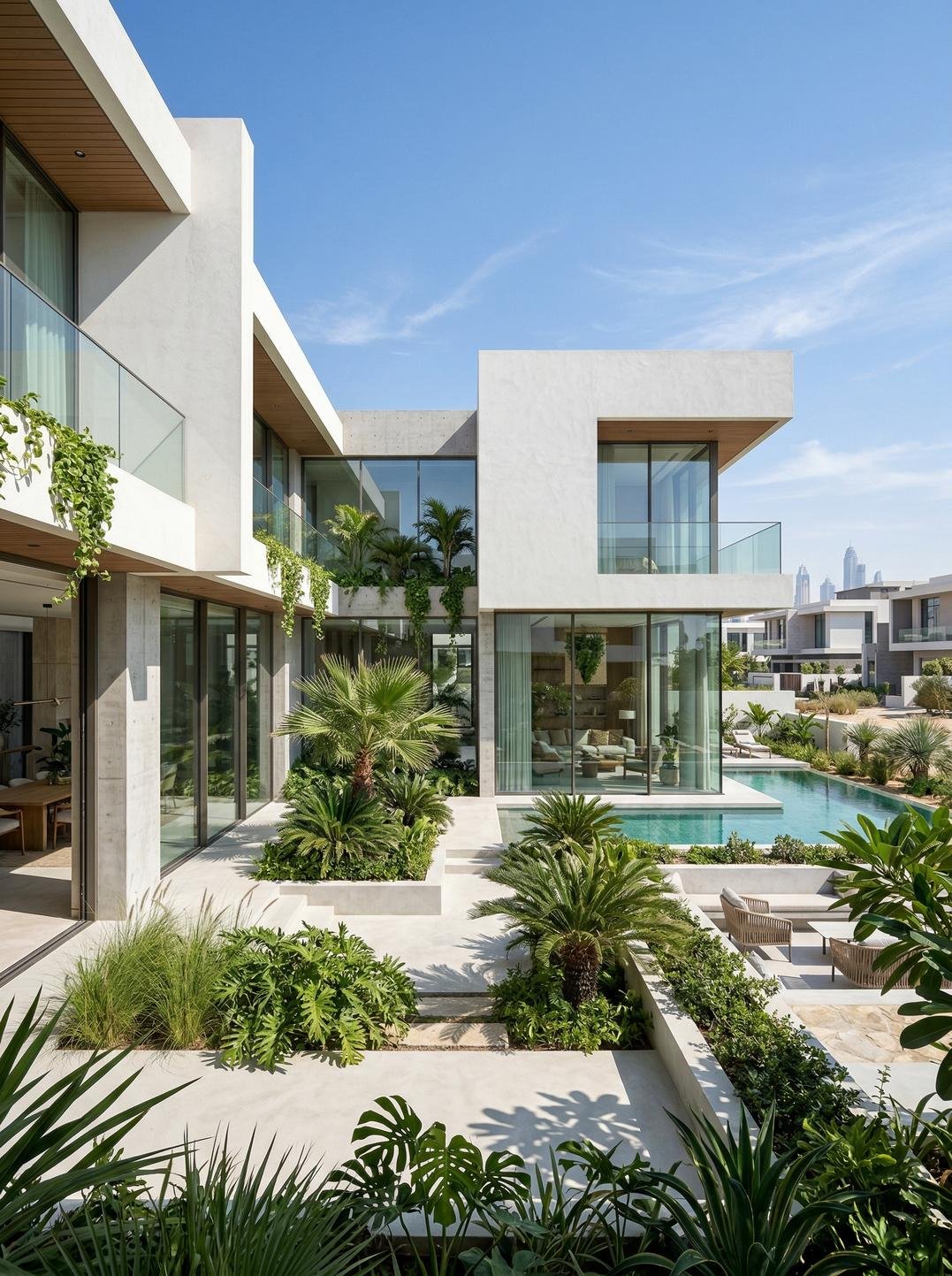
Executing a highly profitable pre-construction marketing strategy requires aligning the architectural visualization process with your primary financial milestones. The first stage involves spatial auditing, where our studio analyzes the architectural floor plans to identify the most commercially viable camera angles. We prioritize views that highlight premium amenities and unique selling propositions, ensuring every off plan property render directly supports the core sales narrative.
The second stage focuses on demographic-specific styling, tailoring the interior lighting and furnishings to the exact buyer persona you intend to capture. Without this targeted approach, generic staging utterly fails to justify premium price-per-square-foot metrics to sophisticated buyers. Every furniture selection, texture map, and lighting angle is strictly reverse-engineered from the financial targets of the development.
Stage three introduces atmospheric layering, utilizing precise lighting calculations to evoke a psychological response that accelerates the buyer’s commitment timeline. Finally, stage four delivers the high-resolution assets directly integrated into the broader pre-construction marketing strategy, guaranteeing strict visual consistency. This standardized commercial workflow prevents costly marketing delays and ensures sales teams have the necessary collateral exactly when the presale window opens.
3. How Accurate Renders Reduce Revision Cycles by Half

Inefficient visualization workflows drain project budgets through endless revision cycles and severely delayed go-to-market timelines. When studios lack baseline architectural comprehension, developers spend expensive executive hours correcting fundamental structural mistakes in the early drafts. Selecting an expert visualization partner eliminates these costly bottlenecks, allowing the sales team to launch the off plan property campaign weeks ahead of schedule.
Accelerated speed to market directly improves the internal rate of return (IRR) by securing early capital deposits much faster. By bypassing unnecessary correction loops, internal marketing departments can deploy their pre-construction marketing strategy without ever breaking momentum. Time saved during the digital visualization phase equates directly to reduced carrying costs on the primary land loan.
Furthermore, hyper-accurate visualizations prevent costly post-purchase disputes by ensuring the marketing material perfectly aligns with the final physical deliverable. Buyers confidently sign binding contracts knowing exactly what they are purchasing, significantly reducing buyer remorse and costly cancellation rates. Delivering absolute clarity through high-end renderings protects the developer from legal friction and reputational damage upon final project handover.
4. The Detail Investors Notice First and Studios Often Miss

Sophisticated investors instantly detect inconsistencies in material finishes, specifically analyzing how natural light interacts with complex surfaces like honed marble or brushed brass. When an off plan property visualization features flat, synthetic lighting, institutional buyers assume the developer is cutting financial corners on actual construction materials. This subtle visual discrepancy creates a massive breach of trust that fundamentally threatens the viability of the entire capital raise.
Top-tier architectural visualization studios treat digital light as a distinct architectural material that verifies the premium quality of the surrounding finishes. By utilizing advanced physically based rendering techniques, we prove the tangible financial value of the pre-construction marketing strategy to the most discerning stakeholders. Flawless material representation ultimately transitions the off plan property from a speculative concept into an undeniable, bankable reality.
In commercial real estate development, missing the micro-details in a digital rendering signals a lack of operational competence at the macro level. When joint venture partners review the visual deck, they actively look for flaws that might indicate deeper structural mismanagement. Producing visually bulletproof renderings functions as a silent audit, proving to stakeholders that the development team operates with uncompromising financial exactness.
5. Conclusion
Visual mediocrity is a silent margin killer that artificially depresses the commercial value of your future real estate developments. Maximizing your presale velocity requires treating your off plan property renderings as the foundational asset of your entire financial strategy. Partner with Arkilex architectural visualization studio today to transform your unbuilt projects into high-converting visual assets that command premium market valuations.
6. FAQs
How does high-end visualization directly impact off plan property pricing?
High-end visualization establishes immediate perceived value, allowing developers to justify premium price-per-square-foot metrics. When an off plan property looks indistinguishable from a completed luxury build, buyers exhibit far less price sensitivity during negotiations. This visual proof of quality effectively eliminates the need to offer early-bird discounts to secure initial reservations.
When should developers initiate their pre-construction marketing strategy?
Developers should begin formulating their pre-construction marketing strategy immediately after schematic designs are approved by local municipalities. Engaging a visualization studio early prevents bottlenecking the sales pipeline and ensures all visual assets are ready before capital raising begins. Early execution guarantees that your internal rate of return remains protected from unexpected marketing delays.
What makes an off plan property render effective for institutional investors?
Institutional investors prioritize architectural accuracy and hyper-realistic material representation over stylized, artistic interpretations. An effective off plan property render acts as visual due diligence, proving that the developer has thoroughly planned the structural and spatial realities of the project. This level of exactness builds boardroom confidence and accelerates funding approvals.
How do realistic visualizations lower the cost of customer acquisition?
Photorealistic renders generate significantly higher engagement rates across digital advertising platforms, actively lowering your cost-per-click. By providing absolute visual clarity upfront, sales teams spend less time overcoming buyer objections regarding unbuilt spaces. This streamlined conversion process dramatically reduces the total marketing spend required to acquire a qualified buyer.
“An absolutely excellent 3D team that I genuinely enjoy working with – always attentive, responsive, and open to adjustments. Communication is seamless and the results consistently meet our expectations. A trusted partner I recommend without hesitation.”
— Sofia Bouziane ★★★★★ · Google review