
Real estate sales velocity is one of the most concrete metrics in property marketing. Developments that sell quickly command attention from investors, unlock better financing terms, and allow developers to reinvest capital faster. The visual quality of a project’s marketing package has a direct and measurable relationship with that velocity.
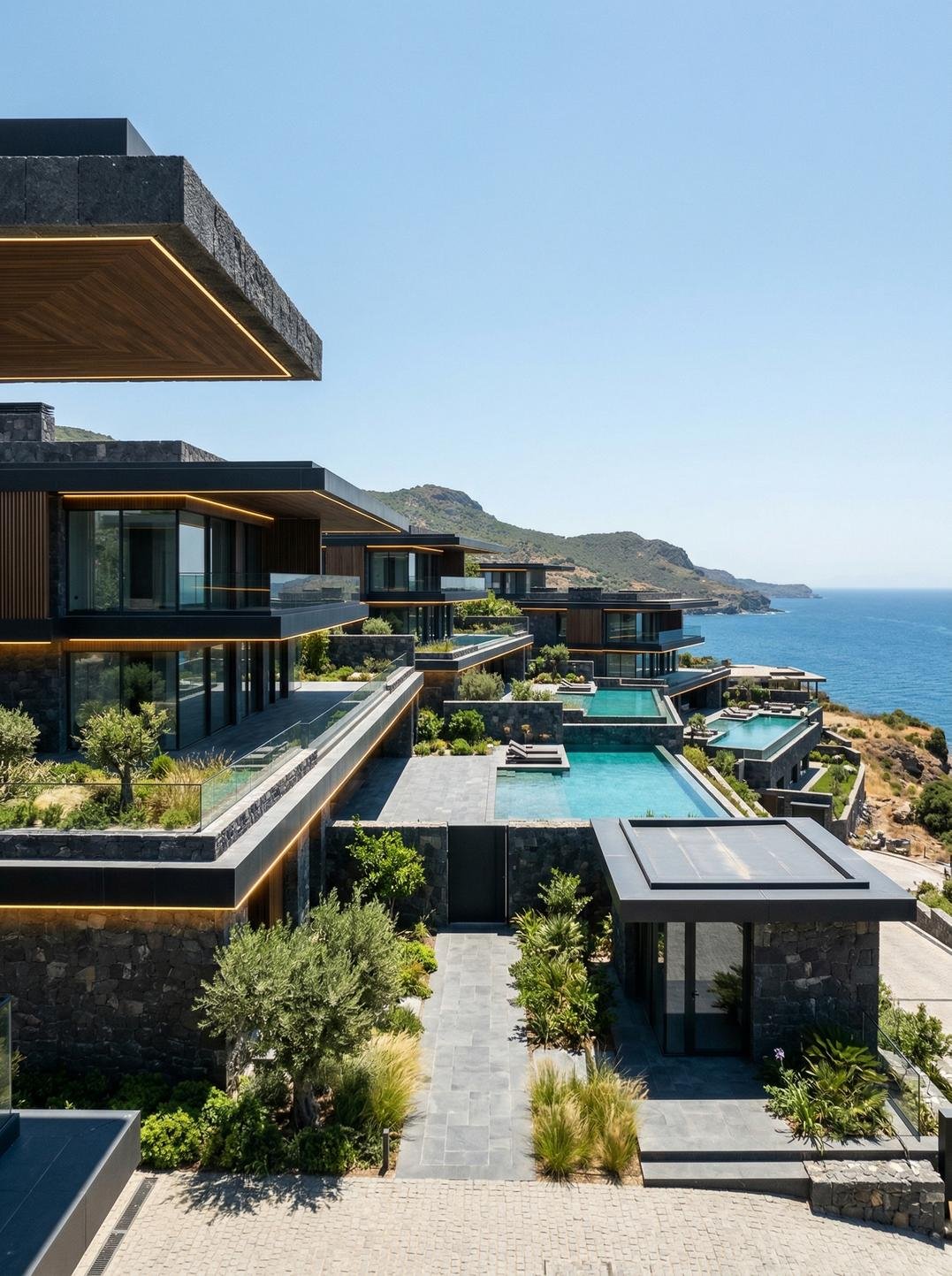
When project funding relies on securing early commitments, the quality of your visual assets shifts from a marketing expense to a critical financial instrument. A proper photorealistic architectural rendering transforms abstract architectural intent into undeniable asset value long before concrete is poured.
Table of Contents
1. Why Subpar 3d visualisation Derails Pre-Sales Velocity
When a prospective buyer or silent partner reviews a development proposal, ambiguity is the enemy of the transaction. If your 3d visualisation lacks spatial accuracy or realistic texturing, the investor’s brain instinctively perceives risk instead of opportunity. This subconscious hesitation routinely extends the sales cycle by weeks, driving up customer acquisition costs.
Developers who treat visual assets as an afterthought frequently face steeper discount demands from early buyers. High-quality 3d visualisation eliminates the mental friction of imagining the finished space, accelerating the timeline to signature. By presenting an undeniable vision of the future asset, you justify premium pricing tiers and protect your projected profit margins.
Failing to invest in top-tier imagery essentially delegates the sales narrative to the buyer’s imagination, which is a massive financial liability. By controlling the visual narrative from day one, you maintain leverage during all early-stage price negotiations. A sharp, undeniable image effectively anchors the asset’s valuation firmly in the mind of the stakeholder.
2. How Accurate Material Workflows Reduce Capital Risk Before Breaking Ground
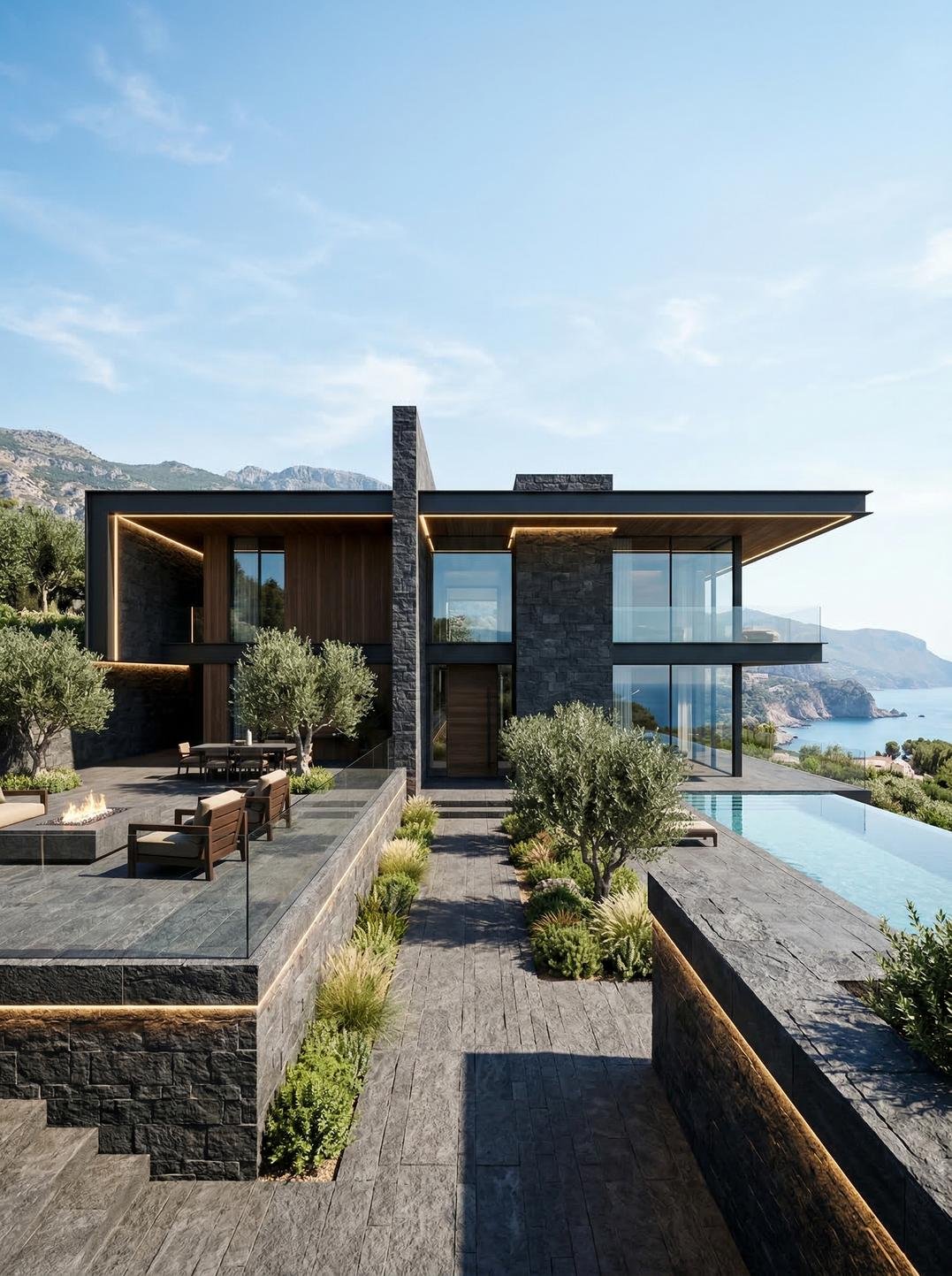
Procurement mistakes on large-scale commercial builds often cost millions, but many of these errors stem from a failure to digitally prototype finishes. A rigorous 3d visualisation workflow allows developers and architects to stress-test expensive material selections under simulated lighting conditions. Spotting a visual clash between an imported marble facade and local ambient light before ordering saves the firm from devastating change orders.
This process relies heavily on exact material mapping during the production of a photorealistic architectural rendering. Instead of hoping a physical sample translates well to a massive lobby scale, development teams can analyze the exact visual impact in advance. Validating these architectural decisions digitally protects the construction budget and ensures the final build aligns perfectly with the initial financial model.
Furthermore, engaging with these digital assets allows project managers to align subcontractor expectations before breaking ground. When the entire construction team clearly visualizes the required level of finish, costly rework and miscommunications plummet. Ultimately, this proactive approach to spatial planning shields the project’s internal rate of return from unexpected construction delays.
3. What Institutional Investors Demand From Development Pitches

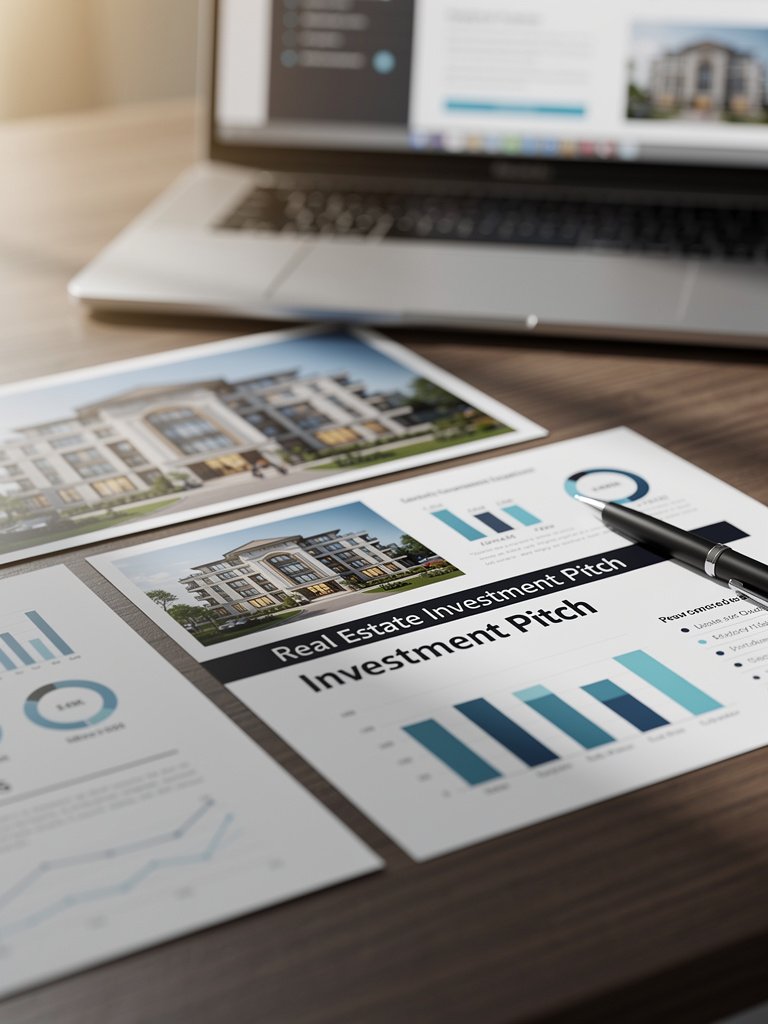
Securing tier-one institutional capital requires more than a robust pro forma; it demands definitive proof of execution capability. Sophisticated funding partners use the quality of your pitch materials as a proxy for how you manage the entire development lifecycle. Presenting a flawless photorealistic architectural rendering signals operational maturity, rigorous attention to detail, and a deep understanding of market positioning.
A boardroom presentation heavily supported by precise 3d visualisation answers unasked questions about spatial planning and tenant flow. When investors can mentally walk the site, they spend less time interrogating the schematic viability and more time discussing financial structuring. This level of professional execution effectively lowers the perceived barrier to entry, making your project a safer bet for their portfolio.
Institutions analyze how a developer communicates just as closely as they analyze the underwriting data. A compelling presentation implies a sophisticated operational standard that institutional funds actively trust with their capital. By elevating your pitch materials, you fundamentally upgrade the caliber of financial partners willing to back your portfolio.
4. The Hidden Financial Drain Behind Misaligned Lighting Scenarios
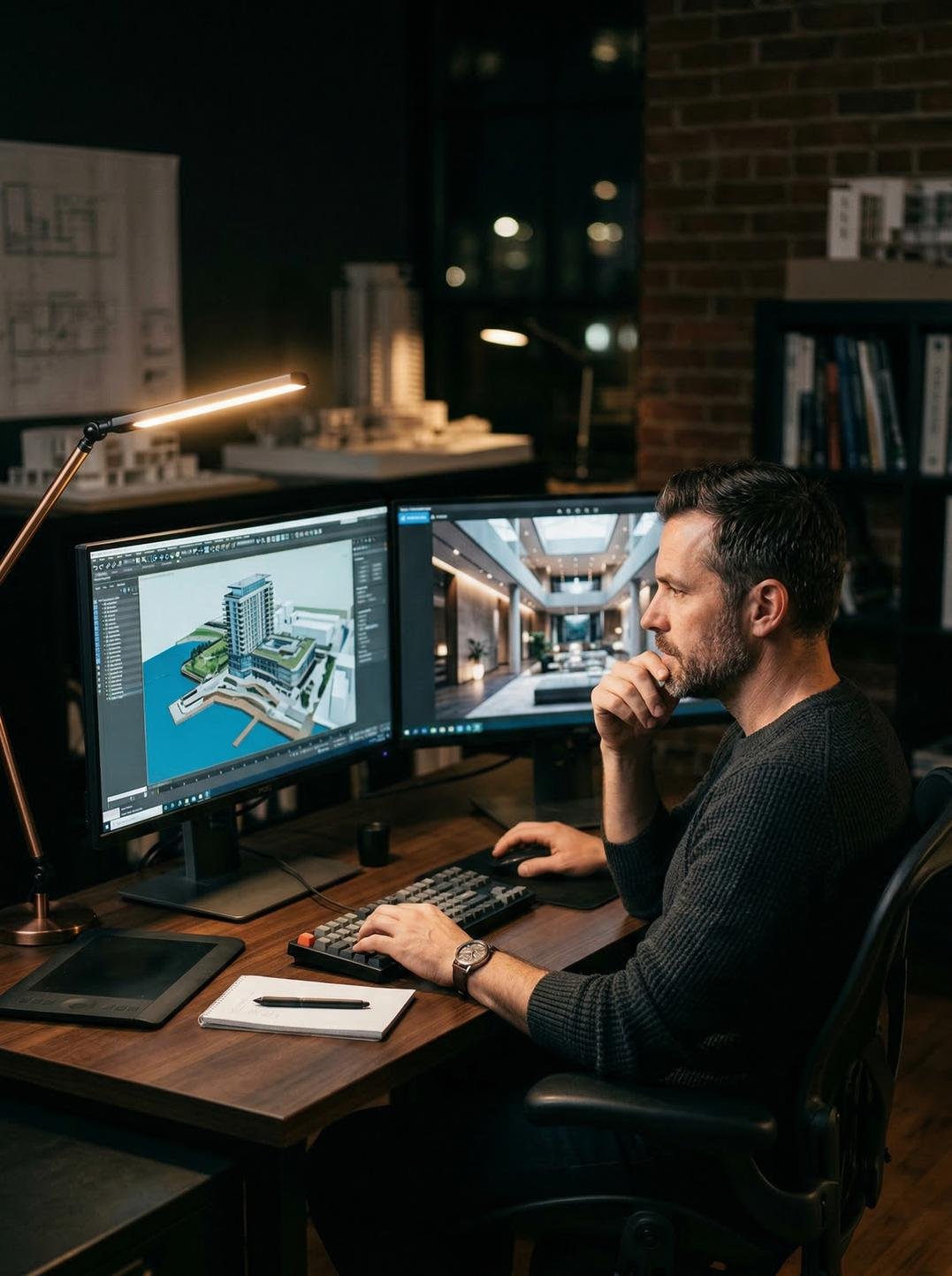
Lighting is rarely considered a financial metric, yet misrepresenting daylighting in pre-construction assets directly damages buyer trust upon delivery. If a residential unit is sold based on a hyper-illuminated 3d visualisation that defies the actual geographical sun path, cancellation rates inevitably spike during site walkthroughs. Refunding deposits and remarketing units at the final stage of development rapidly erodes expected project yields.
Producing a scientifically accurate photorealistic architectural rendering requires matching digital sun positioning with the exact longitude and latitude of the site. This transparency ensures that the visual promise matches the final physical reality, safeguarding the developer’s reputation for future capital raises. By anchoring your 3d visualisation in physical truth, you completely eliminate the post-construction liability of unmet buyer expectations.
Moreover, modern buyers are highly attuned to visual deception and will rapidly walk away from projects that feel misrepresented. Protecting your brand equity in a competitive real estate market is far more valuable than cutting corners on visual production. Genuine, physically accurate imagery serves as a crucial trust-building asset that pays dividends across multiple development cycles.
5. Conclusion
Treating architectural imagery as a mere marketing checklist item is a fundamental misallocation of a powerful business tool. High-fidelity 3d visualisation serves as a risk mitigation strategy that accelerates sales, secures capital, and protects pro forma margins. To transform your upcoming project blueprints into compelling, revenue-generating financial assets, partner with Arkilex for your next development phase.
6. FAQs
How does precise 3d visualisation impact the duration of the pre-sales cycle?
By removing visual ambiguity, high-quality renders give early buyers the confidence to commit without waiting for a physical model unit to be built. This clarity routinely shaves weeks off the sales timeline, reducing carrying costs and substantially improving project cash flow.
What is the ROI of commissioning a photorealistic architectural rendering?
The return on investment manifests in faster capital raises, justified premium pricing, and the elimination of expensive physical material mockups. For most commercial developments, the upfront cost of top-tier rendering is easily offset by securing just one early anchor tenant.
Can accurate 3d visualisation help prevent construction change orders?
Yes, digital prototyping allows development teams to spot spatial design clashes and material misalignments long before procurement begins. Resolving these aesthetic and structural issues in the virtual space prevents costly delays and physical rework on the active job site.
Why do institutional investors care about the quality of visual pitch assets?
Investors view the precision of your pitch materials as a direct reflection of the developer’s overall management competence and attention to detail. Superior visual assets demonstrate market readiness and significantly lower the perceived financial risk of backing the proposed development.
“An exemplary collaboration with Arkilex. We brought them in to visualize several projects and the result is simply impressive. Beyond the visual quality, their time management is flawless – deadlines met with rare precision. A trustworthy, responsive, professional partner I highly recommend.”
— Aquaya Maroc ★★★★★ · Google review