
In the high-stakes world of real estate development, the ability to communicate spatial potential is the difference between a stalled project and a rapid sell-out. Traditional 2D blueprints, while technically necessary for construction, often fail to ignite the emotional connection required to close a sale with prospective buyers or investors. This is where high-quality visualization bridges the gap. Specifically, investing in professional 3D floor plans for property developers has shifted from a luxury add-on to a fundamental marketing necessity.
By translating flat lines into immersive, furnished volumes, you allow the viewer to mentally inhabit the space before the foundation is even poured. This immediate comprehension reduces sales friction and establishes a perception of premium quality. For stakeholders and B2B partners, these visualizations provide clarity that technical CAD drawings simply cannot conveying, ensuring that the architectural intent is understood and appreciated. As the market becomes increasingly competitive, utilizing advanced 3D floor plans for property developers is a strategic lever to accelerate pre-sales and secure project funding.
Table of Contents
1. Maximizing ROI with 3D Floor Plans for Property Developers
The primary objective of any marketing collateral in real estate is to shorten the sales cycle and increase the perceived value of the unit. When we analyze the Return on Investment (ROI) of visualization, we look beyond the initial cost of the rendering to the speed of the transaction. 3D floor plans for property developers offer a tangible return by removing ambiguity. A confused buyer—or investor—hesitates. By presenting a clear, furnished layout, you answer questions about flow, scale, and utility instantly.
Furthermore, these assets are versatile. While architectural rendering for developers often focuses on striking exterior facades or hero shots of amenities, the floor plan is the workhorse of the sales brochure. It is the asset that buyers return to repeatedly when debating a purchase. High-quality 3D plans allow developers to command higher prices per square foot because the value of that square footage is visually demonstrated. Instead of asking a client to imagine how a king-sized bed fits in the master suite, the 3D plan proves it, solidifying the layout’s viability and boosting buyer confidence.
2. The Workflow Behind High-End 3D Floor Plans for Property Developers
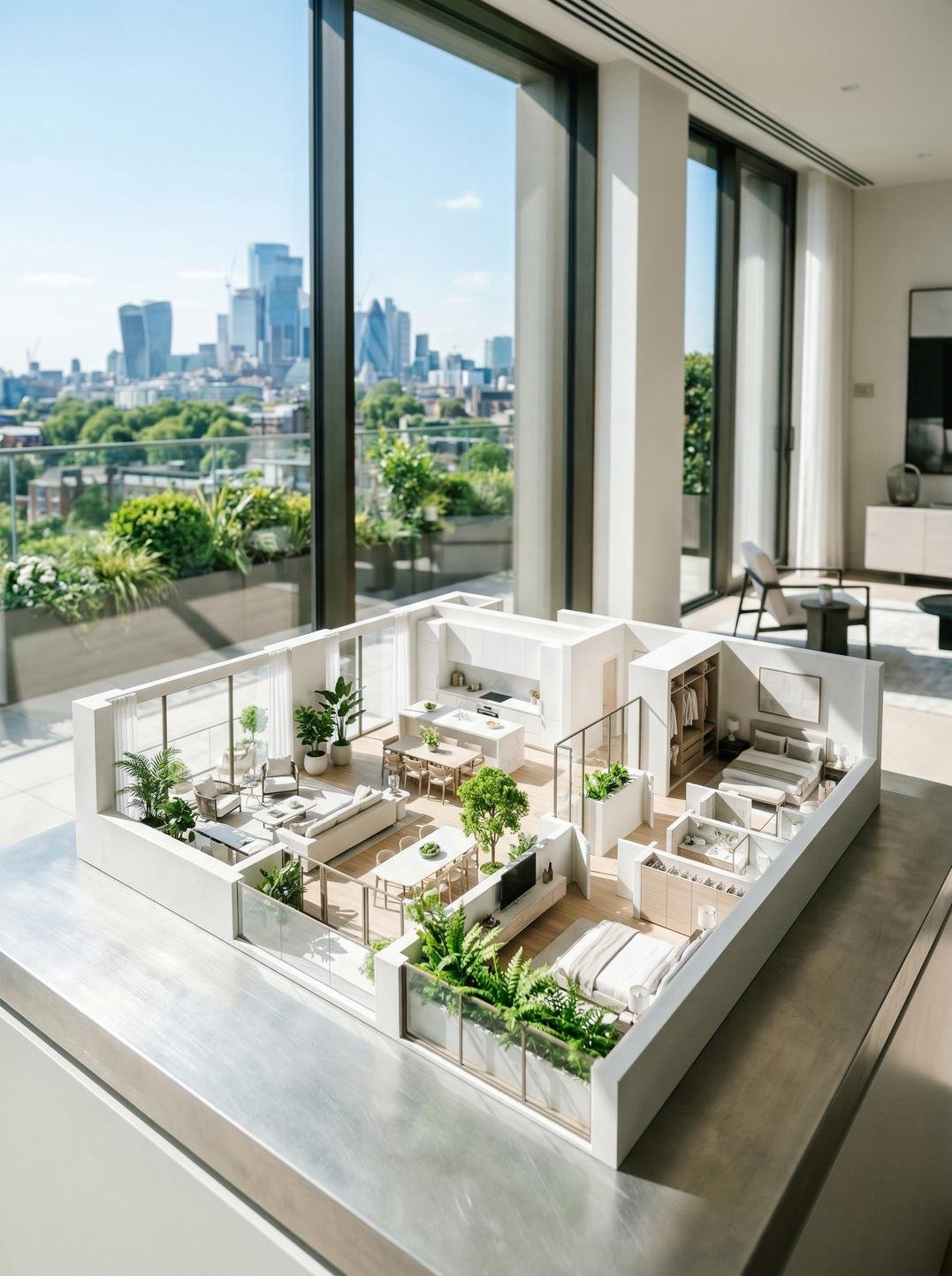
Creating top-tier visualization is not merely an artistic endeavor; it is a disciplined technical workflow designed to ensure accuracy and aesthetic appeal. The process begins with the developer’s CAD files or BIM models. However, raw data is insufficient for marketing. The 3D artist must interpret these technical constraints into a lifestyle narrative. This stage involves selecting materials, determining lighting angles that highlight spatial depth, and curating furniture packages that align with the target demographic’s tastes.
It is during this workflow that the integration of 3D floor plans for property developers becomes a collaborative effort between the architect and the visualization studio. The team must decide on the “cut level”—usually roughly 1.5 meters from the floor—to reveal the layout while preserving key vertical elements like windows and joinery. This specific type of architectural rendering for developers requires a keen understanding of interior design principles. If the workflow is rushed or lacks strict quality control, the resulting image can look sterile or disproportionate. A successful workflow prioritizes photorealism, ensuring that textures like hardwood grain or marble veining are discernible, adding a layer of luxury that 2D line drawings cannot emulate.
3. Strategic Execution of 3D Floor Plans for Property Developers
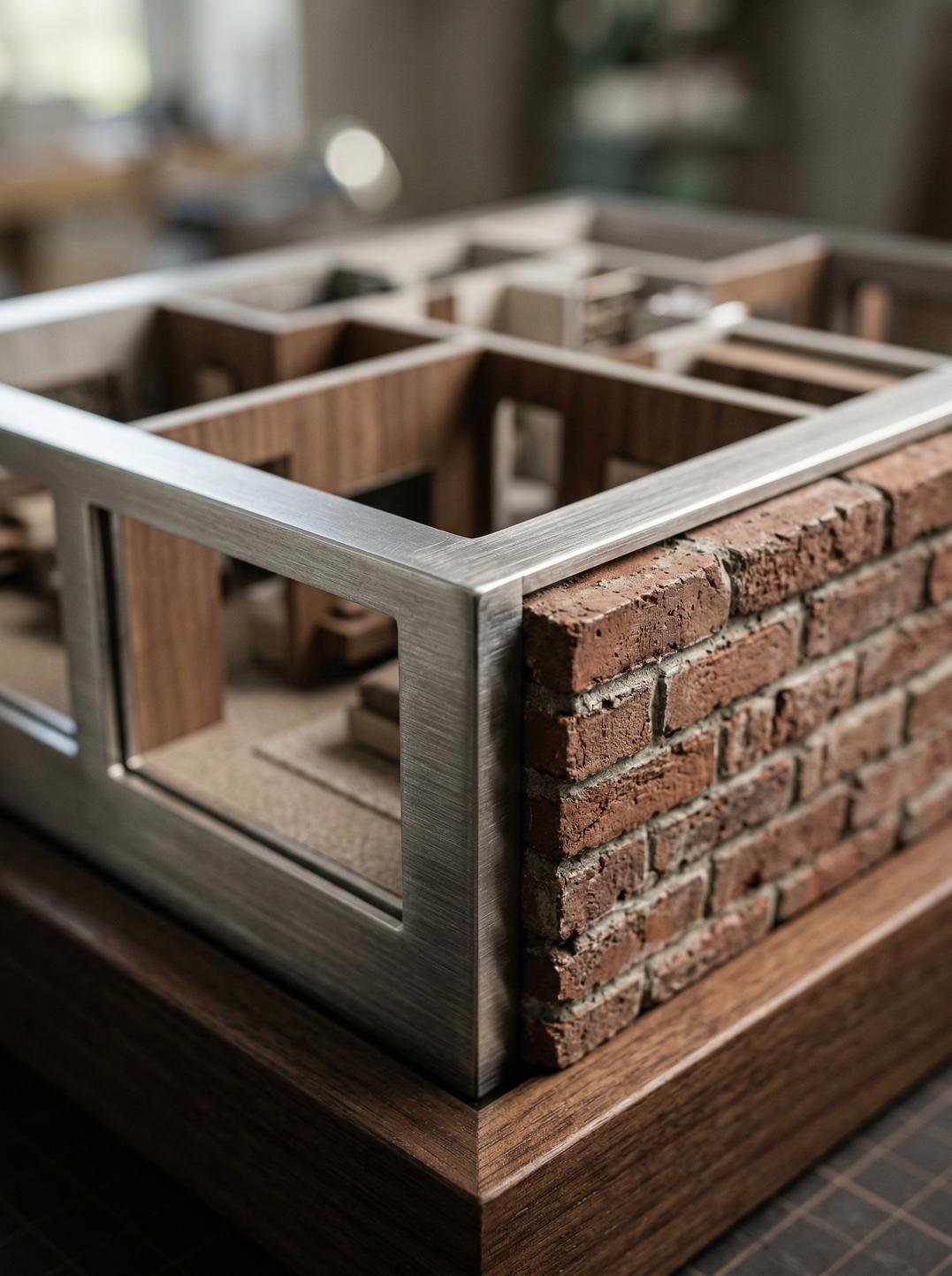
Once the assets are created, how they are deployed determines their effectiveness. Top-tier developers do not simply upload these images to a listing portal; they integrate them into a broader digital ecosystem. 3D floor plans for property developers are most effective when used as interactive tools. This might involve clickable hotspots on a project website that reveal material specifications or “bird’s eye” views that transition smoothly into eye-level virtual tours.
Professional execution also means consistency across marketing channels. The lighting and color palette used in the floor plans must match the exterior architectural rendering for developers to create a cohesive brand identity. If the exterior rendering suggests a moody, dusk atmosphere, but the floor plan is lit with harsh, bright daylight, the visual disconnect can jar the buyer. Sophisticated developers use these plans in investor pitch decks to demonstrate unit mix efficiency and in sales centers on large touchscreens, allowing agents to zoom in on specific zones. This level of execution transforms a static image into a dynamic sales instrument, proving that the developer has meticulously planned every inch of the property.
4. Common Pitfalls When Commissioning 3D Floor Plans for Property Developers

Despite the benefits, many projects suffer from poorly executed visualization. One of the most frequent mistakes is incorrect scaling of furniture. To make a room appear larger, some marketers will shrink the furniture in the 3D model. This is a dangerous tactic. Experienced buyers and astute investors spot these discrepancies immediately, leading to a loss of trust. Authentic 3D floor plans for property developers rely on accurate, real-world scaling to manage expectations and avoid legal complications post-construction.
Another common pitfall is ignoring the context of lighting. While architectural rendering for developers often allows for dramatic shadowing, a floor plan needs to remain legible. Over-dramatizing the shadows can obscure corners or make spaces feel claustrophobic. Furthermore, over-cluttering the scene with too many decorative props (propping) can distract from the flow of the architecture. The goal is to sell the space, not the decor. Developers must ensure their visualization partners understand the balance between “lived-in” appeal and architectural clarity. By avoiding these errors, you ensure that your 3D floor plans for property developers serve their intended purpose: closing deals efficiently.
5. Conclusion
In the competitive B2B real estate landscape, the quality of your visual assets speaks directly to the quality of your future development. 3D floor plans for property developers are no longer optional; they are a critical component of risk mitigation and sales acceleration. They provide the clarity investors need to fund projects and the emotional hook buyers need to commit to unbuilt properties. By understanding the workflow, executing strategically, and avoiding common scaling pitfalls, developers can significantly enhance their project’s marketability.
At Arkilex, we specialize in high-end architectural visualization that turns blueprints into revenue. Whether you need comprehensive architectural rendering for developers or detailed interior layouts, our team ensures every pixel adds value to your portfolio. Contact Arkilex today to elevate your next development.
6. FAQs
What is the standard turnaround time for 3D floor plans?
For standard residential units, high-quality 3D floor plans typically take 3 to 5 business days from the receipt of final CAD files. However, larger commercial spaces or complex multi-unit developments may require 7 to 10 business days depending on the level of detailing and furniture customization required.
How do 3D floor plans differ from standard 2D CAD drawings?
2D CAD drawings are technical schematics used for construction, focusing on dimensions and structural elements. 3D floor plans are marketing tools that add volume, texture, lighting, and furniture to visualize the lifestyle and flow of the property, making it easier for non-professionals to understand spatial relationships.
Can architectural rendering for developers be integrated into VR?
Yes, modern rendering pipelines allow 3D floor plans and architectural visualizations to be exported for Virtual Reality (VR) environments. This allows prospective buyers to “walk through” the unit using a headset or 360-degree web viewer, providing an immersive experience that significantly boosts pre-sales engagement.
What files do developers need to provide to start the rendering process?
To begin, visualization studios require current architectural drawings (DWG or PDF), including floor plans and reflected ceiling plans. Additionally, providing a material schedule (specifying flooring, wall colors, and joinery) and a mood board for furniture style ensures the final output aligns perfectly with your marketing vision.