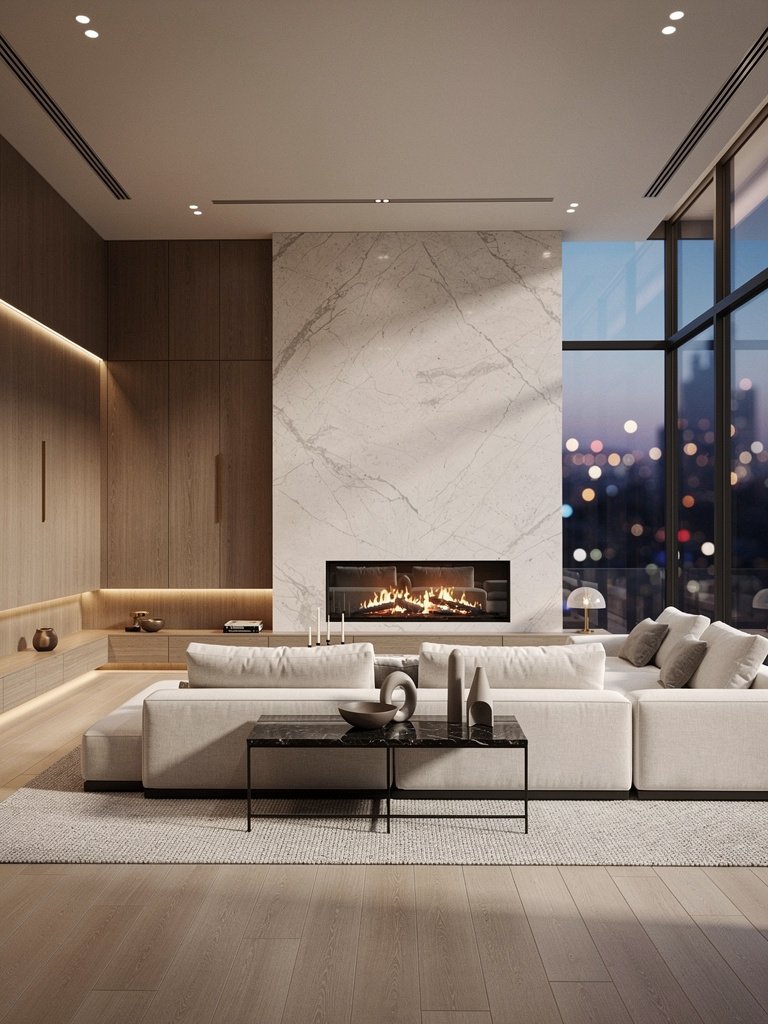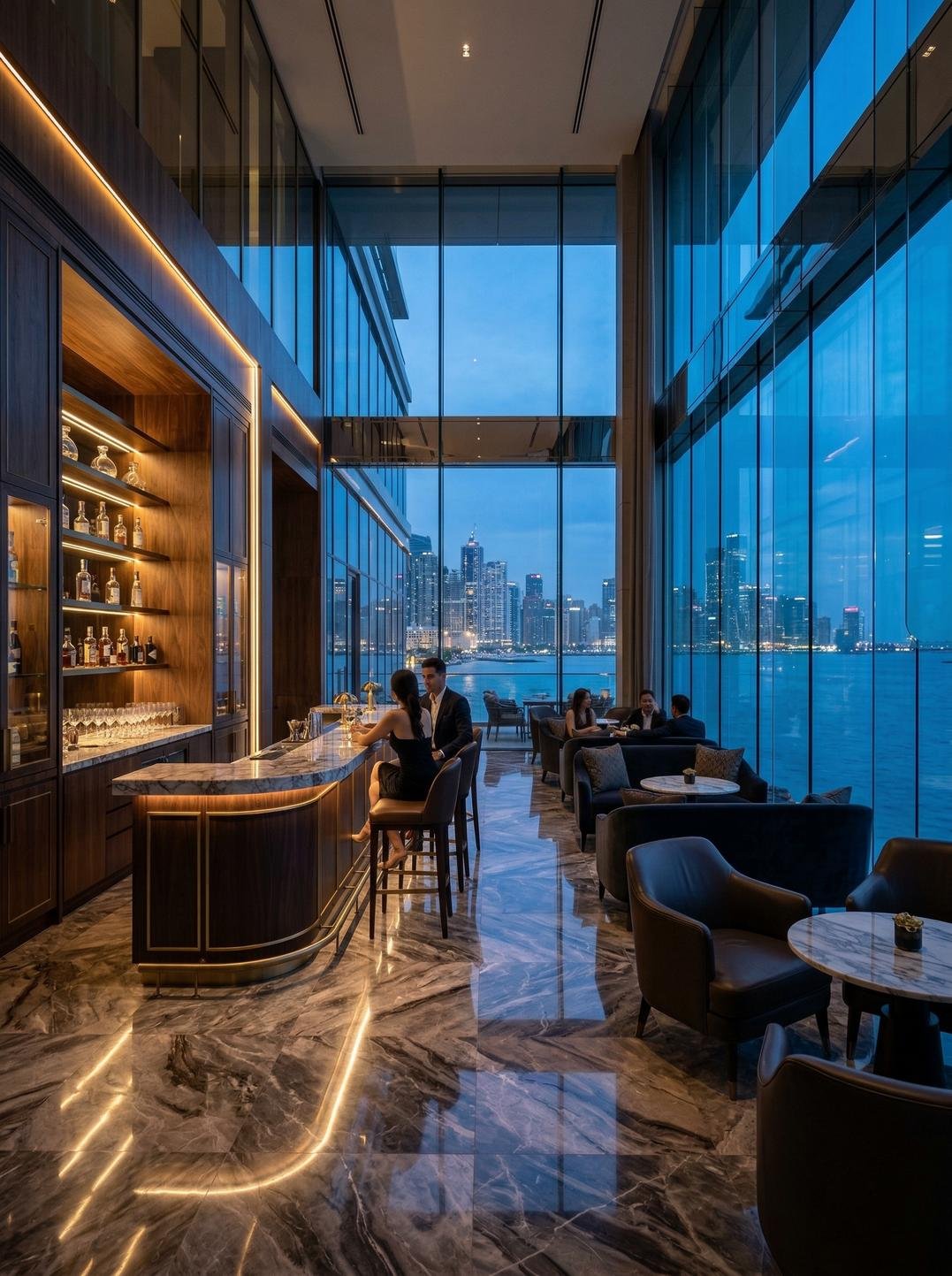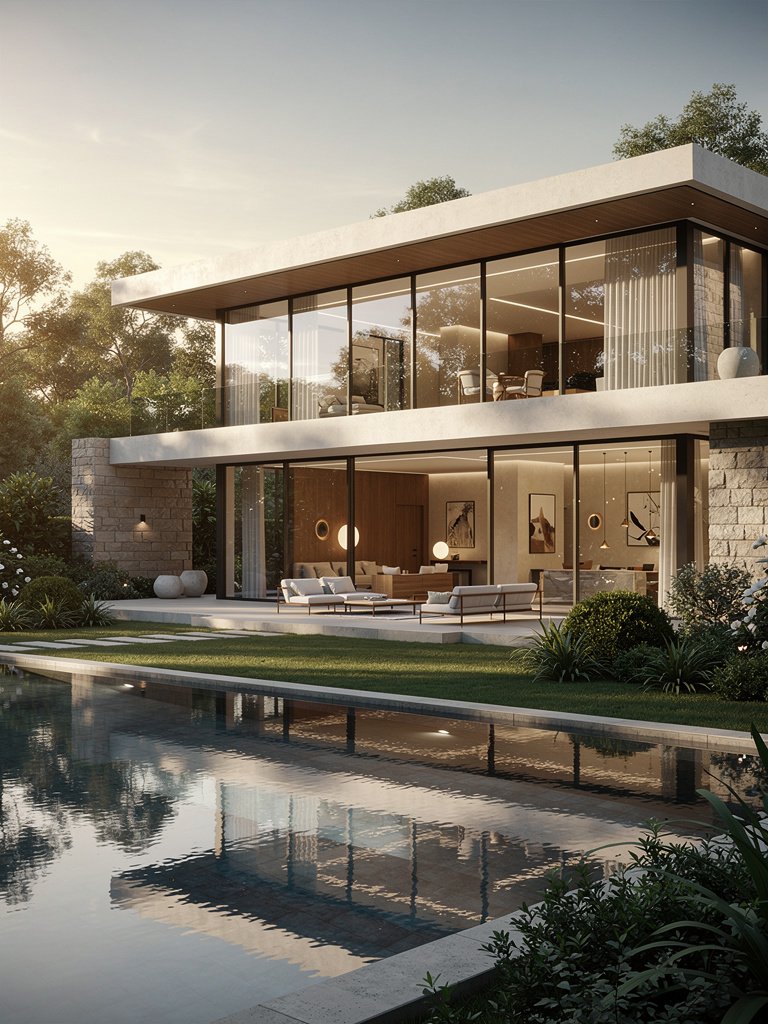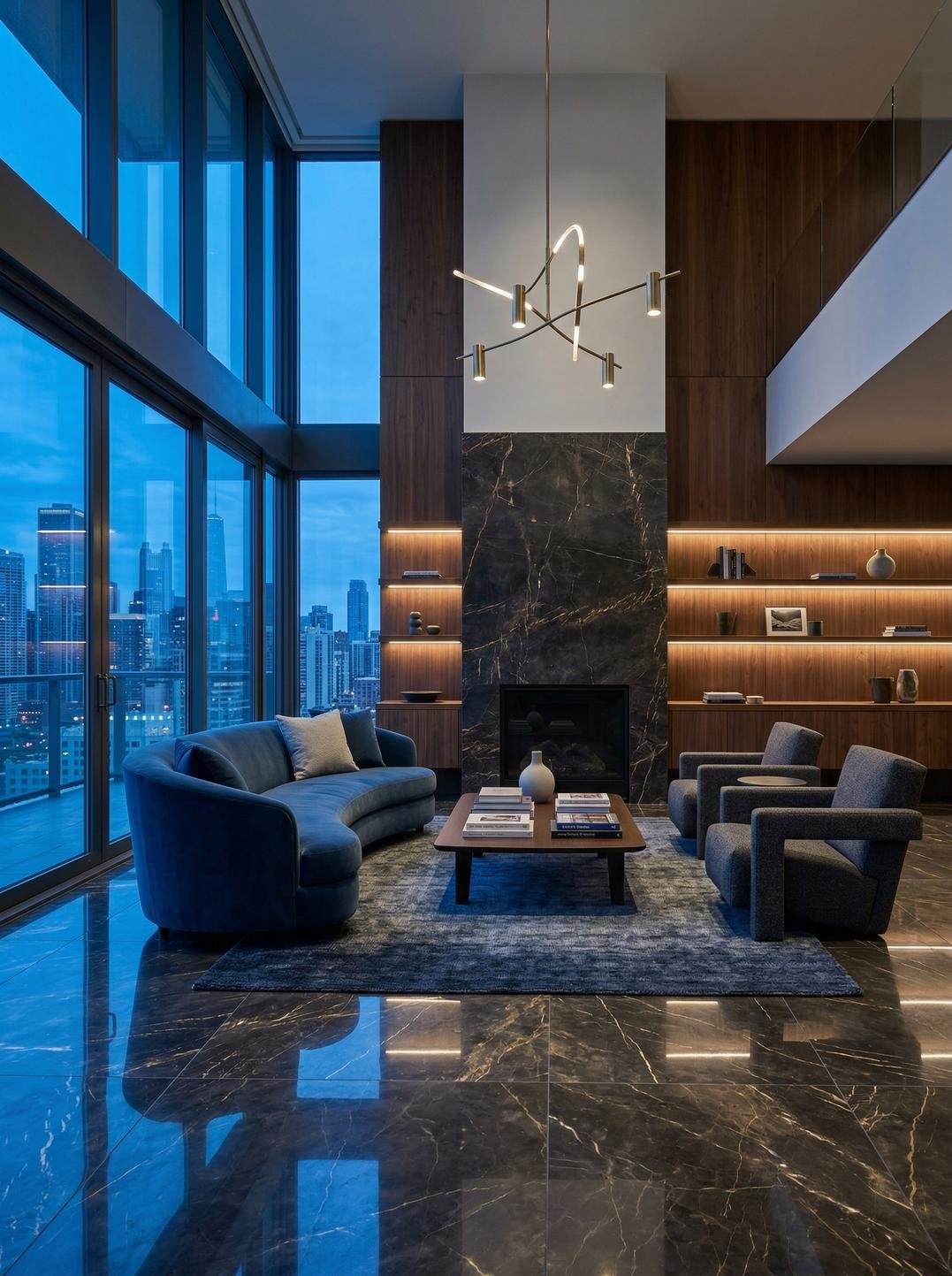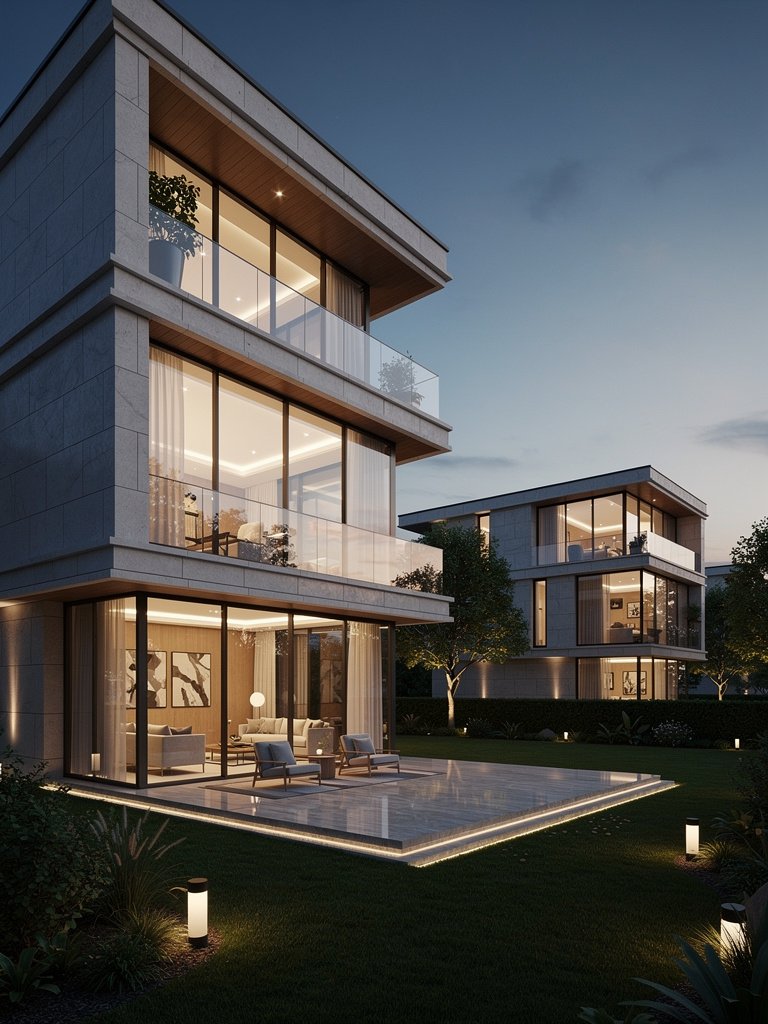

The gap between a blueprint and a buyer’s emotional connection is often where real estate deals stall. In the high-stakes world of property development, reliance on static 2D floor plans or even standard 3D renders is becoming rapidly obsolete. Today, sophisticated investors and high-net-worth buyers demand an immersive experience before breaking ground. This is where virtual reality architecture walkthroughs have revolutionized the pre-construction sales process, transforming abstract concepts into tangible, explorable environments.
For developers and architects, the ability to transport a client inside an unbuilt structure is not just a technological gimmick; it is a critical sales tool. By leveraging advanced rendering engines, we can now simulate lighting, texture, and spatial flow with photorealistic accuracy. Implementing virtual reality architecture walkthroughs early in the marketing phase allows stakeholders to validate designs and buyers to commit with confidence, significantly shortening the sales cycle.
Table of Contents
1. ROI Impact of High-End Virtual Reality Architecture Walkthroughs
In the competitive B2B real estate market, Return on Investment (ROI) is the ultimate metric. Integrating immersive technology is an investment in risk mitigation and accelerated liquidity. When you provide potential tenants or buyers with virtual reality architecture walkthroughs, you are effectively removing the “imagination barrier.” Clients no longer need to guess how sunlight hits the penthouse at 5:00 PM or how the lobby flow feels during peak hours; they experience it.
Data suggests that properties marketing with immersive tech see faster closing rates. This is because VR architectural visualization creates an emotional anchor that static images simply cannot match. Furthermore, these walkthroughs serve a dual purpose. Beyond marketing, they are instrumental in the design development phase. Detecting clashes or spatial issues in a virtual environment is infinitely cheaper than fixing them on the construction site. By utilizing Virtual reality architecture walkthroughs, developers can significantly reduce change orders, ensuring the project stays on budget while simultaneously warming up the sales pipeline.
2. The Production Workflow Behind Virtual Reality Architecture Walkthroughs
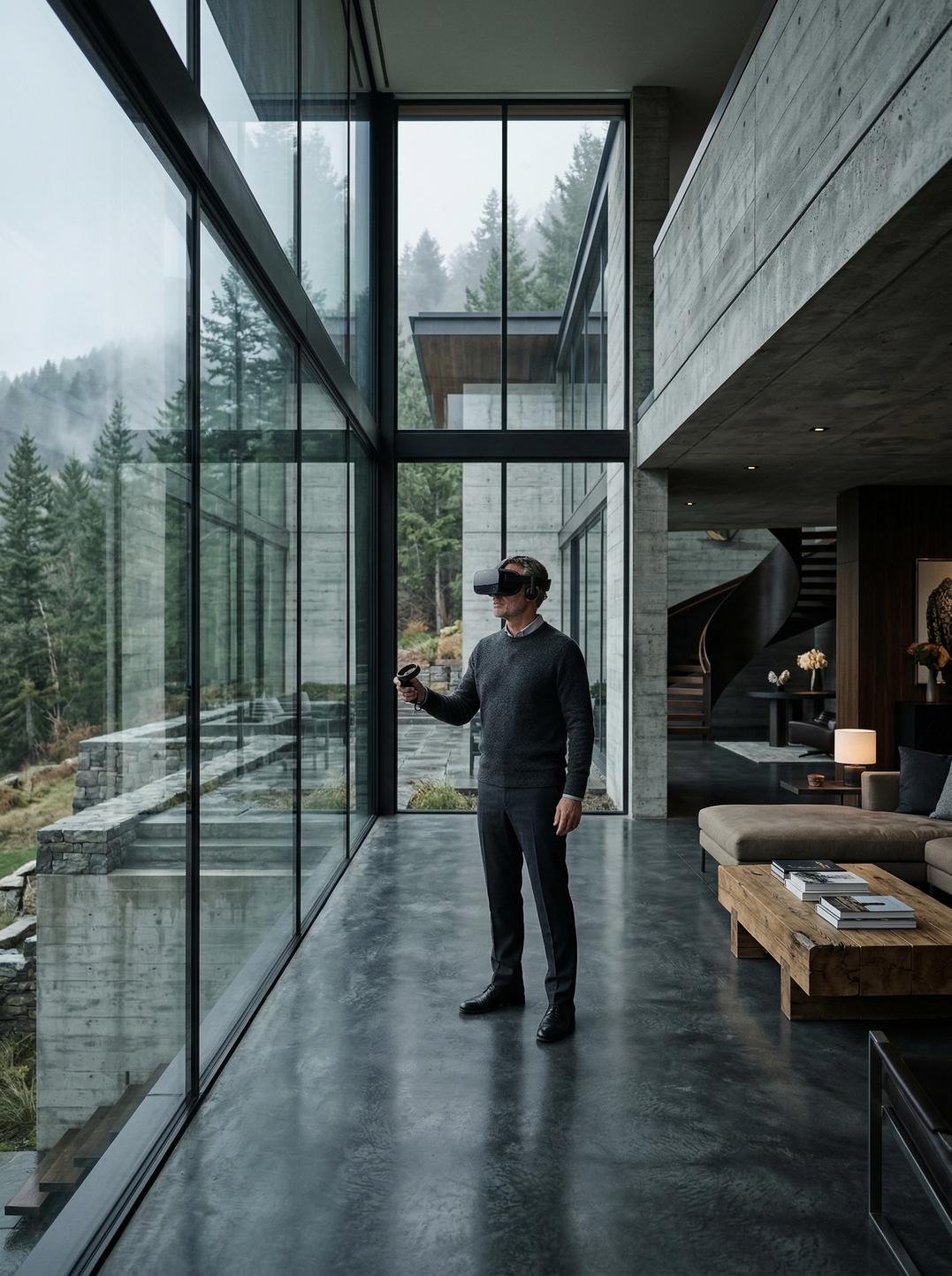
Creating a seamless virtual experience requires a rigorous, technical workflow that bridges architectural precision with game-design psychology. The process begins with the optimization of heavy BIM models (from Revit or Rhino) into geometry that real-time engines like Unreal Engine 5 or Unity can handle without lagging. This optimization is crucial because high-fidelity virtual reality architecture walkthroughs must run at high frame rates to prevent motion sickness and maintain immersion.
Once the geometry is optimized, artists apply high-resolution textures and bake lighting to simulate global illumination. This is where the magic happens. The difference between a cartoonish environment and a photorealistic one lies in the handling of light and material physics. During this phase, VR architectural visualization specialists also program interactivity. This allows the user to change floor finishes, swap kitchen cabinetry, or adjust lighting scenarios instantly within the headset. This level of customization empowers the buyer, giving them a sense of ownership over the space before the foundation is even poured. By following a structured workflow, the final virtual reality architecture walkthroughs become versatile assets usable across VR headsets, desktop applications, and web browsers.
3. How Market Leaders Deploy Virtual Reality Architecture Walkthroughs
Top-tier developers are no longer using VR merely as a “nice-to-have” add-on; they are building entire marketing suites around it. In luxury residential developments, sales centers are equipped with high-end headsets where agents guide prospects through a curated narrative of the property. However, the deployment of virtual reality architecture walkthroughs extends beyond the physical showroom.
With the rise of cloud streaming, developers can now stream these heavy interactive files directly to a client’s web browser anywhere in the world. This remote capability is vital for attracting international investors who cannot visit the site physically. Leaders in the space also utilize VR architectural visualization for stakeholder presentations to city councils and zoning boards. Showing a photorealistic, immersive representation of how a new tower integrates with the existing skyline is far more persuasive than abstract elevations. Consequently, projects utilizing virtual reality architecture walkthroughs often see smoother approval processes, as decision-makers can clearly understand the project’s scale and impact.
4. Avoiding Mistakes in Virtual Reality Architecture Walkthroughs

Despite the clear benefits, poor execution can backfire. A common pitfall in B2B adoption is prioritizing resolution over performance. If virtual reality architecture walkthroughs suffer from low frame rates (stuttering), the user experience is ruined, potentially causing physical nausea. It is critical to balance visual fidelity with smooth performance optimization.
Another frequent mistake is neglecting the user interface (UI). In a VR architectural visualization, the controls must be intuitive. If a potential investor struggles to navigate from the hallway to the bedroom, they focus on the frustration rather than the architecture. Furthermore, developers sometimes overlook the importance of audio. Spatial sound—the echo of a lobby or the muted quiet of a bedroom—adds a layer of subconscious realism that elevates the experience. To maximize the effectiveness of virtual reality architecture walkthroughs, developers must partner with visualization studios that understand both the artistic nuance of architecture and the technical constraints of VR hardware.
5. Conclusion
The real estate landscape is shifting towards total immersion. As competition for capital and buyers intensifies, the ability to present a fully realized vision is a distinct competitive advantage. Virtual reality architecture walkthroughs offer more than just a visual treat; they provide a strategic tool for risk reduction, design validation, and accelerated sales.
For developers and architects ready to elevate their property marketing, the focus must shift from standard rendering to interactive experiences. At Arkilex, we specialize in translating complex architectural data into breathtaking, sales-driving virtual environments.
6. FAQs
What hardware is required to run high-end VR walkthroughs?
For the highest fidelity, a tethered VR headset like the HTC Vive or Meta Quest 3 connected to a PC with a powerful GPU (like an NVIDIA RTX 40-series) is recommended. However, modern cloud-streaming technology now allows high-quality VR architectural visualization to be streamed to standard laptops and tablets without expensive local hardware.
How long does it take to produce a VR architecture walkthrough?
The timeline varies based on the size of the project and the level of interactivity required. A standard residential unit may take 2-4 weeks, while a complex commercial complex with custom interactive elements can take 6-8 weeks. Producing virtual reality architecture walkthroughs requires modeling, texturing, lighting, and optimization phases.
Can VR walkthroughs be used for design validation before marketing?
Absolutely. Many architects use VR architectural visualization during the schematic design and design development phases to check sightlines, spatial flow, and material combinations. This helps identify and resolve design conflicts early, saving significant costs compared to making changes during construction.
Are these walkthroughs compatible with mobile devices?
Yes, through 360-degree tours or pixel-streaming. While full 6-degrees-of-freedom (walking around freely) usually requires a headset or PC, mobile devices can easily display 360-degree panoramic nodes or stream the virtual reality architecture walkthroughs via a web browser with touch controls.