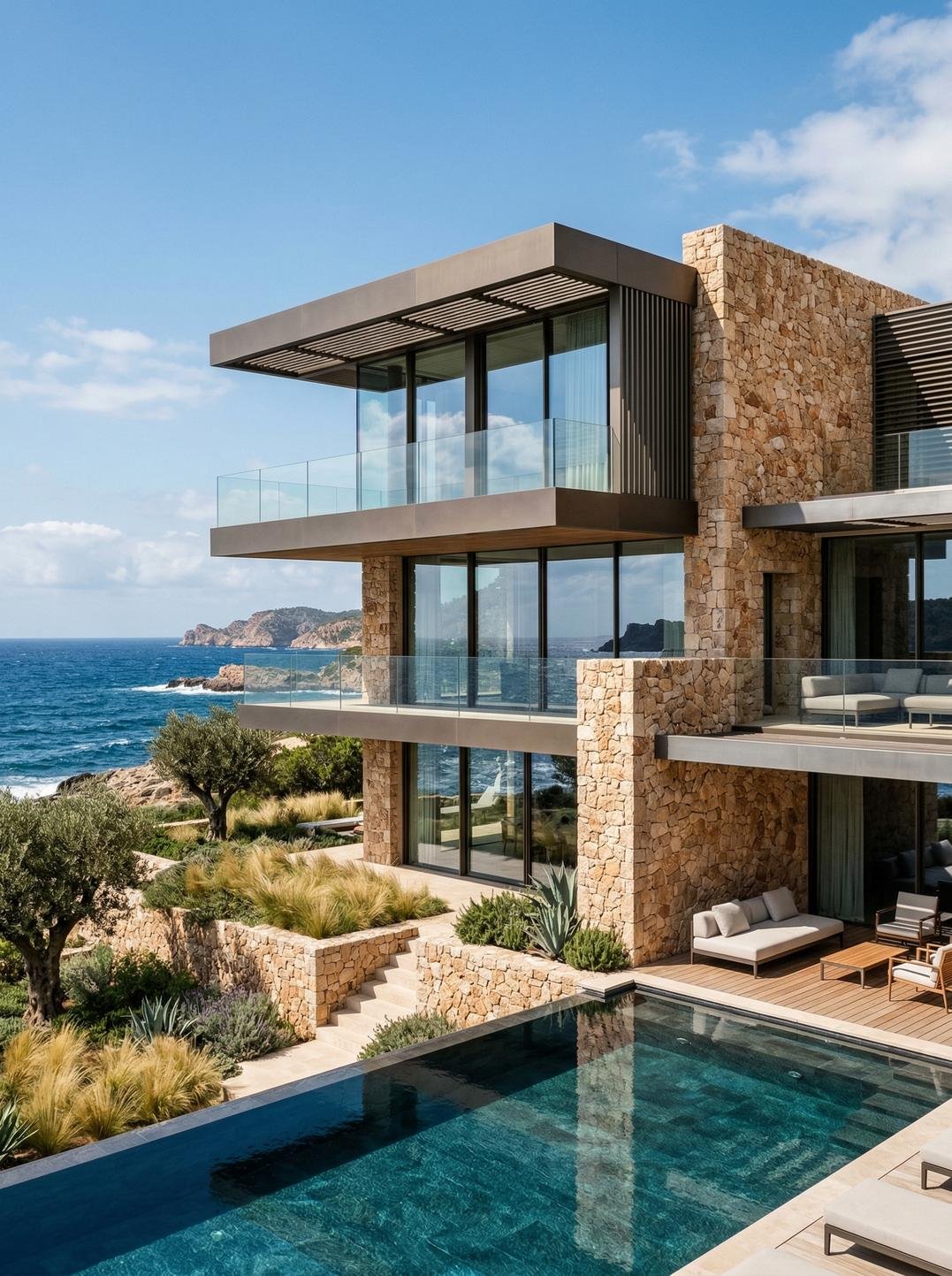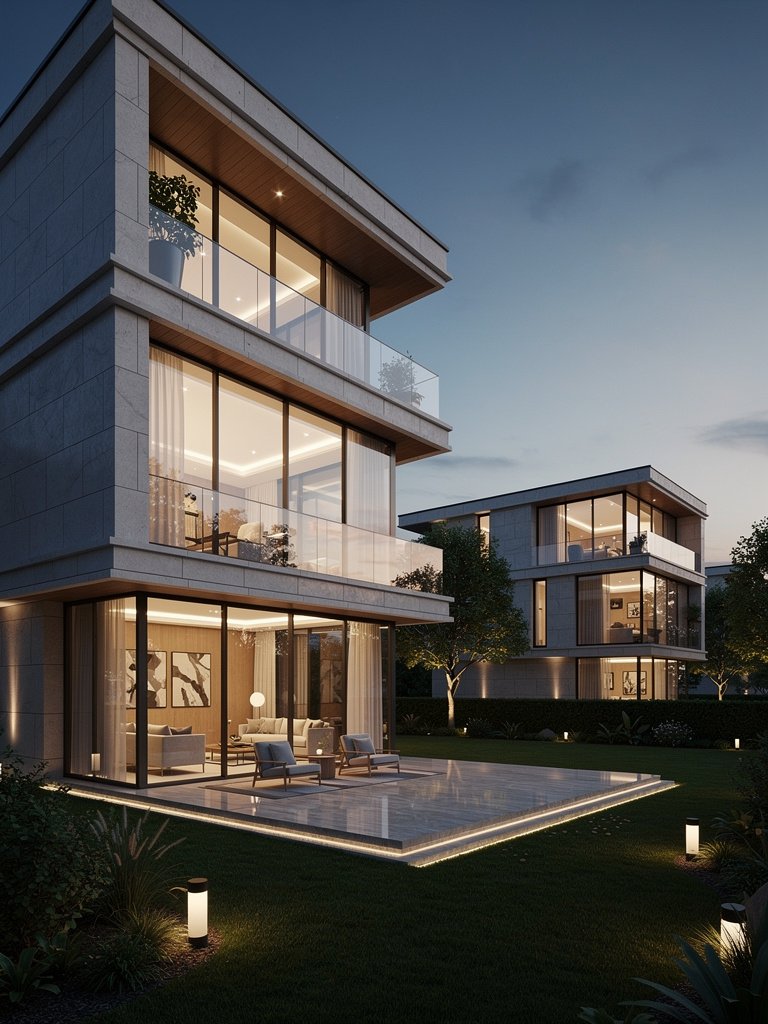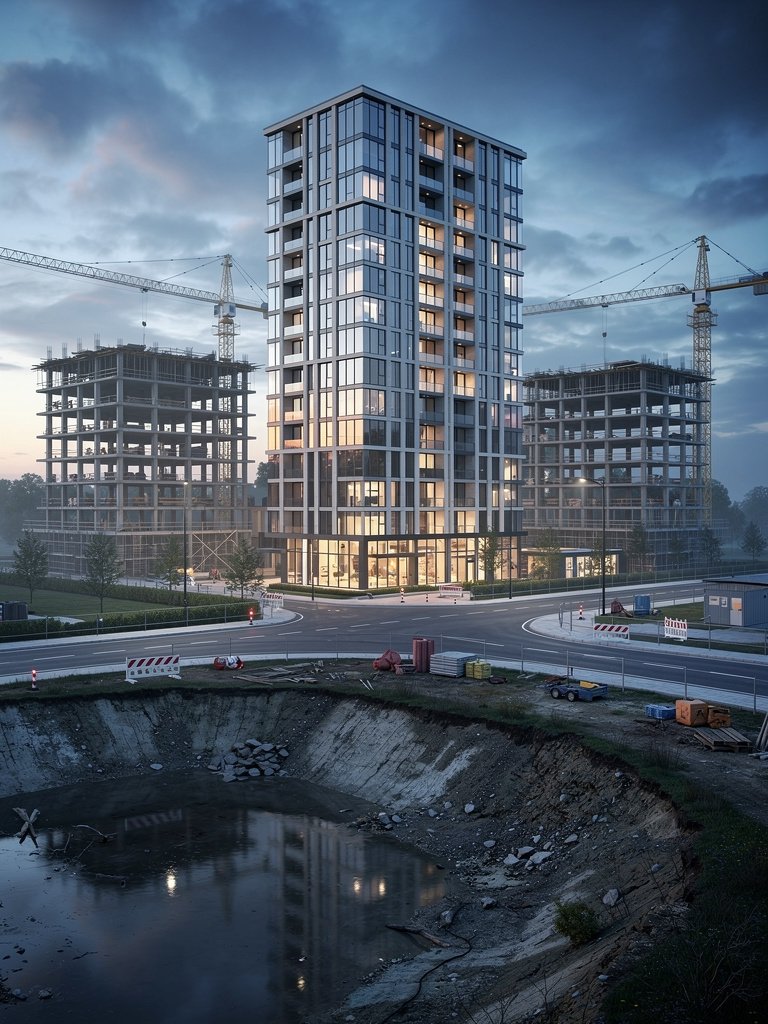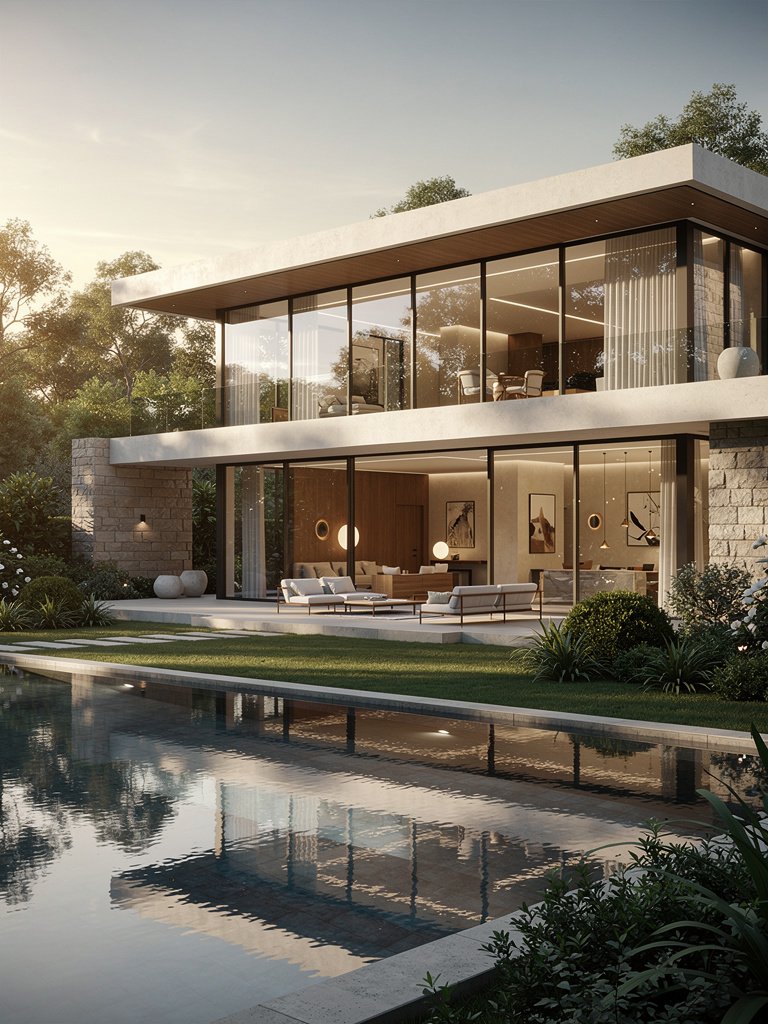

In the high-stakes world of commercial real estate and luxury residential development, the ability to sell a vision before ground is broken is the ultimate differentiator. For architects and developers, relying on 2D floor plans or abstract sketches is no longer sufficient to secure stakeholder buy-in or early off-plan sales. The market demands an immersive experience that bridges the gap between technical blueprints and emotional resonance. This is where professional 3D interior rendering for designers becomes a critical asset in your marketing arsenal.
It is not merely about creating a pretty picture; it is about translating architectural intent into a tangible reality that investors can trust. By utilizing high-end photorealistic interior visualization, you eliminate ambiguity, reduce the sales cycle, and justify premium price points. In this guide, we will explore how B2B industry leaders are leveraging these tools to outperform competitors and streamline their design approval processes.
Table of Contents
1. The Business Impact & ROI
Investing in high-fidelity visualization is not an operational expense; it is a strategic revenue generator. For developers, the Return on Investment (ROI) is measurable through accelerated sales velocity and increased property valuation. When prospective buyers or tenants can visualize the exact play of light in a penthouse living room or the material quality of a corporate lobby, their confidence in the project skyrockets. This emotional connection is the primary driver of pre-construction contracts.
Furthermore, accurate visualizations significantly reduce construction costs by identifying design clashes early. When interior designers and architects can review a space in a digital twin environment, they can adjust layouts, material palettes, and lighting fixtures before physical procurement begins. This mitigation of on-site errors prevents costly change orders and delays. In the B2B sector, where timelines equate to capital, the efficiency gained through precise visualization directly impacts the bottom line, ensuring that the final built environment mirrors the promised concept perfectly.
2. The 3D Visualization Workflow
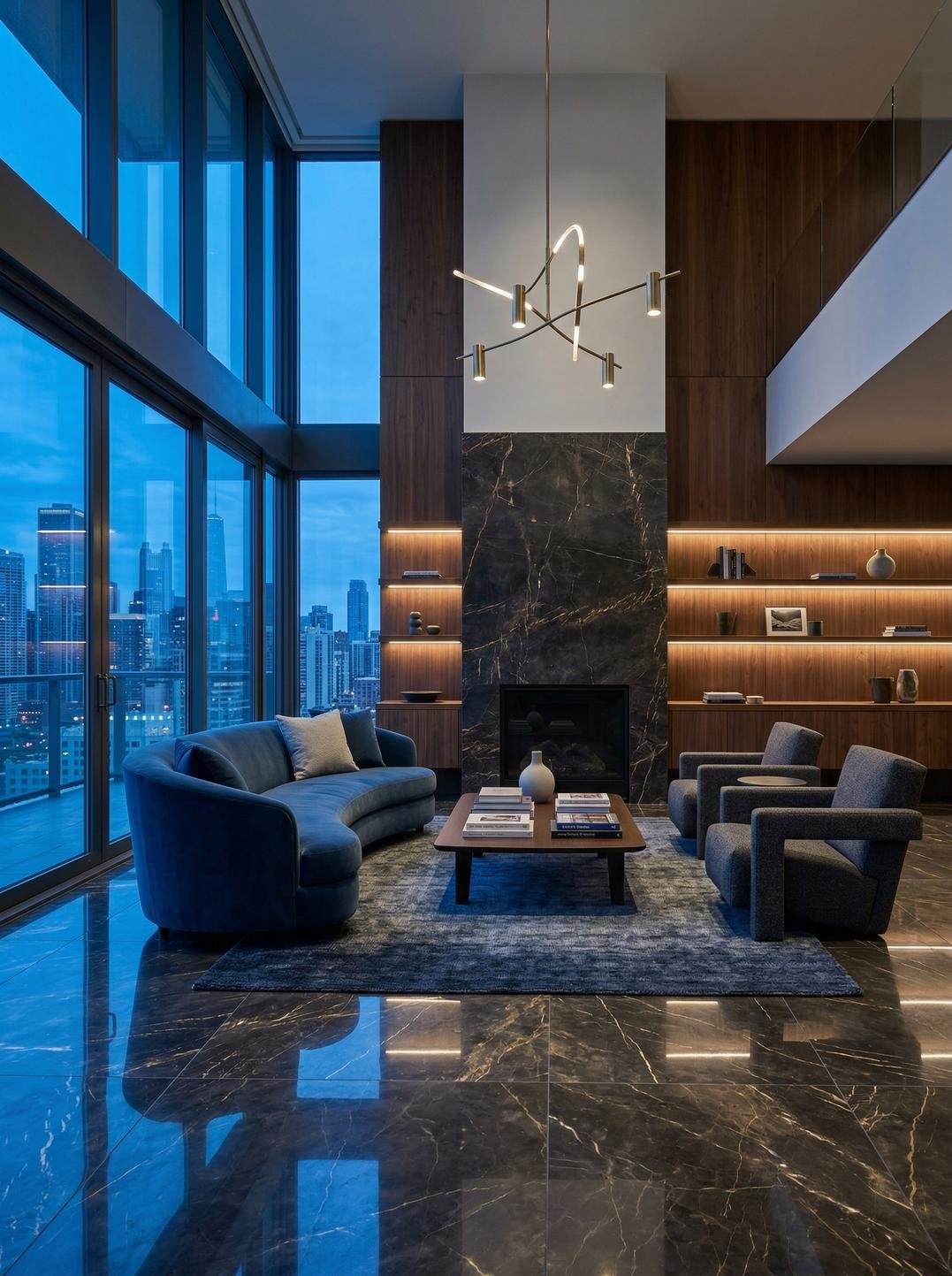
Creating a compelling render is a sophisticated convergence of artistry and engineering. The workflow begins with the geometry, where the 3D artist imports the architect’s BIM or CAD files into software like 3ds Max or Revit. However, the true magic happens during the texturing and lighting phases. This is the stage where 3D interior rendering for designers shifts from a structural model to a piece of digital art.
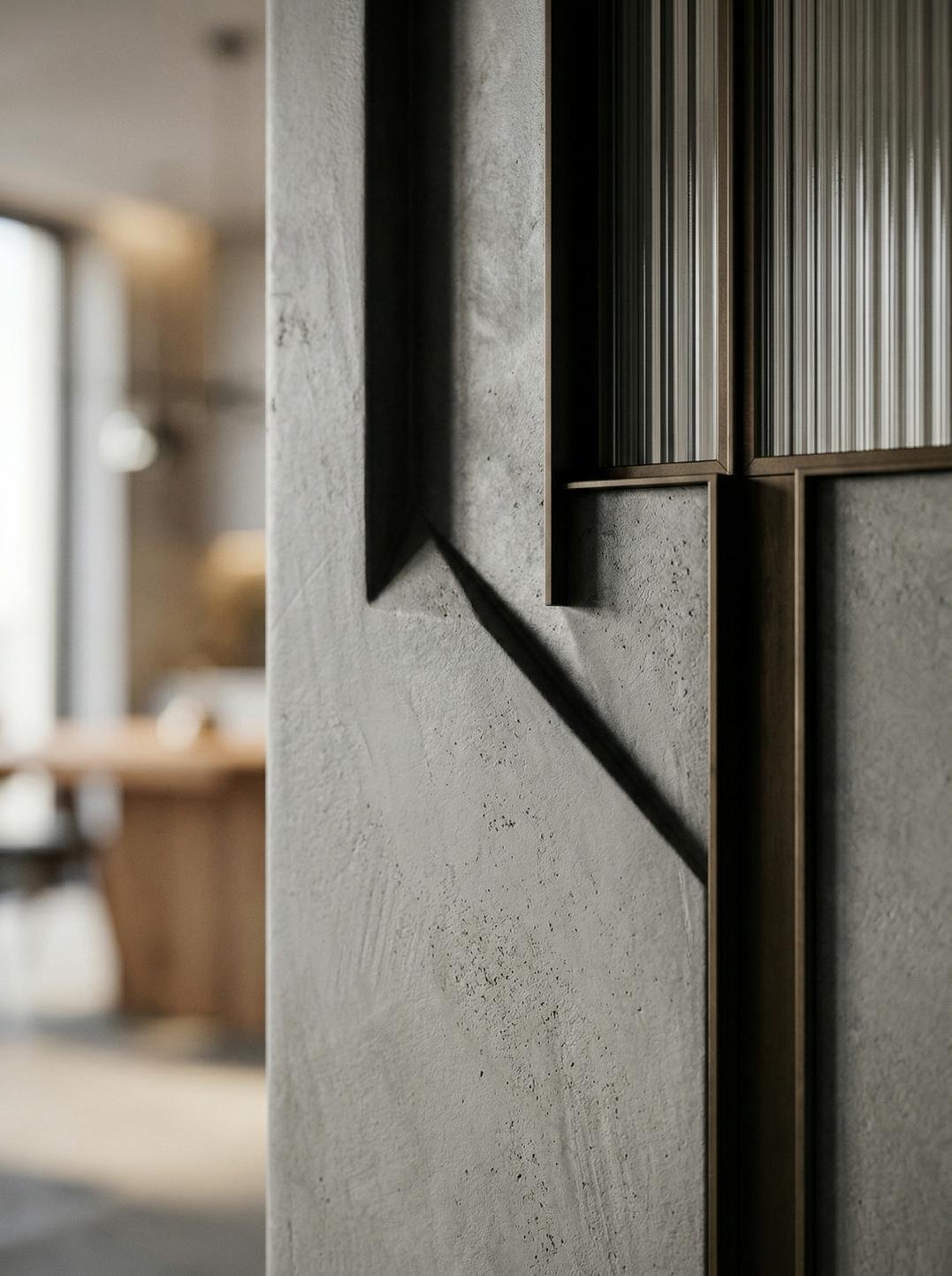
Artists apply Physically Based Rendering (PBR) textures to ensure that materials like velvet, marble, or brushed brass react to light exactly as they would in the real world. Lighting is the most critical element; utilizing High Dynamic Range Imagery (HDRI) allows for natural environmental lighting, simulating golden hour sun or moody overcast skies depending on the desired atmosphere.
Collaboration is key during this phase. Using cloud-based review platforms, developers can leave feedback directly on the image, ensuring the mood aligns with the brand narrative. The final step involves post-production in Adobe Photoshop to color-grade the image, adjusting contrast and saturation to achieve photorealistic interior visualization that is indistinguishable from photography. This meticulous workflow ensures the final output is not just accurate, but emotionally compelling.
3. Professional Execution in Real Estate
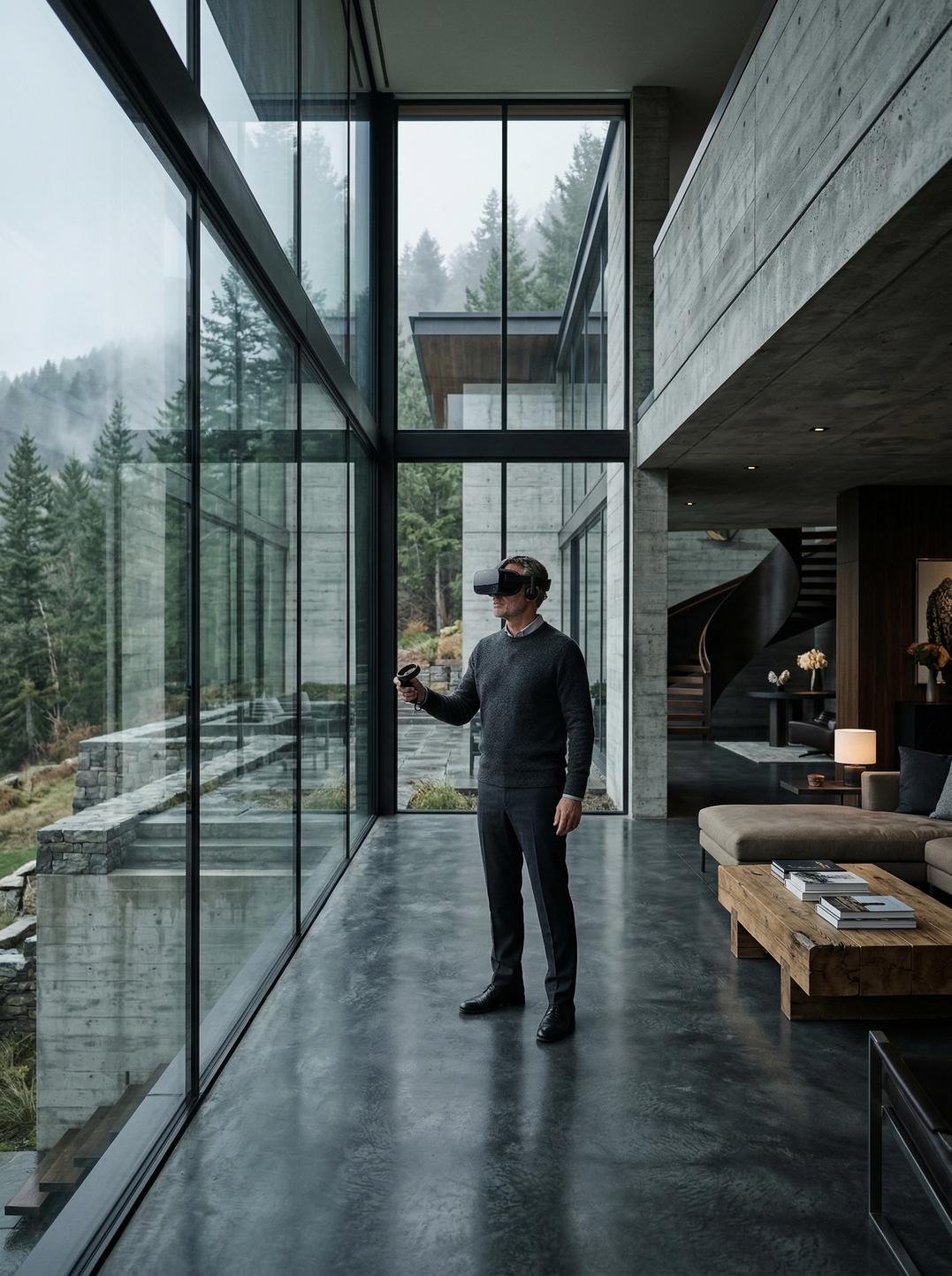
Top-tier developers and architecture firms are pushing the boundaries of how visualization is implemented. It is no longer enough to have static JPEGs; the industry is moving toward interactive and immersive experiences. Leading firms are integrating rendering assets into Virtual Reality (VR) headsets for marketing suites, allowing potential buyers to “walk” through a property and change finish options in real-time. This level of interactivity, powered by game engines like Unreal Engine 5, represents the pinnacle of PropTech integration.
Moreover, professional execution involves a deep understanding of interior styling and trends. High-end visualization studios do not just model walls; they curate furniture, art, and decor that appeal to the specific target demographic of the development. For a luxury Manhattan condo, the rendering must feature bespoke furniture and contemporary art; for a family suburban development, the styling should be warm and functional. By tailoring the digital staging to the buyer profile, developers effectively communicate lifestyle, not just square footage. This targeted approach transforms a standard viewing into a curated brand experience.
4. Common Pitfalls to Avoid
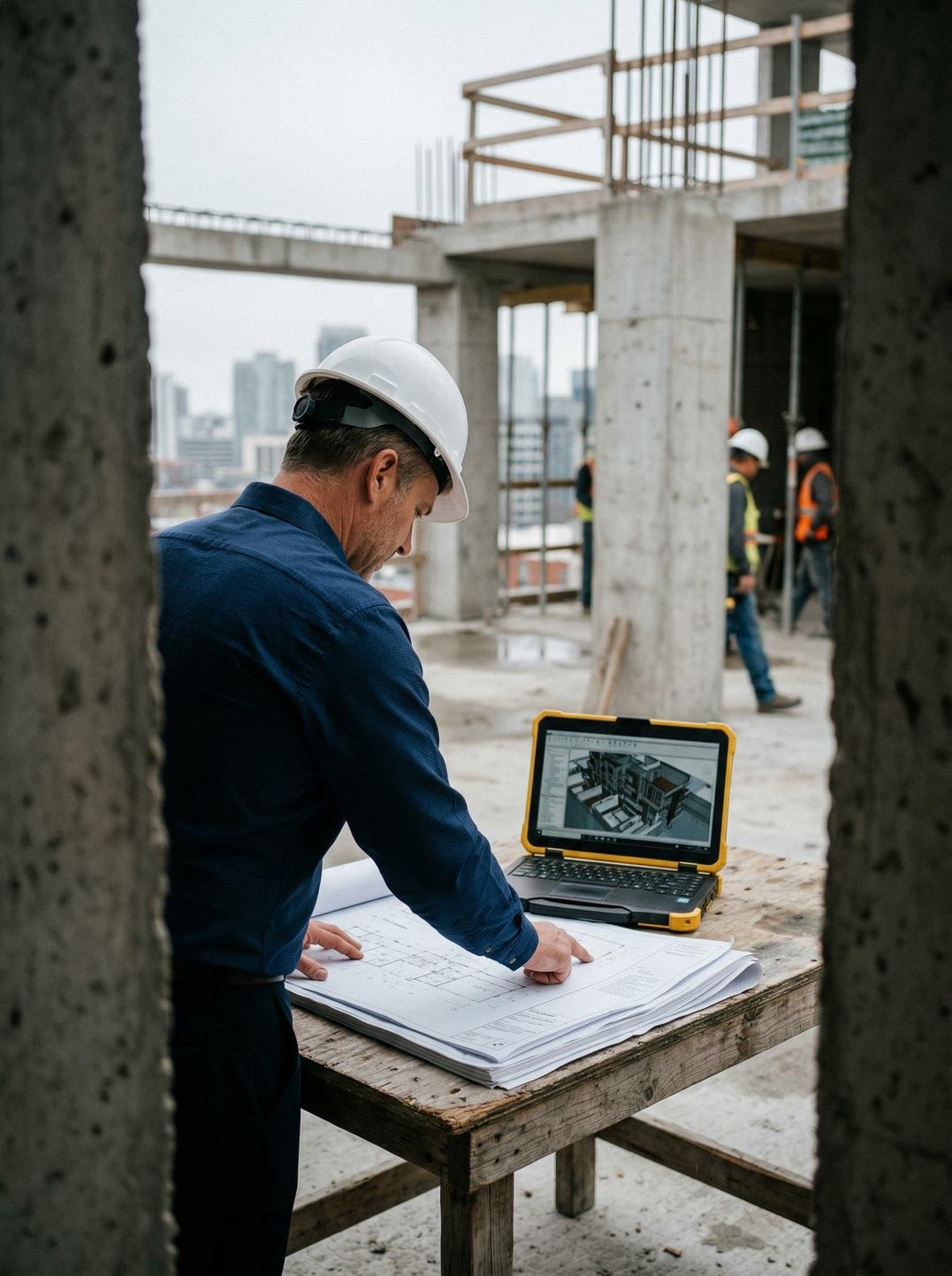
Despite the availability of advanced software, many rendering projects fail to deliver ROI due to fundamental execution errors. A common mistake is poor lighting balance—specifically, over-lighting a scene which washes out textures and flattens the depth, removing the realism. Another frequent issue is incorrect scale; if furniture or architectural elements are not modeled to precise human scale, the room will feel subconsciously “wrong” to the viewer, breaking the immersion immediately.
From a B2B perspective, the biggest pitfall is a lack of clear briefing. Failing to provide reference boards (mood boards) or specific material codes results in endless revision cycles that drain the budget. Additionally, “over-styling” a scene with too much clutter can distract from the architectural features you are trying to sell. To avoid these traps, always insist on a staged delivery process: confirm the “Clay Render” (white model) for geometry first, then approve materials, and finally sign off on lighting. This structured approach prevents major structural changes during the final rendering phase.
5. Conclusion
In the competitive landscape of modern real estate development, the quality of your visual assets can make or break a project’s launch. Mastering 3D interior rendering for designers is essential for conveying value, securing planning approvals, and accelerating off-plan sales. It bridges the gap between a blueprint and a buyer’s dream.
By understanding the workflow, avoiding common technical pitfalls, and investing in high-quality photorealistic interior visualization, you position your firm as a market leader. Do not leave your property’s potential to the imagination of the client—show them the reality they desire.
Ready to elevate your property marketing? Contact Arkilex today to transform your blueprints into breathtaking visual realities.
FAQs
1. How long does a high-quality interior rendering take to complete?
For professional B2B projects, a standard photorealistic interior render typically takes 3 to 5 business days. This timeline includes modeling, texturing, lighting setup, and two rounds of revisions. Complex scenes like large commercial lobbies or VR tours may require longer production times.
2. What files do developers need to provide to the visualization studio?
To ensure accuracy, you should provide CAD drawings (DWG), 3D models (SketchUp/Revit/Rhino), and a detailed mood board or specification sheet for materials (FF&E). The more detailed the initial brief, the fewer revisions will be required later.
3. Can 3D rendering help with zoning and planning approvals?
Absolutely. City councils and planning boards often require visual impact assessments. High-quality renderings demonstrate exactly how a proposed development will interface with the existing environment, helping to alleviate concerns regarding light, shadow, and aesthetic integration, thereby smoothing the approval process.
4. What is the difference between standard rendering and photorealistic visualization?
Standard rendering often lacks depth, accurate light physics, and material imperfections, looking “computer-generated.” Photorealistic visualization uses advanced algorithms to simulate real-world light behavior and material properties, resulting in images that are virtually indistinguishable from professional photography.