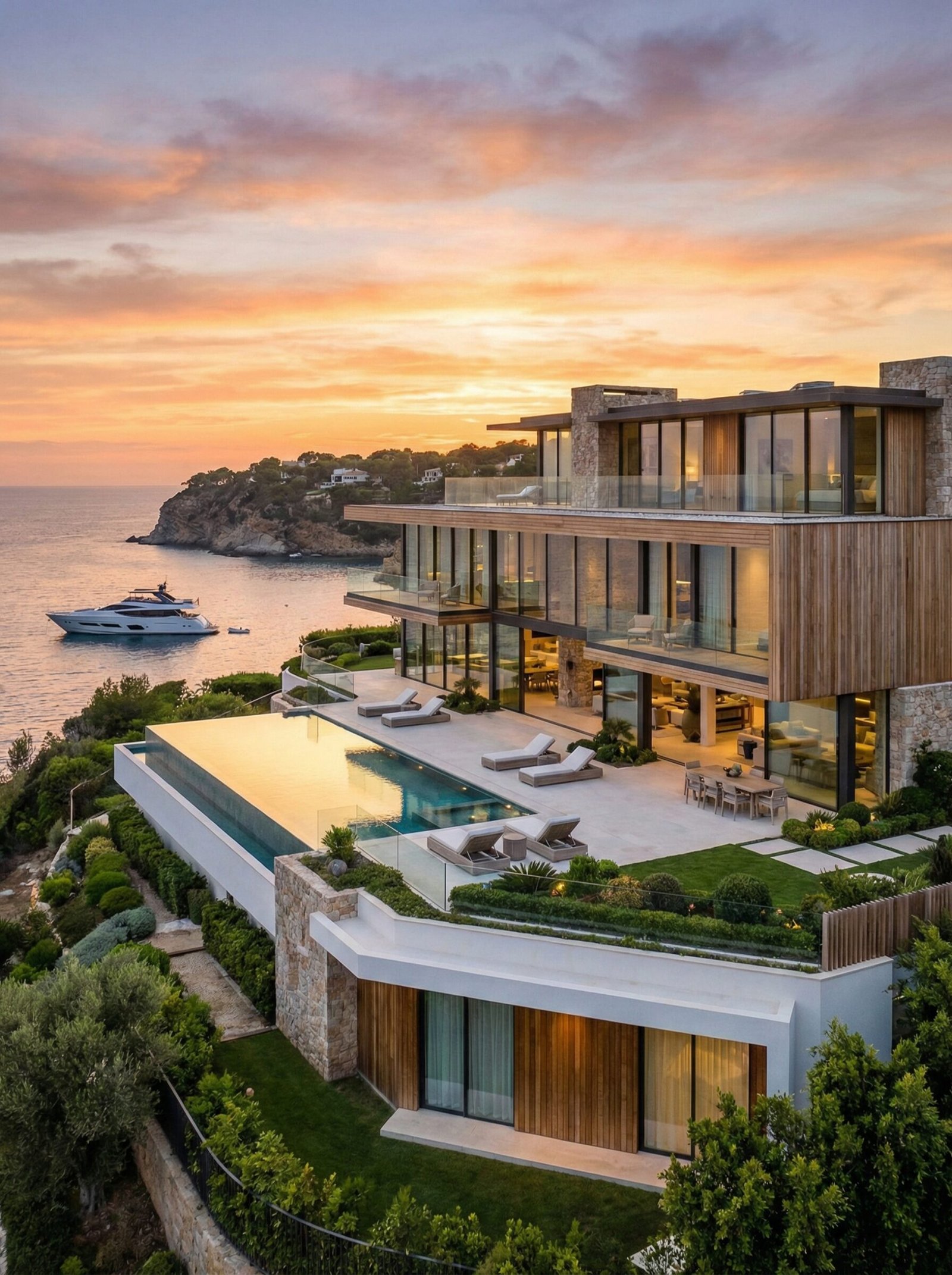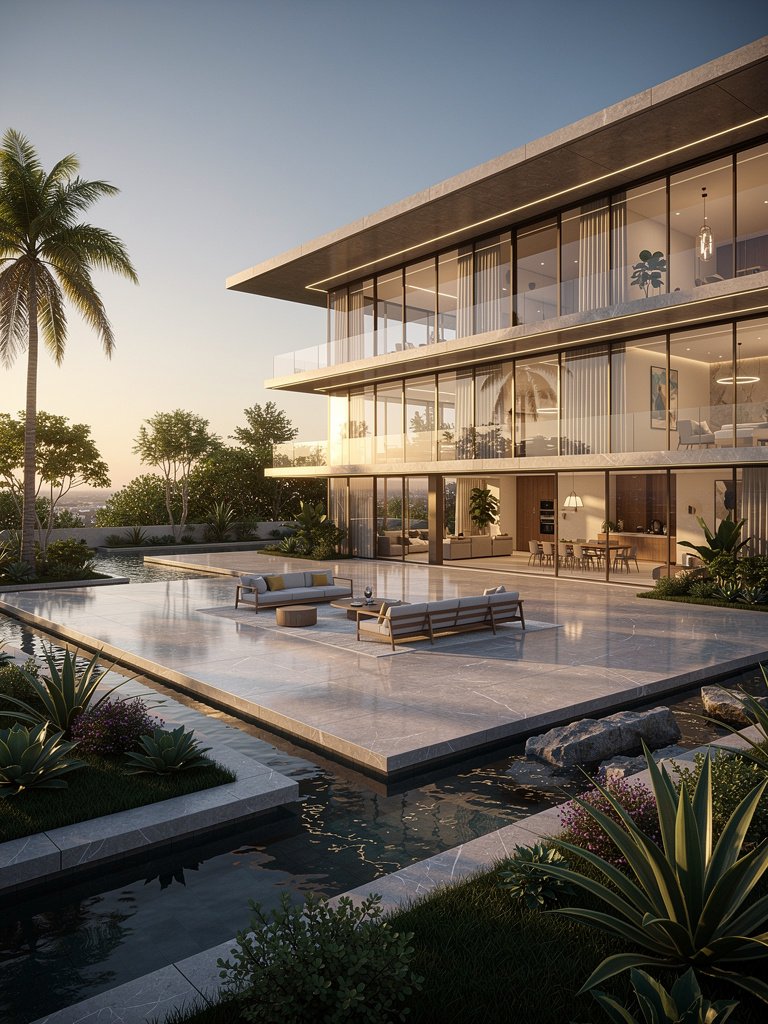

In the ultra-competitive landscape of property development, selling the invisible is the ultimate challenge. For developers, architects, and interior designers, the ability to showcase a property’s potential before the ground is even broken dictates the success of a pre-sale campaign. This is where Luxury real estate 3D renders become the most powerful asset in your marketing toolkit. They bridge the gap between technical blueprints and emotional desire, allowing prospective buyers to mentally inhabit a space that does not yet exist.
However, standard rendering is no longer sufficient in a saturated market. Investors and high-net-worth individuals expect perfection. Relying on High-end architectural visualization ensures that every texture, light source, and design intent is communicated with absolute clarity. This level of visual fidelity is crucial for securing investor confidence, accelerating municipal approvals, and justifying premium price points per square foot in luxury developments.
Table of Contents
1. The Business Impact & ROI
Investing in top-tier visualization is not merely an aesthetic choice; it is a strategic financial decision that directly impacts the Gross Development Value (GDV). In the B2B sector, the Return on Investment (ROI) from professional CGI manifests in three distinct areas: speed of sales, perceived value, and reduced marketing friction.
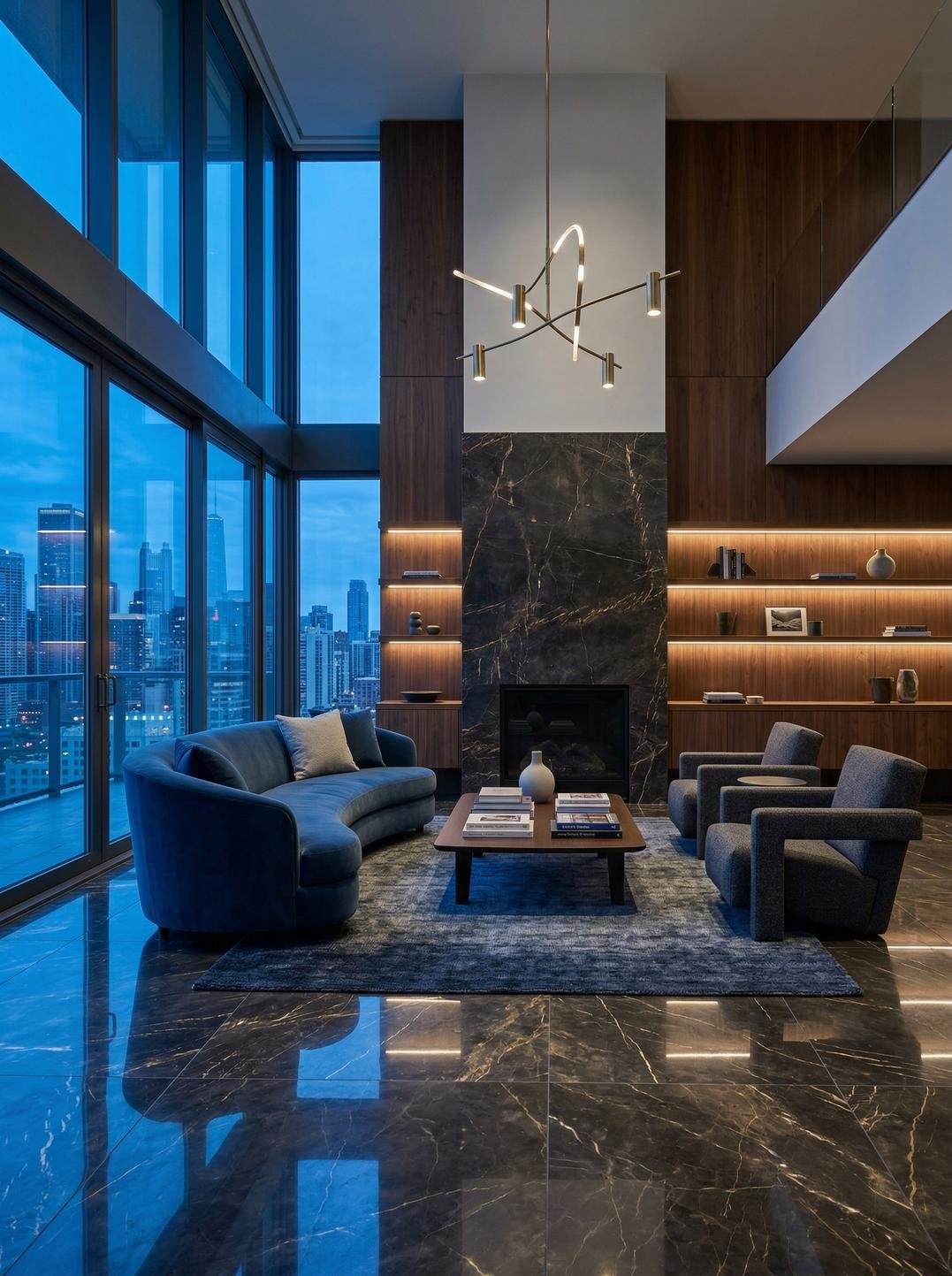
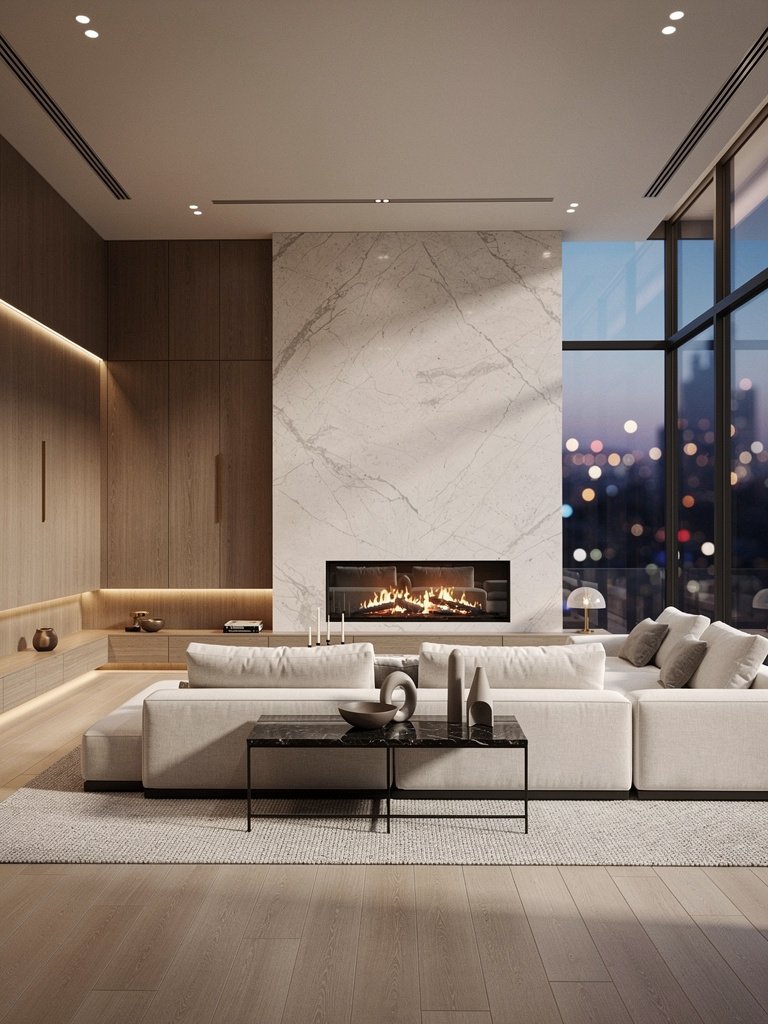
When a developer presents a project using hyper-realistic imagery, they eliminate the “imagination gap.” Buyers no longer have to guess what “Calacatta marble finishes” or “floor-to-ceiling fenestration” looks like; they see it. Data suggests that listings featuring high-quality 3D tours and photorealistic imagery sell up to 31% faster than those relying on 2D floor plans alone. By establishing a premium visual language early in the cycle, developers can justify higher pre-construction prices. Furthermore, these assets are reusable across digital channels, print brochures, and large-format hoarding, amortizing the initial cost over the entire lifecycle of the marketing campaign. Ultimately, quality visuals signal competence and financial stability to stakeholders.
2. The 3D Visualization Workflow
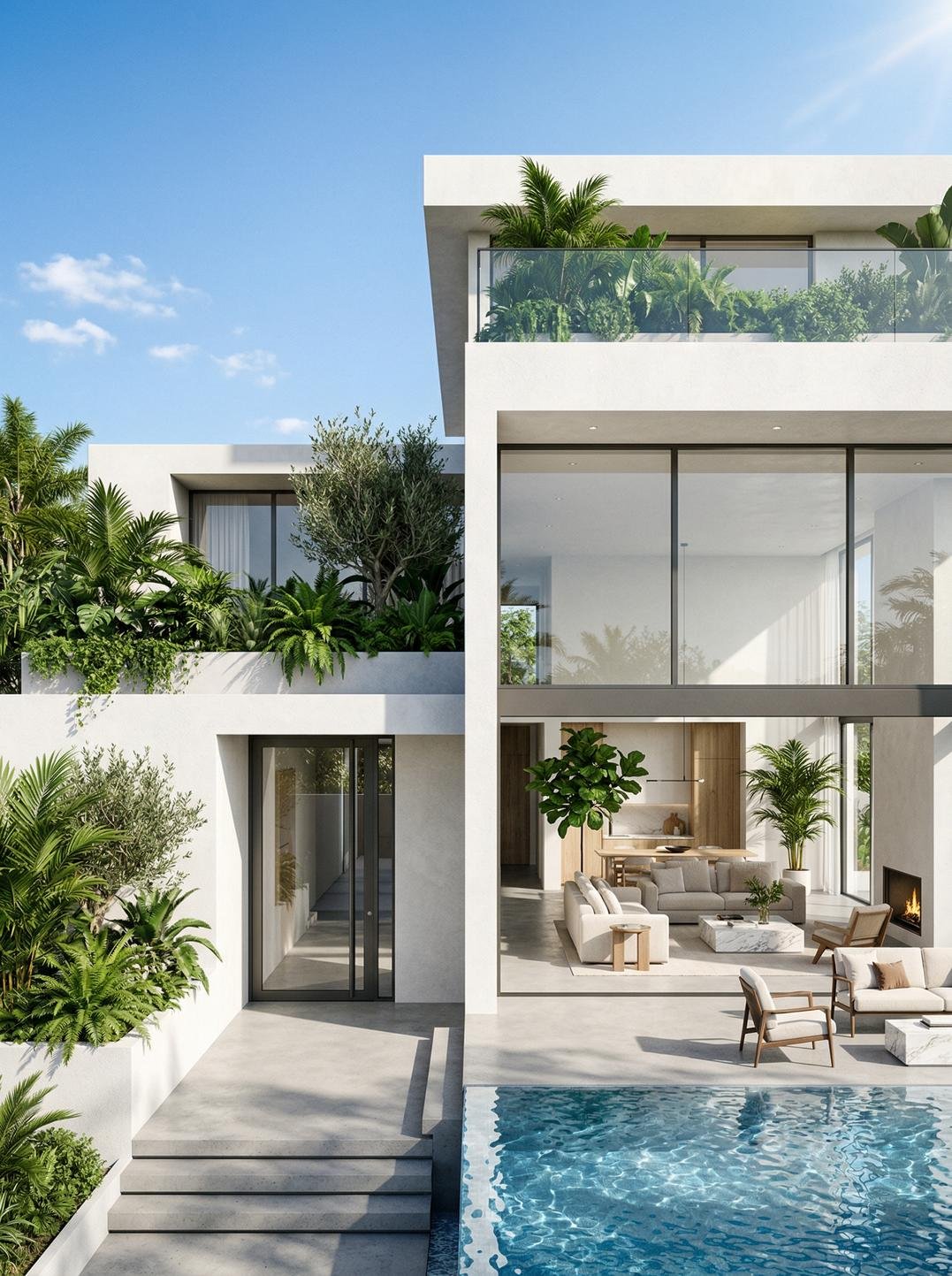
Understanding the technical workflow helps stakeholders manage timelines and expectations effectively. The process of creating Luxury real estate 3D renders is a collaborative journey that moves from geometry to emotion. It begins with the “Clay” or “White Card” stage, where the studio models the architectural geometry without materials to approve camera angles and composition.
Once the viewing angles are locked, the lighting setup begins. This is a critical differentiator in High-end architectural visualization. Expert artists utilize HDRI lighting to mimic exact geographical sun positions, ensuring shadows fall exactly as they would at the physical site. Following lighting is texturing, where PBR (Physically Based Rendering) materials are applied. This technology simulates how light interacts with surfaces—calculating reflection, refraction, and roughness. Finally, post-production adds “imperfections” like dust particles in light shafts or lived-in elements, which paradoxically make the image look more real. This meticulous workflow ensures the final output is indistinguishable from photography.
3. Professional Execution in Real Estate
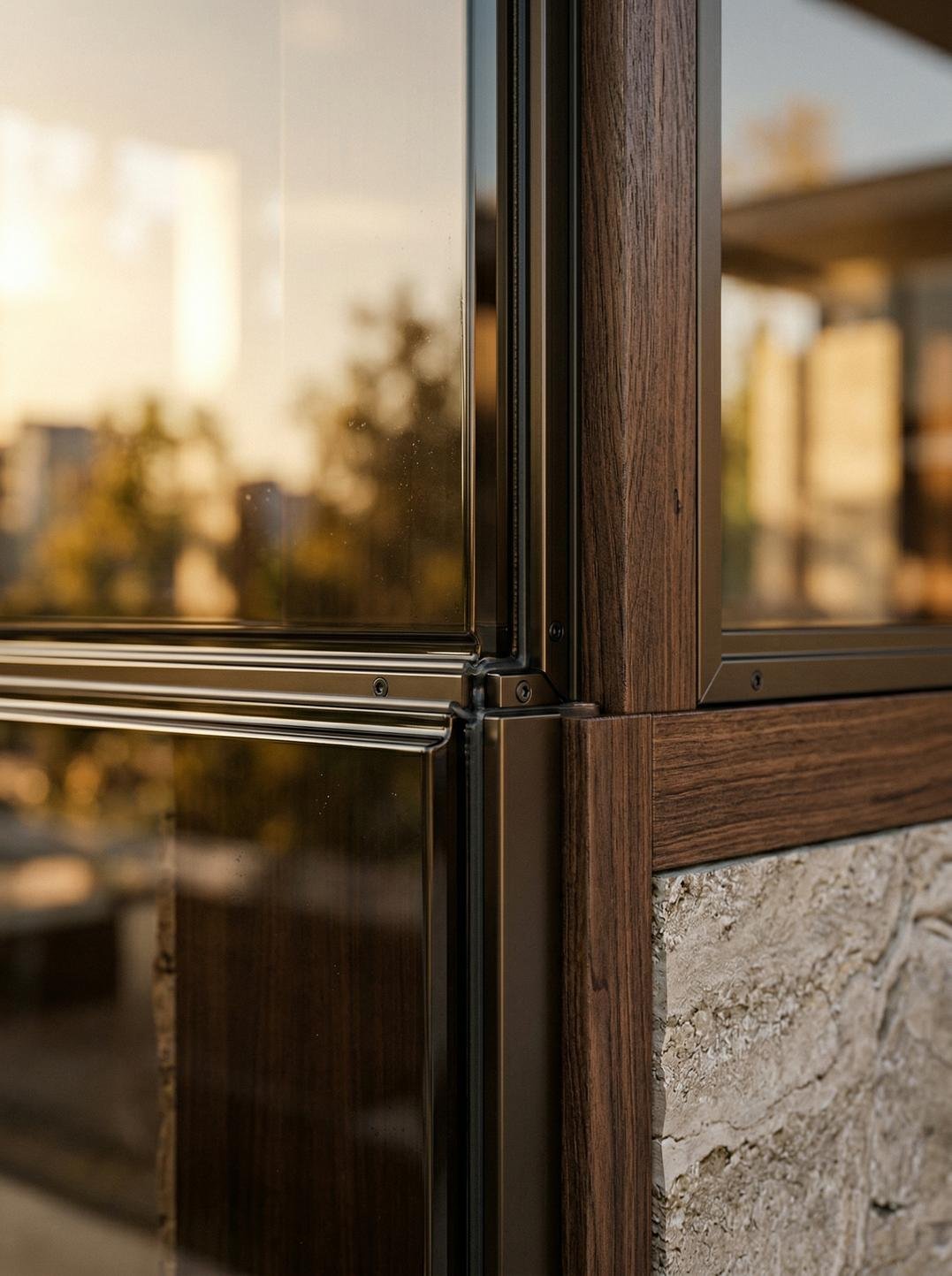
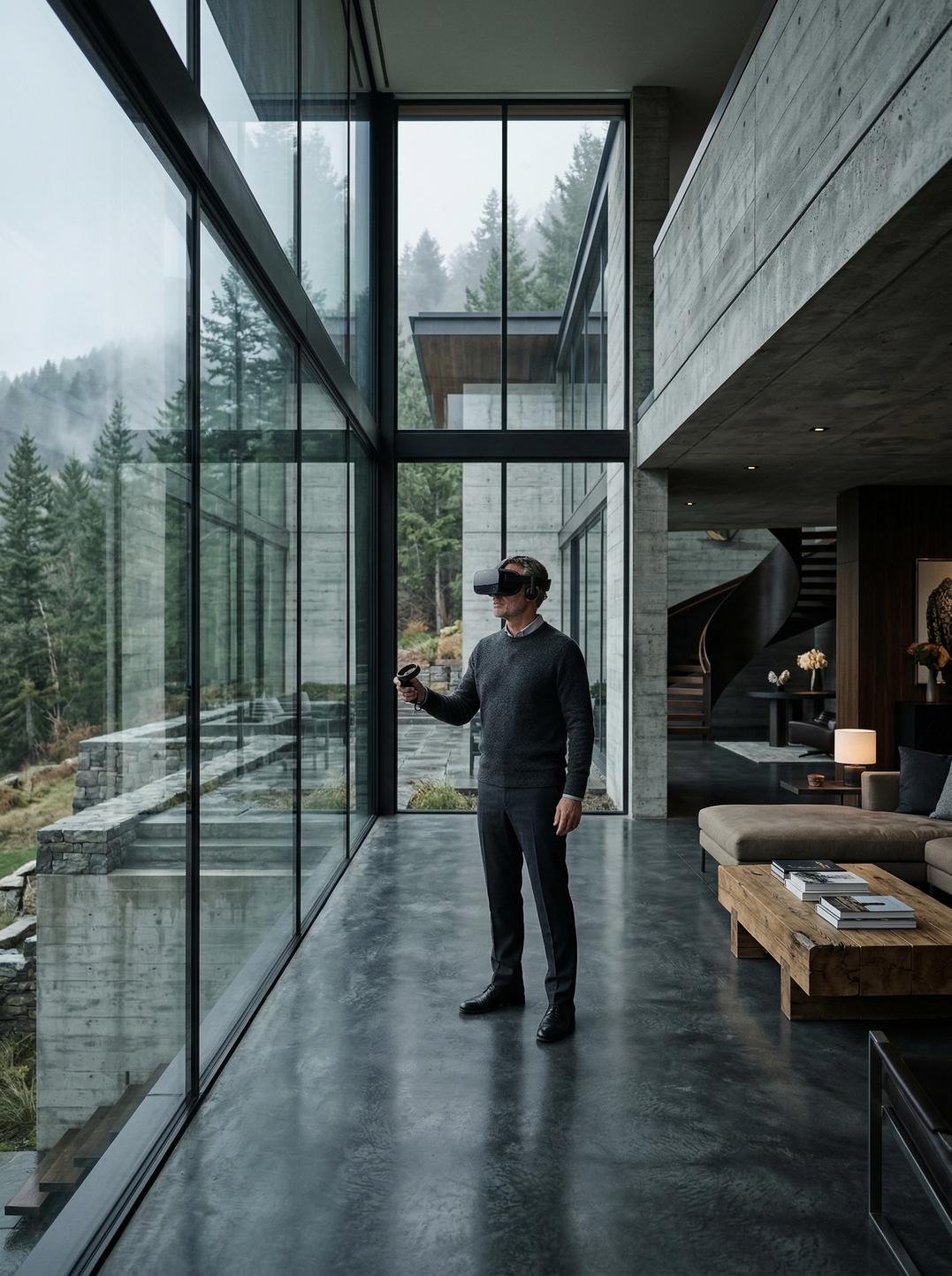
Top-tier architects and developers are currently leveraging visualization assets far beyond simple JPEGs. In the modern PropTech ecosystem, execution is about immersion. Leading firms are integrating 3D assets into interactive sales gallery touchscreens and Virtual Reality (VR) headsets, allowing clients to walk through a penthouse before the foundation is poured.
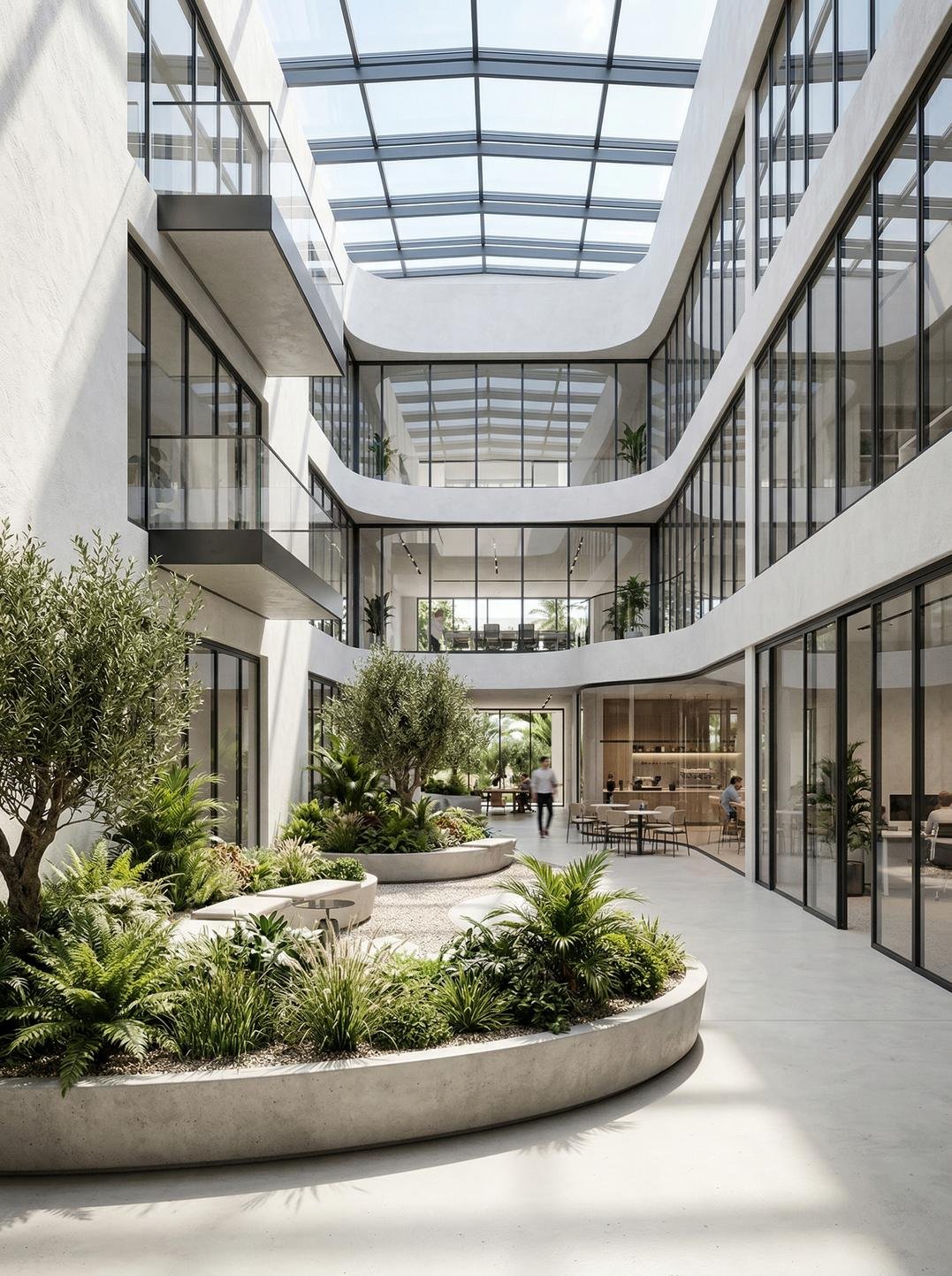
The trend is moving toward “Digital Twins.” This involves creating a visually accurate digital replica of the building that serves marketing purposes initially but can later be used for facility management. When executing these campaigns, material selection must be finalized early. High-end studios require precise references—such as specific wood veneer codes or fabric swatches—to replicate the luxury look authentically. Consistency is key; the lighting mood established in the exterior render must match the interior ambiance to tell a cohesive story. By synchronizing the 3D assets with the brand narrative, developers create a lifestyle promise that resonates with the target demographic, effectively converting passive viewers into active leads.
4. Common Pitfalls to Avoid
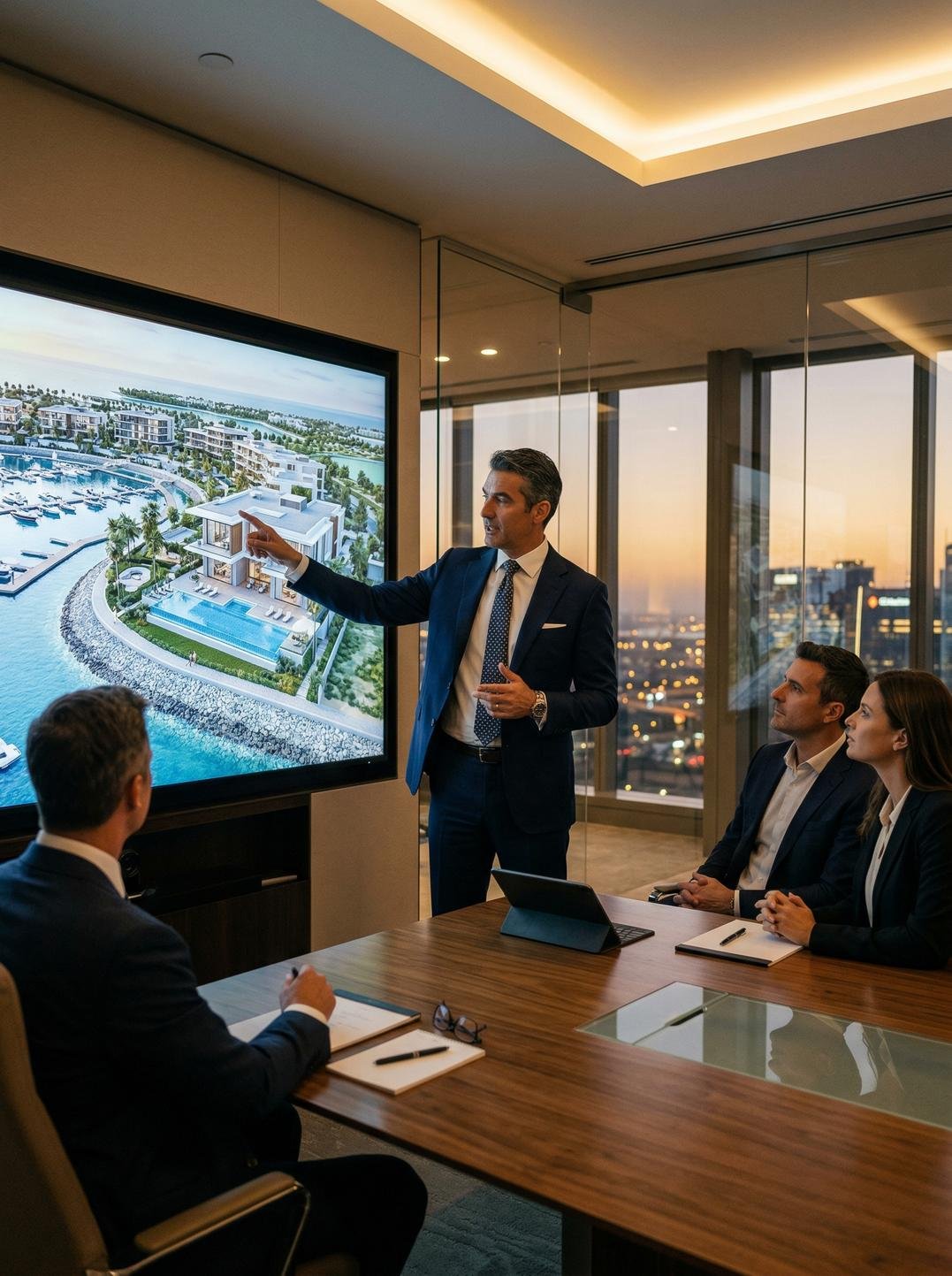
Despite the technology’s availability, many B2B projects fail to maximize their rendering potential due to fundamental errors. The most common pitfall is the “Uncanny Valley” effect—where a render looks almost real but slightly “off,” causing viewer discomfort. This usually stems from poor lighting setups or incorrect scale of furniture.
Another significant mistake is “Over-Propping.” Cluttering a scene with too many accessories distracts from the architecture. In luxury markets, minimalism often signals exclusivity; therefore, the styling should be curated, not chaotic. Additionally, ignoring the exterior context is a fatal error. A luxury penthouse cannot have a generic sky; it requires drone photography of the actual view to be composited into the windows. Finally, failing to define the target audience leads to generic styling. A render for a family-oriented development requires different mood lighting and staging than a bachelor pad in the financial district. Avoiding these errors ensures your marketing budget yields assets that truly convert.
5. Conclusion
In the high-stakes world of property development, the quality of your visual assets directly correlates to the perceived value of your project. Utilizing Luxury real estate 3D renders allows you to control the narrative, mitigating risk and accelerating the sales cycle. From the initial clay model to the final post-production touches, every step requires precision and artistic vision.
By adhering to the standards of High-end architectural visualization, you distinguish your portfolio from competitors and build lasting trust with clients. As technology evolves, those who master these visual tools will lead the market.
Ready to elevate your next development? Contact Arkilex today to transform your blueprints into breathtaking visual reality.
6. FAQs
1. How long does a high-end exterior rendering typically take?
For luxury projects, expect a timeline of 5 to 10 business days per view. This allows time for modeling, texturing, two rounds of client revisions, and high-resolution rendering. Complex master plans may require additional time for landscaping and context modeling.
2. What files do architects need to provide for 3D visualization?
To ensure accuracy, provide CAD drawings (DWG), 3D models (Revit/SketchUp/Rhino), and a material schedule (PDF) containing reference images of finishes. Mood boards are also essential for conveying the desired atmosphere and lighting style.
3. Can 3D renders be used for Virtual Reality (VR) tours?
Yes, but they require a different workflow. Standard renders are static 2D images. VR requires 360-degree panoramic rendering or real-time optimization using engines like Unreal Engine 5 to allow users to navigate the space interactively.
4. How does lighting affect the cost of a rendering?
Lighting is the most artistic and time-consuming aspect. A simple daylight scene is standard, but complex “dusk” or “golden hour” shots require intricate balancing of artificial interior lights with exterior natural light, often increasing the time and cost involved.